
Reviewed · SUMO EXPERIENCES
Sapporo Sumo Show Experience with Japanese Food and Photo
Sumo gets personal here. In about two hours, you learn the sport’s rules, watch retired wrestlers demonstrate exercises and winning techniques, eat a Japanese meal, and possibly step into the ring yourself. I especially like the small maximum group of six, which gives you a close view of the dohyo, and the warm, playful way the staff bring the audience into the show. The included photo with the wrestlers is a fine touch.
The main consideration is that this is entertainment by retired rikishi, not a professional tournament. The meal plan also needs a careful look, since the information describes chanko-nabe, wagyu beef sukiyaki, tempura, and one drink in slightly different places. Ask what your selected plan includes, especially if you want a vegetarian meal.
In This Review
- Key points to know before booking
- Why this Sapporo sumo show is worth your time
- Entering the dohyo with retired rikishi
- The audience challenge is more than a photo opportunity
- What you eat: chanko-nabe and Japanese dishes
- A geiko dance and other cultural touches
- The photo and souvenir bag
- How the price compares with the experience
- Who will enjoy this most
- Timing, meeting point, and practical planning
- Is the Sapporo Sumo Show worth booking?
- FAQ
- Where does the Sapporo Sumo Show take place?
- How long does the experience last?
- Does the activity start and finish at the same place?
- Is transportation included?
- What food is included?
- Can I request a vegetarian meal?
- Will I be able to wrestle a retired sumo wrestler?
- Are the wrestlers still competing professionally?
- Is a commemorative photo included?
- How many people can join the activity?
- Can I cancel for a full refund?
Key points to know before booking
- Retired wrestlers explain and demonstrate the sport, including morning exercises, ring techniques, rules, and etiquette.
- Audience participation is a real part of the show, with a limited number of visitors invited to challenge a wrestler.
- Challengers may be chosen by lottery if more people volunteer than the show can accommodate.
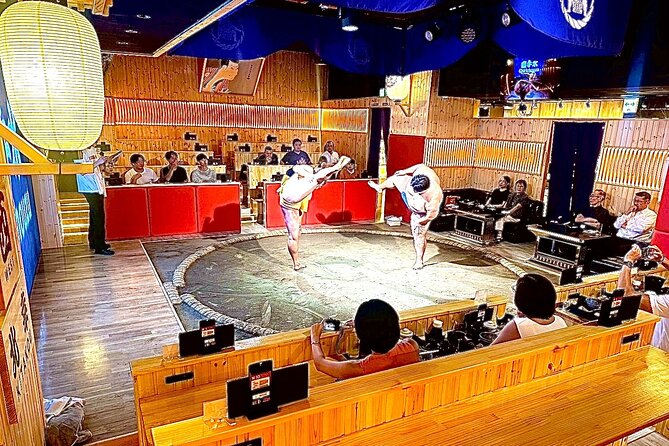
- Every seat has a close view of the dohyo, though front-row seating is available for an even tighter look.
- Food is part of the cultural experience, with Japanese dishes, chanko-nabe, and one drink included on meal plans.
- You leave with a framed commemorative photo and souvenir bag, not just a quick snapshot.
Why this Sapporo sumo show is worth your time
Sapporo has plenty of food tours, bars, markets, and winter activities. This experience gives you something different: a compact cultural show built around one of Japan’s oldest sports.
You are not simply watching two large men push each other. The program explains how sumo works, why wrestlers perform certain movements, and how a match is decided. That basic context matters. Without it, sumo can look like a brief burst of force. With it, you start noticing foot placement, balance, grip, timing, and the importance of the initial charge.
I like the balance between watching and doing. You can sit back with your meal and enjoy the demonstrations, but you also have chances to take part. The show has a friendly mood, and the staff work hard to make the room feel welcoming to families, couples, and curious first-time visitors.
The experience takes place at 2-chōme-10-1 Minami 4 Jōnishi in Chuo Ward, a central Sapporo location near public transportation. It begins and ends at the same meeting point, so you do not need to arrange a separate ride back to your hotel or another part of the city.
More Sumo Experiences in Sapporo:
- Sapporo: Sumo Show Experience with Japanese food & Photo
★ 4.9 · 81 reviews - Tokyo: Sumo Show Experience with Chicken Hot Pot and a Photo
★ 4.8 · 6,678 reviews - Tokyo: Sumo Live Show with Photo in Shinjuku
★ 5.0 · 3,438 reviews
Entering the dohyo with retired rikishi
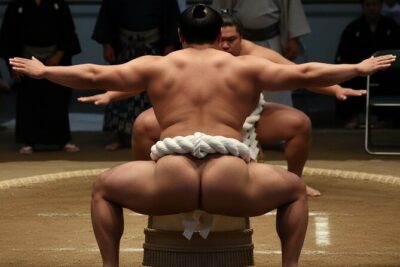
The strongest part of the program is the chance to meet retired sumo wrestlers in a setting much smaller than a major tournament arena.
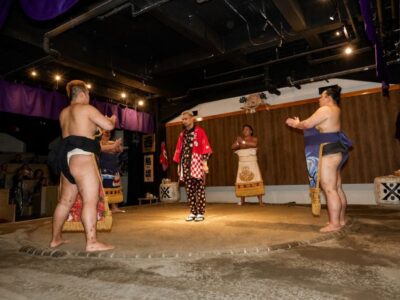
The show begins with an introduction to sumo and its long place in Japanese culture. You then see demonstrations of asa geiko, the morning exercises used to prepare the body and mind. These movements may look simple at first, but the presentation helps show the discipline behind them.
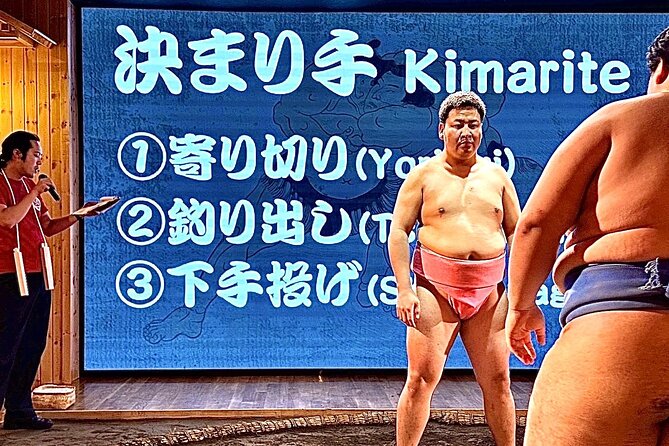
Next come examples of kimarite, the techniques used to win a bout. This is where the sport becomes easier to read. Sumo does not rely only on pushing. A wrestler may use a belt throw, a shift in balance, or a quick change of direction to force an opponent out of the ring.
The presenters also explain the do’s and don’ts of sumo. That etiquette is part of the appeal. Sumo has a formal side, but the show presents it in plain language and with enough humor to keep the atmosphere light.
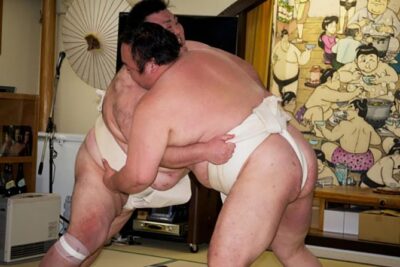
The main competition is a best-of-three contest between retired wrestlers. It is presented for entertainment, and that distinction is important. You should not expect a current professional bout with tournament stakes. Instead, you get skilled former athletes showing the strength, timing, and technique that made sumo their profession.
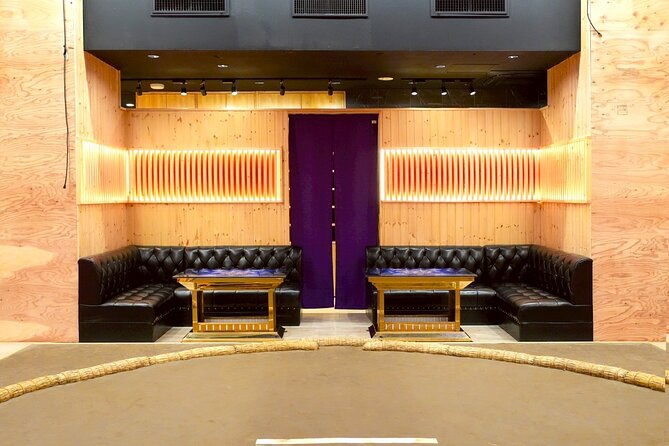
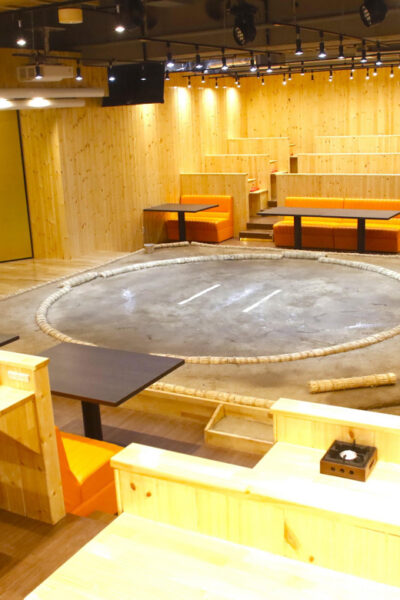
The close seating helps. Even if you choose standard seating, the dohyo is near enough for you to follow the action without relying on a large screen. Front-row seating is offered as an upgrade for visitors who want the most direct view.
The audience challenge is more than a photo opportunity
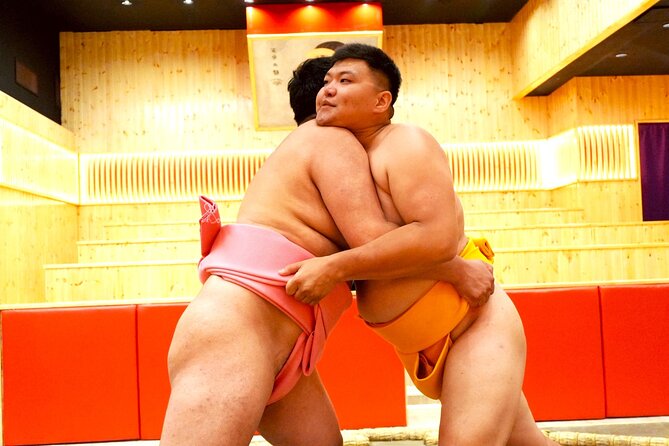
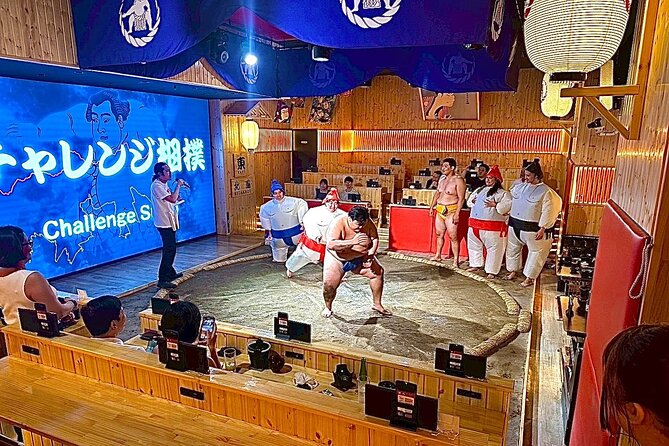
At some point, you may be invited to challenge one of the wrestlers in the ring. Only a limited number of people can take part, and if too many volunteer, the challengers are selected by lottery.
I like this rule because it keeps the activity fair and prevents the show from becoming a free-for-all. It also means you should not book the experience assuming you will wrestle. The opportunity is part of the program, but participation is not guaranteed.
If you do enter the dohyo, expect a playful contest rather than a serious sporting match. The retired wrestlers are there to entertain, and the event is designed to be safe and enjoyable for ordinary visitors. Still, anyone with health concerns should use sensible judgment before volunteering.
The challenge works especially well for families and groups of friends. It gives teenagers something active to look forward to, and it adds a little suspense for everyone watching. Even people who never enter the ring can enjoy seeing the audience members try to hold their ground.
Several aspects of the show encourage participation beyond the wrestling match. The hosts invite people to react, laugh, take photos, and join in the presentation. That friendly energy is one reason the experience works for people who may not know much about sumo before arriving.
What you eat: chanko-nabe and Japanese dishes
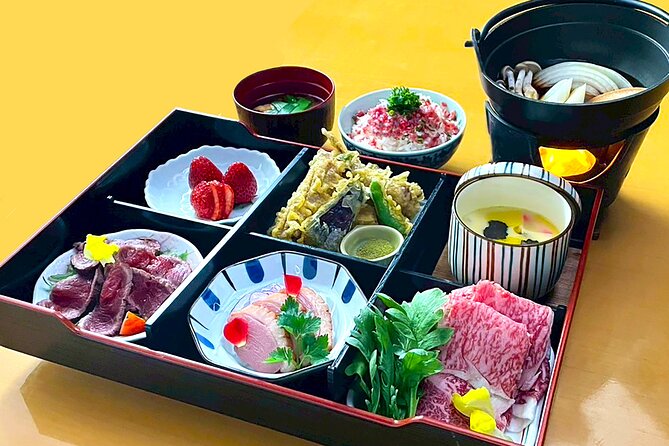
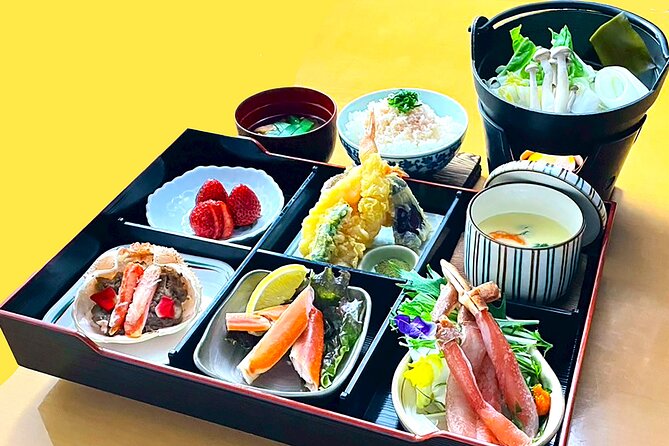
Food is not an afterthought here. On a meal-inclusive plan, you receive a Japanese-style set meal with chanko-nabe and one drink.
Chanko-nabe is closely associated with sumo wrestlers. It is a hearty hot-pot meal traditionally linked with the stable kitchens where wrestlers eat together. The dish makes sense in this setting because it connects the meal to the world you are learning about, rather than offering an unrelated restaurant lunch or dinner.
The food details are not presented in exactly the same way throughout the booking information. The meal description also names wagyu beef sukiyaki and tempura. I would check the precise menu attached to your selected plan before booking, particularly if the difference matters to you.
Vegetarian meals are possible, but you need to request one in advance by message. Do not wait until you sit down. The meal is part of the booking arrangement, so advance notice gives the restaurant a chance to prepare the correct option.
One drink is included with the meal plan. If you select an admission option without food, the meal and drink are not included. Look carefully at the plan name and inclusions when you reserve, since the value changes considerably depending on what you choose.
The food helps make the two-hour program feel like a full outing rather than a short stage performance. You can eat while watching the demonstrations, though you may want to pause occasionally so you do not miss the explanations or action.
A few more options to weigh up in Sapporo
- Mt Fuji & Hakone Cruise, Drum Show Bullet Train 1 Day from Tokyo
★ 4.0 · 7,413 reviews - Tokyo: Sumo Show and Dining Experience
★ 4.8 · 2,742 reviews - the SUMO show
★ 5.0 · 1,960 reviews - Tokyo Shinjuku Sumo Show & Experience with Photo
★ 5.0 · 1,750 reviews
A geiko dance and other cultural touches
The sumo program has also included a traditional geiko dance, adding another layer to the presentation. This gives you a glimpse of Japanese performing arts beyond the wrestling ring.
The dance is useful as a change of pace. Sumo demonstrations can be loud and physical, while the dance offers a more composed and formal performance. Together, the two elements create a broader cultural evening.
Because the central focus is still sumo, you should not book this as a dedicated geiko performance. Think of the dance as an additional cultural feature that may form part of the presentation, not the main reason to reserve.
The program’s English and Japanese support is another practical advantage. The explanations are designed for an international audience, and visitors who do not speak Japanese can still follow the basic rules and enjoy the jokes and interaction.
Staff members help keep the pace moving. Kitadaichi received particular praise for making the show enjoyable, and the host and wider team are described as friendly and helpful. That matters in a small venue, where the tone of the staff shapes the entire experience.
The photo and souvenir bag
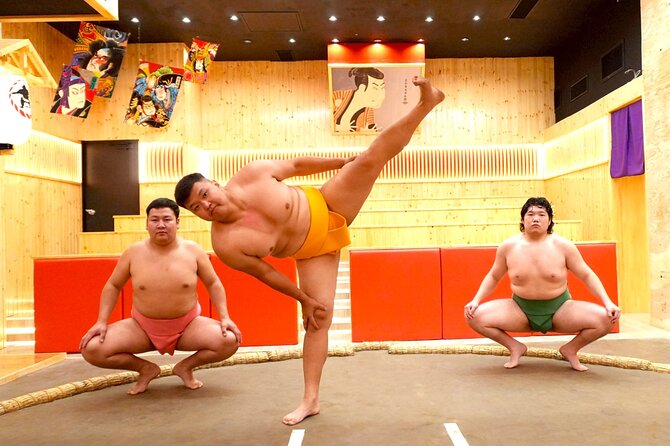
At the end, you receive a commemorative photo with the former wrestlers. The photo is framed, and a souvenir bag is also included.
This is more useful than a quick posed picture taken by a stranger. You get a physical reminder of the experience, and the group photo can be especially nice for families or friends traveling together.
The photo also gives the evening a clear finish. After the demonstrations, competition, meal, and audience participation, you have a final moment with the wrestlers before leaving.
If you care about photographs for social media, the show offers several opportunities for pictures during the presentation as well. The front row should provide the best view of the dohyo, but every seat is designed to keep you connected to the action.
How the price compares with the experience
The listed price is $79.07 per person. That is not a bargain basement ticket, but it can be fair value if you choose the meal-inclusive option.
You are paying for a two-hour program, a meal, one drink, instruction about sumo, demonstrations by retired athletes, audience participation, and a commemorative photo. Add the souvenir bag and the small group size, and the package offers more than a basic performance ticket.
The value is strongest for people who want several parts of Japanese culture in one easy outing. You receive food, sport, explanation, performance, and a keepsake without arranging separate activities.
The price may feel high if you are only interested in watching serious competition. This is not a substitute for attending a professional sumo tournament, and the wrestlers are retired. It is a staged cultural experience with interactive elements.
I would also compare the price based on your meal plan. Since the food inclusions are described with both chanko-nabe and dishes such as wagyu sukiyaki and tempura, check the exact version before paying. A vegetarian request should also be made before arrival.
Who will enjoy this most
This experience suits first-time visitors to Japan who want a clear introduction to sumo without needing to understand the sport beforehand.
Families are a strong fit. The show is interactive, the match creates excitement, and the food gives children and adults something to enjoy between demonstrations. One account even described the experience as a success with a normally cynical teenager, which says something about the program’s ability to hold attention.
Sumo fans have a reason to book too, especially if you value personal contact with former rikishi. The possibility of meeting a former grand sumo wrestler adds an exciting bonus for serious followers of the sport, though no particular wrestler is guaranteed.
The experience also works well for couples and small groups. With a maximum of six participants, the setting feels more personal than a large theater production. You have a better chance of seeing the action clearly and taking part in the room’s conversation.
You may want to skip it if you dislike audience participation, do not want a meal-centered activity, or expect a formal professional sporting event. The show is friendly, interactive, and designed for entertainment.
Timing, meeting point, and practical planning
Allow about two hours for the full experience. Since the activity begins and ends at the same Sapporo meeting point, it is simple to fit into a day of sightseeing.
The location is 2-chōme-10-1 Minami 4 Jōnishi, Chuo Ward, Sapporo, Hokkaido 064-0804. It is near public transportation, and private transportation is not included.
A mobile ticket is provided, and booking confirmation is issued at the time of reservation. The activity has a maximum of six participants, though the exact size can depend on the booking date.
The experience is generally suitable for most people. If you are considering the ring challenge, remember that it involves physical activity. You can enjoy the show without volunteering, so there is no need to feel pressured.
Free cancellation is available if you cancel at least 24 hours before the local start time. Cancellations inside that window are not refunded, and changes made within 24 hours are not accepted. That rule is worth noting if your Sapporo schedule is still uncertain.
Is the Sapporo Sumo Show worth booking?
I would book this experience if you want an entertaining introduction to sumo with food and a chance to take part. The small group limit, close dohyo seating, retired wrestlers, English support, and commemorative photo give it a personal feel.
The biggest strengths are the friendly staff, the clear explanations, the audience challenge, and the meal. The program has enough structure to teach you something, but it does not take itself so seriously that newcomers feel lost.
Before booking, confirm the exact meal included in your plan and request a vegetarian option in advance if needed. Also remember that this is a cultural show by retired wrestlers, not a professional tournament.
For families, first-time visitors, and anyone looking for an easy evening activity in central Sapporo, the $79.07 price can be justified. Serious sumo purists may prefer a live tournament, but for a close, social, and hands-on introduction, this is a strong choice.
FAQ
Where does the Sapporo Sumo Show take place?
It takes place at 2-chōme-10-1 Minami 4 Jōnishi, Chuo Ward, Sapporo, Hokkaido 064-0804, Japan.
How long does the experience last?
The experience lasts approximately two hours.
Does the activity start and finish at the same place?
Yes. The activity ends back at the meeting point.
Is transportation included?
No. Private transportation is not included, but the venue is near public transportation.
What food is included?
A meal-inclusive plan includes a Japanese-style meal with chanko-nabe and one drink. The description also mentions wagyu beef sukiyaki and tempura, so check the exact menu for your selected plan.
Can I request a vegetarian meal?
Yes. You need to request a vegetarian meal in advance by message.
Will I be able to wrestle a retired sumo wrestler?
You may be able to challenge a wrestler in the ring, but participation is limited. If too many people volunteer, challengers are selected by lottery.
Are the wrestlers still competing professionally?
No. The show features retired wrestlers and is presented for entertainment purposes.
Is a commemorative photo included?
Yes. A commemorative photo with former rikishi is included, along with a souvenir bag.
How many people can join the activity?
The activity has a maximum of six participants.
Can I cancel for a full refund?
Yes, if you cancel at least 24 hours before the local start time. Cancellations within 24 hours are not refunded, and changes during that period are not accepted.
Just added in Sapporo
- Hokkaido 7 Days Noboribetsu, Asahikawa, Biei by Delightful Travel★ 5.0 · 1 review
- 6 Days Hokkaido’s Floral Symphony Tour by UME Travel★ 5.0 · 2 reviews
- Full Day Private Skiing / Snowboarding Tour in Sapporo★ 5.0 · 30 reviews
- Snowshoe Hike Tour from Sapporo include hotel p/up & drop off★ 5.0 · 16 reviews
- Wagashi traditional japanese sweets class★ 5.0 · 49 reviews
- Snowshoeing and Onsen Adventures in a Winter Wonderland -Sapporo.★ 5.0 · 30 reviews
- Authentic Sapporo: Nijo Market Seafood Lunch & Local History Tour★ 5.0 · 13 reviews
- Sapporo Highlights: Golden Route Morning Walking Tour★ 4.5 · 14 reviews
Sumo Experiences, compared.
Sumo Show Experience with Chicken Hot Pot and a Photo
Read our review →
Tokyo Shinjuku Sumo Show & Experience with Photo
Read our review →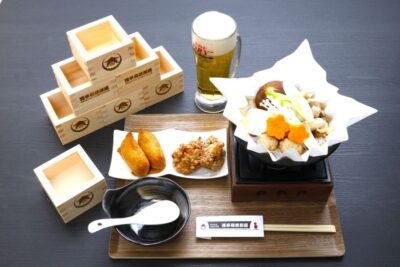
Asakusa Sumo Club Sumo Show Admission with Chankonabe in Tokyo
Read our review →
Tokyo Ginza Sumo Experience: Performance vs Pure Practice
Read our review →Browse the lists this tour appears in