
Reviewed · COOKING CLASSES
Wagashi traditional japanese sweets class
Slow down with a sweet lesson. This two-hour class brings you into Yuki’s cozy home near Sapporo, where you learn to shape nerikiri, one of Japan’s most delicate traditional sweets. I especially like the small-group setting, limited to 12 people, and the chance to see a quieter side of Sapporo beyond the city center. Yuki’s warm teaching style, clear English instructions, station pickup, and local restaurant tips add real value.
The main consideration is location. You meet at Makomanai Station in southern Sapporo, not downtown, and the class takes place away from the main sightseeing zone. That distance is part of its appeal, but you need to allow time for the trip and confirm pickup details before setting out.
In This Review
- Five details worth knowing before you book
- Why nerikiri makes a good Sapporo activity
- Meeting Yuki at Makomanai Station
- Entering a local home for tea and conversation
- Learning the careful art of nerikiri
- Tasting your work with Japanese tea
- What makes the setting feel authentic
- The practical value of $59.31
- Who will enjoy this class most
- Planning your visit around the two-hour lesson
- Is this wagashi class worth booking?
- FAQ
- Where does the wagashi class meet?
- Where does the class end?
- How long does the class last?
- How much does the class cost?
- Is pickup available?
- How many people can join?
- Are group discounts available?
- What kind of wagashi will I learn to make?
- Is the class suitable for English speakers?
- Can I cancel for a refund?
Five details worth knowing before you book
- Nerikiri is the focus: Learn to shape elegant sweets made with bean paste, rather than simply watching a demonstration.
- Yuki hosts in her home: The setting is personal, quiet, and more intimate than a large cooking studio.
- Makomanai is the meeting point: Pickup is offered, and the activity returns you to the same meeting point.
- Matcha and cultural context are included: Expect Japanese tea, an explanation of wagashi traditions, and conversation about local life.
- The class suits small groups: The maximum is 12 people, with group discounts available.
- It costs $59.31 per person: For two hours of instruction, ingredients, tea, and a home-based cultural visit, that is a fair price.
Why nerikiri makes a good Sapporo activity
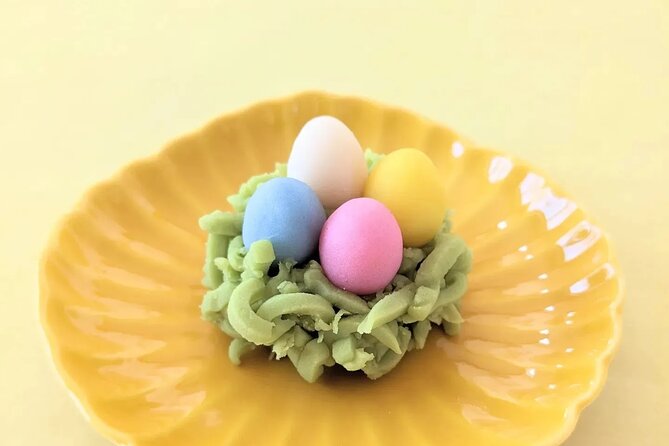
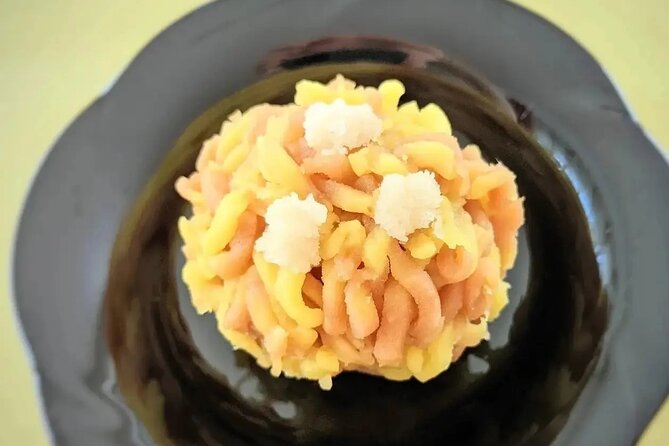
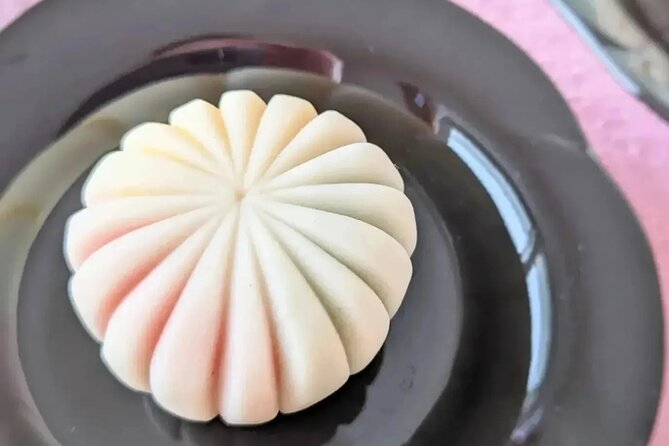
Wagashi means traditional Japanese sweets, but these treats are more than simple desserts. Their colors and shapes often reflect the season, and their sweetness is usually gentle rather than heavy. Nerikiri is among the most refined forms of wagashi, made by shaping a soft bean-paste mixture into flowers and other small designs.
You will not just eat something sweet and move on. The point is to learn how careful handwork, color, form, and season come together in Japanese confectionery. That gives the class more substance than a standard food tasting.
I like this choice for a day when you want a break from Sapporo’s shopping streets, museums, and food markets. The activity has a calm pace, and the work requires concentration. Making something small and pretty with your hands can be a welcome change after several days of sightseeing.
The class is also a useful introduction to a part of Japanese culture that many visitors miss. Sushi, ramen, and grilled seafood get most of the attention, while wagashi often appears only briefly beside tea. Here, you get time to understand why these sweets matter.
More Cooking Classes in Sapporo:
- Private Japanese Cooking Class in Sapporo with Local Chef Shiori
★ 5.0 · 34 reviews - Private Market Tour and Cooking Class with Kanae, a Sapporo Local
★ 5.0 · 29 reviews - Private Japanese Cooking Class in Sapporo with Local Host Kanae
★ 5.0 · 20 reviews
Meeting Yuki at Makomanai Station
The class begins at Makomanai Station, in Sapporo’s Minami Ward. This is important when planning your day. You are not walking from Odori Park or Sapporo Station to a nearby studio. You need to make your way to the southern part of the city and then meet the host there.
Pickup is offered, and this is one of the most useful parts of the arrangement. Yuki has picked people up from the station and driven them to her home, then returned them afterward. You should still confirm the exact pickup plan after booking, since the meeting point and transport details matter here.
The trip away from central Sapporo is not merely an inconvenience. The surroundings become quieter, and the class gives you a look at ordinary residential life rather than a purpose-built tourist venue. Some visitors have described the drive as scenic, with mountainous surroundings and a river near the home.
That setting may be especially appealing if you have already spent time around Susukino and the central shopping arcades. It gives the class a sense of place. The tradeoff is simple: allow enough time to reach Makomanai, and do not schedule a tight activity immediately afterward.
Entering a local home for tea and conversation
Yuki welcomes you into her traditional Japanese home, where the class feels more like a visit than a formal lesson. The atmosphere is warm and homey, with a quieter rhythm than you would get in a busy commercial kitchen.
A serving of hot matcha is part of the welcome. It is served in Japanese teacups, setting the mood before you begin working with the sweets. This small detail matters because it places wagashi in its natural cultural setting. These confections are closely connected to tea, hospitality, seasons, and presentation.
The home setting also gives you room for conversation. Yuki has shared recommendations for Sapporo cafes, restaurants, and places to visit, including options away from the main tourist areas. If you enjoy practical local advice, this can be as useful as the recipe itself.
You might also meet Yuki’s cat, which has appeared as part of the home atmosphere for some visitors. That is not a formal feature of the class, so do not book solely for the animal. Still, it adds to the feeling that you are being welcomed into someone’s everyday world.
Learning the careful art of nerikiri
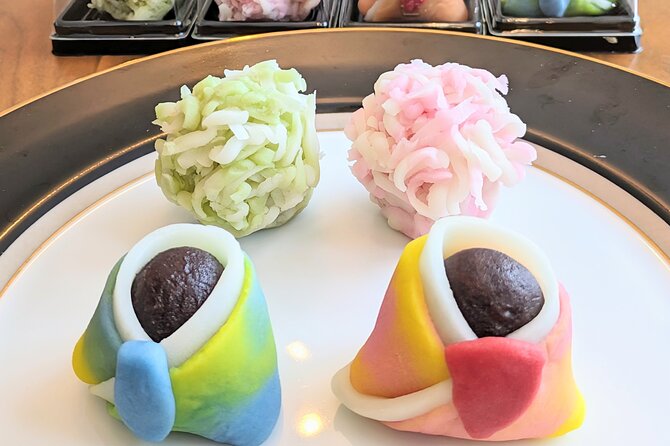
Once seated at the worktable, you learn the basic techniques for shaping nerikiri. The sweets are delicate, and the process is more exacting than simply rolling dough into balls. You work with color, form, and fine details to create designs that look like small flowers or seasonal decorations.
Yuki prepares the materials in advance and guides you through the stages. Her instructions are given in English, and written English directions have also been provided for people who wanted something to take home. That makes the class suitable for beginners who may be nervous about following a Japanese-language lesson.
The work can be challenging. One small piece may require more care than expected, and the goal is not speed. You will need to focus on shaping the paste neatly, keeping the design balanced, and handling the sweets gently.
That challenge is part of the fun. You may not produce a perfect confection on your first attempt, but you will understand why professional wagashi makers treat the work as an art. The finished sweets are attractive enough that you may hesitate before eating them.
The class generally includes two kinds of sweets, with two of each made during the lesson. Exact designs can vary, so you should think of this as a hands-on introduction rather than a fixed professional pastry course. The focus is on learning the techniques and enjoying the process.
A few more options to weigh up in Sapporo
- Matcha Making Class in Tokyo with Authentic Japanese Sweets Set
★ 5.0 · 744 reviews - Matcha Making Class in Osaka with Authentic Japanese Sweets Set
★ 5.0 · 509 reviews - Tokyo: Matcha Making Experience with Mochi Sweets in Asakusa
★ 4.9 · 388 reviews - Kyoto: Japanese Traditional Sweets Making and Tea Ceremony
★ 4.4 · 314 reviews
Tasting your work with Japanese tea
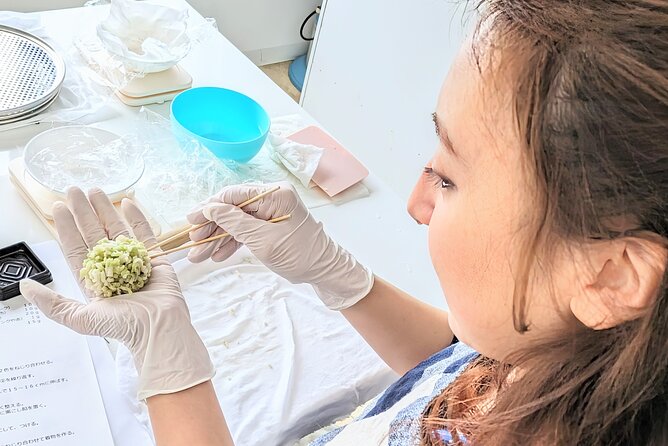
After shaping the sweets, you get to taste them. This is where the class becomes especially satisfying. You have seen the ingredients, worked with your hands, and learned about the tradition. Eating the finished wagashi gives the lesson a clear ending.
The flavor is elegant and restrained. If you expect a rich Western pastry or a heavily sugared dessert, you may find wagashi surprisingly subtle. Its appeal comes from the soft texture, mild sweetness, and careful appearance.
The tea helps balance the sweets. It also shows why wagashi is traditionally served alongside tea rather than treated as a separate afterthought. You can take your time, compare the shapes you made, and continue chatting with Yuki about Japanese life and Hokkaido.
Some people have received containers for taking their sweets with them. That is useful if you want to save one for later in your Sapporo sightseeing day, though you should handle the treats carefully. Their beauty is part of the pleasure, but it also means they are not the sort of souvenir you can toss into a packed bag.
What makes the setting feel authentic
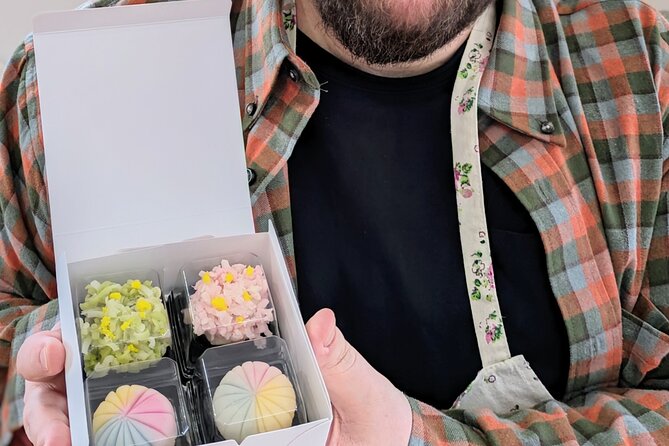
The strongest feature here is not just the recipe. It is the combination of hands-on making and personal conversation. You see a Japanese home, drink tea from traditional cups, learn about a food with more than 1,000 years of tradition, and hear suggestions for exploring Sapporo.
That does not make the class a full tour of Japanese domestic life. It lasts about two hours, and the central activity is still confectionery making. But for that short period, you are in a setting that feels personal rather than staged for a large audience.
I also appreciate the small scale. With a maximum of 12 people, the teacher can offer help at the table. A smaller group will likely feel more relaxed, especially if you are traveling with family or friends. Group discounts are available, so larger parties should ask about the price before booking.
The class has received a 5.0 rating from 49 reviews, with 100 percent recommending it. Those numbers do not tell you everything, but they match the recurring strengths: Yuki’s patience, clear teaching, English communication, cleanliness, station pickup, and friendly local advice.
The practical value of $59.31
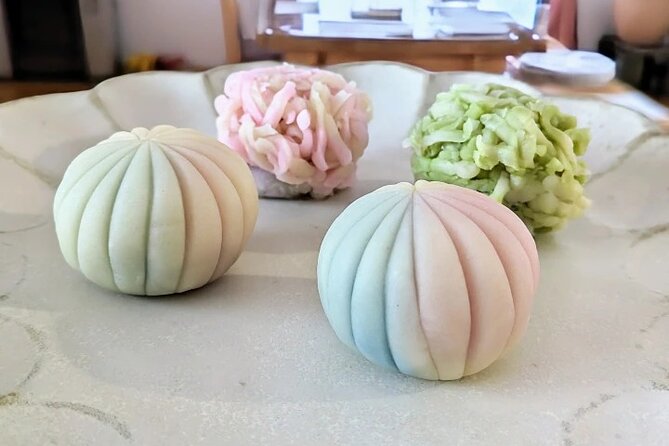
At $59.31 per person, this is not the cheapest food activity in Sapporo. You could buy wagashi and tea for far less. The price makes sense only if you want the lesson, the personal setting, and the cultural exchange.
For the fee, you get approximately two hours of instruction and tasting, ingredients for the sweets, tea, and access to Yuki’s guidance. Pickup and return from the station can also reduce the stress of finding a private home in an unfamiliar area.
The value is strongest for someone who wants an activity rather than just a snack. You leave with a better understanding of wagashi, practical instructions, and possibly sweets to enjoy later. You also get local suggestions that may help you spend the rest of your day more wisely.
It is less compelling if you are looking for a professional pastry qualification, a long workshop, or a central Sapporo location. The class is designed for cultural enjoyment and beginner-level participation. That is a strength, as long as you book it for the right reason.
Who will enjoy this class most
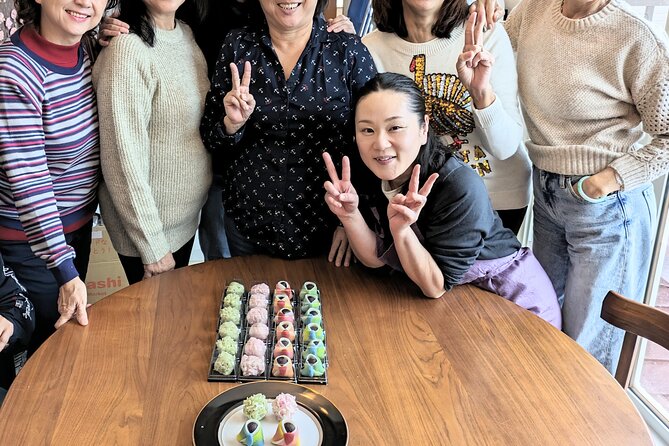
This is a strong choice for couples, families, and small groups who enjoy food, crafts, and quiet cultural activities. Children can take part, and Yuki has been especially patient with younger participants. Parents should still remember that nerikiri shaping requires concentration and careful handling.
It also suits solo visitors. The station pickup and home setting can make the activity feel more welcoming than joining a large group tour. You get a chance to talk with a local host rather than simply follow a guide from one attraction to the next.
The class is a good birthday idea, too. One family used it as a birthday experience for a daughter interested in Japanese culture. The sweets are colorful, the activity feels special, and the finished treats provide a pleasant souvenir.
You may want to skip it if you dislike sweet bean paste, have no interest in making food, or prefer a packed sightseeing schedule. The lesson rewards patience. It is not a quick photo stop.
Planning your visit around the two-hour lesson
Reserve space ahead of time. The class is booked, on average, 46 days in advance, which suggests that popular dates can fill well before your trip. Confirmation is sent within 48 hours, subject to availability.
Because the class is outside central Sapporo, plan the rest of your day with some flexibility. A morning class can lead into a cafe or restaurant recommended by Yuki. An afternoon booking may work well after sightseeing in another part of the city, but allow time for the trip to Makomanai and the return to the meeting point.
The activity ends where it begins. Pickup is offered, and the end point is back at the meeting point, so you should not assume that you will be dropped at a different Sapporo station or attraction.
Free cancellation is available if you cancel at least 24 hours before the local start time. Changes or cancellations inside that window are not accepted and are not refunded. The class also offers a mobile ticket, and larger groups can ask about discounts.
Is this wagashi class worth booking?
I would book this class if you want a personal, quiet, and creative Sapporo activity. Yuki’s teaching, the home setting, matcha, station pickup, and local recommendations give the $59.31 price more meaning than a simple dessert purchase.
Book it with realistic expectations. You are traveling to Makomanai, not stepping into a downtown studio, and the sweets take patience to shape. If that sounds appealing, this is one of the more distinctive ways to spend two hours in Sapporo. If you want central convenience or a fast food tasting, choose something else.
FAQ
Where does the wagashi class meet?
The meeting point is Makomanai Station in Sapporo’s Minami Ward, Hokkaido, Japan.
Where does the class end?
The activity ends back at the meeting point.
How long does the class last?
The class lasts approximately two hours.
How much does the class cost?
The listed price is $59.31 per person.
Is pickup available?
Yes. Pickup is offered, and Yuki has picked people up from Makomanai Station for the class.
How many people can join?
The maximum group size is 12 people.
Are group discounts available?
Yes. Group discounts are offered, and large groups should contact the provider.
What kind of wagashi will I learn to make?
You will learn to make nerikiri, a delicate and popular form of traditional Japanese sweet.
Is the class suitable for English speakers?
Yes. Yuki provides instruction in English, and written English instructions have also been provided.
Can I cancel for a refund?
Yes, if you cancel at least 24 hours before the experience start time. Cancellations made less than 24 hours in advance are not refunded.
Just added in Sapporo
- Hokkaido 7 Days Noboribetsu, Asahikawa, Biei by Delightful Travel★ 5.0 · 1 review
- 6 Days Hokkaido’s Floral Symphony Tour by UME Travel★ 5.0 · 2 reviews
- Full Day Private Skiing / Snowboarding Tour in Sapporo★ 5.0 · 30 reviews
- Snowshoe Hike Tour from Sapporo include hotel p/up & drop off★ 5.0 · 16 reviews
- Snowshoeing and Onsen Adventures in a Winter Wonderland -Sapporo.★ 5.0 · 30 reviews
- Authentic Sapporo: Nijo Market Seafood Lunch & Local History Tour★ 5.0 · 13 reviews
- Sapporo Sumo Show Experience with Japanese Food and Photo★ 4.5 · 38 reviews
- Sapporo Highlights: Golden Route Morning Walking Tour★ 4.5 · 14 reviews
Cooking Classes, compared.
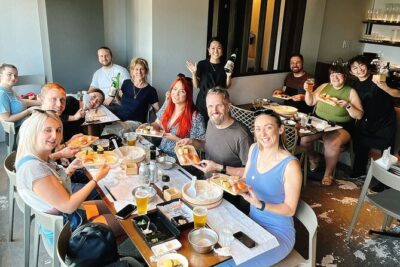
Sushi Making Tokyo Roll and Authentic Japanese Sushi Class
Read our review →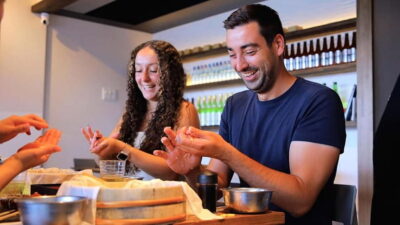
Roll and Authentic Sushi Making Class in Asakusa
Read our review →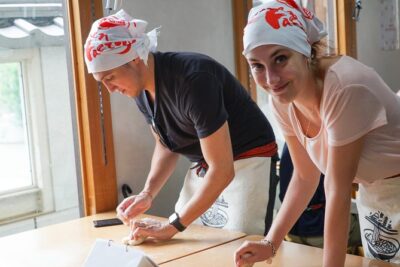
Ramen Cooking Class at Ramen Factory in Kyoto
Read our review →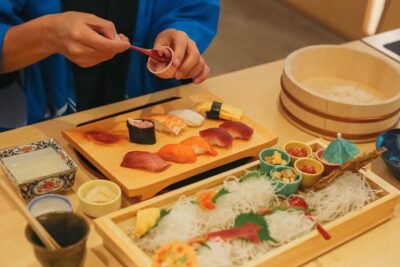
Sushi Making Class in a Happi Coat near a Famous Spot
Read our review →
Sushi Making Osaka Roll and Authentic Japanese Sushi Class
Read our review →
Tokyo Sushi Making Class in Tsukiji with Professional Chef
Read our review →
Ramen & Gyoza Cooking Class in Tokyo with Local Supermarket Visit
Read our review →Browse the lists this tour appears in