
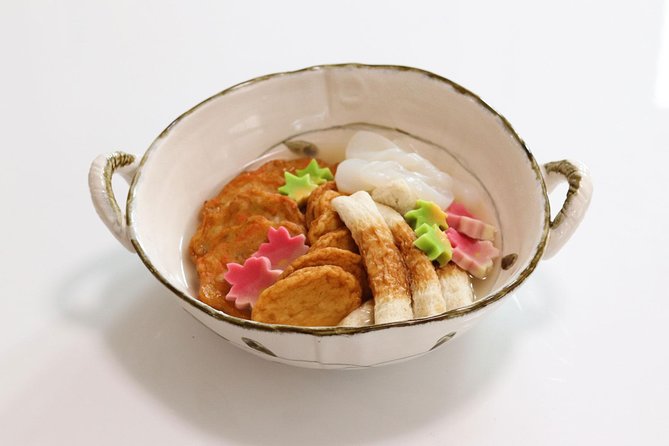
Reviewed · COOKING CLASSES
Private Japanese Cooking Class in Sapporo with Local Chef Shiori
Come hungry, leave useful. This private class takes you from central Sapporo to a quiet residential neighborhood, where Shiori welcomes you into her family home and teaches Japanese home cooking in a relaxed setting. I like the personal scale and the chance to prepare dishes such as sushi and somen noodles, rather than simply watching a demonstration. I also like that local alcohol, recipes, and cooking advice are part of the experience.
The main consideration is that the hands-on cooking lasts about one hour within the three-hour visit. Shiori prepares some vegetables ahead of time, so this is not a full restaurant-style kitchen workshop. You also need to reach Sumikawa Station, and groups larger than four may need to split up for the final ride to the house.
In This Review
- Key points at a glance
- Leaving central Sapporo for Sumikawa Station
- Inside Shiori’s family home
- The cooking lesson: one main dish and one side
- From Hokkaido ingredients to a shared meal
- Why the personal teaching matters
- Dietary needs, children, and group size
- Timing and what to bring
- What the experience does particularly well
- Where expectations need adjusting
- Should you book Shiori’s Sapporo cooking class?
- FAQ
- Where does the cooking class begin?
- Where will Shiori meet me?
- How long does the experience last?
- Is the cooking class private?
- How many people can Shiori drive to her home?
- What dishes might I prepare?
- Is a vegetarian option available?
- Are food allergies and dietary restrictions accommodated?
- What is included in the price?
Key points at a glance
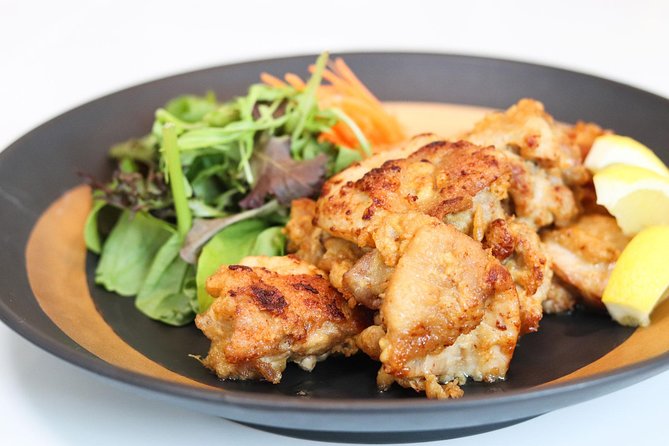
- A private home setting: You cook with Shiori in her newly built family home in a peaceful part of Sapporo.
- Classic Japanese dishes: The menu can include sushi, somen noodles, grilled chicken, starters, main dishes, and side dishes.
- Local Hokkaido ingredients: Seafood and produce from Hokkaido may feature, with the menu changing by season.
- Personal instruction: Shiori demonstrates techniques, then guides you through preparing one main dish and one side dish.
- Small-group comfort: Only your party takes part, making this suitable for families, couples, and solo visitors.
- Straightforward meeting point: Shiori picks you up at the north exit of Sumikawa Station, then returns you to the same meeting point.
Leaving central Sapporo for Sumikawa Station
The experience begins at Sumikawa Station in Minami Ward, at 2 Chome-4 Sumikawa 4 Jo. That location matters because the class is designed as a visit to a local neighborhood, not a restaurant activity in the center of Sapporo.
Shiori meets you at the station’s north exit and takes you to her home. Her car can carry up to four people. If your party has five or more, extra members are asked to follow by taxi, which costs about $10 USD. That is a small but important detail for larger families or groups of friends.
You should allow time to find the correct station exit and keep your booking messages handy. One solo participant had no trouble meeting Shiori after receiving clear communication in advance, even with very limited Japanese. That is useful reassurance if you are worried about language or local transport.
The residential setting is part of the point. You get a glimpse of ordinary Sapporo away from the main shopping streets and tourist sights. This is not a grand cultural performance. It is a chance to enter someone’s home, see a quieter side of the city, and share a meal at a human scale.
More Cooking Classes in Sapporo:
- Wagashi traditional japanese sweets class
★ 5.0 · 49 reviews - Private Market Tour and Cooking Class with Kanae, a Sapporo Local
★ 5.0 · 29 reviews - Private Japanese Cooking Class in Sapporo with Local Host Kanae
★ 5.0 · 20 reviews
Inside Shiori’s family home
Shiori welcomes you into her newly built home, where the tone is warm and informal. You are not being seated at a long communal table with strangers. Since the activity is private, the pace and conversation can suit your own group.
That private format is especially helpful if you want to ask questions. You can stop Shiori to ask about a knife technique, a seasoning, or the difference between a dish served at home and one found in a restaurant. Families can also work at a gentler pace, and one family found the class enjoyable even with a toddler.
The home visit gives the class its strongest cultural value. Japanese food can seem highly polished when you encounter it in a sushi bar or department-store food hall. Here, you see how a local cook approaches a meal in a domestic setting. The lesson is less about producing perfect restaurant pieces and more about understanding how the parts of a Japanese meal fit together.
Shiori’s hospitality receives constant praise, and that warmth appears to be central to the experience. She is described as patient, friendly, and generous with advice about Sapporo, Japanese food, and local travel. If you enjoy conversation as much as cooking, this class offers more than a set of recipes.
The cooking lesson: one main dish and one side
The active cooking section lasts about one hour. Shiori prepares some peeling and chopping in advance, then works with you on the remaining preparation. That arrangement keeps the class manageable within a three-hour visit and leaves more time for eating and talking.
You learn by watching Shiori demonstrate each step, then helping prepare the dishes. The focus is on one main dish and one side dish, although the full meal may include additional items prepared by your host. This is worth understanding before booking: you will not personally make every plate that reaches the table.
The class may include sushi, somen noodles, grilled chicken, starters, and other side dishes. The menu changes with the season, so you should think of the listed foods as examples rather than a fixed promise. That seasonal approach is a plus in Hokkaido, where available seafood and produce can change during the year.
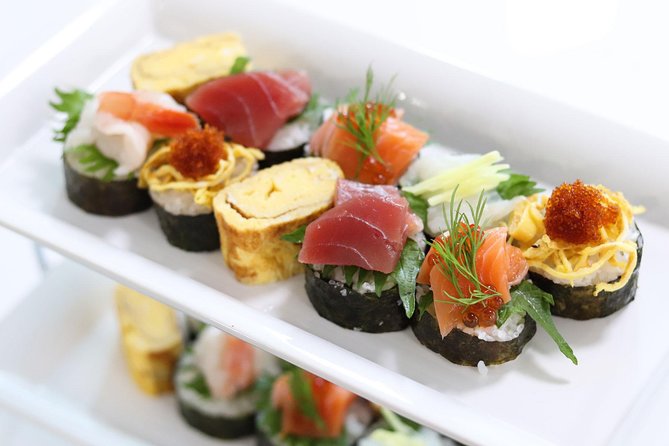
Sushi is a popular part of the lesson. The class focuses on homemade sushi techniques, giving you the chance to handle the ingredients and learn the steps rather than only admiring the finished pieces. Several participants valued techniques they could use again at home.
Somen noodles offer a different lesson in texture and presentation. These fine noodles are often associated with light, refreshing meals, making them a pleasant contrast to grilled chicken or other heartier dishes. The exact preparation depends on the day’s menu, but Shiori’s instruction helps connect each dish to the larger meal.
You may also learn from the small details: how vegetables are cut, how ingredients are arranged, and how a Japanese meal balances different textures and flavors. The available information does not give a full recipe list, so you should not book expecting a guaranteed multi-course menu. Instead, expect a seasonal home meal built around the dishes Shiori chooses.
From Hokkaido ingredients to a shared meal
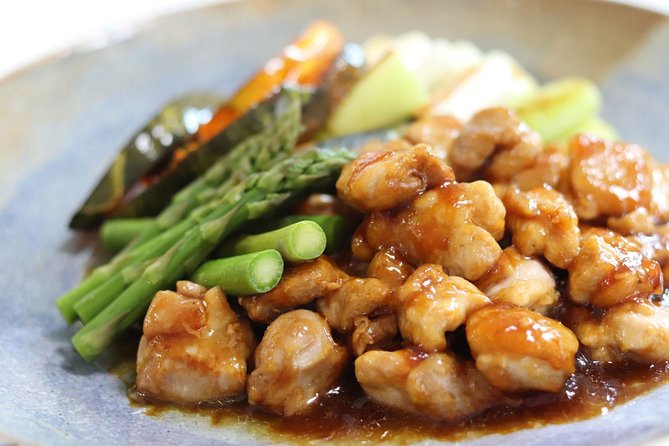
One of the most appealing parts of this class is the use of local Hokkaido seafood and produce. Hokkaido is well known within Japan for its food, and the class gives you a chance to taste that regional character at home rather than only in a market or restaurant.
The meal is included in the price, and it is more than a quick sample after the lesson. You eat the food prepared during the class along with other dishes Shiori makes for you. That turns the cooking period into a proper social meal.
Local alcohol is also included, generally one or two glasses. This adds a pleasant touch for adults who want to toast the meal, though it is not the main reason to choose the class. If you do not drink, the cooking and food remain the focus.
The best value here comes from the combination of instruction, food, and home hospitality. At $108 per person, this is not the cheapest meal in Sapporo. You can eat well for less at a neighborhood restaurant. But the fee covers a private class, an in-home meal, local alcohol, transportation from Sumikawa Station to the house, and direct time with Shiori.
For a couple or small family, that package can make sense. You are paying for access to a personal setting and for skills you can take home. For someone interested only in eating, the cost may feel high. For someone who wants food, conversation, and practical instruction together, it offers better value.
A few more options to weigh up in Sapporo
- Sapporo Bar Hopping Food Tour
★ 5.0 · 232 reviews - Hokkaido Seasonal: Lake Toya & Noboribetsu Jigokudani Valley
★ 4.7 · 173 reviews - Sapporo Private Tour with a Local – Highlights & Hidden Gems
★ 5.0 · 91 reviews - Sapporo: Sumo Show Experience with Japanese food & Photo
★ 4.9 · 81 reviews
Why the personal teaching matters
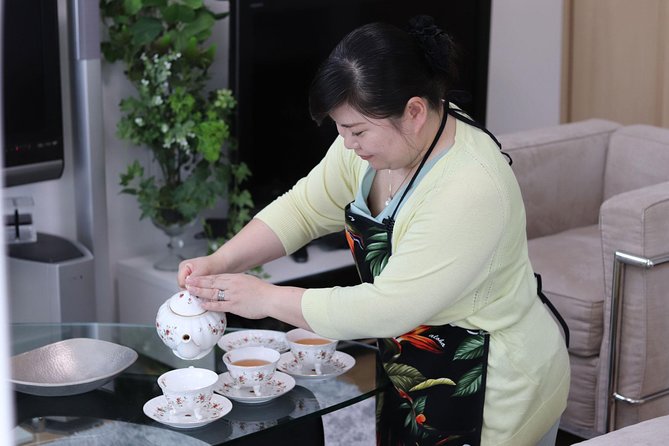
Shiori’s role is more than simply showing you a recipe. She explains cooking techniques, gives background on Japanese food, and answers questions as you work. Her professional culinary background helps, but the setting remains relaxed and domestic.
I particularly like the fact that the lesson is hands-on without demanding advanced skill. Shiori handles some prep in advance, which reduces the amount of repetitive chopping and lets you focus on the techniques that are easier to remember. This also makes the class more workable for children or anyone who does not cook often.
The private format gives you room to make mistakes without feeling watched by a large group. Sushi can look simple until you try to shape or arrange it. Having Shiori nearby to correct your method is more useful than following a recipe alone.
Language concerns should not stop you from considering the class. A solo participant with limited Japanese found the meeting arrangements manageable and the experience welcoming. Still, you should tell the provider about any communication needs when you book. The supplied information does not promise a specific language service, so it is sensible to confirm anything important in advance.
Dietary needs, children, and group size
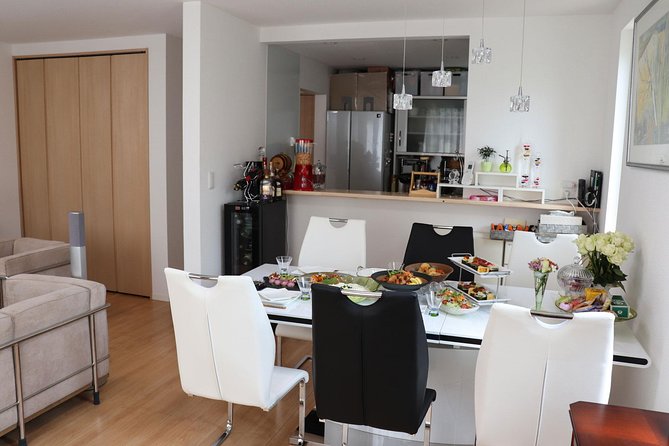
Vegetarian cooking is available if requested at booking. You should also report allergies, dietary restrictions, and cooking preferences at that time. Do not wait until you arrive, since the menu and preparation depend on advance notice.
The class can suit families. A young child enjoyed one family’s visit, and the private setting gives parents more control than a large group lesson would. That said, cooking areas can require attention and patience, so you should consider your child’s age and comfort with a one-hour cooking session.
Solo visitors can also benefit from the format. You still receive personal attention, and the meal provides a natural chance to talk with a local host. The price is listed per person, so check the total cost for your booking before confirming.
For groups of up to four, Shiori’s car can carry everyone from the station. Larger parties need to account for the additional taxi ride, at about $10 USD for the extra group. Since only your party joins the activity, friends and family can enjoy the visit without being matched with strangers.
Service animals are allowed. The activity is near public transportation, but hotel pickup and drop-off are not included. The official meeting point is Sumikawa Station, and the experience ends back there, so plan your return journey from the station.
Timing and what to bring
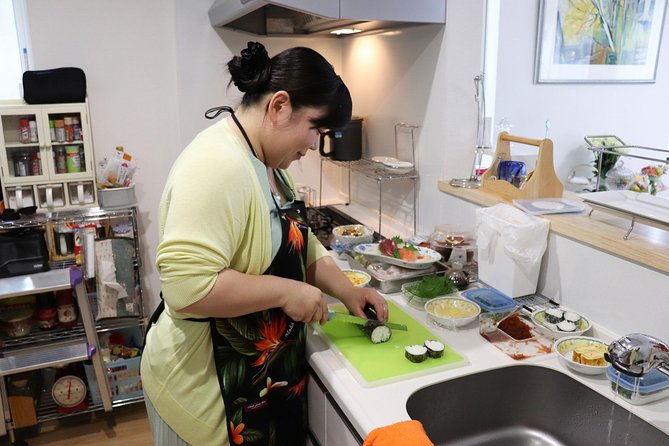
The full activity lasts about three hours. The cooking itself takes roughly one hour, while the remaining time allows for the welcome, instruction, meal, conversation, and return to the station.
You do not need to rush through the food. Much of the pleasure lies in the unhurried exchange with Shiori and in trying several dishes. If you have a packed sightseeing schedule, remember that the class is outside the city center and includes transport to a residential area.
Wear something comfortable for cooking. The supplied details do not list a required dress code or equipment to bring, so you should not need special culinary gear. Your most important preparation is to communicate food restrictions and make sure you understand the station meeting point.
The menu may change by season. That is good news if you care about local produce, but it means you should not expect an exact set of dishes every time. If sushi or somen is your top priority, ask about the planned menu before booking rather than assuming every listed dish will be served.
What the experience does particularly well
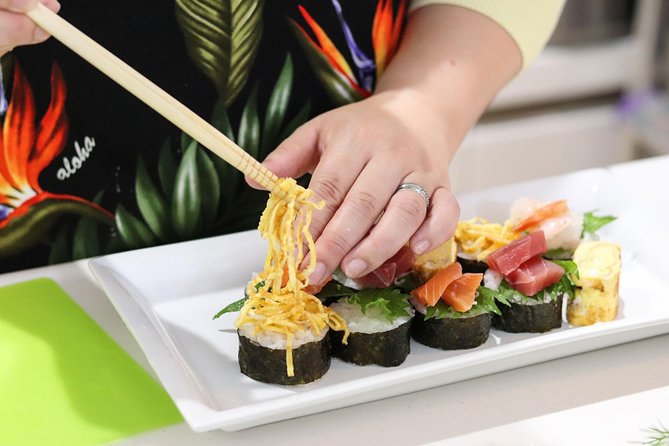
The strongest feature is the welcome. Shiori’s warmth and patience are repeatedly praised, and that matters because an in-home class depends on comfort. You are entering a private space, and a gracious host makes the whole visit feel natural.
The food also earns strong marks, especially the Hokkaido seafood and produce. You get to taste the result of your own work while sampling dishes prepared by Shiori. This creates a fuller meal than a short class where you cook one item and leave.
The practical value is another plus. You receive recipes and advice for making the meal at home, and the techniques are simple enough to remember. A class is far more useful when it changes what you can do in your own kitchen.
Finally, the setting offers a different view of Sapporo. You leave the busy center, meet a local resident, and see how food connects to daily life. That experience can stay with you longer than another restaurant meal.
Where expectations need adjusting
This is not a formal culinary school session. Shiori does much of the advance preparation, and your active work centers on one main dish and one side dish. If you want to spend all three hours chopping, measuring, and cooking every course yourself, this may feel too light.
The location also requires planning. You must get to Sumikawa Station, and large groups face an extra taxi cost. Hotel pickup and drop-off are not included, despite one individual account describing a different arrangement, so rely on the stated meeting point when organizing your day.
The seasonal menu is another variable. It keeps the food connected to Hokkaido’s produce, but it removes certainty about the exact dishes. Ask ahead if you have a strong preference or a serious dietary concern.
Should you book Shiori’s Sapporo cooking class?
I would book this if you want a personal introduction to Japanese home food, enjoy meeting local people, and value a shared meal as much as a sightseeing stop. It is particularly well suited to couples, small families, solo food lovers, and anyone who wants sushi-making techniques to use at home.
I would skip it if your schedule is tight, your only goal is a cheap meal, or you want a long, highly technical cooking course. At $108 per person, the value depends on using all parts of the experience: the private setting, the instruction, the Hokkaido meal, the conversation, and the recipes.
With a five-star rating from 34 reviews and a 100 percent recommendation rate, the class has a very consistent record. The practical choice is to confirm your meeting details, mention allergies or vegetarian needs early, and ask about the seasonal menu. If those details fit your plans, Shiori’s home offers one of the more personal ways to experience Sapporo through food.
FAQ
Where does the cooking class begin?
The class begins at Sumikawa Station, at 2 Chome-4 Sumikawa 4 Jo, Minami Ward, Sapporo, Hokkaido 005-0004, Japan.
Where will Shiori meet me?
Shiori will meet you at the north exit of Sumikawa Station and take you to her home.
How long does the experience last?
The full activity lasts approximately three hours. The cooking portion takes about one hour.
Is the cooking class private?
Yes. Only your own group will participate in the activity.
How many people can Shiori drive to her home?
Shiori’s car can accommodate up to four people. Groups of five or more may need additional members to follow by taxi, at an approximate cost of $10 USD.
What dishes might I prepare?
The menu may include sushi, somen noodles, grilled chicken, starters, main dishes, and side dishes. The exact menu can change with the season.
Is a vegetarian option available?
Yes. A vegetarian option is available, but you must request it when booking.
Are food allergies and dietary restrictions accommodated?
You should report all allergies, dietary restrictions, and cooking preferences at the time of booking so Shiori can plan the menu.
What is included in the price?
The price includes the private cooking class with Shiori, a homecooked meal, and one or two glasses of local alcohol. Hotel pickup and drop-off are not included.
Just added in Sapporo
- Hokkaido 7 Days Noboribetsu, Asahikawa, Biei by Delightful Travel★ 5.0 · 1 review
- 6 Days Hokkaido’s Floral Symphony Tour by UME Travel★ 5.0 · 2 reviews
- Full Day Private Skiing / Snowboarding Tour in Sapporo★ 5.0 · 30 reviews
- Snowshoe Hike Tour from Sapporo include hotel p/up & drop off★ 5.0 · 16 reviews
- Wagashi traditional japanese sweets class★ 5.0 · 49 reviews
- Snowshoeing and Onsen Adventures in a Winter Wonderland -Sapporo.★ 5.0 · 30 reviews
- Authentic Sapporo: Nijo Market Seafood Lunch & Local History Tour★ 5.0 · 13 reviews
- Sapporo Sumo Show Experience with Japanese Food and Photo★ 4.5 · 38 reviews
Cooking Classes, compared.
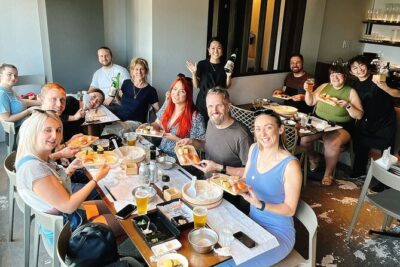
Sushi Making Tokyo Roll and Authentic Japanese Sushi Class
Read our review →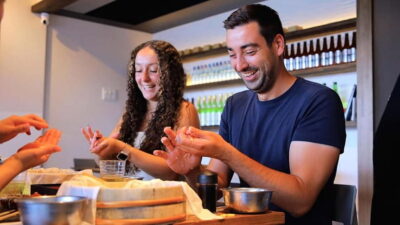
Roll and Authentic Sushi Making Class in Asakusa
Read our review →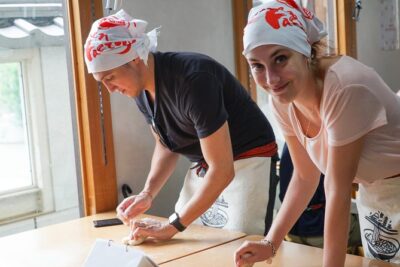
Ramen Cooking Class at Ramen Factory in Kyoto
Read our review →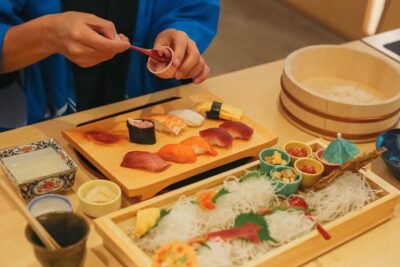
Sushi Making Class in a Happi Coat near a Famous Spot
Read our review →
Sushi Making Osaka Roll and Authentic Japanese Sushi Class
Read our review →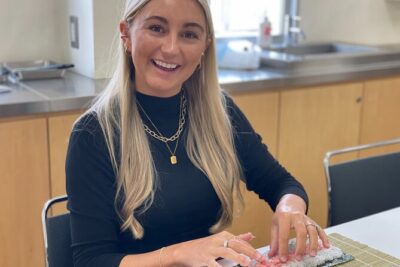
Tokyo Sushi Making Class in Tsukiji with Professional Chef
Read our review →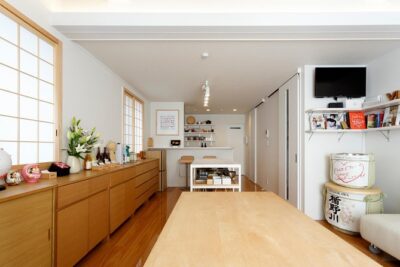
Ramen & Gyoza Cooking Class in Tokyo with Local Supermarket Visit
Read our review →Browse the lists this tour appears in