
Reviewed · COOKING CLASSES
Tokyo Shinjuku Chopsticks Making Class
Make a souvenir you will actually use. This one-hour Shinjuku workshop turns plain wooden sticks into personal chopsticks with a traditional kanna hand plane, making it a pleasant break from Tokyo’s giant signs, train stations, and packed sightseeing schedule. I like the hands-on work and the fact that you leave with something useful rather than another shelf ornament. I also like the friendly English-speaking staff, including instructors such as Masa, Tom, Yuki, Nana, Ken, Sayaka, and Mimi.
The main catch is the extra cost for premium wood and engraving. The basic activity is listed at about $20 per person, but the more attractive wood choices and a name engraving can raise the final price. The room can also feel rushed at busy times, so your experience may depend on how many people are working at once.
In This Review
- Key Points Before You Book
- Turning Plain Sticks Into Japanese Chopsticks
- Choosing Wood With Color, Scent, and Grain
- Learning the Kanna Without Woodworking Experience
- What the One-Hour Session Feels Like
- A Practical Souvenir From Shinjuku
- How the Price Measures Up at About $20
- Finding the Workshop in Nishishinjuku
- English Help and the Staff Experience
- Who Will Enjoy This Activity Most
- Booking Tips for a Smoother Hour
- Should You Book the Shinjuku Chopsticks Class?
- FAQ
- How long does the chopstick-making class last?
- How much does the class cost?
- Where does the activity begin and end?
- What tool do I use to make the chopsticks?
- Do I need woodworking experience?
- Can I choose the type of wood?
- Can I engrave my chopsticks?
- How many people can join the activity?
- What is the cancellation policy?
Key Points Before You Book
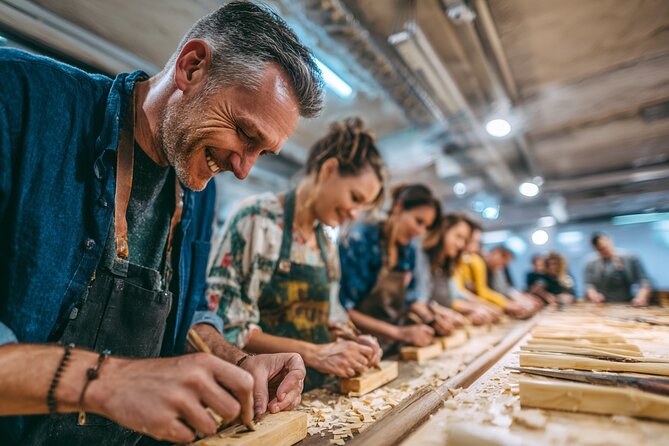
- Shape real wood with a kanna: You use a small Japanese hand plane to remove wood and form the chopsticks by hand.
- Beginner-friendly instruction: Staff explain shaving, sanding, and oiling, with help available when you get stuck.
- Choose your wood: Two wood types are included, while premium options cost extra.
- Take home a useful souvenir: Your finished chopsticks are personal, practical, and easy to pack.
- Allow about one hour: The session is short enough for a busy Tokyo itinerary.
- Plan for add-ons: Engraving costs extra, and some beautiful wood choices may require an upgrade.
Turning Plain Sticks Into Japanese Chopsticks
The appeal here is simple. You begin with raw wooden pieces and gradually shape them into a pair of chopsticks that fit your hands and carry the marks of your own work.
A staff member introduces the tools and shows you how to hold and use the kanna. You then work along the wood, feeling the grain and removing thin shavings. This is not a demonstration where you sit back and watch. You do the main work yourself, with an instructor stepping in when the blade angle or pressure needs correcting.
That makes the activity feel more personal than buying a ready-made pair in a department store. The chopsticks may not come out perfectly identical, and that is part of the charm. Small differences show that you made them.
You should not expect a full woodworking course in one hour. The instruction covers the basic technique needed for this project, not a broad lesson in Japanese carpentry. Still, it gives you a useful glimpse of how a simple hand tool can shape wood with surprising precision.
More Cooking Classes in Tokyo
- Sushi Making Tokyo Roll and Authentic Japanese Sushi Class
★ 5.0 · 3,971 reviews - Tokyo: Roll and Authentic Sushi Making Class in Asakusa
★ 4.9 · 1,957 reviews - Tokyo: Sushi Making Class in a Happi Coat near a Famous Spot
★ 4.9 · 1,377 reviews
Choosing Wood With Color, Scent, and Grain
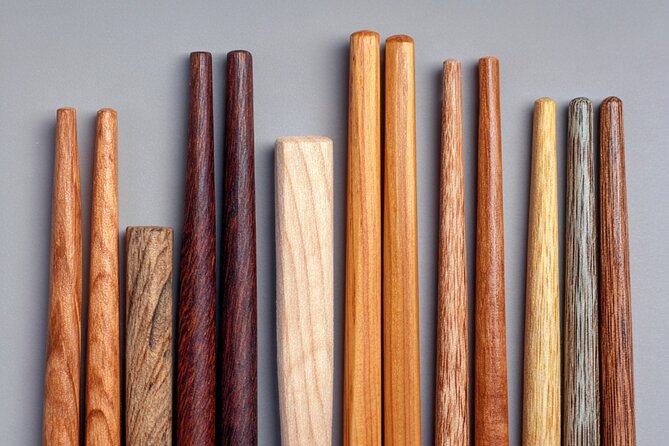
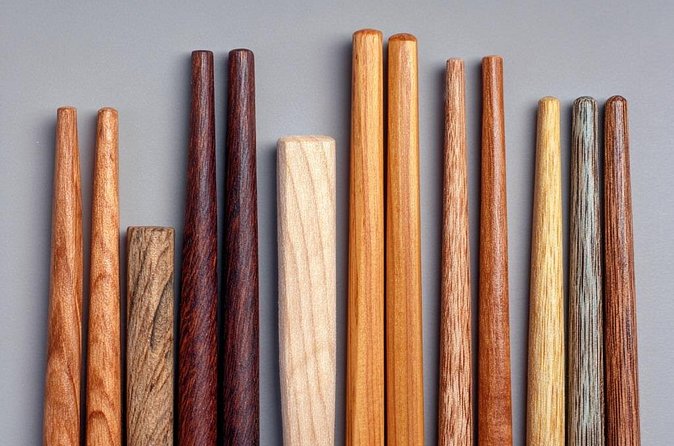
Wood selection is one of the more enjoyable parts of the session. You can compare different Japanese woods by their color, texture, and scent before deciding what suits you.
Two types are included in the basic price. Premium woods are available for a small upgrade, although the extra charges can feel less attractive once you have already paid for the class. If you care most about the activity itself, the included choices should be enough. If you want a more distinctive color or grain, ask clearly which options cost extra before choosing.
The wood also affects the work. One person found that a harder type required more muscle, while another felt the tools could have been sharper. That is useful to know. The most striking piece of wood may not be the easiest choice for a first attempt.
I would choose based on both appearance and ease of shaping. Ask the instructor which wood is suitable for a beginner, then decide if the visual difference justifies the surcharge. You are making a personal item, not buying a luxury product, so there is no need to chase the most expensive option.
Learning the Kanna Without Woodworking Experience
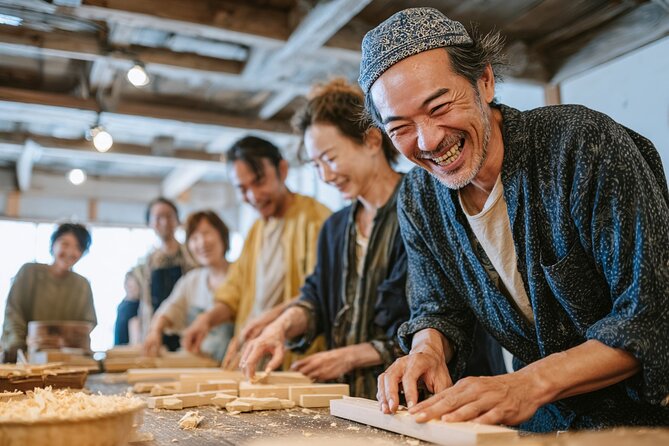
The kanna is a small traditional Japanese hand plane. You pull or push it across the wood in a controlled way, shaving away thin layers. The motion looks easy at first, but you quickly learn that pressure, direction, and blade position matter.
The first chopstick can take more effort than expected. Several people found the process less easy than it appeared, and one participant had to start over after making a mistake. That is not a serious problem. Staff have been described as patient, and some instructors allow you to try again if the first piece does not work.
Masa was singled out for calmly helping someone who had trouble with the first chopstick. Nana, Mauro, Yin, Katana, Kiwa, Tom, Yuki, Ken, Sayaka, and Mimi were also praised for patient or attentive assistance. Staff skills may vary from one session to another, but English support is a strong part of the experience.
You will also sand the chopsticks after the rough shaping. This removes sharp edges and helps create a smoother surface. The final steps include oiling, which gives the wood a finished feel and helps prepare the chopsticks for practical use.
Keep your expectations sensible. You are not producing factory-perfect tableware. You are making a pair by hand in a compact class, and the result reflects your technique.
What the One-Hour Session Feels Like
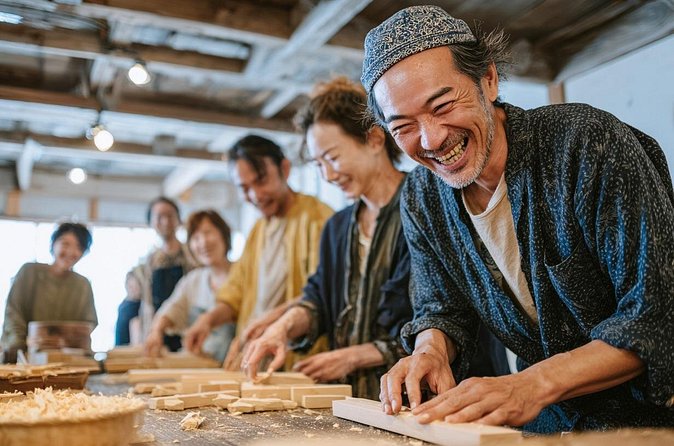
The session moves through a clear sequence:
- Choose your wood.
- Learn how to use the kanna.
- Shave the wooden pieces into shape.
- Smooth the surface with sanding.
- Apply oil for the final finish.
- Add engraving if you choose the paid option.
The class lasts about one hour, which makes it easy to fit between other plans in Shinjuku. I would avoid placing it directly before a train departure or another timed booking, since a busy session may not feel perfectly predictable.
The room has several worktables and multiple workstations. One account described four tables, with helpers available around the room. That layout works well when the group is moderate in size. The maximum group size is 32 people, so the class can be lively rather than intimate.
At peak times, the number of people needing help may outpace the instructors. Some participants felt rushed or did not receive enough detail about technique. Others found the staff organized and helpful. The sensible move is to book a quieter time if your schedule allows, especially if you want more one-on-one correction.
The activity does not require previous woodworking experience. Families have used it successfully across several generations, including children and older adults. Some physical effort is involved, especially with harder wood, so anyone with limited hand strength may want to ask for an easier option.
A completely different kind of day out:
- Tokyo Disney Resort – Tokyo Disneyland & Tokyo DisneySea Park Tickets
★ 4.8 · 99,488 reviews - SHIBUYA SKY Ticket
★ 4.7 · 46,509 reviews - JR Whole Japan Rail Pass
★ 4.8 · 29,150 reviews - Mt Fuji and Hakone 1-Day Bus Tour Return by Bullet Train
★ 5.0 · 26,383 reviews
A Practical Souvenir From Shinjuku
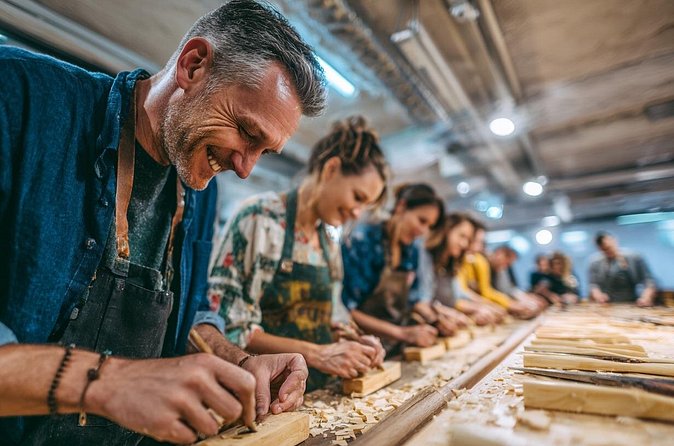
Many Tokyo souvenirs are attractive but difficult to use or pack. Chopsticks solve both problems. They are light, compact, and connected to an everyday part of Japanese dining.
The pair also gives you a small story to tell. You can explain that you shaped the wood with a Japanese hand plane, sanded it, and finished it yourself. The saved wood shavings can add to the memory. One participant especially enjoyed being able to keep them.
Engraving can make the souvenir more personal. Names are available by laser engraving for an additional charge, listed in one account as 2,000 yen. Several people chose this option for a lasting reminder or a gift. I like the idea, but I would treat it as optional rather than necessary. The handmade process is already the main keepsake.
If you are making several pairs for family or friends, check the added engraving and wood costs before committing. A low base price can become a more expensive group activity once upgrades are added.
How the Price Measures Up at About $20
At about $20 per person, the basic price is reasonable for a short, guided craft activity in central Tokyo. You receive instruction, use the tools, choose from included woods, and take home a pair of chopsticks you made yourself.
The value depends on what you want from the hour. If you want a quick, active cultural experience, the price works well. If you only want inexpensive chopsticks, shops and department stores will offer simpler choices for less money.
The extra charges are the weak point. Premium woods may look tempting, and engraving adds a clear personal touch, but the total can rise beyond the advertised starting price. One criticism focused on the feeling of being pushed toward upgrades. I would decide in advance how much you want to spend and say no politely if the extras do not suit you.
The class becomes better value for a family or small group that wants to do something together. Everyone can work at the same time, and the finished items can serve as matching or individual souvenirs.
Finding the Workshop in Nishishinjuku
The meeting point is 7-chōme-4-5 Nishishinjuku, Shinjuku City, Tokyo 160-0023. The activity ends at the same location.
Use the exact address when planning your route. Directions have caused trouble for at least some participants, including confusion between different locations and warnings about map results. I would check the meeting point before leaving your hotel and keep the mobile ticket ready on your phone.
The location is near public transportation, which helps you fit the class into a Shinjuku day. Still, Shinjuku is a large district with many stations, exits, and similarly named places. Do not rely on a quick glance at the map while walking. Confirm the street address and allow time to find the entrance.
The mobile ticket is convenient, but it does not replace careful navigation. If you arrive early, staff may be able to seat you before the official start when space is available, though this should not be treated as guaranteed.
English Help and the Staff Experience
English support is one of the strongest practical reasons to choose this class. Tom and Yuki have been praised for clear explanations in English, and other instructors have been described as friendly, patient, and attentive.
You will need help at several points. The kanna technique is not obvious, and a small mistake can affect the shape of the wood. Good instruction makes the activity relaxing. Weak instruction can leave you sanding away problems that should have been corrected earlier.
Most of the positive experiences center on staff who noticed when someone was stuck and stepped in without taking over. Ken and Sayaka were praised for attentive help, while Yin was described as a clear teacher. Nana received repeated praise for making people feel comfortable.
The staff may be stretched when the room is full. One person found the support limited during a busy midday visit. Another felt the tools were blunt, which made the work harder. These are not reasons to avoid the activity, but they are reasons to choose your time carefully and ask for help early.
Who Will Enjoy This Activity Most
I would recommend this class to:
- Families seeking an activity everyone can attempt together.
- Couples or friends who want a shared souvenir.
- First-time visitors looking for a short cultural activity in Shinjuku.
- People who enjoy practical crafts more than passive sightseeing.
- Anyone who wants a light, packable gift made in Japan.
- Visitors with an hour to spare between larger Tokyo plans.
It is less suitable if you want a quiet, highly polished craft lesson with extensive personal instruction. It may also disappoint you if you expect premium materials and engraving to be included in the starting price.
Children can take part, but the activity involves a blade and some hand strength. Adult supervision and staff guidance matter. Older participants can enjoy it too, provided the physical effort is comfortable.
Service animals are allowed, and the workshop is near public transportation. The stated maximum is 32 people, so ask yourself how comfortable you are with a group setting.
Booking Tips for a Smoother Hour
Book with the exact meeting address in front of you. Shinjuku’s station area is confusing enough without trying to solve navigation at the last minute.
If you have a choice of time, avoid the middle of the day. A quieter session should give you a better chance of getting prompt help with the kanna and wood selection.
Set a budget before arriving. The base price is about $20, two wood choices are included, premium woods cost extra, and engraving is an additional purchase. The engraving price has been given as 2,000 yen, so confirm the current amount at the workshop.
Wear something comfortable for light hand work. You will be handling wood, shaving pieces, sanding, and applying oil. The session is not strenuous for most people, but harder wood may require more effort.
If your plans are uncertain, remember the cancellation rule: cancel at least 24 hours before the local start time for a full refund. Changes or cancellations within 24 hours are not accepted for a refund.
Should You Book the Shinjuku Chopsticks Class?
Yes, if you want a short, friendly, hands-on activity and a souvenir with a story behind it. The basic class offers good value at about $20, especially for families, first-time Tokyo visitors, and anyone who likes making things rather than simply shopping for them.
I would book it with three cautions. Confirm the Nishishinjuku address, choose a less crowded time if possible, and decide ahead of time whether premium wood or engraving is worth the extra cost.
The finished chopsticks may show a few handmade flaws. That is not a failure. It is the point. If you want perfect tableware, buy a finished pair. If you want an hour of simple craft, friendly guidance, and something personal to carry home, this is a smart addition to a Tokyo itinerary.
FAQ
How long does the chopstick-making class last?
The activity lasts approximately one hour.
How much does the class cost?
The listed price is $20 per person. Premium wood choices and engraving cost extra.
Where does the activity begin and end?
It begins at 7-chōme-4-5 Nishishinjuku, Shinjuku City, Tokyo 160-0023, Japan, and ends back at the meeting point.
What tool do I use to make the chopsticks?
You use a traditional Japanese kanna, which is a small hand plane, to shape the raw wood.
Do I need woodworking experience?
No. The class is designed for beginners, and staff guide you through shaping, sanding, and oiling.
Can I choose the type of wood?
Yes. Two wood types are included, and additional premium woods are available for a small upgrade.
Can I engrave my chopsticks?
Yes. Engraving is available for an additional fee. One stated price is 2,000 yen.
How many people can join the activity?
The maximum group size is 32 people.
What is the cancellation policy?
You can cancel at least 24 hours before the local start time for a full refund. Cancellations or changes made within 24 hours are not accepted for a refund.
Just added in Tokyo
- MT. FUJI/ Private Tour delivered and guided by a top-tier driver★ 5.0 · 27 reviews
- Mt fuji & Hakone customizable day tour w/ English speaking driver★ 5.0 · 45 reviews
- Fuji Speedway Self Drive & Mt. Fuji Private Tour pickup & dropoff★ 5.0 · 14 reviews
- Mt.Fuji Trekking 1 Day Tour up to the summit★ 5.0 · 14 reviews
- Seasonal Mt. Fuji Scenic Views, Fruit Picking and Ropeway Ride!★ 4.5 · 35 reviews
- Customisable Mt.Fuji Private Day Trip, English Speaking Driver★ 5.0 · 22 reviews
- Private Mt Fuji Tour from Tokyo: Scenic BBQ and Hidden Gems★ 5.0 · 146 reviews
- Private Mount Fuji Tour in Luxury Vehicle with English Guide★ 4.5 · 39 reviews
Cooking Classes, compared.
Sushi Making Tokyo Roll and Authentic Japanese Sushi Class
Read our review →
Roll and Authentic Sushi Making Class in Asakusa
Read our review →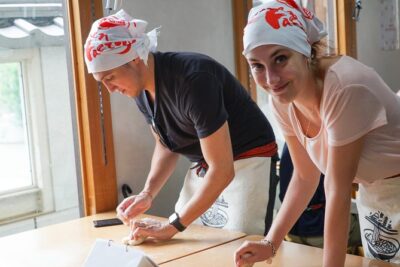
Ramen Cooking Class at Ramen Factory in Kyoto
Read our review →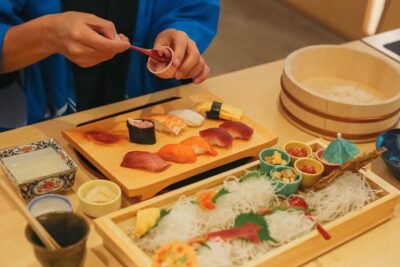
Sushi Making Class in a Happi Coat near a Famous Spot
Read our review →
Sushi Making Osaka Roll and Authentic Japanese Sushi Class
Read our review →
Tokyo Sushi Making Class in Tsukiji with Professional Chef
Read our review →
Ramen & Gyoza Cooking Class in Tokyo with Local Supermarket Visit
Read our review →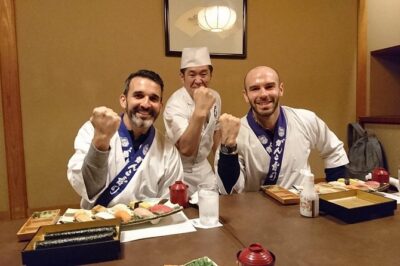
Tsukiji Fish Market Guided Tour and Sushi Making with Pro Chef
Read our review →Browse the lists this tour appears in