
Reviewed · COOKING CLASSES
Tokyo: Sushi Making Class in a Happi Coat near a Famous Spot
Sushi is easier than it looks. This 90-minute Tokyo class gives you a friendly, hands-on introduction to nigiri and maki, with tuna and salmon, clear instruction, and a meal you prepare yourself. I like the traditional happi coat, which adds a playful Japanese touch, and I like that the food portion is generous enough to serve as lunch. The main thing to watch is the meeting point, which can change with the option you book.
The class suits first-timers, families, couples, and anyone who wants more than another restaurant meal. English and Japanese instruction is available, and teachers such as Hide, Mikoto, Kohji, Ami, Emi, and Masa have been praised for their patience and humor. If you have allergies or need vegetarian, vegan, or gluten-free food, contact the provider before the day of the class.
In This Review
- Key points at a glance
- What the Tokyo sushi class feels like
- The first lesson: rice, fish, and sushi technique
- Putting on the happi coat
- Making enough sushi for lunch
- Group size, atmosphere, and personal attention
- A useful activity for families and first-timers
- Food requests and what to arrange ahead
- Fitting the class into a Tokyo day
- The value of learning sushi at home
- Is SUSHI GARYU worth $42?
- Who should book this sushi class?
- FAQ
- How long does the sushi-making class last?
- How much does the experience cost?
- What types of sushi will I learn to make?
- Is the class suitable for beginners?
- Which languages are available?
- Do I get to eat the sushi I make?
- Is a happi coat provided?
- Can I request vegetarian, vegan, or gluten-free food?
- What should I do if I have a food allergy?
- Will I have a private class?
- Can children join the class?
- Can I cancel for a refund?
- Do I have to pay when I book?
Key points at a glance
- Make sushi from scratch: Learn the basic movements behind tuna and salmon nigiri, plus maki and other rolls depending on the session.
- Wear a happi coat: The traditional tube-sleeved coat makes the class feel festive and gives you fun photo opportunities.
- Eat what you prepare: The sushi portion is often generous enough to count as a proper lunch, not just a small sample.
- Get close teacher support: Group sizes can be small, and one reported class had five people per host.
- Learn skills for home: The instruction covers practical methods and small tricks you can try in your own kitchen.
- Plan for food needs early: Vegetarian, vegan, and gluten-free choices are possible when requested ahead of time.
What the Tokyo sushi class feels like
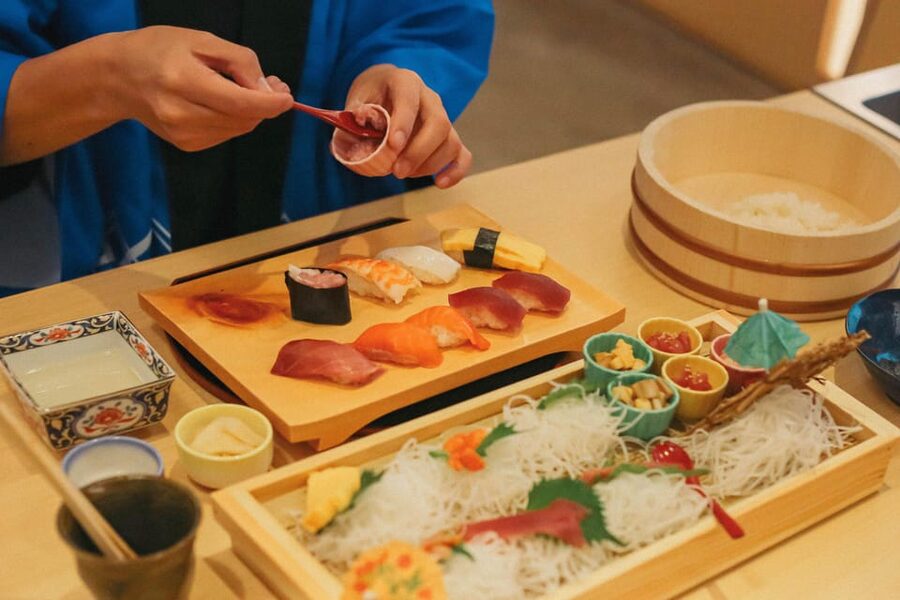
SUSHI GARYU keeps this experience approachable. You are not expected to know the difference between every type of sushi, or to have handled a sushi knife before. The class begins with a lesson, then gives you time to copy the technique under the chef’s eye.
That order matters. Sushi can look simple on a plate, but shaping rice without crushing it takes a little practice. A good teacher shows you the pressure, angle, and rhythm, then lets you try. The instructors here are repeatedly praised for explaining each step clearly and helping when a hand position or roll goes wrong.
The tone is casual rather than stern. Teachers have been described as warm, funny, patient, and easy to talk with. Hide was especially praised for mixing technical skill with humor, while Mikoto, Mitsuko, Ami, Emi, Masa, Mai, Miwa, and others were singled out for friendly help. Your instructor will depend on the session, but the pattern is clear: this is built as a welcoming activity, not a formal culinary exam.
You can expect English or Japanese instruction. Several people specifically appreciated fluent or excellent English, which is important when the lesson involves small physical details. If you want to ask about Japanese food customs or get ideas for the rest of your Tokyo visit, the class also leaves room for conversation.
More Cooking Classes in Tokyo
- Sushi Making Tokyo Roll and Authentic Japanese Sushi Class
★ 5.0 · 3,971 reviews - Tokyo: Roll and Authentic Sushi Making Class in Asakusa
★ 4.9 · 1,957 reviews - Tokyo Shinjuku Chopsticks Making Class
★ 5.0 · 1,763 reviews
The first lesson: rice, fish, and sushi technique
The class focuses on nigiri sushi, the hand-shaped style with a small bed of rice topped with fish. Tuna and salmon are listed as key ingredients, giving you familiar flavors and a good contrast in color and texture.
The chef first demonstrates the process. You then work through it yourself, with guidance as needed. This is the useful part of the class: you are not simply watching a professional make perfect sushi at impossible speed. You get to repeat the movement until your own pieces begin to hold together.
The available information also refers to maki, and several participants learned both maki and nigiri. Some sessions include other roll styles as well, so the exact mix may vary. Ask your instructor at the start if you want to know precisely what you will make.
The class is practical, but it also gives you a little cultural context. You learn why the preparation is handled in a certain way and gain a better sense of the care behind a dish that is often eaten quickly. That small shift in perspective is valuable. Afterward, you may look at a sushi counter with more respect for the handwork involved.
Putting on the happi coat
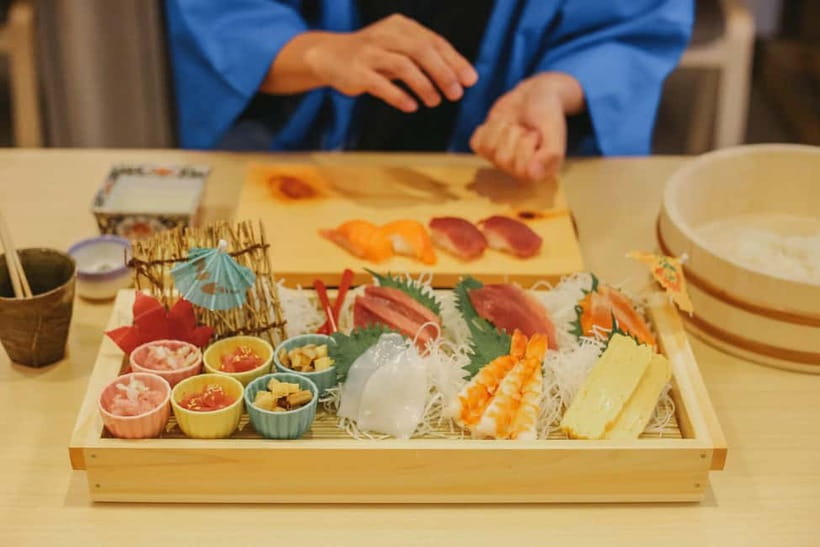
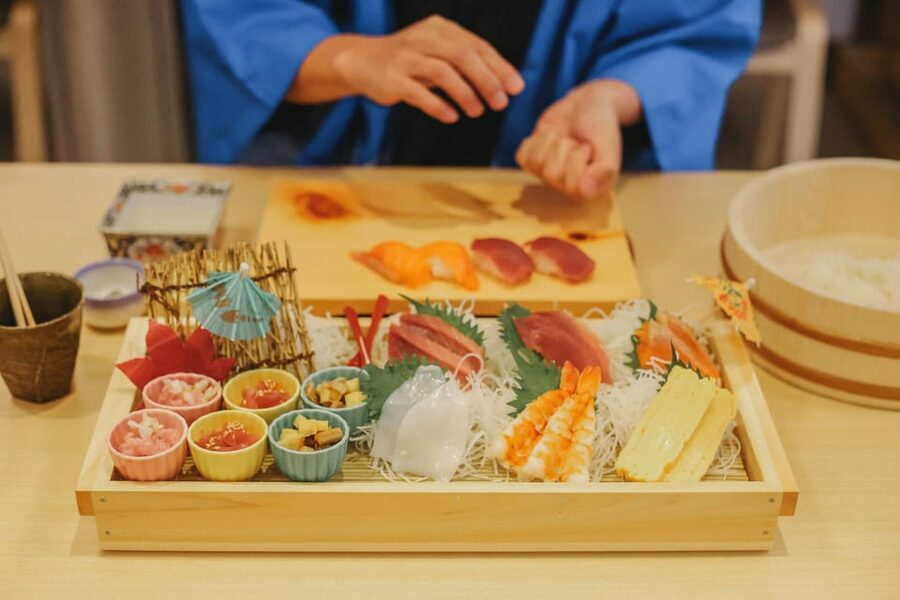
The happi coat is one of the experience’s most memorable extras. This traditional Japanese-style coat has wide, tube-like sleeves and gives you the look of a local festival worker or sushi chef.
It is not a cooking tool, but it changes the mood. You are doing a straightforward food lesson, yet the coat turns it into a small cultural activity. It also photographs well. People have enjoyed taking pictures in the Japanese outfits, and the venue provides attractive spots and props for photos.
This part should appeal to families and couples in particular. Children can enjoy the costume element, while adults get a lighthearted souvenir picture without needing to arrange a separate photo session. The coat is also a nice break from the usual sightseeing routine of temples, shops, and train stations.
Keep expectations sensible: the happi coat does not make you a sushi master in 90 minutes. It does make the class more memorable, and it gives the experience a clear Japanese character.
Making enough sushi for lunch
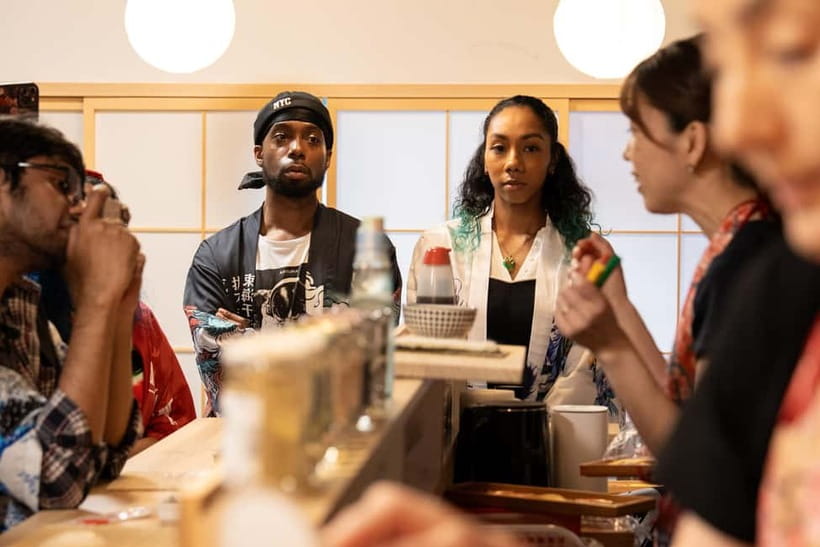
One of the strongest points here is the amount of food. The finished sushi is not treated as a tiny demonstration portion. Several accounts describe making plenty of sushi, with one couple saying it was generous enough to leave them completely full.
That helps the $42 price make sense. You are paying for instruction, ingredients, and the activity itself, then eating the result. In Tokyo, that is a fair package for a 90-minute experience, especially if you value a skill and cultural exchange rather than only the cheapest meal available.
The food is also likely to taste better because you made it. That is not just sentiment. You have watched each step, handled the rice, shaped the pieces, and seen the fish prepared for the lesson. Even a slightly uneven piece feels like an achievement.
People praised the fresh ingredients and tasty sushi. One person described the finished food as much better than expected for a first attempt. Another appreciated that the class produced a delicious lunch. You should still think of this as an introduction, not a high-end omakase meal. The value lies in the combination of food, instruction, and participation.
A completely different kind of day out:
- Tokyo Disney Resort – Tokyo Disneyland & Tokyo DisneySea Park Tickets
★ 4.8 · 99,488 reviews - SHIBUYA SKY Ticket
★ 4.7 · 46,509 reviews - JR Whole Japan Rail Pass
★ 4.8 · 29,150 reviews - Mt Fuji and Hakone 1-Day Bus Tour Return by Bullet Train
★ 5.0 · 26,383 reviews
Group size, atmosphere, and personal attention
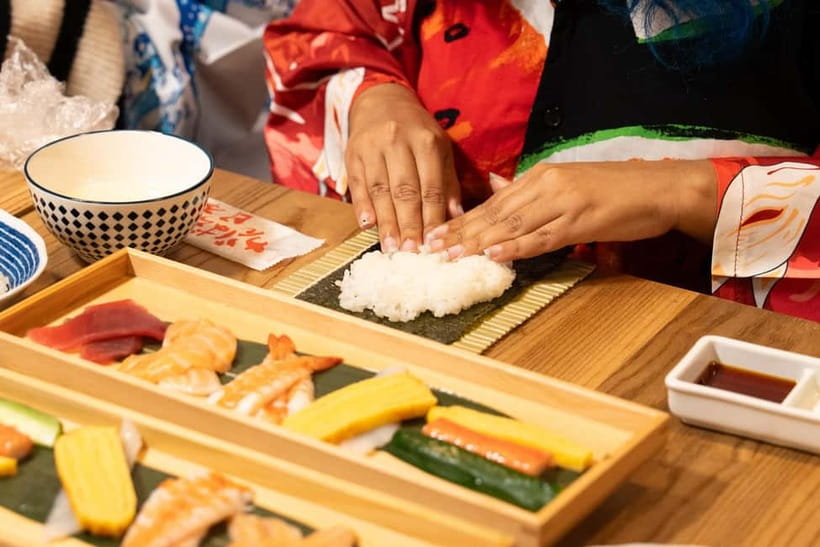
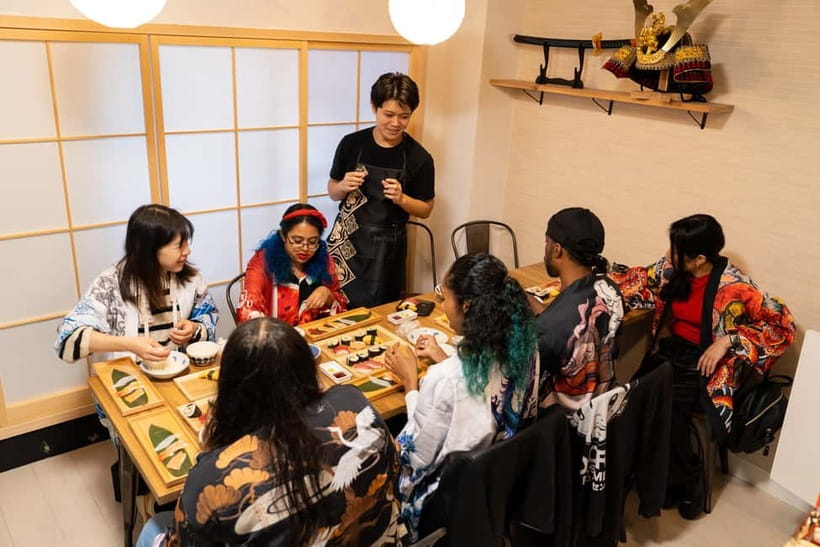
Group size can affect the feel of the class. Depending on demand, you may share a table with other customers. That can be a plus if you like meeting people and comparing your first sushi attempts. It can be less ideal if you hoped for a private lesson.
The setup can be quite personal. One class had five people per host, which allowed the instructor to check each person’s work. Other sessions turned into private lessons because only two people, or even one person, had booked a particular time. You cannot count on that, but smaller numbers are possible.
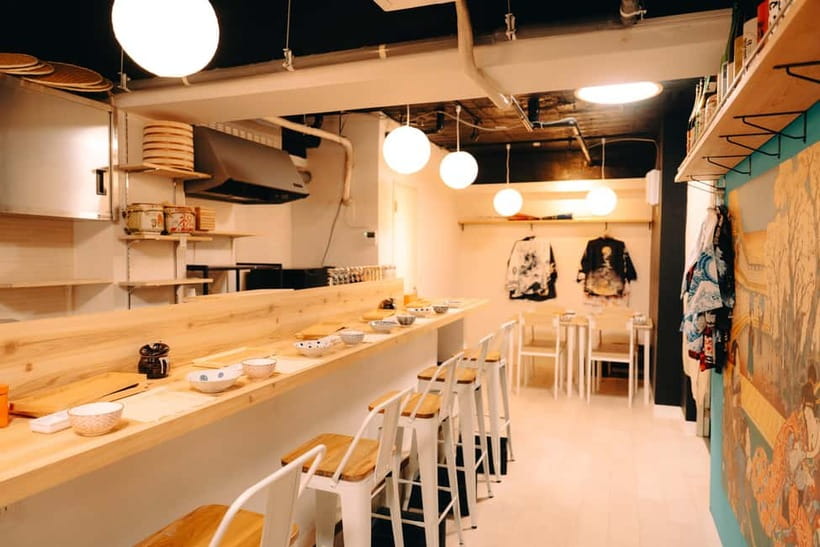
The room has been described as cozy, clean, welcoming, and well organized. Ingredients may be laid out before you arrive, so you can start without a long wait. The format is active, but not rushed in the way a large demonstration can be.
I would choose a quieter time if you care most about asking questions. The available information does not promise a private booking, so treat that as luck rather than a feature. A busier class may bring more energy, while a small class gives you more space to work at your own pace.
A useful activity for families and first-timers
This is a good match for anyone who likes to learn by doing. The class has attracted couples, families with children, solo participants, and friends. Children can take part, though the age and fee rules need attention: children over four years old are charged, and a child under four may share a dish.
For families, the class offers a practical way to make food part of the holiday. Kids do not just sit through a restaurant meal. They see ingredients, follow directions, and eat the finished result. One family found the lesson easy enough for the children to enjoy and left interested in trying sushi at home.
Couples also have a strong reason to choose it. It is relaxed, shared, and gives you something to talk about. You can compare your first pieces, take photos in the happi coats, and finish with lunch.
Solo visitors should not feel out of place. The friendly format and possible shared seating make it easy to join in. If you want a quiet, highly formal lesson, this may not be the right choice. If you want a social activity with food at the end, it fits well.
Food requests and what to arrange ahead
The class can accommodate vegetarian, vegan, and gluten-free choices, but you need to send that request in advance. The same applies to food allergies. If you wait until the day of the class, the kitchen may not be able to change the ingredients.
This is especially important for sushi because sauces, seasoning, imitation seafood, and rice preparation can affect gluten-free needs. Do not assume that a standard tuna or salmon lesson automatically meets your requirements. Message the provider before arrival and state your needs clearly.
The class includes the cooking lesson, ingredients, and instructor. Any extras are not part of that basic package. One person mentioned sake available for an additional purchase, but you should regard that as optional rather than included.
Fitting the class into a Tokyo day
The activity lasts 90 minutes, so it is easy to place between sightseeing plans. You will need to check the available starting times when booking, since the schedule can vary.
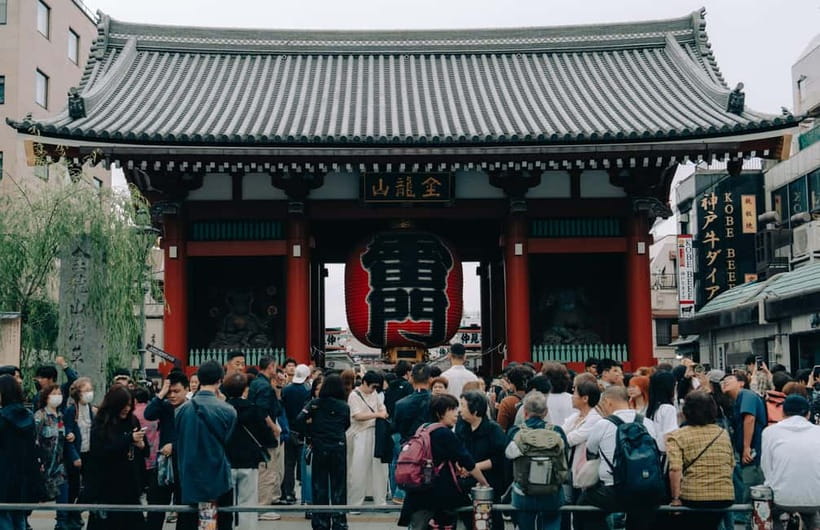
The meeting point may also change depending on the option selected. Read the confirmation carefully rather than relying on the title alone. One person had a little trouble finding the venue, so leave enough time to get there. This is a small but important point: arriving late can cut into a short class, even if the staff may be kind and accommodating.
The class can work well on a day when you are near the famous spot connected with your chosen option. One person paired the activity with a visit to a temple and markets afterward, making a satisfying food-and-sightseeing block. Do not assume the temple or market is part of the class. Use the location details in your booking to plan what comes before or after.
A late-morning start makes practical sense if you want the sushi to replace lunch. If you are using the class as an afternoon activity, eat lightly beforehand so you have room for what you make.
The value of learning sushi at home
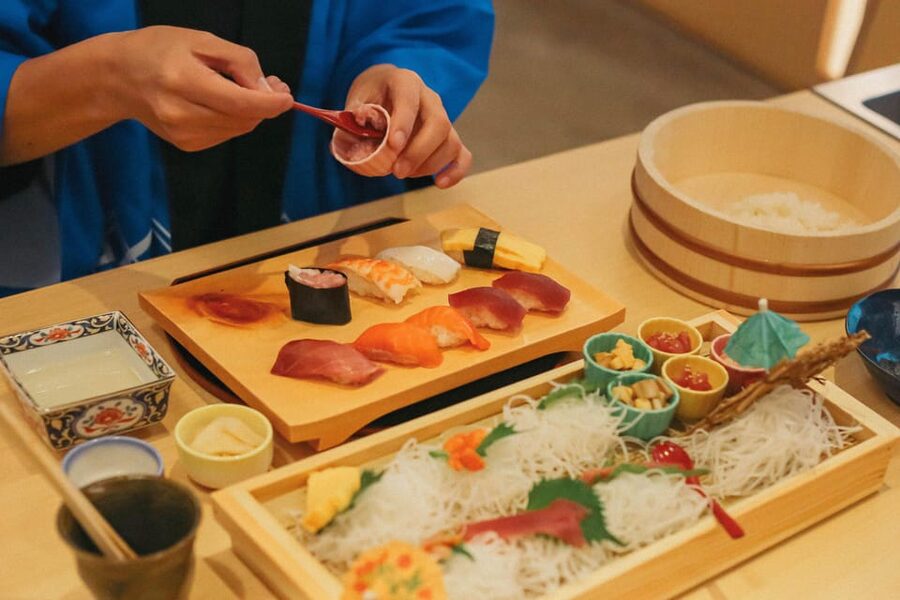
The best souvenir here is not a printed memento. It is a repeatable skill. Several people left feeling able to make sushi at home, and many liked learning techniques they could use after returning from Japan.
You should keep your home expectations realistic. The class gives you the basic method and useful tricks, but matching a professional sushi counter depends on good rice, suitable fish, and practice. Still, the lesson removes much of the mystery. You learn that sushi making is manageable when the ingredients and steps are organized.
That makes the class a better choice than a passive food tasting for many people. You get a meal now and an idea to use later. It also gives you a story to share back home: not just what you ate in Tokyo, but what you learned to prepare.
Is SUSHI GARYU worth $42?
At $42 per person, the experience offers solid value if you want instruction and a meal together. The price includes the class, ingredients, and teacher, while the 90-minute length gives you enough time to practice instead of watching a short stage show.
The value is strongest when you use the session as lunch. Generous portions have been a recurring positive point, and the food quality has received warm praise. Add the happi coat, photos, cultural explanation, and the chance to ask questions, and the cost feels reasonable for a central Tokyo activity.
It is less compelling if your only goal is to eat the finest sushi possible. For that, spend your money at a specialist restaurant. This class is about participation, not a rare-fish tasting menu.
The free cancellation policy allows cancellation up to 24 hours before the activity for a full refund. You can also reserve and pay later, which helps if your Tokyo schedule is still shifting.
Who should book this sushi class?
Book it if you are new to sushi making, want an easy cultural activity, or need a food-focused break from sightseeing. It is especially suitable for couples, families, solo participants, and friends who like a little humor with their instruction.
I would also recommend it to people who want a practical souvenir. You may not leave ready to work behind a sushi counter, but you should understand the basics and feel more confident trying them at home.
Think twice if you need a fully private session, have a very tight schedule, or want a serious chef-training course. Shared seating is possible, the meeting point can vary, and the lesson is aimed at beginners.
For most visitors, SUSHI GARYU offers a cheerful, useful slice of Tokyo: you learn, you wear a happi coat, you eat a generous plate of sushi, and you leave with a skill that can outlast the holiday.
FAQ
How long does the sushi-making class last?
The class lasts 90 minutes.
How much does the experience cost?
The listed price is $42 per person.
What types of sushi will I learn to make?
The class teaches nigiri sushi using ingredients such as tuna and salmon. Depending on the session, you may also learn maki and other rolls.
Is the class suitable for beginners?
Yes. The workshop is designed for beginners, with step-by-step guidance from a sushi chef.
Which languages are available?
Instruction is available in English and Japanese.
Do I get to eat the sushi I make?
Yes. You eat the sushi prepared during the class, and the portions may be generous enough to serve as a meal.
Is a happi coat provided?
The experience includes the chance to wear a traditional Japanese happi coat during the activity.
Can I request vegetarian, vegan, or gluten-free food?
Yes, these options are available when requested in advance. Send the request by message before the class.
What should I do if I have a food allergy?
Tell the provider about your allergy in advance by message. Same-day requests may not be possible to accommodate.
Will I have a private class?
Not necessarily. Depending on how busy the venue is, you may share a table with other customers. Smaller classes or private lessons can occur when few people book a time slot.
Can children join the class?
Children can join, but children over four years old are charged according to the applicable child fee. A child under four may share a dish.
Can I cancel for a refund?
You can cancel up to 24 hours in advance for a full refund.
Do I have to pay when I book?
The reserve-now, pay-later option lets you book without paying immediately.
Just added in Tokyo
- MT. FUJI/ Private Tour delivered and guided by a top-tier driver★ 5.0 · 27 reviews
- Mt fuji & Hakone customizable day tour w/ English speaking driver★ 5.0 · 45 reviews
- Fuji Speedway Self Drive & Mt. Fuji Private Tour pickup & dropoff★ 5.0 · 14 reviews
- Mt.Fuji Trekking 1 Day Tour up to the summit★ 5.0 · 14 reviews
- Customisable Mt.Fuji Private Day Trip, English Speaking Driver★ 5.0 · 22 reviews
- Seasonal Mt. Fuji Scenic Views, Fruit Picking and Ropeway Ride!★ 4.5 · 35 reviews
- Private Mt Fuji Tour from Tokyo: Scenic BBQ and Hidden Gems★ 5.0 · 146 reviews
- Private Mount Fuji Tour in Luxury Vehicle with English Guide★ 4.5 · 39 reviews
Cooking Classes, compared.
Sushi Making Tokyo Roll and Authentic Japanese Sushi Class
Read our review →
Roll and Authentic Sushi Making Class in Asakusa
Read our review →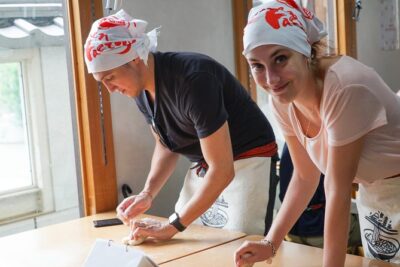
Ramen Cooking Class at Ramen Factory in Kyoto
Read our review →
Sushi Making Osaka Roll and Authentic Japanese Sushi Class
Read our review →
Tokyo Sushi Making Class in Tsukiji with Professional Chef
Read our review →
Ramen & Gyoza Cooking Class in Tokyo with Local Supermarket Visit
Read our review →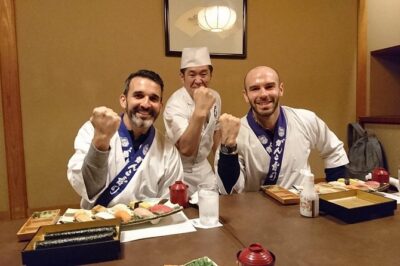
Tsukiji Fish Market Guided Tour and Sushi Making with Pro Chef
Read our review →Browse the lists this tour appears in