
Reviewed · COOKING CLASSES
Sushi Making Tokyo Roll and Authentic Japanese Sushi Class
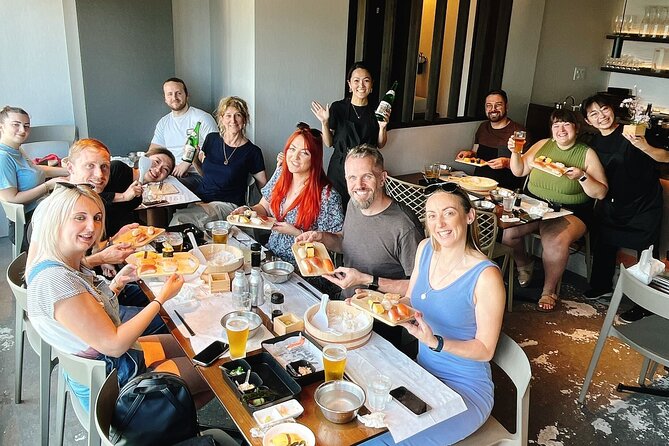
Make your own sushi in Asakusa. This lively 1-hour-40-minute class puts you just steps from Senso-ji Temple, where you learn to prepare maki rolls and nigiri before eating the results for lunch. I like the hands-on teaching and the useful tips for making sushi at home. I also like the mix of food skills and Japanese culinary culture, rather than a class that treats sushi as simple craft time.
The main consideration is group size. The class can accept up to 30 people, so the experience may feel more like a friendly group lesson than a private cooking session. At $59.69 per person, the price is fair because it includes the ingredients, the meal you prepare, and an English-speaking instructor, but it is not a bargain if you only want a quick demonstration.
In This Review
- Key Points Before You Book
- Why This Asakusa Sushi Class Works
- Finding the Class Near Senso-ji Temple
- The Opening: Sushi History and Simple Japanese Culture
- Making Maki Rolls Step by Step
- Shaping Nigiri and Eating Your Own Lunch
- The Instructors and Teaching Style
- Price and What You Receive for $59.69
- Who Should Book This Experience
- Practical Details That Matter
- Should You Book the Sushi Making Tokyo Class?
- FAQ
- How long does the sushi-making class last?
- Where does the class meet?
- Does the class include lunch?
- Is the class taught in English?
- Do I need cooking experience?
- How many people can attend the class?
- Can I cancel for a full refund?
Key Points Before You Book
- Sushi beside Senso-ji: The meeting point is at 2-chōme-17-9 Kaminarimon in Asakusa, making it easy to pair the class with Tokyo’s famous temple district.
- Maki and nigiri in one lesson: You learn both rolled sushi and hand-shaped sushi, not just one basic recipe.
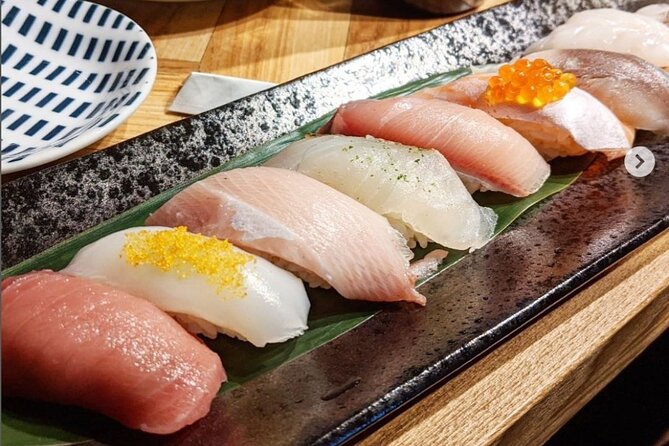
- A full lunch is included: The ingredients and food prepared during class are part of the price, so you eat what you make.
- Clear English instruction: Staff explain the steps, show techniques visually, and add simple cultural notes and useful Japanese words.
- Good for families: Children as young as 6 and 8 have enjoyed the class, while teenagers and adults also have enough to keep them interested.
- Free cancellation up to 24 hours ahead: Cancel at least a day before the start time for a full refund.
Why This Asakusa Sushi Class Works
Tokyo offers endless chances to eat sushi. Learning to make it gives you a different kind of memory, especially if you are traveling with family, a partner, or friends. You are not only sitting at a counter and watching someone else work. You take part, make mistakes, fix them, and then sit down with the food.
The class is designed for beginners. You do not need cooking experience, and the instructors break the process into small steps. The teaching includes demonstrations, visual support, and table-side help. That matters because sushi can look simple until you try to shape rice, place fillings, and keep a roll together.
I especially like that the lesson covers both maki and nigiri. Maki is the rolled style many people first associate with sushi. Nigiri requires a different touch, since the rice must hold together while remaining pleasant to eat. Learning both gives you a better feel for the variety of sushi preparation.
The food also has a practical purpose. You are not making a tiny sample and leaving hungry. Several people have described having enough food for a full lunch, and one family said they were comfortably full afterward. That makes the price easier to justify.
More Cooking Classes in Tokyo
- Tokyo: Roll and Authentic Sushi Making Class in Asakusa
★ 4.9 · 1,957 reviews - Tokyo Shinjuku Chopsticks Making Class
★ 5.0 · 1,763 reviews - Tokyo: Sushi Making Class in a Happi Coat near a Famous Spot
★ 4.9 · 1,377 reviews
Finding the Class Near Senso-ji Temple
The class begins at 2-chōme-17-9 Kaminarimon, Taito City, Tokyo 111-0034. This is in Asakusa, one of the best areas in Tokyo for traditional atmosphere, street food, and historic sights. Senso-ji Temple is close by, so you can place this activity before or after a visit to the temple grounds.
The location is convenient, but it may take a little care to find the exact entrance. One useful tip is to arrive about 15 minutes early. That gives you time to check the address without rushing into class, especially if you are navigating Tokyo for the first time.
The area is near public transportation, and hotel pickup is not included. You make your own way to the meeting point and return there when the class ends. Plan your transport around the fixed start time rather than assuming the activity will collect you from your hotel.
The Asakusa setting adds value. You can visit Senso-ji, explore Kaminarimon Gate, and walk through the nearby streets before or after your meal. The class itself lasts about 100 minutes, so it fits neatly into a half-day in the neighborhood.
The Opening: Sushi History and Simple Japanese Culture
The lesson begins with an introduction to sushi and its place in Japanese food culture. The instructors explain some of the history before moving into the cooking, giving you a reason behind the techniques instead of asking you to copy movements without context.
The cultural material appears to be light and accessible. This is not a formal academic lecture. It is a friendly explanation aimed at international visitors, with clear English and simple information you can use during the rest of your time in Japan.
Some classes also introduce useful Japanese words. That is a small but welcome touch. Food terms and greetings give you something practical to use at restaurants and markets, and they help connect the meal to the culture around you.
The teaching style is energetic. Instructors named in class feedback include Moe, Ken, Kazu, Kyuto, Kaori, Jun, Arisa, Ellie, and others. The exact instructor may vary, but the repeated pattern is clear: the staff keep the tone upbeat, explain the steps carefully, and help at the tables.
That energy works well for children and mixed-age groups. It also keeps the class from feeling stiff. If you want a quiet, highly formal lesson with long technical explanations, this may not be your ideal format. If you want food, conversation, and a little humor, the approach should suit you.
Making Maki Rolls Step by Step
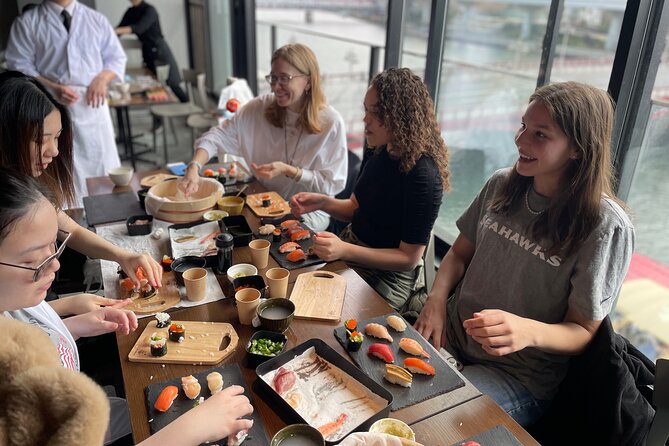
The roll-making section is likely the easiest place for beginners to gain confidence. You follow a demonstration, prepare the ingredients, and build your roll under guidance. The instructors show the process visually, then help you correct problems as you work.
The useful part is not only learning one roll during the class. You also get practical advice about handling the rice, arranging the filling, and applying the right amount of pressure. These small details are what make home sushi less intimidating.
The class is intentionally tourist-friendly rather than built as a traditional professional kitchen apprenticeship. One person described it as simple, easy to follow, and somewhat western in its presentation. That is worth knowing before you book. You are learning a useful version of sushi preparation, but this is not a chef-training course.
Still, the format has a clear advantage. You can focus on the basic movements without feeling lost. The instructors use demonstrations and direct assistance, so you do not need to arrive with knife skills or previous sushi experience.
For families, the roll section gives children an active job. Young participants can help assemble and shape the sushi, with adults nearby to assist. The class has worked well for families with children around 6 to 13, though the maximum group size means the amount of individual attention can vary.
A completely different kind of day out:
- Tokyo Disney Resort – Tokyo Disneyland & Tokyo DisneySea Park Tickets
★ 4.8 · 99,488 reviews - SHIBUYA SKY Ticket
★ 4.7 · 46,509 reviews - JR Whole Japan Rail Pass
★ 4.8 · 29,150 reviews - Mt Fuji and Hakone 1-Day Bus Tour Return by Bullet Train
★ 5.0 · 26,383 reviews
Shaping Nigiri and Eating Your Own Lunch
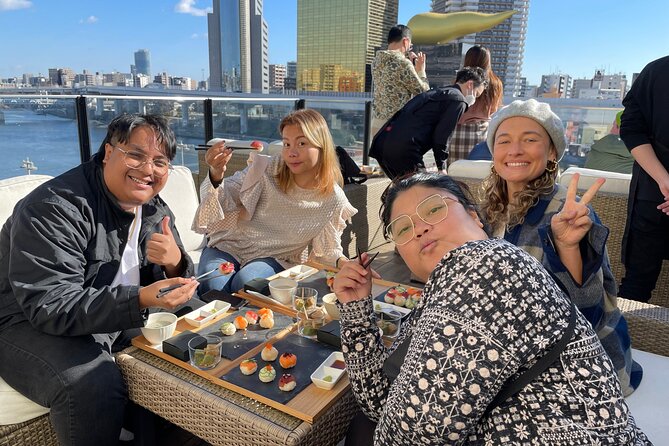
Nigiri adds a second skill and gives the lesson more substance. Rather than only rolling ingredients inside seaweed, you learn how sushi rice and fish are brought together in a compact hand-shaped piece.
The class provides the ingredients and meal, and the food is eaten afterward. The quality of the fish and rice has received specific praise, which is important because ingredients can make or break a cooking class. You are not simply practicing with decorative food. The goal is to prepare something you will actually want to eat.
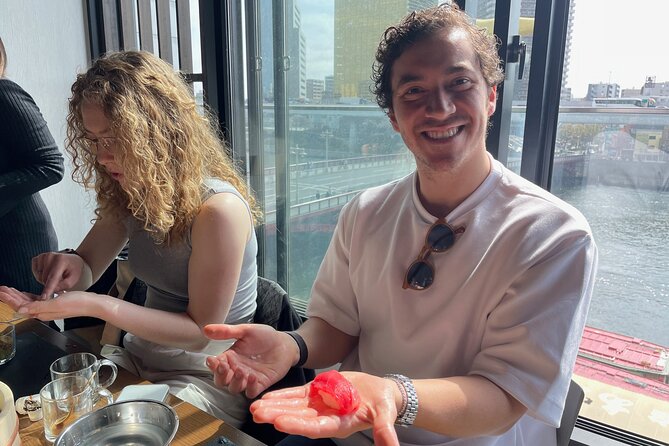
The meal is one of the strongest parts of the experience. Once the preparation is complete, you sit down with the sushi you made. That turns the lesson into lunch, not an activity followed by another search for food.
It also gives you a chance to compare your own work with the instructor’s example. Your rolls may not look perfect, and your nigiri may be a little uneven. That is part of the fun. Sushi made by a first-time cook rarely has restaurant precision, but it can still taste fresh and satisfying.
Take photos at the end if you like. The class is built around making a shared memory, and the finished food gives you something concrete to photograph. Just keep the focus on enjoying the meal rather than trying to produce perfect pictures.
The Instructors and Teaching Style
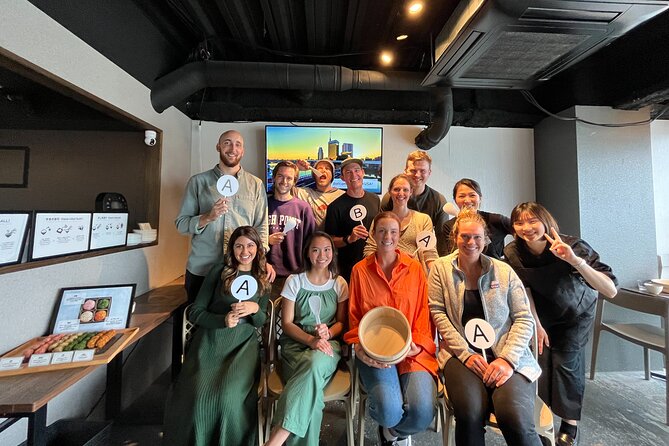
English-speaking staff are a major reason this activity works for international visitors. Instructions are clear, and the process is shown rather than explained only through words. That is especially helpful when you are learning a physical technique.
The instructors also bring personality to the room. Ken has been praised for being entertaining, and Moe and her assistants have been described as warm and engaging. Other teachers, including Kyuto, Kazu, Jun, Kaori, and Arisa, have also received strong praise for their patience and friendly approach.
The style is active and encouraging. One instructor uses the playful phrase hoi, hoi, hoi while teaching, which gives the class a cheerful rhythm. Some people will enjoy that energy. Others may find it a little theatrical, particularly if they prefer a calm, traditional cooking lesson.
The class can accommodate up to 30 people. That is a meaningful detail. A large session can create a social atmosphere and make the activity fun for groups, but it may limit how long an instructor can spend with each person. If personal coaching is your top priority, ask about the expected group size on your date.
Price and What You Receive for $59.69
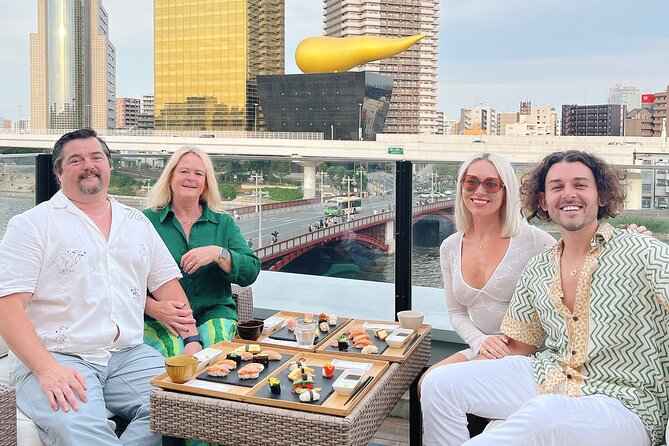
At $59.69, the class sits in the reasonable middle range for a Tokyo food activity. You receive the instructor, the cooking ingredients, and the sushi meal. The location also saves you from spending a separate half-day getting across the city.
The value is strongest if you would otherwise pay for lunch and want an activity with it. You are paying for instruction, food, a social setting, and a convenient Asakusa location. Families should calculate the total cost for everyone, but the included meal helps balance the per-person price.
The value is weaker if you dislike group activities or already know how to make sushi. In that case, you may be paying mainly for the setting and the social experience. The class is aimed at beginners, not advanced home cooks.
A sake flight has been added by some people as an extra, but it is not part of the listed inclusions. Do not assume alcohol is included in the $59.69 price. If that pairing interests you, check the current options before booking.
The experience has received a 5 out of 5 rating from 3,971 reviews and is recommended by 99 percent of participants. It has also received TripAdvisor’s Best of the Best award twice. Those figures suggest a strong record, though they do not remove the basic group-class limitations.
Who Should Book This Experience
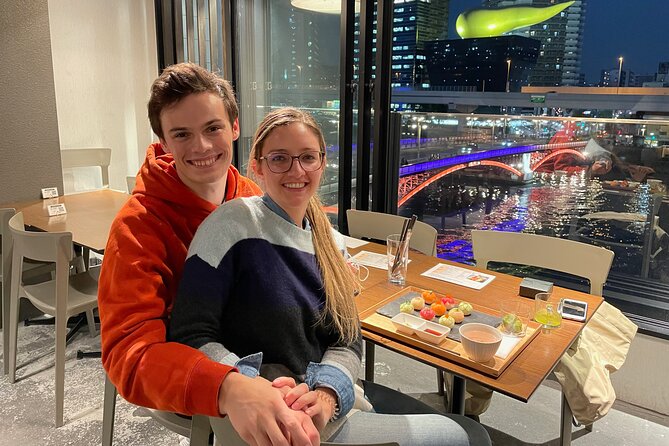
I would choose this class for families, couples, and friends who want an activity that feels social and useful. It is particularly good for a rainy day, a first visit to Tokyo, or a final day when you want one relaxed activity near a major sight.
Children can take part, and picky eaters have enjoyed the finished food. Teens also have enough practical work to stay involved. Adults who love sushi will appreciate the cultural background and the chance to ask questions while making the meal.
Couples may like the shared nature of the class. It is less formal than a special dinner, and the finished lunch gives you something to enjoy together. Honeymoon visitors have also used it as a light, memorable activity, with sake available as a possible extra.
You may want to skip it if you need a private lesson, dislike eating in a group, or want advanced instruction in professional sushi technique. The class is friendly and accessible, but it is designed for a broad international audience.
Practical Details That Matter
Your mobile ticket provides the booking confirmation, and confirmation is received at the time of booking. Bring the booking information with you, and allow extra time to locate the exact meeting point.
The class ends where it begins. Since there is no hotel pickup or drop-off, check your route in advance. Asakusa is easy to connect with by public transportation, but Tokyo stations and streets can still take longer to navigate than expected.
Service animals are allowed, and the activity is near public transportation. The available information does not provide detailed dietary or allergy guidance, so contact the provider before booking if you have food restrictions.
Free cancellation is available until 24 hours before the start time. Cancel at least 24 hours ahead for a full refund. Changes or cancellations made within 24 hours are not accepted for a refund, and the cut-off follows Tokyo local time.
Should You Book the Sushi Making Tokyo Class?
Book it if you want to do more than eat sushi in Tokyo. The class combines a useful beginner lesson, a full meal, cultural background, and a convenient location beside Senso-ji. The English instruction, friendly staff, and family-friendly format make it an easy choice for first-time sushi makers.
Go in with realistic expectations. This is a lively group activity, not a private chef course. The maximum group size is 30, the presentation is made for international visitors, and the teaching favors fun and clarity over advanced technique.
For $59.69, I think the combination is good value, especially if you want lunch and an activity in Asakusa. Arrive early, keep your schedule flexible, and book this as a shared food experience rather than a serious culinary qualification. You will likely leave with a full stomach, a few new Japanese words, and enough confidence to try sushi at home.
FAQ
How long does the sushi-making class last?
The experience lasts approximately 1 hour and 40 minutes.
Where does the class meet?
The meeting point is 2-chōme-17-9 Kaminarimon, Taito City, Tokyo 111-0034, Japan.
Does the class include lunch?
Yes. The cooking ingredients and the meal you prepare during the class are included.
Is the class taught in English?
Yes. An English-speaking instructor leads the class.
Do I need cooking experience?
No. The class is beginner-friendly, and no previous cooking experience is required.
How many people can attend the class?
The activity can have a maximum of 30 participants.
Can I cancel for a full refund?
Yes, if you cancel at least 24 hours before the experience start time. Cancellations or changes made less than 24 hours ahead are not refunded.
Just added in Tokyo
- MT. FUJI/ Private Tour delivered and guided by a top-tier driver★ 5.0 · 27 reviews
- Mt.Fuji Trekking 1 Day Tour up to the summit★ 5.0 · 14 reviews
- Mt fuji & Hakone customizable day tour w/ English speaking driver★ 5.0 · 45 reviews
- Fuji Speedway Self Drive & Mt. Fuji Private Tour pickup & dropoff★ 5.0 · 14 reviews
- Seasonal Mt. Fuji Scenic Views, Fruit Picking and Ropeway Ride!★ 4.5 · 35 reviews
- Customisable Mt.Fuji Private Day Trip, English Speaking Driver★ 5.0 · 22 reviews
- Private Mt Fuji Tour from Tokyo: Scenic BBQ and Hidden Gems★ 5.0 · 146 reviews
- Private Mount Fuji Tour in Luxury Vehicle with English Guide★ 4.5 · 39 reviews
Cooking Classes, compared.
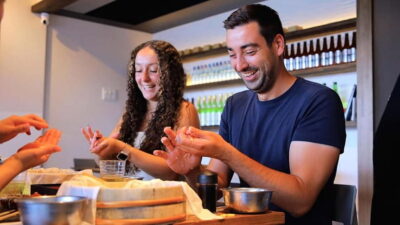
Roll and Authentic Sushi Making Class in Asakusa
Read our review →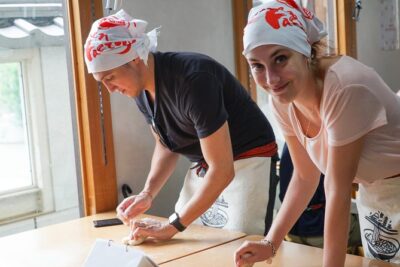
Ramen Cooking Class at Ramen Factory in Kyoto
Read our review →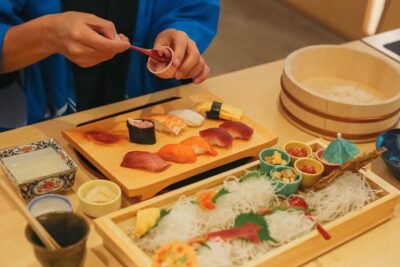
Sushi Making Class in a Happi Coat near a Famous Spot
Read our review →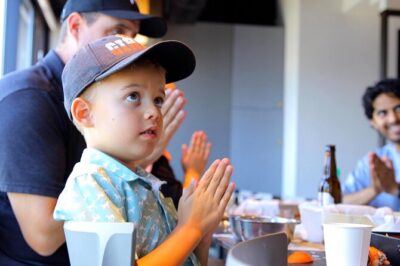
Sushi Making Osaka Roll and Authentic Japanese Sushi Class
Read our review →
Tokyo Sushi Making Class in Tsukiji with Professional Chef
Read our review →
Ramen & Gyoza Cooking Class in Tokyo with Local Supermarket Visit
Read our review →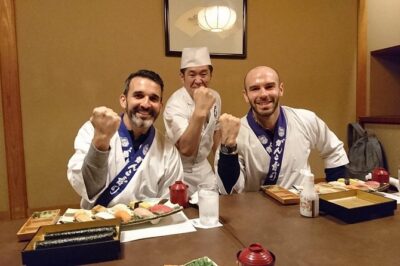
Tsukiji Fish Market Guided Tour and Sushi Making with Pro Chef
Read our review →Browse the lists this tour appears in