
Reviewed · COOKING CLASSES
Tsukiji Fish Market Guided Tour and Sushi Making with Pro Chef
Sushi begins long before the rice hits your plate. This four-hour experience links Tokyo’s Tsukiji outer market with a hands-on sushi lesson, giving you a useful look at seafood, Japanese food customs, and the care behind a simple piece of nigiri. You visit market lanes, food stalls, temples, and a small classroom before eating the sushi you make yourself.
I like the way the tour connects the market to the meal, rather than treating sushi as a stand-alone cooking project. I also like the patient guides and practical instruction from the sushi chef. The main drawback is that the market portion is primarily a guided walk, not a tasting tour, so you should bring extra cash if you want to buy snacks or seafood yourself.
In This Review
- Key points to know before booking
- What this Tsukiji experience is really about
- Meeting at Tsukiji Hongwanji Temple
- Walking through Tsukiji’s outer market
- The market tour’s strongest cultural side
- Learning sushi in a traditional classroom
- What you eat after making the sushi
- Food restrictions and family suitability
- Timing, group size, and the flexible ending
- Is $104.13 a fair price?
- Who should book this experience?
- Should you book the Tsukiji sushi tour?
- FAQ
- Where does the tour meet?
- How long does the experience last?
- Is the former Tsukiji inner market included?
- What sushi will I learn to make?
- Is food included during the experience?
- Is the tour suitable for people with dietary restrictions?
- Do I need to wear anything special?
- Can I cancel for a full refund?
Key points to know before booking
- See Tsukiji’s outer market, not the former inner wholesale market: The main business market moved to Toyosu in 2018, so this experience focuses on the public shopping streets and a small wholesale area.
- Make six sushi varieties: You learn five types of nigiri and one rolled sushi, then eat your creations for lunch.
- Begin at Tsukiji Hongwanji Temple: The opening temple visit adds Buddhist customs, local history, and a lesson in proper temple etiquette.
- Expect a walking-heavy morning: Comfortable shoes matter, and the sushi classroom is on the third floor of a traditional building with stairs only.
- Allow flexibility at the end: The experience may finish in Tsukiji, Asakusa, or Yotsuya, depending on the venue and date.
- Food restrictions need careful checking: Vegetarian, halal, gluten-free, kosher, and allergy requests may not be accommodated.
What this Tsukiji experience is really about
At $104.13 per person, this is not the cheapest way to walk through Tsukiji or eat sushi in Tokyo. You are paying for a combined experience: a guide who helps you make sense of the market, a chef-led class, lunch, dashi soup, green tea, and sushi prepared by the instructor.
I think the value works best if you want context and participation. You could wander Tsukiji on your own for free, and you could order sushi at many restaurants for less. But doing both parts together helps you understand how ingredients move from the market to the plate, then gives you a skill you can try at home.
The experience receives a 4.9 rating from 775 ratings, with 97 percent recommending it. That strong response fits the tour’s best features: friendly guides, clear demonstrations, fresh ingredients, and a class that works well for families and first-time sushi makers.
Still, you should set your expectations correctly. The market walk does not include a set menu of tastings. You can buy food from the stalls, but those purchases cost extra. If your top priority is eating your way through Tsukiji, choose a tour built around included tastings instead.
More Cooking Classes in Tokyo
- Sushi Making Tokyo Roll and Authentic Japanese Sushi Class
★ 5.0 · 3,971 reviews - Tokyo: Roll and Authentic Sushi Making Class in Asakusa
★ 4.9 · 1,957 reviews - Tokyo Shinjuku Chopsticks Making Class
★ 5.0 · 1,763 reviews
Meeting at Tsukiji Hongwanji Temple
The meeting point is the main gate of Tsukiji Hongan-ji Temple, at 3-chome-15-1 Tsukiji, Chuo City. Go to the front side of the temple, not the back side. The directions warn that Google Maps can send you to the wrong entrance, so check the gate carefully before setting out.
The guide waits with a Japan Wonder Travel board. The group leaves at the stated start time, and the tour cannot be extended for late arrivals. I would arrive early, especially if this is your first visit to Tsukiji and you need time to find the correct side of the temple.
This is a practical starting point. The temple gives you a calm place to begin before entering the food market, and the guide may explain how to approach and pray properly at a Buddhist temple. Several guides have been praised for making these customs easy to understand, including Sachi-san, Ko, Mari-san, Yuki, and Monami.
The temple stop also helps explain why this is more than a shopping walk. You get a small introduction to Japanese religious etiquette before the focus shifts to ingredients, vendors, and cooking.
Walking through Tsukiji’s outer market
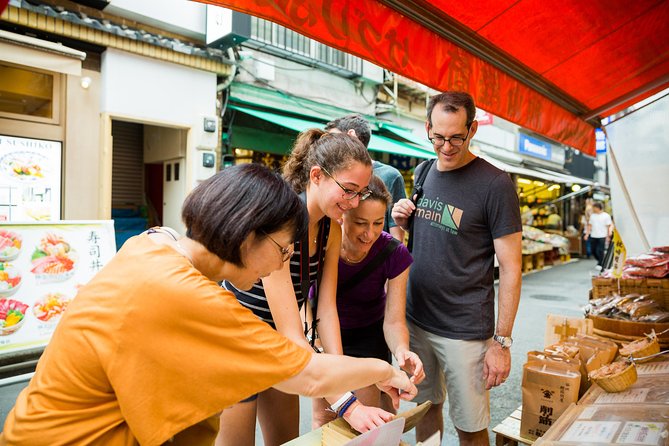
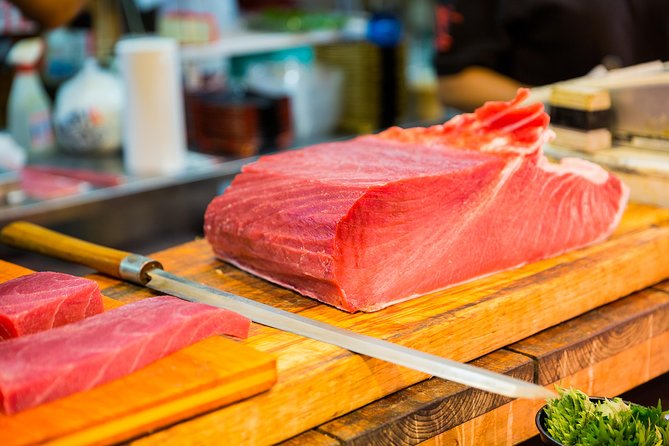
The inner fish market moved to Toyosu on October 6, 2018. That point matters because the tour name can create an old-fashioned picture of Tsukiji as the center of Tokyo’s wholesale fish trade. You will not tour the closed former inner market. Instead, you explore the outer market and a mini wholesale area, where shops sell seafood, Japanese ingredients, snacks, knives, kitchen tools, and other food-related goods.
A guide is useful here because the market can be confusing on a first visit. You may pass stalls filled with ingredients you do not recognize, and the tour explains what you are seeing and how those products connect to Japanese cooking. Guides point out notable vendors, discuss how seafood is caught and distributed, and explain the market’s role in daily life.
The walk includes Tsukiji Fish Market, Tsukiji Jogai Market, and Tsukiji Nippon Fish Port Market. These names can sound like separate attractions, but the practical experience is a connected exploration of the market district and its specialist shops.
I like the fact that the guide can help you compare quality and price. Monami, for example, received praise for pointing out good food stops and helping visitors make sensible choices. Other guides, including Ko and Tad, have been praised for explaining foods clearly and allowing the group to move at a comfortable pace.
The group size can reach 22 people. That is manageable for a guided introduction, but it can affect your freedom to stop at every stall. If you are eager to sample many foods, a group walk may feel limiting, especially since the guide cannot pause indefinitely for individual purchases.
Bring cash if you plan to eat along the way. The market tour itself does not include extra food and drinks, and one useful piece of advice is to budget for snacks separately from the $104.13 tour price. You may also want your own bottle of water, since the class provides green tea but not necessarily water.
The market tour’s strongest cultural side
The most useful part of the walk is not simply seeing fish. It is learning how the market fits into Japanese food culture. You may encounter unfamiliar seafood, seasonings, utensils, and prepared foods, while the guide supplies the basic language and customs needed to understand them.
The tour can also include a shrine stop, depending on the route and timing. That gives you another look at local religious practice and makes the morning broader than a food crawl. One guide-led visit included advice on customs at both Buddhist and Shinto sites, which can help you avoid treating these places as simple photo stops.
If you already know Tsukiji well, the market section may feel basic. A Tokyo resident who joined with family still enjoyed the experience, but the walk is designed mainly for visitors who want an introduction. I would choose it for orientation, cultural context, and food guidance, not for an expert-level study of seafood auctions.
More Markets and Food Halls in Tokyo
- Tokyo Tsukiji Fish Market Food and Culture Walking Tour
★ 5.0 · 3,184 reviews - Tokyo: Tsukiji Fish Market Food and Walking tour
★ 5.0 · 1,724 reviews - Senkyaku Banrai Toyosu Manyo Club Onsen Experience in Tokyo
★ 4.7 · 1,690 reviews - Tokyo: Tsukiji Fish Market Guided Walking Tour
★ 4.9 · 1,397 reviews
Learning sushi in a traditional classroom
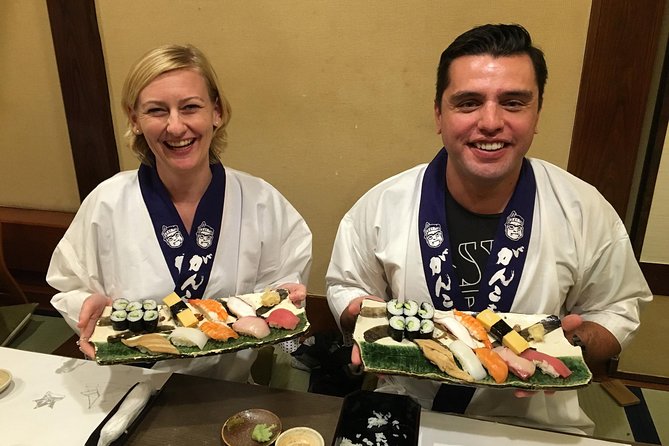
After the market, you move into a Japanese-style classroom in a local building near the market. The setting is simple rather than luxurious. The room is on the third floor, and you must use stairs. This is one reason to wear comfortable shoes and avoid bringing more luggage than you can easily carry.
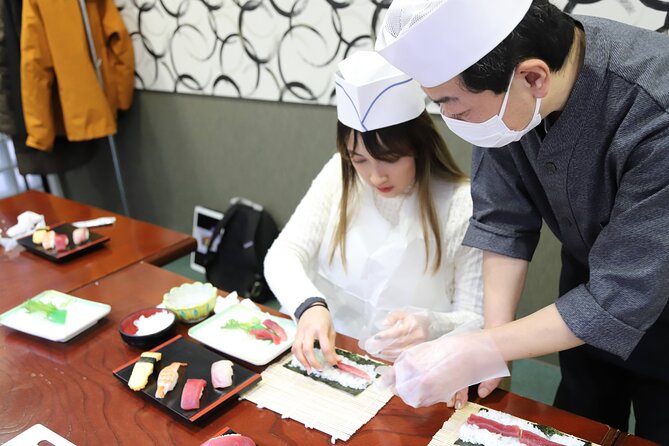
The class is taught by a professional sushi chef. The format is friendly and hands-on, with a presentation, demonstrations, and step-by-step help at the tables. The chef shows you how much care goes into sushi, from handling ingredients to forming rice and shaping each piece.
You learn to prepare five kinds of nigiri and one rolled sushi. That is enough variety to make the class feel substantial without turning it into a full culinary school session. The focus is on basic technique and understanding, so you leave with useful ideas for trying sushi at home.
The chef also prepares sushi for you to taste. One particularly memorable demonstration involves watching the chef debone fish with practiced skill. A small improvement would be a fuller demonstration of how to slice the fish for sushi, since that step is important and was not always covered as clearly as participants hoped.
The instruction is offered in Japanese and English, so language should not prevent you from following the main steps. The strongest part of the class is the interaction. You are not only watching a chef work behind a counter. You handle the ingredients, shape the sushi, and get to eat the result.
What you eat after making the sushi
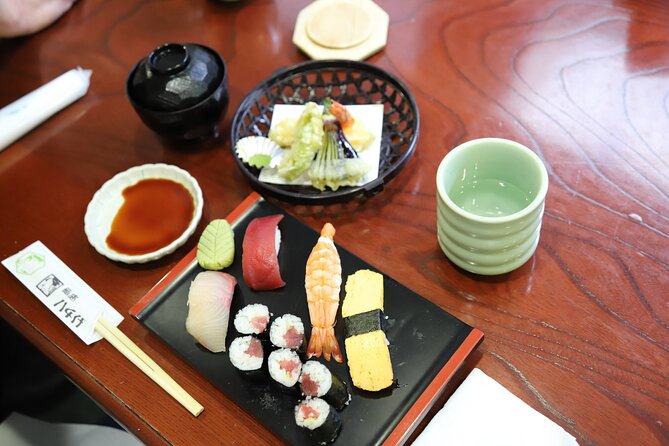
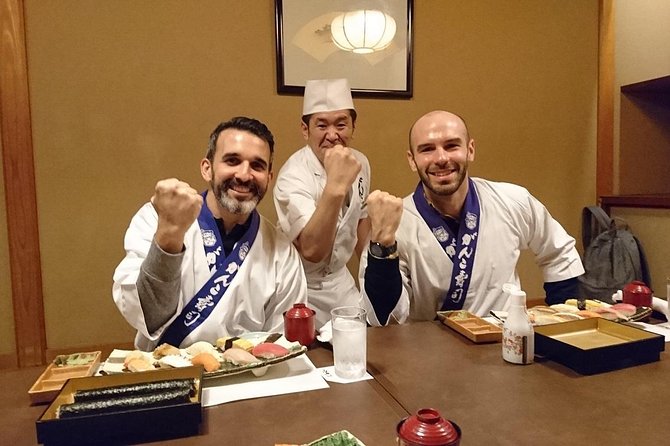
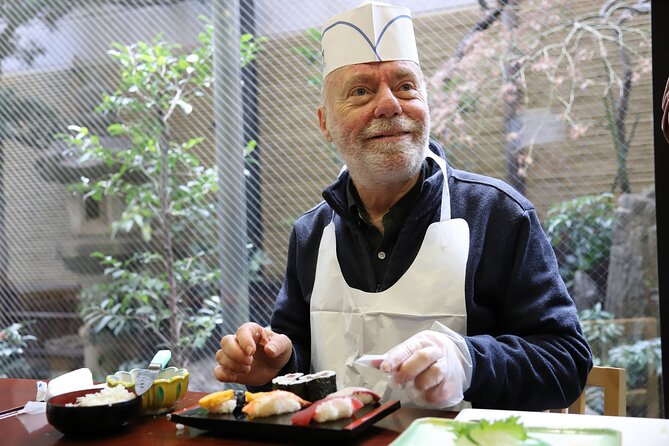
Lunch includes the sushi you prepare, along with one piece or serving made by the sushi master. Fresh wasabi, traditional dashi soup, and fine green tea complete the meal.
The food is the payoff for the market walk. After seeing ingredients in their market setting, you use them in a structured class and then taste the finished result. That connection makes the lesson easier to remember than a demonstration where you only watch someone else cook.
You should not expect a lavish restaurant meal. The point is to learn the basics and appreciate the work behind sushi. Your pieces may not look like the chef’s, and that is part of the fun. The class gives you a better sense of why rice texture, fish preparation, wasabi, and presentation matter.
Cleanliness is another practical concern for many people. The class has received praise for its clean setting and fresh seafood, which is reassuring when you are working with raw ingredients. Still, if you have a serious allergy or strict dietary needs, you should not assume the class can adapt the menu.
Food restrictions and family suitability
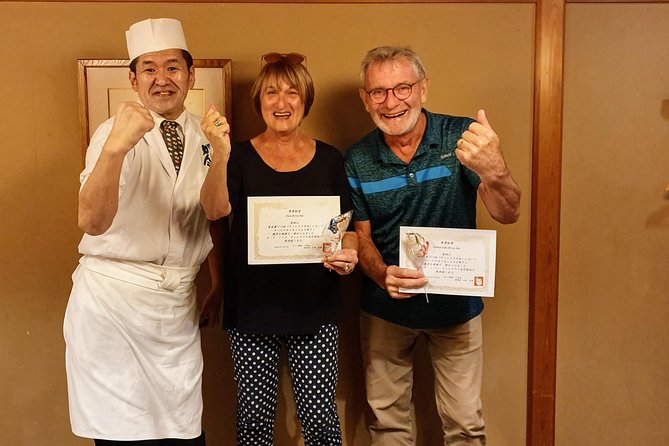
The activity can work well for families. Children aged 12 and 16 have enjoyed the combination of market exploration and sushi making, and the class is suitable for beginners. It also works for adults who want an easy introduction rather than a technical chef-training course.
The activity is not suitable for everyone. The classroom is upstairs with stairs only, and the walking portion covers market streets and temple areas. If stairs or extended walking are difficult for you, this may not be a comfortable choice.
Dietary needs require special care. The information says vegetarian, halal, gluten-free, kosher, and allergy-related requests may not be accommodated, although you are asked to provide restrictions when booking and the operator may try to help. I would treat any adaptation as uncertain, especially because sushi commonly involves fish, soy, rice seasoning, and shared preparation areas.
Timing, group size, and the flexible ending
The advertised duration is about four hours. That gives enough time for the temple, market walk, and sushi class, but the exact rhythm can vary. A guide may spend more time explaining a market area, and the class venue can change according to availability.
The sushi session may take place in Asakusa or Yotsuya instead of near Tsukiji. In that case, the tour ends in Asakusa or Yotsuya. The end point depends on the date and cannot be confirmed in advance, so do not schedule a tight appointment immediately afterward.
The standard meeting point is Tsukiji Hongan-ji Temple, and the activity normally returns there, but the additional information also notes possible endings in Tsukiji, Shinjuku, Asakusa, or Yotsuya depending on the date and venue. I would ask the operator about the likely route if you need to plan transport afterward.
The fish market and wholesale areas close on Wednesdays, Sundays, and other market closure days. Check the date before booking. This is especially important if the market itself is the main reason you are interested.
Is $104.13 a fair price?
I see the price as reasonable for a visitor who wants a structured half-day with instruction. It includes the guide, the market orientation, the professional sushi class, the sushi you make, chef-prepared sushi, dashi soup, and green tea.
The value is less convincing if you mainly want a cheap meal or a long shopping session. Market purchases are extra, and the tour does not promise a series of tastings. You are also paying for the convenience of linking two activities that you could book separately.
I would compare it with the cost of a sushi class alone, then ask how much you value having a guide explain the market first. For a family, the shared activity can make the price easier to justify. For a solo visitor on a tight budget, a self-guided market visit followed by an inexpensive sushi meal may cost less.
Free cancellation is available up to 24 hours before the start time. Cancellations or changes made inside that window are not accepted for a refund, and late arrivals on the day are not refunded.
Who should book this experience?
I would recommend it to first-time visitors who want an easy introduction to Tsukiji and sushi. It is especially good for families, couples, and anyone who learns best by doing rather than watching.
You should also book it if you want cultural details alongside food. The temple customs, market background, ingredient explanations, and sushi techniques create a fuller picture of Japanese cuisine.
I would look elsewhere if you want an in-depth wholesale fish-market visit, a food tour with included tastings, or a class tailored to strict dietary restrictions. The former inner market is no longer at Tsukiji, and the group format limits how long you can browse each stall.
Should you book the Tsukiji sushi tour?
Book it if you want to understand sushi from market to plate, enjoy friendly instruction, and have four hours available for walking and hands-on cooking. The best parts are the clear guides, the chef’s demonstrations, the fresh ingredients, and the satisfaction of eating your own six sushi creations.
Before paying, check the market closure date, confirm the meeting gate, plan for stairs, and leave your afternoon open because the venue and ending can change. Bring comfortable shoes, some cash for optional market food, and realistic expectations about the outer market.
For a practical first taste of Tsukiji and sushi making, this is a strong choice. Just remember that its value comes from the combined cultural tour and class, not from a large included food crawl.
FAQ
Where does the tour meet?
The meeting point is the main gate of Tsukiji Hongan-ji Temple at 3-chome-15-1 Tsukiji, Chuo City, Tokyo. Go to the front side of the temple, since map directions may lead to the back.
How long does the experience last?
The experience lasts approximately four hours.
Is the former Tsukiji inner market included?
No. The inner market moved to Toyosu in 2018. This experience visits the Tsukiji outer market and a mini wholesale area.
What sushi will I learn to make?
You will learn to make five types of nigiri sushi and one rolled type.
Is food included during the experience?
The sushi you make is included, along with sushi prepared by the sushi master, dashi soup, and green tea. Extra food and drinks purchased at market stalls are not included.
Is the tour suitable for people with dietary restrictions?
Vegetarian, halal, gluten-free, kosher, and allergy-related requests may not be accommodated. You can provide dietary information when booking, but adaptations are not guaranteed.
Do I need to wear anything special?
Wear comfortable walking shoes. The experience includes a walking tour, and the classroom is on the third floor of a traditional building with stairs only.
Can I cancel for a full refund?
You can cancel up to 24 hours before the experience for a full refund. Cancellations, changes, and late arrivals within 24 hours are not eligible for a refund.
Just added in Tokyo
- MT. FUJI/ Private Tour delivered and guided by a top-tier driver★ 5.0 · 27 reviews
- Mt fuji & Hakone customizable day tour w/ English speaking driver★ 5.0 · 45 reviews
- Fuji Speedway Self Drive & Mt. Fuji Private Tour pickup & dropoff★ 5.0 · 14 reviews
- Mt.Fuji Trekking 1 Day Tour up to the summit★ 5.0 · 14 reviews
- Seasonal Mt. Fuji Scenic Views, Fruit Picking and Ropeway Ride!★ 4.5 · 35 reviews
- Customisable Mt.Fuji Private Day Trip, English Speaking Driver★ 5.0 · 22 reviews
- Private Mt Fuji Tour from Tokyo: Scenic BBQ and Hidden Gems★ 5.0 · 146 reviews
- Private Mount Fuji Tour in Luxury Vehicle with English Guide★ 4.5 · 39 reviews
Cooking Classes, compared.
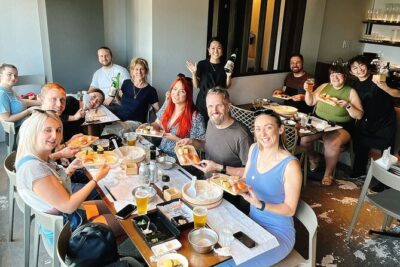
Sushi Making Tokyo Roll and Authentic Japanese Sushi Class
Read our review →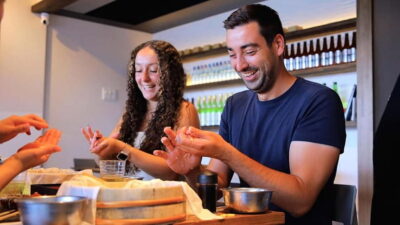
Roll and Authentic Sushi Making Class in Asakusa
Read our review →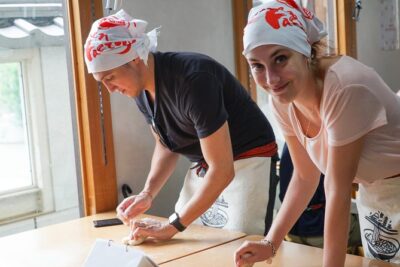
Ramen Cooking Class at Ramen Factory in Kyoto
Read our review →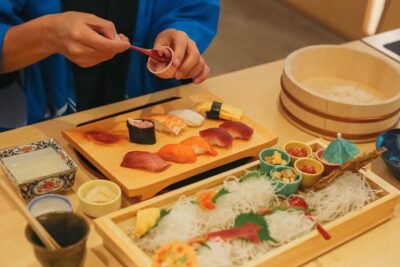
Sushi Making Class in a Happi Coat near a Famous Spot
Read our review →
Sushi Making Osaka Roll and Authentic Japanese Sushi Class
Read our review →
Tokyo Sushi Making Class in Tsukiji with Professional Chef
Read our review →
Ramen & Gyoza Cooking Class in Tokyo with Local Supermarket Visit
Read our review →Browse the lists this tour appears in