
Reviewed · COOKING CLASSES
Sushi Making Osaka Roll and Authentic Japanese Sushi Class
Sushi tastes better when you make it. This friendly Osaka class combines hands-on maki and nigiri practice with a short lesson on sushi culture, all within easy reach of Dotonbori and Shinsaibashi. Ingredients are prepared before you arrive, so you can focus on shaping, rolling, and eating rather than chopping and measuring.
I like the English-speaking instructors, who keep the class simple enough for first-timers while still explaining proper Japanese techniques. I also like the generous serving size: you make one maki roll and roughly four to eight pieces of nigiri, depending on your pace. The main caution is timing. The class lasts about 1 hour 40 minutes, and one occasional criticism is that the final eating and photo time can feel hurried.
In This Review
- Key points before you book
- Finding the class near Higashishinsaibashi
- What happens during the 1-hour-40-minute session
- Learning sushi from people who keep it light
- The food, portions, and choices
- Is $31.01 good value?
- Making the most of your booking
- Who should take this Osaka food class?
- The final call
- FAQ
- How long does the sushi-making class last?
- Where does the class meet?
- Is the class suitable for beginners?
- Is food included?
- Are vegetarian options available?
- What is the cancellation policy?
Key points before you book
- Make both maki and nigiri: You learn two basic sushi styles rather than only rolling one type.
- Near Dotonbori and Shinsaibashi: The central location makes this easy to add before or after sightseeing.
- Ingredients are ready to use: You spend your time learning techniques, not preparing a full meal from scratch.
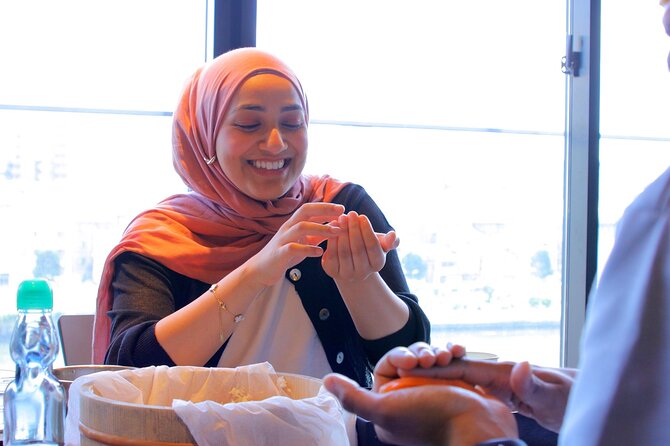
- Beginner and family friendly: No cooking experience is needed, and instructors are used to helping children.
- A proper meal for about $31.01: The sushi you prepare is included, and several people found the portion filling.
- Plan dietary needs early: Fish and vegetarian choices are available, but special substitutions should be noted during booking.
Finding the class near Higashishinsaibashi
The meeting point is Sushi Making Osaka at 1-chōme-16-20 Higashishinsaibashi, Chuo Ward, Osaka. The class finishes at the same place, with no hotel pickup or drop-off.
This is a useful location for a short food activity because it sits close to Dotonbori and Shinsaibashi. You can pair the class with a walk along Dotonbori’s canal, shopping in Shinsaibashi, or an evening meal nearby. A practical warning: the entrance can be tricky to spot, so give yourself extra time rather than arriving at the last minute.
One detailed description places the classroom on the third floor, in a small, clean room about a block from Dotonbori shopping street. The space is not presented as a grand culinary school. That is part of the appeal. You get a compact, social lesson where the instructor can move around the table and help with the fiddly bits.
The maximum group size is 20 people. That is large enough to create a lively room, but small enough for individual help when the class is running well. If you want a quiet private cooking lesson, this is not that experience. If you enjoy sharing a table and learning beside other people, the group format should suit you.
More Cooking Classes in Osaka
- Matcha Making Class in Osaka with Authentic Japanese Sweets Set
★ 5.0 · 509 reviews - Osaka Sushi Making Experience
★ 5.0 · 400 reviews - Osaka: Ramen and Gyoza Cooking Class in Dotonbori
★ 5.0 · 378 reviews
What happens during the 1-hour-40-minute session
The exact order may vary slightly by class, but the experience follows a clear pattern. You arrive to find the ingredients and cooking materials prepared. An English-speaking instructor introduces the class, explains the basic idea behind sushi, and gives some cultural background before the practical work begins.
That short introduction gives the food more meaning. Sushi is not simply raw fish placed on rice. The class explains some of its development and helps you understand why rice, knife work, shape, and presentation matter. One area of feedback suggests that people who want maximum time making and eating sushi may find the history section a little long, so your priorities matter.
The practical part begins with instruction. You are shown how to handle the rice, arrange fillings, and form sushi properly. The pace is aimed at beginners, so you do not need previous cooking skills or experience with Japanese food.
You then make a maki roll. This is the familiar seaweed-wrapped style, but it is harder to make neatly than it looks when a professional does it. Getting the filling in the right place and applying even pressure takes a little care. The class turns that small challenge into part of the fun, especially for families and groups.
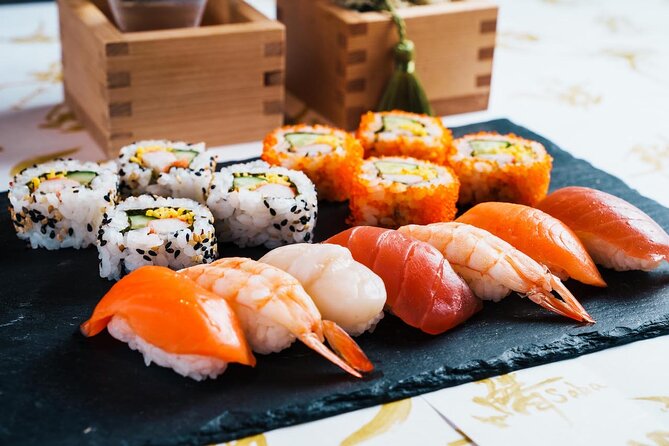
Next comes nigiri. You learn how to shape a portion of rice and place the topping correctly. Several detailed accounts describe making around four to eight pieces, depending on how quickly you work. That range is useful because it sets a realistic expectation: this is not one demonstration followed by a single sample. You make enough food to count as a light meal or lunch.
The instructors circulate and help with technique. Fuko, Fujiko, Reika, Aina, Arisa, Ina, Matty, and Yui are among the instructors praised in individual comments. The names vary by session, so you cannot count on a particular person, but the recurring pattern is clear: the teaching style is friendly, energetic, patient, and interactive.
After the sushi is finished, you eat what you made. That is an important part of the experience. You are not simply watching a chef prepare a plate for you. The food on the table is your own work, including the imperfect pieces, which often become the most memorable ones.
Learning sushi from people who keep it light
The strongest feature here is the teaching. The instructors explain each step in English and use humor and encouragement to keep the room moving. One account describes Fuko as patient and engaging with a first-time parent and child. Another praises Reika for combining the hands-on lesson with an explanation of sushi’s past.
That style matters in a food class. Sushi can look precise and intimidating, especially when you see professionals working quickly. A good instructor breaks it into small actions, then walks around to correct your grip or show you how to shape the rice. The class is designed so a complete beginner can take part without feeling out of place.
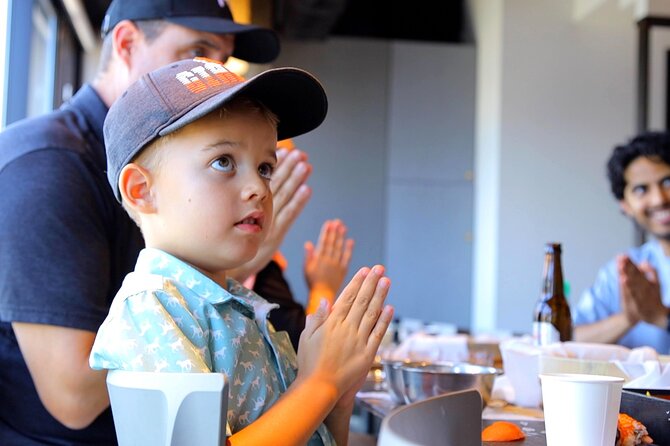
Families appear to be a particularly good match. Children can make something with their hands, see an immediate result, and eat it at the end. Teenagers are also likely to stay interested because the class is interactive rather than lecture-based.
The experience also works well for couples, friends, and small groups. Making sushi together gives you something to talk about beyond the usual sightseeing routine. You leave with a shared activity, not just another restaurant meal.
Still, instruction quality can vary slightly with the individual teacher and the size of the group. Most accounts describe high energy and clear help, but one note points out that an instructor’s accent required patience. That is not unusual in an international class, but it is worth keeping in mind if you need very slow, highly detailed English instruction.
The food, portions, and choices
The ingredients for the cooking class and the meal are included in the price. You do not need to shop, prepare a work station, or bring extra food. The setup lets you get straight to the main event.
The finished amount is one of the better points. A detailed account describes one maki roll and about four to eight nigiri. Another says the portions were plentiful enough that nobody left hungry. You should think of the meal as a substantial lunch or early dinner rather than a formal sushi tasting with a large range of courses.
Fish and vegetarian options are available. One person specifically enjoyed both versions, which makes this class more flexible for mixed groups. However, do not assume every ingredient can be changed on the day. A shrimp-free participant was told that a substitution should have been listed in the reservation.
The safest approach is to state allergies, dislikes, and dietary preferences when you book. The supplied details confirm that vegetarian and fish options exist, but they do not promise unlimited substitutions. If your diet is strict, contact the provider before committing.
Food handling is another point to consider. One comment raised concern about fish sitting at room temperature during the session and wished it had been kept over ice. This is a single practical criticism rather than a stated rule of the class, but it is worth noting if food temperature is especially important to you.
The room has also been described as clean and well run. Lighting may not be ideal for photographs, with one person reporting dark shadows in pictures. You can take photos, but do not expect a perfectly lit studio setup.
More Cooking Classes in Japan:
- Sushi Making Tokyo Roll and Authentic Japanese Sushi Class
★ 5.0 · 3,971 reviews - Tokyo: Roll and Authentic Sushi Making Class in Asakusa
★ 4.9 · 1,957 reviews - Ramen Cooking Class at Ramen Factory in Kyoto
★ 5.0 · 1,937 reviews - Tokyo Shinjuku Chopsticks Making Class
★ 5.0 · 1,763 reviews
Is $31.01 good value?
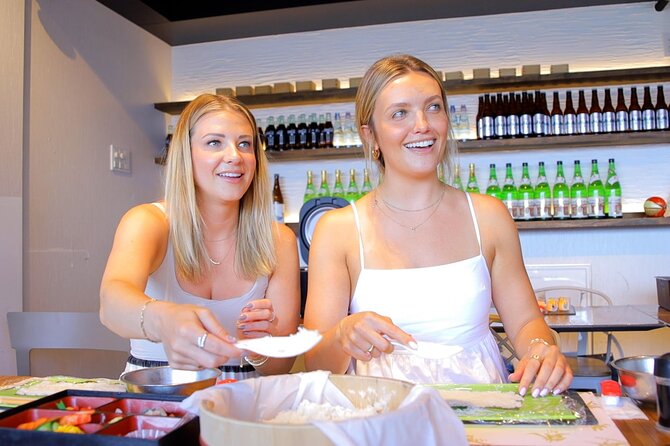
At $31.01 per person, this is a reasonably priced activity in central Osaka, particularly because the ingredients and the meal are included. You are paying for instruction, food, a convenient location, and a social experience. You are not paying for a luxury restaurant or a long professional chef course.
I see the best value for someone who would otherwise spend money on lunch and wants an activity attached to it. You learn enough to understand the basics, then eat your own work. The experience also gives you a simple skill you can try again at home, although the class is more about a memorable afternoon than serious culinary training.
The value is weaker if you want a slow, polished tasting menu or a detailed technical course. There is no mention of drinks, so sake or beer is not part of the package. One comment specifically wished for a drink while making sushi, but you should book this as a food lesson, not a drinking experience.
The time also affects the price calculation. The advertised duration is approximately 1 hour 40 minutes, while some descriptions call it roughly an hour. Since preparation, instruction, eating, and cleanup all fit into the session, allow the full stated duration. The class usually starts on time, and a rushed arrival will make the experience less enjoyable.
Making the most of your booking
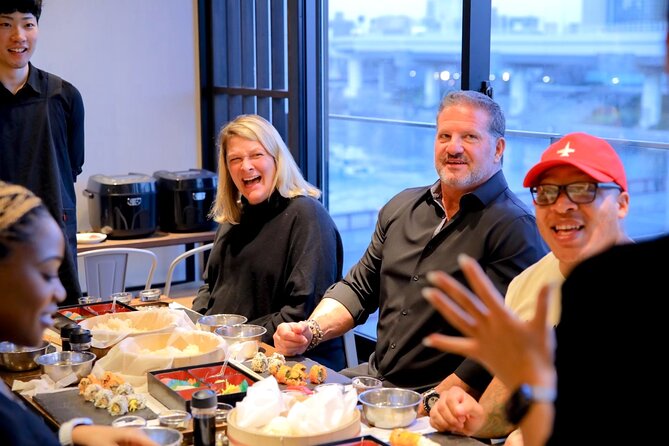
Choose the morning, afternoon, or evening time that fits your Osaka plans. Having several session options makes this easy to place between sightseeing stops. A morning class can function as an early lunch, while an evening session works well before a walk through Dotonbori.
Arrive early enough to find the building and reach the room. The address is central, but the entrance may not be obvious. This is a small detail that can make the difference between starting relaxed and walking in flustered.
Tell the provider about dietary needs at booking. Mention vegetarian requirements, seafood dislikes, shrimp restrictions, or allergies clearly. Do not wait until the ingredients are already laid out.
Keep your expectations practical. You will learn the basic process for maki and nigiri, not master restaurant-level knife skills in one sitting. The point is to understand the method, make a generous portion, and enjoy the results.
Save a little time for photographs, but do not build your whole schedule around a long photo session. Some people found the final part rushed, especially when the next class was being prepared. If pictures matter to you, take a few during the process instead of waiting until the end.
The booking includes a mobile ticket, and confirmation is received at booking. Free cancellation is available until 24 hours before the start time for a full refund. Cancellations or changes made inside that window are not accepted for a refund, and the cut-off follows Osaka local time.
Who should take this Osaka food class?
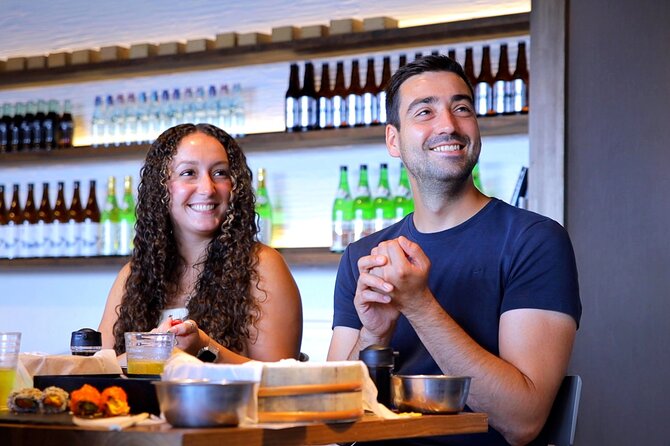
This is a strong choice for first-time sushi makers. You get direct guidance, pre-prepared ingredients, and a finished meal without needing special skills. The format also suits families because children can take part in nearly every stage.
I would recommend it to couples and friends who want a shared activity near the city center. It is especially useful on a first Osaka visit when you want to learn something connected to Japanese food rather than simply order another plate.
Vegetarians may also find it workable because vegetarian choices are offered. Still, dietary details need to be handled before the class, and you should not assume that every fish or shellfish item can be replaced.
This is less suitable for anyone seeking a private, advanced, or very leisurely workshop. The group can reach 20 people, the class follows a set schedule, and the eating period may feel short to a slow diner. It is also not the right pick if you expect alcohol, hotel transport, or a full restaurant meal served by somebody else.
The final call
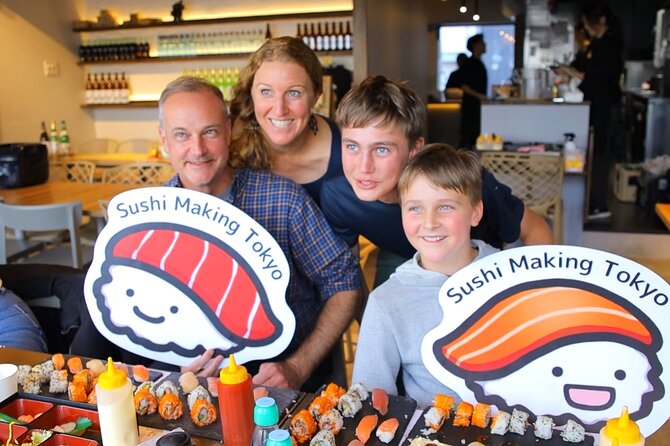
I would book this class if you want an affordable, central, hands-on Osaka activity with food included. The combination of maki, nigiri, English instruction, generous portions, and cheerful teachers gives it real value, especially for families and first-time cooks.
Book with two cautions in mind: arrive early because the location can be hard to find, and list dietary needs in advance. If you want more time for photos, conversation, or a drink with your meal, the schedule may feel tight. For most people, though, making sushi beside your family or friends and then eating the results is a better memory than another ordinary lunch.
FAQ
How long does the sushi-making class last?
The stated duration is approximately 1 hour 40 minutes. Some descriptions refer to it as about an hour, so allow the full 1 hour 40 minutes when planning your day.
Where does the class meet?
It starts at Sushi Making Osaka, 1-chōme-16-20 Higashishinsaibashi, Chuo Ward, Osaka, 542-0083, Japan. The activity ends at the same meeting point.
Is the class suitable for beginners?
Yes. No cooking experience is required, and the class teaches maki rolls and nigiri step by step with English-speaking instructors.
Is food included?
Yes. The cooking-class ingredients and the sushi meal you make are included. Hotel pickup and drop-off are not included.
Are vegetarian options available?
Yes. Vegetarian and fish options are available. You should note dietary preferences or restrictions when making the reservation because substitutions may not be possible on the day.
What is the cancellation policy?
You can cancel at least 24 hours before the local start time for a full refund. Cancellations or changes made less than 24 hours before the start time are not accepted for a refund.
Just added in Japan
- MT. FUJI/ Private Tour delivered and guided by a top-tier driver★ 5.0 · 27 reviews
- Mt fuji & Hakone customizable day tour w/ English speaking driver★ 5.0 · 45 reviews
- Fuji Speedway Self Drive & Mt. Fuji Private Tour pickup & dropoff★ 5.0 · 14 reviews
- Mt.Fuji Trekking 1 Day Tour up to the summit★ 5.0 · 14 reviews
- Seasonal Mt. Fuji Scenic Views, Fruit Picking and Ropeway Ride!★ 4.5 · 35 reviews
- Customisable Mt.Fuji Private Day Trip, English Speaking Driver★ 5.0 · 22 reviews
- Private Mt Fuji Tour from Tokyo: Scenic BBQ and Hidden Gems★ 5.0 · 146 reviews
- Private Mount Fuji Tour in Luxury Vehicle with English Guide★ 4.5 · 39 reviews
Cooking Classes, compared.
Sushi Making Tokyo Roll and Authentic Japanese Sushi Class
Read our review →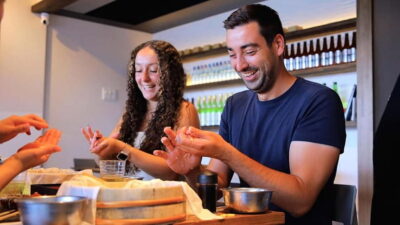
Roll and Authentic Sushi Making Class in Asakusa
Read our review →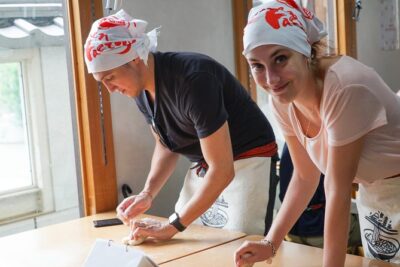
Ramen Cooking Class at Ramen Factory in Kyoto
Read our review →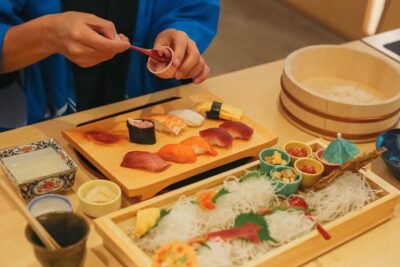
Sushi Making Class in a Happi Coat near a Famous Spot
Read our review →
Tokyo Sushi Making Class in Tsukiji with Professional Chef
Read our review →
Ramen & Gyoza Cooking Class in Tokyo with Local Supermarket Visit
Read our review →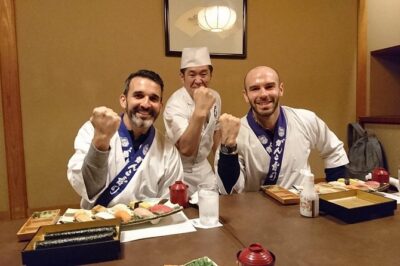
Tsukiji Fish Market Guided Tour and Sushi Making with Pro Chef
Read our review →Browse the lists this tour appears in