
Reviewed · COOKING CLASSES
Osaka: Ramen and Gyoza Cooking Class in Dotonbori
Make the noodles, then eat the proof. This hands-on Osaka class takes you from wheat flour to fresh ramen noodles and from minced chicken to folded gyoza. I like that you do the main work yourself, and I like that the meal at the end is not a token snack but a proper serving of your own ramen and dumplings. The English-speaking instructors, including teachers such as Miki, June, Yoshi, and Kasa, are praised for patient, clear help.
The class also gives you useful Japanese food context, from dashi made with chicken bones and dried sardines to the different kinds of miso. The main consideration is time: plan on roughly two to three hours, and finding room 807 in the building can take a little care.
In This Review
- Key points to know before booking
- Why this class fits Osaka so well
- Finding Cooking Sun at room 807
- Starting with dashi and ramen soup
- Kneading wheat into fresh ramen noodles
- Making minced chicken gyoza from scratch
- A small class with plenty of guidance
- Sitting down to eat your own ramen and gyoza
- Recipes and useful take-home skills
- Dietary needs and substitutions
- Is $70 a good value?
- Who should book this Osaka cooking class?
- Should you book the Dotonbori ramen and gyoza class?
- FAQ
- Where does the cooking class meet?
- How do I enter the building?
- Where does the activity end?
- Is hotel pickup included?
- What language is the class taught in?
- What dishes will I make?
- What kind of ramen is prepared?
- What meat is used in the gyoza?
- Are ingredients included in the price?
- Can I reserve now and pay later?
Key points to know before booking
- Ramen starts with wheat flour: Knead the dough yourself before cutting it into noodles with a noodle machine.
- Gyoza uses minced chicken: You prepare the filling and shape your own Japanese dumplings.
- The class is small: The format is designed for up to about eight people, with two instructors available to help.
- Soy sauce ramen is the base: You can add toppings or use miso to change the soup.
- Dietary adjustments are possible: Vegetarian and vegan options, along with a substitute for fish broth, have been provided when requested.
- You eat everything you make: Come hungry, since the finished meal is one of the best parts of the class.
Why this class fits Osaka so well
Osaka is an excellent place to learn about everyday Japanese food. You can eat ramen and gyoza cheaply all over the city, but a bowl in a shop usually arrives with the work hidden in the kitchen. Here, you get to see how flour becomes noodles, how a soup gains flavor, and how a dumpling is filled and folded.
Ramen and gyoza are also a familiar pairing in Japan. Ordering both together at a ramen shop is standard, so this class teaches you a real eating combination rather than two unrelated dishes selected for tourists. You leave with a better sense of what you are tasting when you later sit down at a neighborhood ramen counter.
I especially like the balance between craft and comfort. Making noodles from scratch is satisfying, but the lesson does not stop at technique. The instructors explain ingredients and Japanese eating culture along the way, then let you sit down and enjoy the result.
More Cooking Classes in Osaka
- Sushi Making Osaka Roll and Authentic Japanese Sushi Class
★ 5.0 · 1,220 reviews - Matcha Making Class in Osaka with Authentic Japanese Sweets Set
★ 5.0 · 509 reviews - Osaka Sushi Making Experience
★ 5.0 · 400 reviews
Finding Cooking Sun at room 807
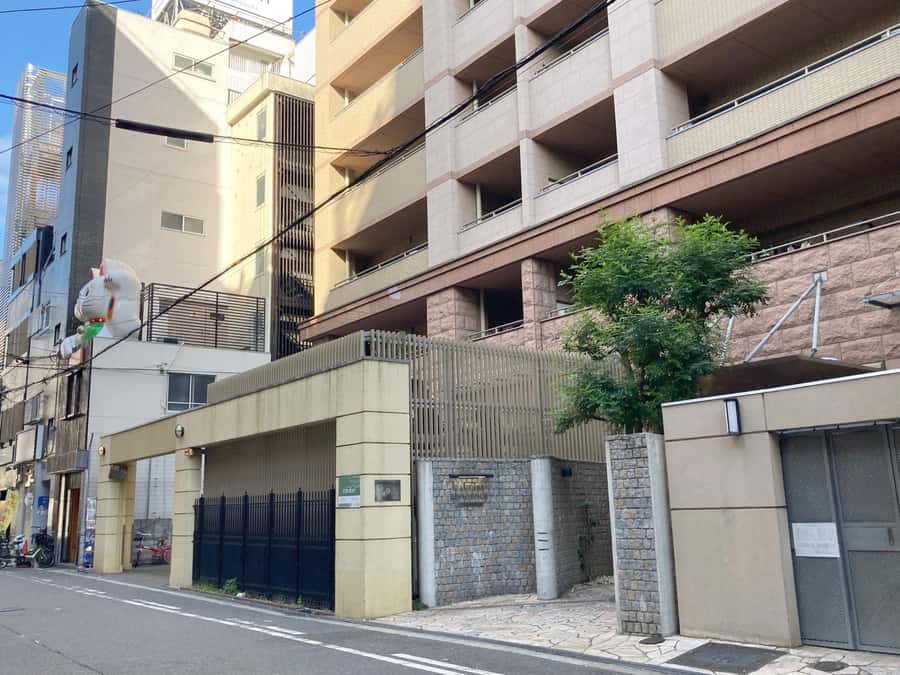
The meeting point is Cooking Sun Osaka, room 807. At the entrance, press 807 and then press the button marked 呼出, which means call. This detail matters because the building entrance may not be instantly obvious, and one class participant specifically found the building difficult to locate.
Give yourself extra time to find the address. You do not want to arrive flustered, especially since the activity starts with instructions and food preparation. There is no hotel pickup or drop-off, so you are responsible for getting to the meeting point and returning to your own accommodation afterward.
The activity ends back at the same meeting point. It is a useful choice for a day centered on Dotonbori, since you can pair the lesson with an evening walk through Osaka’s famous food district.
Starting with dashi and ramen soup
The class begins with the base of the ramen. The standard version is soy sauce ramen, using chicken bones and dried sardines to build the soup. This is a valuable part of the lesson because it shows why ramen is more than noodles dropped into salty water.
The aroma of the soup begins working on your appetite early. You learn how ingredients create a base, then how soy sauce shapes the final taste. You can also add miso if you prefer a miso ramen style, giving you a small look at how one basic preparation can move in a different direction.
The lesson includes all ingredients, so you do not need to shop before arriving. The instructors also explain ingredients such as different kinds of miso and when each one is useful. That sort of detail can help you make better choices later in Japanese supermarkets or when trying to recreate the dish at home.
One practical point: fish broth is part of the standard preparation, but a fish-free substitute has been arranged for people who do not like it. If you have a dietary need or strong food preference, tell the instructors at the start.
Kneading wheat into fresh ramen noodles
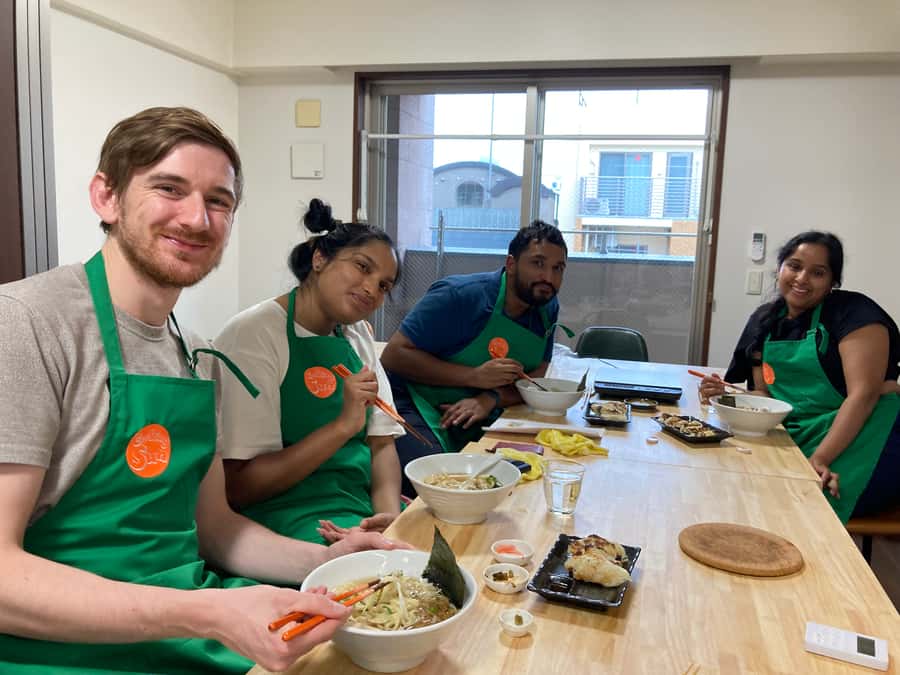
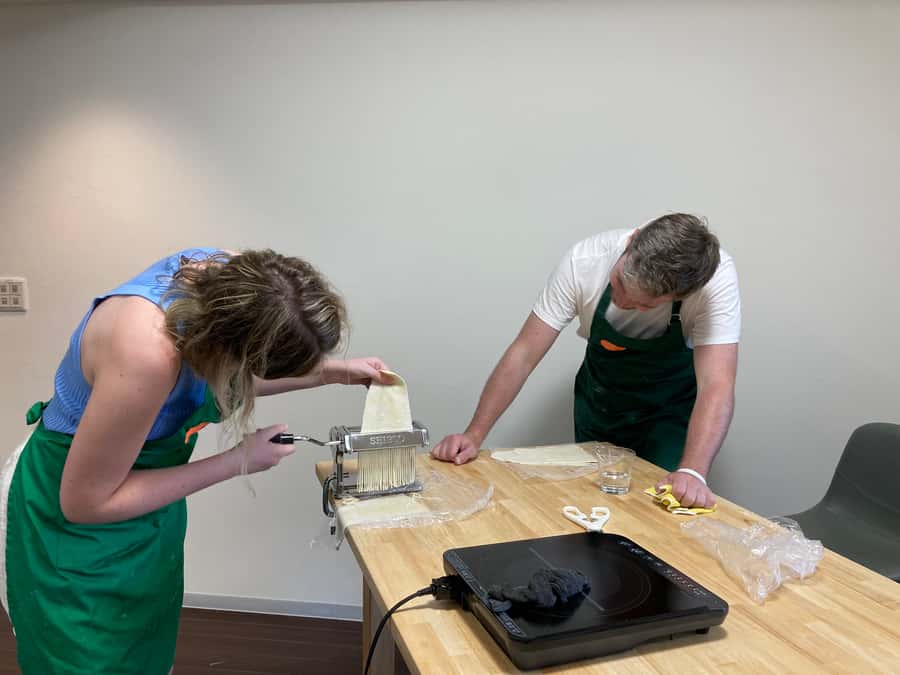
The most distinctive part of the class is making the noodles. You knead wheat dough by hand, giving you a direct feel for the texture and firmness needed before the dough is cut.
This is not a quick demonstration where you watch someone else do the hard part. You take part in the process, and the instructors step in if you fall behind. Miki and June, in particular, are praised for keeping the group together while still offering individual help.
After the dough rests, you cut it with a noodle machine. That step gives the class a nice change of pace. Kneading requires patience and touch, while the machine helps turn the prepared dough into even strands. You get the fun of making noodles without pretending that every beginner can cut perfect strands with a knife.
The result is also more personal than a standard restaurant meal. Your noodles may not look exactly like a chef’s, but you know how they were made and can repeat the method using the recipe provided at the end.
More Cooking Classes in Japan:
- Sushi Making Tokyo Roll and Authentic Japanese Sushi Class
★ 5.0 · 3,971 reviews - Tokyo: Roll and Authentic Sushi Making Class in Asakusa
★ 4.9 · 1,957 reviews - Ramen Cooking Class at Ramen Factory in Kyoto
★ 5.0 · 1,937 reviews - Tokyo Shinjuku Chopsticks Making Class
★ 5.0 · 1,763 reviews
Making minced chicken gyoza from scratch
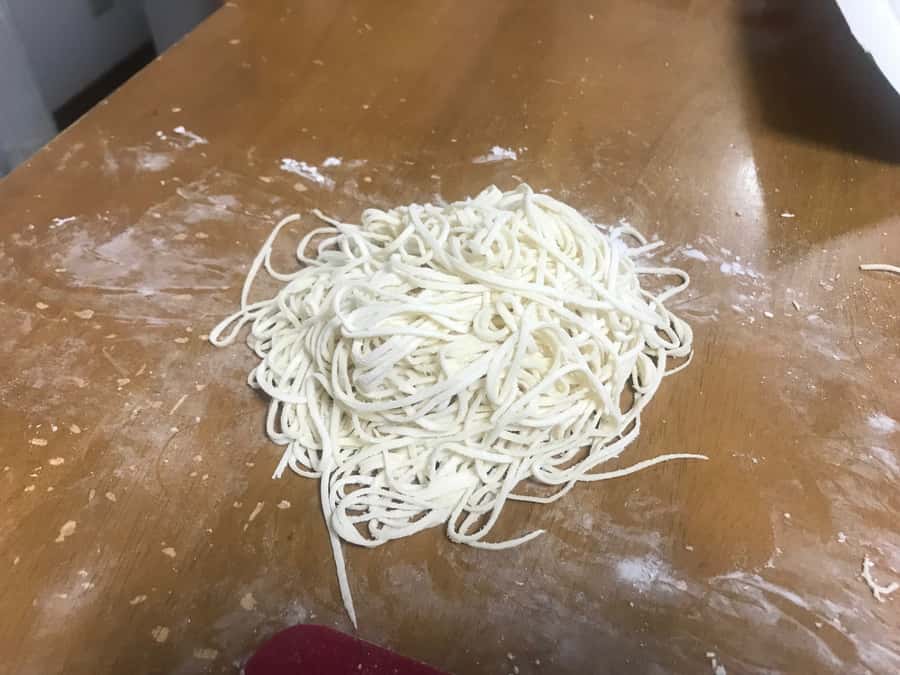
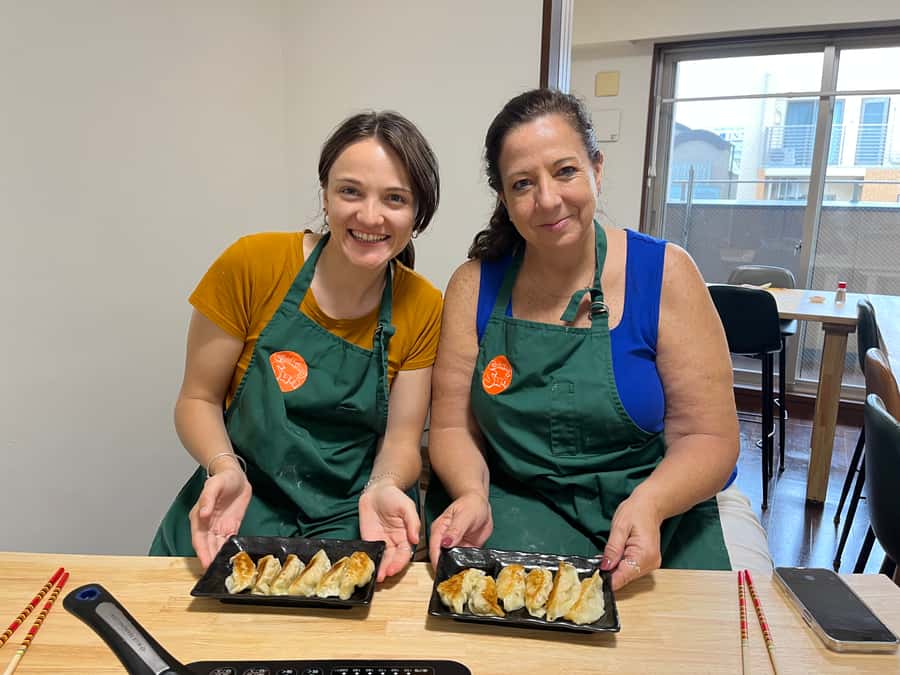
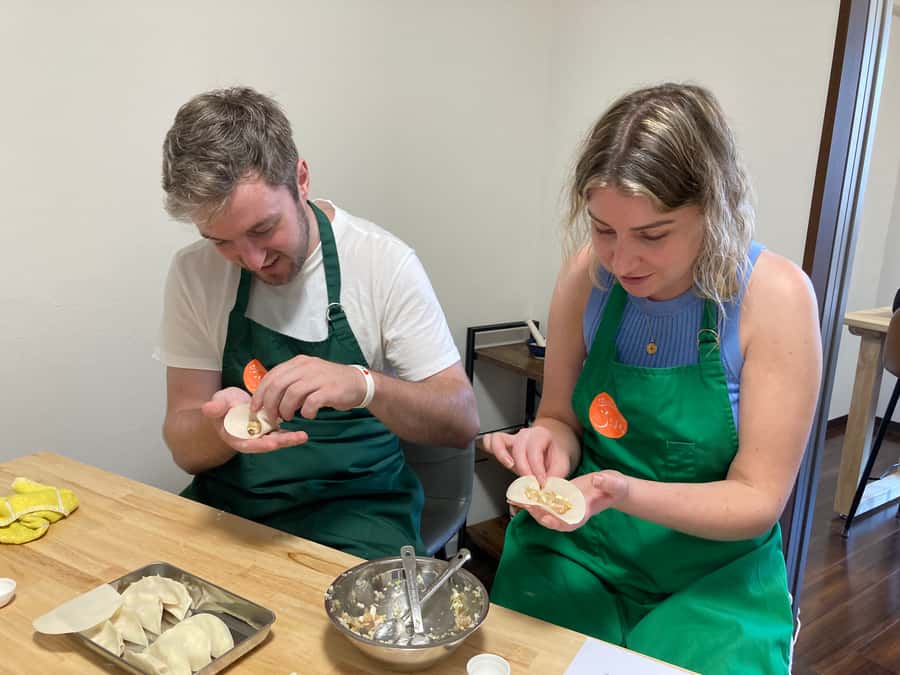
While the noodle dough rests, you move on to gyoza. The filling uses minced chicken, and you prepare the mixture before shaping the dumplings.
Gyoza making has a simple rhythm: fill, fold, and seal. The shape takes a little practice, but the small group format means you can ask for help instead of struggling in silence. The teachers are described as patient and willing to explain each stage in detail.
This is also a good family activity. An 11-year-old enjoyed the class, and a family with a 14-year-old found the pace easy to follow. Younger children may need hands-on help, but the class is practical and active enough to hold the attention of older children and teenagers.
The dumplings are cooked as part of the meal. That matters because you get to taste how your filling and folding affect the final result. Even an imperfectly shaped gyoza can turn out delicious, which takes some pressure off the artistic side of the task.
A small class with plenty of guidance
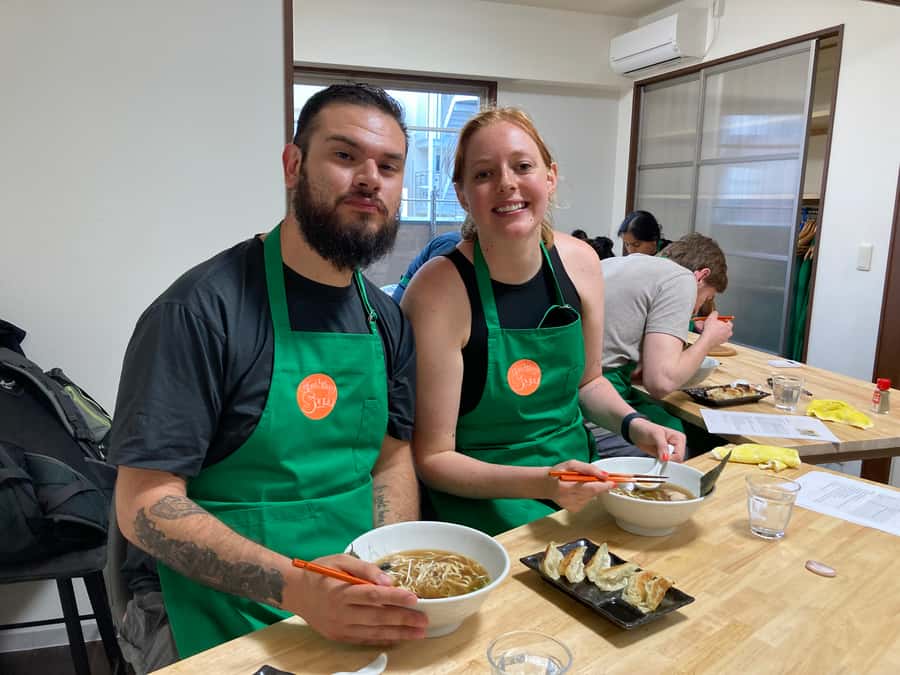
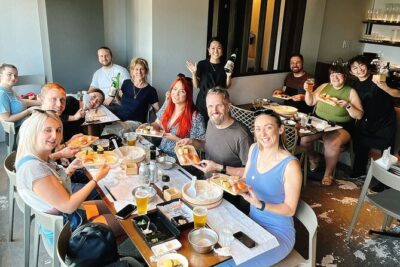
The class is arranged for a small group, often no more than eight people, with two instructors. That is one of its strongest features. You are not left waiting for a teacher to finish helping someone several stations away.
The instructors use English and are praised for speaking clearly. They explain the steps, answer questions, and keep an eye on timing. If you fall behind, they help you catch up without making the session feel rushed.
The pace is important. A cooking class can become tiring if every step drags, or stressful if the teacher races ahead. Here, the timing is described as steady, with enough room to work while keeping the meal moving toward the table.
The kitchen is described as clean and spacious, which makes a difference when several people are handling dough, fillings, and cooking equipment. The class also feels intimate rather than like a large demonstration. You can ask about ingredients, Japanese food customs, and ways to make the dishes at home.
Sitting down to eat your own ramen and gyoza
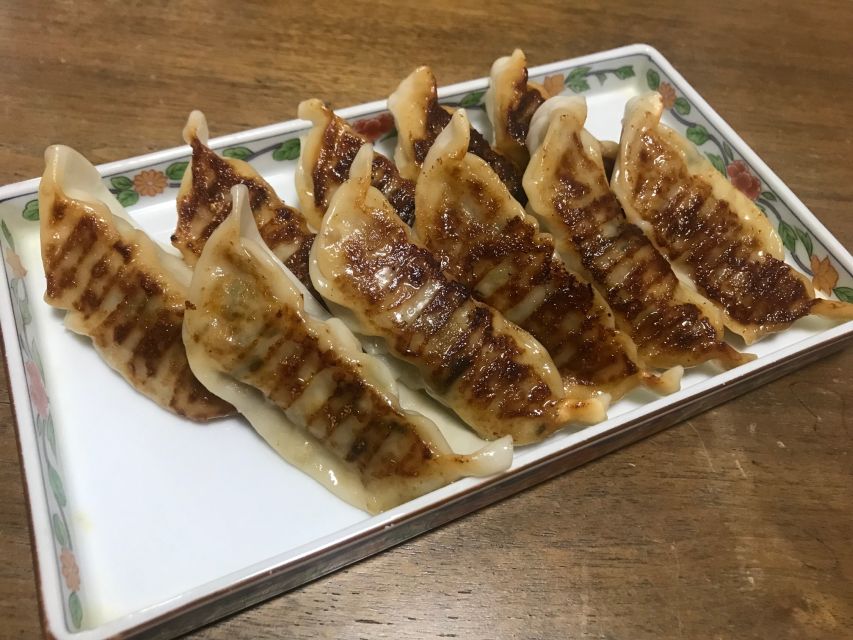
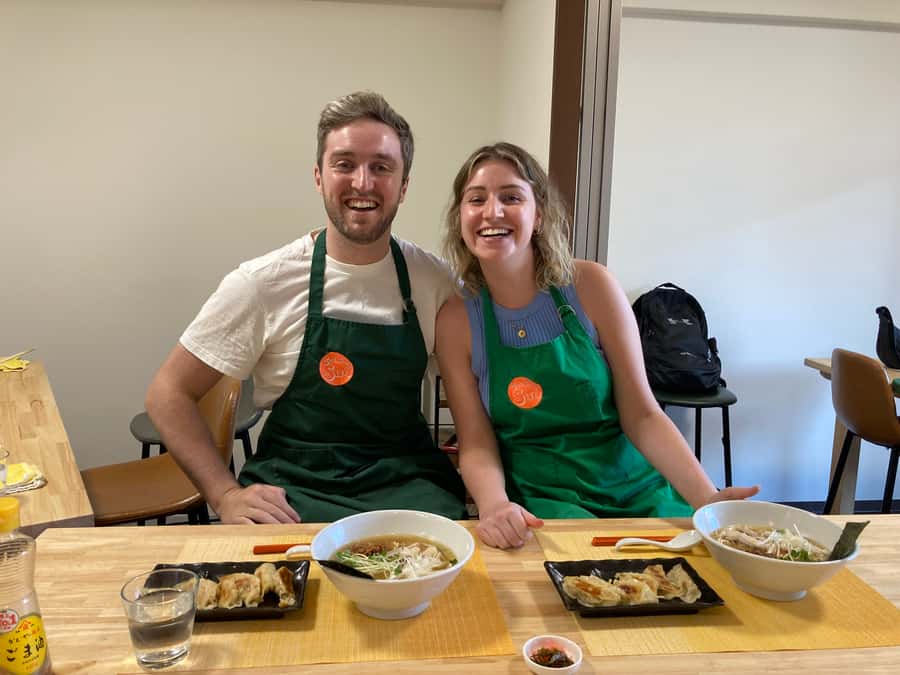
The payoff is the meal. You sit down with the ramen and gyoza you made, including the noodles, soup, toppings, and dumplings.
The ramen is built around the soy sauce broth, with the option to add toppings or miso. The gyoza provides a good contrast: ramen is warm and soupy, while the dumplings are shaped by hand and eaten as a separate part of the meal.
Several people were surprised by how good the finished food tasted. That is worth noting because beginners sometimes expect homemade class food to be more educational than delicious. Here, the lesson and the meal work together. You learn the process, then get a satisfying lunch or dinner from it.
Come with a healthy appetite. The portion is treated as a full meal, not just a few bites for sampling. If you have a packed food schedule in Osaka, place this class between meals rather than directly after a large restaurant visit.
Recipes and useful take-home skills
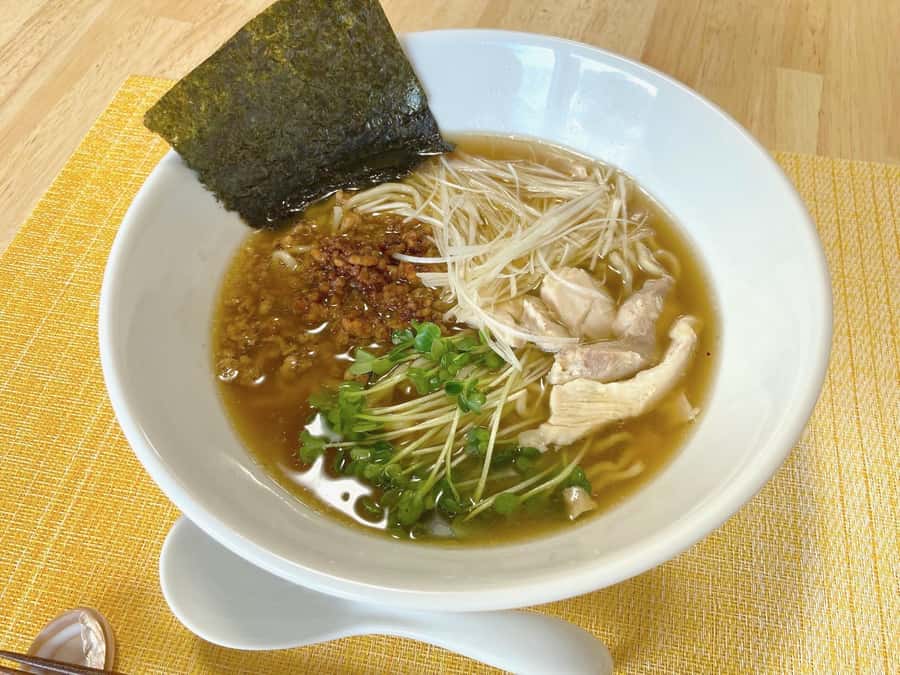
The class provides recipes to take home. This adds real value to the $70 price because you are not buying only a few hours of entertainment. You get a reference for trying ramen and gyoza again after your Japan trip.
The ramen process may require more effort at home than opening a packet, especially if you want to prepare broth from scratch. Still, the lesson gives you the basic structure: make the dough, rest it, cut the noodles, prepare the soup, and assemble the bowl.
Gyoza is likely to be easier to repeat with friends or family. The filling and folding make a good shared kitchen project, and the recipe lets you revisit the techniques without relying on memory.
You also gain a better idea of what to look for when shopping. The instructors discuss ingredients, miso varieties, and Japanese food customs, so the experience reaches beyond the dishes served that day.
Dietary needs and substitutions
The class has adapted recipes for vegan participants, providing a plant-based option when needed. A fish-broth substitution has also been made for people who did not want the standard fish flavor.
That is encouraging, but you should still explain your needs clearly when you arrive. The provided details confirm that adjustments have been possible, not that every allergy or dietary restriction can automatically be handled.
The standard gyoza uses minced chicken, and the standard ramen includes chicken bones and dried sardines. If you avoid meat, fish, or animal products, make your requirements known before the cooking gets underway.
Is $70 a good value?
At $70 per person, this is not the cheapest way to eat ramen in Osaka. You can find a bowl of ramen and gyoza for much less at a local shop.
The value comes from the combination of instruction, ingredients, small-group attention, cultural explanation, and a complete meal. You are also paying for a hands-on activity that can become a skill you use at home. For someone who only wants a quick lunch, the price will feel high. For a food lover who wants to understand the dishes, it is easier to justify.
The class also works well on a rainy day or when you need a break from sightseeing. Instead of spending another afternoon moving between attractions, you spend a few hours doing something active and leave with a meal already taken care of.
Booking is flexible, with the option to reserve now and pay later. You can cancel up to 24 hours in advance for a full refund, which is useful while arranging a Japan itinerary.
Who should book this Osaka cooking class?
I would recommend it most strongly to:
- First-time visitors who want a practical introduction to Japanese food
- Couples looking for a shared activity beyond sightseeing
- Families with older children or teenagers
- Ramen fans who want to understand the dish from the dough upward
- Home cooks who will use the recipes after returning home
- Visitors who prefer small groups and direct help
You do not need advanced cooking skills. The process is explained step by step, and the instructors assist when someone gets behind.
This may not be ideal if you dislike group activities, have very limited time, or only want to eat rather than cook. The class takes a substantial part of the day, and the noodles and dumplings require real participation.
Should you book the Dotonbori ramen and gyoza class?
Book it if you want a meal you helped create, not just another restaurant stop. The strongest parts are the fresh noodles, the small class size, the patient English instruction, and the chance to learn about broth, miso, and Japanese food customs.
The $70 price makes sense for an experience lasting about two to three hours, especially since ingredients, instruction, and the finished meal are included. Just plan your route carefully to find room 807, arrive hungry, and mention dietary needs at the start.
For food-focused visitors, families, and couples, this is one of the more useful ways to spend time in Osaka. You will leave with a full stomach, a recipe packet, and a clearer understanding of why ramen and gyoza belong together.
FAQ
Where does the cooking class meet?
It meets at Cooking Sun Osaka, room 807.
How do I enter the building?
At the entrance, press 807 and then press the 呼出 call button.
Where does the activity end?
The activity ends back at the meeting point.
Is hotel pickup included?
No. Hotel pickup and drop-off are not included.
What language is the class taught in?
The class is offered in English.
What dishes will I make?
You will make ramen and gyoza from scratch.
What kind of ramen is prepared?
The standard preparation is soy sauce ramen made with wheat noodles, chicken bones, and dried sardines. You can add toppings or use miso in the soup.
What meat is used in the gyoza?
The gyoza filling uses minced chicken.
Are ingredients included in the price?
Yes. All ingredients used in the cooking class are included.
Can I reserve now and pay later?
Yes. You can reserve your place and pay later. Cancellation up to 24 hours in advance allows a full refund.
Just added in Japan
- MT. FUJI/ Private Tour delivered and guided by a top-tier driver★ 5.0 · 27 reviews
- Mt fuji & Hakone customizable day tour w/ English speaking driver★ 5.0 · 45 reviews
- Fuji Speedway Self Drive & Mt. Fuji Private Tour pickup & dropoff★ 5.0 · 14 reviews
- Mt.Fuji Trekking 1 Day Tour up to the summit★ 5.0 · 14 reviews
- Seasonal Mt. Fuji Scenic Views, Fruit Picking and Ropeway Ride!★ 4.5 · 35 reviews
- Customisable Mt.Fuji Private Day Trip, English Speaking Driver★ 5.0 · 22 reviews
- Private Mt Fuji Tour from Tokyo: Scenic BBQ and Hidden Gems★ 5.0 · 146 reviews
- Private Mount Fuji Tour in Luxury Vehicle with English Guide★ 4.5 · 39 reviews
Cooking Classes, compared.
Sushi Making Tokyo Roll and Authentic Japanese Sushi Class
Read our review →
Roll and Authentic Sushi Making Class in Asakusa
Read our review →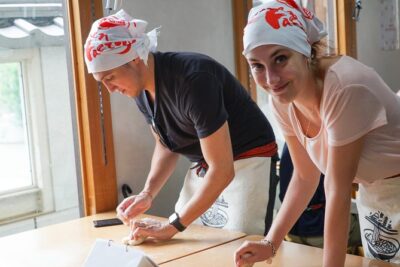
Ramen Cooking Class at Ramen Factory in Kyoto
Read our review →
Sushi Making Class in a Happi Coat near a Famous Spot
Read our review →
Sushi Making Osaka Roll and Authentic Japanese Sushi Class
Read our review →
Tokyo Sushi Making Class in Tsukiji with Professional Chef
Read our review →
Ramen & Gyoza Cooking Class in Tokyo with Local Supermarket Visit
Read our review →Browse the lists this tour appears in