
Reviewed · COOKING CLASSES
Private Japanese Cooking Class in Sapporo with Local Host Kanae
Good food opens the door to local life. This three-hour private class takes you into Kanae’s family home in Sapporo, where you cook a traditional Japanese meal, talk about daily life in Hokkaido, and eat what you prepare. I especially like the one-to-one feel and the use of local vegetables, fish, and meat. The class also includes one or two glasses of local alcohol, which makes the meal feel like a friendly visit rather than a formal lesson.
The main consideration is transport. Hotel pickup is not included, and the meeting point is at 26 Chome-2 Odorinishi in Sapporo’s Chuo Ward. Larger groups may need a taxi from the station to Kanae’s home, since her car holds no more than four guests plus the driver. The menu changes with the season, so you should also share allergies, dietary needs, and cooking preferences when booking.
In This Review
- Key points to know before booking
- A Sapporo cooking class with a personal welcome
- Cooking in the open kitchen for 60 to 90 minutes
- Hokkaido ingredients give the lesson a sense of place
- Sitting down to eat what you prepared
- The conversation is as valuable as the recipes
- Transport, timing, and group size in Sapporo
- Who gets the best value for the $72 price
- Dietary needs and menu requests
- Why the private format matters
- Should you book Kanae’s Sapporo cooking class?
- FAQ
- Where does the cooking class take place?
- What time does the experience begin?
- How long does the cooking class last?
- Is the experience private?
- What food might I prepare?
- Are drinks included?
- Are vegetarian and vegan options available?
- Can I mention allergies or dietary restrictions?
- Is transportation from my hotel included?
- What happens if my group has five or more people?
Key points to know before booking
- Cook in Kanae’s family home: You get a personal look at everyday life in one of Sapporo’s peaceful residential areas.
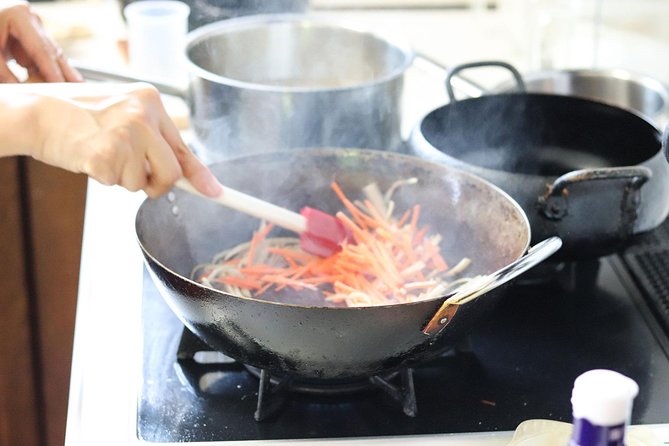
- Expect a seasonal menu: Dishes may include fresh seafood, cooked burdock, deep-fried tofu, miso soup, udon, or tempura.
- The meal is part of the lesson: After roughly one to one and a half hours of cooking, you sit down and eat the food you made.
- Private means flexible: Kanae can focus on your questions and may introduce Hokkaido dishes instead of a standard homestyle menu.
- Local drinks are included: One or two glasses of local alcohol accompany the meal.
- Plan transport carefully: The activity begins at 10:30 am, ends back at the meeting point, and does not include hotel transportation.
A Sapporo cooking class with a personal welcome
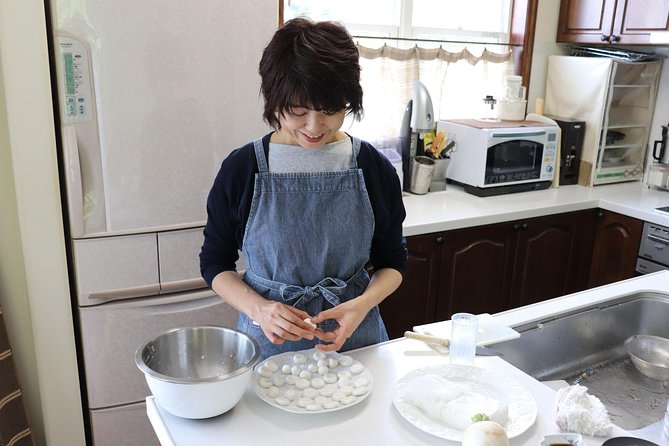
This experience begins at 10:30 am at 26 Chome-2 Odorinishi in Chuo Ward. From there, you meet Kanae and travel to her home. The exact transport arrangement depends on your group size, but the important point is that you do not simply walk into a cooking studio with a dozen other people. You are welcomed into a real home.
Kanae starts with a welcome drink and conversation. She shares stories about herself, her family, and life in Hokkaido while you get settled. That opening matters because it gives the food a setting. You are not just learning how to prepare miso soup or tempura. You are hearing how a local person connects meals, family, and place.
The home setting also changes the pace. You can ask questions as they come up, rather than waiting for a guide to finish a speech. The private format is particularly useful if you are curious about ingredients, Japanese kitchen habits, or how Hokkaido food differs from what you have eaten elsewhere in Japan.
The home is located in a peaceful, luxurious residential area of Sapporo. That description does not mean you should expect a sightseeing stop with grand architecture. The appeal is quieter. You get a glimpse of a part of the city that most short-term visitors would not enter on their own.
More Cooking Classes in Sapporo:
- Wagashi traditional japanese sweets class
★ 5.0 · 49 reviews - Private Japanese Cooking Class in Sapporo with Local Chef Shiori
★ 5.0 · 34 reviews - Private Market Tour and Cooking Class with Kanae, a Sapporo Local
★ 5.0 · 29 reviews
Cooking in the open kitchen for 60 to 90 minutes
The hands-on cooking portion lasts about one to one and a half hours. The precise menu depends on the season and on what you request, but the lesson consists of several dishes rather than one isolated recipe.
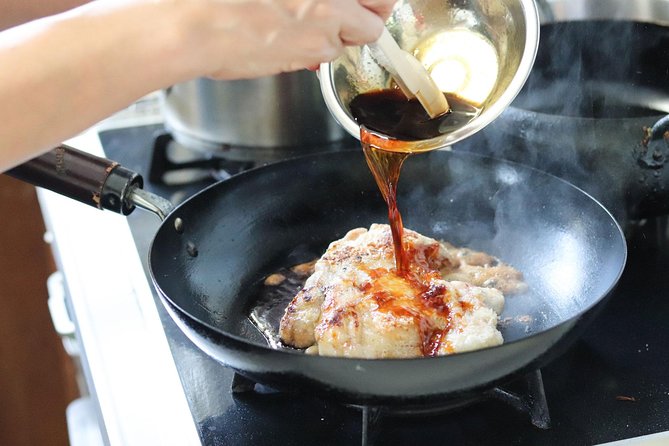
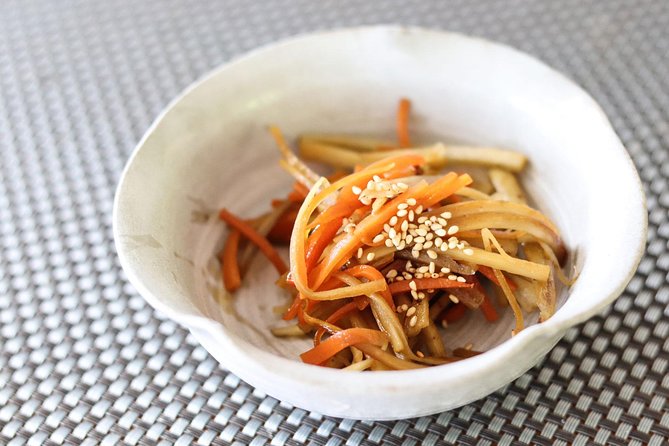
Possible dishes include fresh seafood, cooked burdock, deep-fried tofu, and miso soup. Hokkaido ingredients may also appear, and Kanae is happy to focus on regional dishes instead of a typical homemade menu if you are interested. That is a useful option for returning visitors who have already tried sushi, ramen, and other familiar Japanese staples.
The class can also include more involved dishes. One especially appealing menu combines udon made from scratch with crunchy tempura. Making noodles by hand gives you a better sense of the work behind a dish that often arrives at a restaurant in just a few minutes. Tempura, meanwhile, rewards attention to texture and timing.
You should not expect a professional culinary school curriculum. This is a home lesson, not a certificate course. The value comes from learning practical preparation in a relaxed setting and from seeing how several dishes come together as a Japanese meal.
Because the class is private, you can ask for explanations at your own pace. If you are experienced in the kitchen, you can focus on technique and regional ingredients. If you rarely cook, you can take your time and ask basic questions without worrying about slowing down a larger group.
Hokkaido ingredients give the lesson a sense of place
The use of locally sourced vegetables, fish, and meat is one of the strongest reasons to choose this class. Hokkaido is known across Japan for its produce and seafood, and the menu gives you a chance to encounter those ingredients in a home setting.
The seasonal approach is important. A winter class may not look like a summer class, and that is a good thing. Instead of treating Japanese food as a fixed list of famous dishes, the experience shows you how meals change with what is available.
The menu may include ingredients and preparations that are less familiar to international visitors. Burdock, for example, is a root vegetable with a firm texture and earthy flavor. Deep-fried tofu and miso soup show how simple pantry staples can become part of a balanced meal.
You may also request Hokkaido specialties. If you have a particular interest in local seafood or regional cooking, tell Kanae ahead of time. The information provided for this experience makes clear that she is willing to adjust the focus, but the final menu still depends on the season and availability.
Sitting down to eat what you prepared
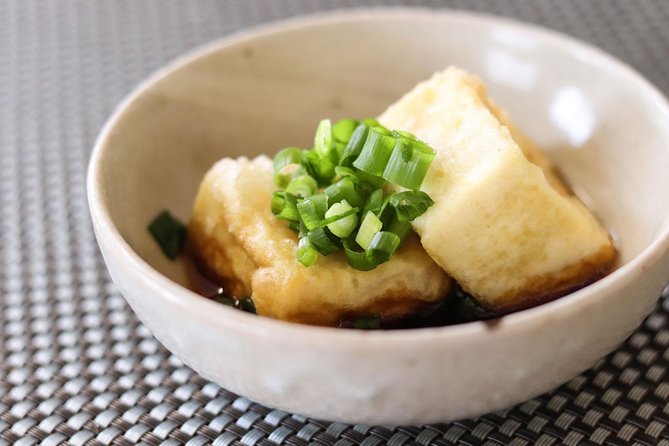
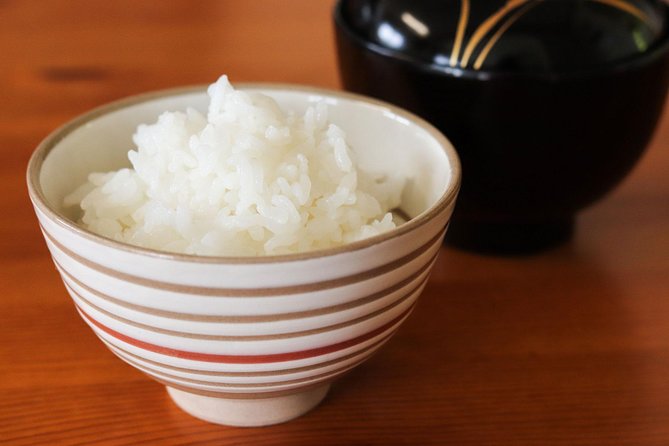
After the cooking, you sit down for the meal. This is not a demonstration where the food disappears into a kitchen and returns on a plate. You eat the dishes you helped make, which gives the lesson a satisfying finish.
I like this format because it turns cooking into a shared social event. You can taste the results while the methods are still fresh in your mind. If a dish has a texture or flavor you did not expect, you can ask Kanae about it right away.
The meal may include several dishes, depending on the menu. A spread of homemade udon and tempura feels different from a meal built around seafood, burdock, tofu, and miso soup, but both offer a better picture of Japanese home cooking than a quick restaurant stop.
One or two glasses of local alcohol are included. That could be a pleasant addition for adults who enjoy trying regional drinks, though you should make your preferences clear if you do not drink. The experience is not designed around heavy drinking. The alcohol is simply part of the meal and welcome.
The class has received strong praise for both the food and the company. People who spent time with Kanae described her as a sweet host, a great cook, and easy to talk with. One person compared the visit to meeting an old friend, which captures the social side of the experience better than a list of dishes can.
A few more options to weigh up in Sapporo
- Sapporo Bar Hopping Food Tour
★ 5.0 · 232 reviews - Hokkaido Seasonal: Lake Toya & Noboribetsu Jigokudani Valley
★ 4.7 · 173 reviews - Sapporo Private Tour with a Local – Highlights & Hidden Gems
★ 5.0 · 91 reviews - Sapporo: Sumo Show Experience with Japanese food & Photo
★ 4.9 · 81 reviews
The conversation is as valuable as the recipes
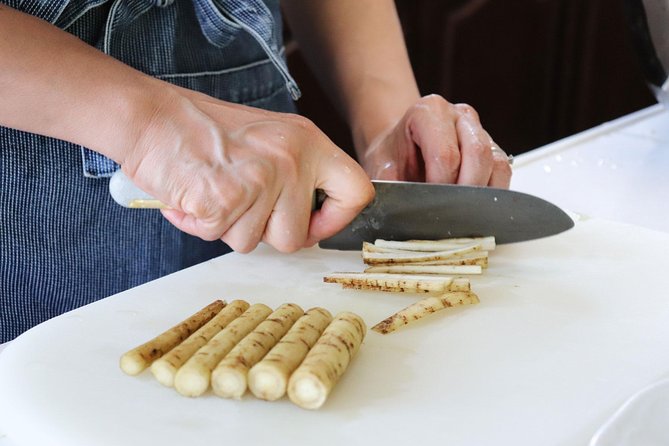
Food classes can sometimes feel rushed. You chop, stir, and move to the next step while the instructor tries to keep an entire group on schedule. Here, the private format gives the conversation room to breathe.
Kanae talks about her family and life in Hokkaido, and you can ask questions as you cook. The experience has also been praised for its discussions about Japanese gastronomy. If food is your way into a culture, this part may be more memorable than the recipes themselves.
You might learn why certain ingredients are used together, how a dish fits into home life, or how Hokkaido cooking differs from more familiar Japanese menus. The supplied details do not promise a printed recipe booklet or a formal take-home package, so you should book this for the experience and conversation rather than for professional culinary instruction.
The setting is also useful for families and friends who want time together. Since only your group participates, you are not sharing the kitchen with strangers. That makes it easier to ask personal questions, work at different skill levels, and enjoy a meal without a tight public-tour schedule.
Transport, timing, and group size in Sapporo
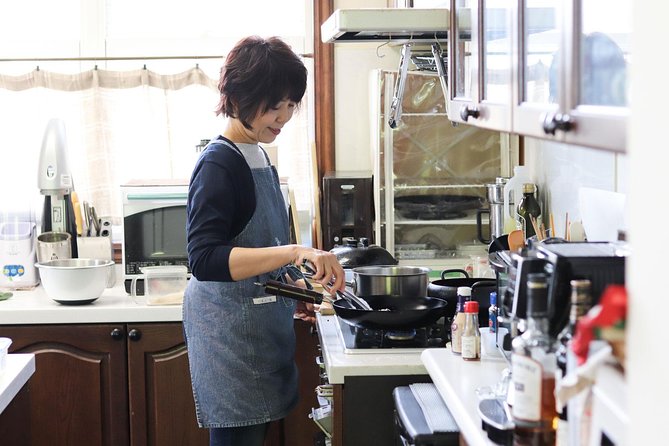
The experience lasts about three hours, with cooking taking roughly 60 to 90 minutes and the rest covering the welcome, conversation, transport, and meal. It begins at 10:30 am and ends back at the meeting point.
Hotel pickup and drop-off are not included. The activity is near public transportation, so you should allow enough time to reach the starting point in Chuo Ward. The meeting location is specific, and it is worth checking your route before the morning of the class.
Kanae’s car can carry up to five people including the driver. That means a maximum of four guests can ride with her. If your group has five or more people, you will need a taxi and must have it follow Kanae’s car to her home after meeting her at the station.
This detail matters if you are booking for a family reunion or a larger friend group. The class itself remains private, but the transport plan becomes more involved. Smaller groups have the simplest arrangement.
The activity includes a mobile ticket and group discounts may be available. It is generally booked about 46 days ahead, so popular dates may require early planning. Free cancellation is available if you cancel at least 24 hours before the local start time. Changes or cancellations made inside that window are not refundable.
Who gets the best value for the $72 price
At $72 per person, this class costs more than an ordinary Japanese lunch. That comparison misses the point, though. You are paying for a three-hour private experience, instruction, a homecooked meal, local conversation, and one or two glasses of local alcohol.
The price makes the most sense if you value access and personal attention. A restaurant can give you a delicious meal, but it cannot normally introduce you to a local family home or let you ask questions while preparing the food.
It is also good value for a small group that wants a shared activity. You are not paying just to watch someone cook. You help prepare multiple dishes, then sit down together to eat them. For many people, that combination makes the price reasonable.
The value is less clear if you are looking only for a quick meal or a formal cooking qualification. The class is relaxed and social. You should want conversation and cultural context, not just a rapid list of techniques.
Group discounts may help reduce the per-person cost, but the available discount depends on the booking. Since the activity is private, confirm the final amount for your group before committing.
Dietary needs and menu requests
Vegetarian and vegan options are available, but you must request them when booking. The same applies to allergies, dietary restrictions, and cooking preferences.
Do not wait until you arrive to mention an allergy. Japanese cooking often uses ingredients such as seafood, soy, and miso, and the menu changes by season. Kanae can plan more effectively when she knows your needs in advance.
You can also express interest in Hokkaido dishes rather than a standard homestyle menu. This is particularly helpful if you want the class to focus on regional ingredients, or if you have already taken a general Japanese cooking lesson elsewhere.
The menu is not fixed, so you should treat examples such as udon, tempura, burdock, tofu, seafood, and miso soup as possibilities rather than promises. That flexibility is part of the charm, but it also means you should not book expecting one exact dish.
Why the private format matters
The strongest feature here is not a single recipe. It is the combination of a private group, a local home, and a meal prepared together.
You have time to ask questions. You can discuss Japanese food without competing with a large class. You can also share stories with Kanae, who is part of the experience rather than simply someone demonstrating techniques from the front of a room.
The private setting may suit couples, families, and close friends especially well. It can also work for solo visitors, though the value depends on the price and the appeal of sharing a private meal with a host.
This is not the right pick if you want a busy kitchen studio, a broad class with other international cooks, or a highly technical lesson. It is better for anyone who sees food as a way to meet people and understand daily life.
Should you book Kanae’s Sapporo cooking class?
I would recommend this experience if you want a personal connection to Sapporo and enjoy learning through food. The home setting, seasonal Hokkaido ingredients, private instruction, and shared meal create a fuller experience than a standard restaurant visit.
Book it if you are comfortable with a flexible menu and want conversation as much as cooking. Make your dietary requests early, confirm the meeting point, and plan extra care with transport if your group has five or more people.
Skip it if you only want a low-cost meal, a fixed menu, or formal culinary training. For everyone else, the $72 price is fair for three hours of private attention, local food, and time with Kanae. With a 4.9 rating and 100 percent recommendation rate, it has earned strong approval, but its real appeal is simple: you leave with a meal you helped make and a more personal sense of life in Hokkaido.
FAQ
Where does the cooking class take place?
The class takes place in Kanae’s family home in Sapporo, in a peaceful residential area. You meet at 26 Chome-2 Odorinishi in Chuo Ward before going to her home.
What time does the experience begin?
The activity starts at 10:30 am.
How long does the cooking class last?
The full experience lasts approximately three hours. The cooking portion takes about one to one and a half hours.
Is the experience private?
Yes. Only your group participates in this private activity.
What food might I prepare?
The seasonal menu may include fresh seafood, cooked burdock, deep-fried tofu, miso soup, udon, or tempura. The exact dishes vary by season.
Are drinks included?
Yes. The experience includes one or two glasses of local alcohol, along with a welcome drink.
Are vegetarian and vegan options available?
Yes. Vegetarian and vegan options are available if you request them when booking.
Can I mention allergies or dietary restrictions?
Yes. You should advise Kanae of allergies, dietary restrictions, or cooking preferences at the time of booking.
Is transportation from my hotel included?
No. Hotel pickup and drop-off are not included. The activity is near public transportation.
What happens if my group has five or more people?
Kanae’s car can carry up to five people including the driver, so it can take a maximum of four guests. Groups of five or more need to use a taxi and follow Kanae’s car to her home after meeting her at the station.
Just added in Sapporo
- Hokkaido 7 Days Noboribetsu, Asahikawa, Biei by Delightful Travel★ 5.0 · 1 review
- 6 Days Hokkaido’s Floral Symphony Tour by UME Travel★ 5.0 · 2 reviews
- Full Day Private Skiing / Snowboarding Tour in Sapporo★ 5.0 · 30 reviews
- Snowshoe Hike Tour from Sapporo include hotel p/up & drop off★ 5.0 · 16 reviews
- Wagashi traditional japanese sweets class★ 5.0 · 49 reviews
- Snowshoeing and Onsen Adventures in a Winter Wonderland -Sapporo.★ 5.0 · 30 reviews
- Authentic Sapporo: Nijo Market Seafood Lunch & Local History Tour★ 5.0 · 13 reviews
- Sapporo Sumo Show Experience with Japanese Food and Photo★ 4.5 · 38 reviews
Cooking Classes, compared.
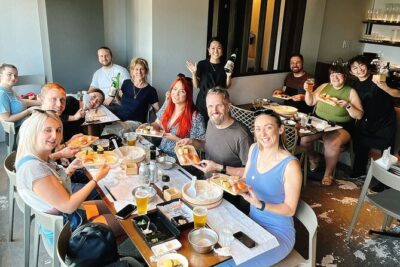
Sushi Making Tokyo Roll and Authentic Japanese Sushi Class
Read our review →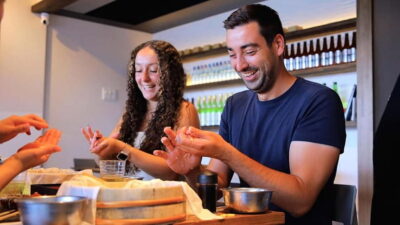
Roll and Authentic Sushi Making Class in Asakusa
Read our review →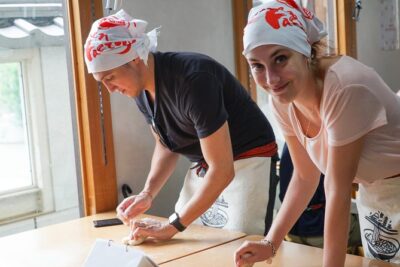
Ramen Cooking Class at Ramen Factory in Kyoto
Read our review →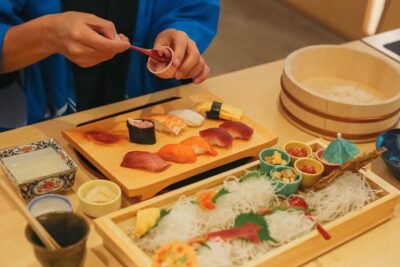
Sushi Making Class in a Happi Coat near a Famous Spot
Read our review →
Sushi Making Osaka Roll and Authentic Japanese Sushi Class
Read our review →
Tokyo Sushi Making Class in Tsukiji with Professional Chef
Read our review →
Ramen & Gyoza Cooking Class in Tokyo with Local Supermarket Visit
Read our review →Browse the lists this tour appears in