
Reviewed · TEA CEREMONIES
Tokyo: Matcha Making Experience with Mochi Sweets in Asakusa
Matcha makes a fine Tokyo pause. This one-hour class gives you a friendly introduction to Japanese tea culture in Asakusa, with a short history lesson, a playful quiz, hands-on whisking, and traditional sweets. I like the mix of learning and doing, and I like that the whole experience takes place in English with local instructors.
The price is $22 per person, which is fair for a guided food activity in central Tokyo. I also appreciate the easy one-hour length, especially if you are fitting it between Senso-ji, Tokyo Skytree, and other Asakusa sights. The main consideration is that this is an introduction rather than a full formal tea ceremony, so anyone seeking a long, highly ritualized event may find it brief.
The class has earned a 4.9 rating from 388 ratings, with repeated praise for its warm instructors, clear explanations, and relaxed mood. Instructors including Ken, Mana, Hayato, Hiyo, Yui, Midori, Honoka, and Rino are often singled out for making the lesson funny and easy to follow. Solo visitors, couples, families, and older parents can all fit comfortably into the format.
In This Review
- Key points at a glance
- Why matcha works so well in Asakusa
- Starting with a quiz instead of a lecture
- Whisking matcha with traditional tools
- Mochi sweets and the taste of unsweetened tea
- A seated class with an easygoing mood
- What makes the instructors important
- Is $22 good value in Tokyo?
- How to fit it into an Asakusa day
- Who should book this matcha experience?
- Final verdict: a small class with real value
- FAQ
- How long does the matcha-making experience last?
- How much does the experience cost?
- Is the class taught in English?
- Where is the meeting point?
- Are matcha and sweets included?
- Do I need previous matcha-making experience?
- Can I cancel for a full refund?
Key points at a glance
- A one-hour matcha lesson near Asakusa Station: The meeting point is about one minute from the station, in the Relink KAMINARIMON building on the sixth floor.
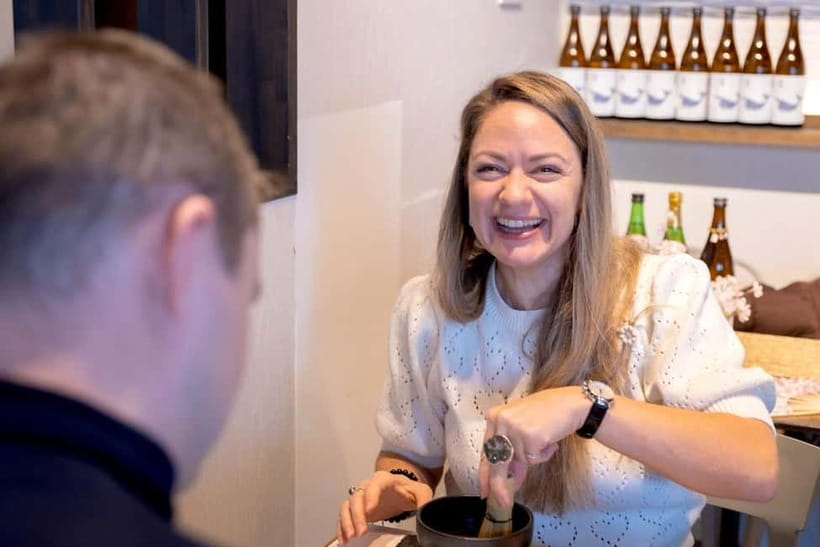
- You whisk your own tea: Traditional tools let you practice the basic technique instead of simply watching a demonstration.
- The history lesson is light and interactive: A quiz and short presentation keep the cultural background from becoming a lecture.
- Mochi sweets balance matcha’s strong taste: The Japanese sweets give you a classic partner for the unsweetened tea.
- English guidance is built in: Local staff explain the process clearly and help you through each step.
- It suits solo visitors and families: The seated format, friendly pace, and simple hands-on task work well for mixed ages and experience levels.
Why matcha works so well in Asakusa
Asakusa is one of Tokyo’s best areas for connecting food with place. The neighborhood is known for traditional streets, old temples, and a strong sense of Tokyo’s past. A matcha class fits naturally here, especially when you want more than a quick snack or a photograph at Senso-ji.
The activity takes place close to Tokyo Skytree, so it is easy to pair with sightseeing in the eastern part of the city. You can visit the temple district, make matcha, and continue toward the Skytree without giving up half a day.
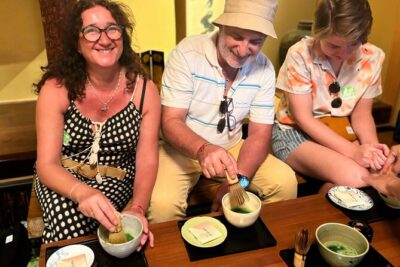
I like this setting because tea culture can feel abstract if you encounter it only in a museum or formal explanation. Here, you handle the bowl, scoop the powdered tea, add water, and whisk it yourself. That small act gives you a better sense of the care involved in preparing matcha.
The location is also practical. The meeting point is at Relink KAMINARIMON, on the sixth floor, about one minute from Asakusa Station. You should allow enough time to find the building and reach the correct floor, since the activity does not include hotel pickup or drop-off.
More Tea Ceremonies in Tokyo
- Matcha Making Class in Tokyo with Authentic Japanese Sweets Set
★ 5.0 · 744 reviews - Tokyo: Traditional Tea Ceremony with a Tea Master
★ 5.0 · 528 reviews - Tokyo: Matcha and Kimono Experience
★ 4.7 · 219 reviews
Starting with a quiz instead of a lecture
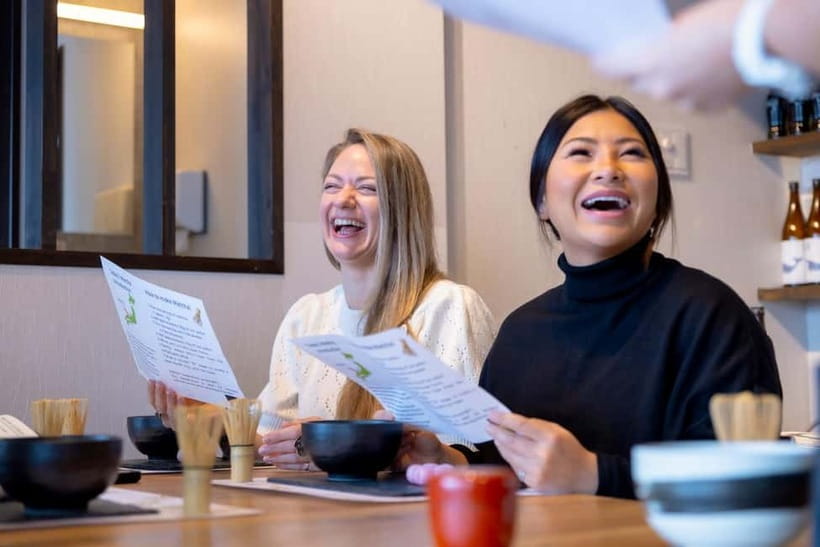
The class begins with an introduction to matcha and its place in Japanese culture. Instead of relying only on a straight presentation, the instructors use an interactive quiz to bring you into the subject.
That is a smart choice. You can learn basic facts about matcha while joining in, guessing answers, and hearing the explanations that follow. It gives children something to do, and it helps adults stay engaged even if they know little about tea.
The cultural portion covers the origins of matcha, preparation customs, and tea etiquette. The lesson is not designed to make you a tea scholar in sixty minutes. It gives you enough context to understand why the preparation matters and why matcha is traditionally served without sugar.
Several instructors are praised for their humor and energy. Ken is described as especially engaging with children, while Mana is often noted for keeping the class lively without losing the educational side. Hayato is praised for explaining matcha history, preparation, and etiquette in a friendly way. These details matter because the quality of a short class depends heavily on the person leading it.
The English instruction is another strong point. You do not need previous knowledge of Japanese tea, and the staff guide you through the terminology and steps. Some of the cultural ideas may be new, but the class is intended for beginners.
Whisking matcha with traditional tools
The hands-on portion is the heart of the experience. You use traditional matcha-making tools and follow the instructor’s demonstration. You learn how to prepare the tea, then make your own cup rather than simply receiving one.
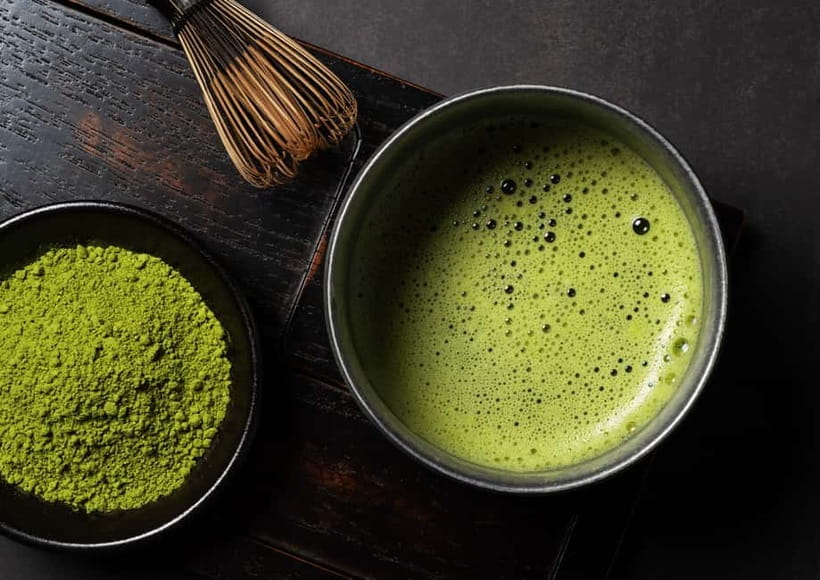
The process looks simple, but the whisking takes a little practice. You work to combine the powder and water into a smooth drink with a light layer of foam. The instructors demonstrate the technique, then give you the chance to copy it.
This is where the class delivers more than a standard tasting. You leave with a practical understanding of how matcha is prepared at home. One visitor specifically noted that the lesson gave them the confidence to make matcha after returning from Japan.
Your first bowl may not look perfect. That is part of the fun. The staff are there to help, and the tone is relaxed rather than strict. You are learning a traditional method, not sitting for an examination.
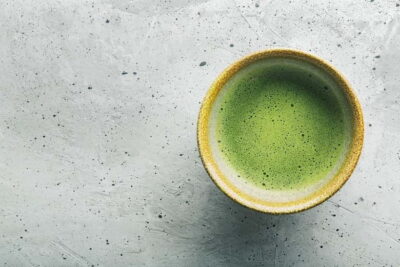
The class also helps you understand matcha as a flavor. Prepared without sugar, it has a fresh, grassy bitterness that can surprise anyone accustomed to sweet matcha drinks. The sweets served afterward make the taste easier to appreciate and show why the pairing works.
Mochi sweets and the taste of unsweetened tea
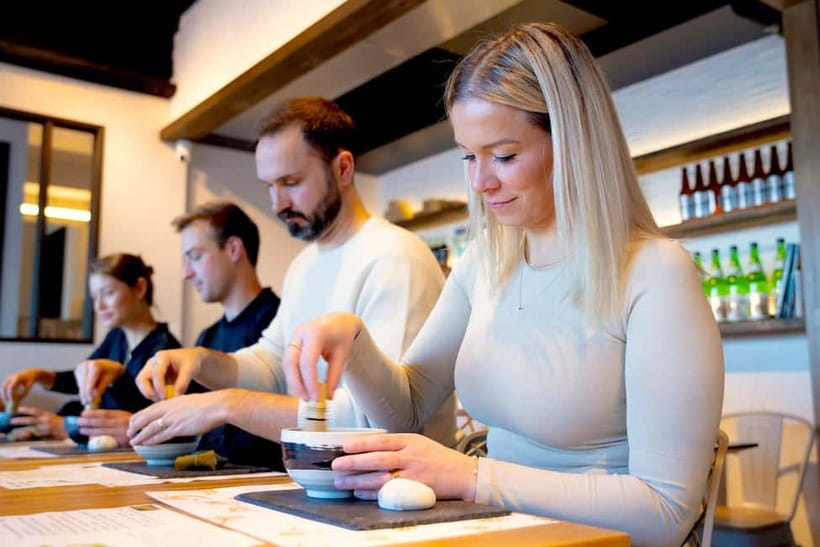
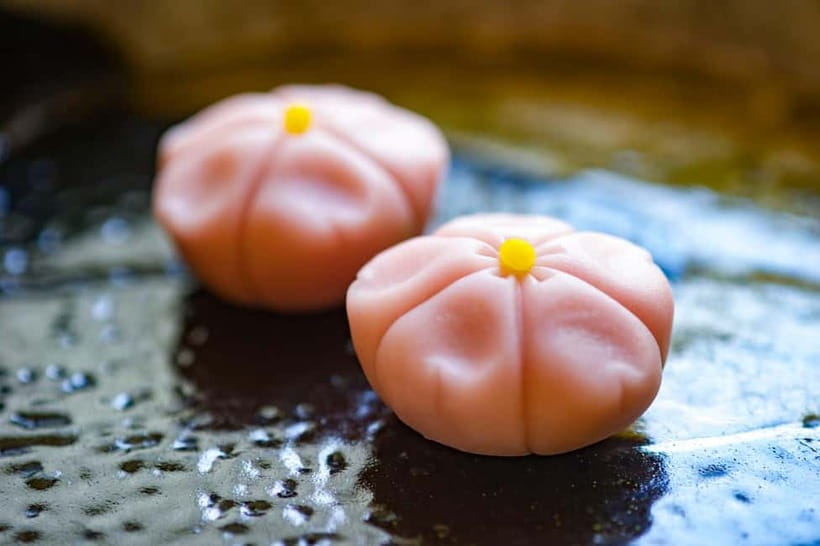
After preparing the tea, you drink it with Japanese sweets, including mochi-style treats. The sweets add a soft, sweet contrast to matcha’s stronger flavor.
This part is simple but important. You do not just learn a technique and leave. You sit down with the cup you made, taste the tea properly, and experience the pairing that makes the bitterness more balanced.
The sweets are repeatedly praised for their taste. They are not presented as a full meal, so you should arrive expecting a snack rather than lunch. Still, the combination makes the hour feel complete.
I also like that the class encourages you to try matcha without sugar. Many first-time visitors expect a sweet café drink. This experience presents matcha in a more traditional form, then lets you decide what you think of it.
If you already enjoy matcha, you will likely appreciate the preparation lesson and the chance to practice with proper tools. If you are unsure about matcha, the sweets and friendly guidance make the introduction less intimidating.
A completely different kind of day out:
- Tokyo Disney Resort – Tokyo Disneyland & Tokyo DisneySea Park Tickets
★ 4.8 · 99,488 reviews - SHIBUYA SKY Ticket
★ 4.7 · 46,509 reviews - JR Whole Japan Rail Pass
★ 4.8 · 29,150 reviews - Mt Fuji and Hakone 1-Day Bus Tour Return by Bullet Train
★ 5.0 · 26,383 reviews
A seated class with an easygoing mood
You spend the experience seated, which makes it a welcome break after walking around Asakusa. One participant specifically appreciated not needing to kneel in the traditional position. That makes the class more comfortable for people who have difficulty sitting on the floor.
The seated setup also suits families and mixed-age groups. A 74-year-old parent and a 23-year-old adult were both reported to have enjoyed the activity, and children are drawn to the quiz and whisking practice.
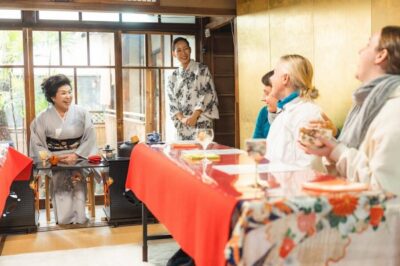
The atmosphere is intentionally relaxed. The instructors use humor, invite participation, and answer questions. This is not a silent ceremony where you must worry about making a mistake. You can learn the etiquette while still enjoying yourself.
That relaxed tone may be a drawback for someone expecting a formal tea ceremony. The class introduces tea ceremony customs, but it is built as a food activity for visitors. It is social, educational, and accessible rather than solemn.
Solo visitors should feel comfortable booking. The format brings individual participants together, and the shared activity gives you an easy way to meet people from different countries without forced conversation. You always have the matcha lesson itself as common ground.
What makes the instructors important
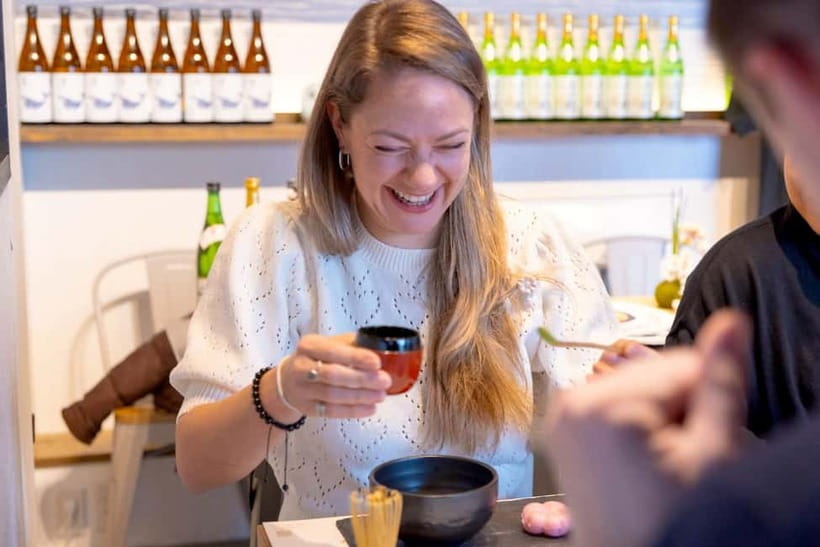
A short cultural class can easily become forgettable if the guide reads from a script. The instructors here receive strong praise for being personable, funny, patient, and clear.
Mana is repeatedly described as energetic and engaging. She keeps the pace moving and makes sure the class stays fun. Hayato is noted for his friendly manner and clear explanations of matcha customs. Hiyo, sometimes spelled Hiho, is praised for charm, good instruction, and a strong introduction to tea culture.
Other named instructors, including Yui, Midori, Honoka, Ken, Rino, and Moe, are also praised for creating a welcoming atmosphere. The range of names suggests that the experience is delivered by a team rather than one fixed instructor, so your exact guide may vary.
That is worth keeping in mind when you book. The consistent praise is for the staff’s approach, not for a single guaranteed teacher. You can expect English instruction and local guidance, but you may not have a particular instructor unless the operator confirms it.
The staff also help with the practical details of the class. They demonstrate first, let you try, and offer direction as you make your own tea. That makes the activity suitable for complete beginners.
Is $22 good value in Tokyo?
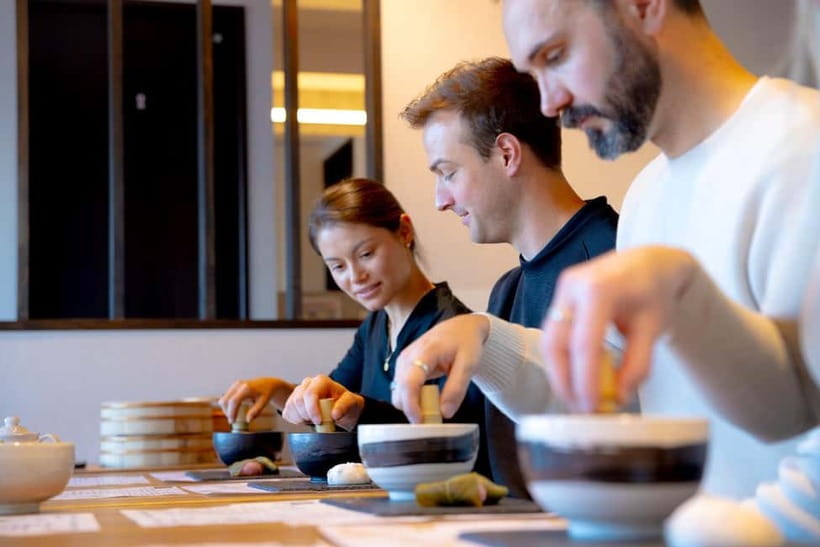
At $22, this is a low-cost way to add a cultural activity to a Tokyo day. You receive the class, ingredients, instruction, tea preparation, and sweets. The activity lasts one hour, so you are not committing a large block of sightseeing time.
The value is strongest if you want something participatory. A prepared drink at a café may cost less, but it will not teach you the history, etiquette, or whisking technique. A longer tea ceremony may offer more ritual, but it will likely cost more and require more time.
The one-hour duration is especially useful in Asakusa. You can fit it between nearby attractions instead of rearranging your entire day. It also works well at the start of a visit, when you want a cultural introduction, or later in the day, when your feet need a rest.
The experience does not include transportation, hotel pickup, or drop-off. That is not a serious issue because the meeting point is close to Asakusa Station, but you need to make your own way there. The activity is best viewed as a compact class, not a full-day tour.
Free cancellation is available up to 24 hours before the start time for a full refund. You can also reserve now and pay later, which helps if your Tokyo schedule is still changing.
How to fit it into an Asakusa day
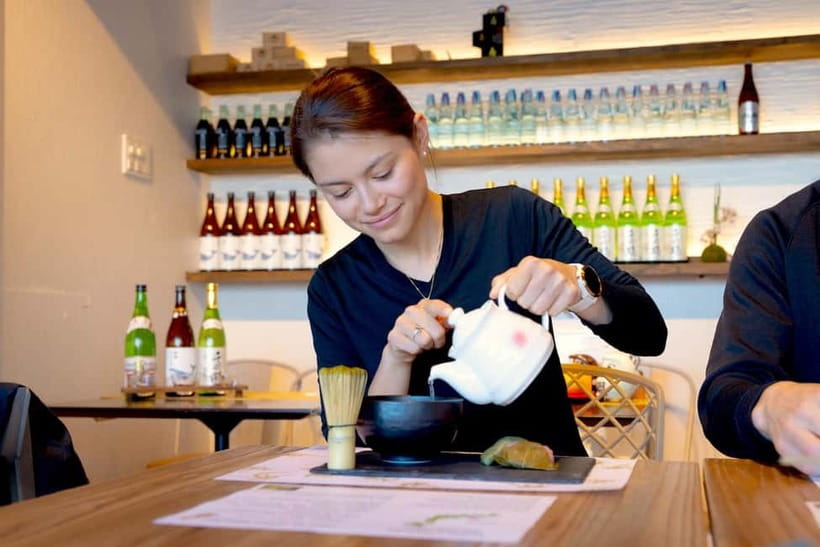
Plan this class around the sights near Kaminarimon and the temple district. The meeting point is close to Asakusa Station and Tokyo Skytree, so you can build a simple eastern Tokyo day around it.
You might visit Senso-ji and the Kaminarimon area before the class, then take the lesson as a seated break. Afterward, continue through Asakusa or head toward Tokyo Skytree.
The class itself lasts one hour, but you should not schedule another activity at the exact minute it ends. You may want a few minutes to finish your sweets, gather your belongings, or ask questions. If you become interested in making matcha at home, there may also be an opportunity to purchase matcha-making equipment afterward.
The exact start times depend on availability. Check the schedule when booking and arrive at the sixth-floor meeting point with enough time to find the building.
Who should book this matcha experience?
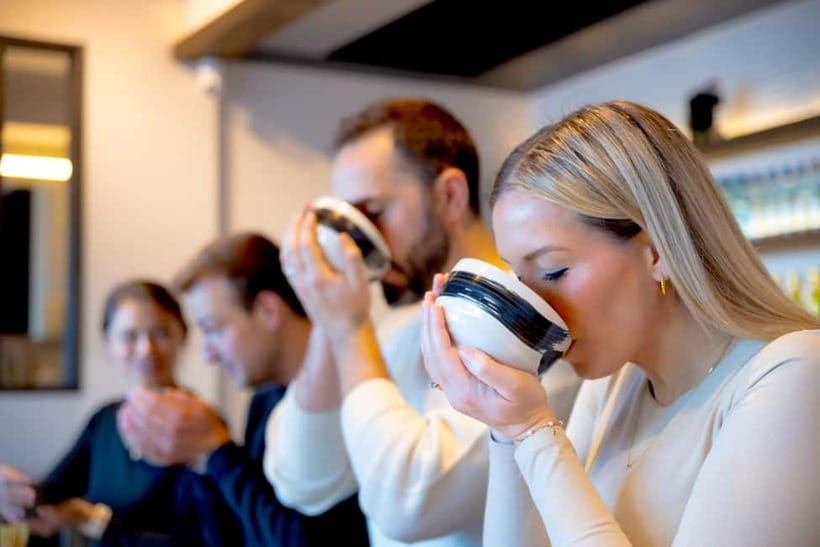
I would recommend it to:
- First-time matcha drinkers who want to understand the flavor and method
- Couples looking for a short cultural activity
- Families with children interested in food and hands-on tasks
- Solo visitors who enjoy small group experiences
- Older adults who prefer a seated activity
- Matcha fans who want to practice with traditional tools
- Anyone with a busy Tokyo schedule who can spare one hour
It may not be the right choice if you want a long, formal tea ceremony with elaborate dress, a historic tea house setting, or an extended meditation experience. The class is friendly and modern in its teaching style.
You should also remember that the sweets are part of the experience, but this is not a full cooking class or meal. The main focus is matcha preparation, with Japanese sweets served alongside it.
Final verdict: a small class with real value
I would book this activity if I wanted an easy, affordable way to connect with Japanese food culture in Asakusa. The strongest reasons are the hands-on whisking, the English-speaking local staff, and the chance to learn the meaning behind the drink instead of simply ordering it at a café.
The class also earns points for its practical design. You sit comfortably, you do not need prior experience, and the one-hour schedule leaves room for other Tokyo sights. The quiz and humor keep the cultural lesson lively, while the tea and mochi give you something memorable to taste.
Book it if you want an approachable introduction to matcha, especially if you are traveling with children, older family members, or on your own. Skip it only if you are specifically seeking a formal, lengthy tea ceremony. For $22 in central Tokyo, this is a pleasant and useful hour, with enough technique to continue making matcha at home.
FAQ
How long does the matcha-making experience last?
The experience lasts one hour.
How much does the experience cost?
The price is $22 per person.
Is the class taught in English?
Yes. The instructor and local staff provide English guidance.
Where is the meeting point?
The meeting point is at Relink KAMINARIMON building, sixth floor, about one minute from Asakusa Station. The coordinates are 35.710774, 139.7956532.
Are matcha and sweets included?
Yes. Ingredients are included, and you drink the matcha you prepare with Japanese sweets, including mochi-style treats.
Do I need previous matcha-making experience?
No. The class is designed for beginners, and the instructor demonstrates the method before you try it yourself.
Can I cancel for a full refund?
Yes. You can cancel up to 24 hours in advance for a full refund. You can also reserve now and pay later.
More Dessert Tours in Tokyo
- Private Mochi Sweets Making class near Shibuya area
★ 5.0 · 93 reviews - Japanese Traditional Sweets making and Tea Ceremony
★ 4.7 · 50 reviews - Tokyo Local Food Tour: Noodles, Skewers, Dumplings, Sweets
★ 5.0 · 48 reviews - Tokyo: Two Types of Japanese Sweets Making and Tea Ceremony
★ 4.6 · 26 reviews
Just added in Tokyo
- A One-of-a-Kind Sushi Experience in a Special Place of Japan★ 5.0 · 15 reviews
- Tokyo Cute Bento Cooking Class – Make a Kawaii Character Lunchbox★ 5.0 · 126 reviews
- Japanese Home Cooking Class & Walk in Todoroki Temple Tokyo★ 5.0 · 88 reviews
- Catch a Baseball Game in Tokyo with a Local – Tickets Included★ 5.0 · 24 reviews
- Japan Tokyo Tower Observatory Deck E-Ticket★ 4.0 · 34 reviews
- JDM Experience with Fast&Furious RX-7 (English speaking Driver)★ 5.0 · 57 reviews
- Tokyo Private Day Tour by Car with English speaking Driver Guide★ 4.0 · 29 reviews
- Japan Classic 10 Day – One Life Adventures★ 5.0 · 129 reviews
Tea Ceremonies, compared.
Tea Ceremony in a Traditional Tea House in Kiyomizu
Read our review →
World Heritage Kyoto & Nara Uji Authentic Matcha Experience
Read our review →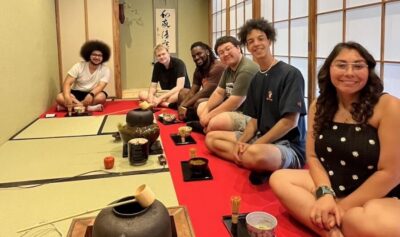
Browse the lists this tour appears in