
Reviewed · TEA CEREMONIES
Make Traditional Nerikiri Sweets & Matcha experience in Shibuya
Slow down in central Tokyo. This hands-on class takes you from sample designs to your own original nerikiri, then pairs your creations with freshly prepared matcha in a local home. I especially like the maximum group size of four, which gives Hana time to help each person, and the easy location, just three minutes from Omotesando Station.
The class is also a fine choice for families, vegetarians, vegans, and anyone who wants a practical skill to take home. The main consideration is its short 90-minute format: you will learn the basics and make four sweets, but this is an introduction rather than a full pastry course.
In This Review
- Four things worth knowing before you book
- Meeting Hana near Omotesando Station
- A local-home setting instead of a formal cooking school
- Learning what makes nerikiri different
- Four designs, four chances to improve
- Matcha and a relaxed tea-table lesson
- Why families and older children fit so well
- Food considerations for vegetarians and vegans
- The value of the $60 price
- Planning the rest of your day around the class
- Who should book this nerikiri class?
- Should you book it?
- FAQ
- Where does the nerikiri and matcha class take place?
- How long does the experience last?
- How many people can join?
- What time can I book the class?
- How many sweets will I make?
- Can I take the sweets home?
- Is the class suitable for vegans and vegetarians?
- What is the cancellation policy?
Four things worth knowing before you book
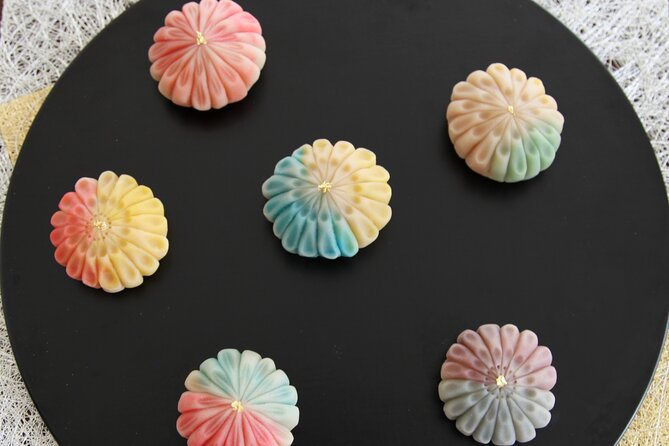
- You make four sweets: Three follow sample designs, while the fourth is your own creation.
- The setting is personal: You meet near CHUMS Omotesando and walk about 30 seconds to the instructor’s home.
- Hana teaches with patience: She has helped children as young as seven, teenagers, adults, and grandparents enjoy the process.
- Matcha is part of the lesson: You learn about matcha preparation and tea etiquette before enjoying tea with Japanese sweets.
- The timing helps your sightseeing: The 9:00 AM class finishes before many shops open, leaving the rest of the day for Harajuku and Shibuya.
- The class is small: No more than four people can join, making it easier to ask questions and get help with fine details.
Meeting Hana near Omotesando Station
The experience begins at 5-chōme-2-21 Jingūmae, near CHUMS Omotesando and in front of the brown building. This is a useful meeting arrangement in an area where Tokyo’s streets can become confusing, especially if you are trying to read several similar-looking addresses.
From the meeting point, you walk only about 30 seconds to Hana’s home. That short walk matters because the class does not take place in a large cooking school or a busy commercial kitchen. You get a glimpse of how someone lives in central Tokyo, where space is precious and stylish neighborhoods sit close to ordinary homes.
The location is one of the strongest parts of the experience. Omotesando Station is about a three-minute walk away, and you can reach Harajuku and Shibuya on foot after class. That makes this easy to add to a day around Meiji Shrine, Takeshita Street, Omotesando’s shops, or Shibuya Crossing.
You can choose from three starting times: 9:00 AM, 1:00 PM, or 3:30 PM. I would pick the morning option if your schedule allows. Many stores do not open until around 11:00 AM, so the class gives you something worthwhile to do early, then sends you into the neighborhood just as shopping and sightseeing begin.
More Tea Ceremonies in Tokyo
- Matcha Making Class in Tokyo with Authentic Japanese Sweets Set
★ 5.0 · 744 reviews - Tokyo: Traditional Tea Ceremony with a Tea Master
★ 5.0 · 528 reviews - Tokyo: Matcha Making Experience with Mochi Sweets in Asakusa
★ 4.9 · 388 reviews
A local-home setting instead of a formal cooking school
The home setting gives the class a gentle, personal feel. You are not simply standing at a workstation while an instructor demonstrates a recipe. You sit at a table, work through the sweets with guidance, and have time to ask about Japanese food and daily life.
That setting also means you should arrive ready for a small, intimate activity rather than a polished tourist production. The group limit is four people, and that is a major advantage for a delicate craft. Nerikiri depends on small movements, careful shaping, and color placement, so individual help is more useful than a large lecture.
Hana’s teaching style receives especially strong praise. She explains the techniques clearly, breaks complicated-looking designs into manageable steps, and encourages people who feel unsure about their artistic ability. That last point matters. Your first sweet may look less like a flower and more like a cheerful edible meteor, but the process is meant to be enjoyable, not judged.
Parents and grandparents have found the class easy to share with children. A seven-year-old enjoyed the activity with help from Hana, while a 10-year-old made a successful Pikachu design. Older children and teenagers also have enough creative freedom to make the class feel like more than a basic children’s craft.
Learning what makes nerikiri different
Nerikiri is a traditional Japanese confection made from ingredients that include bean paste, sugar, and other components. It is valued not only for sweetness but also for appearance, seasonality, and the careful details built into each piece.
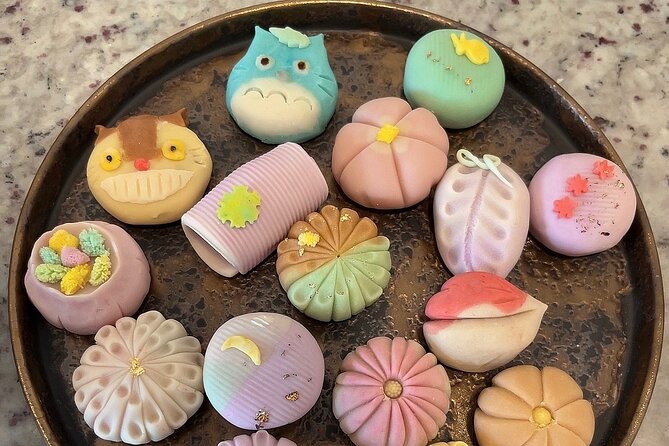
The class begins with a choice of sample designs. You select three shapes to reproduce, following Hana’s demonstration and guidance. The exact examples can vary, but the designs shown in past classes have included flowers, cherry blossoms, pumpkins, Hello Kitty, Totoro, Pikachu, and other playful forms.
This gives you a useful balance. You learn established shaping methods first, then get room to experiment. If you are not confident with crafts, the sample designs give you a clear target. If you already enjoy drawing, modeling, or decorating food, the final piece lets you try something personal.
You make the fourth sweet from your own idea. That can be a character, an animal, a flower, or a simple abstract design. The creative choice is one of the best reasons to book this class instead of a demonstration where you only watch someone else work.
Nerikiri rewards patience. The sweets are small, and the attractive results come from details such as color, layering, and the shape of the outer surface. Hana guides you through these steps without rushing. Several people have noted that the class allows enough time to work carefully, which is important because hurrying would take away much of the pleasure.
You should not expect professional-level results on your first attempt. You can expect to understand how the basic forms are built and to leave with four sweets you made yourself. Everything you create can be taken home, although the most enjoyable plan is to eat at least some of it during the tea portion.
Four designs, four chances to improve
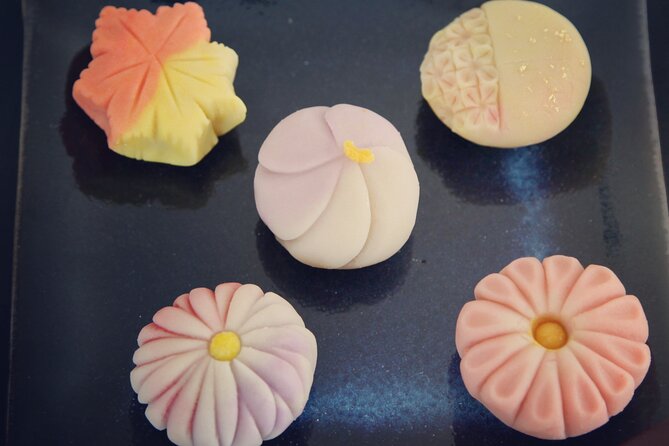
The three sample sweets function almost like a short progression. Your first piece helps you understand how the paste responds to pressure and shaping. By the second and third, you have a better sense of how much color and force to use.
The final original design changes the mood. Instead of copying a model, you decide what you want to make. Families may enjoy creating recognizable characters, while adults may prefer a seasonal flower or a simpler design that shows off the colors.
I like this structure because it avoids two common problems with craft classes. You are not left with an entirely blank canvas at the start, and you are not forced to copy the same item four times. The session teaches technique, then gives you a chance to use it.
Hana’s individual attention is particularly helpful here. Her guidance has helped people who described themselves as clumsy or inexperienced, and she also encourages participants who naturally bring strong artistic ideas. Children can receive extra support while adults continue working on their own sweets.
The finished pieces are edible, but they are also small works of food art. You may find yourself taking more photos than expected before eating them. That is not a complaint. The visual side of nerikiri is central to understanding why these sweets occupy such a special place in Japanese confectionery.
A completely different kind of day out:
- Tokyo Disney Resort – Tokyo Disneyland & Tokyo DisneySea Park Tickets
★ 4.8 · 99,488 reviews - SHIBUYA SKY Ticket
★ 4.7 · 46,509 reviews - JR Whole Japan Rail Pass
★ 4.8 · 29,150 reviews - Mt Fuji and Hakone 1-Day Bus Tour Return by Bullet Train
★ 5.0 · 26,383 reviews
Matcha and a relaxed tea-table lesson
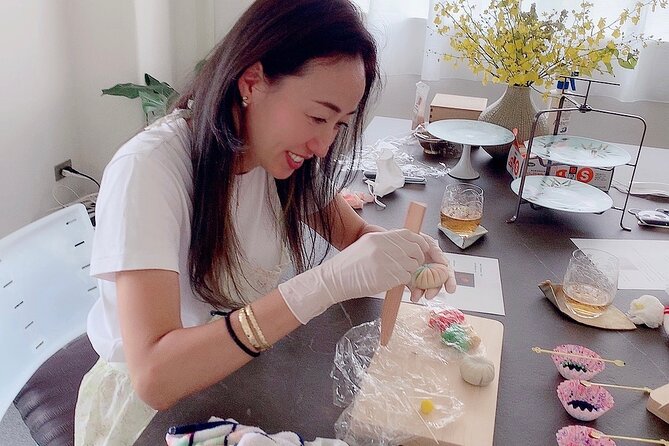
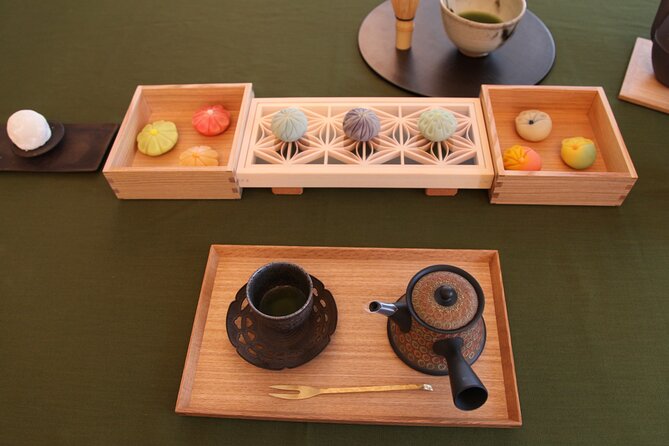
After the sweets are made, the class turns to matcha. You learn about preparing the tea and take part in a table-style tea ceremony, with matcha served alongside carefully selected Japanese sweets sourced from different parts of Japan.
This is not presented as a long, formal ceremony with strict silence and elaborate rules. It is a friendly introduction to the customs surrounding matcha. You can learn how the tea is prepared, how it is served, and why the sweets are paired with it.
The tea portion gives the class a calm finish. After concentrating on tiny details, you sit down and taste the results. The bitter, grassy flavor of matcha works well with sweet confections, and the contrast helps you understand the pairing rather than simply consuming a sugary snack.
For many people, this may be their first direct experience with matcha etiquette. Hana’s patient approach makes the lesson accessible, even if you do not know the traditional gestures in advance. You are there to learn, not to pass an exam in tea ceremony.
The class also includes a hot drink and four sweets in total. That is a modest amount of food, but it is enough for a 90-minute cultural activity. You should not book it as a replacement for lunch. Book it because the food is the lesson, the creative project, and the tasting at the end.
Why families and older children fit so well
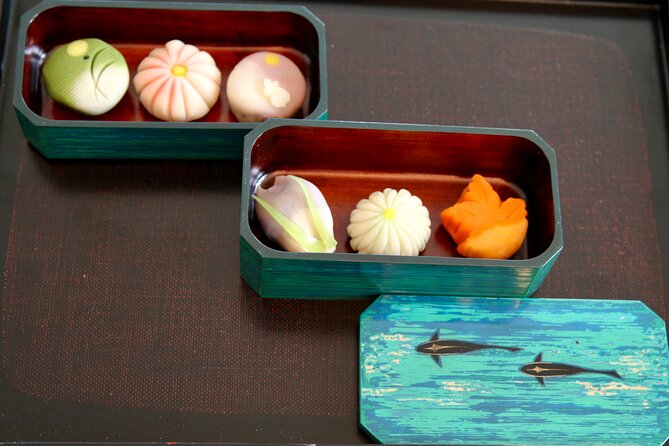
This class works across a wider age range than many Tokyo food activities. Young children can take part with help, teenagers can make their own designs, and adults can focus on the craft and cultural context.
The activity has several family advantages. There is no need to spend the whole session walking, the group is small, and the finished sweets give children a clear result to work toward. Hana has also shown care in helping a child focus on their own piece while a parent continues with theirs.
That said, young children may need close supervision because the class involves food preparation and fine hand movements. The provided information says the experience is suitable for all ages, but it does not list a specific minimum age or stroller details. If you are booking for a very young child, ask the provider about the practical setup first.
The class can also suit a multigenerational outing. A grandparent and grandchild can work side by side without needing the same level of physical energy. For a family trip, this is a pleasant change from Tokyo’s train stations, crowds, and long sightseeing days.
Food considerations for vegetarians and vegans
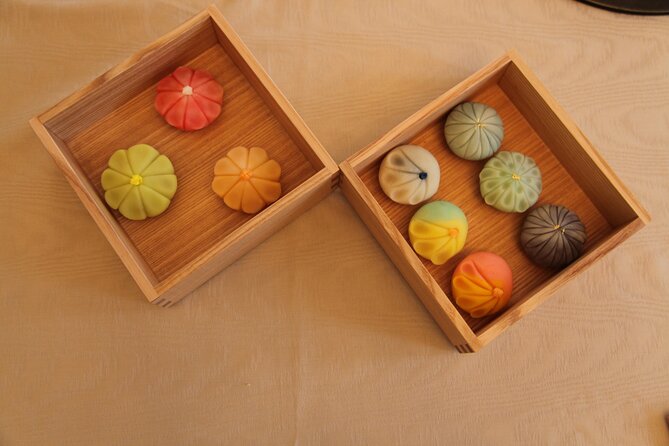
The experience is described as suitable for vegans and vegetarians, which makes it easier to fit into a Japan itinerary where traditional sweets can sometimes contain unexpected ingredients.
If you have a more specific dietary concern, contact Hana before the class. One participant with halal concerns received follow-up communication about ingredients and possible substitutions. That is a good reason to raise questions at booking rather than waiting until you arrive.
The supplied details do not provide a complete ingredient list. If you have allergies or strict dietary rules, ask about bean paste, flavorings, coloring, and any other ingredients before paying. The class is designed to welcome different diets, but your own needs may require confirmation.
The value of the $60 price
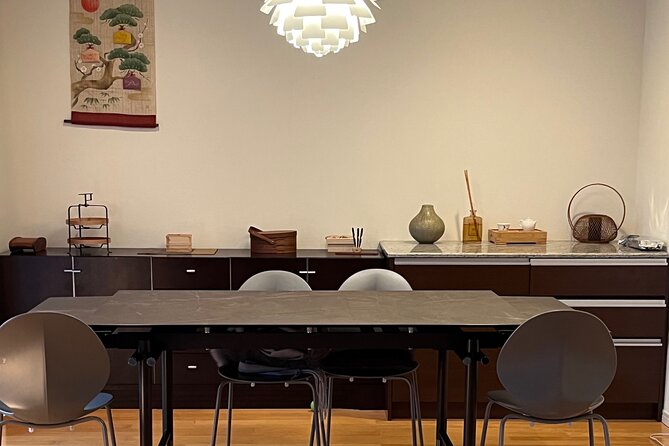
At $60 per person, this is not the cheapest snack stop in Tokyo. You are paying for more than four sweets, though. The price covers a 90-minute, small-group lesson, an instructor’s time, matcha preparation, a hot drink, Japanese sweets for the tea table, and the chance to take your own creations home.
The group limit makes the price easier to justify. With no more than four participants, you get direct help instead of watching a demonstration from the back of a crowded room. That personal guidance is especially useful when shaping the sweets or trying to create an original design.
You also receive something that can last beyond the afternoon. The techniques are simple enough to practice later, provided you can find the ingredients and tools. The class will not turn you into a professional wagashi maker, but it gives you a practical starting point and a better understanding of what you are eating in Japanese confectionery shops.
The location adds value. You do not need to spend extra time crossing Tokyo for the activity, and the class fits neatly beside major sights in Harajuku, Omotesando, and Shibuya. If you choose the 9:00 AM start, you can also use the experience to fill the quiet part of the morning.
For a solo visitor, the price buys a social activity in a very small group. For a family, the total cost can add up, but the all-ages format and shared creative experience may make it worthwhile. I would choose it for a special half-day memory, not as a budget meal.
Planning the rest of your day around the class
The class ends back at the meeting point, so you finish in a useful part of Tokyo rather than at an isolated attraction. From there, you can walk toward Meiji Shrine, browse Takeshita Street, explore Omotesando, or continue toward Shibuya Crossing.
The morning session is the easiest to combine with sightseeing. You meet at 9:00 AM, spend about 90 minutes making sweets and learning about matcha, then reach the surrounding attractions as shops begin opening.
The 1:00 PM option works well after a morning at Meiji Shrine or Harajuku. The 3:30 PM session is a pleasant late-afternoon plan, but it may leave less time for shopping afterward. Check your own sightseeing priorities before selecting a start time.
The meeting point is near public transportation, and the activity uses a mobile ticket. Confirmation is received when you book. You can cancel for a full refund if you do so at least 24 hours before the local start time. Changes or cancellations made inside that window are not accepted and are not refunded.
Who should book this nerikiri class?
I would recommend it to you if you want a calm, hands-on cultural activity in central Tokyo. It suits people who like food, design, Japanese customs, and small-group experiences more than fast sightseeing or large guided tours.
Families should give it serious consideration, especially with children who enjoy crafts or Japanese characters. Older children and teenagers have enough freedom to make the original sweet their own, while younger ones can work with Hana’s help.
It is also a good fit for first-time visitors who want an easy introduction to Japanese culture. You do not need prior experience with wagashi or matcha, and the English-language teaching described by participants makes the instructions approachable.
You may want to skip it if you dislike sweet foods, have severe dietary restrictions that cannot be confirmed in advance, or prefer a long, formal tea ceremony. The session is friendly and practical, not an exhaustive study of tea tradition.
Should you book it?
Yes, if you value personal teaching and a small creative project. The strongest reasons are Hana’s patient instruction, the four-person maximum, the local-home setting, and the mix of copying traditional designs with making one original piece.
The $60 cost is fair for a focused 90-minute activity that includes four sweets, matcha, a hot drink, and food-making skills you can try again. Choose 9:00 AM if you want to pair it with Harajuku and Meiji Shrine, and contact Hana ahead of time about any strict dietary needs.
FAQ
Where does the nerikiri and matcha class take place?
The meeting point is at 5-chōme-2-21 Jingūmae, Shibuya, Tokyo 150-0001, Japan, near CHUMS Omotesando. From there, you walk with the instructor for about 30 seconds to her home.
How long does the experience last?
The activity lasts approximately 1 hour and 30 minutes.
How many people can join?
The class has a maximum of four travelers.
What time can I book the class?
Available start times are 9:00 AM, 1:00 PM, and 3:30 PM.
How many sweets will I make?
You will make four nerikiri sweets. Three use designs chosen from examples, and the fourth is your own original design.
Can I take the sweets home?
Yes. Everything you make can be taken home with you.
Is the class suitable for vegans and vegetarians?
Yes. The experience is described as suitable for vegans and vegetarians.
What is the cancellation policy?
You can cancel at least 24 hours before the local start time for a full refund. Cancellations or changes made less than 24 hours before the start are not accepted and are not refunded.
More Dessert Tours in Tokyo
- Private Mochi Sweets Making class near Shibuya area
★ 5.0 · 93 reviews - Japanese Traditional Sweets making and Tea Ceremony
★ 4.7 · 50 reviews - Tokyo Local Food Tour: Noodles, Skewers, Dumplings, Sweets
★ 5.0 · 48 reviews - Tokyo: Two Types of Japanese Sweets Making and Tea Ceremony
★ 4.6 · 26 reviews
Just added in Tokyo
- Manga Lesson with a Professional Japanese Manga Artist in Nakano★ 5.0 · 77 reviews
- Making a bento box with cute character look in Japan★ 5.0 · 15 reviews
- Tokyo/Ikebukuro Manga drawing workshop by pro-Manga artists★ 5.0 · 65 reviews
- Make Your Own Bonsai with a Professional Bonsai Artist in Tokyo★ 4.5 · 18 reviews
- Luxury Tokyo Sake, Cocktail, Whisky and Pairing Tour★ 5.0 · 18 reviews
- Tokyo Ueno Food & Nature & Localtown Tour: 10Dishes+ Drinks★ 5.0 · 34 reviews
- Daikoku Parking Tokyo Drift & APIT Car Meet JDM Culture Tour★ 5.0 · 79 reviews
- Official Sumo Tournament Ticket with Guided Experience★ 4.5 · 19 reviews
Tea Ceremonies, compared.
Tea Ceremony in a Traditional Tea House in Kiyomizu
Read our review →
World Heritage Kyoto & Nara Uji Authentic Matcha Experience
Read our review →
Browse the lists this tour appears in