
Reviewed · TEA CEREMONIES
Private Mochi・Matcha sweets Making Class Near Shibuya Area
Tokyo gets sweeter at home. This private class in Sangenjaya gives you personal instruction from Sakura, a wagashi teacher, as you make mochi and nerikiri in an authentic Japanese house. I especially like the small-group setting, with no more than eight people, and the chance to learn about Japanese culture instead of simply eating a finished dessert. The included matcha and optional tea ceremony add a calm final note.
I also like that Sakura shares tips for the rest of your Tokyo visit along the way. Families have enjoyed making daifuku together, and one child-friendly session included strawberry daifuku, shaved ice with dango, and other sweets. The main consideration is the home setting: there is a toy poodle named Choco, so this class is not a good choice if you have a dog allergy.
In This Review
- Key points at a glance
- Why this Sangenjaya class feels different
- Meeting Sakura at an authentic Japanese house
- Making mochi, the sticky Japanese favorite
- Shaping nerikiri with patience and care
- The tea room and simple matcha ceremony
- What the two-hour schedule means for you
- Why the private format matters
- Families, couples, and first-time visitors
- Practical details before you reserve
- Should you book this mochi class?
- FAQ
- Where does the mochi-making class take place?
- How long does the activity last?
- What sweets can I learn to make?
- Is matcha included?
- Is the tea ceremony required?
- How many people can join?
- Is the class suitable for children?
- Is there a dog at the class location?
- Are service animals allowed?
- Can I cancel for a full refund?
Key points at a glance

- A real home kitchen in Sangenjaya: You meet at 1-chōme-11-13 Sangenjaya, in Setagaya City, rather than at a large cooking school.
- Two classic Japanese sweets: The class focuses on mochi and nerikiri, with some sessions offering variations such as strawberry daifuku and dango.
- Matcha is part of the lesson: You can finish with matcha and take part in a simple tea ceremony in the home tea room.
- A personal class for up to eight people: Sakura can give more direct help than you would get in a crowded tourist workshop.
- Good for families: Parents have enjoyed the class with children as young as six, and the hands-on work keeps the session active.
- A neighborhood base near Tokyo transport: Sangenjaya is easy to reach by public transportation, with the home a short walk from the train according to the provided directions.
Why this Sangenjaya class feels different
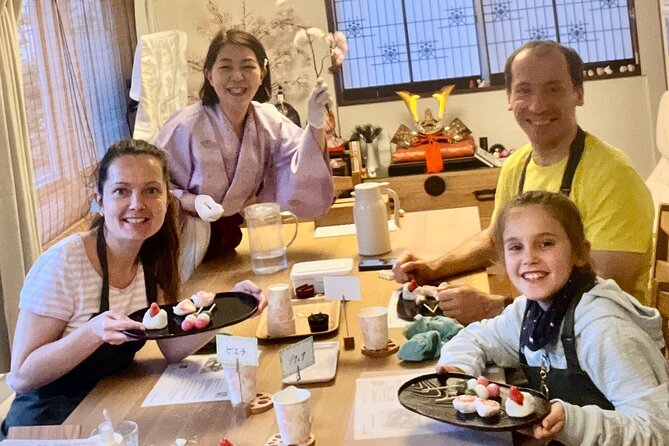
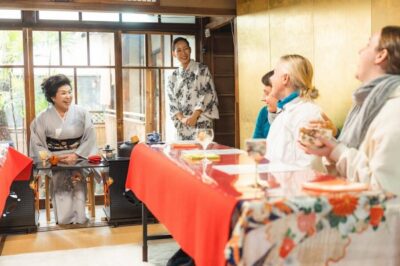
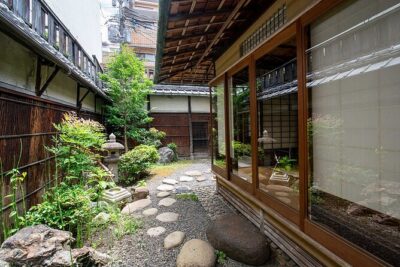
Many Tokyo food activities take place in polished studios built for quick group turnover. This one takes place in an authentic Japanese house. That changes the tone. You are not just following a recipe at a worktable. You are entering someone’s home, seeing a tea room, and learning how traditional sweets fit into daily life and special occasions.
Sakura leads the class, and her approach appears especially suitable for first-time cooks. The instruction is described as foreigner-friendly, patient, and attentive. That matters with mochi, which looks simple but can become sticky, messy, and hard to shape without help.
The class is private, though the maximum group size is eight. That is a useful distinction. A couple or small family may receive close attention, while a larger group can still enjoy a shared activity without being packed into a large public session. If you are booking for a bigger party, ask how the private arrangement applies to your group when you reserve.
The setting also gives you a chance to ask questions that would not fit into a standard restaurant visit. Sakura can explain the cultural importance of mochi, suggest places to visit, and talk about the local area. I would treat that conversation as part of the value, especially if this is your first visit to Tokyo.
More Cooking Classes in Tokyo
- Sushi Making Tokyo Roll and Authentic Japanese Sushi Class
★ 5.0 · 3,971 reviews - Tokyo: Roll and Authentic Sushi Making Class in Asakusa
★ 4.9 · 1,957 reviews - Tokyo Shinjuku Chopsticks Making Class
★ 5.0 · 1,763 reviews
Meeting Sakura at an authentic Japanese house
The meeting point is 1-chōme-11-13 Sangenjaya, Setagaya City, Tokyo 154-0024, Japan. The activity begins and ends at this same point. Sangenjaya is near public transportation, and the home is described as a short walk from the train in a pleasant neighborhood.
That location is useful if you want a break from central Tokyo’s busiest shopping streets. The class is advertised as near the Shibuya area, but the actual meeting point is in Sangenjaya. Check your route carefully and allow enough time to find the exact address, since a private home does not have the same obvious entrance as a major attraction.
Once inside, you can expect a welcoming home environment rather than a formal culinary school. There is a toy poodle named Choco in the house. For some people, that adds warmth to the visit, and one family particularly enjoyed the dog. If you have a dog allergy, the provider advises against booking this class.
The house setting may also require a little flexibility. You should be comfortable entering a private residence, following household guidance, and working in a more intimate space. In return, you get a type of contact with local life that a commercial kitchen rarely provides.
Making mochi, the sticky Japanese favorite
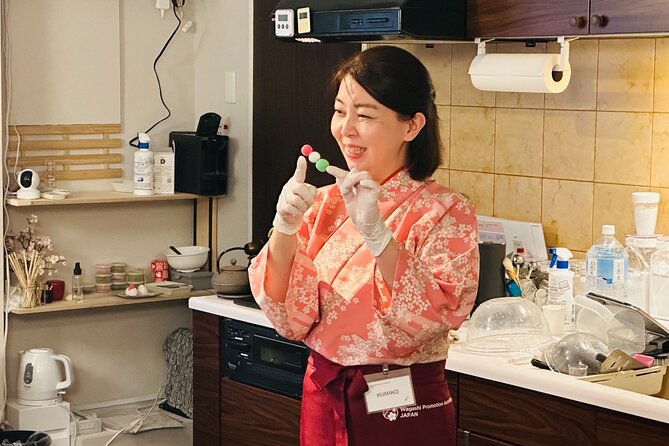
Mochi is made from glutinous rice and is known for its soft, stretchy texture. In this class, you learn the process rather than simply receiving a sweet from a shop. Sakura explains the ingredients and demonstrates the techniques, then helps you shape your own pieces.
That hands-on part is the heart of the activity. Mochi dough can be challenging to handle, especially if you are trying to make neat rounds or wrap a filling. Personal guidance makes the class less frustrating and gives you a better sense of how the texture should feel.
The exact menu can vary. The class description centers on mochi or nerikiri, while specific sessions have included three kinds of mochi, two types of strawberry daifuku, shaved ice with dango, and other sweets. Daifuku usually pairs mochi with a filling, making it a fun way to see how one basic dough can become several different desserts.
You should not assume every booking includes every sweet mentioned in past sessions. The available menu may depend on the date, season, or class arrangement. Ask ahead if you have your heart set on strawberry daifuku or another particular item.
The cultural explanation adds useful context. Mochi is not just a chewy snack. It has an important place in Japanese culture and is connected with celebrations and traditions. Learning that background while making the food helps you recognize why it appears so often in Japanese shops, homes, and seasonal customs.
I particularly like this balance of practical work and cultural explanation. You leave with more than a recipe. You understand why the sweet matters.
Shaping nerikiri with patience and care
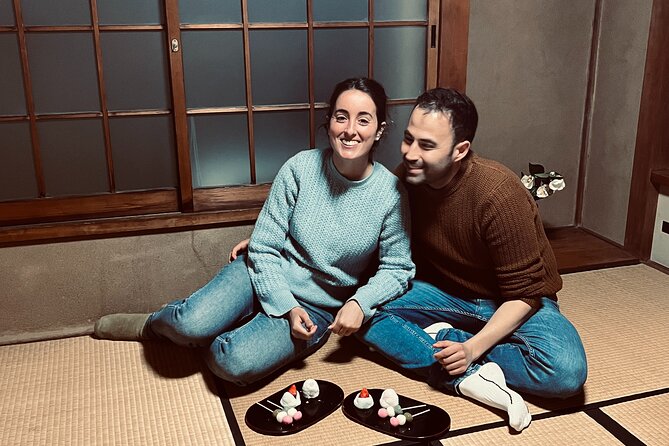
Nerikiri is another traditional Japanese sweet, often made from a white bean paste mixture and shaped into decorative forms. It is closely linked with Japanese tea culture, where appearance and season matter as much as sweetness.
The provided details do not specify the exact nerikiri designs or seasonal motifs used in each class. You might find that the shape changes by date. What you can expect is an introduction to the ingredients, shaping process, and presentation of this refined wagashi style.
Nerikiri may appeal to you if you enjoy careful craft work. The process is less about speed and more about creating a pleasing form. Children can take part, but younger participants may need extra help from an adult or from Sakura. The class has worked well for families, including one with a six-year-old child.
Mochi and nerikiri also offer a helpful contrast. Mochi is playful and tactile, while nerikiri introduces a more delicate side of Japanese sweets. Learning both gives you a broader picture of wagashi than a quick tasting at a department-store food hall.
More Tea Ceremonies in Tokyo
- Matcha Making Class in Tokyo with Authentic Japanese Sweets Set
★ 5.0 · 744 reviews - Tokyo: Traditional Tea Ceremony with a Tea Master
★ 5.0 · 528 reviews - Tokyo: Matcha Making Experience with Mochi Sweets in Asakusa
★ 4.9 · 388 reviews - Tokyo: Matcha and Kimono Experience
★ 4.7 · 219 reviews
The tea room and simple matcha ceremony
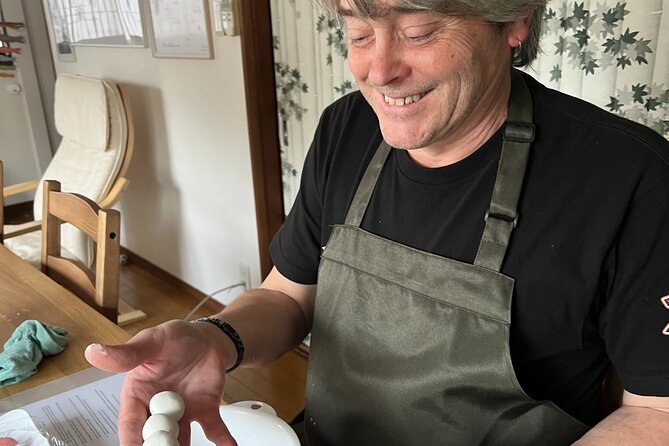
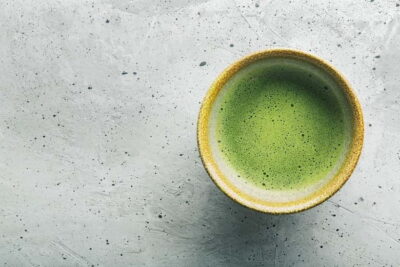
After the sweets are made, you can enjoy matcha in the home tea room. The tea ceremony is described as simple and optional, so you do not need previous knowledge or special preparation.
This is not presented as a full formal tea ceremony with an extended sequence of rituals. That is a benefit for many visitors. You receive an accessible introduction without needing to memorize rules or sit through a long presentation. Sakura can explain the basic setting while you taste the matcha with the sweets you prepared.
The pairing makes sense. Wagashi is traditionally served with tea, and the slight bitterness of matcha balances the sweetness of the desserts. It also gives the two-hour class a quieter ending after the active work of mixing and shaping.
If you are sensitive to bitter flavors, matcha may be an adjustment. Still, trying it in this setting gives you a better introduction than ordering an unfamiliar green drink without context. You can take part in the ceremony if you want to, but the optional format keeps the activity comfortable for different interests.
What the two-hour schedule means for you
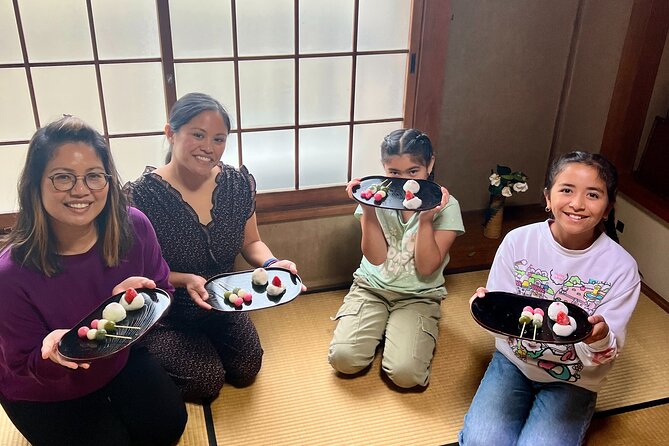
The class lasts about two hours. That is long enough to include instruction, preparation, shaping, tasting, and the tea portion without taking up an entire day in Tokyo.
The exact order may vary, but the flow should include:
- Arrival at the Sangenjaya home
- An introduction to mochi, nerikiri, ingredients, and Japanese sweets culture
- Demonstration and hands-on preparation
- Shaping and finishing the sweets
- Matcha and a simple tea ceremony, if you choose to take part
- Time for questions and Tokyo recommendations
- Return to the same meeting point at the end
A two-hour activity is easy to fit between sightseeing plans, but I would avoid booking it too tightly against another timed attraction. You need time to reach the home, and the private format may include conversation that makes the session feel less rushed.
The class ends back at the meeting point, so you do not need to arrange a separate pickup. Since the activity is near public transportation, you can continue exploring Tokyo afterward. Sangenjaya itself can also work as a useful base for a meal or a neighborhood walk, although no restaurant stop is included in the class.
Why the private format matters
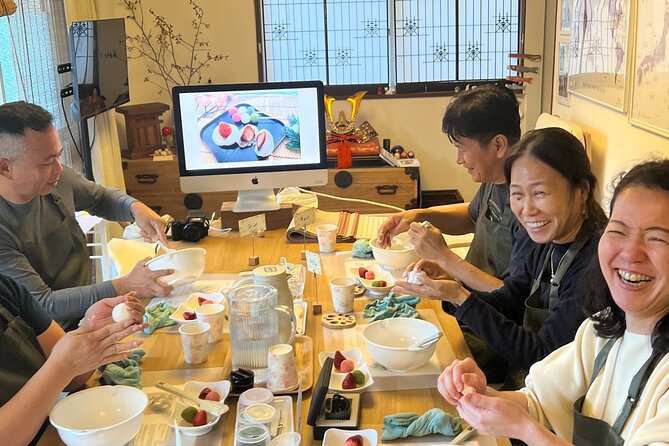
The advertised price is $78.83 per person. That is not the cheapest way to taste mochi in Tokyo. You can buy individual sweets from shops and department-store food halls for far less.
But the comparison is not really between a dessert and a dessert. Here, your fee covers a private lesson, ingredients, instruction, cultural background, handmade sweets, matcha, and access to a home tea room. If you value participation and personal attention, the price is reasonable for a two-hour activity in Tokyo.
The private format is especially useful for families and small groups. One parent can help a child while Sakura assists with difficult steps. Couples can ask more questions. Groups of friends can share the work and compare their results without being mixed into a large public class.
Group discounts are available, which may improve the value for a larger booking. Since the maximum is eight people, this could work well for a family reunion or a small group of friends. I would check the final price for your exact party size before booking, since the listed per-person price may not reflect the group discount.
The strongest value comes from the personal connection. Sakura is not only showing you what to do. She can talk about Japanese culture and offer recommendations for the rest of your stay. That local guidance can be useful, especially if you prefer smaller neighborhoods and everyday experiences over a checklist of major sights.
Families, couples, and first-time visitors
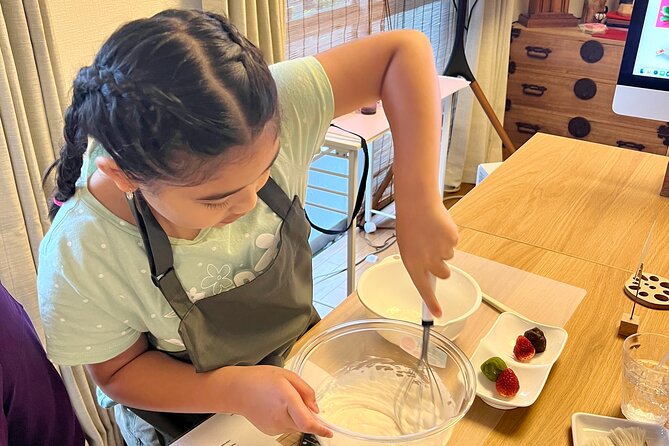
This class suits families particularly well. Making sweets gives children something to do with their hands, and the finished food provides a clear reward at the end. The class has worked for a six-year-old, though children should be supervised around kitchen equipment and hot ingredients if those are used during the session.
Couples may enjoy the home setting and the quieter pace. It is a good choice if you want a shared activity that feels more personal than taking photos at a famous landmark.
First-time visitors can benefit from the cultural explanations and Tokyo suggestions. If you already know Japanese sweets well, you may find the basic instruction less challenging. Even so, the private format lets you ask about details that a standard demonstration might skip.
This is also a useful rainy-day plan, but there is an important policy detail. The activity requires good weather and may be canceled if conditions are poor. In that case, you are offered another date or a full refund. The provider also requires a minimum number of participants, despite the private format, so a cancellation for that reason may lead to a different date, another activity, or a full refund.
Practical details before you reserve
Confirmation is sent within 48 hours of booking, subject to availability. If your Tokyo schedule is tight, do not assume the reservation is final until you receive that confirmation.
Mobile tickets are available, making it easy to keep the booking on your phone. You should still save the meeting address and allow time for the walk from the station. The class is near public transportation, but a private residential address can take longer to locate than a museum or hotel entrance.
Service animals are allowed. The dog allergy warning remains important because a toy poodle lives in the home. If anyone in your party is allergic, choose another activity.
Free cancellation is available until 24 hours before the start time for a full refund. Cancellations or changes made within 24 hours are not refunded or accepted. Use Tokyo local time when calculating the deadline.
The activity receives a 5 out of 5 rating from 22 ratings, with 100 percent recommending it. That is a small sample, so I would not treat it as proof that every session will be perfect. Still, the consistently positive pattern points to the same strengths: Sakura’s warmth, clear instruction, cultural explanations, tasty results, and the welcoming home setting.
Should you book this mochi class?
I would book it if you want to do something rather than simply look at something in Tokyo. The class gives you a private home setting, traditional sweets, matcha, and a chance to talk with Sakura about Japanese culture and the city.
It is best for families, couples, small groups, and first-time visitors who value personal attention. It is less suitable if you have a dog allergy, want a formal full-length tea ceremony, or only want the cheapest possible taste of mochi.
The $78.83 price makes sense when you count the lesson and cultural exchange, not just the food. Check the exact menu if you want a particular sweet, confirm your booking within 48 hours, and leave room in your schedule for the trip to Sangenjaya. If those details work for you, this is a thoughtful and tasty way to add a personal Japanese memory to a Tokyo visit.
FAQ
Where does the mochi-making class take place?
The class takes place at an authentic Japanese house at 1-chōme-11-13 Sangenjaya, Setagaya City, Tokyo 154-0024, Japan.
How long does the activity last?
The class lasts approximately two hours.
What sweets can I learn to make?
The class teaches you to make mochi or nerikiri. Sessions have included strawberry daifuku, dango, shaved ice, and other traditional Japanese sweets.
Is matcha included?
Yes. Matcha is included, and you can take part in a simple tea ceremony in the home tea room if you wish.
Is the tea ceremony required?
No. The tea ceremony is optional.
How many people can join?
The activity has a maximum of eight participants.
Is the class suitable for children?
Yes. Families have taken part successfully, including a family with a six-year-old child.
Is there a dog at the class location?
Yes. A toy poodle named Choco lives in the house.
Are service animals allowed?
Yes. Service animals are allowed.
Can I cancel for a full refund?
Yes, if you cancel at least 24 hours before the experience start time. Cancellations or changes made less than 24 hours before the start time are not refunded or accepted.
More Dessert Tours in Tokyo
- Make Traditional Nerikiri Sweets & Matcha experience in Shibuya
★ 5.0 · 130 reviews - Private Mochi Sweets Making class near Shibuya area
★ 5.0 · 93 reviews - Japanese Traditional Sweets making and Tea Ceremony
★ 4.7 · 50 reviews - Tokyo Local Food Tour: Noodles, Skewers, Dumplings, Sweets
★ 5.0 · 48 reviews
Just added in Tokyo
- Very popular in Harajuku♡Animal petting zoo★ 4.6 · 39 reviews
- Yokohama Port: Private Customizable Tour with Transfer★ 5.0 · 19 reviews
- Wagyu & Sake 8 Course Tasting Dinner in Shinjuku★ 4.9 · 20 reviews
- Warner Bros. Studio Tour Tokyo – The Making of Harry Potter★ 4.8 · 181 reviews
- Yanaka District: Historical Walking Tour in Tokyo’s Old Town★ 4.8 · 117 reviews
- Tokyo: Classic Tsukiji Food Tour★ 4.9 · 78 reviews
- Tokyo: Tsukiji Fish Market Tour with 6 Stops & Seafood Lunch★ 4.5 · 165 reviews
- TOKYO Ultimate Samurai Armor Photo Experience!★ 5.0 · 16 reviews
Tea Ceremonies, compared.
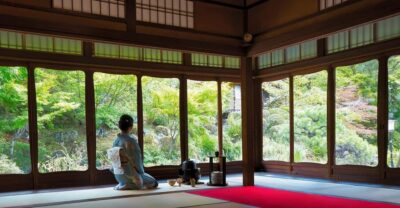
Tea Ceremony in a Traditional Tea House in Kiyomizu
Read our review →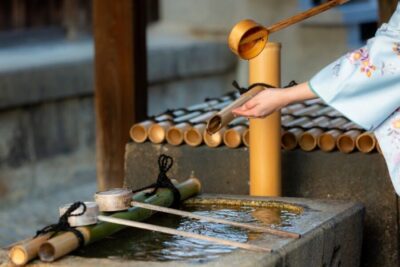
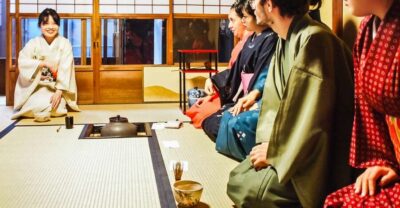
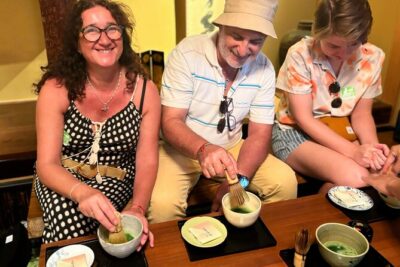
World Heritage Kyoto & Nara Uji Authentic Matcha Experience
Read our review →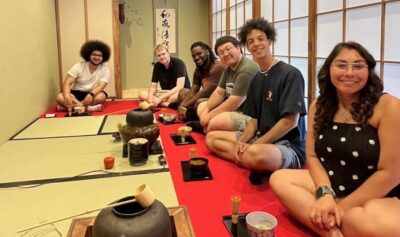
Browse the lists this tour appears in