
Reviewed · COOKING CLASSES
Mochi and Nerikiri Wagashi Combination Cooking Class
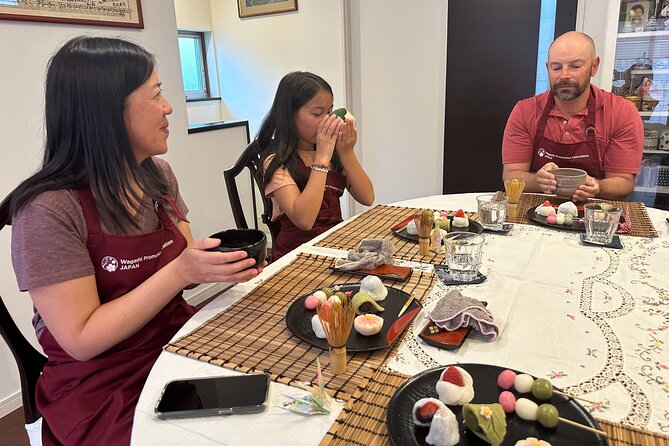
Make sweets, meet a local. This private Tokyo class takes you into Satoko’s home for hands-on mochi and wagashi making, about 15 minutes from the city. I like the personal instruction and the chance to make several traditional sweets, not just watch a demonstration. I also like that you can enjoy your creations with matcha or pack them in a special box.
The main consideration is the prepared dough. You shape and decorate the mochi, but the dough is made and colored in advance. Guests with strong cat allergies should also know that two short-haired cats live in the home, though they stay in another room during class.
In This Review
- Key Details Before You Book
- A Quiet Tokyo Kitchen Instead of a Crowded Food Hall
- The First Lesson: Mochi Made With Glutinous Rice Flour
- Strawberry Daifuku and Seasonal Fruit Choices
- Dango on Skewers, A Simple Sweet With Plenty of Charm
- Shaping Two Nerikiri Designs Around the Seasons
- Matcha With Your Own Handmade Wagashi
- What the Private Format Adds to the Price
- Vegetarian-Friendly, With One Important Allergy Warning
- Who Will Enjoy This Class Most
- Should You Book the Mochi and Nerikiri Class?
- FAQ
- Where does the mochi and nerikiri class take place?
- How long does the cooking class last?
- What sweets will I make?
- Is matcha included?
- Can I take the sweets home?
- Is the class suitable for vegetarians?
- What should I know about pets and allergies?
Key Details Before You Book
- A private class with Satoko: Only your group takes part, so you can ask questions freely and receive close guidance.
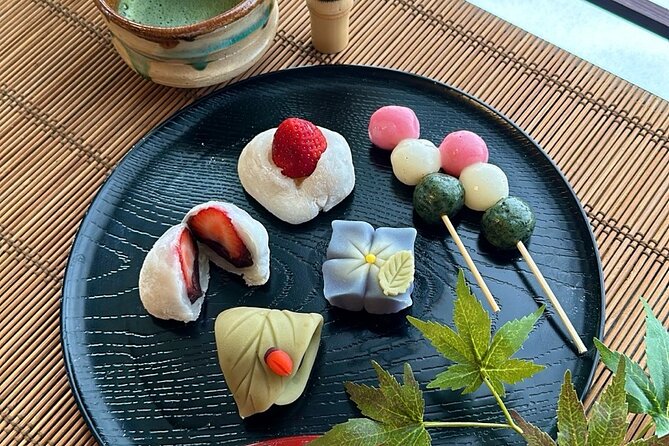
- Several Japanese sweets in one session: You make strawberry daifuku, dango, and two seasonal nerikiri designs.
- A calm home setting: The class offers a quiet break from Tokyo’s crowded streets without requiring a full-day trip.
- Matcha is part of the lesson: You prepare and drink a bowl of matcha alongside your handmade sweets.
- Take-home treats included: An apron, hand towel, wagashi tools, water, and a special takeaway box are provided.
- Vegetarian-friendly recipes: The sweets use plant-based ingredients that are generally easy to find outside Japan.
A Quiet Tokyo Kitchen Instead of a Crowded Food Hall
Tokyo has no shortage of food tours, cooking demonstrations, and polished dessert counters. This class takes a different route. You leave the busy core and spend about two and a half hours in a local home, learning sweets at a relaxed pace.
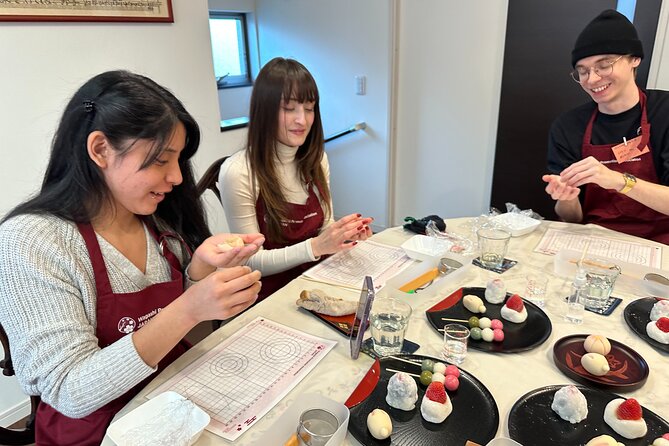
I like the private format right away. You do not need to compete with a large group for a place at the worktable, and you can ask for help each time a piece of dough refuses to cooperate. That matters with wagashi, where small changes in pressure can affect the final shape.
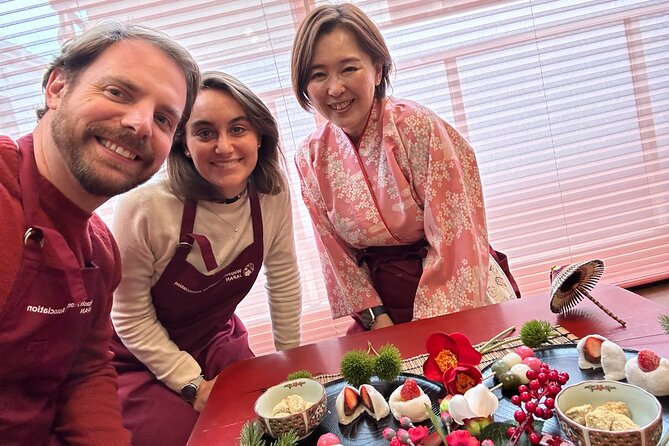
The home setting also gives the class a personal feel. Satoko welcomes you into her own space and teaches the sweets as food with a place in daily Japanese life, not simply as colorful objects for a photograph. The class includes an introduction to the history of mochi and different ways to eat it, giving you useful context before you begin shaping anything.
The address is 20-15 Kitaminemachi in Ota City. The activity begins and ends there, and the meeting point is near public transportation. You will need to arrange your own transport, since private transportation is not included. Bring the exact meeting details with you and allow enough time to reach a residential neighborhood rather than a major sightseeing stop.
More Cooking Classes in Tokyo
- Sushi Making Tokyo Roll and Authentic Japanese Sushi Class
★ 5.0 · 3,971 reviews - Tokyo: Roll and Authentic Sushi Making Class in Asakusa
★ 4.9 · 1,957 reviews - Tokyo Shinjuku Chopsticks Making Class
★ 5.0 · 1,763 reviews
The First Lesson: Mochi Made With Glutinous Rice Flour
The class begins with mochi made from glutinous rice flour. This is a practical choice for a short cooking lesson because the recipe is simple, and the ingredients are easy to find in many countries.
You learn how the mochi mixture is used in different sweets rather than treating it as one fixed recipe. That gives the lesson more value after your trip. You can return home and make the same sweets for family and friends without needing unusual equipment or hard-to-find products.
The dough used for shaping is prepared and colored in advance. This keeps the two-and-a-half-hour session manageable, but it also means you are not making every part from the beginning. If you want a full technical lesson on cooking and coloring mochi dough, this is a limitation. If you want to learn shaping, filling, decoration, and presentation without spending hours on preparation, it is a sensible tradeoff.
You also have access to a tutorial video, which can help you remember the process later. The special wagashi tools are provided for the lesson, so you do not need to arrive with equipment of your own.
Strawberry Daifuku and Seasonal Fruit Choices
One of the main sweets is strawberry daifuku, a soft mochi wrapper around sweet filling and a whole strawberry. It is a good introduction to the balance that makes daifuku so enjoyable: chewy outer dough, smooth filling, and fresh fruit at the center.
Strawberry daifuku depends on the season. When strawberries are not available, pineapple or kiwi is used instead. That change is worth knowing before booking because the fruit in your class may not match the image you have in mind. It is not a problem for the lesson, but it does affect the flavor and appearance of the finished sweet.
The hands-on part is the important bit. You learn to stretch and close the mochi around the filling, then shape it into a neat piece. The dough can be sticky, and getting an even wrapper takes care. Satoko’s patient instruction is particularly useful here. One guest, Billy, praised her kindness and patience, along with the way she helped arrange the finished sweets for attractive photographs.
I like that the class does not treat imperfect shapes as a failure. Handmade wagashi should show the maker’s work. You get the pleasure of creating something by hand, rather than receiving a factory-perfect confection from a shop counter.
Dango on Skewers, A Simple Sweet With Plenty of Charm
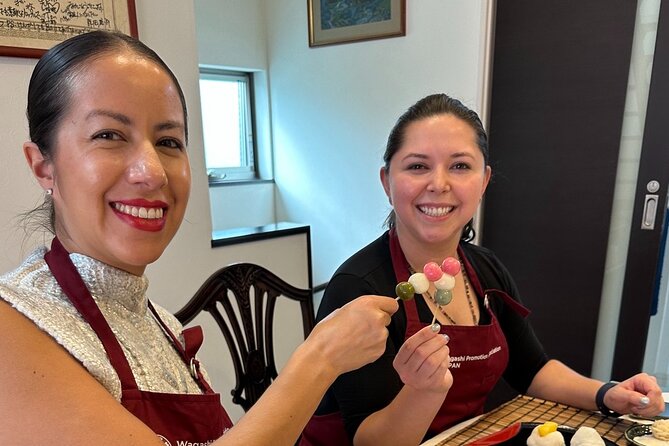
You also make dango, small mochi balls placed on skewers. Compared with daifuku, dango is less about enclosing a filling and more about producing evenly sized pieces with a pleasant, springy texture.
This part gives you a different feel for mochi. Instead of one filled sweet, you work with a group of small balls and learn how presentation changes the eating experience. The skewer makes dango easy to serve and fun to photograph, but it also adds a simple visual rhythm to the plate.
The recipe is approachable for beginners. You do not need previous cooking experience, and the instructor guides you through the steps. If you are taking the class with children, the private format should make it easier to adjust the pace, though the provided information does not specify a minimum age.
The class teaches more than one way to eat mochi, so dango fits into that wider lesson. You learn that mochi is not limited to the familiar filled dessert. The session introduces its broader use in Japanese sweets and food traditions.
A completely different kind of day out:
- Tokyo Disney Resort – Tokyo Disneyland & Tokyo DisneySea Park Tickets
★ 4.8 · 99,488 reviews - SHIBUYA SKY Ticket
★ 4.7 · 46,509 reviews - JR Whole Japan Rail Pass
★ 4.8 · 29,150 reviews - Mt Fuji and Hakone 1-Day Bus Tour Return by Bullet Train
★ 5.0 · 26,383 reviews
Shaping Two Nerikiri Designs Around the Seasons
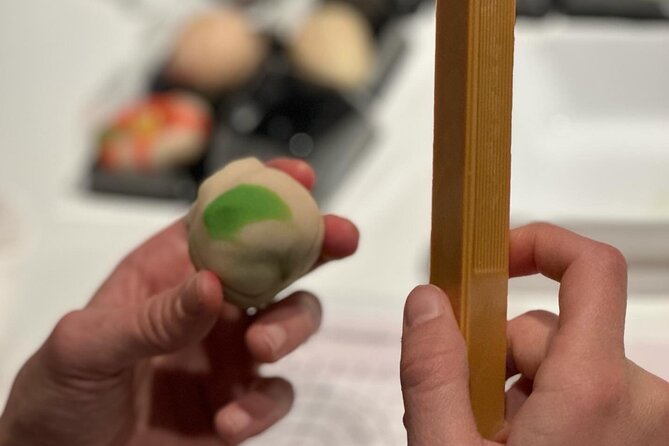
The most artistic part of the class is nerikiri wagashi. You shape the dough into seasonal motifs, with the exact designs changing through the year. You make two kinds of nerikiri during the session.
Nerikiri is the sweet most likely to appeal to anyone who enjoys careful detail. The dough can be formed into flowers, leaves, or other seasonal images, depending on what Satoko is teaching at that time. You are not simply rolling a ball and stopping there. You work on the shape and small surface details that give the sweet its character.
The dough is prepared and colored before the lesson, so your work focuses on forming the motifs rather than making the base. That makes the class accessible, but it also leaves out part of the traditional process. I would view this as an introduction to nerikiri craft, not full confectionery training.
Satoko helps with presentation as well as technique. The finished pieces are arranged to look good on the plate, and photographs are taken during the process. That is a thoughtful extra, especially if you want a record of your first attempt at making seasonal wagashi.
The seasonal element gives each booking a little uncertainty in a good way. You know you will make two nerikiri sweets, but the motifs may change. If a particular flower or design matters to you, ask about the current seasonal pattern before booking.
Matcha With Your Own Handmade Wagashi
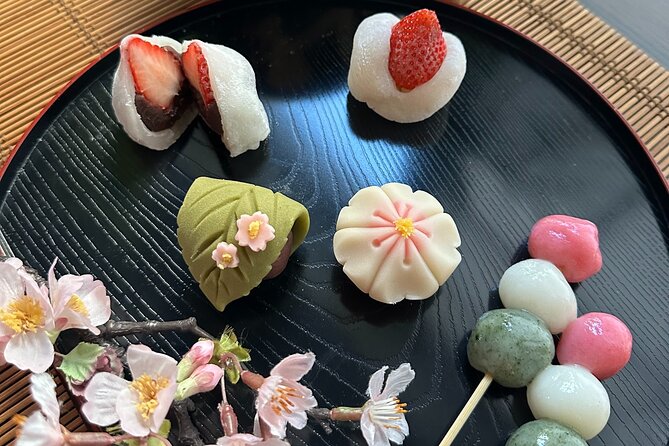
After the sweets are finished, you can taste them with a bowl of matcha. You make the tea with Satoko’s guidance, so the matcha becomes part of the lesson rather than just a drink placed beside the desserts.
This pairing gives the class a quiet final chapter. After the concentration needed for shaping and decorating, you can sit down and try everything together. The matcha’s bitter flavor works well with sweet wagashi, and the combination helps explain why these sweets are often served in a measured, thoughtful way.
You can eat your creations during the class or take them with you in a special box. I prefer having both options. Eating them fresh lets you enjoy the texture at its best, while taking them away gives you a small edible souvenir for later.
The class also includes drinking water. An apron and hand towel are provided, which keeps the practical side easy. You can focus on the food instead of worrying about bringing protective clothing or special tools.
What the Private Format Adds to the Price
The listed price is $85.66 per person, and the class runs about two hours and 30 minutes. That is not the cheapest way to try a Japanese sweet, especially if your main goal is simply to eat daifuku. Tokyo shops can satisfy that craving for far less.
The value comes from the combination of instruction, private attention, several sweets, matcha, tools, photographs, and a takeaway box. You are paying for time with a local teacher and for the chance to make the food yourself. A private booking also means the cost may make more sense for a couple, family, or small group than for a solo visitor watching a large demonstration.
Group discounts are available, though the exact discount is not provided. Check the price for your party before assuming the per-person rate will change. The mobile ticket is useful for a Tokyo day when you may not want to carry printed paperwork.
The class is booked, on average, 51 days in advance. That suggests you should reserve early if your dates are fixed, particularly if you want a private session during a popular travel period. Confirmation is provided at the time of booking.
Free cancellation is available if you cancel at least 24 hours before the start time. A cancellation within 24 hours is not refunded, and late changes are not accepted. The cut-off follows Tokyo local time, so check the clock carefully if you are changing plans from another country.
Vegetarian-Friendly, With One Important Allergy Warning
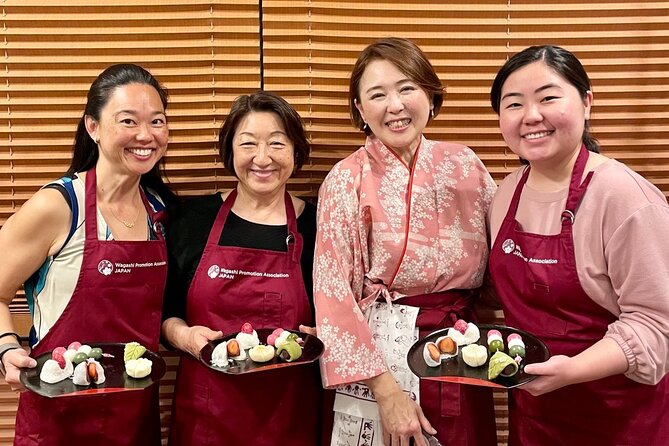
The recipes use plant-based products, making the class appropriate for vegetarians. The ingredients are also described as simple and easy to find in your own country. That makes this one of the more useful cooking activities for someone who wants to continue the recipes after returning home.
The information provided does not list every ingredient or address every dietary restriction. If you have a serious allergy or a specific food concern, contact the provider before booking rather than relying only on the general vegetarian description.
The home has two short-haired cats. They remain in the bedroom during the lesson, but the class is not recommended for anyone with a strong cat allergy. This is the main health consideration mentioned for the activity.
The setting is part of the appeal, but it also means you are entering a private home rather than a commercial cooking studio. That can feel more personal and relaxed. It may not suit you if you prefer a formal classroom with professional kitchen facilities.
Who Will Enjoy This Class Most
I would recommend this class to first-time visitors who want a small, local activity with real participation. You get a break from major sightseeing areas without giving up access to Tokyo’s food culture.
It also suits people who enjoy crafts, design, and photography. Nerikiri rewards patience, and the finished sweets can be arranged beautifully. Satoko’s help with plating and photographs adds extra value if you want more than a quick cooking lesson.
Vegetarians have a clear reason to consider it, since the recipes are plant-based. Families and small groups may also appreciate the private format, especially when people learn at different speeds.
You may want to skip it if you dislike sweet foods, have a strong cat allergy, or want to cook every component from raw ingredients. The prepared and colored dough keeps the lesson efficient, but it limits the amount of full recipe preparation you do yourself.
You should also think about your Tokyo schedule. The class lasts 150 minutes, and you must get to and from Kitaminemachi on your own. It is easy to pair with nearby plans, but it is not a quick drop-in dessert stop.
Should You Book the Mochi and Nerikiri Class?
Book this experience if you want to make Japanese sweets in a quiet home with one-on-one attention. The strongest reasons are the private setting, Satoko’s patient teaching, the variety of sweets, and the chance to finish with matcha and a boxed souvenir.
I would especially choose it for a small group that values personal instruction over a low-cost snack. You will leave with practical recipes, new shaping skills, seasonal designs, and a better sense of how mochi is used in Japanese food culture.
Skip it if you need a fully from-scratch cooking class, cannot be around cats, or have very little time in Tokyo. For everyone else, the $85.66 price is fair for a private two-and-a-half-hour lesson with supplies included, particularly if you take advantage of the takeaway box and recreate the sweets at home.
FAQ
Where does the mochi and nerikiri class take place?
The class takes place at a private home at 20-15 Kitaminemachi, Ota City, Tokyo 145-0073, Japan. It begins and ends at the same meeting point.
How long does the cooking class last?
The activity lasts approximately two hours and 30 minutes.
What sweets will I make?
You will learn to make strawberry daifuku, or pineapple or kiwi daifuku when strawberries are out of season, dango on skewers, and two kinds of nerikiri wagashi. The nerikiri designs change according to the season.
Is matcha included?
Yes. After the cooking lesson, you can make and enjoy a bowl of matcha with guidance from the host.
Can I take the sweets home?
Yes. You can eat your creations with matcha or take them away in a special box provided for the class.
Is the class suitable for vegetarians?
Yes. The recipes use plant-based products and are described as suitable for vegetarians.
What should I know about pets and allergies?
Two short-haired cats live in the home, though they stay in the bedroom during the lesson. The class is not recommended for anyone with a strong cat allergy.
Just added in Tokyo
- Very popular in Harajuku♡Animal petting zoo★ 4.6 · 39 reviews
- Yokohama Port: Private Customizable Tour with Transfer★ 5.0 · 19 reviews
- Wagyu & Sake 8 Course Tasting Dinner in Shinjuku★ 4.9 · 20 reviews
- Warner Bros. Studio Tour Tokyo – The Making of Harry Potter★ 4.8 · 181 reviews
- Yanaka District: Historical Walking Tour in Tokyo’s Old Town★ 4.8 · 117 reviews
- Tokyo: Classic Tsukiji Food Tour★ 4.9 · 78 reviews
- Tokyo: Tsukiji Fish Market Tour with 6 Stops & Seafood Lunch★ 4.5 · 165 reviews
- Tokyo Wagyu & Sake Pairing Tasting Experience with Local Flavors★ 5.0 · 108 reviews
Cooking Classes, compared.
Sushi Making Tokyo Roll and Authentic Japanese Sushi Class
Read our review →
Roll and Authentic Sushi Making Class in Asakusa
Read our review →
Ramen Cooking Class at Ramen Factory in Kyoto
Read our review →
Sushi Making Class in a Happi Coat near a Famous Spot
Read our review →
Sushi Making Osaka Roll and Authentic Japanese Sushi Class
Read our review →
Tokyo Sushi Making Class in Tsukiji with Professional Chef
Read our review →
Ramen & Gyoza Cooking Class in Tokyo with Local Supermarket Visit
Read our review →Browse the lists this tour appears in