
Reviewed · COOKING CLASSES
Private Mochi Sweets Making class near Shibuya area
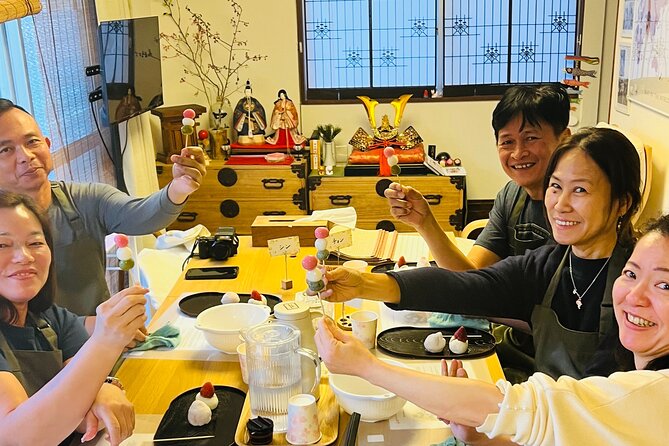
Mochi tastes better when you make it yourself. In Sakura’s Tokyo home near Shibuya, you learn to shape fruit daifuku and dango by hand, then sit down with Japanese tea to enjoy the results. I especially like the small group setting and the chance to hear about mochi’s place in Japanese culture from a local host. The main consideration is practical: the class is held upstairs, and a dog lives in the home, so it may not suit anyone with a dog allergy.
This is more than a quick cooking demonstration. You take part in each stage, from preparation to shaping, with Sakura guiding you patiently. I also like that the sweets use no gluten, alcohol, or additives, and that children can take part without the lesson becoming too technical or rushed.
In This Review
- Key points to know before booking
- A home visit in Sangenjaya, not a staged cooking studio
- Sakura’s teaching style makes the class easy to follow
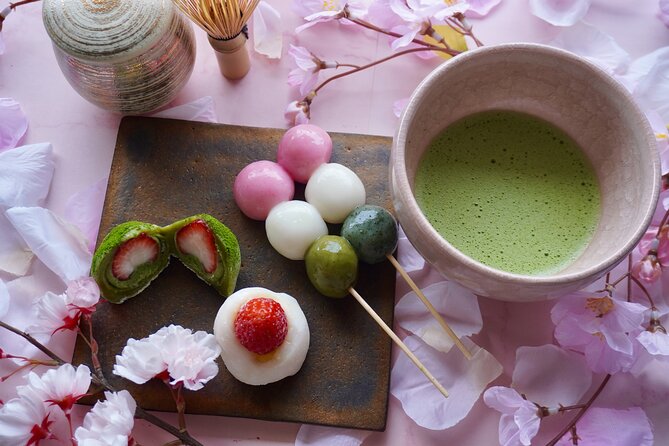
- What you make: fruit daifuku and dango
- A little cultural context gives the sweets more meaning
- Tea time is part of the experience, not an afterthought
- Why the two-hour schedule works
- The price is fair for a personal Tokyo activity
- Who will enjoy this class most
- Practical tips for a smoother visit
- Should you book Sakura’s mochi class?
- FAQ
- Where does the mochi-making class take place?
- How long does the experience last?
- What sweets will I make?
- Is the class suitable for children?
- What drinks are included?
- Are ingredients such as gluten or alcohol used?
- How many people can join?
- Is cancellation free?
Key points to know before booking
- A real home setting: Sakura welcomes you into her home in Sangenjaya, a local neighborhood a short walk from public transit.
- Hands-on from start to finish: You make fruit daifuku and dango yourself rather than simply watching a demonstration.
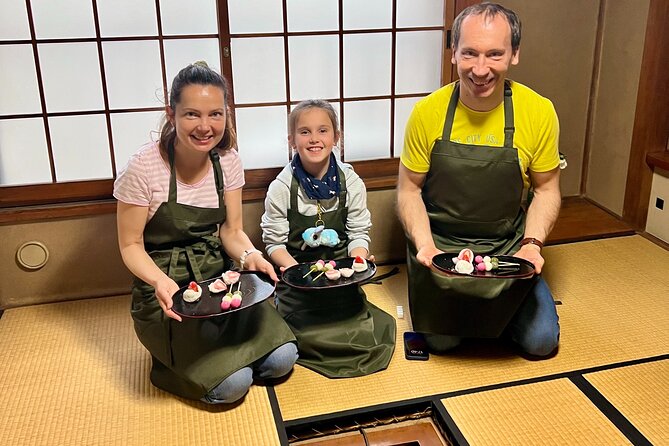
- A strong family choice: Children and teenagers have enjoyed the gentle teaching style, and Sakura has experience teaching young learners.
- Tea and take-home treats included: Matcha, Japanese green tea, or decaffeinated black tea is served, and a take-out bag is provided.
- Small maximum group: The class accepts no more than eight people, allowing Sakura to offer individual help.
- Plan for stairs and a dog: The venue is on the second floor, with stairs, and a household dog is present.
A home visit in Sangenjaya, not a staged cooking studio

The class begins at 1-chōme-11-13 Sangenjaya in Setagaya City, near Shibuya. Sangenjaya gives you a different side of Tokyo from the large crossings and department stores. It is a residential area with pleasant streets to explore before or after your lesson.
That setting matters. You are not entering a polished restaurant kitchen built for large groups. You are being welcomed into Sakura’s own home, where the class feels personal and connected to everyday Japanese life. The atmosphere has been described as peaceful, friendly, and comfortable, which is exactly the tone you want for a food activity.
You should allow a little time to find the address and arrive ready for a home visit. The meeting point and return point are the same, and private transportation is not included. You will need to make your own way there using Tokyo’s public transportation system.
The house is on the second floor, reached by stairs. This is an important detail for anyone with mobility concerns, heavy luggage, or small children who may need help climbing.
There is also a dog in the home. The dog has been a friendly presence during classes, but the operator specifically does not recommend the experience for anyone with a dog allergy. Service animals are allowed, though you should consider the household setting carefully before booking.
More Cooking Classes in Tokyo
- Sushi Making Tokyo Roll and Authentic Japanese Sushi Class
★ 5.0 · 3,971 reviews - Tokyo: Roll and Authentic Sushi Making Class in Asakusa
★ 4.9 · 1,957 reviews - Tokyo Shinjuku Chopsticks Making Class
★ 5.0 · 1,763 reviews
Sakura’s teaching style makes the class easy to follow
Sakura has taught more than 1,000 people from over 35 countries in her home and has also been invited to Switzerland as a guest instructor. Those details suggest a host who is used to explaining Japanese sweets to people with different cooking backgrounds and levels of English.
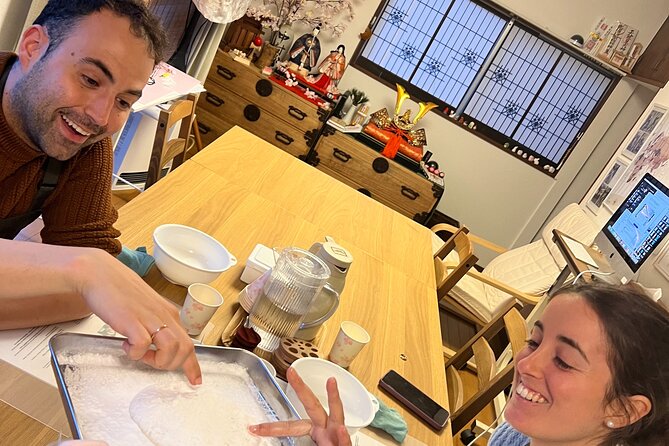
The lesson is not built around watching Sakura work while you stand back. You take part in the process yourself. That makes the class more rewarding, but it also means you should expect to use your hands, follow instructions, and accept that your first pieces may look less tidy than Sakura’s.
Her approach is patient and gentle. This is especially useful for families. Children as young as eight and nine have enjoyed shaping and eating the sweets, while teenagers and adults have also found the activity satisfying. Sakura has raised two children, and her teaching style reflects that experience. She knows how to keep young participants involved without talking down to them.
English communication is described as easy, and the lesson includes clear explanations. You do not need previous experience making wagashi or Japanese sweets. If you have tried cooking classes that move too quickly, the group limit of eight should help here.
What you make: fruit daifuku and dango
The main food activity centers on two classic Japanese sweets: fruit daifuku and dango.
Daifuku combines soft mochi with a sweet filling. In this class, the fruit version is part of the lesson. The work is hands-on, so you will shape the outer mochi and learn how to enclose the filling. This is the part where patience helps. Mochi can be soft and sticky, and neat shaping takes practice.
Dango has a different texture and form. These small dumplings are shaped, cooked, and generally enjoyed on skewers or with a topping. The class gives you the chance to make dango as well as daifuku, letting you compare two sweets that are both associated with Japanese food culture but feel quite different to prepare.
The recipes contain no gluten, alcohol, or additives according to the experience details. That is useful for many people, though you should still communicate any individual food allergies or dietary needs before booking. The provided information does not list every ingredient or promise an allergy-free kitchen, so do not assume the class can accommodate every restriction.
The recipes are also practical for home cooks. Several participants have appreciated that the ingredients are available outside Japan, which means you can try making the sweets again after your holiday. Sakura also offers tips that make the process less mysterious once you return home.
A little cultural context gives the sweets more meaning
Mochi is not just a chewy snack. Sakura explains when Japanese people eat it and why it matters in Japanese culture. The class includes background on traditional recipes and the cultural role of mochi, so you gain more than a recipe to copy.
That short cultural lesson is valuable because mochi appears in several parts of Japanese life, from seasonal occasions to everyday sweets. Understanding that context helps you notice the food differently during the rest of your time in Japan.
The class has also included a slideshow introducing mochi and its significance. The exact format may vary, but you should expect some explanation before or during the cooking. In one session, dango haiku and matcha preparation were also part of the experience. These extras add a playful cultural touch, though the core activity remains making and eating mochi and dango.
I like this balance. You receive enough background to understand what you are doing, but the class remains active. You are not sitting through a long lecture about food history.
A completely different kind of day out:
- Tokyo Disney Resort – Tokyo Disneyland & Tokyo DisneySea Park Tickets
★ 4.8 · 99,488 reviews - SHIBUYA SKY Ticket
★ 4.7 · 46,509 reviews - JR Whole Japan Rail Pass
★ 4.8 · 29,150 reviews - Mt Fuji and Hakone 1-Day Bus Tour Return by Bullet Train
★ 5.0 · 26,383 reviews
Tea time is part of the experience, not an afterthought
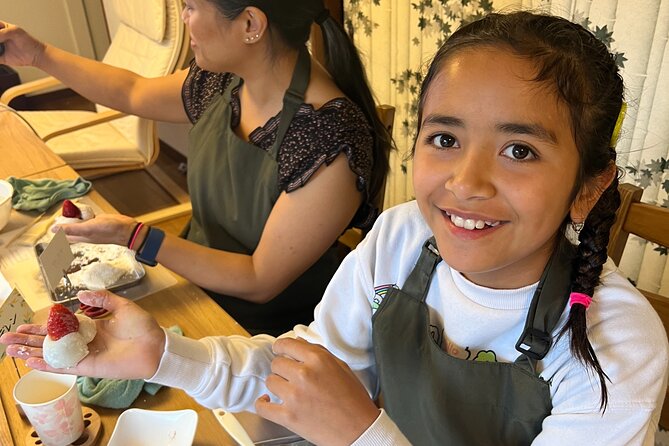
After making the sweets, you sample your work with Japanese green tea or matcha. If you avoid caffeine, decaffeinated black tea is available.
This final step gives the class a proper rhythm. You prepare the sweets, sit down, taste them, and talk with Sakura about what you have made. It is a simple way to slow down after Tokyo sightseeing.
The results are part of the fun. Your daifuku may not have the perfect finish of a shop-bought sweet, but the flavor carries a personal connection because you made it yourself. Some people find that the homemade pieces disappear quickly, especially when children are involved.
A take-out bag is included, so you can bring leftover treats back to your hotel. An apron is also available to rent. Bottled water, soda, brunch, and alcohol are not included, so do not arrive expecting a full meal or a drinks package. This is a sweets lesson with tea, not a substitute for lunch.
Why the two-hour schedule works
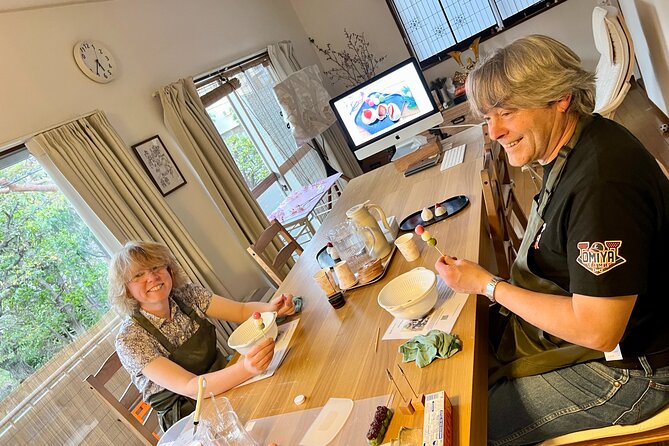
The class lasts about two hours. That is long enough to include instruction, preparation, shaping, cooking, cultural explanation, and tasting without taking over your day.
I would place it on a day when you are already visiting the Shibuya or Setagaya area. Sangenjaya is the only stated stop, and the activity returns to the same meeting point, so you will not spend the lesson moving between several attractions.
The timing also suits families. Two hours gives children enough time to make something from scratch, but it is not such a long session that attention becomes a problem. Adults can enjoy the cultural side while younger participants focus on the hands-on work.
A small group maximum of eight is another advantage. In a large cooking class, you may struggle to get help when dough sticks to your fingers or a shape goes wrong. Here, Sakura can give more direct attention. Some bookings have been much smaller, including couples who had the session to themselves, but you should be prepared for a group of up to eight.
The price is fair for a personal Tokyo activity
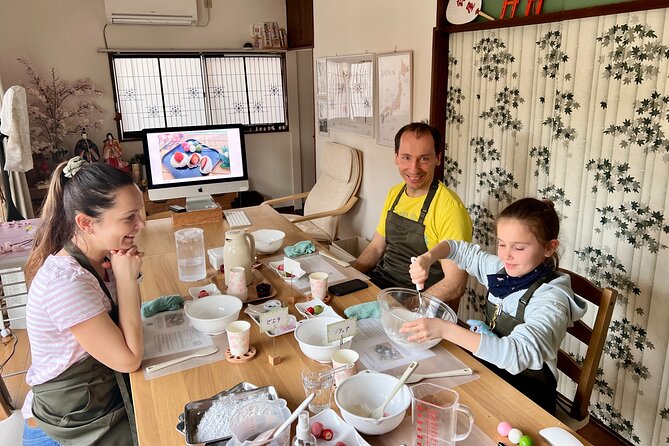
At $79.28 per person, this is not the cheapest way to eat mochi in Tokyo. You can buy excellent Japanese sweets from a shop for far less.
That comparison misses the point, though. You are paying for about two hours of instruction, a local home visit, cultural background, tea, the ingredients, your own handmade sweets, and a take-out bag. You also receive a personal activity that does not feel like simply buying a packaged souvenir.
The value is strongest if you want participation rather than sightseeing. Families, couples, and small groups can share the work and keep the memory. Group discounts may also improve the price for larger bookings.
I would not choose this class if you only want to sample several kinds of professionally made wagashi, or if your schedule is already packed with major Tokyo sights. I would choose it if you want a calm break from the city and a useful skill you can attempt at home.
Who will enjoy this class most
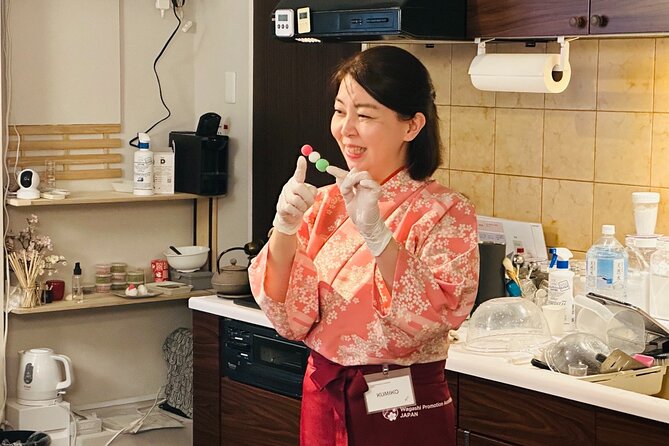
This experience fits several kinds of visitors especially well:
- Families with children who enjoy making food with their hands
- Couples looking for a quieter activity near Shibuya
- First-time visitors who want contact with ordinary home life in Tokyo
- Mochi fans who want to understand how daifuku and dango are prepared
- Small groups seeking a team-building activity
- Anyone who likes taking home a skill rather than only a photograph
It also works well for people who have already seen Tokyo’s major neighborhoods and want something more personal. The Sangenjaya location gives you an excuse to walk through a local area instead of spending the entire day around the biggest tourist centers.
The experience may not suit you if you have a dog allergy, cannot manage stairs, or prefer a formal commercial kitchen. It may also be less appealing if you dislike sticky foods or want a class focused on a full savory meal.
Practical tips for a smoother visit
Wear clothes you do not mind cooking in, even though aprons are available to rent. Mochi-making is not a spectator sport, so you will be handling ingredients and shaping the sweets directly.
Arrive with enough time to reach the home without rushing. The meeting point is in Sangenjaya, and the activity ends there. Since transport is not included, check your route before leaving your hotel.
If you have a food allergy or special diet, contact the provider before the class. The sweets are described as free of gluten, alcohol, and additives, but the available details do not list all ingredients or cross-contact procedures.
If you are bringing children, the class is a good fit for families, but adults should still supervise younger children around cooking steps and hot ingredients. Sakura’s gentle instruction helps, but it does not replace parental attention.
The class requires good weather, and poor conditions can lead to a rescheduled date or a full refund. You can cancel for a full refund up to 24 hours before the start time. Changes or cancellations inside that period are not accepted, so keep your Tokyo schedule fairly settled.
Should you book Sakura’s mochi class?
I would book this class if you want a personal, hands-on activity and you like the idea of entering a real Tokyo home. Sakura’s patience, international teaching experience, and warm approach make the lesson suitable for beginners and families. The tea, cultural explanation, and take-home bag add useful touches without turning the class into an all-day commitment.
At $79.28, the price is justified by the instruction and hospitality, not by the amount of food alone. You are buying time with a local host and the chance to make something you can recreate later.
Check the stairs, dog policy, and meeting location before booking. If those details work for you, this is a strong choice for a quieter side of Tokyo, especially near the start or end of a family holiday.
FAQ
Where does the mochi-making class take place?
The class takes place at 1-chōme-11-13 Sangenjaya, Setagaya City, Tokyo 154-0024, Japan. It is near the Shibuya area and close to public transportation.
How long does the experience last?
The class lasts approximately two hours.
What sweets will I make?
You will learn to make traditional Japanese sweets including fruit daifuku and dango.
Is the class suitable for children?
Yes. The instructor, Sakura, has experience teaching children, and children and teenagers have enjoyed the hands-on lesson.
What drinks are included?
Japanese green tea or matcha is included. Decaffeinated black tea is available for anyone who does not want caffeine.
Are ingredients such as gluten or alcohol used?
The fruit daifuku and dango are described as containing no gluten, alcohol, or additives. You should still discuss individual allergies or dietary needs before booking.
How many people can join?
The maximum group size is eight people.
Is cancellation free?
You can cancel up to 24 hours before the start time for a full refund. Cancellations or changes made less than 24 hours before the start time are not accepted for a refund.
More Dessert Tours in Tokyo
- Matcha Making Class in Tokyo with Authentic Japanese Sweets Set
★ 5.0 · 744 reviews - Tokyo: Matcha Making Experience with Mochi Sweets in Asakusa
★ 4.9 · 388 reviews - Japanese Traditional Sweets making and Tea Ceremony
★ 4.7 · 50 reviews - Tokyo Local Food Tour: Noodles, Skewers, Dumplings, Sweets
★ 5.0 · 48 reviews
Just added in Tokyo
- A One-of-a-Kind Sushi Experience in a Special Place of Japan★ 5.0 · 15 reviews
- Tokyo Cute Bento Cooking Class – Make a Kawaii Character Lunchbox★ 5.0 · 126 reviews
- Japanese Home Cooking Class & Walk in Todoroki Temple Tokyo★ 5.0 · 88 reviews
- Japan Tokyo Tower Observatory Deck E-Ticket★ 4.0 · 34 reviews
- Catch a Baseball Game in Tokyo with a Local – Tickets Included★ 5.0 · 24 reviews
- JDM Experience with Fast&Furious RX-7 (English speaking Driver)★ 5.0 · 57 reviews
- Tokyo Private Day Tour by Car with English speaking Driver Guide★ 4.0 · 29 reviews
- Japan Classic 10 Day – One Life Adventures★ 5.0 · 129 reviews
Cooking Classes, compared.
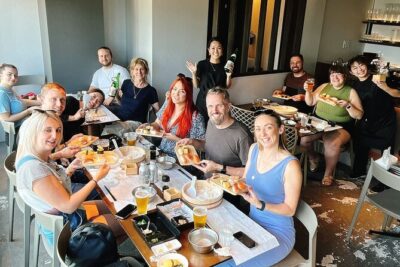
Sushi Making Tokyo Roll and Authentic Japanese Sushi Class
Read our review →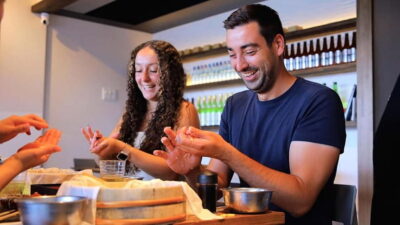
Roll and Authentic Sushi Making Class in Asakusa
Read our review →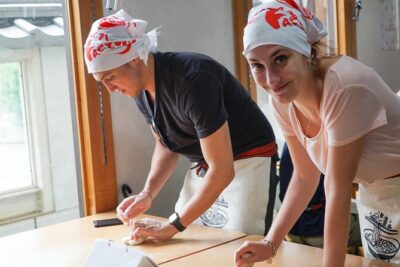
Ramen Cooking Class at Ramen Factory in Kyoto
Read our review →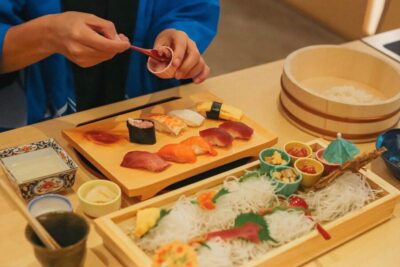
Sushi Making Class in a Happi Coat near a Famous Spot
Read our review →
Sushi Making Osaka Roll and Authentic Japanese Sushi Class
Read our review →
Tokyo Sushi Making Class in Tsukiji with Professional Chef
Read our review →
Ramen & Gyoza Cooking Class in Tokyo with Local Supermarket Visit
Read our review →Browse the lists this tour appears in