
Reviewed · DESSERT TOURS
Japanese Sweets (Mochi & Nerikiri) making at a Private studio
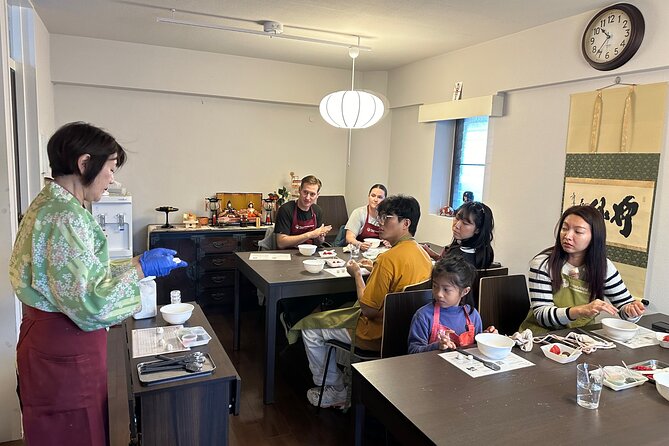
Make sweets, then learn their meaning. This two-and-a-half-hour class at a private Tokyo home offers hands-on practice with strawberry daifuku, three-color dango, and seasonal nerikiri. I like the small group of up to eight and the chance to meet a local teacher in her own home. I also like that you finish with matcha and an English recipe sheet, though the class requires you to reach the Meguro meeting point on your own.
This is not a quick demonstration followed by a bite-sized sample. You mix, knead, color, shape, and taste the sweets you make. The main consideration is that children under four cannot attend, observers cannot sit in on the class, and the optional mochi add-on must be requested in advance.
In This Review
- Key points at a glance
- Why this wagashi class is worth your Tokyo time
- Arriving in Meguro and meeting your instructor
- The opening talk: mochi, seasons, and festivals
- Making strawberry daifuku from scratch
- Shaping three-color dango on skewers
- Creating seasonal nerikiri wagashi
- Matcha, hospitality, and the final tasting
- What the teachers do especially well
- Families, couples, and solo participants
- Practical value at $91.96
- Should you book this wagashi experience?
- FAQ
- Where does the Japanese sweets class meet?
- How long does the experience last?
- What sweets will I make?
- Is tea included?
- Can children attend?
- Can I cancel for a refund?
Key points at a glance
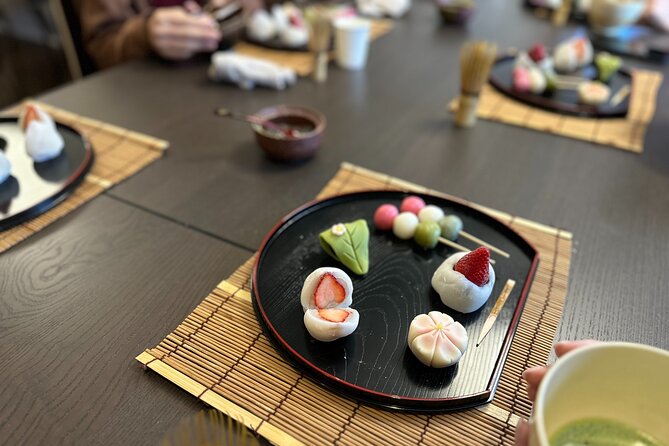
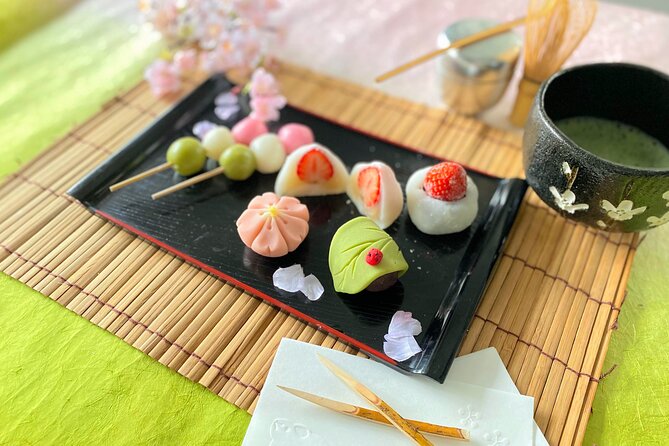
- Three Japanese sweets in one class: Make strawberry daifuku, three-color dango, and seasonal nerikiri wagashi.
- A private-home setting: Meet your instructor at a local Tokyo residence near public transportation in Meguro.
- A class with cultural context: Learn how mochi connects to Japanese seasons, festivals, hospitality, and tea ceremony.
- A useful family activity: Children age four and older can take part, and several families have enjoyed the class with children and teenagers.
- Small-group attention: With a maximum of eight people, you should have time to ask questions and get help with shaping.
- A practical souvenir: Take home an English recipe sheet, with video access also provided in at least some class arrangements.
Why this wagashi class is worth your Tokyo time
Tokyo has no shortage of food experiences. Some are polished demonstrations where you watch a professional work, take a photo, and eat a sample. This class gives you more to do. You work through the basic steps yourself, including mixing ingredients, kneading dough to the right texture, and shaping sweets with your own hands.
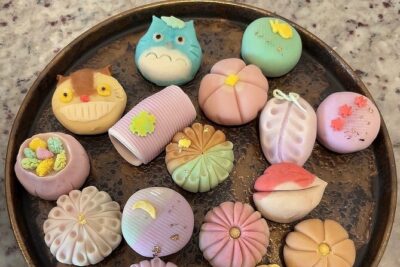
That matters most with nerikiri. These small wagashi sweets are known for careful color, form, and seasonal design. A finished piece may look simple, but getting the dough smooth and the shape balanced takes patience. The class lets you see that craft up close without requiring you to sign up for a long culinary course.
The setting adds something special. You meet at a private home at President Meguro Heights in Meguro City, rather than at a large cooking school or hotel kitchen. This gives the experience a personal feel and opens the door to practical conversation about daily life, Tokyo shopping, and places to visit. The instructor has also advised participants on where to find wagashi tools and ingredients for making the sweets at home.
At $91.96 per person, this is not the cheapest food activity in Tokyo. Still, the price includes the lesson, tasting, apron, tea, and recipe sheet. You are also paying for direct instruction in a small class, not just a packaged snack. I see the best value here for people who want a cultural activity with a lasting skill attached.
A few more options to weigh up in Tokyo
- Matcha Making Class in Tokyo with Authentic Japanese Sweets Set
★ 5.0 · 744 reviews - Tokyo: Matcha Making Experience with Mochi Sweets in Asakusa
★ 4.9 · 388 reviews - Make Traditional Nerikiri Sweets & Matcha experience in Shibuya
★ 5.0 · 130 reviews
Arriving in Meguro and meeting your instructor
The starting point is Japan, 〒153-0063 Tokyo, Meguro City, Meguro, 1-chōme-3-16, President Meguro Heights. The class is near public transportation, but hotel pickup and drop-off are not included. Plan extra time to find the building and arrive ready to begin.
You should check the exact meeting instructions after booking. A private residence is different from a clearly marked sightseeing attraction, so careful attention to the address matters. The experience ends back at the same meeting point.
Morning and afternoon start times are available. That makes the class easy to fit around a Tokyo sightseeing day. A morning session can lead into lunch and an afternoon in Meguro, while an afternoon session may work well after a slower start to the day.
The class is generally booked about 48 days ahead, so I would not leave it until the last few days of a short Tokyo visit. Confirmation comes at booking, and free cancellation is available until 24 hours before the start time. If the minimum number needed to run the class is not reached, you can choose another date or receive a full refund.
The opening talk: mochi, seasons, and festivals
The class begins with a short presentation about mochi traditions and the role of mochi in Japanese culture. This opening gives the food some context before you start working with it.
Mochi is not just one single sweet. The teacher explains different types and how they connect with seasons and festivals. That background helps you understand why shape, color, and timing matter in Japanese confectionery. A small pink or white sweet may carry more meaning than its size suggests.
The explanation is designed for English-speaking participants. The instructor is a certified Nerikiri Art Instructor and is described as very fluent in English. That is useful during hands-on work, where small changes in texture can affect the final result.
The class also seems to suit people with no previous experience. The teacher demonstrates each process and gives you time to repeat it. Previous participants have especially valued the patience and clear step-by-step teaching, including families making the sweets with children as young as seven and nine.
Making strawberry daifuku from scratch
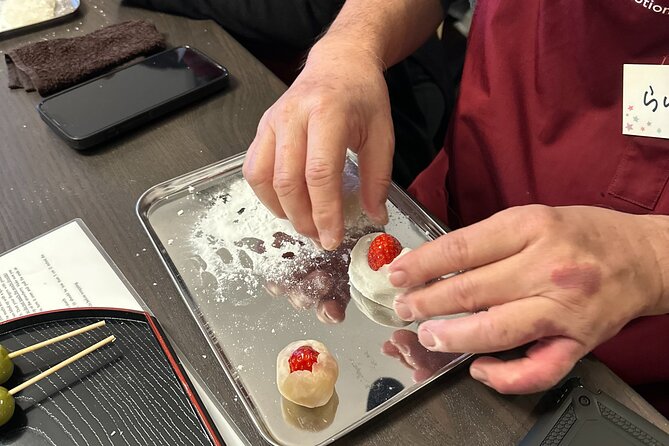
Strawberry daifuku gives you a familiar introduction to mochi. It combines a soft mochi wrapper with sweet filling and a whole strawberry at the center.
You learn how to prepare the dough rather than simply wrapping a ready-made piece. The work includes mixing and kneading until the consistency is right. That texture is the tricky part. Mochi can be sticky and difficult to handle, especially the first time, so the teacher’s guidance is important.
Once the dough is ready, you shape it around the filling and strawberry. The result may not look exactly like a shop-made daifuku, and that is part of the charm. You get a better sense of the skill involved when your own wrapper is slightly uneven.
This section is especially good for families and first-time cooks because the process is tactile and easy to understand. It is also a practical recipe to try again at home. The English recipe sheet gives you a reference after the class, and some participants were also given access to a video to help recall the method later.
A completely different kind of day out:
- Tokyo Disney Resort – Tokyo Disneyland & Tokyo DisneySea Park Tickets
★ 4.8 · 99,488 reviews - SHIBUYA SKY Ticket
★ 4.7 · 46,509 reviews - JR Whole Japan Rail Pass
★ 4.8 · 29,150 reviews - Mt Fuji and Hakone 1-Day Bus Tour Return by Bullet Train
★ 5.0 · 26,383 reviews
Shaping three-color dango on skewers
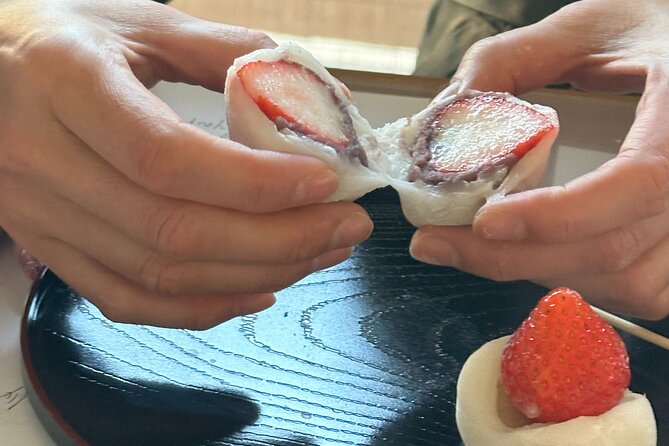
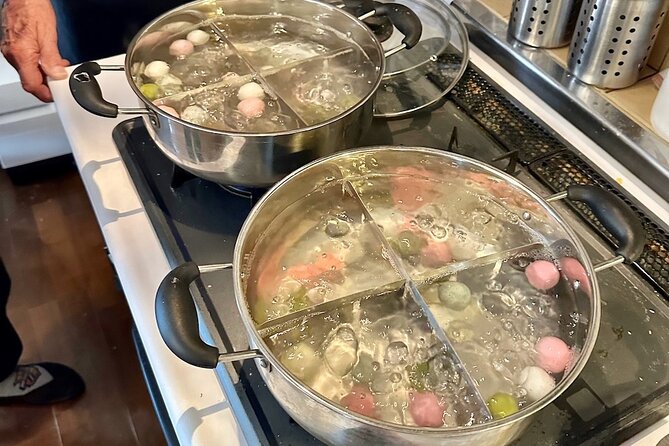
Next comes three-color dango, the round mochi balls served on a skewer. The three colors make this sweet visually appealing, but the class also explains the meaning behind colors and shapes in Japanese culture.
You mix and form the dough into small balls, then arrange them on skewers. The task looks straightforward, but even sizing the pieces takes a little care. This is a good place to slow down and enjoy the process rather than race toward the tasting table.
The dango section gives you another texture and shape to work with. Strawberry daifuku asks you to wrap a filling. Dango asks you to create consistent balls and present them neatly. Together, the two recipes show how Japanese sweets can be both food and small works of seasonal design.
If you request the optional mochi-making class, it may be possible to combine it with this experience. The add-on is not automatic, so ask about it before booking if you want a longer or more focused mochi session.
Creating seasonal nerikiri wagashi
Nerikiri is the artistic heart of the class. The instructor shows you how to make the nerikiri dough, then you color and shape your own sweet into a seasonal motif.
This is where the small class size earns its keep. You need help with the amount of coloring, the pressure used to shape the dough, and the final details. With no more than eight people, the teacher can give more personal attention than you would expect from a large group workshop.
The seasonal design changes the feel of the activity. You are not simply copying a fixed cookie shape. You are learning how Japanese confectionery reflects the time of year through color and form. The symbolism behind those choices is one of the more interesting parts of the class.
Do not expect instant perfection. Nerikiri is a craft, and the finished pieces depend on careful handling. The point is not to produce a professional sweet on your first try. It is to understand the process, appreciate the work involved, and leave with a design you made yourself.
Matcha, hospitality, and the final tasting
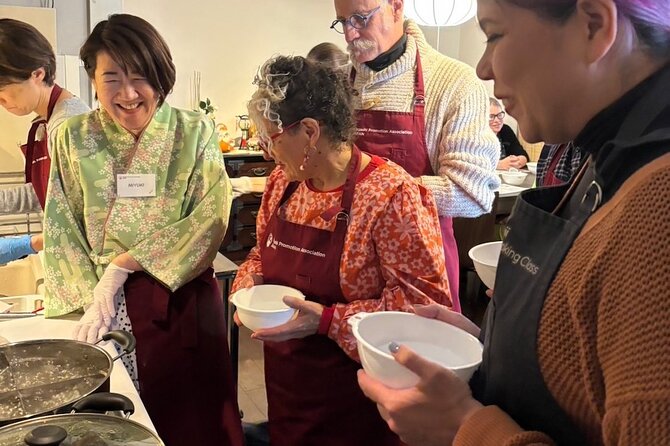
The class ends with a tasting of your sweets alongside matcha green tea. You also learn how to prepare the matcha, which gives the final part a more active role than a simple refreshment break.
There is a short discussion of omotenashi, the Japanese spirit of hospitality, and its place in Chado, the tea ceremony. This links the sweets and tea together. The pairing is not only about balancing sweetness with bitterness. It also shows how presentation, care, and attention shape the Japanese tea experience.
Matcha is included, and another non-caffeinated tea is available. That option is helpful if you do not drink caffeine or prefer not to have matcha. The food is plant-derived and gluten-free, according to the experience details. If you have other dietary needs, you should confirm them before booking rather than assume they can be accommodated.
The tasting is also a pleasant chance to look at the results of your work. You will have made sweets in several forms, then sit down to eat them with tea. That simple finish gives the class a clear beginning, middle, and end.
What the teachers do especially well
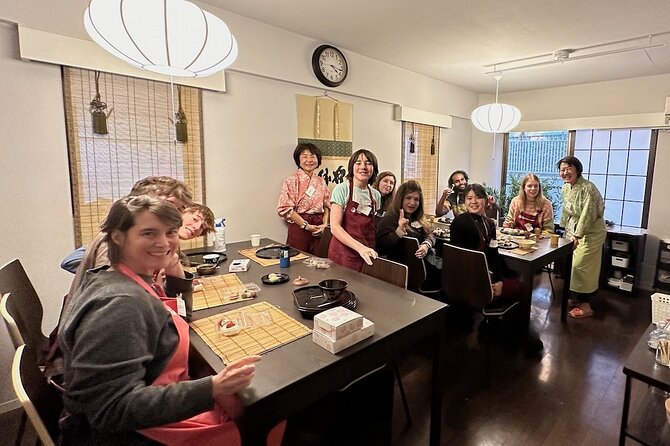
Several instructors lead this class, including Yukka, Waka, Miho, Satoko, Kaoru, Miyuki Suyari, and others. The strongest pattern is consistent teaching rather than one single personality.
The instruction is organized and patient. Yukka is praised for explaining seasonal mochi and giving clear directions. Waka has taught families and helped participants feel proud of their creations. Miho is remembered for explaining the cultural meaning of colors and shapes. Satoko is described as careful and detailed.
Miyuki Suyari receives particular praise for making participants feel comfortable in her home and offering useful advice about shopping for wagashi tools. Her suggestions also helped people plan other parts of their Tokyo visit. That kind of local conversation can be as valuable as the recipe itself.
English ability is another strong point. The instructor can explain the techniques clearly and discuss local life, shopping, and sightseeing. That makes this a good choice if you want more than a silent cooking demonstration.
Families, couples, and solo participants
The minimum age is four, but children under four cannot attend because of safety rules. Observers are not allowed to sit in the class, so every person in the room should be booked as an active participant.
Families with school-age children and teenagers are likely to get the most from the activity. The work is visual and hands-on, and the finished sweets offer an immediate reward. Parents should still expect some fiddly moments, especially while handling sticky dough and making neat shapes.
Couples and friends can use the class as a slower cultural break from Tokyo’s major sights. Solo participants may also enjoy the small-group format, especially because the activity naturally creates conversation around the shared work.
This is less suitable if you want a fast, polished food stop or if you dislike craft activities that require patience. You should also know that the sweets are plant-derived and gluten-free, but the class is not presented as a broad allergy-management program.
Practical value at $91.96
The cost makes sense if you value instruction, personal contact, and the private-home setting. You receive several sweets, tea preparation, tasting, an apron, and a recipe sheet within roughly two hours and thirty minutes.
The class also gives you something that a restaurant meal cannot: a method you can try again. The advice about shopping for tools and ingredients adds to that value, particularly if you want to continue making wagashi after returning home.
The price is harder to justify if you mainly want to eat Japanese sweets. Tokyo shops and department-store food halls can satisfy that need for far less. Here, the real purchase is the time with the teacher and the chance to make the sweets yourself.
Should you book this wagashi experience?
Book it if you want a personal, hands-on introduction to Japanese sweets and have room in your Tokyo schedule for a relaxed two-and-a-half-hour class. It is especially well suited to families with children age four or older, first-time cooks, and anyone curious about the connection between food, seasons, and tea ceremony.
I would also choose it if you like bringing home a practical souvenir. The recipe sheet, class techniques, and shopping advice can keep the experience going after Japan.
Skip it if you only want a quick tasting, need hotel transport, or prefer to watch rather than participate. For everyone else, the combination of strawberry daifuku, dango, nerikiri, matcha, and a local home setting makes the $91.96 worthwhile, particularly when booked ahead.
FAQ
Where does the Japanese sweets class meet?
The class meets at President Meguro Heights, Japan, 〒153-0063 Tokyo, Meguro City, Meguro, 1-chōme-3-16. The experience is near public transportation and ends at the same meeting point.
How long does the experience last?
The class lasts approximately two hours and thirty minutes.
What sweets will I make?
You will learn to make strawberry daifuku mochi, three-color dango on skewers, and nerikiri wagashi shaped into a seasonal motif.
Is tea included?
Yes. The class concludes with matcha green tea, and another non-caffeinated tea is available.
Can children attend?
Children age four and older can attend. Children under four are not allowed in the class for safety reasons, and observers cannot sit in without participating.
Can I cancel for a refund?
You can cancel for a full refund up to 24 hours before the experience start time. Cancellations or changes made less than 24 hours before the start time are not accepted for a refund.
Just added in Tokyo
- Private homevisit for whole cultual experience, 20min from Tokyo★ 5.0 · 20 reviews
- Yanaka and Asakusa Walk around DOWNTOWN TOKYO like a local★ 5.0 · 36 reviews
- Yokohama/Kamakura Private Tour by Car- English speaking Driver★ 5.0 · 15 reviews
- Yanaka Historical Walking Tour in Tokyo’s Old Town★ 5.0 · 182 reviews
- Official Japan Go-Kart Through Shibuya / Shinjuku (IDP Required)★ 5.0 · 92 reviews
- Tokyo private transfer from/to Tokyo Ports★ 4.5 · 26 reviews
- 3-Hour Tokyo Pub Crawl Nightlife Welcome Guided Tour in Shibuya★ 5.0 · 209 reviews
- 2 Hours Mochi &Nerikiri Making & Matcha Class in Bunkyo★ 5.0 · 21 reviews
Dessert Tours, compared.

Matcha Making Class in Tokyo with Authentic Japanese Sweets Set
Read our review →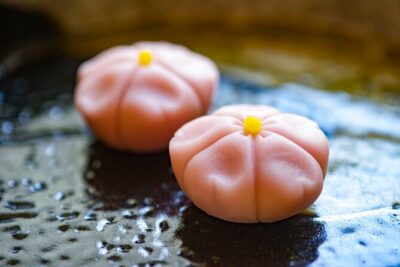
Matcha Making Class in Osaka with Authentic Japanese Sweets Set
Read our review →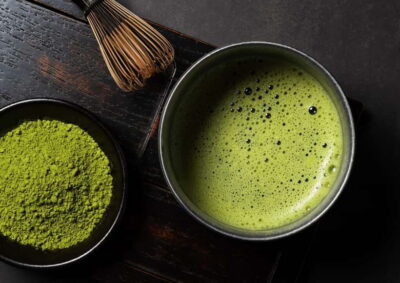
Matcha Making Experience with Mochi Sweets in Asakusa
Read our review →
Japanese Traditional Sweets Making and Tea Ceremony
Read our review →
Make Traditional Nerikiri Sweets & Matcha experience in Shibuya
Read our review →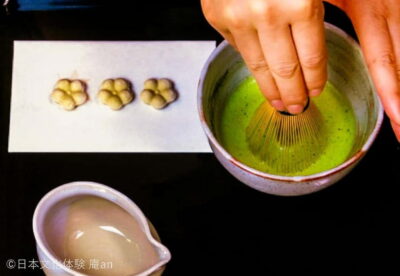
Japanese Traditional Sweets Making and Tea Ceremony
Read our review →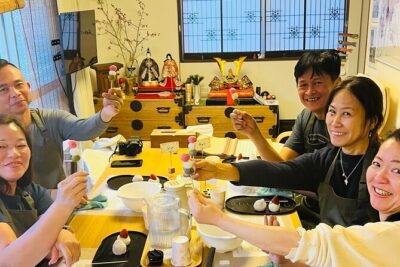
Private Mochi Sweets Making class near Shibuya area
Read our review →Browse the lists this tour appears in