
Reviewed · TEA CEREMONIES
Matcha Making Class in Tokyo with Authentic Japanese Sweets Set
Small rituals can make the best memories. This one-hour matcha class in Asakusa gives you hands-on practice with traditional tools, clear English instruction, and a Japanese sweets set for $21.89 per person. I especially like the friendly, personal teaching and the easy location near the Sumida River. You should know, though, that the class can accommodate up to 30 people, so the mood may depend on the size of your session.
I also like that this is not a formal tea ceremony where you only watch. You whisk your own tea, learn how matcha differs from ordinary green tea, and get practical advice for making it at home. The class is short, affordable, and easy to fit between visits to Senso-ji, Nakamise-dori, and the rest of Asakusa.
The hosts, including instructors named Shuri, Rino, Nama, and Hiya in different sessions, are praised for their patience, humor, and strong English. Families with children as young as six have enjoyed it, and the relaxed teaching style makes this a good introduction rather than a stiff performance.
In This Review
- Key Points to Know Before Booking
- Arriving in Asakusa for the Matcha Class
- The Opening Lesson: Matcha Beyond a Green Powder
- Whisking Your Own Bowl the Traditional Way
- Japanese Sweets and the Pleasure of a Short Tea Break
- A Modern Lesson With Traditional Elements
- Group Size, Pace, and Personal Attention
- Is $21.89 Good Value for Tokyo?
- Who Should Book This Matcha Experience?
- Practical Details That Matter
- Should You Book the Matcha Making Class?
- FAQ
- How long does the matcha-making class last?
- Where does the class meet?
- Where does the activity end?
- Is an English-speaking instructor included?
- Are matcha and Japanese sweets included?
- Do I need previous tea ceremony experience?
- What is the cancellation policy?
Key Points to Know Before Booking
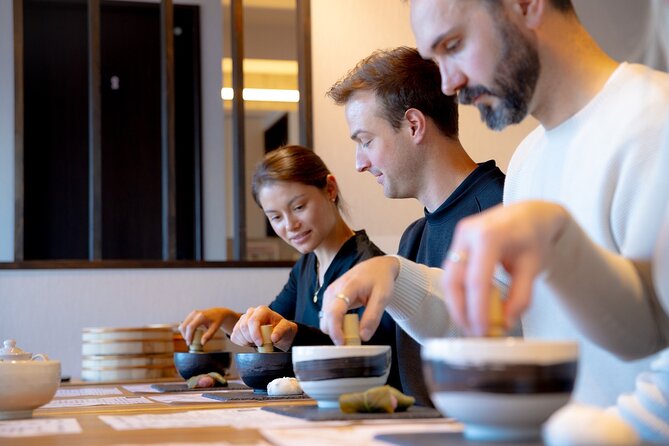
- You make the matcha yourself: The instructor demonstrates each step, then guides you as you whisk your own bowl.
- Seasonal Japanese sweets are included: The sweets balance matcha’s earthy taste and make the experience feel like a proper tea break.
- The class takes place in traditional Asakusa: The meeting point is at Matcha Making Tokyo, 2-chome-17-9 Kaminarimon, close to public transportation.
- English-speaking hosts explain more than technique: You learn about matcha cultivation, its place in Japanese culture, and how it differs from regular green tea.
- It suits families and first-timers: No previous tea ceremony experience is required, and children have been welcomed into the activity.
- You get good value for a short activity: At $21.89, it costs less than many longer food tours while still offering instruction, tasting, and cultural context.
Arriving in Asakusa for the Matcha Class
The class begins at Matcha Making Tokyo, at 2-chome-17-9 Kaminarimon in Taito City. That puts you in one of Tokyo’s most traditional sightseeing areas, near Senso-ji and the Kaminarimon Gate. The location is close to public transportation, so it is practical to place this activity before or after a morning around the temple district.
I suggest allowing a little extra time to find the entrance. Asakusa has plenty of small streets, signs, shops, and people moving toward the major sights. The meeting point is associated with a cooking school, and sushi classes may also be taking place there.
The activity ends back at the same location. That is useful if you have a timed reservation elsewhere, since you do not need to arrange a separate drop-off or find your way back from another neighborhood. Hotel pickup and drop-off are not included, so you handle your own transport.
The setting adds to the appeal. One account describes a cozy café area and an upstairs nook with floor seating in traditional style. Another notes a pleasant view along the river. These details may vary by room and class timing, but you can expect a compact food-school setting rather than a large museum or a formal temple ceremony.
More Cooking Classes in Tokyo
- Sushi Making Tokyo Roll and Authentic Japanese Sushi Class
★ 5.0 · 3,971 reviews - Tokyo: Roll and Authentic Sushi Making Class in Asakusa
★ 4.9 · 1,957 reviews - Tokyo Shinjuku Chopsticks Making Class
★ 5.0 · 1,763 reviews
The Opening Lesson: Matcha Beyond a Green Powder
The session starts with an introduction to matcha and its role in Japanese culture. The hosts use clear explanations and, in at least one class, an iPad with images to show how matcha is grown and prepared.
This early lesson matters because matcha is not simply green tea ground into a fashionable drink. You learn the difference between matcha and green tea leaves, along with basic points about quality. One useful topic covered in class is how to spot a better matcha powder.
The instructors also explain the history behind the tea and the customs connected with preparing it. The aim is not to turn you into a tea scholar in one hour. Instead, you get enough background to understand why the bowl, whisk, water, and movements matter.
I like this approach. A quick demonstration without context can feel like a craft trick. Here, the cultural explanation gives the activity some weight, while the friendly tone keeps it from becoming a lecture. The class is designed for people who may be tasting matcha for the first time, so the language remains approachable.
Instructors have included Shuri, Rino, Nama, and Hiya. The strongest praise goes to their patient and engaging manner. Shuri is noted for creating a welcoming group atmosphere, while Rino is praised for making the lesson interactive. Hiya has explained both matcha’s history and ways to recognize quality powder. Your assigned host may be different, but the teaching style appears consistent: personal, informal, and encouraging.
Whisking Your Own Bowl the Traditional Way
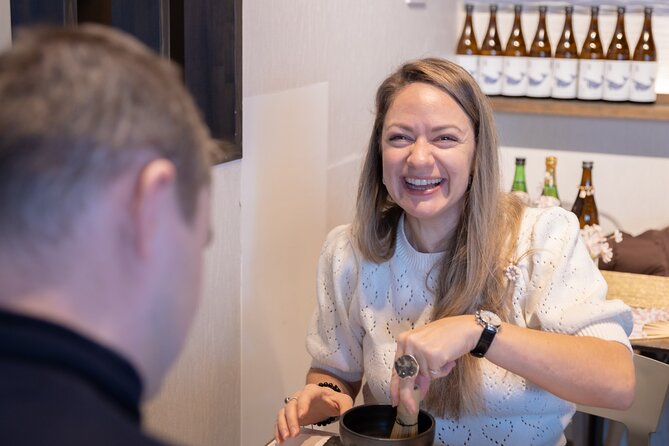
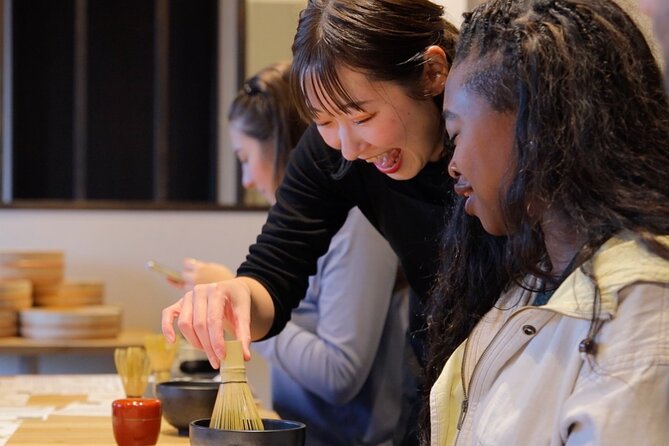
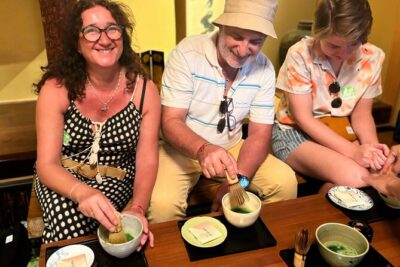
The central part of the class is practical. After watching the demonstration, you prepare matcha yourself with traditional tools. The instructor takes you through the steps and offers one-to-one help as you work.
This is where the class earns its price. You are not simply handed a cup and told a few facts. You get to handle the equipment, practice the whisking motion, and see how technique changes the texture of the tea.
The whisking process is simple in theory but not always natural at first. The class gives you a chance to learn the motion under supervision, rather than trying to copy a video later at home. The instructors also share professional tips for getting matcha right in your own kitchen.
Expect some gentle correction. That is a good thing. The goal is not perfection, and the atmosphere is relaxed. You are learning a small skill, not being examined for a tea-school certificate.
The hands-on format also works well for families. Children have taken part and enjoyed the activity, especially when the teachers make an effort to include everyone. Parents should still consider the one-hour structure and the possibility of a larger group, but this is more accessible than a highly formal ceremony.
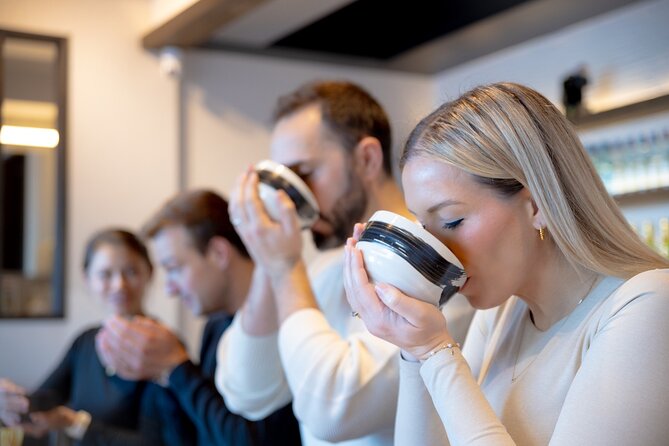
The finished drink is served with Japanese sweets. Matcha can taste grassy, earthy, or bitter if you are not used to it, but the sweets provide a pleasant counterpoint. One class attendee specifically found the matcha smooth rather than bitter, though taste is personal and can vary with preparation.
Japanese Sweets and the Pleasure of a Short Tea Break
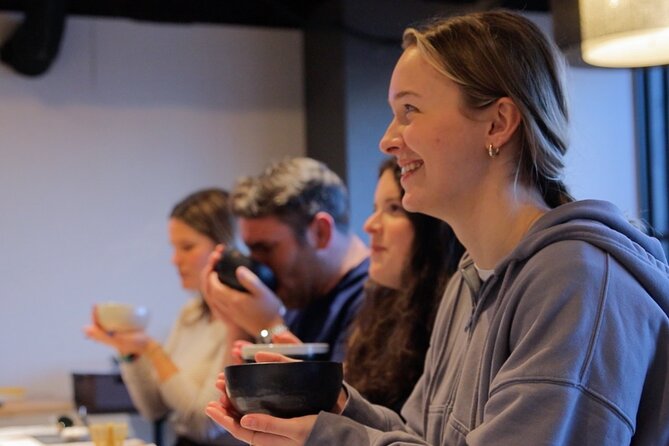
The sweets set is more than a small extra. Traditional Japanese confectionery is often designed to balance tea, and the combination helps you understand how the flavors work together.
The sweets are seasonal, according to the experience description. That means the exact selection may change, so you should not book expecting one particular confection. The important point is that the class pairs the food with the matcha instead of treating the drink as a stand-alone sample.
This part of the session slows things down. After the concentration of whisking, you can sit, taste, and talk with the host. The class becomes less about copying a technique and more about sharing a familiar Japanese food custom.
The sweets also make the activity friendly for people who are unsure about matcha. If the first sip tastes stronger than expected, you have something sweet to enjoy alongside it. If you already like matcha, you can focus on the preparation and the quality of the finished bowl.
Do not expect a full meal. This is a tasting and cultural lesson, not a lunch replacement. If you are hungry, plan another meal in Asakusa before or after the class.
More Tea Ceremonies in Tokyo
- Tokyo: Traditional Tea Ceremony with a Tea Master
★ 5.0 · 528 reviews - Tokyo: Matcha Making Experience with Mochi Sweets in Asakusa
★ 4.9 · 388 reviews - Tokyo: Matcha and Kimono Experience
★ 4.7 · 219 reviews - Tea Ceremony Workshop in Tokyo by the Experienced Instrucor
★ 5.0 · 189 reviews
A Modern Lesson With Traditional Elements
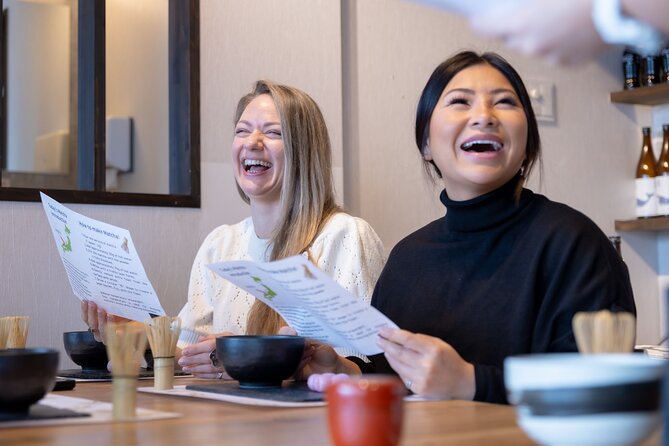
The class sits in a useful middle ground. It uses traditional tools and preparation methods, but the teaching is modern and conversational. An iPad presentation, English explanations, photos, and an informal classroom setup make the material easier to follow.
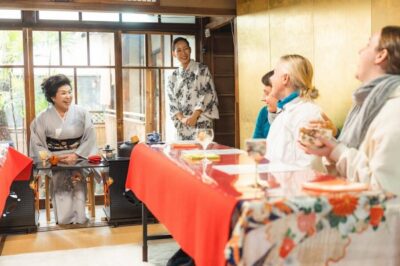
That balance is important in Tokyo, where formal tea ceremonies can be beautiful but sometimes feel difficult for a first-time visitor to understand. Here, the hosts explain what you are doing as you do it. You can ask questions, make your own tea, and take photographs without feeling that you are interrupting a solemn performance.
One point to keep clear: this is a matcha-making class, not a full traditional tea ceremony. If you want strict etiquette, choreographed movements, ceremonial clothing, and a long formal presentation, this may feel too casual. If you want to understand the basics and enjoy the drink yourself, the relaxed format is a better fit.
The class also gives you a small connection to Japanese food culture without requiring a full day. At about one hour, it works well on an arrival day, between major sights, or when you need a quieter break from Tokyo’s busy streets.
Group Size, Pace, and Personal Attention
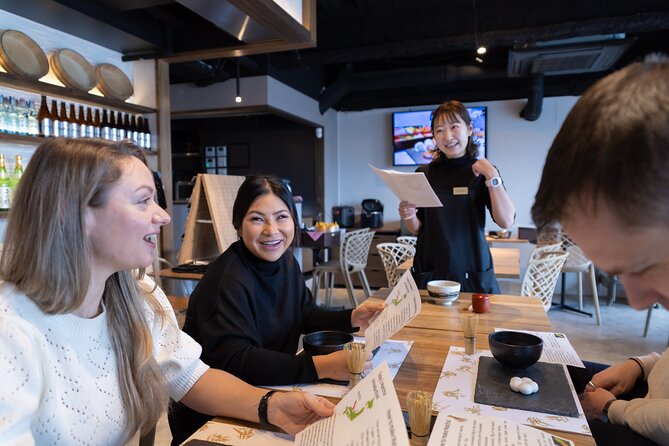
The maximum group size is 30 people. That is not a tiny private lesson, and you should keep it in mind if personal attention is your main reason for booking.
The class description emphasizes hands-on guidance, and the available experiences suggest that instructors move through the group to help individuals. Smaller sessions can feel especially personal. One session had only three participants, while another described a larger cooking-school setting with several activities taking place.
The room may also feel different depending on what else is happening. Sushi classes can be larger and louder, while a matcha session is generally quieter. If a sushi class is running at the same time, you may notice more activity around you.
Still, the group setting has an advantage. You can watch how other first-timers handle the whisk and share a simple cultural activity with people from different countries. The hosts make an effort to include children and keep the energy light.
I would book this for a solo visitor, couple, or family that wants a social experience without committing to a long tour. If you prefer total quiet and private instruction, check the available session size before booking.
Is $21.89 Good Value for Tokyo?
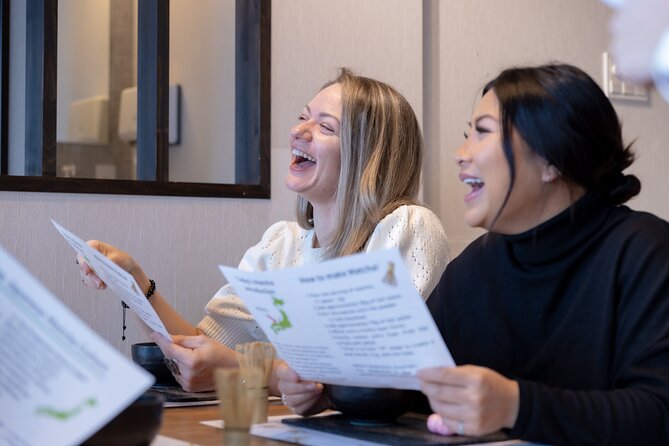
At $21.89 per person, this is a strong value for a one-hour cultural activity. The price includes an English-speaking instructor, matcha, the Japanese sweets set, use of traditional tools, and guided preparation.
You are also paying for context. The class covers cultivation, history, cultural customs, quality, and home preparation. That makes it more useful than simply ordering matcha at a café, especially if you want to repeat the process after returning home.
The activity does not include transportation, hotel pickup, or drop-off. Since the class is in central Asakusa and near public transportation, that is not a major problem, but you should include your own train or taxi fare in the day’s budget.
The short duration is another value point. Tokyo sightseeing can be tiring, and an hour gives you a focused cultural experience without taking over your schedule. It is not the most elaborate tea event in the city, but it offers plenty for the money.
The current rating is 5 out of 5 from 744 reviews, with 100 percent recommending it. It has also received TripAdvisor’s Best of the Best award twice. Those figures do not remove the need to consider group size or your expectations, but they match the consistent strengths of the class: friendly hosts, clear instruction, good matcha, and a pleasant setting.
Who Should Book This Matcha Experience?
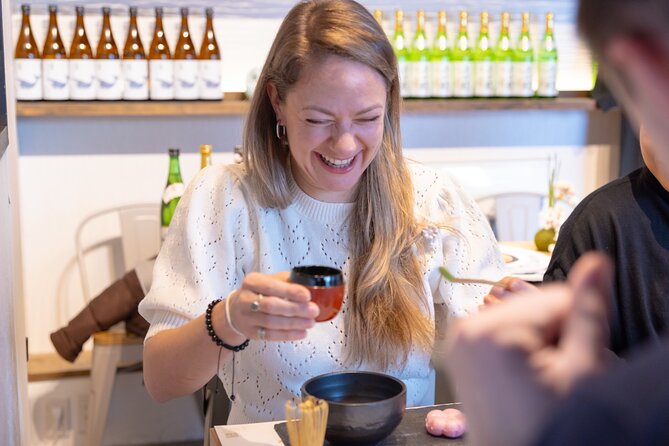
I would recommend it most strongly to first-time matcha drinkers and visitors who want a cultural activity with a practical result. You leave knowing more about the tea and how to prepare it, not just having watched someone else do it.
Families are a good match, especially with children who enjoy hands-on activities. The relaxed format is easier for kids than a long, silent ceremony, and the teachers work to keep everyone involved.
It also suits food-focused visitors who have already planned the big Tokyo meals and want something quieter. Pair it with a walk through Senso-ji, shopping along Nakamise-dori, or time beside the river.
You may want another option if you dislike green tea, have no interest in Japanese food customs, or want a private, highly formal ceremony. The sweets are included, but this is not a full meal or a long historical tour.
Practical Details That Matter
Confirmation is provided when you book, and the ticket is mobile, so you can show it from your phone. Service animals are allowed, and the location is near public transportation.
Free cancellation is available if you cancel at least 24 hours before the start time. Cancellations made less than 24 hours before the experience are not refunded, and changes inside that period are not accepted. The cut-off follows Tokyo local time, so check the time carefully if you are booking from another country.
Arrive at the stated meeting point in Kaminarimon. If you reach the area early, one host kindly allowed early arrivals to wait in the cozy café area, but you should not rely on that as a guaranteed service.
Should You Book the Matcha Making Class?
Yes, if you want an affordable and friendly introduction to matcha in a central Tokyo neighborhood. The strongest reasons are the hands-on whisking, useful advice for making matcha at home, seasonal sweets, and English-speaking hosts who keep the lesson relaxed.
Book it as a cultural pause rather than a grand tea ceremony. You may share the room with a sizable group, and the exact instructor or seating arrangement can vary. But for $21.89 and about an hour, this gives you a real skill, a taste of Japanese tradition, and a pleasant memory in Asakusa without using up half your day.
FAQ
How long does the matcha-making class last?
The experience lasts approximately one hour.
Where does the class meet?
It meets at Matcha Making Tokyo, 2-chome-17-9 Kaminarimon, Taito City, Tokyo 111-0034, Japan.
Where does the activity end?
The class ends back at the meeting point.
Is an English-speaking instructor included?
Yes. An English-speaking instructor is included.
Are matcha and Japanese sweets included?
Yes. The experience includes matcha with a set of Japanese sweets.
Do I need previous tea ceremony experience?
No. The class is designed for beginners, and no prior tea ceremony experience is required.
What is the cancellation policy?
You can cancel at least 24 hours before the start time for a full refund. Cancellations or changes made less than 24 hours before the experience are not accepted, and the amount paid is not refunded.
More Dessert Tours in Tokyo
- Private Mochi Sweets Making class near Shibuya area
★ 5.0 · 93 reviews - Japanese Traditional Sweets making and Tea Ceremony
★ 4.7 · 50 reviews - Tokyo Local Food Tour: Noodles, Skewers, Dumplings, Sweets
★ 5.0 · 48 reviews - Tokyo: Two Types of Japanese Sweets Making and Tea Ceremony
★ 4.6 · 26 reviews
Just added in Tokyo
- A One-of-a-Kind Sushi Experience in a Special Place of Japan★ 5.0 · 15 reviews
- Tokyo Cute Bento Cooking Class – Make a Kawaii Character Lunchbox★ 5.0 · 126 reviews
- Japanese Home Cooking Class & Walk in Todoroki Temple Tokyo★ 5.0 · 88 reviews
- Japan Tokyo Tower Observatory Deck E-Ticket★ 4.0 · 34 reviews
- Catch a Baseball Game in Tokyo with a Local – Tickets Included★ 5.0 · 24 reviews
- JDM Experience with Fast&Furious RX-7 (English speaking Driver)★ 5.0 · 57 reviews
- Tokyo Private Day Tour by Car with English speaking Driver Guide★ 4.0 · 29 reviews
- Japan Classic 10 Day – One Life Adventures★ 5.0 · 129 reviews
Tea Ceremonies, compared.
Tea Ceremony in a Traditional Tea House in Kiyomizu
Read our review →
World Heritage Kyoto & Nara Uji Authentic Matcha Experience
Read our review →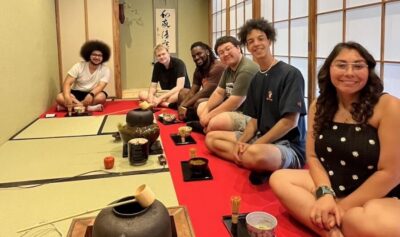
Browse the lists this tour appears in