
Reviewed · TEA CEREMONIES
Tokyo: Traditional Tea Ceremony with a Tea Master
Tea tells Japan’s story in small sips. Across from Tokyo University, the Ocharu Tea Ceremony offers a friendly, one-hour introduction to Japanese tea, with hands-on matcha making, rare teas, seasonal wagashi, and clear English guidance.
I especially like the four-tea tasting, which gives you more than the usual quick matcha demonstration. I also like the relaxed teaching style: hosts such as Shinichi-san and Ekiko have been praised for answering questions, joking with the group, and making first-timers feel at ease. The main consideration is timing. One hour passes quickly, and this is a practical introduction rather than a long, formal Kyoto-style ceremony.
In This Review
- Key Things to Know Before You Go
- What This Tokyo Tea Experience Is Really Like
- Starting With Wakocha and a Tea Cake
- Gyokuro Sencha, Tea Leaves, and Ougiya Wagashi
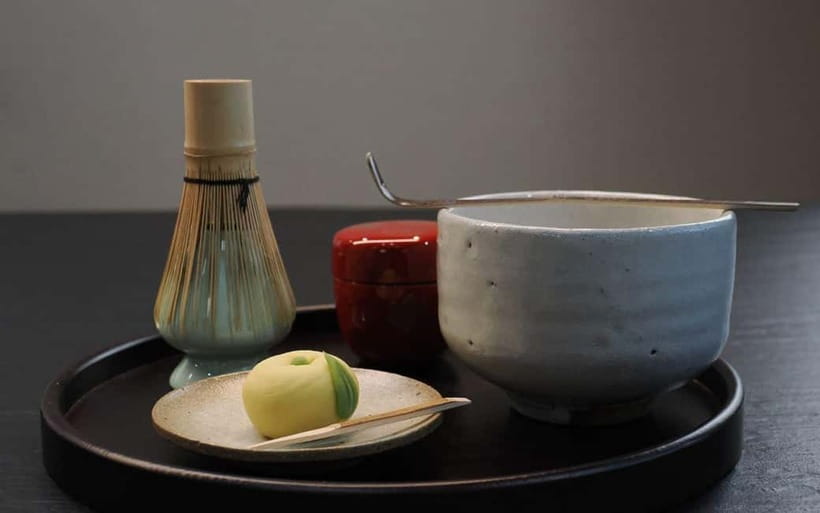
- Making Matcha With Traditional Tools
- Ending With Genmaicha From Niigata
- Why the Four-Tea Format Is Worth the $38
- Fitting Ocharu Into a Tokyo Day
- Who Will Enjoy This Most
- Small Details That Make the Hour Better
- Should You Book This Tea Ceremony?
- FAQ
- How long does the Tokyo tea ceremony last?
- How much does the experience cost?
- Which teas will I taste?
- Do I get to make my own matcha?
- Are sweets included?
- What language is the activity conducted in?
- Is the tea ceremony suitable for wheelchair users?
Key Things to Know Before You Go
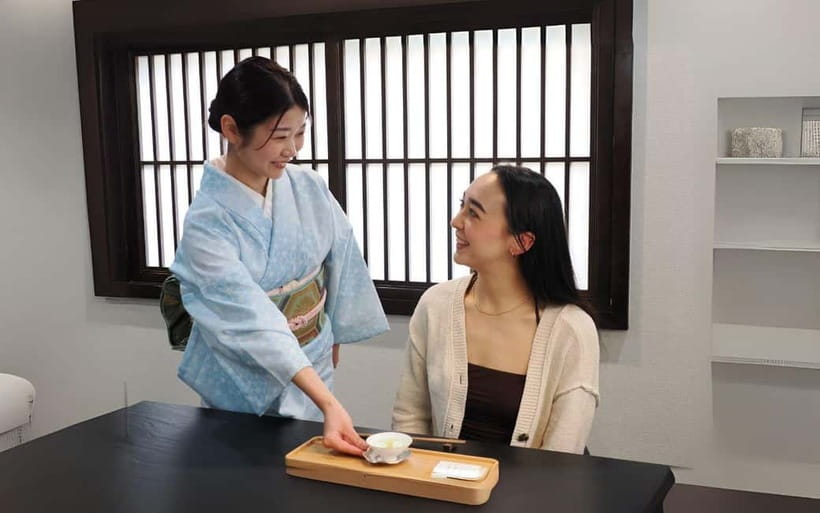
- You make your own matcha: A tea master shows you how to use the whisk and traditional tools, then gives you time to prepare and drink your own bowl.
- You taste four distinct teas: Wakocha, Gyokuro sencha, matcha, and Genmaicha each offer a different flavor, preparation method, and place in Japanese tea culture.
- The sweets are part of the lesson: Seasonal wagashi from Ougiya are paired with the tea, adding color, texture, and a gentle sweetness.
- The setting is easy to pair with sightseeing: Ocharu is opposite Tokyo University and close to attractions such as the zoo, according to several people who combined the activity with other plans.
- You receive useful keepsakes: A certificate and group photograph mark the occasion, and some sessions also include small items such as chopsticks.
- Plan a little extra time to find the entrance: Look for the green OCHARU logo, but remember it may be high on the building. The tea shop itself is another useful landmark.
What This Tokyo Tea Experience Is Really Like
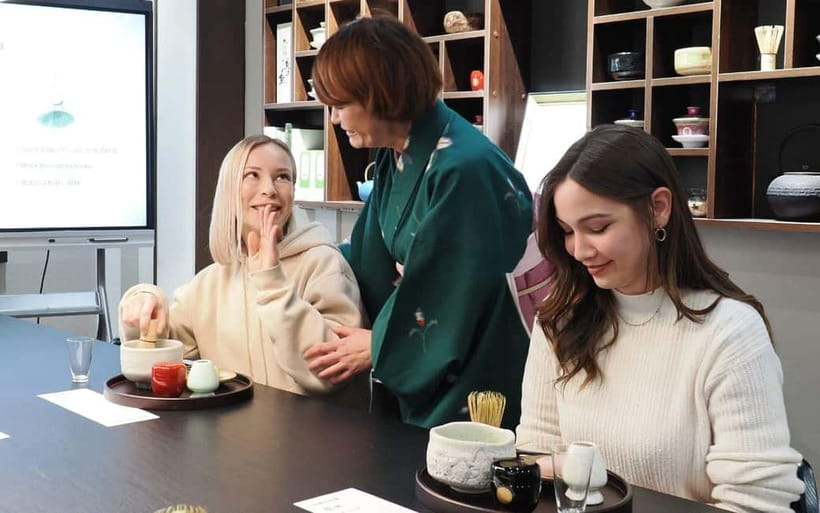
This is not a silent, highly ceremonial performance where you sit still and watch someone else work. It is designed as an interactive lesson. You taste, ask questions, prepare matcha, and learn why water temperature and serving customs matter.
That makes it a strong choice if you have never attended a Japanese tea ceremony. You do not need to arrive with special knowledge of tea etiquette. The host guides you through the steps in English and keeps the mood polite without making it stiff.
The experience takes place in a specially designed tea ceremony room at Ocharu, directly across from Tokyo University. You should arrive about five minutes early for check-in. The green OCHARU sign helps, though one person had trouble spotting it because the sign was higher than expected. If you walk past the building, stop and check the tea shop rather than circling the block repeatedly.
The activity is listed as one hour, although one account described the session as closer to 50 minutes. That small difference is worth keeping in mind if you have a train to catch. The schedule is compact, but the sequence is well chosen.
More Tea Ceremonies in Tokyo
- Matcha Making Class in Tokyo with Authentic Japanese Sweets Set
★ 5.0 · 744 reviews - Tokyo: Matcha Making Experience with Mochi Sweets in Asakusa
★ 4.9 · 388 reviews - Tokyo: Matcha and Kimono Experience
★ 4.7 · 219 reviews
Starting With Wakocha and a Tea Cake
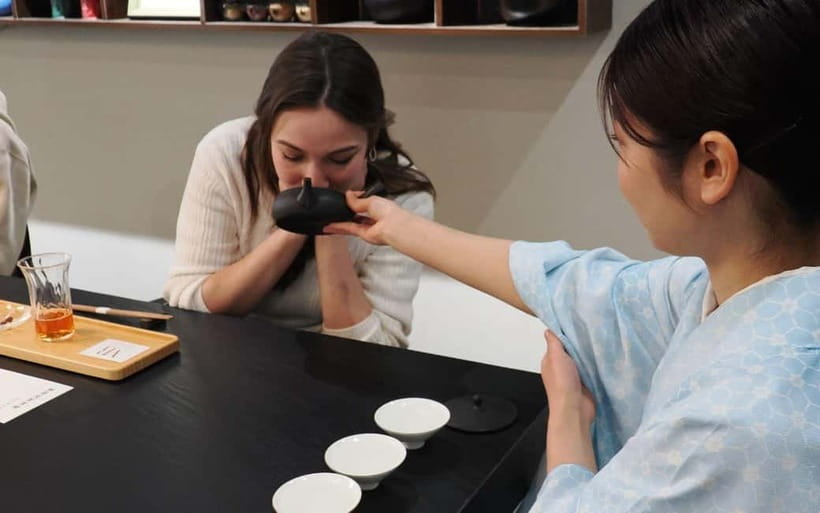
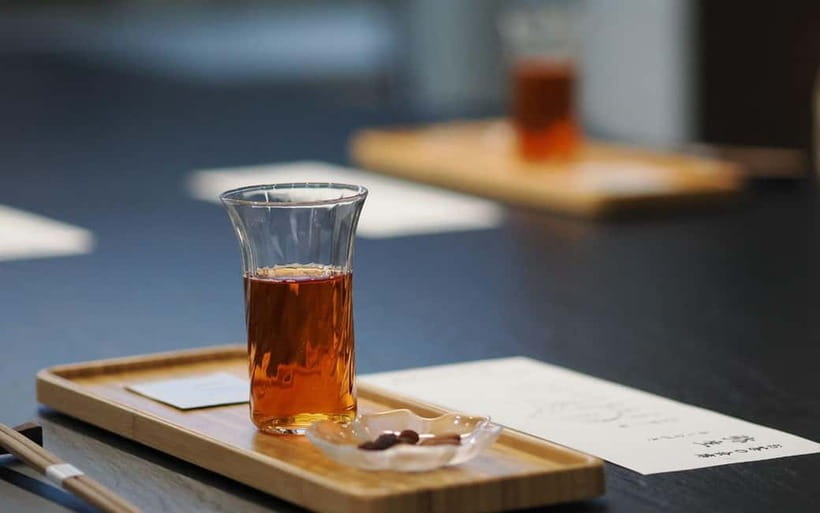
The first cup is wakocha, Japanese black tea from Shizuoka. Japan is best known abroad for green tea, so beginning with a black tea gives you an immediate surprise. Wakocha can have fruity and floral notes, and the opening cup is served with a tea cake.
This first tasting helps you notice how much flavor depends on the type of tea, not just on whether it is hot or cold. If you usually drink black tea at home, you may find wakocha familiar in color but different in its lighter, more delicate character.
The cake also sets the pattern for the session. Japanese tea is often enjoyed with a small sweet that balances the tea’s bitterness. You are not simply handed snacks between demonstrations. The food helps explain how tea and sweets work together.
The opening section is brief, but it gives the tea master a natural way to introduce Japanese tea-growing regions and basic flavor differences. People who came mainly for matcha often found this wider tasting one of the most rewarding parts.
Gyokuro Sencha, Tea Leaves, and Ougiya Wagashi
Next comes Gyokuro, a top-grade Japanese green tea. The tea master prepares it for you, allowing you to focus on its aroma, color, and taste before discussing how it differs from other green teas.
Gyokuro is valued for its strong savory character and careful preparation. The water temperature matters, and the tea master explains why. This is a useful detail because many people prepare green tea with water that is too hot, which can bring out harsh bitterness.
One particularly unusual part is tasting the tea leaves after brewing. It is a small but memorable lesson. You begin to see tea as a leaf and a food, not just a liquid poured into a cup. The texture and taste may surprise you, but it gives the session a practical edge.
Gyokuro is served with seasonal wagashi from Ougiya, a confectioner with generations of experience. The sweets are designed to look attractive as well as taste good. Their sweetness gives your palate a counterpoint to the green tea’s savory notes.
The seasonal element matters. The exact sweet can change, so you should expect the pairing to reflect what is available rather than a fixed item shown in a photograph. That is part of the appeal of Japanese confectionery, where color and shape often nod to the season.
Making Matcha With Traditional Tools
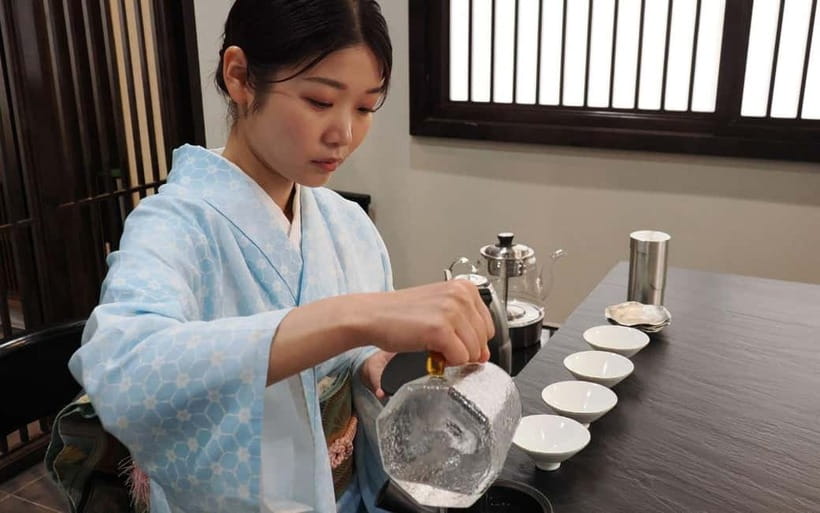
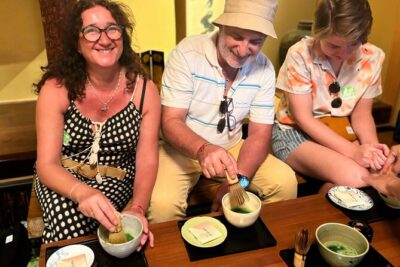
The hands-on matcha section is the heart of the activity. Your tea master demonstrates how to prepare matcha with traditional utensils, then you whisk your own tea.
You will not be expected to perform every formal movement perfectly. The point is to understand the basic process and feel the rhythm of whisking. The instructor explains how to hold and use the tools, then lets you try for yourself. This makes the activity suitable for couples, families, and solo visitors who want more than a short demonstration.
Several people especially enjoyed the calm pace of this section. Matcha making requires a little attention, and the repeated whisking can feel surprisingly soothing. It is also a good moment to ask questions about manners, the order of the ceremony, and how matcha is served in Japan.
The hosts’ teaching style receives the strongest praise. Shinichi-san has been described as funny and clear when explaining matcha’s background. Ekiko has been praised for patience and for answering questions in a way that made the session easy to follow. Another host made a special effort to include a ten-year-old child, which suggests that the format can work well for families.
English is the stated language. Most people found the explanations easy to follow, though one person noted that an accent made some sections harder to understand. If a detail is unclear, ask the host to repeat it. The atmosphere is conversational, so questions are welcome.
You also learn the proper way to drink the tea, but the emphasis remains friendly rather than strict. That balance is important. You get a taste of Japanese etiquette without feeling that one wrong movement has ruined the ceremony.
A completely different kind of day out:
- Tokyo Disney Resort – Tokyo Disneyland & Tokyo DisneySea Park Tickets
★ 4.8 · 99,488 reviews - SHIBUYA SKY Ticket
★ 4.7 · 46,509 reviews - JR Whole Japan Rail Pass
★ 4.8 · 29,150 reviews - Mt Fuji and Hakone 1-Day Bus Tour Return by Bullet Train
★ 5.0 · 26,383 reviews
Ending With Genmaicha From Niigata
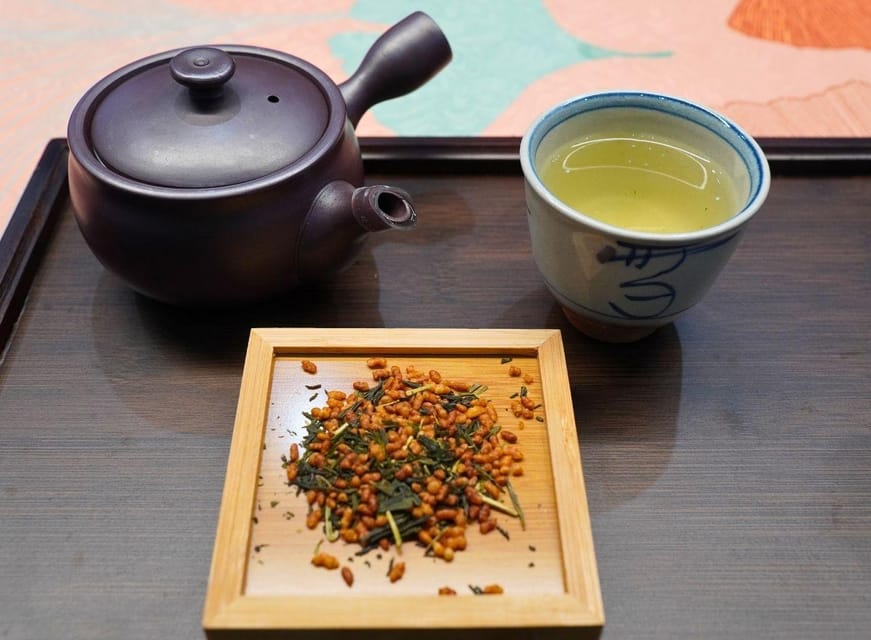
The final tea is Genmaicha, a blend of sencha and roasted rice from Niigata Prefecture. After the more refined Gyokuro and the focused matcha preparation, Genmaicha feels like a comfortable finish.
Its roasted rice gives the cup a warm, familiar flavor. This closing drink shows another side of Japanese tea culture: tea does not always need to be formal or precious. Some varieties are everyday companions, served for comfort and ease.
By the end, you have tried teas with different ingredients, preparation methods, temperatures, and roles. That variety is what gives the hour its value. You leave with a better sense of why Japanese tea cannot be reduced to simply green tea and matcha.
Why the Four-Tea Format Is Worth the $38

At $38 per person, the experience is reasonably priced for a one-hour cultural activity in central Tokyo. You receive several tastings, seasonal sweets, instruction from a tea master, use of the tea room, a completion certificate, and a group photograph.
The best value comes from the range of the session. A cheaper matcha demonstration might show you one preparation and send you on your way. Here, you compare wakocha, Gyokuro, matcha, and Genmaicha. You also learn about tea leaves, serving temperatures, regional origins, sweets, and basic ceremony manners.
I would not book it purely for the certificate or photograph. Those are pleasant extras, but the real value is the teaching and tasting. The certificate is a nice souvenir, especially if this is your first cultural activity in Japan, while the photo gives you a simple record of the occasion.
This is also a useful choice for mixed-interest groups. One person may already love tea while another is unsure about it. The informal style can keep the non-tea drinker involved, and one person specifically found the activity enjoyable even though her husband was not a tea fan.
Fitting Ocharu Into a Tokyo Day
The location opposite Tokyo University makes this easy to add to a day in the Bunkyo area. Several people appreciated being near the university and Tokyo Zoo. You can use the tea activity as a calm break from sightseeing rather than crossing the city solely for a one-hour appointment.
Allow time for the journey and the final walk from the station. One person described walking about 15 minutes from Nezu Station Exit 14. That detail is useful, but you should still check your route and starting time before leaving. Tokyo’s large stations and busy streets can make a short distance take longer than expected.
The meeting point is marked by a green OCHARU logo on the wall. Arriving five minutes early is sensible. The host may be able to help if you look uncertain, but it is better to begin the session settled rather than rushing in at the last moment.
The room is described as clean, pleasant, and relaxing. Do not expect a grand temple setting. The appeal is the focused tea room, direct instruction, and the chance to take part.
A small café and tea shop downstairs can be useful after the ceremony. You can drink matcha there or buy tea to take home. Purchasing tea is optional, but it gives you a way to continue the experience after leaving. Some people ended up buying matcha or tea accessories after tasting the products.
Who Will Enjoy This Most
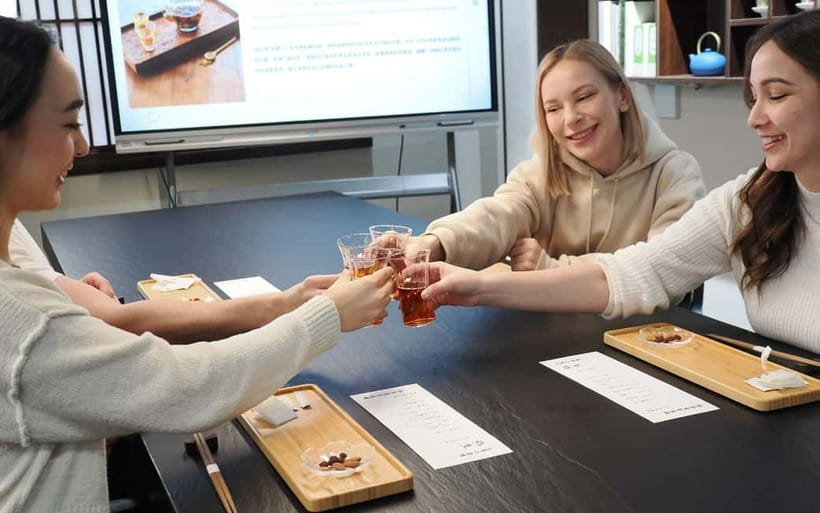
I would recommend this activity to you if you fit one of these descriptions:
- You are attending your first Japanese tea ceremony and want clear explanations.
- You enjoy food and drink tastings with a cultural explanation.
- You want a short activity that fits neatly into a Tokyo sightseeing day.
- You prefer participation over simply watching a demonstration.
- You are visiting with a partner or family member who may not already love tea.
- You want an English-language introduction to matcha, sencha, and Japanese tea customs.
It also suits serious tea drinkers. The chance to compare a rare Japanese black tea, high-grade Gyokuro, matcha, and Genmaicha gives you more to think about than a single bowl of matcha.
You may want to skip it if you want a long, formal ceremony with elaborate dress, extended silence, or a traditional temple setting. The mood here is casual and social. Hosts chat with participants about their home cities, Tokyo plans, and even favorite films. That warmth is a strength for most people, but it is not the right atmosphere if you want a highly formal ritual.
The activity is not suitable for wheelchair users, according to the stated information. If accessibility is essential, confirm arrangements before booking rather than assuming the room can accommodate you.
Small Details That Make the Hour Better
Wear something comfortable enough for sitting and handling the tea tools. The supplied information does not specify a dress code, so you should not need special clothing, but arriving neat and ready to follow the host’s instructions is appropriate.
Ask about the water temperature. This is one of the most useful practical lessons, particularly if you make green tea at home. Also ask about the tea’s region and whether the leaves can be eaten after brewing. These details turn a pleasant tasting into something you can remember and use.
Take the group photograph before leaving, and check the name on your certificate. One participant was delighted to receive a certificate with a name written in Japanese. The certificate is a small item, but it can make the experience feel personal.
If you have children with you, tell the host. The format is hands-on, and a host has made a clear effort to include a ten-year-old. Young children may not sit quietly through a formal ceremony, but whisking matcha and tasting sweets gives them something active to do.
Cancellation is flexible enough for uncertain Tokyo plans: you can cancel up to 24 hours before the activity for a full refund, and you can reserve now and pay later. Starting times vary, so check availability when choosing your date.
Should You Book This Tea Ceremony?
Yes, if you want an approachable, well-paced introduction to Japanese tea culture. At $38, the combination of four teas, seasonal wagashi, hands-on matcha making, an English-speaking tea master, and keepsakes offers solid value.
Book it especially if you are new to tea ceremonies or want an activity near Tokyo University and the zoo. The main limits are the short duration, the casual rather than highly formal style, and the stated lack of wheelchair suitability.
For most people, Ocharu gets the important things right: the tea is varied, the sweets are carefully chosen, and the hosts make the lesson feel personal. You leave with more than a cup of matcha. You understand a little better how tea, temperature, manners, season, and hospitality fit together in Japan.
FAQ
How long does the Tokyo tea ceremony last?
The scheduled duration is one hour. One account described the session as lasting about 50 minutes, so allow a little flexibility if you have another appointment afterward.
How much does the experience cost?
The listed price is $38 per person.
Which teas will I taste?
The experience includes wakocha from Shizuoka, Gyokuro sencha, matcha that you prepare yourself, and Genmaicha made with sencha and roasted rice from Niigata Prefecture.
Do I get to make my own matcha?
Yes. A tea master demonstrates the preparation and guides you as you whisk your own matcha with traditional tools and utensils.
Are sweets included?
Yes. You receive a tea cake with the opening wakocha and seasonal wagashi from Ougiya with the Gyokuro tasting.
What language is the activity conducted in?
The stated instruction language is English.
Is the tea ceremony suitable for wheelchair users?
No. The activity is listed as not suitable for wheelchair users.
Just added in Tokyo
- A One-of-a-Kind Sushi Experience in a Special Place of Japan★ 5.0 · 15 reviews
- Tokyo Cute Bento Cooking Class – Make a Kawaii Character Lunchbox★ 5.0 · 126 reviews
- Japanese Home Cooking Class & Walk in Todoroki Temple Tokyo★ 5.0 · 88 reviews
- Japan Tokyo Tower Observatory Deck E-Ticket★ 4.0 · 34 reviews
- Catch a Baseball Game in Tokyo with a Local – Tickets Included★ 5.0 · 24 reviews
- JDM Experience with Fast&Furious RX-7 (English speaking Driver)★ 5.0 · 57 reviews
- Tokyo Private Day Tour by Car with English speaking Driver Guide★ 4.0 · 29 reviews
- Japan Classic 10 Day – One Life Adventures★ 5.0 · 129 reviews
Tea Ceremonies, compared.
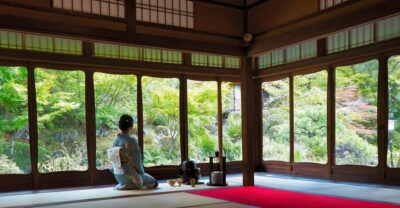
Tea Ceremony in a Traditional Tea House in Kiyomizu
Read our review →
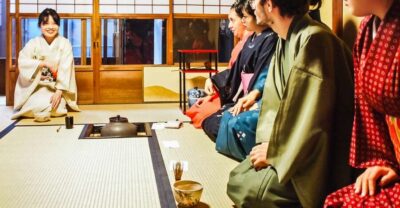
World Heritage Kyoto & Nara Uji Authentic Matcha Experience
Read our review →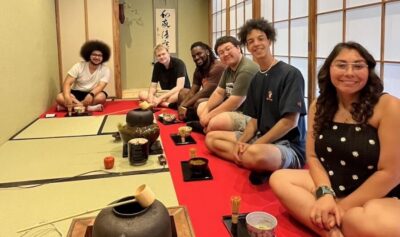
Browse the lists this tour appears in