
Reviewed · TEA CEREMONIES
Tokyo: Matcha and Kimono Experience
Tea tastes better with a little ritual. Near Shinjuku, this friendly Yotsuya workshop combines kimono dressing, Japanese tea culture, and hands-on matcha preparation in one compact cultural experience. I like the chance to compare different matchas with your eyes, nose, and tongue, and I like that you make your own bowl instead of only watching a formal demonstration.
The second strong point is the instructor, Komei, whose warm, funny teaching style has made this activity popular. He explains the customs without making them feel stiff or mysterious. The main consideration is that the kimono portion may take more time than some people expect, leaving slightly less time for the matcha-making section.
In This Review
- Key points to know before booking
- A small Tokyo workshop with a clear cultural focus
- Choosing and wearing the easy kimono
- Tasting matcha with your eyes, nose, and tongue
- Tea ceremony, teaism, and the meaning behind the gestures
- Making a beautiful bowl of matcha yourself
- What the $57 price buys you
- Who will enjoy this experience most
- Getting the most from the session
- Should you book the Tokyo Matcha and Kimono Experience?
- FAQ
- Where does the matcha and kimono experience meet?
- Is the activity near Shinjuku?
- What is included in the booking?
- Do I need to bring anything?
- Can children join the experience?
- What languages are available?
- What happens if I arrive late?
- Can I cancel for a refund?
Key points to know before booking
- Taste first-flush matcha from Japan: You sample premium matcha selected from a collection of more than 100 Japanese teas.
- Wear a quick-change kimono: These garments are designed to go on much faster than a full traditional kimono.
- Learn four connected traditions: The session covers tea ceremony, teaism, matcha, and kimono customs.
- Make your own bowl: You practice the key steps for preparing attractive matcha at home.
- Reach it easily from Yotsuya: The meeting point is about a six-minute walk from Yotsuya Station, near Shinjuku.
- Plan around the strict start time: Arriving more than 10 minutes late leads to automatic cancellation without a refund.
A small Tokyo workshop with a clear cultural focus
This is not simply a green-tea tasting with a costume photo at the end. The activity links the drink, the tools, the gestures, the clothing, and the ideas behind Japanese tea culture.
The venue is near Yotsuya, a useful location for anyone staying around Shinjuku. You meet the guide in front of the LUUP scooter stand beside the ACN Yotsuya Building, where a workshop sign marks the spot. From Yotsuya Station, allow about six minutes on foot.
The experience returns to the same meeting point at the end. That makes it easy to fit into a day of sightseeing, though you should leave yourself enough time to find the building. The start-time rule is firm: after 10 minutes, your booking is automatically canceled, and no refund is offered. In Tokyo, where train transfers and station exits can eat up time, I would arrive early rather than aim for the exact appointment time.
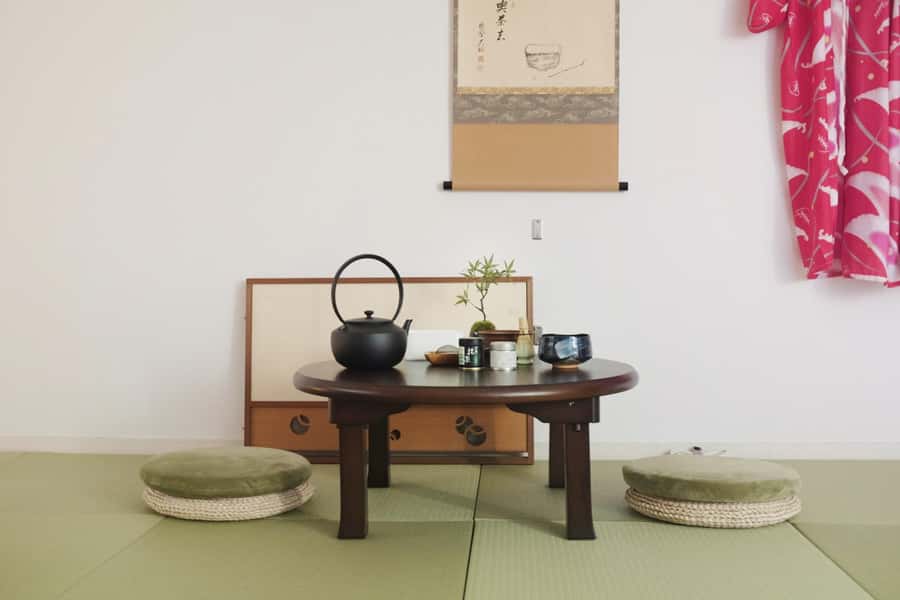
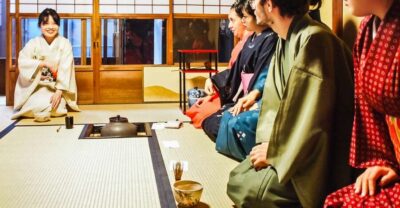
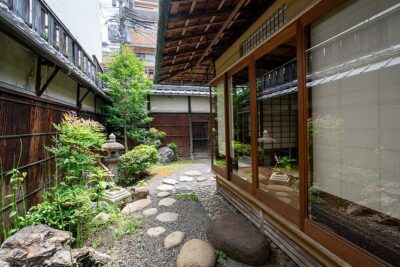
The setting is designed for cultural learning rather than a grand ceremonial hall. One description of the experience places the tea room in a local Japanese apartment with a small, carefully arranged tea space. That gives the activity a more personal feel, though it also means you should not expect a large museum-style presentation or a full-scale formal tea school.
More than 1,500 people attended the activity last year, and the teaching format appears to work well for small groups. One session had five people, which is a comfortable size for asking questions and getting help with the tea tools.
More Kimono Experiences in Tokyo
- Tokyo Asakusa Kimono&Yukata Rental at Kimono Miyabi Asakusa Station
★ 4.9 · 8,489 reviews - Tokyo Kimono, Furisode, and Yukata Rental Experience | Exquisite Hairstyling & Japanese Makeup & Photo Shoot (Ookini Asakusa Kaminarimon)
★ 4.8 · 767 reviews - Let’s make kimono !(Kimono is a gift for you
★ 5.0 · 252 reviews
Choosing and wearing the easy kimono
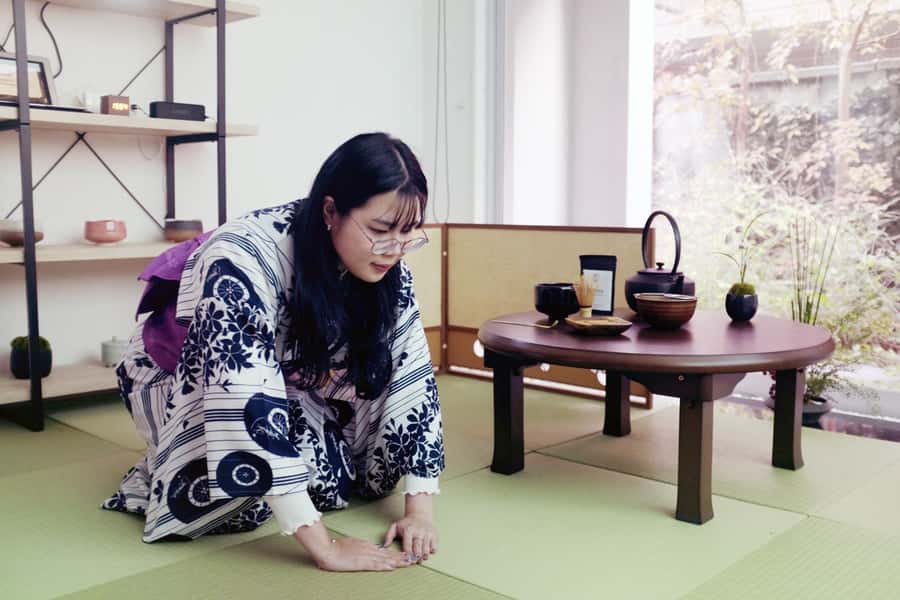
Before the tea lesson begins, you choose a kimono to wear during the activity. This is one of the most popular parts, especially if you have never tried Japanese traditional clothing.
The important detail is that these are easy-to-wear kimonos. A full formal kimono can take around 30 minutes to put on and usually requires careful wrapping and several layers. Here, the clothing is made for a quicker, more approachable introduction. You get the visual character of the garment without turning the first part of the workshop into a long dressing appointment.
I like this approach for a first cultural experience. You can enjoy the clothing, learn the basic way it is worn, and still have time for tea. Komei also explains the history of the kimono and the proper direction and arrangement of the garment. That small lesson matters because the kimono is not just a colorful outfit for photographs. Its shape, wrapping, and presentation carry traditional rules.
The kimono also adds a social element. Groups often take photographs during the session, and Komei has been praised for taking good pictures. If you want a polished photo of yourself in traditional clothing without arranging a separate rental appointment, this activity gives you that opportunity as part of the workshop.
The tradeoff is clear. If your main goal is matcha preparation, you may prefer a shorter dressing segment. One participant felt that a little more time on matcha and a little less on the kimono would improve the balance. The clothing is a real part of the experience, not a quick prop, so decide what matters most to you before booking.
Bring socks. Traditional flooring requires them, and if you forget, you may be asked to buy a pair at the workshop.
Tasting matcha with your eyes, nose, and tongue
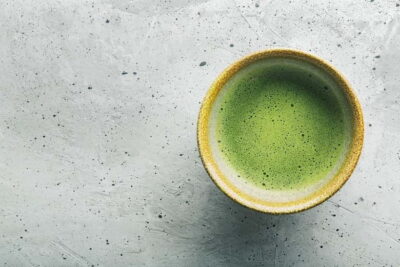
The tasting section gives the experience its strongest practical edge. Instead of treating matcha as one uniform powder, you compare different examples and look for differences in color, scent, texture, and flavor.
The workshop has access to more than 100 matchas from around Japan, with an exclusive first-flush matcha selected for the session. First flush refers to the earliest harvest, and the activity presents it as the highest-quality selection. The exact teas available can vary, but the main idea is to show you that matcha has range.
You also learn how to tell real matcha from poor or imitation products. That is useful well beyond this one afternoon. Matcha has become common outside Japan, but the product sold overseas can differ greatly from Japanese matcha in taste and quality. The lesson helps you understand why some cups taste smooth and fresh while others seem bitter, flat, or overly harsh.
I especially like that the comparison uses more than a lecture. You are encouraged to judge the tea through your senses. Look at the powder and its color. Smell it before preparation. Taste it and notice how the flavor changes across samples. This gives you a simple method you can use later in a shop, café, or grocery aisle.
The tasting also corrects a common assumption: matcha is not simply tea-bag tea ground into powder. The experience places it within a larger Japanese tea tradition, then shows you how preparation affects the final bowl.
A welcome drink and traditional Japanese sweets are included. The sweets help balance the sharp, grassy taste of matcha and make the lesson feel like a complete tea occasion rather than a series of samples.
Tea ceremony, teaism, and the meaning behind the gestures
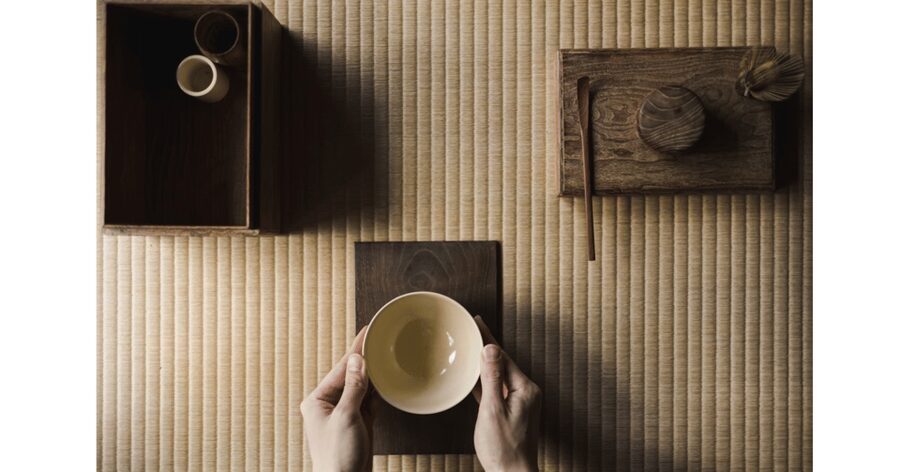
The lecture covers the differences among green tea, black tea, Chinese tea, and other tea styles before turning to Japanese tea culture. This wider view helps you understand what makes matcha unusual.
The instructor explains both tea ceremony and teaism. These ideas overlap, but the session treats them as more than a list of manners. You learn about the philosophy and attention connected with preparing and sharing tea. The gestures are not random decoration. They help create an orderly, respectful moment between host and visitor.
The lesson also explains the history of matcha and kimono. Several participants found the historical material especially useful because it connected the clothing and tea rather than presenting them as unrelated attractions. That pairing is one of the best reasons to choose this activity over a simple kimono rental.
Komei receives repeated praise for being warm, patient, and funny. He answers questions throughout the session and keeps the tone relaxed. That matters because tea ceremony rules can feel intimidating if they are delivered as a list of mistakes to avoid. Here, you get the basic manners in a way that is easier to follow.
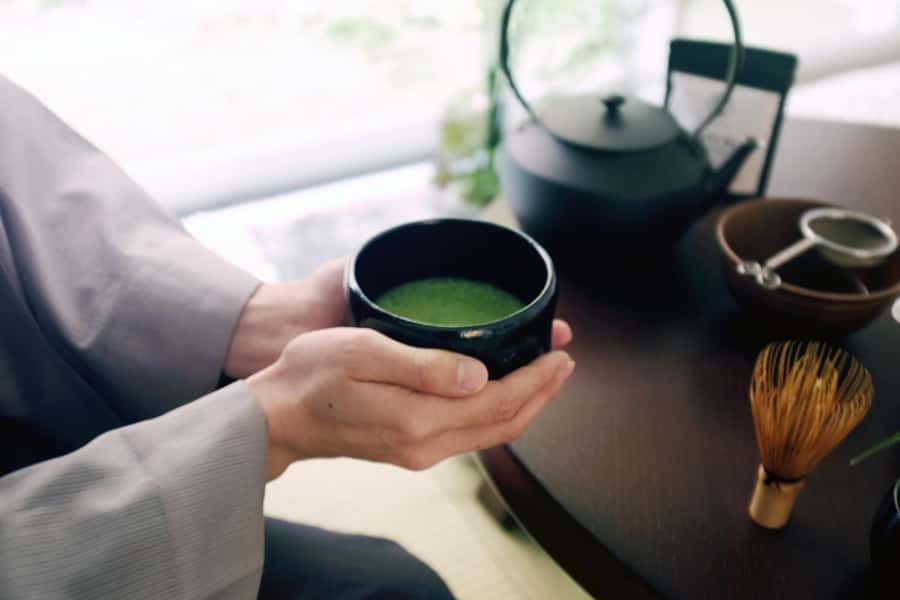
You learn how to receive and drink a bowl of matcha properly. The focus is introductory, so you should not expect to become a trained tea practitioner in one visit. You will, however, gain a better idea of why the bowl is handled in a particular way and how to behave during a tea presentation.
The workshop is conducted in English and Japanese. English-speaking visitors have described the explanations as clear and well structured, including a presentation covering Japanese history and matcha.
More Tea Ceremonies in Tokyo
- Matcha Making Class in Tokyo with Authentic Japanese Sweets Set
★ 5.0 · 744 reviews - Tokyo: Traditional Tea Ceremony with a Tea Master
★ 5.0 · 528 reviews - Tokyo: Matcha Making Experience with Mochi Sweets in Asakusa
★ 4.9 · 388 reviews - Tea Ceremony Workshop in Tokyo by the Experienced Instrucor
★ 5.0 · 189 reviews
Making a beautiful bowl of matcha yourself
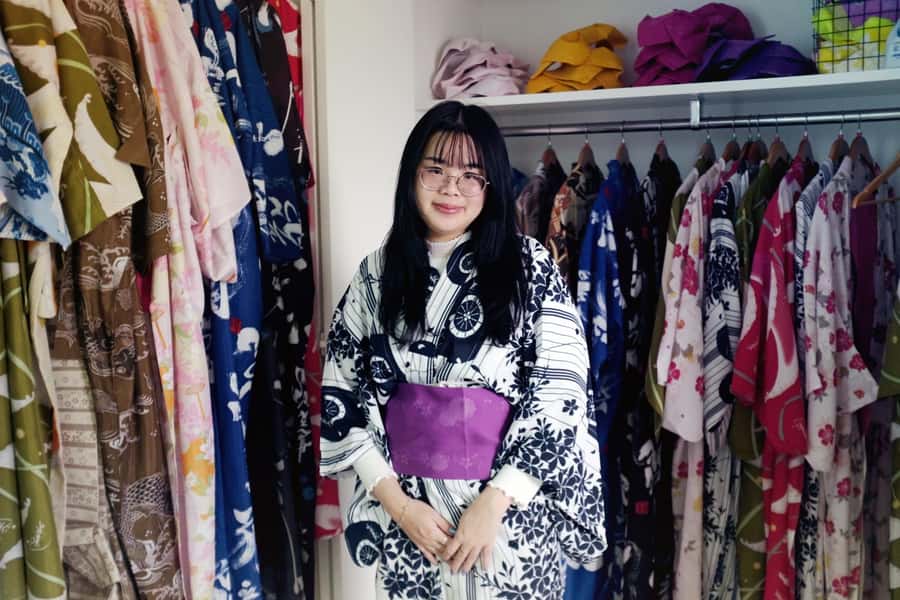
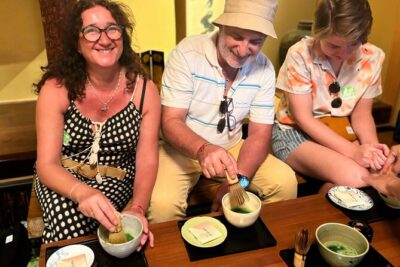
After the lecture, you use tea utensils to prepare matcha. This hands-on part is more rewarding than simply watching the instructor because you can feel how much technique goes into a seemingly simple bowl.
The activity teaches four key points for preparing matcha at home. The precise four points are taught during the session, but the purpose is clear: you learn how to handle the tools, work the powder with water, and present the finished drink attractively.
Matcha preparation looks easy until you try it. The powder, water, whisking, and serving all affect the result. The lesson gives you a chance to make mistakes in a friendly setting and ask for corrections. You then drink the bowl you prepared, which gives immediate feedback on the process.
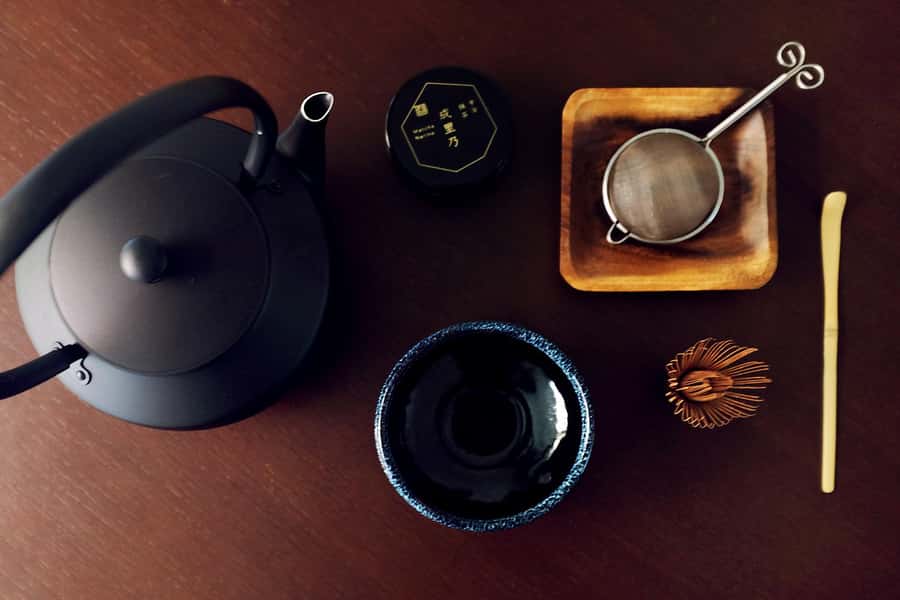
Tea ceremony tools are provided for the workshop. You do not need to bring equipment, and you do not need prior experience. The instruction is aimed at beginners, including people who may only know matcha from modern cafés.
I would treat the home-preparation section as a useful introduction, not a complete course in every regional or school-specific method. Japanese tea ceremony has many rules and traditions, and one workshop cannot cover them all. Its value is that you leave with a practical foundation and a better sense of what quality matcha should taste like.
The group format also helps here. In a smaller session, the instructor can watch how you use the tools and help you adjust. If the group is larger, the amount of individual guidance may depend on the day, so anyone seeking intensive instruction should keep expectations sensible.
What the $57 price buys you
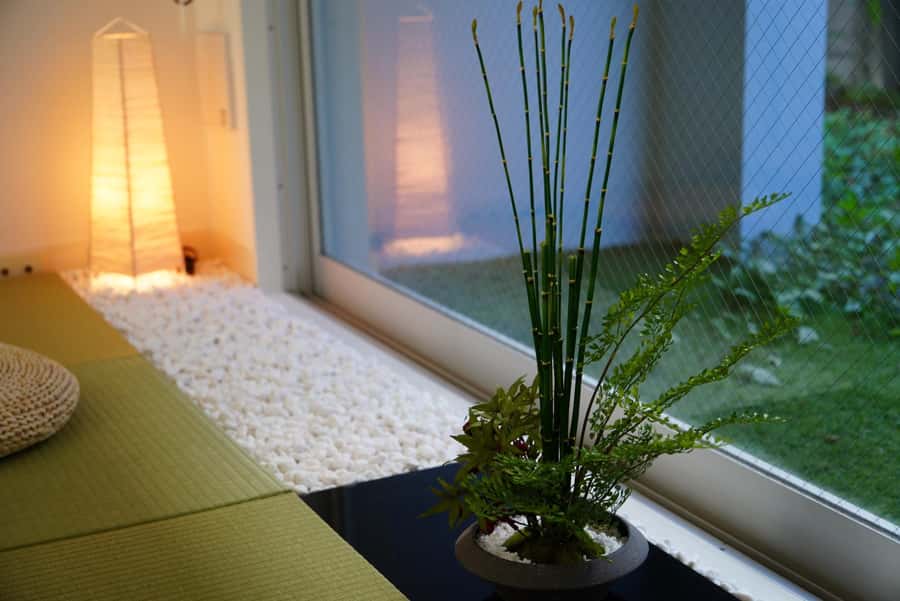
At $57 per person, this is not the cheapest way to drink matcha in Tokyo. You can find a cup of matcha for far less. The comparison is not quite fair, though, because this price includes several linked activities.
You receive:
- A kimono to wear throughout the experience
- A matcha tasting and lesson
- A tea culture lecture
- A matcha-making lesson
- First-flush matcha
- Traditional Japanese sweets
- A welcome drink
- Rental of tea ceremony tools
The value comes from the combination. A kimono rental alone may not teach you anything about tea. A café visit will not usually explain how to distinguish good matcha from poor matcha. A formal tea ceremony may show you polished movements without giving you much chance to make the tea yourself.
This workshop gives you instruction, clothing, tasting, food, and participation in one booking. I think the price is fair for visitors who want a guided cultural activity and plan to use what they learn later. It is less appealing if you only want a quick ceremony to photograph or a single sweet cup of tea.
The activity also saves you from arranging separate pieces. You do not need to locate a kimono rental, find a tea teacher, and buy utensils for a short visit. That convenience is part of the value.
Who will enjoy this experience most
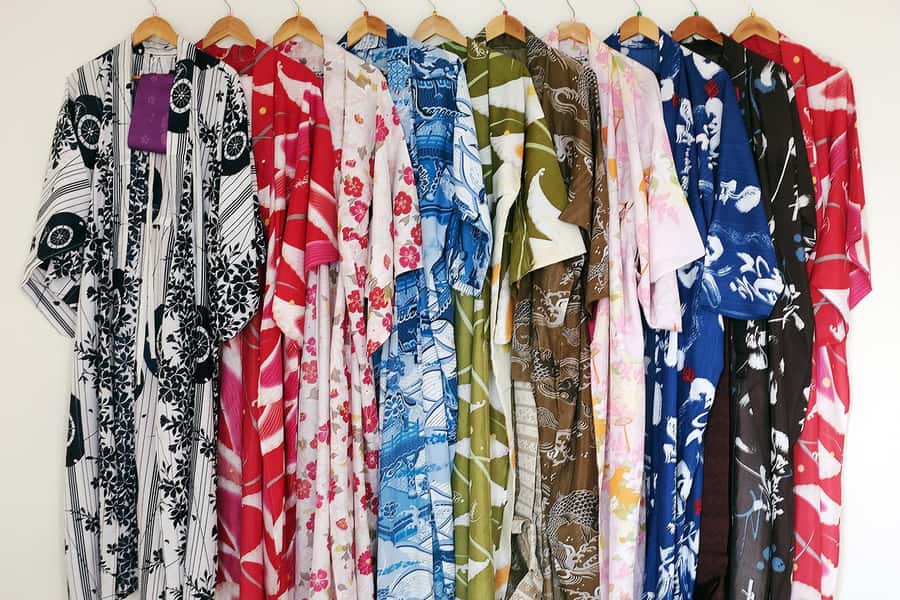
I would recommend this for first-time visitors who want a gentle introduction to Japanese traditions. You do not need to know anything about tea, kimono, or Japanese etiquette before arriving.
It also suits matcha fans who want to move beyond café drinks. The comparison of Japanese and overseas matcha, along with the tasting of different teas, gives you a better vocabulary for judging what you buy later.
The experience works well for couples, friends, and families with older children. Children under five are not permitted, so families should plan accordingly. The relaxed presentation also suits anyone who prefers conversation and questions over a silent, highly formal ceremony.
Photography-minded visitors will appreciate the kimono and the chance for group pictures. Just remember that the photos are an addition to the cultural lesson, not the entire purpose of the booking.
I would be more cautious if you want a long, formal tea ceremony conducted according to every traditional rule. This is a beginner-friendly teaching session with a practical workshop format. That makes it approachable, but it also means the experience is less solemn and specialized than a ceremony at an established tea school.
Avoid strong fragrances, alcohol, drugs, and noisy behavior. These rules protect the calm atmosphere and respect the traditional space.
Getting the most from the session
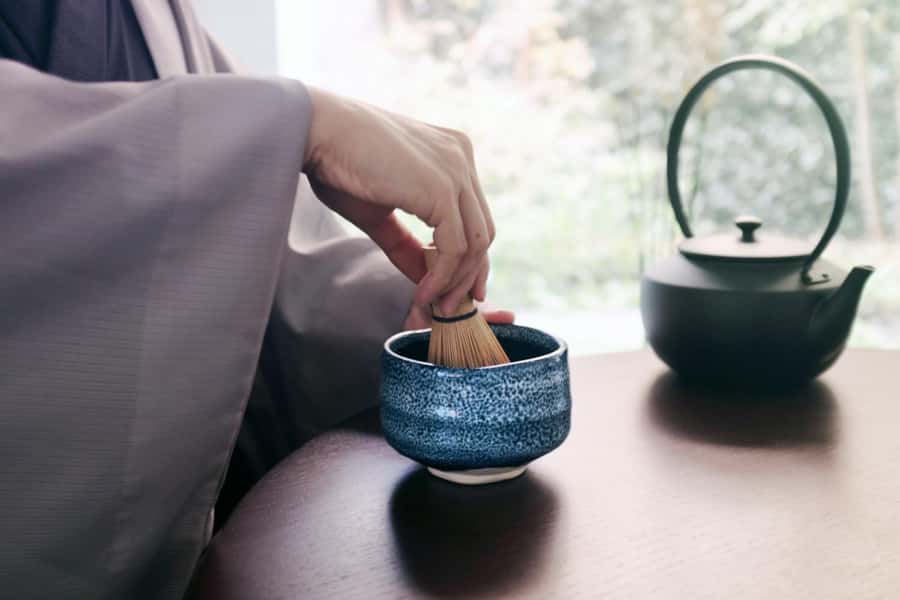
Wear comfortable clothes beneath the kimono and bring clean socks. Since the kimono is worn for the whole activity, comfort will matter more than dressing for a separate Tokyo sightseeing stop.
Arrive at least 15 minutes early. Find the ACN Yotsuya Building and the nearby LUUP scooter stand before the appointment time, rather than searching at the last moment. The 10-minute cancellation rule is the one practical detail most likely to cause trouble.
Come ready to taste rather than simply observe. Pay attention to the color, scent, bitterness, sweetness, and texture of each matcha. Ask how the tea differs by origin and quality, since the instructor’s explanations are one of the strongest parts of the session.
If you already enjoy matcha, tell Komei what you normally drink. If you are new to it, say so. The teaching is designed to be accessible, and the session becomes more useful when the instructor can respond to your questions.
You can cancel for a full refund up to 24 hours before the experience. Reserve-and-pay-later booking is also available, which helps if your Tokyo schedule is still changing.
Should you book the Tokyo Matcha and Kimono Experience?
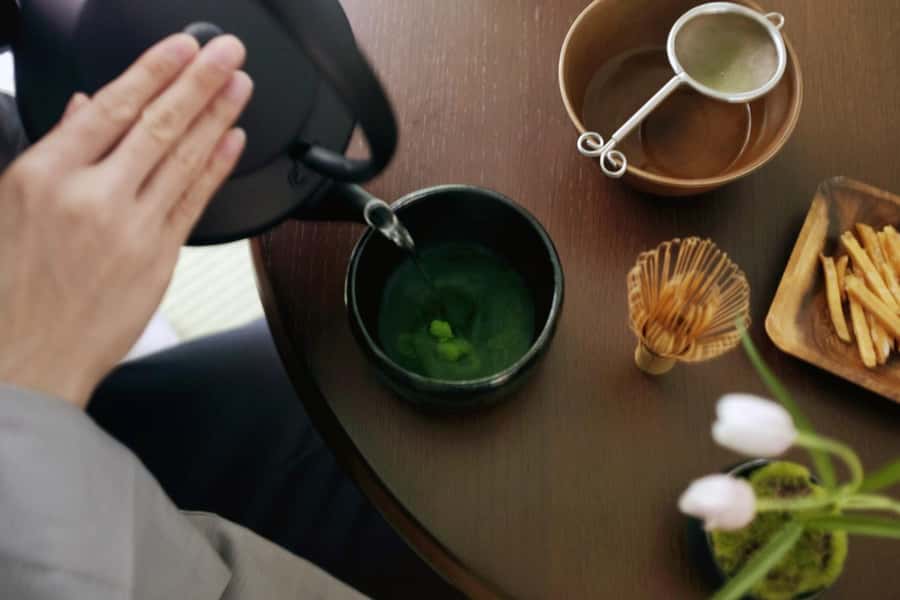
I would book it if you want an approachable, hands-on look at Japanese tea culture near Shinjuku. The best parts are the first-flush tasting, the chance to compare matchas, and the practical lesson that lets you prepare your own bowl. Komei’s friendly style adds real value, especially if formal Japanese customs feel unfamiliar.
Book with realistic expectations. This is not a full professional tea ceremony course, and the kimono portion may take more time than you prefer. But at $57, it offers a useful mix of clothing, sweets, tea education, etiquette, and practice.
For a first encounter with matcha and kimono, this is a strong choice. Bring socks, arrive early, and give yourself enough time to enjoy the lesson rather than rushing off to the next Tokyo sight.
FAQ
Where does the matcha and kimono experience meet?
The guide waits in front of the LUUP scooter stand next to the ACN Yotsuya Building, holding a workshop sign. The meeting point is about a six-minute walk from Yotsuya Station.
Is the activity near Shinjuku?
Yes. The experience takes place in Yotsuya, which is next to the Shinjuku area.
What is included in the booking?
The booking includes the matcha experience, a kimono to wear, a tea culture and matcha lecture, a matcha-making lesson, first-flush matcha, traditional Japanese sweets, a welcome drink, and tea ceremony tool rental.
Do I need to bring anything?
You need to bring socks because the activity uses traditional flooring. If you forget them, you may be asked to buy socks at the workshop.
Can children join the experience?
Children under five years old are not permitted to participate.
What languages are available?
The experience is offered in English and Japanese.
What happens if I arrive late?
Your booking is automatically canceled after 10 minutes of delay from the appointment time. No refund is provided in that case.
Can I cancel for a refund?
Yes. You can cancel up to 24 hours in advance for a full refund. Reserve-and-pay-later booking is also available.
Just added in Tokyo
- Tokyo Cute Bento Cooking Class – Make a Kawaii Character Lunchbox★ 5.0 · 126 reviews
- Japanese Home Cooking Class & Walk in Todoroki Temple Tokyo★ 5.0 · 88 reviews
- A One-of-a-Kind Sushi Experience in a Special Place of Japan★ 5.0 · 15 reviews
- Japan Tokyo Tower Observatory Deck E-Ticket★ 4.0 · 34 reviews
- Catch a Baseball Game in Tokyo with a Local – Tickets Included★ 5.0 · 24 reviews
- JDM Experience with Fast&Furious RX-7 (English speaking Driver)★ 5.0 · 57 reviews
- Tokyo Private Day Tour by Car with English speaking Driver Guide★ 4.0 · 29 reviews
- Japan Classic 10 Day – One Life Adventures★ 5.0 · 129 reviews
Tea Ceremonies, compared.
Tea Ceremony in a Traditional Tea House in Kiyomizu
Read our review →
World Heritage Kyoto & Nara Uji Authentic Matcha Experience
Read our review →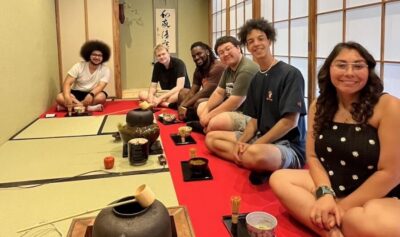
Browse the lists this tour appears in