
Reviewed · KIMONO AND CULTURAL DRESS
Let’s make kimono !(Kimono is a gift for you
Kimono memories should fit in your suitcase. This Tokyo workshop lets you choose a vintage kimono, adjust it to your size, learn how to wear it, and take photos in the finished outfit. I like the small group of no more than five and the warm, personal setting in a residential part of Kiba. I also like that the kimono is yours to keep, not just a costume for an afternoon. The main catch is simple: the title suggests you will sew a complete traditional kimono, but the process often involves altering one into an easier-to-wear jacket and skirt or adapted kimono.
The 90-minute session costs $43.11 per person, with upgraded fabrics and certain accessories costing extra. Basic choices are included, but the more ornate vintage pieces can add ¥2,000 to ¥6,000, so ask about prices before falling in love with the fanciest silk in the room.
In This Review
- Key points to know before you book
- A residential Tokyo setting in Kiba
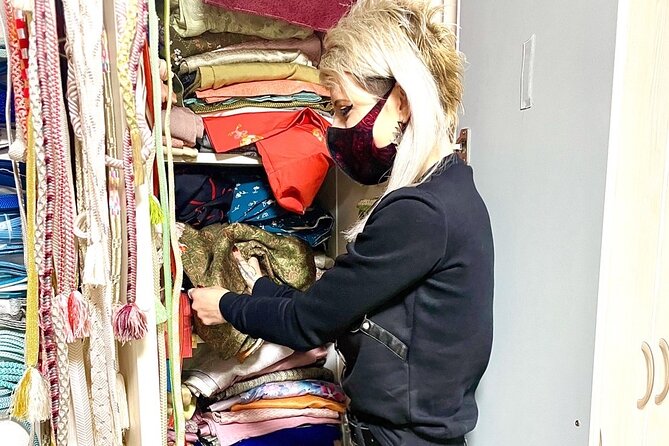
- Choosing from vintage kimono fabrics
- How the women’s kimono is altered
- Men’s kimono and the personal Kanji detail
- Children’s sessions follow a different path
- Learning to wear the finished garment
- Photo time and the kimono you take home
- What the $43.11 price really covers
- Who will enjoy this workshop most
- Should you book this Kiba kimono experience?
- FAQ
- How long does the kimono workshop last?
- Where does the experience take place?
- How many people can join the group?
- Is an obi included?
- Are upgraded kimonos included in the price?
- Can children take part?
- Are sandals and tabi provided?
- Can I cancel or change my booking?
Key points to know before you book
- You keep the kimono: This is both a cultural activity and a wearable souvenir, not only a dressing session.
- Vintage fabrics make every choice different: The kimonos are preowned, so some may show stains or signs of age.
- The workshop is limited to five people: That allows for close help with fitting, folding, cutting, and ironing.
- The obi and dressing pieces are included as rentals: Obiage, obijime, and an obi pillow are also available to buy.
- Men and children have tailored options: Men can add a haori, while boys can have a Japanese name printed on the collar.
- Japanese sandals and tabi are not included: Plan your footwear separately if you want a complete traditional look.
A residential Tokyo setting in Kiba
The meeting point is at 6-chōme-8-6 Kiba in Koto City, Tokyo. This is not presented as a large shopfront or a polished theater-style attraction. You arrive at a private-home setting in an older residential district, which can feel a little uncertain at first, especially if you expect a clearly marked tourist studio.
That home-like setting is part of the appeal. You get a look at a quieter side of Tokyo instead of spending the whole day around major shopping streets and crowded sights. One practical tip is to allow extra time to find the address and keep your phone ready for directions. The meeting point can be easy to miss, but staff can help if you have trouble locating it.
The activity has morning and afternoon sessions, so it can fit neatly around a museum visit, lunch, or an evening reservation. Since the session lasts about an hour and a half, you are not giving up an entire day of sightseeing.
The experience has received the Omotenashi Selection Gold Award, an honor chosen by a panel of foreigners living in Japan. That does not mean every part will suit every person, but it does reflect the activity’s focus on making traditional clothing approachable for people who have never worn it before.
More Kimono Experiences in Tokyo
Choosing from vintage kimono fabrics
The first real step is choosing your kimono. You can look through a range of vintage fabrics, colors, and patterns, with several basic pieces covered by the starting price. More elaborate choices cost extra, usually between ¥2,000 and ¥6,000 for an upgraded kimono.
This is where the workshop feels personal. Instead of being handed one standard rental outfit, you choose the color and pattern that fit your taste. The selection can include antique or preowned kimono fabrics, so the appeal is less about perfect new condition and more about the character of each piece.
You should inspect your choice carefully. The provider notes that some vintage kimonos may have stains in places. That is not unusual for old fabric, but it matters if you expect a flawless garment. If you want the most polished finish, ask which pieces are included and which carry an extra charge before the fitting begins.
The price system is worth understanding. The base fee keeps the activity affordable, but the included selection is limited. It is easy to spend more if you choose a fancier kimono, an obi, or a complete upgraded set. A full outfit can reach around ¥11,000 in one reported case, and one family paid about ¥20,000 for several people after selecting additional items. Those costs are not hidden in the sense of being unavoidable, but you should budget for them if you want premium fabric.
How the women’s kimono is altered
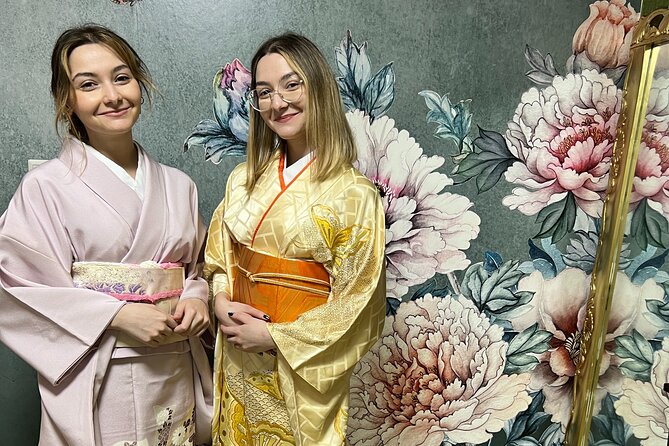
For women, the workshop combines selection, fitting, simple construction, and dressing instruction. Staff customize the kimono to your size, then guide you through the changes needed to make it easier to wear.
The hands-on work can include cutting, folding, taping a seam, hemming the waist, and ironing. You do not need advanced sewing skills. If you can handle basic cutting and folding, you should be able to take part, and staff are ready to help if you get stuck.
This is an important distinction. You are not creating a full kimono from raw cloth, and you may not be sewing a traditional garment in the formal sense. Instead, you are adapting a vintage kimono into a practical piece that can be worn more quickly and with less difficulty. In some cases, the final item may look more like a jacket and skirt than a conventional full-length kimono.
That approach has a real benefit. Traditional kimono dressing involves many layers, precise folds, and specialist techniques. This workshop gives you a way to understand the basic shape and styling without needing a professional dresser. It also helps taller or larger customers find a better fit, since the garment is adjusted rather than simply pulled from a standard rental rack.
The tradeoff is cultural and practical. If your goal is to learn formal kimono construction or receive a detailed history lesson, this activity may feel light on background information. The focus is making the garment wearable, not giving a long lecture about textiles, ceremonies, or regional styles.
Men’s kimono and the personal Kanji detail
Men can choose a kimono, with a haori and kimono set available for an additional ¥2,000. The men’s activity also includes printing your name in Kanji, choosing the font color, and ironing the name onto the kimono.
That small detail gives the finished piece a personal mark and makes the experience different from a standard dressing appointment. It also gives men more than a passive role in the process. You select the garment, take part in the customization, and leave with something tied to your own visit.
The haori is an extra cost, so check the price if you want the layered look shown in traditional men’s styling. The starting fee includes the kimono, but not every possible combination of kimono, haori, obi, and accessories.
A completely different kind of day out:
- Tokyo Disney Resort – Tokyo Disneyland & Tokyo DisneySea Park Tickets
★ 4.8 · 99,488 reviews - SHIBUYA SKY Ticket
★ 4.7 · 46,509 reviews - JR Whole Japan Rail Pass
★ 4.8 · 29,150 reviews - Mt Fuji and Hakone 1-Day Bus Tour Return by Bullet Train
★ 5.0 · 26,383 reviews
Children’s sessions follow a different path
Children can join the experience, but a child’s itinerary is not exactly the same as the women’s version. Some children’s kimonos do not need adjustment, which means the child can wear the garment without cutting the material.
Girls have a children’s kimono option, and staff can help with dressing and fitting. Boys can also have their name printed in Japanese on the collar of the kimono. That gives younger participants a clear keepsake and a task they can understand.
The activity has worked well for families, including parents with daughters and an older family member. One useful point for families is that a participant in her late 70s had no trouble taking part. Still, the exact physical setup is not fully described, so you should contact the provider if someone in your group has specific mobility needs.
Children may also need patience during the selection and fitting stages. The workshop is friendly and hands-on, but the process involves clothing adjustments and careful dressing rather than a fast costume change.
Learning to wear the finished garment
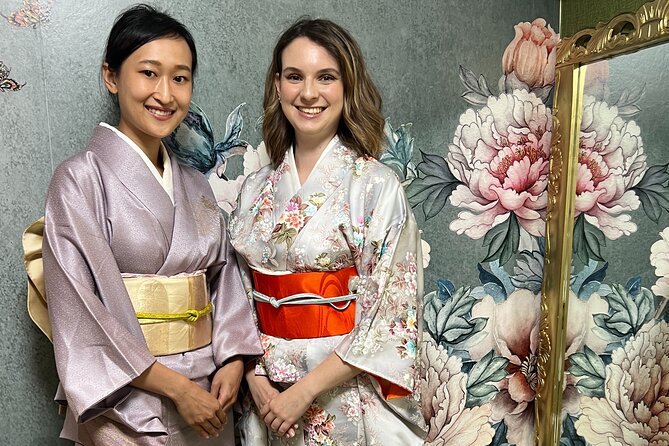
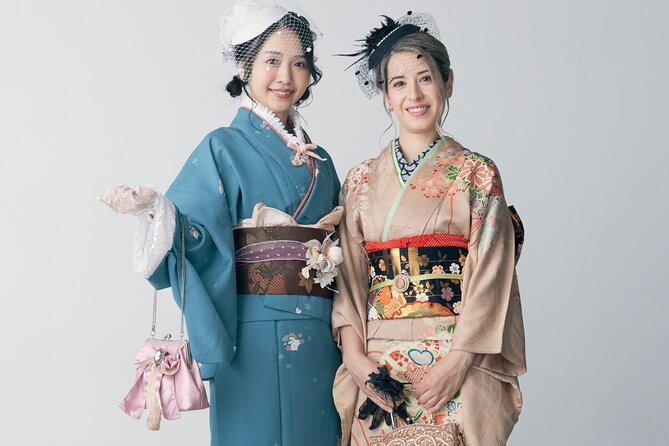
After the alterations, staff show you how to wear the kimono. The included dressing pieces are an obi, obiage, obijime, and obi pillow. These are supplied as free rentals and may also be available for purchase.
The lesson is useful because simply owning a kimono does not tell you how to put it on. You learn how the pieces work together and how the adapted garment can be worn more easily on your own. The instruction is aimed at ordinary people, not only those already familiar with Japanese clothing.
The obi is especially important to the final appearance. A beautiful kimono can look unfinished without the right sash and supporting pieces, so the included rentals add real value. However, Japanese sandals and tabi are not included. You can still take part without them, but your outfit will not include every traditional element.
The workshop is also a chance to ask questions. Staff can explain parts of the clothing while helping you dress, and their practical fashion advice can be useful if you are unsure how to combine colors or wear the pieces separately.
Photo time and the kimono you take home
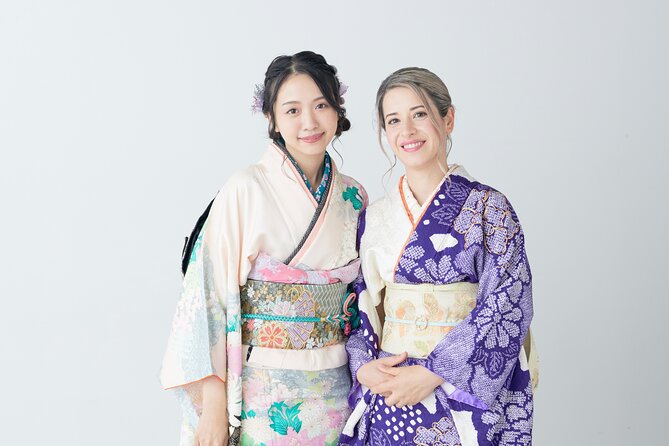
The session ends with photos in the completed outfit. Staff can take pictures for you, which is helpful if your phone battery is low or you are visiting alone. The photo session gives the workshop a clear finish and lets you document the garment before packing it away.
The strongest value here is the keepsake. You leave with the kimono you selected and adapted, rather than returning everything to a rental counter. Some people choose to wear the pieces together, while others use the altered items separately.
That is also why this activity feels different from a generic kimono rental. A rental gives you a short-lived look and perhaps a stroll around town. This workshop gives you a practical souvenir and a small skill you can use again.
You should keep your expectations realistic. The final product may not be a formal, full traditional kimono. If you want an authentic ceremonial outfit, professional dressing, or a long photo shoot in historic streets, look for a different type of service. If you want a wearable vintage garment and a creative activity, the format makes good sense.
What the $43.11 price really covers
At $43.11 per person, the starting cost is fair for a 90-minute small-group class that includes the kimono, dressing guidance, obi rental, supporting obi pieces, and photos. The fact that you keep the kimono makes the price more attractive than a simple rental, especially if you choose one of the included basic pieces.
The value changes once you select upgraded fabric. Add-ons can include a more ornate kimono, the men’s haori, an obi, or other pieces for purchase. The upgrades are not necessarily unreasonable, but they can push the total well above the advertised starting price.
I would treat $43.11 as the entry point, not the likely final amount for anyone who wants the most elaborate outfit. Decide before the session how much you are comfortable spending. Then ask which kimono and accessories fit that budget.
The small group also matters. With a maximum of five people, you should receive more direct assistance than you would at a large rental shop. That is particularly helpful for sizing, cutting, ironing, and learning the folds.
Who will enjoy this workshop most
I would recommend it to you if you want a hands-on cultural activity rather than another sightseeing stop. It suits couples, families, solo visitors, and anyone who likes craft projects, clothing, photography, or unusual souvenirs.
It is especially useful if you have struggled to find a kimono that fits. The alteration process can make the clothing more comfortable for taller or larger bodies, and the instruction gives you a way to wear it again instead of treating it as a fragile display piece.
Families should appreciate the children’s options, while men get a clear customization feature through the Kanji name printing. The friendly staff and English-language assistance make the process easier for international visitors.
I would hesitate to book it if you want a formal lesson in Japanese costume history. Several people wished for more explanation of tradition and background, although questions are welcome during the workshop. I would also hesitate if you dislike making irreversible changes to vintage clothing, since the activity may involve cutting or altering the original garment.
The experience is non-refundable and cannot be changed after booking. If poor weather causes the provider to cancel, you can choose another date or receive a full refund. Service animals are allowed, and the location is near public transportation.
Should you book this Kiba kimono experience?
Book it if you want a friendly, personal workshop where you choose a vintage kimono, help adapt it, learn to wear it, take photos, and bring it home. The 4.9 rating from 252 ratings and 98 percent recommendation fit its strongest qualities: kind assistance, attractive fabrics, family-friendly support, and a souvenir with real use.
Go in knowing exactly what make a kimono means here. You are adapting a preowned kimono into an easier-to-wear garment, not producing a formal kimono from scratch. Check the vintage condition, confirm upgrade prices, and remember that sandals and tabi are separate.
With those points clear, I think this is a worthwhile choice for a creative afternoon in Tokyo, especially if you prefer a residential setting and a personal keepsake over a standard rental photo package.
FAQ
How long does the kimono workshop last?
The experience lasts approximately 1 hour and 30 minutes.
Where does the experience take place?
It starts and ends at 6-chōme-8-6 Kiba, Koto City, Tokyo 135-0042, Japan.
How many people can join the group?
The activity has a maximum of five participants.
Is an obi included?
Yes. An obi is included as a free rental. Obiage, obijime, and an obi pillow are also included as rentals and may be available for purchase.
Are upgraded kimonos included in the price?
No. Basic kimono choices are included, while upgraded options cost an additional ¥2,000 to ¥6,000. Men’s haori and some other accessories also cost extra.
Can children take part?
Yes. Children’s kimono experiences are available for girls and boys. Some children’s kimonos do not require adjustment, and boys can have their name printed in Japanese on the collar.
Are sandals and tabi provided?
No. Japanese sandals and tabi are not included.
Can I cancel or change my booking?
The experience is non-refundable and cannot be changed for any reason. If the provider cancels because of poor weather, you can receive a full refund or choose a different date.
Just added in Tokyo
- A One-of-a-Kind Sushi Experience in a Special Place of Japan★ 5.0 · 15 reviews
- Tokyo Cute Bento Cooking Class – Make a Kawaii Character Lunchbox★ 5.0 · 126 reviews
- Japanese Home Cooking Class & Walk in Todoroki Temple Tokyo★ 5.0 · 88 reviews
- Japan Tokyo Tower Observatory Deck E-Ticket★ 4.0 · 34 reviews
- Catch a Baseball Game in Tokyo with a Local – Tickets Included★ 5.0 · 24 reviews
- JDM Experience with Fast&Furious RX-7 (English speaking Driver)★ 5.0 · 57 reviews
- Tokyo Private Day Tour by Car with English speaking Driver Guide★ 4.0 · 29 reviews
- Japan Classic 10 Day – One Life Adventures★ 5.0 · 129 reviews
Kimono and Cultural Dress, compared.
![[Kyoto & Nara Day Tour] Sagano Scenic Railway & Nara Park & Fushimi Inari Taisha Thousand Torii Gates & Togetsukyo Bridge & Bamboo Grove & Kimono Forest (Departing from Osaka)](https://media.japanvisits.com/wp-content/uploads/kyoto-nara-day-tour-sagano-scenic-railway-nara-park-fushimi-inari-taisha-thousand-torii-gates-togetsukyo-bridge-bamboo-grove-kimono-forest-departing-from-osaka-k110001-400x257.jpg)

Tokyo Asakusa Kimono&Yukata Rental at Kimono Miyabi Asakusa Station
Read our review →
Kyoto Geisha Walking Tour: Gion District & Hidden Gems
Read our review →
Gion Magical Night Walking Tour with Geisha Trivia
Read our review →
Gion Geisha District Walking Tour – Stories of Geisha
Read our review →
Best of Kyoto: Gion, Geisha, Pagodas & Cobblestones
Read our review →
Kyoto Kimono Rental Experience (Optional Exquisite Hair Styling/Japanese Makeup/Photography) (Ookini Kiyomizu-dera Main Store)
Read our review →Browse the lists this tour appears in