
Reviewed · TEA CEREMONIES
Tea Ceremony Workshop in Tokyo by the Experienced Instrucor
Slow down in Tokyo. This small-group tea workshop offers a thoughtful introduction to Chado inside a traditional tatami tea room, with an experienced English-speaking instructor guiding you through both the meaning and mechanics of Japanese tea. I especially like the chance to serve tea as both host and guest, and the tasting of koicha, usucha, and local sweets gives the session real variety. The main consideration is that this is an introductory class, not a full-length tea ceremony for serious practitioners.
The experience costs $38.47 per person and lasts about 90 minutes. That is a fair price for a guided cultural activity in Tokyo, particularly since you watch a formal performance, taste several kinds of tea, learn about bowls and matcha, and prepare your own drink. The old building’s steep staircase and required socks are worth noting before you book.
In This Review
- Key points before you book
- Why this Tokyo tea class is worth your time
- Finding the tea room in Kotobuki
- Sakura tea, video, and the first taste of Chado
- Entering the tatami room and leaving ordinary noise behind
- Watching koicha, the strong tea of samurai
- Tea bowls, sweets, and the details that make the class memorable
- Making and serving your own bowl of usucha
- What the $38.47 price really includes
- Dress, comfort, and timing tips
- Who will enjoy this experience most
- Should you book the Tokyo tea ceremony workshop?
- FAQ
- Where does the tea ceremony workshop take place?
- How long does the workshop last?
- How much does the experience cost?
- Is the workshop taught in English?
- Do I need to sit in seiza?
- What should I wear?
- Can children join the workshop?
Key points before you book
- Urasenke-linked instruction: The workshop is taught through a school licensed by the Urasenke Chado School in Kyoto, one of Japan’s major tea ceremony traditions.
- You do more than watch: You practice making and serving usucha, the lighter, foamy style of matcha.
- Three tea experiences: The session includes sakura tea, strong koicha, and usucha, so you can compare their tastes and roles.
- Traditional setting: The tea room is on the second floor of a Japanese house built in the 1940s, with tatami mats and a steep staircase.
- English-friendly teaching: The instructor explains the ceremony, history, and etiquette in English, making the detailed movements easier to follow.
- A good family activity: Children aged 10 and older may participate, and you do not have to sit in the formal seiza position.
Why this Tokyo tea class is worth your time
Tokyo offers endless sights, from neon streets to temple grounds, but a tea ceremony gives you a different way to understand Japan. The focus is not simply on drinking matcha. It is on attention, order, hospitality, seasonal details, and the relationship between host and guest.
This workshop makes those ideas approachable. You are not expected to know the rules before arriving. The instructor explains what is happening, demonstrates the movements, and then lets you try the process yourself.
That structure matters. A formal ceremony can look mysterious if you only watch from the side. Here, you learn why the host handles the bowl in a certain way, why sweets are served before tea, and how the room itself forms part of the experience.
The activity takes place at a school connected with the Urasenke Chado School in Kyoto. That gives the class a stronger foundation than a casual matcha demonstration. The instructor has been practicing tea ceremony for 28 years, according to the information provided for the experience, and her teaching style is described as warm, clear, and friendly.
The class is also short enough to fit into a busy Tokyo day. You can schedule it around time in Asakusa, nearby temples, or other sightseeing. It is not so long that children or first-time visitors are likely to lose patience.
More Tea Ceremonies in Tokyo
- Matcha Making Class in Tokyo with Authentic Japanese Sweets Set
★ 5.0 · 744 reviews - Tokyo: Traditional Tea Ceremony with a Tea Master
★ 5.0 · 528 reviews - Tokyo: Matcha Making Experience with Mochi Sweets in Asakusa
★ 4.9 · 388 reviews
Finding the tea room in Kotobuki
The meeting point is 2-chome-3-12 Kotobuki, Taito City, Tokyo 111-0042. The experience is near public transportation and ends at the same location.
Pay close attention to the address. The correct location is 2-3-12, while Google Maps may show 2-3-3 for unclear reasons. This is the kind of small detail that can turn a peaceful cultural activity into a rushed start, so I would check the address carefully before leaving your hotel.
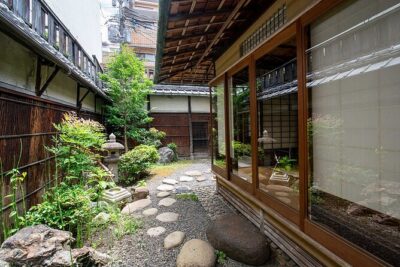
The tea room occupies the second floor of an old Japanese-style house built in the 1940s. That setting adds character. You are not walking into a modern hotel room designed to look traditional. You are entering an older building with its own limits.
The staircase is very steep, and the venue does not have machinery to help people reach the second floor. If stairs are difficult for you, contact the provider before booking. The room also has a stated weight capacity, and groups may occasionally be asked to change time slots to keep the building within safe limits.
The activity is listed with a maximum of six people, though the practical information also refers to groups of eight. Group size can affect the feel of the class, so I would confirm the current limit if you are booking for a larger party.
Sakura tea, video, and the first taste of Chado
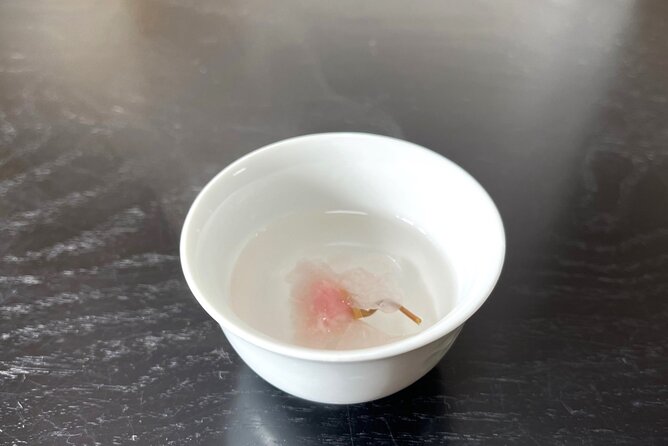
The workshop begins with a cup of sakura tea served as a welcome drink. Cherry blossom tea is a fitting opening because it introduces the Japanese habit of linking food and drink to the season.
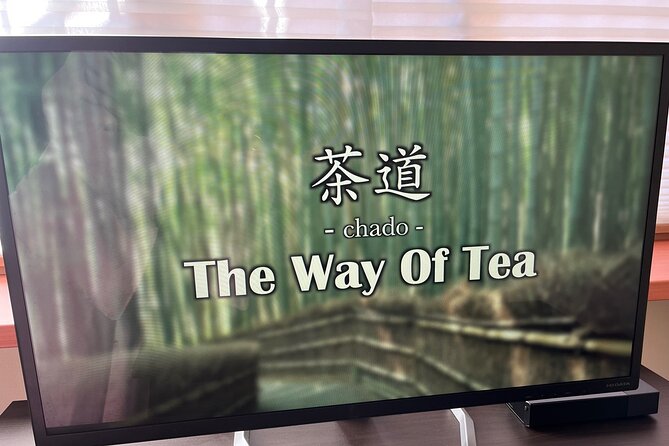
Next comes a 10-minute video about the history and basic ideas of Chado. This may sound less atmospheric than starting directly in the tea room, but it gives you useful footing. The ceremony has many small gestures, and knowing the broad purpose behind them helps you understand what follows.
The early presentation also explains that tea ceremony is not simply a performance. It is a disciplined form of hospitality. The host prepares carefully, the guest receives carefully, and both sides show respect through small actions.
English fluency is a major help here. The instructor can explain the cultural meaning without leaving you to guess from hand movements alone. This is one reason the class suits people who want more than a pretty photo with a bowl of green tea.
Entering the tatami room and leaving ordinary noise behind
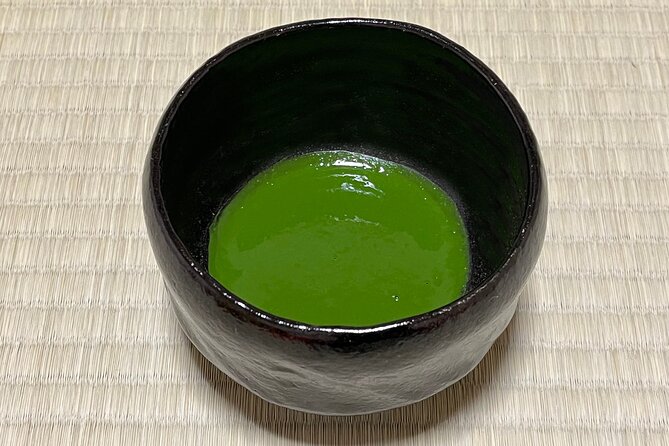
The tea room is a key part of the experience. Tatami mats, traditional objects, and the controlled pace of the ceremony create a quieter setting than the streets outside.
The workshop includes a period of meditation and asks you to set aside everyday concerns. You do not need to treat this as a formal religious exercise. Think of it as a chance to stop checking the clock and pay attention to what is directly in front of you.
You also learn about the tea room itself. In Chado, the room is not just a container for the ceremony. Its layout, objects, and seasonal details help shape the meeting between host and guest.
One practical point makes the session more welcoming: you do not have to sit in seiza, the formal position with your knees bent beneath you. If sitting on the tatami is not possible, a chair can be provided. That makes the class more accessible than many people may expect, though you still need to manage the steep stairs.
A completely different kind of day out:
- Tokyo Disney Resort – Tokyo Disneyland & Tokyo DisneySea Park Tickets
★ 4.8 · 99,488 reviews - SHIBUYA SKY Ticket
★ 4.7 · 46,509 reviews - JR Whole Japan Rail Pass
★ 4.8 · 29,150 reviews - Mt Fuji and Hakone 1-Day Bus Tour Return by Bullet Train
★ 5.0 · 26,383 reviews
Watching koicha, the strong tea of samurai
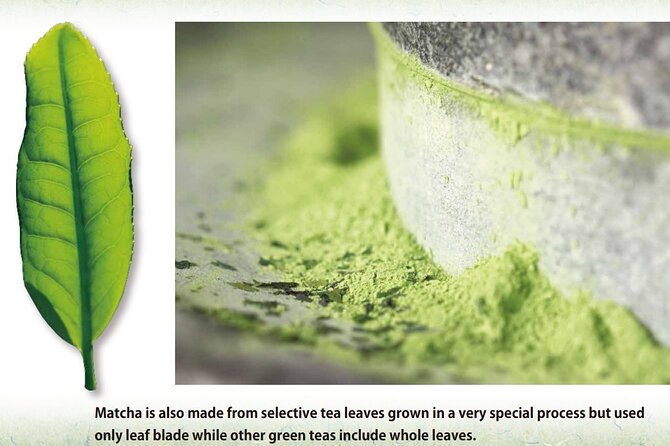
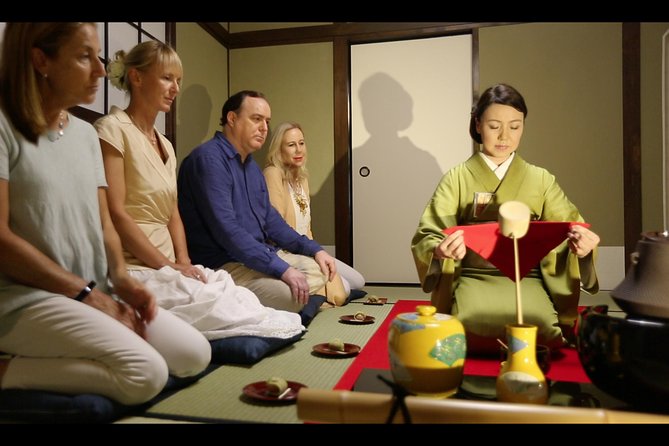
The instructor then performs the formal preparation of koicha, the thick and powerful matcha associated with the older form of tea drinking. This is the ceremonial centerpiece of the workshop.
Koicha is very different from the lighter matcha many people know from cafés. It has a denser texture and stronger taste. The session connects it with samurai-era tea culture, giving you a sense of how far removed this drink is from a sweet modern matcha beverage.
Watching the preparation is valuable because the movements are precise. The instructor follows a set sequence rather than casually whisking powder into hot water. You see how the bowl, scoop, whisk, and cloth each have a role.
You also get to taste the koicha. That tasting helps place the later usucha lesson in context. Some people will prefer the lighter tea, while others may appreciate the concentrated flavor of koicha. The point is not to force you to like every style. It is to help you notice your own preference.
Tea bowls, sweets, and the details that make the class memorable
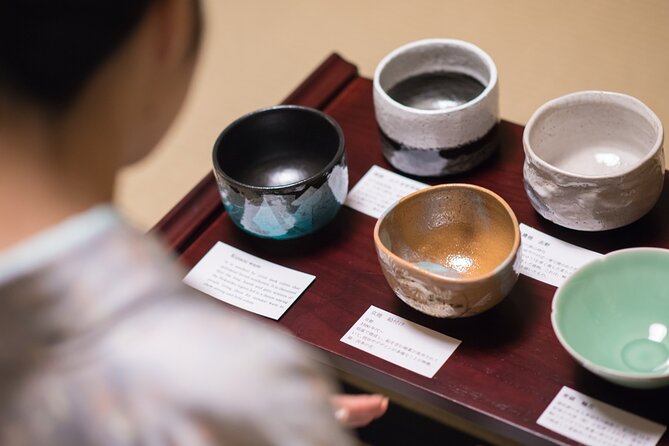
The workshop includes an explanation of tea bowls from different regions. You learn that shape affects more than appearance. The bowl can change how the tea feels in your hands, how you see the foam, and how you experience the drink.
That lesson gives the objects in the room more meaning. A tea bowl is not just a cup chosen for decoration. Its size, form, and origin can affect the mood of the gathering.
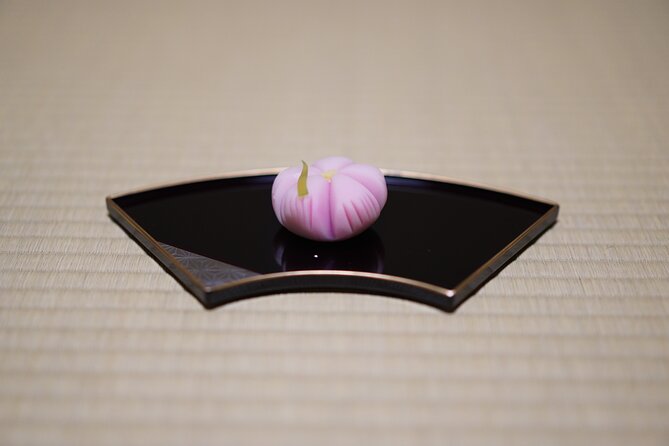
Sweets play an important role, too. You receive traditional Japanese confectionery, including three kinds of local Japanese sweets during the full presentation. Dry sweets are served before the usucha, helping balance the bitter taste of matcha.
The sweets are not a minor extra. They show how Japanese tea service works as a complete pairing. The sweetness prepares your mouth for the tea, and the tea keeps the confection from becoming cloying.
Several parts of the session are described as especially enjoyable for families. Younger participants can follow the demonstrations, taste the sweets, and then make their own tea. Children must be at least 10 years old.
Making and serving your own bowl of usucha
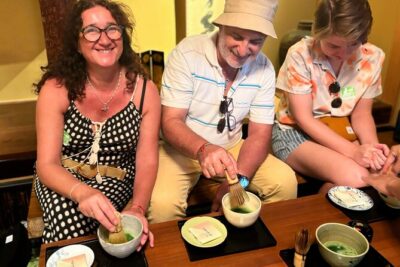
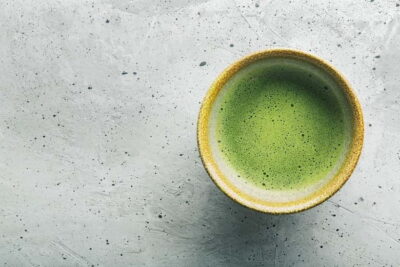
The hands-on lesson is where the workshop becomes more than a cultural talk. You learn to prepare usucha, the thin matcha served with a layer of foam on top.
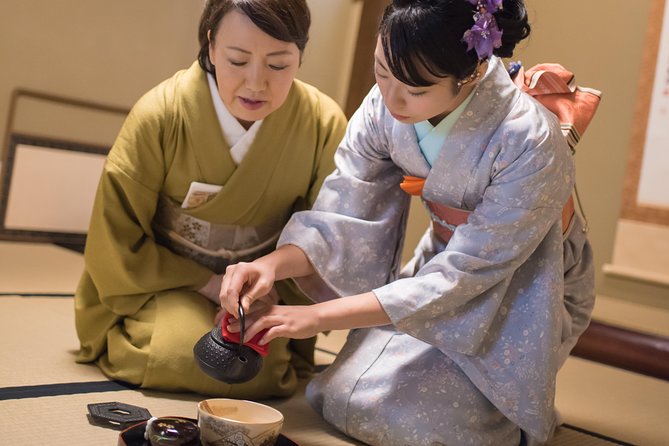
The instructor provides the materials and demonstrates the steps. You then make your own bowl and practice serving tea as a host. You also learn how to receive it as a guest.
This host-and-guest exchange is one of the strongest parts of the class. It shows that tea ceremony is built on a relationship, not just a recipe. You begin to understand why posture, handling, timing, and manners matter.
You also receive an explanation of matcha powder itself. That basic information helps connect the ceremony to the drink in your bowl. The session does not appear to be aimed at turning you into a trained tea master in 90 minutes, and it should not be judged by that standard. Instead, it gives you a clear first lesson and enough practice to appreciate the skill involved.
The instructor’s friendly approach is important during this section. Making matcha for the first time can feel awkward, especially when you are trying to remember several movements at once. A patient teacher keeps the experience relaxed rather than making it feel like an exam.
What the $38.47 price really includes
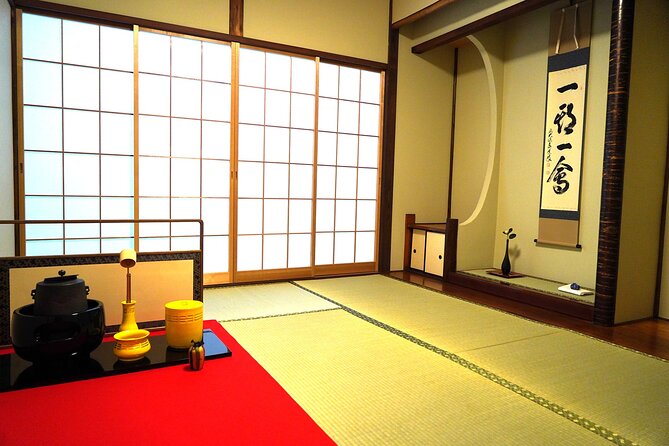
At $38.47, this is reasonably priced for Tokyo. You are paying for a small-group cultural lesson led by an experienced practitioner, not just a cup of matcha and a quick explanation.
The value comes from the range of activities packed into the session:
- A sakura tea welcome
- A 10-minute introduction video
- Time in a traditional tea room
- A formal koicha performance
- Koicha tasting
- An explanation of tea bowls and matcha
- Traditional Japanese sweets
- A hands-on usucha lesson
- Practice as both host and guest
If you only want to taste matcha, a café will cost less and take less time. If you want to understand why tea ceremony has such a careful structure, this workshop offers much more for the money.
The class also avoids the commitment of a long formal ceremony. One positive comment described it as informative without being as long as an original tea ceremony can be. That balance works well for first-time visitors who want substance but still have a full day of sightseeing ahead.
Dress, comfort, and timing tips
Wear socks. Bare feet are not allowed in the tea room, and the dress guidance specifically says to bring socks.
Miniskirts and tight pants are not recommended. Loose, comfortable clothing will make sitting on tatami and moving through the tea steps easier. Even though seiza is not required, you may still spend time seated on the floor.
The workshop offers multiple start times, which helps you fit it around a Tokyo itinerary. The activity ends back at the meeting point, so you do not need to arrange a separate return transfer.
Confirmation is sent within 48 hours of booking, subject to availability. Free cancellation is available if you cancel at least 24 hours before the local start time. Changes or cancellations made later are not accepted for a refund.
Who will enjoy this experience most
I would recommend this workshop to first-time visitors who want a cultural activity with real instruction rather than a staged photo opportunity. It also suits couples, families with children aged 10 and older, and anyone who enjoys learning through participation.
It is a good fit if you are curious about Japanese customs but worry that a formal ceremony will be too difficult to follow. The English-speaking instructor, video introduction, demonstrations, and hands-on practice make the subject approachable.
You may want something else if you dislike sitting on tatami, have trouble with steep stairs, or want a long, highly formal ceremony conducted entirely in traditional Japanese. This is a compact introduction. Its strength is clarity and access, not complete mastery.
The workshop also works well after a busy morning in Tokyo. The calm setting gives you a pause from crowded streets and packed sightseeing schedules. Just remember that the quiet, measured pace is part of the point. Do not book it if you want a fast, casual activity with no etiquette or explanation.
Should you book the Tokyo tea ceremony workshop?
Book it if you want to understand the meaning behind Japanese tea ceremony and try the craft yourself. The strongest reasons are the experienced instructor, the Urasenke-linked school, the traditional room, and the chance to taste both koicha and usucha.
The price is fair, the session is short, and the class has earned a 4.9 rating from 189 reviews with 98 percent recommended. Go for the cultural lesson and peaceful setting, not merely for the matcha. Bring socks, verify the 2-3-12 address, and contact the provider in advance if the steep staircase or group size could be a concern.
FAQ
Where does the tea ceremony workshop take place?
It takes place at 2-chome-3-12 Kotobuki, Taito City, Tokyo 111-0042, Japan. The activity ends at the same meeting point.
How long does the workshop last?
The experience lasts approximately 1 hour and 30 minutes.
How much does the experience cost?
The listed price is $38.47 per person.
Is the workshop taught in English?
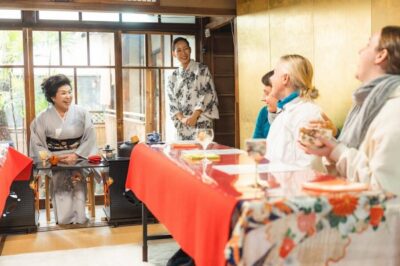
The instructor provides explanations and demonstrations in English. The instructor described for the experience, Ms. Haneishi, has lived in the United States and is fluent in English.
Do I need to sit in seiza?
No. You do not have to sit in the formal seiza position. A chair can be provided if you cannot sit on the tatami mats.
What should I wear?
Socks are required in the tea room, and bare feet are not allowed. Miniskirts and tight pants are not recommended.
Can children join the workshop?
Yes. The workshop is designed for participants aged 10 and older.
Just added in Tokyo
- A One-of-a-Kind Sushi Experience in a Special Place of Japan★ 5.0 · 15 reviews
- Tokyo Cute Bento Cooking Class – Make a Kawaii Character Lunchbox★ 5.0 · 126 reviews
- Japanese Home Cooking Class & Walk in Todoroki Temple Tokyo★ 5.0 · 88 reviews
- Japan Tokyo Tower Observatory Deck E-Ticket★ 4.0 · 34 reviews
- Catch a Baseball Game in Tokyo with a Local – Tickets Included★ 5.0 · 24 reviews
- Japan Classic 10 Day – One Life Adventures★ 5.0 · 129 reviews
- JDM Experience with Fast&Furious RX-7 (English speaking Driver)★ 5.0 · 57 reviews
- Tokyo Private Day Tour by Car with English speaking Driver Guide★ 4.0 · 29 reviews
Tea Ceremonies, compared.
Tea Ceremony in a Traditional Tea House in Kiyomizu
Read our review →
World Heritage Kyoto & Nara Uji Authentic Matcha Experience
Read our review →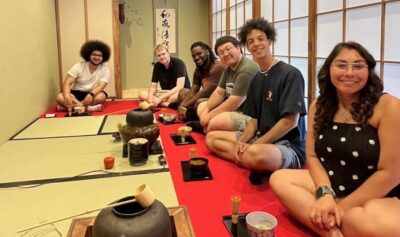
Browse the lists this tour appears in