
Reviewed · TEA CEREMONIES
Tea Ceremony Experience in a Private Tea Room in Shibuya
Quiet tea, noisy city. This experience places a traditional Japanese tea ceremony inside a private room just eight minutes on foot from Shibuya Station. I like the calm setting and the chance to taste rare organic matcha, not simply watch a staged performance. The guide, Tatsuya, is praised for his clear teaching and personal connection to tea farming.
I also like the balance between ceremony and hands-on practice. You learn the meaning behind the movements, taste matcha with sweets from a wagashi shop with more than 200 years of history, then whisk your own bowl. The main consideration is the small, apartment-based setting, which may feel less grand than a formal temple ceremony. There is also no toilet in the tea room.
In This Review
- Key details before you book
- From Shibuya Station to a quiet tea room
- What the opening lesson teaches you
- The formal ceremony and the meaning of small gestures
- Tasting premium organic matcha
- Making your own bowl of matcha
- Why the private setting works
- Who will get the most from this experience
- Is $30 a fair price?
- Planning your visit around Shibuya
- Final decision: should you book it?
- FAQ
- Where does the tea ceremony meet?
- How far is the tea room from Shibuya Station?
- What kind of matcha is included?
- Are traditional sweets included?
- Do I get to make matcha myself?
- What languages are available?
- Is there a toilet in the tea room?
- Is the experience suitable for children?
- Can I buy matcha or tea tools afterward?
Key details before you book
- Eight minutes from Shibuya Station: Meet at The OneFive Tokyo Shibuya hotel, then walk to the tea room.
- Rare organic matcha: The tea is described as premium organic matcha from only about 2 percent of Japan’s total circulation.
- A private tea room: The small room creates a quiet break from Shibuya’s crowds and neon.
- You make your own tea: The guide explains the technique, then gives you time to whisk matcha yourself.
- Traditional sweets included: The sweets come from a long-established wagashi shop with more than 200 years of history.
- English and Japanese guidance: The experience suits visitors who want cultural context without needing Japanese.
From Shibuya Station to a quiet tea room
Shibuya is one of Tokyo’s busiest districts, so the location is part of the appeal. You meet in front of The OneFive Tokyo Shibuya hotel at 1-8-11 Jinnan, Shibuya-ku. Look for the guide holding a sign marked TEA ROOM KAKOI.
From the meeting point, the tea room is about an eight-minute walk. That is close enough to fit into a day of sightseeing around Shibuya, but far enough to give you a change of pace. You can pair it with the Hachiko Statue, Shibuya Scramble Crossing, Meiji Shrine, or the Pokémon Center.
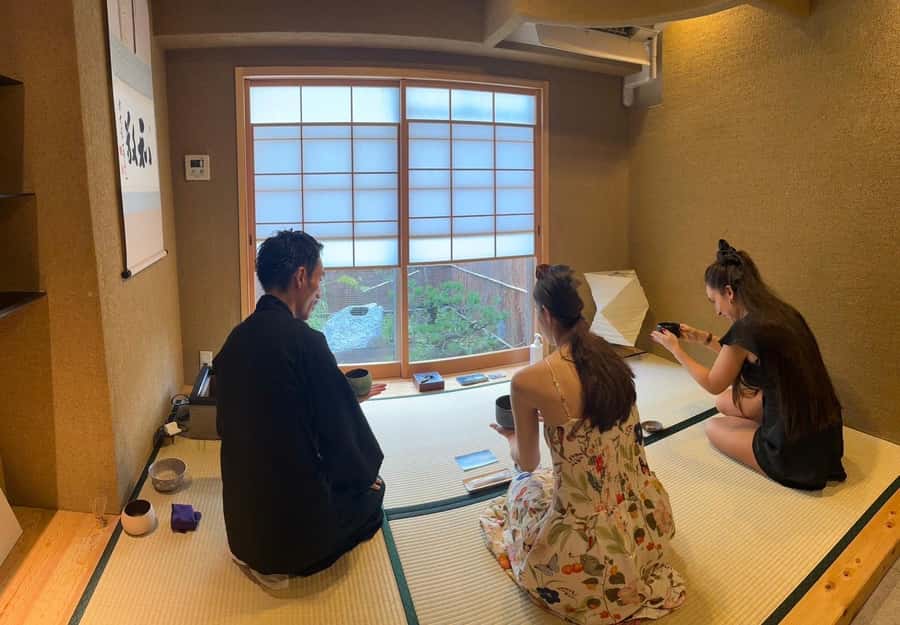
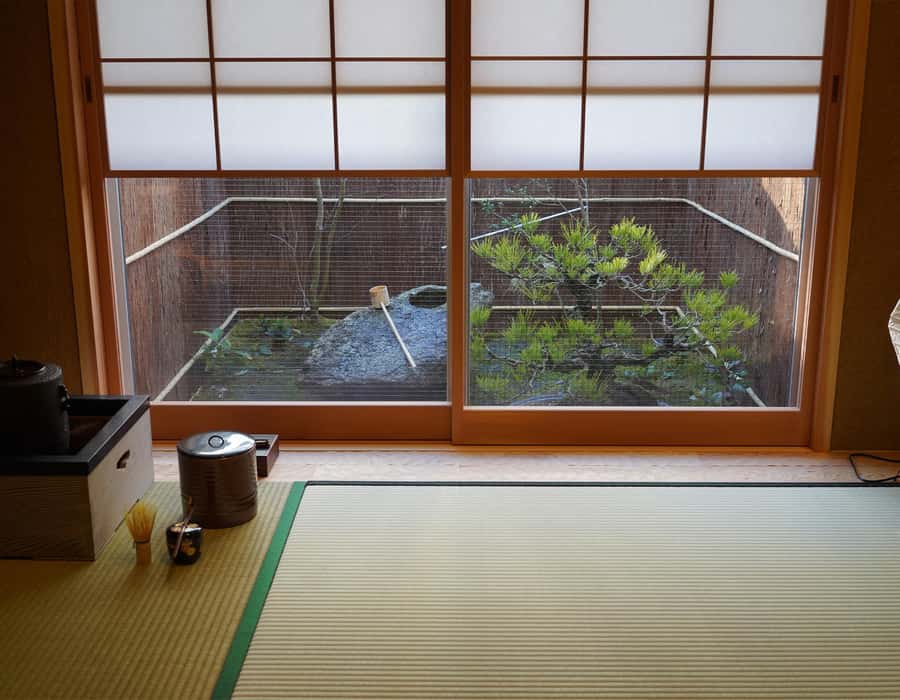
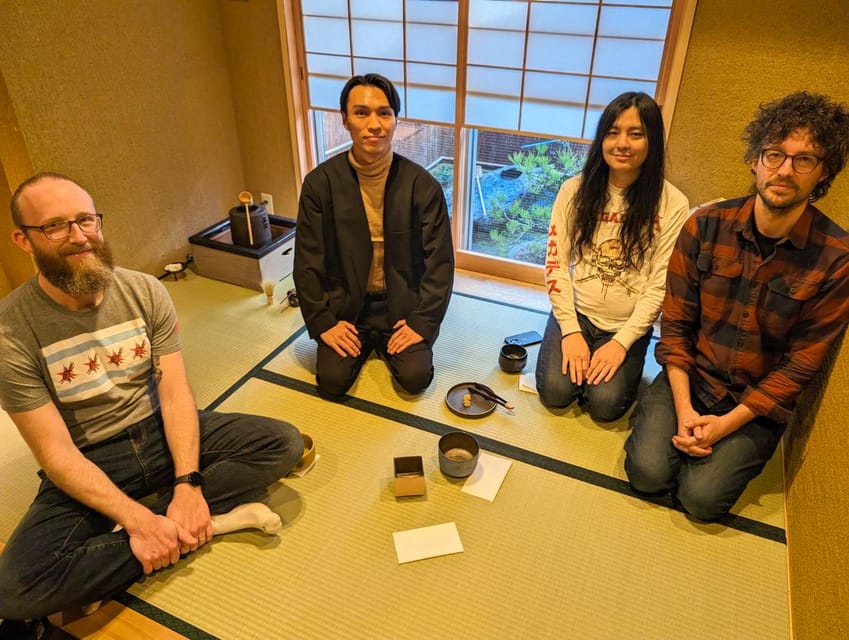
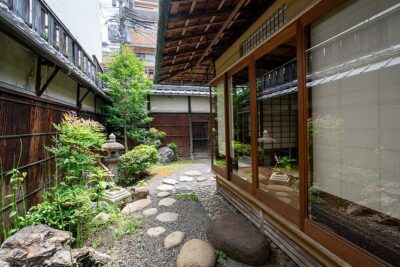
The entrance may not look like the approach to a grand cultural attraction. The tea room is in an apartment building, and that modest arrival can cause a moment of doubt. Once inside, though, the room is designed to feel separate from the city outside. Several people describe the change as surprising: a small room in an apartment complex becomes a quiet place for tea, ritual, and conversation.
That contrast is worth understanding before you book. You are not visiting a famous temple tea house with gardens and historic architecture. You are entering a private urban tea room run by a host who wants to teach you how the ceremony works. For many people, that direct and personal setting is more useful than a grand backdrop.
More Tea Ceremonies in Tokyo
- Matcha Making Class in Tokyo with Authentic Japanese Sweets Set
★ 5.0 · 744 reviews - Tokyo: Traditional Tea Ceremony with a Tea Master
★ 5.0 · 528 reviews - Tokyo: Matcha Making Experience with Mochi Sweets in Asakusa
★ 4.9 · 388 reviews
What the opening lesson teaches you
The experience begins with an introduction to the Japanese tea ceremony and the production of matcha. This first conversation matters because the ceremony can seem mysterious if you only watch the gestures. The guide explains why the tea is prepared in a certain way, how the ingredients are produced, and how the objects used in the room should be treated.
The lesson also gives you a better sense of matcha as a farm product. Matcha is not simply powdered green tea picked from a shelf. Its character changes according to cultivation, processing, and quality. Here, the focus is on high-grade organic matcha, including a product said to represent only 2 percent of the total circulation in Japan.
The guide’s personal background adds weight to this part of the activity. Tatsuya is described as coming from a family with two generations connected to tea farms, and he runs a tea farm himself. That gives the discussion a practical angle. You are hearing about tea from someone with a family link to its production, not only someone reciting ceremony rules.
The history lesson is short enough to keep the experience moving, but thorough enough to help you understand what follows. I would pay close attention here, since the explanations make the later actions feel purposeful rather than decorative.
The formal ceremony and the meaning of small gestures
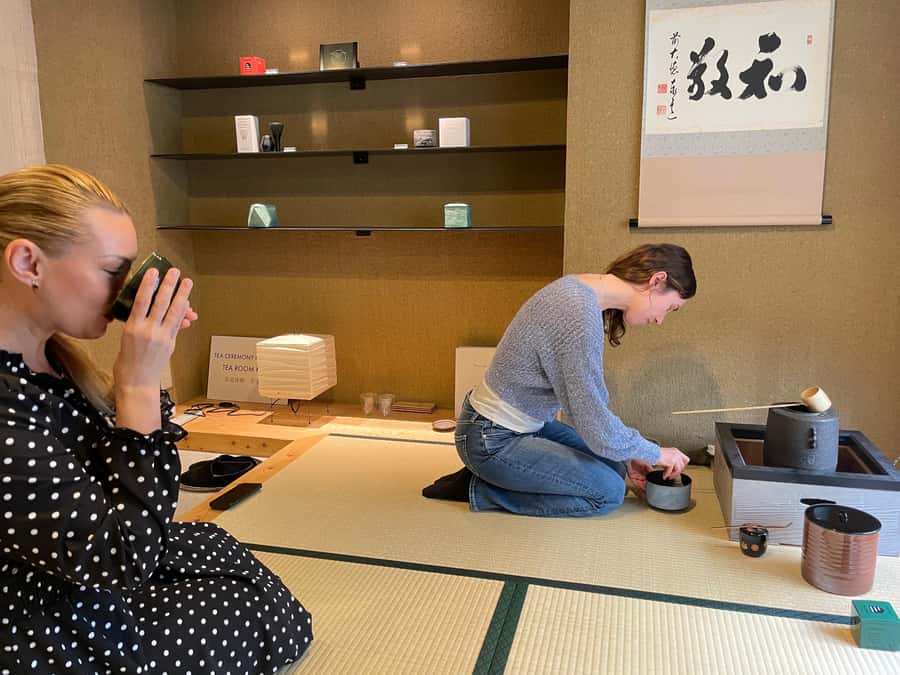
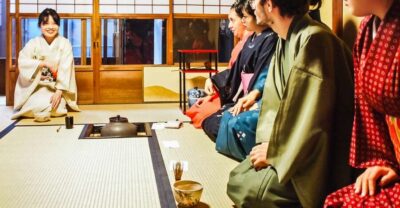
After the introduction, the guide prepares matcha in the formal tea ceremony style and serves it to you with a traditional sweet. This is the most observant part of the experience. You watch how the tea is handled, how the tools are used, and how the room’s calm pace differs from the hurried rhythm outside.
Japanese tea ceremony is built around attention. The bowl, scoop, whisk, and other objects are not treated as disposable equipment. The guide explains the respect shown to each item and the proper way to receive and drink the tea.
You do not need to arrive knowing the etiquette. The guide demonstrates the process and explains what to do. That makes the ceremony approachable for first-time participants. You can concentrate on the taste and atmosphere instead of worrying about making a mistake.
The traditional sweet is an important part of the tasting. Its sweetness helps balance matcha’s grassy, earthy bitterness. The sweets come from a wagashi shop with more than 200 years of history, so this is not just a packaged snack added to the price. It gives you a small example of how Japanese tea and confectionery are meant to work together.
The experience is also designed to be calming. The room’s quiet, the measured movements, and the focus on one bowl of tea create a pause in the middle of Shibuya. If you have spent the morning crossing busy streets and shopping, this slower hour can feel like a welcome reset.
Tasting premium organic matcha
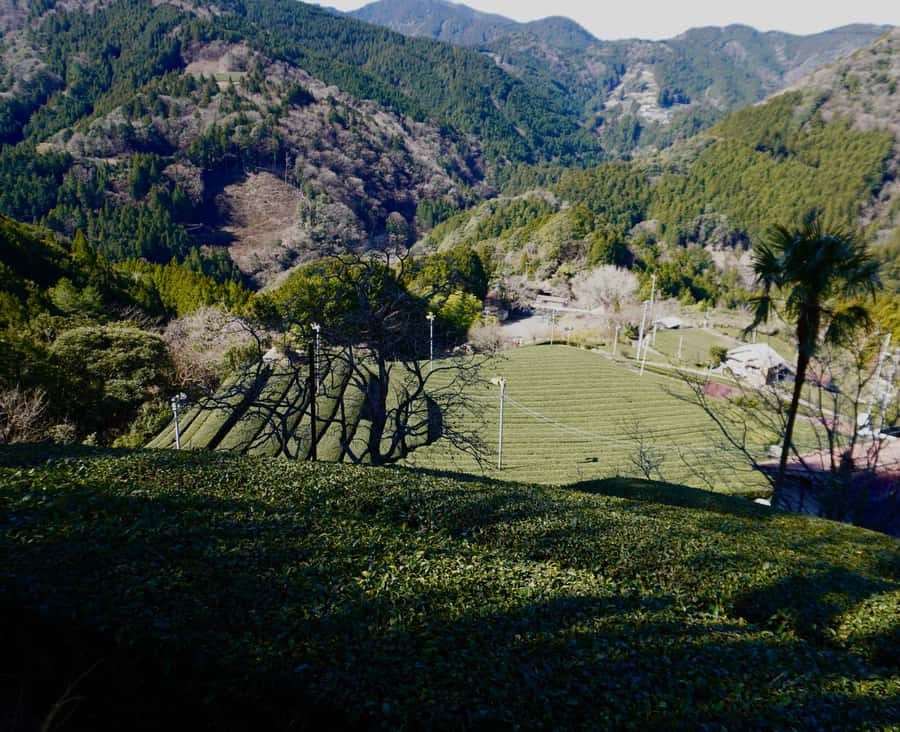
The matcha is the central product here, and the activity gives you more context than a standard café tasting. You learn how it is made, why quality varies, and what makes this organic tea special.
The description calls it rare, high-grade organic matcha, with only about 2 percent of the harvest or circulation represented by this quality. That claim should be understood as part of the provider’s presentation rather than a universal grading system for all Japanese tea. Still, the tasting gives you a direct way to judge the flavor for yourself.
Matcha contains caffeine, so keep that in mind if you are sensitive to it or planning several tea stops in one day. The activity is not suitable for pregnant women, according to the stated restrictions. That may relate to caffeine and the specific conditions of the experience, so check the booking information if this applies to you.
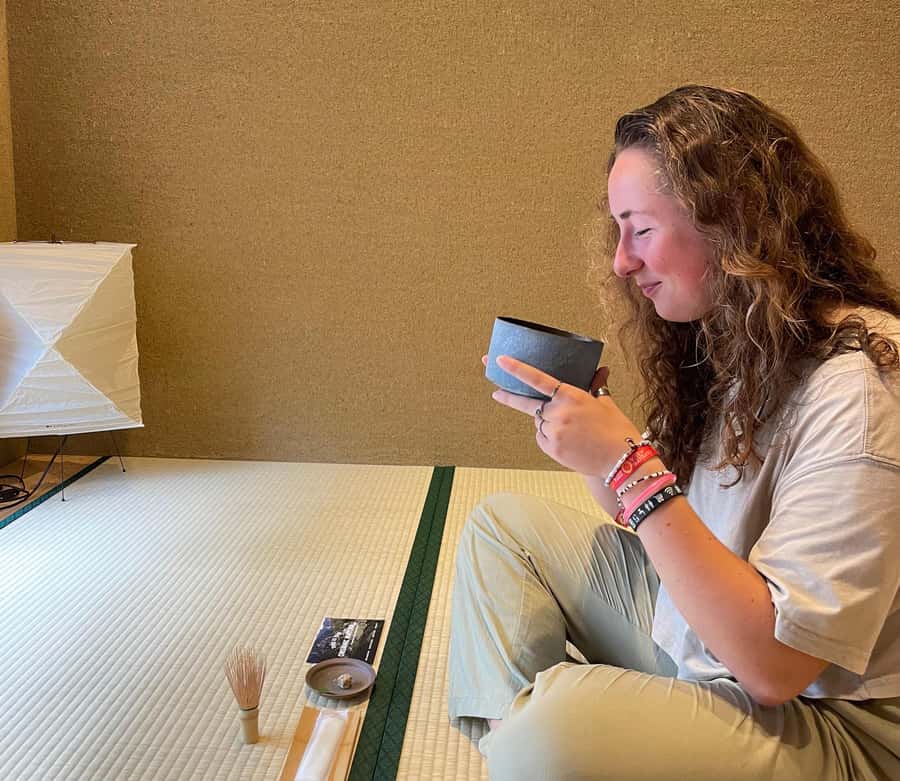
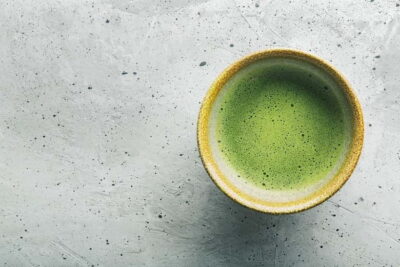
You receive the tea with a traditional sweet, and the guide explains the proper way to drink it. This is useful because matcha is not usually sipped like ordinary brewed tea. You may notice its texture, froth, and concentrated flavor more clearly when you follow the traditional method.
Some participants describe the matcha as especially smooth and memorable. I would not promise that every palate will agree. Matcha has a strong flavor, and anyone expecting mild green tea may find it intense. The value is in learning how to approach it and understanding why ceremonial matcha costs more than a casual powdered tea drink.
A completely different kind of day out:
- Tokyo Disney Resort – Tokyo Disneyland & Tokyo DisneySea Park Tickets
★ 4.8 · 99,488 reviews - SHIBUYA SKY Ticket
★ 4.7 · 46,509 reviews - JR Whole Japan Rail Pass
★ 4.8 · 29,150 reviews - Mt Fuji and Hakone 1-Day Bus Tour Return by Bullet Train
★ 5.0 · 26,383 reviews
Making your own bowl of matcha
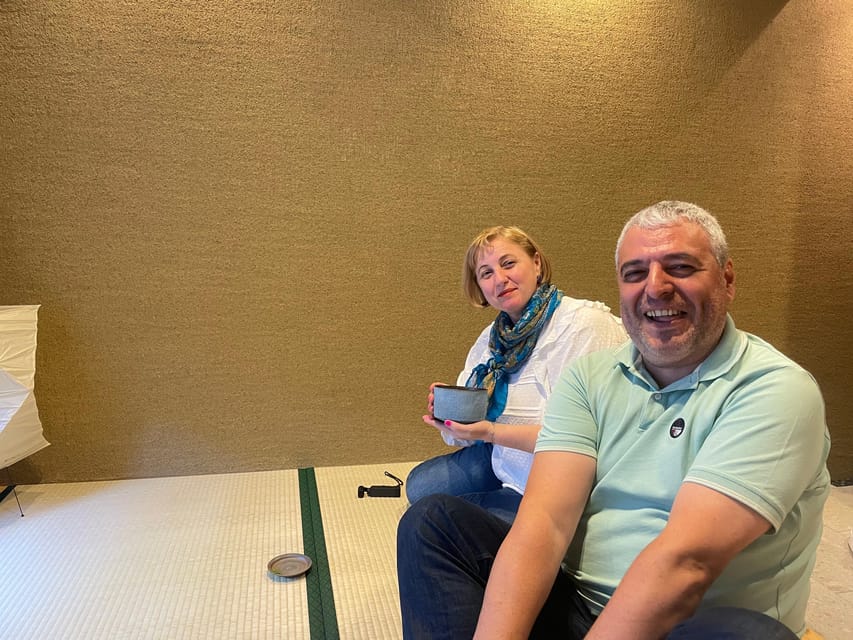
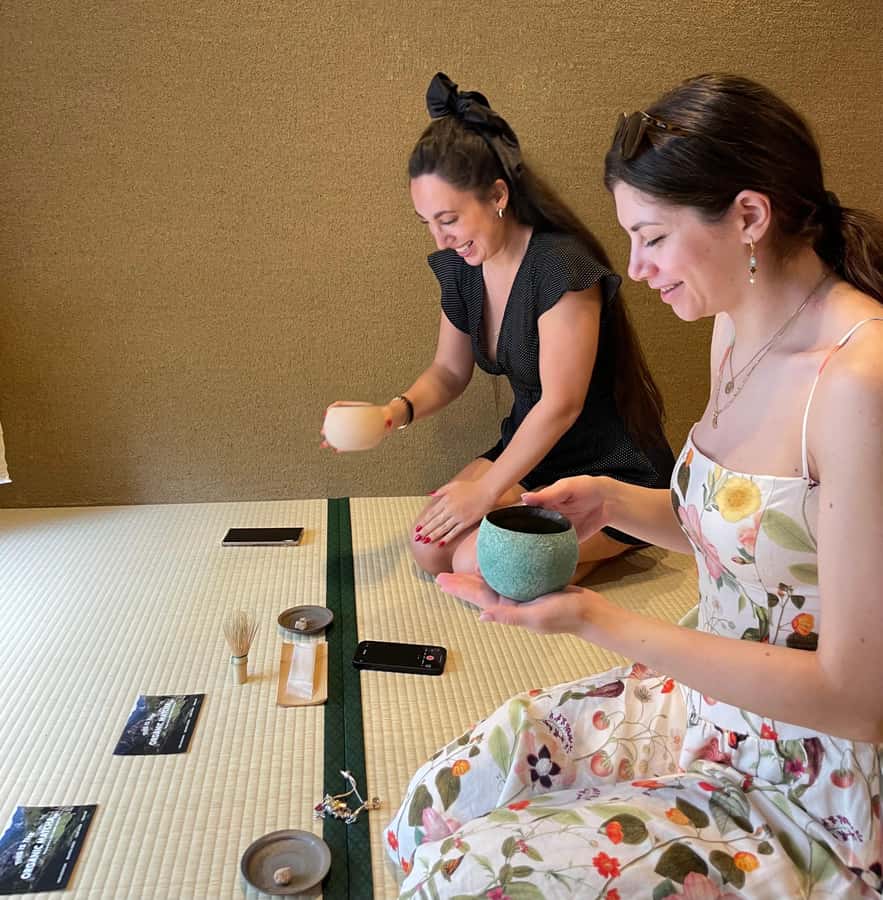
The hands-on portion is one of the best reasons to choose this experience. After watching the guide, you prepare your own matcha with direct instruction. You learn how to use the tools, how to whisk, and how to create the proper froth.
This turns the ceremony from a performance into a lesson. You are not left sitting silently while someone else handles everything. The guide is patient and helps you understand the technique, so beginners can take part without feeling exposed.
Your first bowl may not look perfect, and that is part of the fun. The point is not to produce a flawless café-style drink. It is to understand the care and movement involved in preparing matcha. Once you have tried it yourself, you will notice more when you watch the formal preparation.
This section also gives you time to ask questions as they come up. If you are curious about tea farms, organic production, ceremony etiquette, or the differences between matcha grades, this is a good moment to ask. The guide is repeatedly praised for explaining things clearly and patiently, especially when helping first-time participants.
At the end, you have additional time for questions. You can also buy the organic matcha and original tea tools as souvenirs. That option is useful if you enjoy the tasting, but you are not required to purchase anything to complete the activity.
Why the private setting works
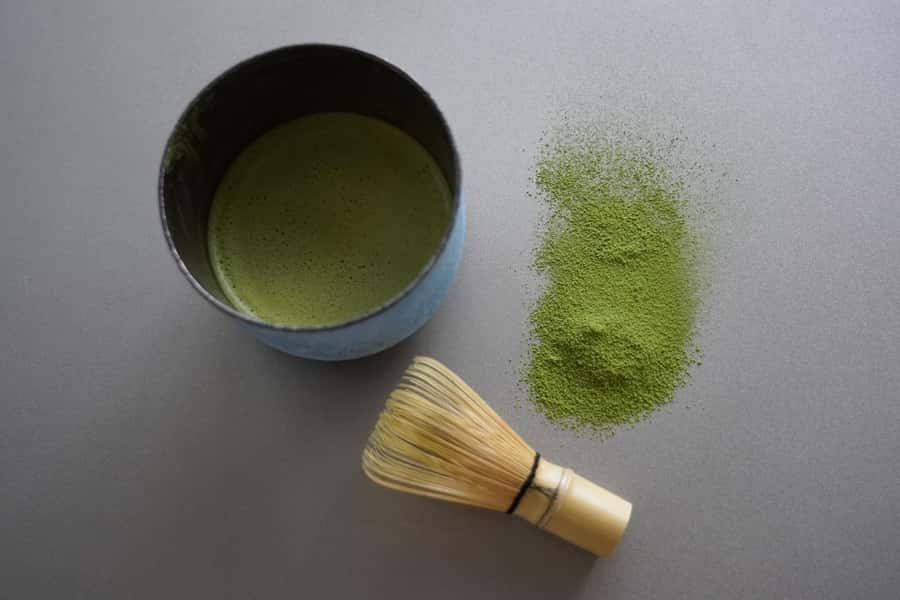
The tea room is small, and that shapes the experience. A compact room limits the number of people and helps the guide speak directly to the group. It also keeps the focus on the ceremony instead of on taking photographs from a distance.
The setting is decorated in an authentic style, and the quiet atmosphere receives especially strong praise. I can see why this matters in Shibuya. The district is famous for crowds, lights, music, and constant movement. A tiny tea room inside an apartment building offers a very different view of Tokyo.
There is a trade-off. You should not expect a large garden, a temple compound, or a sweeping historic setting. The tea room’s charm comes from its intimacy and design, not its size. If you want a grand cultural venue, this may feel too simple. If you want a personal introduction to tea ceremony, the small room is likely an advantage.
The apartment setting also means you should use a toilet before arriving. There is no toilet in the tea room. The meeting point is near Shibuya Station, so plan around the station facilities or another convenient stop.
Who will get the most from this experience
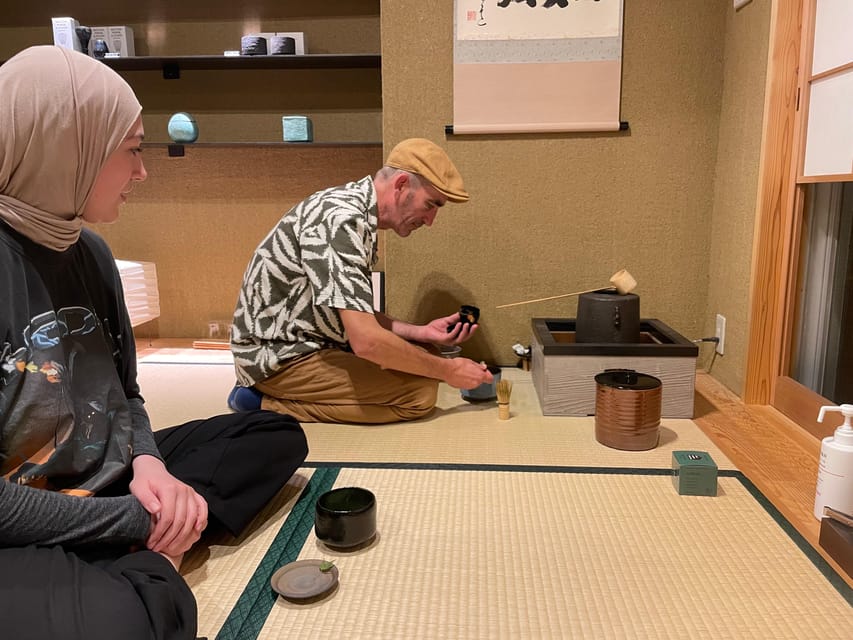
I would recommend this activity to anyone who wants a first introduction to Japanese tea ceremony without committing to a long or highly formal program. You get history, demonstration, tasting, sweets, and practice in one compact visit.
It suits:
- First-time visitors to Japan who want a cultural activity near central Tokyo
- Tea drinkers interested in matcha quality and preparation
- Visitors who prefer a small, calm setting
- Couples and adults looking for a quiet break from Shibuya
- People who enjoy asking questions and learning directly from a host
- Anyone considering matcha or tea tools as a useful souvenir
The activity is not suitable for children under 10, babies under 1, or pregnant women. Pets are not allowed, although assistance dogs are permitted. English and Japanese are available, which makes the explanations accessible to many international visitors.
The experience is also a good choice for people who feel unsure about ceremony etiquette. You receive guidance throughout, and the emphasis is on understanding rather than getting every gesture right.
Is $30 a fair price?
At $30 per person, this is a reasonable price for a guided cultural activity in central Tokyo. You are paying for more than a bowl of tea. The price includes premium organic matcha, traditional sweets, the formal demonstration, your own matcha-making session, and instruction about tea production and ceremony customs.
The value is strongest if you want personal teaching. A drink at a tea café would cost less, but it would not give you the same explanation or practice. A larger formal ceremony may offer a more impressive setting, but it can also feel less personal.
The quality claim about the matcha is part of the appeal, especially for serious tea fans. For casual tea drinkers, the value rests more on the full lesson and setting than on the rarity of the product alone.
The activity also earns high marks for its host. Tatsuya is described as friendly, patient, and professional, with a clear passion for tea. That human element is hard to price, but it often determines whether a cultural activity feels meaningful or merely staged.
Planning your visit around Shibuya
Since the meeting point is near Shibuya Station, you can build the tea ceremony into a larger day without making a long trip across Tokyo. Visit the Hachiko Statue and Shibuya Scramble Crossing before the ceremony, then use the quiet room as a break from the district’s energy.
You can also visit Meiji Shrine in the same general outing, though the exact order depends on your schedule. The Pokémon Center is another nearby attraction mentioned for the area. Keep a little time around the meeting point so you are not rushing to find the hotel entrance.
The activity ends back at the meeting point. That makes onward planning simple, especially if you want to continue shopping, sightseeing, or using the station afterward.
You can reserve now and pay later, which may help if your Tokyo plans are still changing. Cancellation is allowed up to 24 hours in advance for a full refund. I would still check the final booking terms, particularly if your itinerary depends on a tight train or flight schedule.
Final decision: should you book it?
Book this tea ceremony if you want a personal, well-explained introduction to matcha in a peaceful room close to Shibuya’s main sights. The strongest reasons are the excellent teaching, the chance to make your own tea, the high-grade organic matcha, and the host’s family connection to tea farming.
Skip it if your priority is a large historic venue, a temple garden, or a grand ceremonial spectacle. The apartment-based tea room is small, and there is no toilet inside.
For most visitors who want a relaxed cultural activity at a fair price, I think the balance works very well. You leave with more than a taste of matcha. You understand why the tea is prepared slowly, why each object matters, and how a quiet room can offer a very different side of Tokyo.
FAQ
Where does the tea ceremony meet?
Meet in front of The OneFive Tokyo Shibuya hotel at 1-8-11, Jinnan, Shibuya-ku, Tokyo, 150-0041. The guide holds a sign marked TEA ROOM KAKOI.
How far is the tea room from Shibuya Station?
The tea room is about an eight-minute walk from Shibuya Station.
What kind of matcha is included?
The experience includes premium organic matcha described as representing about 2 percent of the total circulation.
Are traditional sweets included?
Yes. Traditional Japanese sweets from a wagashi shop with more than 200 years of history are included.
Do I get to make matcha myself?
Yes. The guide teaches you the techniques and significance of preparing matcha, then gives you a chance to make your own.
What languages are available?
The experience is offered in English and Japanese.
Is there a toilet in the tea room?
No. There is no toilet in the tea room, so plan to use one before the activity begins.
Is the experience suitable for children?
It is not suitable for children under 10 years old, babies under 1 year old, or pregnant women.
Can I buy matcha or tea tools afterward?
Yes. You can purchase high-quality organic matcha and original tea tools as souvenirs if you wish.
Just added in Tokyo
- A One-of-a-Kind Sushi Experience in a Special Place of Japan★ 5.0 · 15 reviews
- Tokyo Cute Bento Cooking Class – Make a Kawaii Character Lunchbox★ 5.0 · 126 reviews
- Japanese Home Cooking Class & Walk in Todoroki Temple Tokyo★ 5.0 · 88 reviews
- Japan Tokyo Tower Observatory Deck E-Ticket★ 4.0 · 34 reviews
- Catch a Baseball Game in Tokyo with a Local – Tickets Included★ 5.0 · 24 reviews
- Japan Classic 10 Day – One Life Adventures★ 5.0 · 129 reviews
- JDM Experience with Fast&Furious RX-7 (English speaking Driver)★ 5.0 · 57 reviews
- Tokyo Private Day Tour by Car with English speaking Driver Guide★ 4.0 · 29 reviews
Tea Ceremonies, compared.
Tea Ceremony in a Traditional Tea House in Kiyomizu
Read our review →
World Heritage Kyoto & Nara Uji Authentic Matcha Experience
Read our review →
Browse the lists this tour appears in