
Reviewed · PRIVATE DRIVERS
Private Kamakura plus Yokohama Tour – English Speaking Driver
Two very different cities, one long day. This private tour gives you a practical way to reach Kamakura’s temples and Great Buddha before continuing to Yokohama’s Chinatown, gardens, and waterfront. I like the door-to-door pickup and the freedom to adjust the day, especially for families or small groups. I also like that drivers such as Mac and Irfan have been praised for polite service, clear communication, and help beyond basic driving.
The main catch is simple: this is a chauffeur service, not a standard guided tour. You get an English-speaking driver, but a formal guide costs extra. If you want detailed explanations at every shrine, you should arrange that before booking or choose another experience.
In This Review
- Key Points at a Glance
- Why This Private Day Trip Makes Sense
- Hokoku-ji: A Quiet Start Among Bamboo
- Hasedera Temple and Its Large Kannon
- The Great Buddha: Kamakura’s Essential Image
- Tsurugaoka Hachimangu and the Heart of Kamakura
- Komachidori: Lunch, Sweets, and Shopping
- Yokohama Chinatown: A Change of Scene
- Sankeien Gardens: Traditional Design Outside the City Center
- Minatomirai, If Traffic and Time Cooperate
- What the Driver Does, and What the Driver Does Not Do
- Comfort, Group Size, and the Real Value of $650
- Timing Tips for a Better Day
- Should You Book This Tour?
- FAQ
- How long does the Kamakura and Yokohama tour last?
- How many people can join the private tour?
- Is hotel pickup included?
- Is this a guided tour?
- Are admission tickets included?
- Is Minatomirai guaranteed?
- Can the itinerary be changed?
- What happens if the weather is poor?
Key Points at a Glance
- Eight possible stops in about 10 hours: The day covers Kamakura temples and shopping, then Yokohama Chinatown, Sankeien Gardens, and Minatomirai if time allows.
- Private transport for up to five people: The $650 group price works out to $130 each for five people, before admission fees.
- Kamakura gets the best share of your time: Hokoku-ji, Hasedera, the Great Buddha, Tsurugaoka Hachimangu, and Komachidori make up the core of the day.
- Hotel pickup saves effort: Pickup and drop-off at your Tokyo hotel or another agreed location remove the need to manage several trains.
- The driver can make the day flexible: Past guests have praised Mac and Irfan for adjusting stops, suggesting lunch, and adding an extra garden visit.
- Plan for entrance fees: Admission is not included at Hokoku-ji, Hasedera, the Great Buddha, Tsurugaoka Hachimangu, or Sankeien Gardens.
Why This Private Day Trip Makes Sense
Kamakura and Yokohama sit southwest of Tokyo, but they offer a sharp change from the capital. Kamakura brings temple grounds, wooded hills, Buddhist images, and shrine rituals. Yokohama shifts the mood with Chinese food, port-city architecture, shopping, and a modern waterfront.
I like the private format because the day has a lot of moving parts. You are not limited to one train line or a fixed public transport route, and your driver can take you from one area to the next without asking you to find the correct platform each time. That matters when you are traveling with children, carrying shopping bags, or trying to fit eight stops into a single day.
The $650 price is charged per group of up to five, not per person. With five people, that is $130 per person for roughly 10 hours of private transport. For two people, the cost is much harder to justify unless convenience is your main concern. You still pay entrance fees separately, and lunch is not stated as included.
The day begins at 8:00 a.m. and includes commuting time. The scheduled visits add up to about seven and a half hours, leaving roughly two and a half hours for driving, traffic, pickup, and changes. That is a full day, so wear shoes you can use on temple paths and city streets.
More airport transfers in Tokyo:
- Mt Fuji Private Tour with English Speaking Driver
★ 5.0 · 861 reviews - Mt. Fuji Day Trip from Tokyo with English Speaking Driver Guide
★ 5.0 · 443 reviews - Mt. Fuji Private Tour with English Speaking Driver
★ 4.5 · 402 reviews
Hokoku-ji: A Quiet Start Among Bamboo
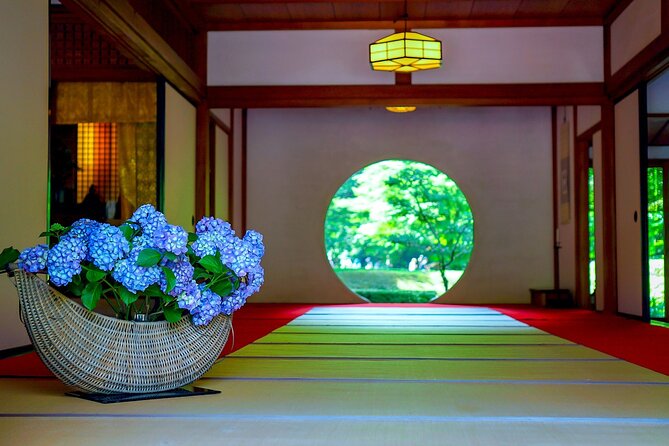
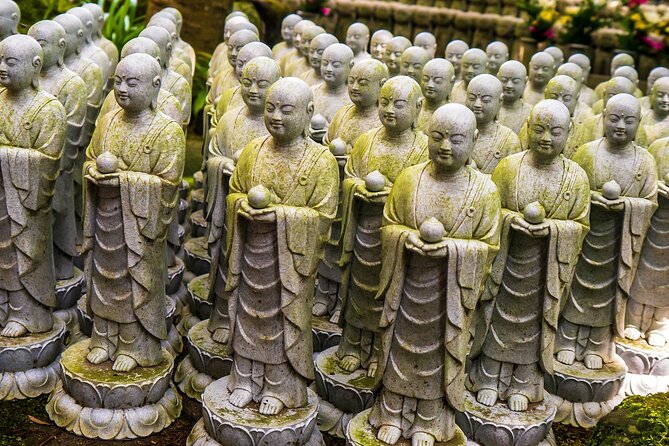
The first stop is Hokoku-ji, often called the Bamboo Temple. The visit is planned for one hour, and that is a sensible amount of time for a calm introduction to Kamakura.
The temple is part of the Rinzai Zen tradition and is known for its bamboo garden. The tall bamboo changes the feel of the day right away. After leaving Tokyo’s dense streets, you get a more hushed setting with a traditional Buddhist temple and a garden designed for slow looking rather than rushing from one object to another.
A statue of Gautama Buddha is also associated with the temple. The bamboo garden is the main reason to come, though, and you should not expect a large complex packed with many separate buildings. The entrance ticket is not included, so keep some cash or a payment method ready for admissions.
The one-hour visit works well early in the morning. Starting here may also help you avoid spending your first moments in Kamakura among the biggest crowds. The tour does not promise a specific opening-time arrangement, so ask the driver about the day’s timing if this stop is especially important to you.
Hasedera Temple and Its Large Kannon
Next comes Hasedera, with 45 minutes scheduled for the visit. This Buddhist temple is famous for a large wooden statue of Kannon, the bodhisattva associated with compassion.
The temple adds a different layer to Kamakura. Hokoku-ji is remembered for its bamboo garden and quiet atmosphere, while Hasedera gives you a major religious image and a broader temple setting. The 45-minute slot is enough for a focused visit, but it is not generous if you want to linger at every part of the grounds.
I would treat this stop as one of the day’s key cultural visits. It is also another place where the lack of an included guide matters. Your driver may offer useful help, links, or basic explanations, as happened with Mac, who sent information about sites before visits. Still, that is not the same as having a guide walk with you and explain the temple’s art, practices, and background in person.
Admission is separate. Tell your driver if you need a slower pace, since the total schedule is busy and the next stops are also important.
The Great Buddha: Kamakura’s Essential Image
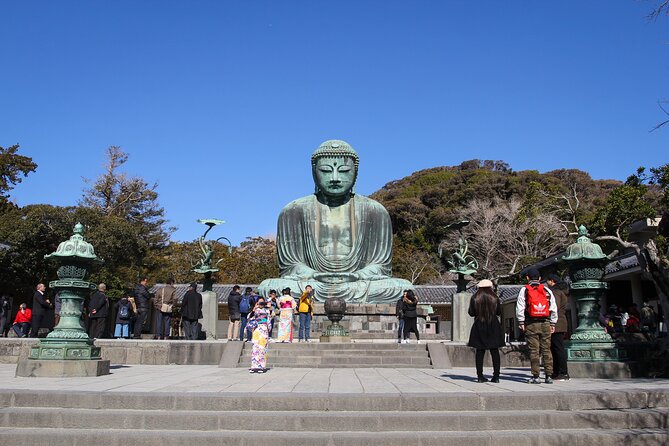
Kōtoku-in is home to the Great Buddha of Kamakura, or Daibutsu. The planned visit lasts 30 minutes, making this the shortest of the major Kamakura temple stops.
The bronze Buddha is the image most closely tied to Kamakura for many first-time visitors. Even with only half an hour, you can see the statue and take photographs without turning the stop into a long museum visit. The temple belongs to the Jōdo-shū school of Buddhism, and the site gives you a clear sense of Kamakura’s importance as a center of Japanese Buddhist culture.
The short timing is both useful and limiting. It keeps the full-day plan moving, but it leaves little room for extended exploration. Admission is not included. If seeing the Great Buddha is your main reason for booking, tell the driver early and confirm how much time you will have on site.
For many people, this is the day’s must-see stop. I would be careful not to judge the whole tour by this half-hour alone, though. The value comes from combining the statue with several very different Kamakura sites.
A few more options to weigh up in Tokyo
- Mt. Fuji & Hakone Private Day Tour with English-Speaking Driver
★ 4.5 · 824 reviews - Haneda Airport (HND) Private Transfer to Central Tokyo
★ 4.5 · 636 reviews - Mt. Fuji, Hakone Full-Day Private Tour with English Driver Guide
★ 4.5 · 458 reviews - Tokyo: Mt. Fuji & Hakone Private Custom Tour English Driver
★ 4.9 · 351 reviews
Tsurugaoka Hachimangu and the Heart of Kamakura
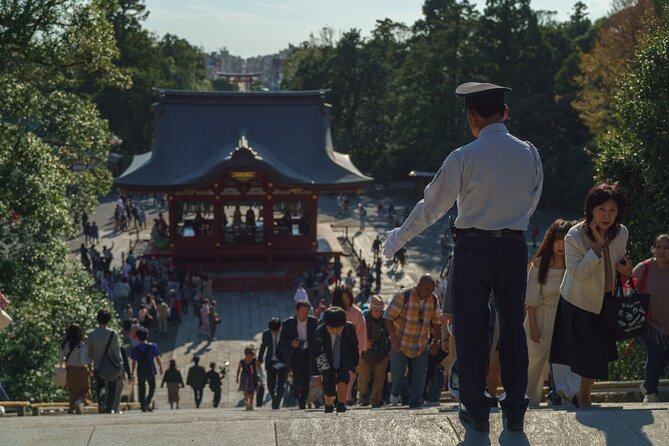
The schedule allows one hour at Tsurugaoka Hachimangu Shrine. This is one of Kamakura’s major cultural centers and the setting for important festivals.
The shrine is dedicated to Hachiman, a deity connected with the samurai tradition, and it has long been tied to the city’s political and religious life. The grounds include two ponds representing the Taira and Minamoto clans, giving the visit a useful link to Japan’s medieval past without requiring you to spend the day in a museum.
Two museums are also associated with the shrine, but the tour information does not say that museum admission or time inside them is included. Do not assume you will have enough time for both. The main shrine grounds are the safer expectation.
I like the one-hour allocation here because it lets you slow down after the quick Great Buddha visit. You can focus on the approach, shrine buildings, ponds, and atmosphere. If you are visiting during a festival or another busy period, the schedule may feel tighter.
Komachidori: Lunch, Sweets, and Shopping
Komachidori is a busy pedestrian street lined with clothing shops, gift stores, souvenir stalls, eateries, and sweet shops. The tour allows one hour and 30 minutes, the longest single block in Kamakura.
This is where the day becomes less formal. You can browse, find lunch, sample sweets, and buy small gifts without needing to remain inside a temple complex. The street is free to enter, but food and shopping are your own expense.
I would use this time as a pressure release. The morning includes several religious sites, each with its own rules and entrance fees. Komachidori gives you room to wander and choose what interests you. A driver can suggest a lunch place, and Irfan was specifically praised for recommending a good restaurant.
The drawback is that a popular shopping street can feel crowded and commercial. If you want only quiet gardens and old temples, this may be your least appealing stop. If you need lunch or want an easy place to pick up Japanese gifts, it earns its place in the plan.
Yokohama Chinatown: A Change of Scene
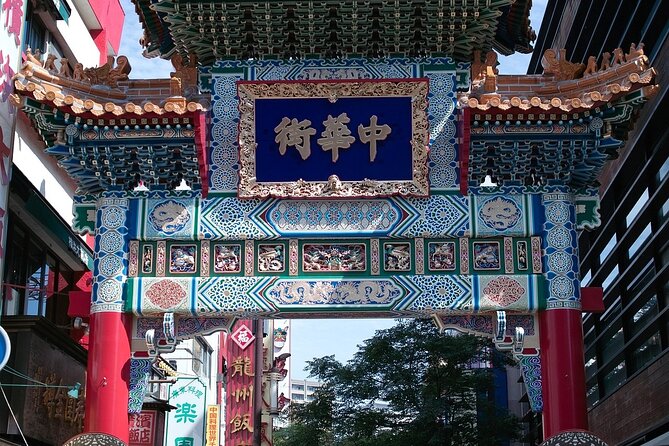
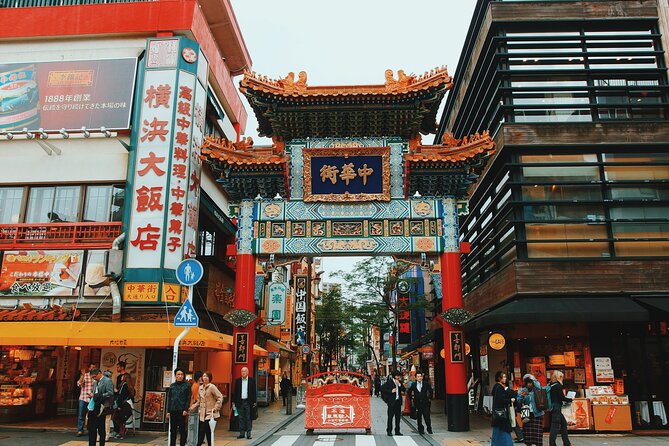
After Kamakura, the tour moves to Yokohama Chinatown for about one hour. The area is around 160 years old and has a population of roughly 3,000 to 4,000 people, though only a small number of Chinese residents still live there today, with many tracing roots to Guangzhou.
The hour is enough for a first look and a meal or snack, but not for a slow food crawl. Since lunch timing is not fixed, ask the driver whether Chinatown is the best place to eat or if you should use Komachidori instead.
This stop works because it gives the day a strong change of setting. Kamakura is centered on Buddhist temples and Shinto shrines. Chinatown brings Chinese restaurants, shops, and a distinct local culture within Yokohama. It is not a substitute for a longer Yokohama visit, but it makes the second half of the tour feel different rather than like another round of temples.
The admission cost is listed as free. You should still budget for anything you eat or buy.
Sankeien Gardens: Traditional Design Outside the City Center
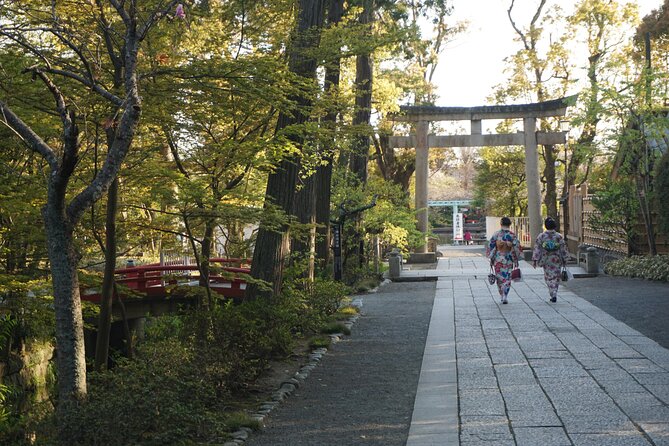
Sankeien Gardens receives one hour. This traditional Japanese-style garden opened in 1906 and was created by Tomitaro Hara, a silk trader who used the name Sankei Hara.
The garden is a good choice for anyone who wants a slower, more visual stop after Chinatown. Its appeal comes from the layout, planting, buildings, and sense of designed space. It also gives you a look at the taste and resources of a successful silk merchant in early twentieth-century Yokohama.
Admission is not included. The tour only allows an hour, so you will not see every corner at a leisurely pace. Still, the stop can be worthwhile if gardens are high on your list. If your priority is the waterfront, you may prefer to ask how much time can be shifted toward Minatomirai.
Sankeien is also a useful reminder that Yokohama is more than its port and shopping districts. The city has older Japanese-style spaces that require a little more time and transport to reach.
Minatomirai, If Traffic and Time Cooperate
Minatomirai is listed as a 30-minute visit if time permits. That wording matters. It is the least certain stop on the day, because traffic, long temple visits, lunch, and the drive between Kamakura and Yokohama can all reduce the remaining time.
The area is known for its futuristic waterfront, high-rise observation deck, boutiques, and Yokohama Landmark Tower and Plaza. Families can also enjoy the skyline and amusement attractions in the area, though the short visit is mainly suited to a quick look and photographs.
I would not book this tour solely for Minatomirai. Treat it as a bonus at the end of a Kamakura-focused day. If the waterfront is essential, ask the driver at the start how the schedule can be adjusted. The tour is customizable, and one family was able to add a Gundam Factory stop by changing the plan.
What the Driver Does, and What the Driver Does Not Do
The English-speaking driver is the heart of this experience. The strongest feedback centers on courteous service, comfortable transport, clear communication, and safe driving on the road to Kamakura. That last point matters because the route can be demanding, and a private vehicle removes the work of managing transfers.
Mac was praised for explaining sights and making sure the group was comfortable. Irfan was praised for arriving at the first destination as it opened, answering questions, suggesting lunch, and adding an extra garden stop. These details show the service at its best: more helpful than a simple taxi, but still not automatically a full sightseeing guide.
The official description makes the distinction clear. This is not a guided tour, and a guide can be arranged for an additional charge. If you want historical context at each temple, ask for that service before you pay. If you mainly want safe transport, hotel pickup, and help organizing the day, the driver arrangement may be enough.
One serious complaint involved a driver allegedly offering extra services for cash without the company’s knowledge, followed by poor behavior. This is a single severe warning among otherwise strong feedback, but it is worth acting on. Keep any extra arrangements through Sluzeb Tours, confirm prices in writing, and do not agree to unofficial cash add-ons.
Comfort, Group Size, and the Real Value of $650
The tour accepts up to five people per group, and a private vehicle is provided. One German-language comment praised the large van and friendly driver, while several English-language comments valued hotel pickup and drop-off.
For a family of five, the price can make good sense. You receive about 10 hours of private transport, a flexible route, and no strangers in the vehicle. You also avoid figuring out trains and local connections between several sites. For three people, the cost is still defensible if convenience matters. For one or two people, public transport will usually be the cheaper choice, though it will require more planning and walking.
The price does not include entrance tickets, meals, or a formal guide. That is not a flaw by itself, but you need to compare the full cost rather than looking only at the headline rate. More than five people can be accommodated for an additional charge.
Most people can participate, and the pickup location can be your Tokyo hotel or another agreed location. The experience is near public transportation, though the point of booking it is to avoid relying on public transport for the day.
Timing Tips for a Better Day
Start with a clear list of priorities. If Kamakura temples matter most, protect Hokoku-ji, Hasedera, the Great Buddha, and Tsurugaoka Hachimangu. If you care more about Yokohama, tell the driver whether Chinatown, Sankeien, or Minatomirai should receive extra time.
I would also decide where you want lunch before the morning gets away from you. Komachidori offers a long break with shops and eateries, while Chinatown gives you a completely different meal setting. You may prefer to eat in Kamakura and use Chinatown for a shorter walk.
Ask for the site links or written information if your driver offers them. Mac used that approach before each visit, which can help you get basic context when you have not paid for a guide. It will not replace live interpretation, but it can make the temple stops more rewarding.
Book ahead if your schedule is fixed. This tour is booked an average of 38 days in advance, which suggests that private vehicles for this route can fill well before the date.
Free cancellation is available until 24 hours before the 8:00 a.m. start. Within 24 hours, there is no refund, and changes are not accepted. The tour requires good weather. If poor weather forces cancellation, you can receive a different date or a full refund.
Should You Book This Tour?
Book it if you are a small group that values door-to-door transport, a private van, and a flexible day more than a formal lecture at every site. Families, first-time visitors who do not want to manage several train connections, and groups of four or five will get the best value.
Think twice if you are traveling alone or as a couple on a tight budget. Also think twice if you expect the English-speaking driver to function as a professional guide. You can arrange a guide for an extra fee, and you should do so if Japanese history and temple details are central to your trip.
My call: this is a strong private transport tour with a well-chosen route and real flexibility. Its best feature is not simply the number of stops. It is the ability to connect Kamakura’s temples with Yokohama’s Chinatown and waterfront in one organized day, while still leaving room for a change such as the Gundam Factory or an extra garden. Confirm the guide arrangement, entrance costs, and priority stops before booking, and the $650 group rate becomes much easier to judge.
FAQ
How long does the Kamakura and Yokohama tour last?
The tour lasts approximately 10 hours, including commuting time. It begins at 8:00 a.m.
How many people can join the private tour?
The listed price covers a group of up to five people. A larger group can be arranged for an additional cost.
Is hotel pickup included?
Pickup is offered from your Tokyo hotel or another agreed location. Drop-off is also available at the end of the day.
Is this a guided tour?
No. It is a private tour with an English-speaking driver. A formal guide can be arranged for an additional cost.
Are admission tickets included?
No. Admission is not included at Hokoku-ji, Hasedera Temple, Kotoku-in, Tsurugaoka Hachimangu Shrine, or Sankeien Gardens. Komachidori, Yokohama Chinatown, and Minatomirai are listed as free.
Is Minatomirai guaranteed?
No. Minatomirai is visited if time permits, with about 30 minutes planned for the stop.
Can the itinerary be changed?
The tour is customizable. Changes and extra stops may be possible, and larger groups can also be arranged for an additional cost.
What happens if the weather is poor?
The experience requires good weather. If it is canceled because of poor weather, you will be offered a different date or a full refund. You can also cancel at least 24 hours before the start time for a full refund.
Just added in Tokyo
- Private Unforgettable Mt Fuji Tour with English Speaking Driver★ 5.0 · 142 reviews
- Japanese Cooking and Udon Making Class in Tokyo with Masako★ 5.0 · 35 reviews
- Luxury van Ride to famous car meet up spot Daikoku★ 4.5 · 148 reviews
- Private Tour to Mt Fuji and Hakone with English Speaking Driver★ 5.0 · 133 reviews
- Private Harajuku Omotesando Architecture Walking Tour★ 5.0 · 67 reviews
- Private Departure Transfer : Central Tokyo City to Haneda Airport★ 4.5 · 22 reviews
- Private Customizable Walking Tour of Tokyo★ 5.0 · 70 reviews
- Japanese Food Cooking Class in Asakusa, Tokyo★ 5.0 · 39 reviews
Private Drivers, compared.
Mt Fuji Private Tour with English Speaking Driver
Read our review →
Mt. Fuji & Hakone Private Day Tour with English-Speaking Driver
Read our review →
Mount Fuji Full-Day Small Group driver-guide tour (with Pick-up option)
Read our review →
Haneda Airport (HND) Private Transfer to Central Tokyo
Read our review →
Mt. Fuji, Hakone Full-Day Private Tour with English Driver Guide
Read our review →
Mt. Fuji Day Trip from Tokyo with English Speaking Driver Guide
Read our review →Mt. Fuji Private Tour with English Speaking Driver
Read our review →
Mt. Fuji & Hakone Private Custom Tour English Driver
Read our review →Browse the lists this tour appears in