
Reviewed · ENTRY TICKETS
Tennoji Zoo Ticket in Osaka
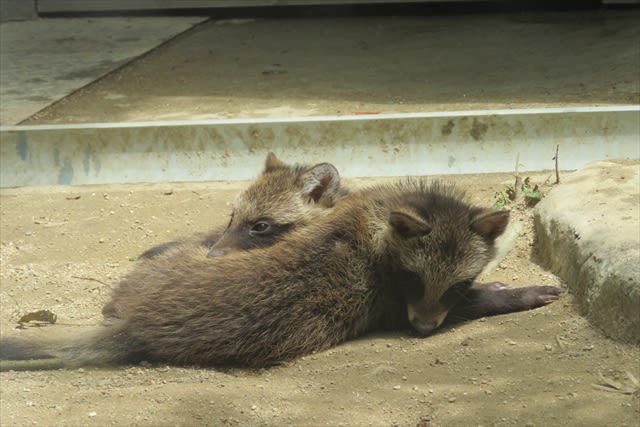
Tennoji Zoo offers a welcome change of pace from Osaka’s shopping streets: within minutes of busy stations and city sights, you can walk among animals from roughly 170 species. Its ecological exhibits aim to recreate natural habitats, and the compact grounds make this an easy outing rather than an all-day commitment.
I like two things in particular: the low starting price makes a zoo visit an affordable family activity, and the central location pairs neatly with Tennoji or Shinsekai sightseeing. You can also move at your own pace, spending extra time at favorites such as the polar bears, giraffes, and red pandas.
One consideration: a low ticket price does not guarantee every exhibit will be open or every animal active. Heat, renovations, and animal rest can affect what you see, and some visitors have raised concerns about enclosure conditions.
In This Review
- Tennoji Zoo at a glance
- A small zoo with a big-city address
- Habitat exhibits and the animals to look for
- What the visit feels like, from gate to last exhibit
- Value: a low-cost way to add animals to your Osaka day
- The honest trade-off: access versus animal welfare concerns
- Getting there and planning your hours
- Who should book Tennoji Zoo?
- FAQ
- How long should I allow for Tennoji Zoo?
- What are the zoo’s regular opening hours?
- When is the last admission?
- How long is the mobile voucher valid?
- Can I cancel or get a refund after buying?
- How do I use the ticket?
- Which train stations are near the entrances?
- Do preschool children pay admission?
- What does the donation ticket include?
- Are all exhibits and activities guaranteed to be open?
Tennoji Zoo at a glance
- A century-old city zoo: Opened on January 1, 1915, Tennoji Zoo marked its 100th anniversary in 2015.
- A compact animal collection: About 1,000 animals representing roughly 170 species live across approximately 11 hectares.
- A quick city-center outing: Allow about two to three hours, though some people complete a brisk visit in around 90 minutes.
- Habitat-style displays: Ecological exhibits are designed to show animals in settings that reflect their natural environments.
- Three ticket choices: Options include standard admission, admission with a thank-you card and donation, and admission with a gacha badge gift.
- Two useful entrances: Shinsekai Gate and Tenshiba Gate are both within walking distance of nearby rail and subway stations.
A small zoo with a big-city address
Tennoji Zoo sits in Tennoji Ward, close to major transport links and popular Osaka sights. It opened in 1915, giving it a long place in the city’s story, but its appeal is very practical: you can add an animal visit to a day already spent exploring central Osaka without arranging a long trip outside town.
The zoo covers about 11 hectares and houses roughly 1,000 animals from around 170 species. That is enough variety to make a visit feel worthwhile, while the manageable footprint means you do not need to set aside a whole day. A typical visit takes two to three hours. If you walk briskly and focus on the main exhibits, you may see the highlights in around an hour and a half.
This is a good fit for families with young children, animal enthusiasts on a budget, and anyone looking for an easy break from shops and city streets. The grounds are also described as comfortable to move through, with restrooms along the way and vending machines for drinks and ice cream. The zoo has a restaurant, though it is small.
More Entry Tickets in Osaka
- Universal Studios Japan Studio Pass
★ 4.8 · 89,883 reviews - Universal Studios Japan Express Pass
★ 4.7 · 53,138 reviews - Osaka Amazing Pass
★ 4.7 · 21,697 reviews
Habitat exhibits and the animals to look for
The zoo’s ecological exhibits are a central part of its appeal. They are intended to reproduce animal habitats as faithfully as possible, so you can see animals presented in surroundings that suggest their natural environments. This approach gives the visit more purpose than simply moving from one enclosure to the next, though the quality and availability of individual displays can vary.
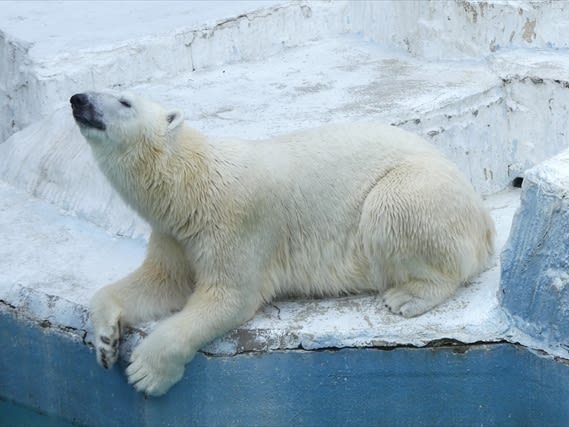
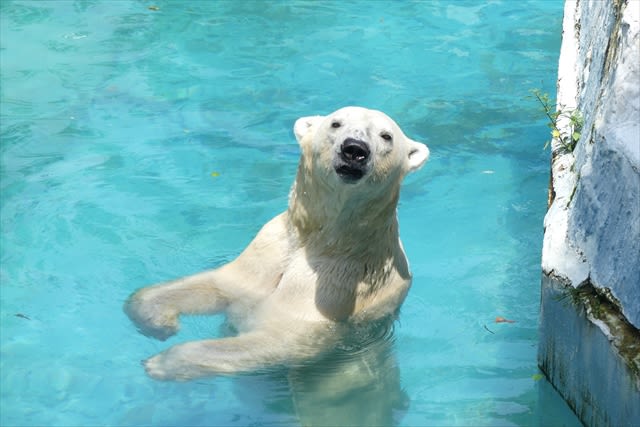
The polar bears are a frequent highlight. Their activity can make them especially fun to watch, but conditions matter: warm weather and exhibit renovations have affected access to the polar bear area at times. If seeing them is a priority, check the zoo’s official updates before setting out rather than building your entire visit around one exhibit.
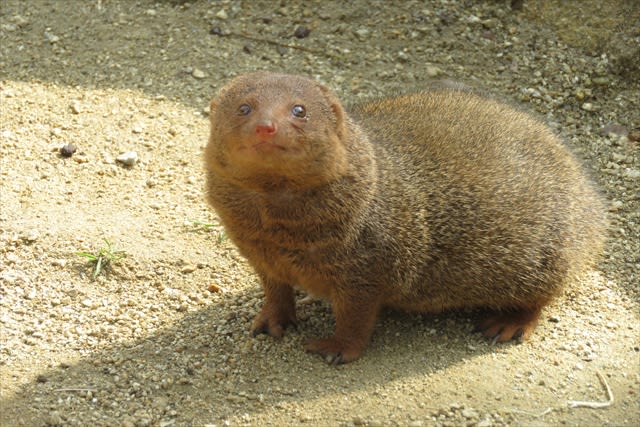
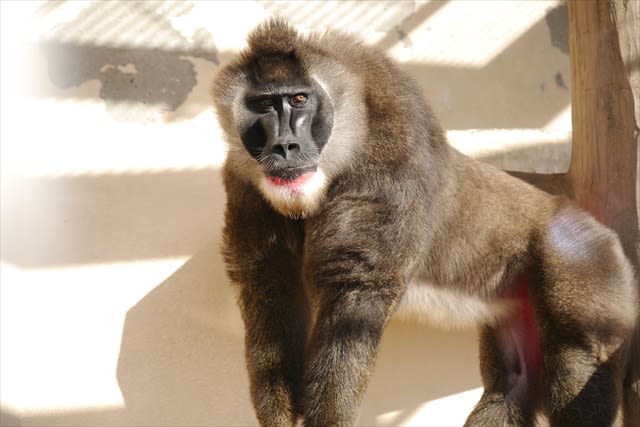
Other animals visitors have enjoyed include giraffes, hippos, lions, wolves, red pandas, bears, and monkeys. Small nocturnal-animal displays and indoor educational exhibits add variety to the walk. The collection is substantial for a city zoo, but it is not on the scale of a very large regional zoo. Go expecting a compact selection, not a sprawling animal park.
Some animals may be sleeping or resting when you arrive. That is normal, but it can be disappointing if you have come for a particular species. In hot, humid weather, activity may be limited, and shade and indoor displays become especially useful. A cooler day or a visit at a time when animals are more active may improve your chances, but the supplied information does not specify an ideal hour for sightings.
What the visit feels like, from gate to last exhibit

There is no guided tour or fixed itinerary described for this ticket. You enter with your mobile voucher, then explore the grounds at your own pace. That freedom suits families: you can linger where children are engaged, take a break when needed, and skip displays that are closed or less interesting to your group.
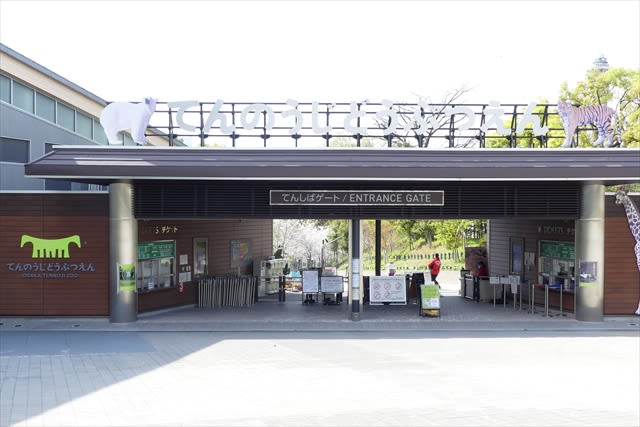
The two entrances make it easy to shape the visit around your route through Osaka. Shinsekai Gate is a practical choice if you are coming from Dobutsuen-mae or Ebisucho stations, or from Shin-Imamiya Station. Tenshiba Gate works well from Tennoji Station or Osaka-Abenobashi Station. Choose the gate that best matches where you are coming from or heading next.
Once inside, allow time to follow the paths between the different animal areas and indoor exhibits. There are restrooms along the way, and vending machines sell drinks and ice cream. Those conveniences matter in summer, when a short walk can feel longer in Osaka’s heat. Still, bring a plan for breaks, especially with small children, and check current operating information in case a facility is shut.
Families may find small details that turn the walk into an activity for children, including stamps and gacha machines. Some animal interactions have also been available, such as time with guinea pigs, but activities can depend on conditions and should not be assumed to operate on every visit. Check the day’s information if a particular activity is important to you.
Value: a low-cost way to add animals to your Osaka day
The ticket starts at $1.29, making it an unusually inexpensive option for a city outing. That advertised starting price may depend on the ticket package, so check the chosen option before purchase. The attraction’s value is strongest if you want a pleasant, affordable visit lasting one to three hours, not a full-day destination with a huge collection.
You can choose standard admission, a ticket with a gacha badge gift, or admission with a donation and thank-you card. The donation package includes a JPY200 donation intended for animal welfare, and a thank-you card is provided with each admission ticket in that package. The card design may change, and donation receipts are not issued.
The online voucher can be used for entry by presenting it on your phone. Instant confirmation makes it useful for a last-minute plan, and buying in advance may save time at the entrance when ticket lines are long. The voucher is valid for 30 days from confirmation, but the purchase cannot be cancelled or refunded. That is a firm restriction, so do not buy until you are confident about your schedule.
Preschool children enter free. High school students and older pay the adult rate. Some other visitors qualify for free or discounted entry, but they must show the required original proof at the entrance. If you are relying on an eligibility discount, bring the specified document or card; without it, the discount may not be applied.
A completely different kind of day out:
- Osaka Aquarium Kaiyukan Ticket
★ 4.8 · 14,894 reviews - Osaka Castle Ticket
★ 4.7 · 12,450 reviews - Umeda Sky Building & Kuchu Teien Observatory Ticket in Osaka
★ 4.7 · 10,062 reviews - HARUKAS 300 Observatory Ticket
★ 4.8 · 9,924 reviews
The honest trade-off: access versus animal welfare concerns
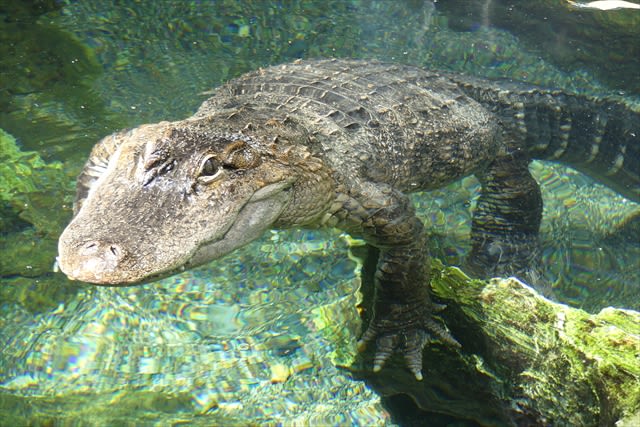
Tennoji Zoo’s location and price are persuasive, but value is more than the cost of a ticket. Some visitors have expressed concern about the space and condition of certain animal enclosures, particularly in hot weather. Others have described animals as tired or inactive. These are serious concerns to weigh, especially if animal welfare is a central part of how you choose attractions.
At the same time, the zoo describes its ecological exhibits as an effort to recreate habitats, and the donation ticket option directs JPY200 toward animal welfare initiatives. That information is useful, but it cannot answer every question about an individual enclosure or animal’s care. If you are unsure, look up current information from the zoo before you book, and make your own decision about whether a zoo visit fits your values.
Weather can affect the experience in other ways, too. Some facilities and activities may close by season, and operations may be cancelled in inclement weather. The zoo does not cover travel costs if weather prevents a visit, so avoid building a tight, expensive itinerary around it without checking conditions first.
Getting there and planning your hours
Tennoji Zoo’s listed address is 1-108 Chausuyama-cho, Tennoji Ward, Osaka City. The meeting-point information also gives National Highway Route 25, Shimodera 3-chome, in Tennoji Ward. Use the map and your chosen entrance to guide your approach, since the zoo has two practical sides.
For Shinsekai Gate, Dobutsuen-mae Station Exit 1 and Ebisucho Station Exit 3 are each about a five-to-ten-minute walk. Shin-Imamiya Station’s Tsutenkaku Exit, also called the East Exit, is roughly ten minutes away. For Tenshiba Gate, Tennoji subway Exit 5 and the JR Tennoji Central Exit are each about a five-to-ten-minute walk. Osaka-Abenobashi Station Exit 7 is about ten minutes away.
Regular opening hours are 9:30 a.m. to 5 p.m., with last admission at 4 p.m. On Saturdays, Sundays, and public holidays in May and September, the zoo is scheduled to stay open until 6 p.m., with last admission at 5 p.m. Hours and closure dates can change, so confirm the official schedule before you go.
Give yourself more than the bare minimum if you are visiting with children or want to stop for photos and breaks. A quick 90-minute circuit may suit a tight day, but two to three hours gives you time to see the main animal areas without rushing. Pairing the zoo with nearby Tsutenkaku Tower or Shinsekai makes a sensible half-day plan, with food and sightseeing on either side.
Who should book Tennoji Zoo?
I would consider Tennoji Zoo if you want an inexpensive, straightforward activity close to the city center. It works particularly well for families with young children, visitors staying near Tennoji, and anyone who would enjoy an animal-focused break without spending most of the day on it. Its compact size is an advantage when energy or time is limited.
I would be more cautious if you expect a large collection, guaranteed access to every exhibit, or consistently active animals. The weather and occasional closures can shape the day, and the concerns about animal conditions deserve thought. Check what matters most to you before choosing a ticket package.
Book it if the price, central location, and flexible visit suit your plans, and you are comfortable with a compact zoo where conditions can vary. Skip it if you need a full-day attraction or have strong reservations about zoos and enclosure conditions. For an affordable family outing near Tennoji and Shinsekai, it can make a useful addition to an Osaka day.
FAQ
How long should I allow for Tennoji Zoo?
Plan for about two to three hours. A brisk visit focused on the main animals may take around 90 minutes.
What are the zoo’s regular opening hours?
The regular schedule is 9:30 a.m. to 5 p.m. Hours and closure dates can change, so check the official website before visiting.
When is the last admission?
Last admission is 4 p.m. On Saturdays, Sundays, and public holidays in May and September, it is 5 p.m.
How long is the mobile voucher valid?
It is valid for 30 days from the booking confirmation date and expires at 11:59 p.m. on the final day.
Can I cancel or get a refund after buying?
No. The ticket cannot be cancelled or refunded after purchase.
How do I use the ticket?
Present your mobile voucher at the zoo.
Which train stations are near the entrances?
For Shinsekai Gate, nearby options include Dobutsuen-mae, Ebisucho, and Shin-Imamiya stations. For Tenshiba Gate, use Tennoji Station or Osaka-Abenobashi Station.
Do preschool children pay admission?
No. Preschool children enter free.
What does the donation ticket include?
The donation option includes zoo admission and a JPY200 donation for animal welfare. It also includes a thank-you card, whose design may change.
Are all exhibits and activities guaranteed to be open?
No. Some facilities and activities may close depending on the season, and operations may be cancelled in inclement weather.
Just added in Osaka
- 9D Splendid Japan-Private 3 Star Hotels-Osaka to Tokyo★ 4.5 · 393 reviews
- Osaka Wonder Cruise★ 4.6 · 600 reviews
- Osaka Go Karting Experience by Akiba Kart★ 4.8 · 2,276 reviews
- Osaka Sumo Show Experience with Food & Drinks★ 4.5 · 656 reviews
- Osaka Tsutenkaku Tower Ticket★ 4.5 · 729 reviews
- Osaka: Sumo Experience with Live Show & Audience Challenge★ 4.9 · 721 reviews
- Osaka MIRACLEWORLD Admission Pass★ 4.5 · 223 reviews
- HEP FIVE Ferris Wheel Ticket in Umeda★ 4.7 · 1,740 reviews
Entry Tickets, compared.

Tokyo Disney Resort – Tokyo Disneyland & Tokyo DisneySea Park Tickets
Read our review →




teamLab Borderless Tickets: MORI Building DIGITAL ART MUSEUM
Read our review →
Browse the lists this tour appears in