
Reviewed · FOOD TOURS
Yokohama Private Food Tours with a Local: 100% Personalized
Come hungry, but bring a plan. This four-hour private walk gives you a personal way to taste Yokohama, from Chinatown snacks and ramen to local dishes such as gyunabe and Napolitan. I like the one-to-one format, since your guide can adjust the food and pace to your interests. I also like the chance to eat at two or three local spots rather than spend the whole outing in one restaurant.
The main catch is the flexibility. You do not receive a fixed sightseeing route, and the sample stops may not be the places you visit. That suits independent visitors who enjoy making choices, but it can disappoint you if you expect a tightly planned tour with every listed highlight included.
In This Review
- Key points to know before booking
- What this Yokohama food walk is really like
- Starting near Sakuragicho Station
- Yokohama Bay and the city’s port character
- Yokohama Chinatown and its sweet side
- Ramen at the Shin-Yokohama Raumen Museum
- Traditional dishes and Yokohama originals
- What the guides add to the experience
- The flexibility is both strength and weakness
- Is $203.28 per person fair?
- Timing, walking, and practical planning
- Who should book this food tour?
- Should you book it?
- FAQ
- How long does the Yokohama private food tour last?
- How many food tastings are included?
- Is a drink included?
- Is this a private tour?
- Does the tour always visit Chinatown?
- Is the Shin-Yokohama Raumen Museum included?
- Where does the tour start and end?
- Can I cancel for a full refund?
Key points to know before booking
- Four private hours: Your group has its own local host, with no strangers joining the walk.
- Six to eight tastings: The package includes food samples from two or three eateries, plus one alcoholic or soft drink.
- Chinatown and ramen options: Yokohama Chinatown and the Shin-Yokohama Raumen Museum may fit your plan, but neither is guaranteed.
- Guides shape the experience: Hiroko, Chisato, Marta, Hiroshi, and Estela have all led highly praised outings, especially for food knowledge and friendly English.
- Walking comes first: Public transportation may be used, but transport costs and attraction tickets are not included.
- $203.28 per person: The price makes more sense for a private guide, personal planning, and several tastings than for a simple restaurant crawl.
What this Yokohama food walk is really like
This is not a standard group tour where everyone follows a printed route. You answer a short questionnaire before the experience, then City Unscripted matches you with a local host based on your interests.
That setup can work very well. If you care most about Japanese food, your guide can focus on local dishes. If you want Chinese food, Chinatown may take center stage. If you would rather see more of the city between meals, the walk can include Yokohama sights and streets that fit your pace.
The tour lasts about four hours and is private for your group. That matters in Yokohama, where food choices range from small snacks to full meals and where a private guide can explain what you are seeing without slowing down a large party.
The experience includes six to eight samples from two or three eateries. These are tastings, not a promise of six to eight full restaurant meals. You also receive a glass of wine, beer, or a soft drink. Additional food and drinks cost extra, so you should not assume the included tastings will cover a very large appetite.
More Food Tours in Yokohama:
- Tokyo: Shinjuku Food Tour (13 Dishes at 4 Local Eateries)
★ 5.0 · 6,603 reviews - Osaka: Shinsekai Food Tour with 13-15 Dishes at 5 Eateries
★ 4.8 · 2,204 reviews - Osaka Food Tour: 13 Dishes at 5 Local Eateries
★ 5.0 · 2,149 reviews
Starting near Sakuragicho Station
The meeting point is NewDays Sakuragicho, outside the ticket gates on the second floor of JR Sakuragicho Station. The address is 1-chome Sakuragicho, Naka Ward, Yokohama.
This is a practical starting point because it places you near central Yokohama and makes the tour easy to reach by train. The activity ends back at the same meeting point, which helps if you have evening plans or need to continue sightseeing from there.
A hotel meeting is available on request for central locations. Ask about this in advance rather than assuming it will happen automatically. If your hotel is outside the central area, the standard station meeting point is the safer expectation.
Because this is mainly a walking experience, wear comfortable shoes. Public transportation may be used during the outing, but fares are not included. Attraction tickets are also extra, so confirm with your host if your preferred plan involves a ticketed site.
Yokohama Bay and the city’s port character
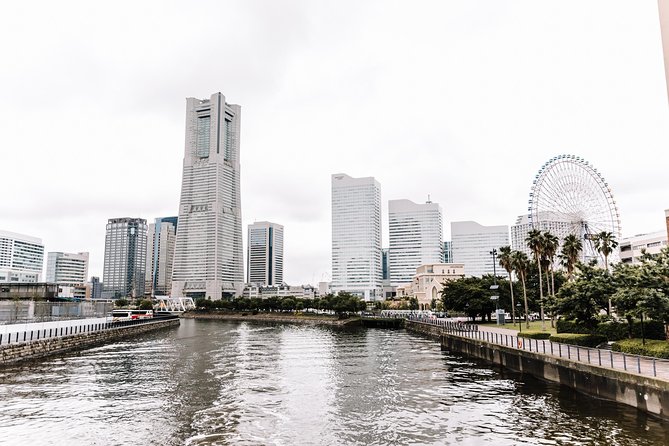
A stroll along Yokohama Bay may be part of the day. This gives your food walk some breathing room and helps connect the dishes to the city itself.
Yokohama is a port city with a long connection to foreign trade, shipping, and imported food culture. Your host can use the streets and waterfront as a backdrop for explaining how Japanese and international influences meet here.
This is one reason a local host adds value. You are not only moving from one eating place to another. You can ask why a dish matters in Yokohama, how locals order it, or which foods are famous locally but less familiar abroad.
Still, keep your expectations flexible. A waterfront walk is listed as a possible starting point, not a guaranteed stop. The final route depends on your answers, your host, and the food interests you share.
Yokohama Chinatown and its sweet side
Yokohama Chinatown is one of the clearest food-focused choices in the area. The district is known for Chinese restaurants, snack stalls, and food markets, making it useful for a short tasting stop or a longer meal.
One suggested treat is annin soft cream, a dessert flavored with Chinese almond jelly. It is a good example of the kind of small local specialty you might miss if you simply walk through Chinatown without knowing what to look for.
Chinatown can also help you compare Japanese and Chinese food traditions within the same city. You might sample a sweet, try a savory snack, and then ask your guide how the district fits into Yokohama’s food culture.
The limitation is simple: Chinatown may be included, but the flexible format does not guarantee it. If it is important to you, say so clearly in the questionnaire and repeat the request when you meet your host.
A few more options to weigh up in Yokohama
- EVO, WRX, Skyline – JDM Night Run to Daikoku Car Meet
★ 4.9 · 478 reviews - Tokyo: Best Price Daikoku Parking Area JDM Car Meet
★ 4.9 · 192 reviews - Daikoku & Tokyo Private JDM Tour by 700HP R34 GT-R
★ 4.9 · 101 reviews - Tokyo 8hr Private Tour with Licensed Guide from Yokohama
★ 5.0 · 94 reviews
Ramen at the Shin-Yokohama Raumen Museum
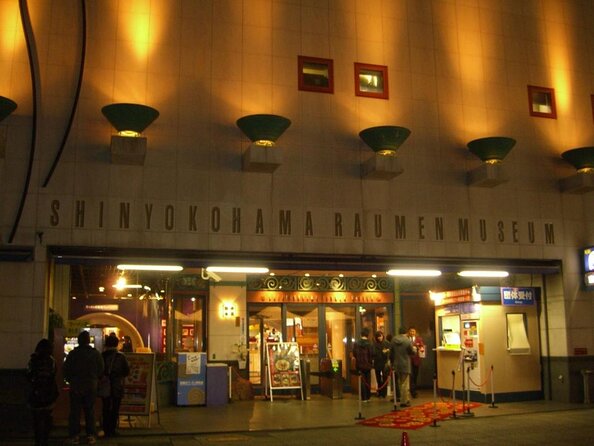
For many visitors, ramen is the most obvious food target in Yokohama. The Shin-Yokohama Raumen Museum is built around that one dish, with a large food court dedicated to Japanese ramen noodle soup.
It offers a useful way to compare styles without spending a full day searching for restaurants. A small ramen serving can also leave room for the other tastings included in the tour.
The museum is a possible stop, not a fixed part of every outing. It may also require an admission ticket, which is not included in the tour price. Ask your host about both the route and the entry cost if ramen is your main reason for booking.
Your guide can help explain the choices and ordering process. That is especially helpful if you are unsure about portion sizes, regional styles, or how to fit a bowl of ramen into a four-hour tasting schedule.
Traditional dishes and Yokohama originals
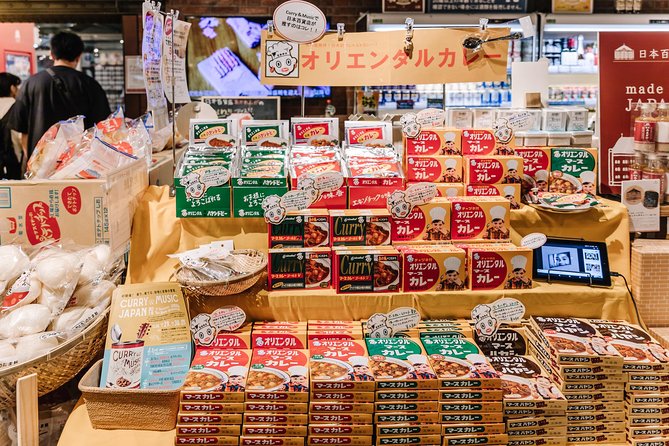
The food examples listed for this experience go beyond the usual sushi and ramen checklist. Gyunabe, a beef hotpot dish, represents an older Japanese style of dining. Napolitan is a Yokohama-born pasta dish, despite its Italian-sounding name.
Napolitan is particularly interesting because it shows how Japan adapts foreign food into something distinctly local. The dish is associated with Yokohama, and Center Grill is said to serve one of the city’s best versions. It may be included if it matches your preferences and the day’s route.
You might also be guided toward a traditional sukiyaki lunch. Chisato led one outing to Araiya, where the meal was paired with an explanation of Yokohama’s past. That combination of food and context is exactly where this tour can feel more useful than a self-guided restaurant list.
Food choices are not guaranteed, so be specific before the walk. Tell the company if you want Japanese dishes, Chinese food, seafood, sweets, ramen, or a mix. The more clearly you describe your interests, the easier it is for the host to shape the outing.
What the guides add to the experience
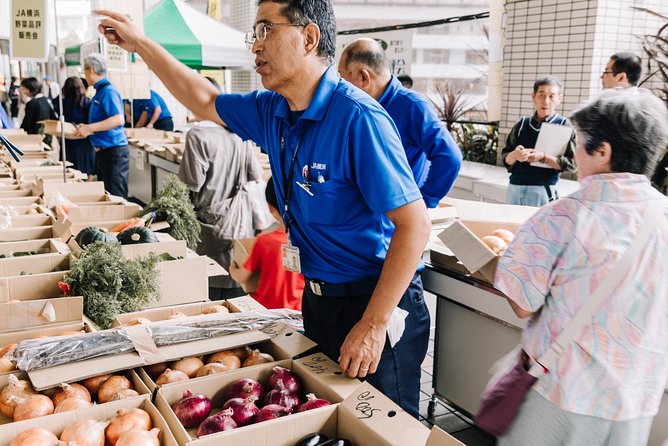
The strongest part of this tour is the host. Several guides have received warm praise for friendly personalities, strong English, and the ability to adjust the food to the group.
Hiroko has been praised for selecting a good mix of Japanese and Chinese dishes, especially during an evening visit to Chinatown. Her English and personable manner were important parts of that outing.
Marta has been singled out for combining food with explanations of Japanese culture. That is useful if you want more than restaurant recommendations and would like to understand customs along the way.
Chisato’s sukiyaki outing at Araiya shows how a host can build the experience around one traditional meal rather than a long list of small bites. Estela has taken visitors beyond central Yokohama to suburban areas where locals hike and eat, showing how broad the private format can be.
Hiroshi guided a city-center walk that ended at Sushi Ebihara. The group covered a lot of ground, worked up an appetite, and finished with sushi chosen on his recommendation. That example also highlights an important point: some of the best food may come at the end, so do not arrive expecting to eat a full lunch before the tour finishes.
The quality of a private tour depends heavily on the individual host. The company matches you based on your questionnaire, but you do not choose a particular guide from the information provided. That creates some uncertainty, though the named examples show a strong record of personable hosting.
The flexibility is both strength and weakness
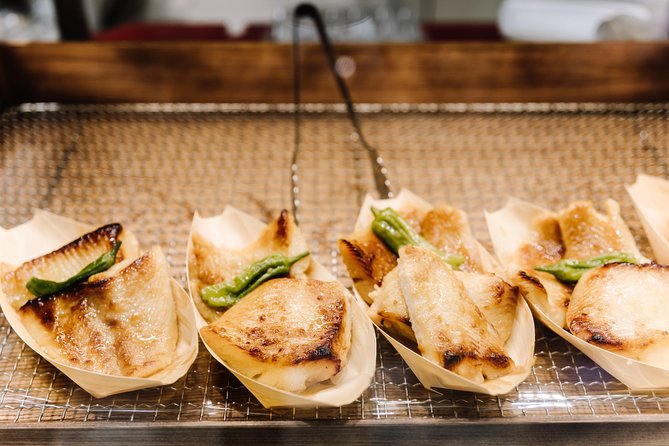
I see the flexible structure as the tour’s biggest advantage for the right person. You can spend more time on food you like, avoid dishes that do not suit you, and ask for more history, more walking, or more restaurant time.
It also lets the outing work for different types of groups. A couple might want an evening in Chinatown. A family may prefer snacks and soft drinks. A food-focused visitor may want ramen, sukiyaki, or sushi. A first-time visitor may need help with both ordering and navigation.
But the same flexibility can feel like a lack of structure. One unhappy booking described the experience as too open-ended and felt that the expected sights were missed. That concern is fair. The listed locations are examples, not a promised route.
You can reduce the risk by writing a clear wish list. Name the dishes you want, the neighborhoods you care about, your preferred walking pace, and any sights you hope to see. If you want Chinatown and the Raumen Museum specifically, say that plainly before the day begins.
Is $203.28 per person fair?
At $203.28 per person, this is not a cheap way to eat in Yokohama. You are paying for a private four-hour guide, personal planning, navigation, cultural explanation, six to eight tastings, and one alcoholic or soft drink.
For a solo visitor or couple who wants help finding food and understanding the city, the price may be reasonable. A private host can save you time, help you avoid ordering mistakes, and steer you toward dishes you might not find on your own.
The value is weaker if you only want to eat as much as possible. Six to eight samples from two or three eateries may not equal a full day of meals, and anything beyond the included food and drink costs extra.
Group discounts are available, which can improve the price for a small private party. The experience is often booked about 79 days ahead, so popular dates may require early planning. That lead time also gives you a chance to explain your food preferences properly.
The overall rating is 4.6 out of 5 from 21 ratings, with 90 percent recommending the experience. That is a good sign, but the small number of ratings means I would still focus on the flexible format and cancellation terms before booking.
Timing, walking, and practical planning
Plan for four hours on foot. The tour is near public transportation, but the main activity is walking through Yokohama’s streets and food districts.
Wear shoes you can walk in and avoid scheduling a tight connection immediately afterward. The group may move between different food stops, and public transport may be used if it suits the route.
Most people can participate, and service animals are allowed. The tour is private, so your group does not need to match another party’s pace or food preferences.
Free cancellation is available if you cancel at least 24 hours before the local start time. Cancellations or changes made within 24 hours are not accepted for a refund. One past booking was canceled because a replacement host could not be arranged, so keep an eye on your booking messages and allow some backup time in a busy Japan itinerary.
Who should book this food tour?
I would choose this experience if you want a personal introduction to Yokohama and do not mind making choices as you go.
It suits you best if:
- You want Japanese and Chinese food in the same outing.
- You prefer a private guide to a large group.
- You enjoy local dishes that are not as famous overseas.
- You want help with ordering, navigation, and food customs.
- You are happy to request your preferred route before the tour.
- You value conversation and cultural context as much as the number of dishes.
I would be cautious if you expect every advertised example to be included. I would also compare prices if your main aim is a single large meal, since the included tastings are spread across two or three eateries and extra food costs more.
Should you book it?
Book this tour if you want a flexible, food-centered introduction to Yokohama and are willing to help shape the day. The best parts are the private setting, the friendly hosts, and the chance to try local specialties such as annin soft cream, gyunabe, Napolitan, ramen, sukiyaki, or sushi.
Do not book it expecting a fixed sightseeing circuit. Send a precise food wish list, ask for the neighborhoods and dishes you care about, and confirm any attraction tickets or transport costs. For the right visitor, the price buys more than snacks. It buys local guidance, useful conversation, and a way to make sense of Yokohama one bite at a time.
FAQ
How long does the Yokohama private food tour last?
The walking tour lasts approximately four hours.
How many food tastings are included?
The experience includes six to eight tastings of local food specialties from two or three eateries.
Is a drink included?
Yes. You receive one glass of wine, beer, or a soft drink.
Is this a private tour?
Yes. Only your group participates in the activity.
Does the tour always visit Chinatown?
No. Yokohama Chinatown is a possible stop, but the route is personalized and may differ based on your preferences and the host’s plan.
Is the Shin-Yokohama Raumen Museum included?
It may be included as part of the personalized route, but it is not guaranteed. Tickets to attractions are not included.
Where does the tour start and end?
It starts at NewDays Sakuragicho, outside the JR Sakuragicho Station ticket gates on the second floor. It ends back at the same meeting point.
Can I cancel for a full refund?
Yes, if you cancel at least 24 hours before the experience start time. Cancellations or changes made less than 24 hours beforehand are not accepted for a refund.
Just added in Yokohama
- Yokohama and Kamakura 6hr Private Trip Government-Licensed Guide★ 5.0 · 25 reviews
- Yokohama Private Tour★ 5.0 · 21 reviews
- Shuttle Van Transfer, Yokohama(Port)⇒Tokyo, Narita, Haneda, TDR★ 5.0 · 63 reviews
- Yokohama Half Day Walking Tour with an Expert Local Guide★ 4.5 · 22 reviews
- Japanese Tea Ceremony at Private Home in Yokohama, suburban Tokyo★ 5.0 · 32 reviews
- Yokohama Ramen Adventure From a Local Noodle Factory to Home★ 5.0 · 60 reviews
- 【Tokyo】JDM Daikoku Parking Area & Nissan Facility Tour★ 5.0 · 87 reviews
- Yokohama Private Tour with a Local: Highlights & Hidden Gems★ 4.5 · 21 reviews
Food Tours, compared.
Shinjuku Food Tour (13 Dishes at 4 Local Eateries)
Read our review →
Shinsekai Food Tour with 13-15 Dishes at 5 Eateries
Read our review →
Osaka Food Tour: 13 Dishes at 5 Local Eateries
Read our review →
Shinjuku Food Tour (15 Dishes and 4 Eateries)
Read our review →
Best of Shinjuku: Izakaya Food Tour (4 Stops, 14+ Tastings)
Read our review →
Kyoto Night Foodie Tour in Gion (9+ dishes + 6 Sake tastings)
Read our review →
Hungry Osaka Street Food Tour:15 Tastings & 3 Drinks with a Local
Read our review →
Tokyo Night Foodie Tour in Shinjuku – Seasonal Sushi, Wagyu Beef
Read our review →Browse the lists this tour appears in