
Reviewed · DAY TRIPS
4 Day Tour – Mount. Fuji, Tokyo, Hakone, Kamakura and Yokohama
Tokyo is only the beginning. This private four-day tour links Tokyo’s major sights with Kamakura’s temples, Yokohama’s waterfront, Mount Fuji, and Hakone’s volcanic scenery. I like the way one private car lets you cover far more ground than local trains and buses, and I like the freedom to adjust a private itinerary around your group.
The $3,000 price covers up to five people, which can be fair value for a small group needing a driver across several long day trips. The main drawback is the pace: the proposed schedule is extremely full, and some stops are listed only as possible if time permits. Your English-speaking driver offers help and local context, but this is not a fully guided tour unless you pay extra for a guide.
In This Review
- Key points to know before booking
- What this four-day private tour is really offering
- Day one: old Tokyo, modern Tokyo, and a very ambitious route
- Day two: Kamakura temples and Yokohama’s waterfront
- Day three: Mount Fuji viewpoints, villages, and shopping
- Day four: Hakone’s volcanic scenery and art
- Drivers, guiding, and the practical details
- Who will get the most from this tour?
- Should you book this four-day Japan tour?
- FAQ
- How long is the tour?
- How many people can join the private tour?
- Is accommodation included?
- Is this a guided tour?
- Is hotel pickup offered?
- Are entrance tickets included?
- Does the tour visit Mount Fuji?
- Is the Mount Fuji view guaranteed?
- Can the itinerary be changed?
- What is the cancellation policy?
Key points to know before booking
- Tokyo’s first day is packed: Tsukiji, Asakusa, Skytree, the Imperial Palace, Akihabara, Harajuku, Shibuya, Tokyo Tower, and possible Odaiba stops all appear on one schedule.
- The car saves precious time: You avoid changing trains and buses between distant parts of the Tokyo region.
- Mount Fuji depends on weather: The best views from Chureito Pagoda, Lake Kawaguchiko, Oishi Park, and the fifth station are never guaranteed.
- The $3,000 group price favors small groups: Split among five people, the cost is $600 per person for four days, before attraction tickets and accommodation.
- Driver quality matters: Armad received praise for careful sightseeing support and convenient parking, while David was noted for adding unusual attractions during the following three days.
- Extra fees add up: Skytree, teamLab Planets, Kamakura temples, the Fuji ropeway, the fifth station, Hakone attractions, and other sites charge separately.
What this four-day private tour is really offering
This is best understood as a transportation and sightseeing package, not a traditional escorted tour. You get a private, air-conditioned car, pickup, an English-speaking driver, and a route that connects several major destinations around Tokyo.
That arrangement has real value in Japan. Tokyo’s rail system is excellent, but the city and surrounding prefectures spread widely. Kamakura, Yokohama, Mount Fuji, and Hakone each need their own day, and moving between temples, viewpoints, shopping areas, and rural attractions can take time.
With a private vehicle, you can leave bags behind, avoid station stairs, and reach places that are less convenient by public transportation. The tradeoff is that road traffic can affect the schedule, especially in Tokyo and around Mount Fuji. You should also confirm the exact pickup and drop-off arrangements before booking.
The tour costs $3,000 per group of up to five people. For one or two people, that is a substantial price. For five, the cost works out to $600 per person for the four-day experience, or $150 per person per day, before entrance fees and hotels. Accommodation is not included, so you choose and pay for your own lodging in each place.
The advertised duration is approximately four days. A practical note also describes the tour as about 10 hours including commuting time, so I would ask the operator how that timing applies across the four days. The itinerary is long enough that you need clear expectations about start times, driving time, and which stops are priorities.
More Day Trips in Tokyo
- Mt Fuji Top 5 Spots Day Tour: Arakurayama Park,Oshino Hakkai
★ 4.7 · 2,066 reviews - Tokyo: Mt. Fuji, Kamakura, Big Buddha, & Lake Ashi Day Trip
★ 4.5 · 867 reviews - Mt. Fuji & Hakone Private Day Tour with English-Speaking Driver
★ 4.5 · 824 reviews
Day one: old Tokyo, modern Tokyo, and a very ambitious route
The first day begins at Tsukiji Fish Market, where you get about 45 minutes. The wholesale market moved to Toyosu, but Tsukiji remains a lively place for food shops, small vendors, and a taste of Tokyo’s culinary culture.
This is a good opening stop because it is informal and sensory. You can walk, look at ingredients, and have a quick bite if time allows. Forty-five minutes is enough for a short visit, not a leisurely food tour.
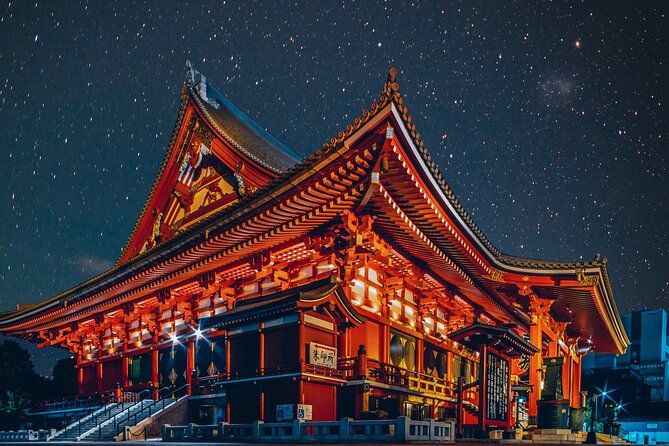
Next comes Senso-ji in Asakusa, Tokyo’s oldest religious building and one of its most recognizable sights. Allow an hour to pass through the famous Kaminarimon gate, walk along the shopping street, and reach the temple grounds.
Senso-ji can be crowded, but that is part of its character. You will see incense, bright architecture, and a busy mix of worshippers and sightseers. The tour gives you a useful contrast between traditional Asakusa and the modern districts later in the day.
Tokyo Skytree follows for about an hour. Admission is not included. The observation decks offer broad city views from high above Tokyo, but you should decide in advance if the ticket is worth the extra cost for your group. On a clear day, the height gives you a strong sense of the city’s vast size.
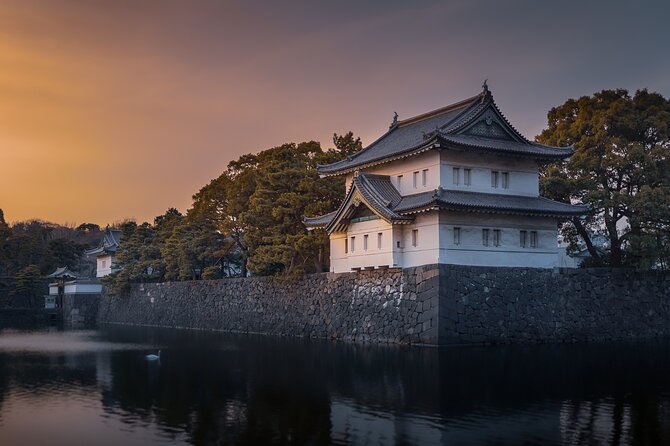
The Imperial Palace and its East Garden provide a quieter change of pace. The palace is the residence of Japan’s Imperial Family, while the grounds recall Edo Castle, once the seat of the Tokugawa shoguns. The East Garden is free, though advance booking may be needed for some palace access.
Akihabara gets only 30 minutes. That is enough to see the electronic signs and get a feel for the district, but not enough for serious shopping. If anime, manga, games, or electronics are central to your interests, ask to spend longer here and cut another stop.
The route then moves toward Meiji Jingu, a Shinto shrine set in a large forested area in Shibuya. Half an hour gives you a quick look at the approach and shrine grounds. I would prefer more time here, since the calm woodland setting is one of the clearest breaks from Tokyo’s concrete and traffic.
Takeshita Street gets an hour. This Harajuku shopping lane is known for youth fashion, colorful accessories, sweets, and crepes. It is commercial and crowded, but it gives you a direct look at Tokyo’s playful street style.
Shibuya Crossing is a short 20-minute stop. You can watch the scramble from nearby and take photographs before moving on. Twenty minutes is sensible for a photo stop, though it will not allow much time to explore Shibuya itself.
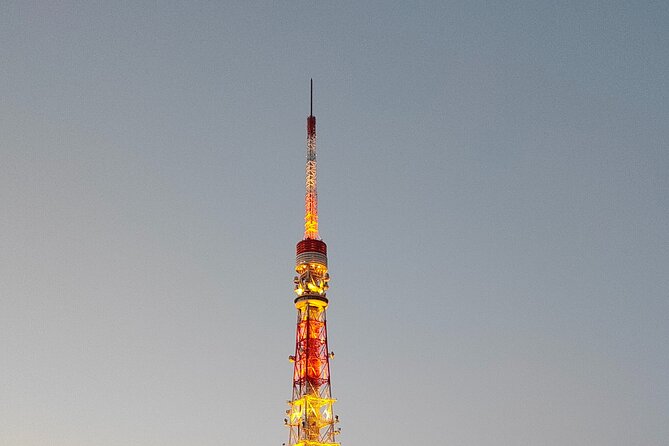
Tokyo Tower is listed for only 10 minutes, with no admission included. That means you are likely seeing it from outside rather than visiting the observation decks. The tower is an iconic 1958 communications structure, but the visit will be brief.
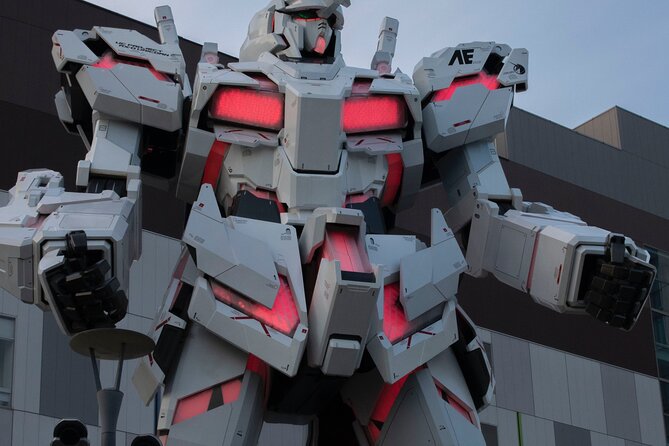
Two optional additions are teamLab Planets TOKYO and the Statue of Liberty in Odaiba. TeamLab Planets includes water-based rooms and large flower installations, while Odaiba’s 11-meter replica of the Statue of Liberty makes a playful photograph with Rainbow Bridge behind it.
The problem is time. TeamLab Planets normally needs more than a rushed half hour if you want to appreciate the installation, and tickets are extra. Treat these as substitutes for other stops, not guaranteed additions to an already crowded day.
Day two: Kamakura temples and Yokohama’s waterfront
Kamakura is the spiritual heart of the second day. The first temple, Hokoku-ji, is known for its bamboo garden and Zen setting. One hour is a reasonable amount of time to walk through the grounds and pause among the bamboo.
Hasedera Temple is next, with about 45 minutes. The temple is associated with a large wooden statue of Kannon and offers a mix of religious art, gardens, and hillside paths. Admission is extra, as it is at several Kamakura stops.
Kotoku-in is home to the Great Buddha of Kamakura. The visit lasts about 30 minutes, enough to see the enormous outdoor bronze figure and the temple grounds. The statue is one of Kamakura’s essential sights, so this short stop makes sense if the tour is trying to cover several places.
Tsurugaoka Hachimangu Shrine gets an hour. This is Kamakura’s major cultural center, with ponds, museum facilities, and a long approach through the city. It provides a different feel from the Buddhist temples and helps explain Kamakura’s importance as a former political center.
You then have 90 minutes on Komachidori, a pedestrian street lined with clothing shops, souvenirs, restaurants, and sweets. This is your best chance on the Kamakura day to slow down, eat, and browse. If you enjoy local food and small shops more than checking off another temple, this is a useful place to protect time.
The afternoon moves to Yokohama Chinatown for an hour. The district is about 160 years old and remains one of the city’s best-known food and shopping areas. An hour lets you walk through the gates, look at the shops, and have a quick meal, but a longer stop would be better if dining is a priority.
Sankeien Garden offers another hour. This traditional Japanese-style garden opened in 1906 and was created by silk trader Tomitaro Hara. It is a pleasant counterpoint to Chinatown and the city’s high-rise districts, with historic-style buildings, paths, and planted grounds. Admission is extra.
Minatomirai is listed for 30 minutes if time permits. Its waterfront includes Landmark Tower, modern shopping, and broad city views. Like the Odaiba stop on day one, it is easy to sacrifice when traffic or a long temple visit slows the day.
The Kamakura and Yokohama day is better balanced than the Tokyo schedule, but it still asks you to see eight places. I would choose your top two Kamakura temples in advance and decide if Chinatown, Sankeien, or Minatomirai matters most to your group.
Day three: Mount Fuji viewpoints, villages, and shopping
Mount Fuji sightseeing depends heavily on the weather. Clear skies can produce unforgettable views, while clouds can hide the mountain almost completely. The operator can adjust timing, but no private car can control visibility.
Oshino Hakkai begins the day with a 30-minute visit. Its eight springs are fed by water from Mount Fuji and form a small traditional sightseeing area. The springs are a natural monument of Japan, and the stop gives you a close look at the connection between the mountain and the local water supply.
Chureito Pagoda is one of the most photographed Fuji viewpoints. The five-story pagoda, mountain, and surrounding town create a classic Japanese scene, especially during cherry blossom season. The stop is listed at 30 minutes, but reaching the viewpoint involves stairs, so ask about the exact walking time if anyone in your group has mobility concerns.
Lake Kawaguchiko and Oishi Park offer two more chances to see Fuji. Oishi Park is especially appealing because it frames the mountain beyond the lake and seasonal flowers in the foreground. The 30-minute stops are short, so the driver’s timing and the weather will matter greatly.
The Mount Fuji Panoramic Ropeway takes you up Mount Tenjo for elevated views over Lake Kawaguchiko. The ride and viewpoint receive an hour, but tickets are extra. If the sky is clear, this may be one of the day’s best paid additions.
Saiko Iyashi no Sato Nemba recreates an old Japanese village with thatched-roof buildings. It is a good choice if you want architecture and rural atmosphere rather than another lookout. Admission is not included.
Arakura Fuji Sengen Shrine offers another mountainside viewpoint and a chance to walk in a park known for seasonal blossoms. Its connection with Chureito means the two stops may feel similar, so I would ask the driver how they will be handled in the available time.
The fifth station on Mount Fuji receives two hours. This is where many climbers begin their ascent, and even non-climbers can experience the mountain’s high-altitude setting. Admission is extra, and access can depend on conditions.
The day ends at Gotemba Premium Outlets for two hours. This is a major change of mood after temples and mountain views. If your group likes shopping, it gives you time to browse; if not, those two hours might be better spent at a Fuji viewpoint or local meal stop.
A completely different kind of day out:
- Tokyo Disney Resort – Tokyo Disneyland & Tokyo DisneySea Park Tickets
★ 4.8 · 99,488 reviews - SHIBUYA SKY Ticket
★ 4.7 · 46,509 reviews - JR Whole Japan Rail Pass
★ 4.8 · 29,150 reviews - Mt Fuji and Hakone 1-Day Bus Tour Return by Bullet Train
★ 5.0 · 26,383 reviews
Day four: Hakone’s volcanic scenery and art
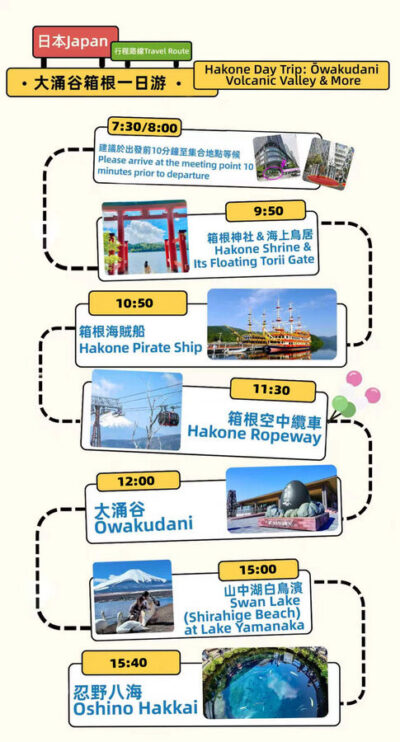
Hakone begins with the old Amazake-chaya Tea House, founded about 400 years ago. Its sweet rice drink follows a recipe said to be unchanged since opening. This is one of the most distinctive stops on the whole route because it offers a small taste of roadside tradition rather than another major monument.
Hakone Shrine sits in forest near Lake Ashi. The shrine buildings are partly hidden among the trees, and the setting is more important than the size of the visit. You get an hour here, followed by another hour at Lake Ashi itself.
The Hakone Ropeway links Sounzan and Togendai by way of Owakudani. The aerial ride is one of Hakone’s signature experiences, with views of volcanic terrain and the surrounding mountains. Tickets are extra, and conditions may affect operation.
Owakudani is a volcanic area known for sulfur springs and black eggs. The smell of sulfur and steaming ground make this stop feel unlike the temple districts of Tokyo and Kamakura. One hour should allow time for the main viewpoint and a quick look at local specialties.
Gora Park offers a shorter 30-minute stop. Its western-style garden includes a central fountain, greenhouses, and a tea house. Because the visit is brief, it works best as a quick scenic pause rather than a full garden outing.
The Hakone Open-Air Museum gets an hour and charges admission. The outdoor sculpture collection spreads across a large mountain setting, combining art with views and walking paths. It is one of the stronger choices for anyone who wants more than shrines and shopping.
As with the other days, you need to guard against overloading the schedule. The ropeway, Owakudani, and Open-Air Museum can each deserve more time than the itinerary allows. Your private driver can help with routing, but you should choose the experiences that matter most before the morning begins.
Drivers, guiding, and the practical details
The tour is private, so only your group participates. Pickup is offered, and the vehicle is air-conditioned. Those details matter during long summer sightseeing days or when you are carrying shopping bags between stops.
Your driver speaks English and can provide regional information, but the service is not automatically a guided tour. If you want detailed explanations inside temples, shrines, museums, or gardens, request a separate guide for an additional cost.
One useful detail from the tour’s feedback is the mention of Armad and David. Armad was praised for taking good care of the group, parking in convenient locations, and taking photographs. David was praised for going out of his way to show unusual attractions during the following three days.
Those points suggest the best value may come from the personal service and route flexibility, not just the number of places listed. Still, individual driver style can vary, so tell the operator your priorities clearly: food, gardens, photography, shopping, temples, or mountain views.
The experience has a 5.0 rating from 19 reviews and a 100 percent recommendation rate. That is a small sample, but it is a strong signal that the service has pleased its recent customers.
Free cancellation is available up to 24 hours before the start time. The experience requires good weather, and a weather cancellation offers either another date or a full refund. Since Mount Fuji is central to the plan, this policy is particularly useful.
Who will get the most from this tour?
I would recommend it most to a group of three to five people with limited time and a strong wish to see several regions without managing trains. Families, older adults, and visitors who value door-to-door transport may find the private car especially useful.
It also suits people who like a flexible day. You can ask for more time at Kamakura’s temples, shorten the shopping, or prioritize Fuji views if the weather suddenly clears.
I would be cautious about booking it if you prefer slow travel. The schedule includes many stops, and several visits last only 30 minutes. Independent visitors who enjoy lingering in one neighborhood, eating at a relaxed pace, or spending a full day in a museum may feel hurried.
You should also budget for attraction tickets. The listed price does not cover Skytree, teamLab Planets, Kamakura temple admissions, the Fuji ropeway, the fifth station, Hakone Shrine access, Gora Park, the Open-Air Museum, or similar paid entries. Accommodation is also entirely separate.
Should you book this four-day Japan tour?
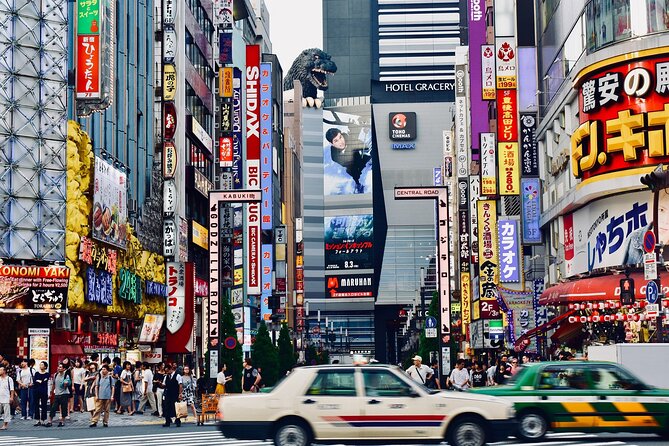
Book it if your priority is coverage. In four days, you can see Tokyo’s major districts, historic Kamakura, Yokohama, Mount Fuji’s main viewpoints, and Hakone’s volcanic sights without planning every transfer yourself.
The strongest reason to choose it is the private vehicle and the chance to shape the route. The weakest point is the sheer number of planned stops. Before paying, ask the operator to confirm the daily hours, exact pickup arrangements, admission costs, and which optional stops can realistically fit.
For a small group splitting the price, this can be a practical way to connect the Tokyo region. For two people, or for anyone who values a slower pace, a shorter private tour with fewer destinations may offer better value.
FAQ
How long is the tour?
The experience lasts approximately four days. The practical information also describes the tour duration as approximately 10 hours including commuting time, so confirm how that timing applies to each day.
How many people can join the private tour?
The price covers a group of up to five people. Groups larger than five can be accommodated for an additional cost.
Is accommodation included?
No. You choose and pay for your own accommodation in each place.
Is this a guided tour?
No. It is a private tour with an English-speaking driver. A separate guide can be arranged for an additional cost.
Is hotel pickup offered?
Pickup is offered. The stated start time is 8:00 am.
Are entrance tickets included?
Some stops are free, but many paid attractions are not included. These include Tokyo Skytree, teamLab Planets, several Kamakura temples, the Mount Fuji Panoramic Ropeway, the Mount Fuji fifth station, Hakone attractions, Gora Park, and the Hakone Open-Air Museum.
Does the tour visit Mount Fuji?
Yes. The Mount Fuji day includes Oshino Hakkai, Chureito Pagoda, Lake Kawaguchiko, Oishi Park, Saiko Iyashi no Sato Nemba, Arakura Fuji Sengen Shrine, the fifth station, and Gotemba Premium Outlets.
Is the Mount Fuji view guaranteed?
No. The experience requires good weather, and poor conditions can lead to a different date or a full refund.
Can the itinerary be changed?
The tour is described as customizable and private, so you can discuss priorities with the driver. Optional stops such as teamLab Planets, the Statue of Liberty, Minatomirai, and some other visits depend on available time.
What is the cancellation policy?
You can cancel up to 24 hours before the experience starts for a full refund. Changes or cancellations made less than 24 hours before the start time are not accepted for a refund.
Just added in Tokyo
- Very popular in Harajuku♡Animal petting zoo★ 4.6 · 39 reviews
- Yokohama Port: Private Customizable Tour with Transfer★ 5.0 · 19 reviews
- Wagyu & Sake 8 Course Tasting Dinner in Shinjuku★ 4.9 · 20 reviews
- Warner Bros. Studio Tour Tokyo – The Making of Harry Potter★ 4.8 · 181 reviews
- Yanaka District: Historical Walking Tour in Tokyo’s Old Town★ 4.8 · 117 reviews
- Tokyo: Classic Tsukiji Food Tour★ 4.9 · 78 reviews
- Tokyo: Tsukiji Fish Market Tour with 6 Stops & Seafood Lunch★ 4.5 · 165 reviews
- Tokyo Wagyu & Sake Pairing Tasting Experience with Local Flavors★ 5.0 · 108 reviews
Day Trips, compared.
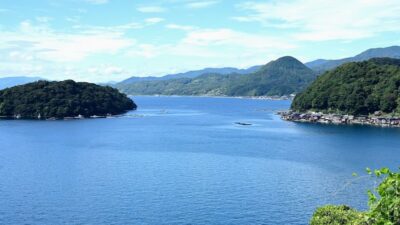
Kyoto Amanohashidate & Ine Funaya & Ine Bay Scenic Day Trip (Departing from Osaka or Kyoto)
Read our review →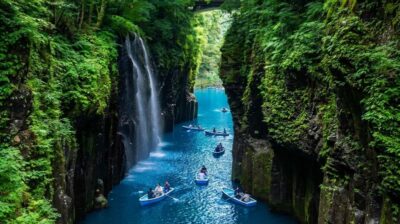
Kyushu: Mount Aso, Kusasenri & Takachiho Gorge Day Tour (Optional Takachiho Boat Ride Experience)
Read our review →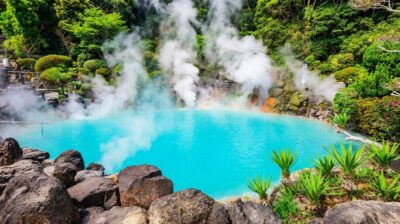
Kyushu One-Day Tour: Yufuin no Mori Train & Yufuin Town & Nyoirin-ji Temple & Dazaifu & Hell Hot Springs (Departing from Fukuoka)
Read our review →
Browse the lists this tour appears in