Reviewed · OSAKA TOURS
Discover Japanese Tea Blending Techniques in Osaka
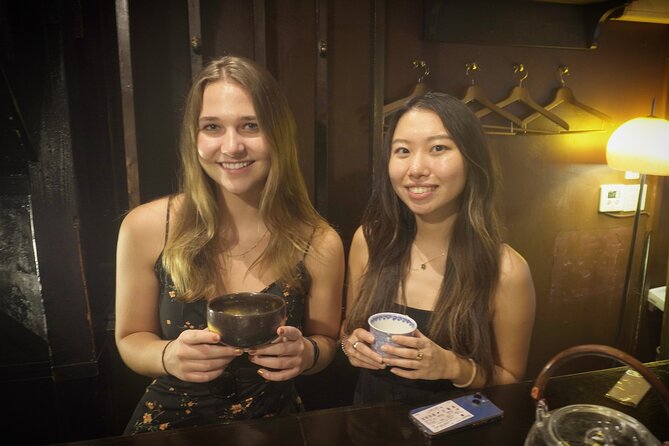
Tea gets serious, then wonderfully playful. This two-hour Osaka workshop combines traditional brewing with modern tea drinks, giving you a hands-on way to taste sencha, wakocha, oolong, hojicha, and matcha. I especially like the small group of no more than three people and the chance to shape the session around your own tastes. The biggest consideration is that the experience begins at 3 p.m., so it may not fit neatly into a packed sightseeing day.
I also like the setting near Namba Yasaka Shrine, away from Osaka’s main tourist lanes, and the practical take-home samples and recipes. Host Ko receives especially warm praise for his relaxed teaching, English skills, tea knowledge, and mixology. At $54.46 per person, this is not a cheap cup of tea, but it offers far more than a tasting: instruction, several drinks, sweets, hands-on practice, and a small souvenir to use at home.
In This Review
- Key points at a glance
- Starting at Namba Yasaka Jinja at 3 p.m.
- A small class with Ko, not a crowded demonstration
- Tasting five Japanese tea styles
- Brewing lessons that change your cup at home
- From tea ritual to tea cocktails
- Why the hands-on format is worth the price
- A calm break from Osaka’s main tourist routes
- Who will enjoy this most
- Practical planning before you book
- Should you book this Osaka tea workshop?
- FAQ
- Where does the tea workshop begin?
- What time does the experience start?
- How long does the activity last?
- Where does the experience end?
- How many people can join the workshop?
- Which Japanese teas are included?
- Can I cancel for a full refund?
Key points at a glance

- Ko leads a tiny, personal workshop: The maximum group size is three, so you should get plenty of guidance rather than watch from the back of a room.
- Five styles of Japanese tea appear on the table: You learn about sencha, wakocha, Japanese oolong, hojicha, and matcha.
- Brewing technique matters here: Water temperature, timing, teapot handling, and pouring style all receive attention.
- Traditional tea meets modern mixology: Fruit-based drinks and alcohol-infused tea cocktails add a playful second half.
- The location offers a quieter Osaka stop: The meeting point is at Namba Yasaka Jinja, in the Motomachi area of Naniwa Ward.
- You take the lesson home: Samples and drink recipes help you repeat part of the experience after Japan.
Starting at Namba Yasaka Jinja at 3 p.m.
The workshop starts at Namba Yasaka Jinja, 2-chōme-9-19 Motomachi, Naniwa Ward, Osaka. This matters because you are not meeting in the middle of Osaka’s busiest shopping streets or at a large hotel lobby. The area gives you a chance to see a more local-feeling corner of the city before settling in with tea.
The shrine itself is a useful landmark for finding the meeting point. The activity starts at 3 p.m. and finishes back at the same place, making it easy to pair with a morning at Dotonbori, Kuromon Market, or another central Osaka sight.
Allow extra time to reach the shrine. The experience is near public transportation, but Osaka’s streets and station areas can take a little sorting out, especially if you are changing lines. A mobile ticket makes entry simple, but I would still keep the address available on your phone and arrive early enough to avoid beginning a quiet tea lesson in a rush.
The afternoon timing works well after a busy morning. Tea is a calmer change of pace, and the workshop’s roughly two-hour length leaves your evening open for dinner. It is less useful if you want to visit several attractions in the same afternoon.
A few more options to weigh up in Japan
- Universal Studios Japan Studio Pass
★ 4.8 · 89,883 reviews - Universal Studios Japan Express Pass
★ 4.7 · 53,138 reviews - Osaka Amazing Pass
★ 4.7 · 21,697 reviews
A small class with Ko, not a crowded demonstration
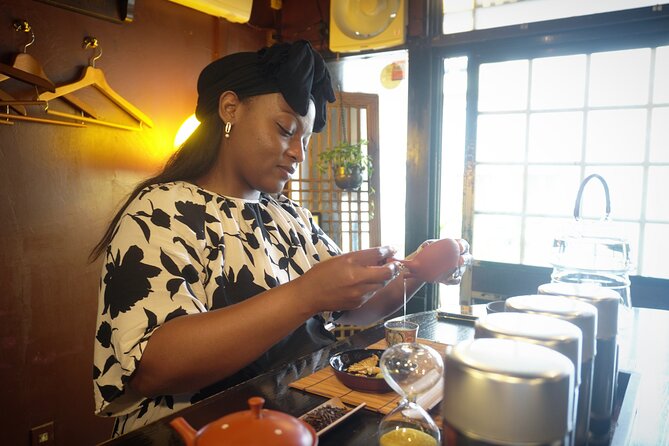
The maximum group size is three people. That is one of the strongest reasons to book this activity instead of a large, fixed-format cultural demonstration.
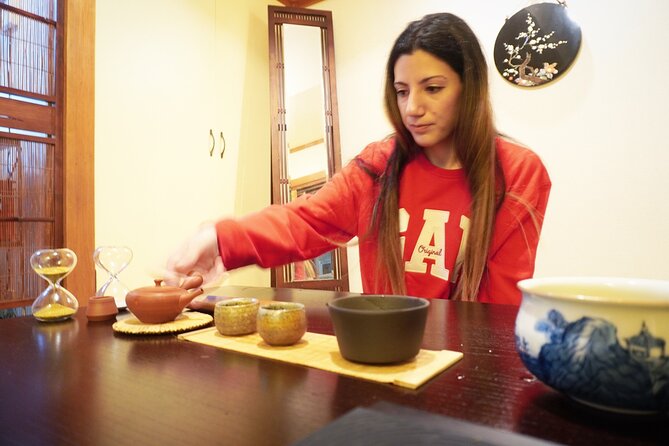
With so few participants, you can ask why a tea is brewed at a certain temperature, how to hold the pot, or what changes when you adjust the timing. You are not simply watching someone perform a ritual. You handle the tools and make the drinks yourself.
Ko is the host, and the teaching style described throughout the experience is relaxed, funny, and conversational. He speaks English well, which is important for a workshop built around small distinctions in flavor, temperature, and technique.
The setting is described as cozy and tea-house-like, with antique objects on display rather than the feel of a formal classroom. That can make the afternoon feel more personal and less staged. You may find yourself talking about Japanese food, tea, travel, or drinks while your brew develops.
This casual style will suit you if you want cultural insight without a stiff lecture. If you prefer a highly formal tea ceremony with ceremonial dress, strict silence, or a focus on polished movements, this is a different kind of experience. It is practical and social, with tradition explained in a way you can use.
Tasting five Japanese tea styles
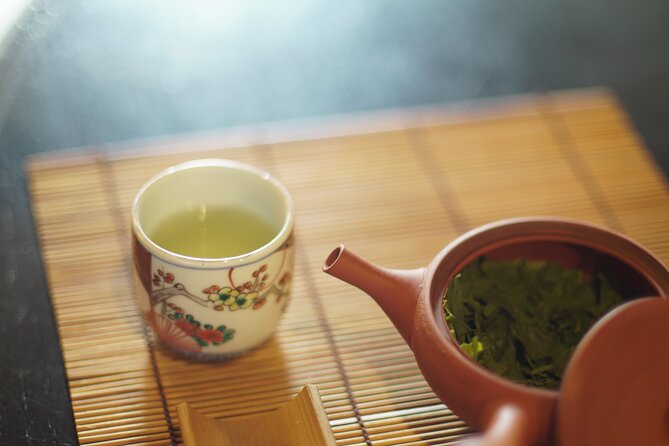
The tasting covers a broad range of Japanese tea. You work with green tea such as sencha, Japanese black tea known as wakocha, Japanese oolong, roasted hojicha, and matcha.
That range is valuable because Japanese tea is not one single flavor. Sencha can show fresh green notes, while hojicha offers a roasted character. Matcha brings a powdered texture and a different preparation method. Wakocha and Japanese oolong help show how processing changes the final drink.
The point is not simply to identify each tea. You learn how the leaf is made and how that process affects the cup. The workshop discusses the steps involved in producing each style, along with the role tea has played in Japanese culture.
You also use organic tea leaves sourced locally, according to the tour details. The emphasis is on tasting carefully and learning what quality tea can do when it is brewed properly. That is a useful corrective if your main experience with Japanese tea has been a bottled drink from a vending machine or convenience store.
I particularly like the way the workshop connects taste with method. You are not told that one tea is better than another. Instead, you can notice how different teas respond to heat, water, time, and handling.
Brewing lessons that change your cup at home
The technical part of the workshop covers brewing temperatures, timing, technique, and the correct handling of tea tools. These details may sound small, but they often make the difference between a pleasant cup and a bitter one.
You learn how to hold the teapot correctly and why the position matters. You also practice the basic movements instead of merely hearing about them. The instruction is meant to give you confidence when you brew tea later, not just fill two hours in Osaka.
The lesson also explains how the brewing approach changes from tea to tea. Matcha is not treated like loose-leaf sencha, and roasted hojicha does not need the same handling as a more delicate green tea. Those distinctions give the session real value for anyone who already drinks tea at home.
Bring your curiosity rather than a need to memorize every number. The useful takeaway is understanding how temperature and timing affect flavor, and how to adjust them for your own preferences.
That personal element is important. You can discuss what you like and tailor the experience accordingly. If you prefer a stronger, lighter, sweeter, or more aromatic cup, the workshop gives you a way to think about those preferences rather than treating brewing as a fixed formula.
A completely different kind of day out:
- Tokyo Disney Resort – Tokyo Disneyland & Tokyo DisneySea Park Tickets
★ 4.8 · 99,488 reviews - SHIBUYA SKY Ticket
★ 4.7 · 46,509 reviews - Mt. Fuji Instagram-Worthy Spots Day Tour: Ladder Town, Oshino Hakkai, Lake Kawaguchi, Lawson Convenience Store (Departing from Tokyo Station or Shinjuku Station)
★ 4.8 · 35,467 reviews - JR Whole Japan Rail Pass
★ 4.8 · 29,150 reviews
From tea ritual to tea cocktails
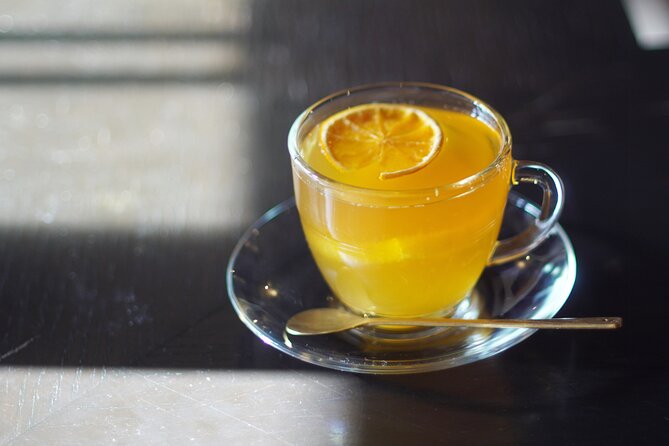
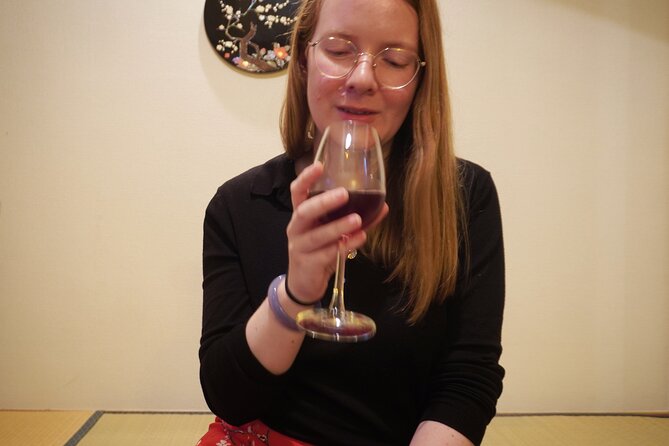
The modern half of the workshop is where the experience becomes unusual. After learning traditional methods, you use new techniques to make tea drinks with natural ingredients such as fruit. You also try infusing tea with alcohol.
This is not a separate cocktail class with tea added as a gimmick. The idea is to show how Japanese tea can work in contemporary drinks while still respecting the ingredient. You get to see how aroma, bitterness, sweetness, and texture can be balanced.
The session includes a tea cocktail and traditional Japanese sweets. The combination gives you a broader taste of tea culture, from careful brewing to a more relaxed drink with food.
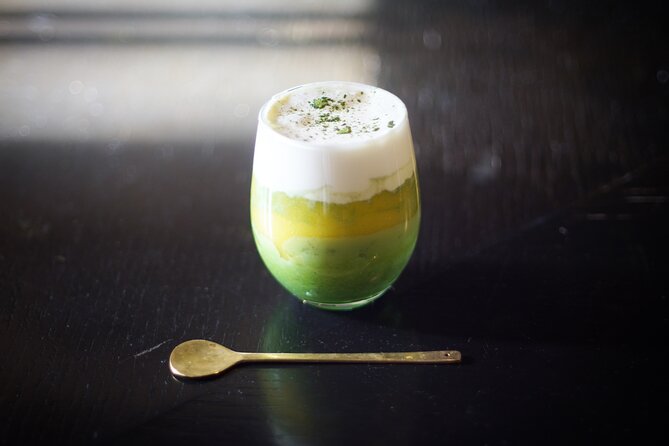
Specific drinks described in the experience include matcha-based combinations with fruit. One especially memorable example is a mango matcha macchiato with foam. That kind of drink may appeal to you if straight tea is not your usual order, and it shows how matcha can move beyond the familiar whisked bowl.
The alcohol element deserves a practical note. If you do not drink, the workshop still includes several nonalcoholic teas and fruit-based preparations. The supplied details do not specify the exact cocktail ingredients or alcohol level, so ask Ko about those choices if you have dietary or drinking concerns.
Why the hands-on format is worth the price
At $54.46 per person, the price sits above a simple tea tasting. The value comes from the amount of contact you get with the host and the variety packed into about two hours.
You are tasting multiple tea styles, learning their production and cultural background, practicing brewing, trying modern tea drinks, sampling a cocktail, and eating traditional sweets. You also receive recipes and small tea samples to take home.
A large group might offer a lower cost, but it would likely give you less time to handle the pot or ask personal questions. Here, the maximum of three people changes the math. If you are a couple, you may have an almost private lesson. That is especially appealing for a honeymoon, anniversary, or special afternoon in Osaka.
The price is harder to justify if you are only looking for a quick cup of matcha or a formal ceremony. It makes more sense if you want instruction and a wider look at Japanese tea.
The take-home samples add practical value. You can brew them later, compare your results, and use the recipes to recreate a tea drink. The workshop is not finished when you leave the meeting point because the lesson continues in your kitchen.
A calm break from Osaka’s main tourist routes
This activity gives you a reason to visit a less tourist-focused part of Osaka. The meeting point is still near central transportation, but the workshop takes place away from the busiest visitor zones.
That change of mood is part of the appeal. After Osaka’s bright signs, crowded shopping streets, and constant restaurant choices, a quiet tea space can reset your afternoon. The contrast makes the tea easier to notice.
The atmosphere described for the venue includes antique items and a cozy interior. I would not book this for grand architecture or a sweeping city view. You book it for a small room, good tea, conversation, and a closer look at an everyday Japanese tradition.
The location also pairs well with nearby sightseeing. Namba Yasaka Jinja can be your anchor, with the workshop fitting before an evening meal in the Namba area. Since the activity ends where it begins, you do not need to arrange a separate return transfer.
Who will enjoy this most
This workshop is best for tea drinkers who want to understand what they are tasting. You do not need advanced experience. The instruction begins with basic points, and Ko helps you through the hands-on work.
It is also a good choice if you like food and drink experiences that include cultural context. You learn about tea’s role in Japan, the production of different styles, the philosophy behind tea culture, and the way those traditions can inform modern drinks.
Couples should look closely at the group size. An almost private session can feel special, and the relaxed format leaves room for conversation. The activity also suits solo visitors who enjoy asking questions and trying something new without committing to a full-day tour.
You may want to skip it if you dislike tasting several kinds of tea, do not care about brewing technique, or want a fast, highly scripted attraction. This is a workshop, so the pleasure comes from paying attention and taking part.
The activity is also not designed as a full historical tour of Osaka. Its cultural discussion is centered on tea, its production, preparation, and place in Japanese life. That focused subject is a strength for tea lovers, but it may feel narrow if you want a broad city introduction.
Practical planning before you book
The experience lasts about two hours, though one account suggests allowing at least 1.5 hours and leaving room for the session to run at a comfortable pace. Do not schedule a major attraction immediately afterward if you dislike watching the clock.
The start time is fixed at 3 p.m. Confirmation arrives when you book, and the mobile ticket is convenient for a phone-based itinerary. The activity begins and ends at Namba Yasaka Jinja.
The group maximum is three people. That limit is worth checking when you reserve, especially if you are traveling with friends. A small group is central to the experience, so it is not the right pick for a large party seeking one shared activity.
Free cancellation is available if you cancel at least 24 hours before the local start time. Cancellations or changes made inside that window are not accepted for a refund.
Because the tea selection and drinks can include different ingredients, mention any concerns directly when arranging the experience. The supplied details do not list allergy, dietary, or accessibility information, so you should ask before booking if those issues affect your decision.
Should you book this Osaka tea workshop?
Book it if you want a personal, useful introduction to Japanese tea rather than a quick ceremonial photo opportunity. The combination of sencha, wakocha, oolong, hojicha, matcha, brewing practice, sweets, and tea cocktails gives you a lot to taste in one afternoon.
Ko’s friendly teaching style is a major part of the appeal. His command of tea, brewing, and mixology helps the class move from careful tradition to creative drinks without feeling like two unrelated activities.
I would especially recommend it to couples, solo food lovers, and anyone who plans to buy loose-leaf tea or tea tools after visiting Japan. At $54.46, it is a fair buy when you value personal instruction and take-home recipes, but less so if you only want a standard tea ceremony.
Schedule it for a slower afternoon, arrive at Namba Yasaka Jinja with time to spare, and let the two hours unfold without rushing. You will leave with more than samples: you will have a better sense of why Japanese tea tastes the way it does and how to make it properly at home.
FAQ
Where does the tea workshop begin?
It begins at Namba Yasaka Jinja, 2-chōme-9-19 Motomachi, Naniwa Ward, Osaka, 556-0016, Japan.
What time does the experience start?
The workshop starts at 3 p.m.
How long does the activity last?
The advertised duration is approximately two hours.
Where does the experience end?
It ends back at the meeting point.
How many people can join the workshop?
The maximum group size is three travelers.
Which Japanese teas are included?
The workshop covers sencha, Japanese black tea called wakocha, Japanese oolong tea, hojicha, and matcha.
Can I cancel for a full refund?
Yes. You can cancel at least 24 hours before the local start time for a full refund. Cancellations or changes made less than 24 hours before the start are not accepted for a refund.
Just added in Japan
- A One-of-a-Kind Sushi Experience in a Special Place of Japan★ 5.0 · 15 reviews
- Tokyo Cute Bento Cooking Class – Make a Kawaii Character Lunchbox★ 5.0 · 126 reviews
- Japanese Home Cooking Class & Walk in Todoroki Temple Tokyo★ 5.0 · 88 reviews
- Japan Tokyo Tower Observatory Deck E-Ticket★ 4.0 · 34 reviews
- Catch a Baseball Game in Tokyo with a Local – Tickets Included★ 5.0 · 24 reviews
- JDM Experience with Fast&Furious RX-7 (English speaking Driver)★ 5.0 · 57 reviews
- Tokyo Private Day Tour by Car with English speaking Driver Guide★ 4.0 · 29 reviews
- Japan Classic 10 Day – One Life Adventures★ 5.0 · 129 reviews
Osaka Tours, compared.




Umeda Sky Building & Kuchu Teien Observatory Ticket in Osaka
Read our review →