Reviewed · OSAKA TOURS
From Kyoto/Osaka: Kyoto Top Highlights 1-Day Guided Bus Tour
Kyoto rewards an early start. This $51 guided bus tour links Fushimi Inari, Kiyomizudera, Kinkaku-ji, and Arashiyama in nine hours, making it a smart choice if you have only one day for Japan’s old imperial capital. I like the comfortable air-conditioned coach, especially in Kyoto’s hot, humid summer, and I like having temple admission tickets handled before arrival. The main drawback is simple: this is a packed sightseeing day, so you will see the famous places, but you will not have much time to wander slowly.
The English-speaking guides are a major part of the value. Guides including Maki, Maria, Yuki, Jewel, Masa, Toshi, and Natsu have been praised for clear instructions, historical explanations, photography help, and warm energy. You should expect plenty of walking, crowds at the major sites, and strict attention to the schedule.
In This Review
- Four details that shape the day
- Why this bus tour makes sense for one day in Kyoto
- Fushimi Inari and its endless vermilion gates
- Kiyomizudera and the famous hillside stage
- Kinkaku-ji, Kyoto’s Golden Pavilion
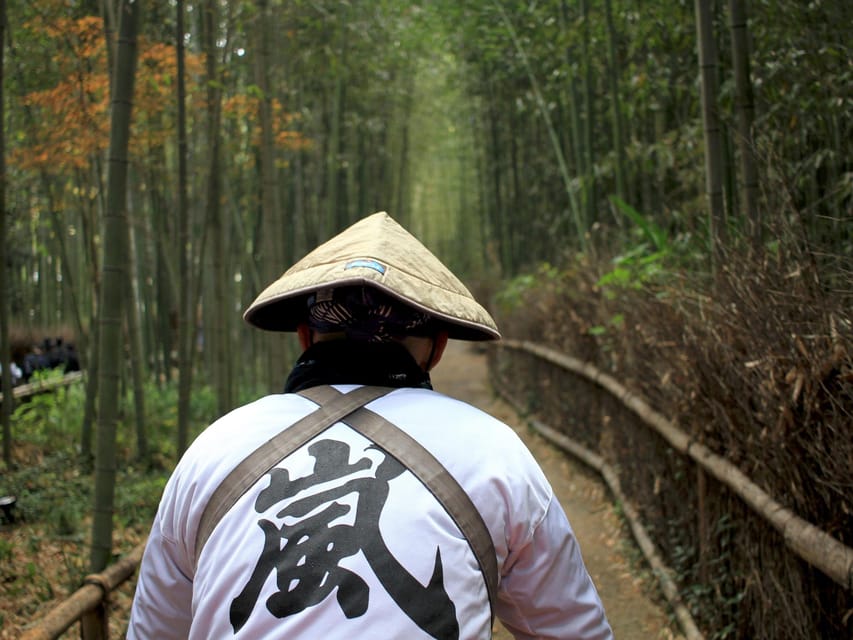
- Arashiyama and the Sagano Bamboo Forest
- How the guide affects the experience
- Lunch, admissions, and the $51 value
- Walking, weather, and the pace you should expect
- Who should book this Kyoto day trip?
- Should you book it?
- FAQ
- How long does the Kyoto highlights tour last?
- Where can I join the tour?
- Where does the tour end?
- Which attractions are included?
- Are temple admission tickets included?
- Is lunch included?
- Can I request a vegetarian lunch?
- Are halal and vegan meals available?
- What language is the tour conducted in?
- Can infants join the tour?
- Is the tour suitable for wheelchair users?
- What should I bring?
Four details that shape the day
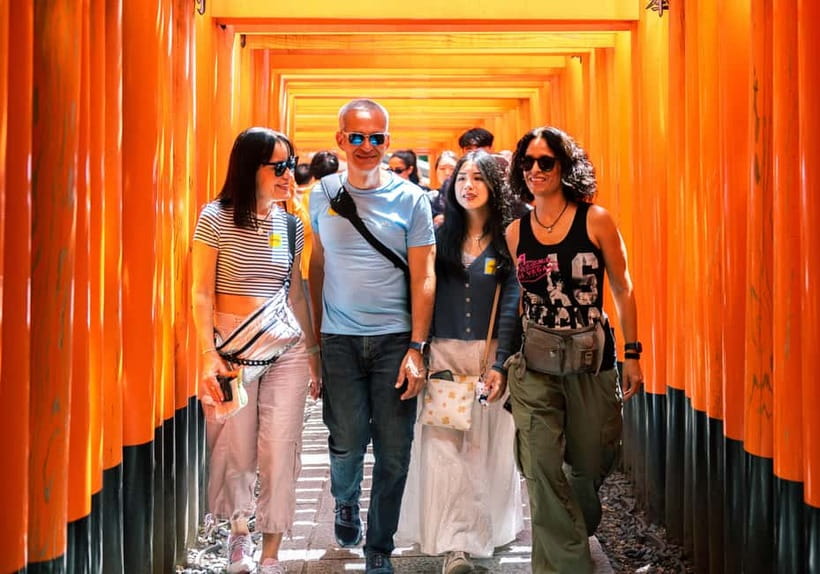
- Fushimi Inari comes with a torii-gate walk: You will pass beneath rows of vermilion gates at one of Kyoto’s most recognizable shrines.
- Kiyomizudera delivers the big city view: Its wooden stage reaches over the hillside, with Kyoto spread out below.
- The coach saves precious time: Kyoto’s sights are far apart, and air conditioning, Wi-Fi, and phone charging make the long transfers easier.
- The schedule is tight but purposeful: Stops range from 45 to 100 minutes, enough for the main sights but not every path or shop.
- Lunch is optional: Select the traditional Japanese set meal if you want convenience, or bring food if you need halal or vegan choices.
- The tour works best for first-time visitors: It gives you a fast cultural introduction without asking you to plan several complicated local transport connections.
Why this bus tour makes sense for one day in Kyoto
Kyoto looks compact on a map, but its major sights are spread across the city. Fushimi Inari is in the southeast, Kiyomizudera sits on the eastern hills, Kinkaku-ji is in the northwest, and Arashiyama lies farther west. Seeing all four independently in one day means lining up trains, buses, walking routes, temple opening times, and crowded streets.
This tour removes much of that work. You meet at one of three listed departure points: the Kyoto Station Hachijo Exit Tourist Bus Parking area, Hearton Hotel Nishiumeda, or Osaka City Air Terminal, also called OCAT. The return is available to the same general locations. Hotel pickup and drop-off are not included, so you need to reach your selected meeting point on your own.
The coach ride takes about an hour at the beginning and up to 100 minutes at the end. That sounds like lost sightseeing time, but it is part of the practical value if you are based in Osaka. You can rest between stops instead of navigating a tired late-day journey back through unfamiliar stations.
The bus includes air conditioning and free Wi-Fi. Several people also appreciated the ability to charge phones, a useful detail after a morning of photographs and map use. Legroom can feel limited, though. One person around 165 centimeters tall found their knees touching the seat ahead, so taller passengers should keep expectations modest.
A few more options to weigh up in Japan
- Universal Studios Japan Studio Pass
★ 4.8 · 89,883 reviews - Universal Studios Japan Express Pass
★ 4.7 · 53,138 reviews - Osaka Amazing Pass
★ 4.7 · 21,697 reviews
Fushimi Inari and its endless vermilion gates
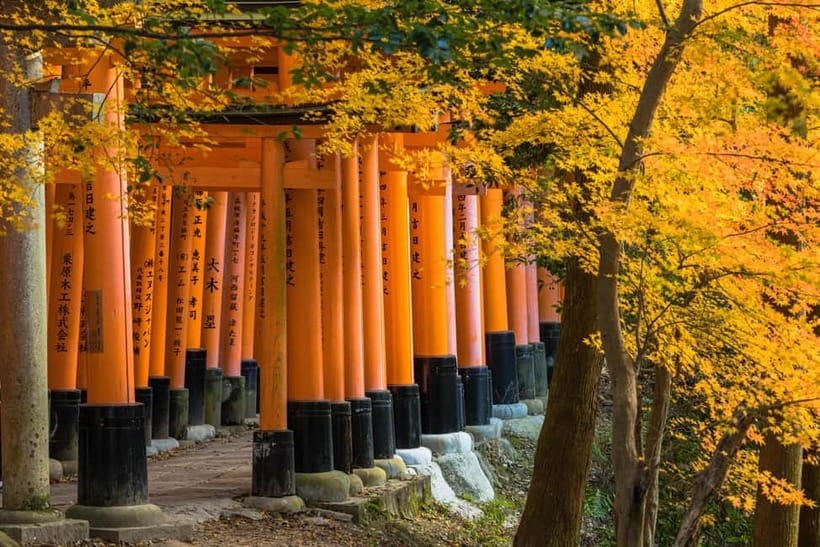
Fushimi Inari Taisha is the day’s most immediate visual hit. The shrine honors Fushimi-Inari, a Shinto guardian associated with agriculture, and its hillside route is lined with thousands of vermilion torii gates. The gates form a bright tunnel that keeps drawing you uphill.
You have about 80 minutes here. That gives you time to pass through the main gate sections, take photographs, and get a feel for the shrine’s scale. It is not enough time to explore every upper trail, so treat this as a strong introduction rather than a full hike.
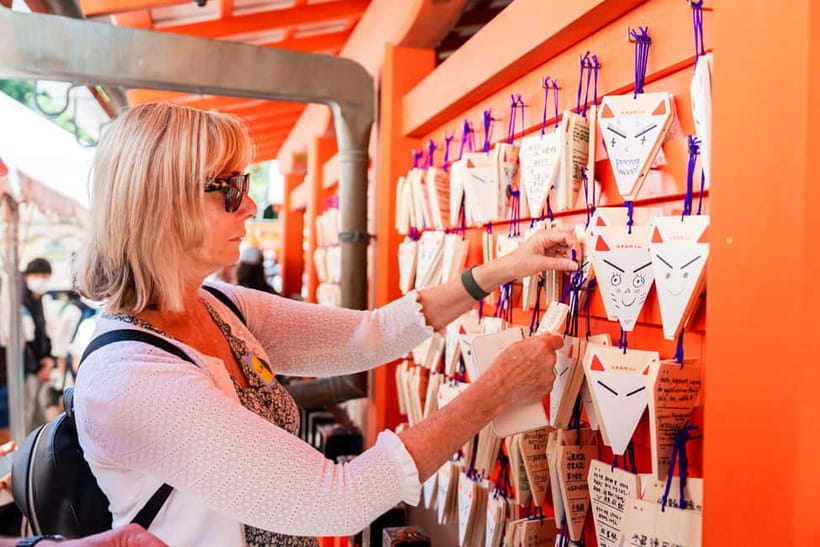
Your guide helps explain what you are seeing before you walk off. That matters at Fushimi Inari, where it is easy to focus on the color and miss the religious meaning of the gates. If you want the quietest possible visit, a group tour is not the ideal format, since the shrine is one of Kyoto’s most popular stops and crowd levels can be high.
Some people wished for more time here. I understand why. The gates become more atmospheric as you climb, but the group must keep moving to reach the remaining three locations. Wear shoes with a firm sole and avoid bringing anything bulky.
Kiyomizudera and the famous hillside stage
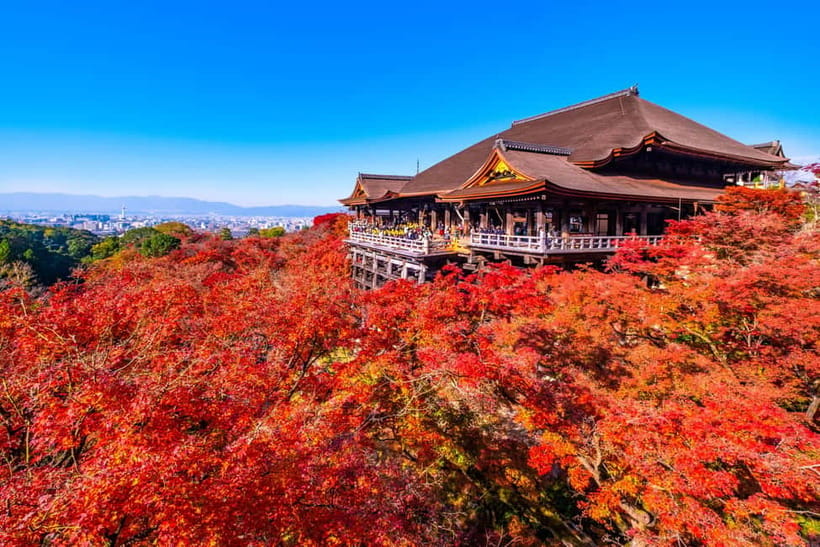
Kiyomizudera gives you a different view of Kyoto. The UNESCO-listed Buddhist temple is known for its large wooden stage projecting over the hillside. The structure is supported by 139 pillars and was built without using a single nail, a detail your guide may explain during the visit.
The elevated platform looks across Kyoto and the wooded slopes around the temple. It is one of the best places on this route for a broad city photograph, though the view changes with weather and season. Spring brings cherry blossoms, while autumn brings colorful foliage. Summer can be hot and humid, but the coach offers a welcome break before and after the walk.
The stop lasts about 100 minutes in the original schedule and includes temple admission. You can visit the main temple areas, enjoy the view, and walk through nearby lanes with traditional shops and snack stalls. The slopes and paving require steady walking, so this is not a good fit for wheelchair users.
Otowa Waterfall is another traditional feature. Three streams are said to offer success, love, and longevity. You can choose which blessing matters most, though the queue and crowd level may affect how much time you want to spend there.
The optional Japanese lunch is tied to this portion of the day in the original order. Several people praised the traditional meal, with one especially enjoying a quiet restaurant setting and tofu-based dishes. If your booking includes lunch, it saves you from hunting for food during a short break. If it does not, you can use the available free time for your own meal.
The meal choice needs care. Halal and vegan lunches are not available. Vegetarian requests must be sent to the provider at least three days before departure, and the tour advises anyone needing halal or vegan food to choose the no-lunch option and bring their own.
Kinkaku-ji, Kyoto’s Golden Pavilion
Kinkaku-ji is the most polished stop on the route. Also called the Golden Pavilion, the upper levels are covered in gold leaf and reflect brightly in the pond when the light cooperates. The surrounding garden follows traditional Japanese design and preserves the setting associated with the Ashikaga shogunate.
You get about 45 minutes here. That is enough to follow the main garden path, photograph the pavilion from the designated viewpoints, and make a quick stop at the nearby shops or refreshments. It is not enough for a slow garden study, but the route is clear and the main sight is easy to reach.
Admission is included, which is helpful because you do not need to queue separately or carry extra cash for the temple entry. The visit is also straightforward for first-time visitors. You follow the garden path, pause at the best viewing area, and rejoin the group at the stated meeting point.
Kinkaku-ji can feel more like a carefully framed image than a quiet temple visit. The pavilion is the focus, and many people move through the garden with cameras ready. I would enjoy this stop for its design and setting, but I would not choose it as my only Kyoto temple if I wanted solitude or a long meditation walk.
A completely different kind of day out:
- Tokyo Disney Resort – Tokyo Disneyland & Tokyo DisneySea Park Tickets
★ 4.8 · 99,488 reviews - SHIBUYA SKY Ticket
★ 4.7 · 46,509 reviews - Mt. Fuji Instagram-Worthy Spots Day Tour: Ladder Town, Oshino Hakkai, Lake Kawaguchi, Lawson Convenience Store (Departing from Tokyo Station or Shinjuku Station)
★ 4.8 · 35,467 reviews - JR Whole Japan Rail Pass
★ 4.8 · 29,150 reviews
Arashiyama and the Sagano Bamboo Forest

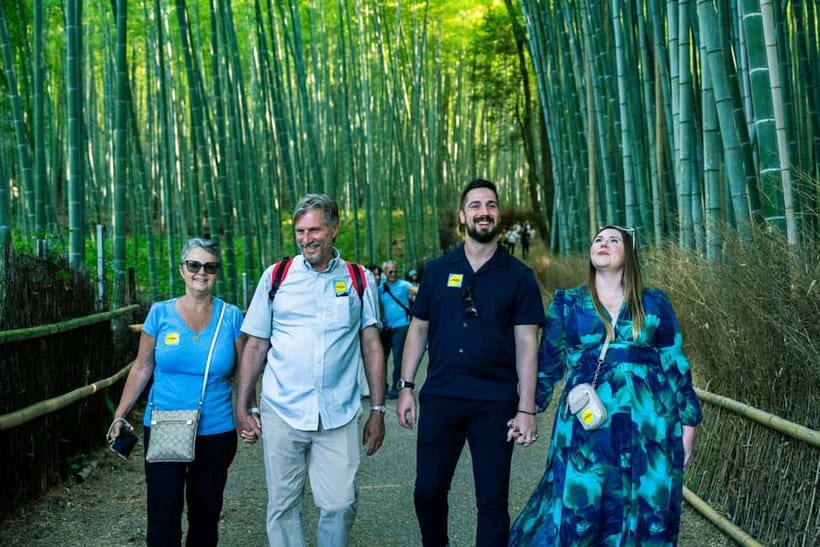
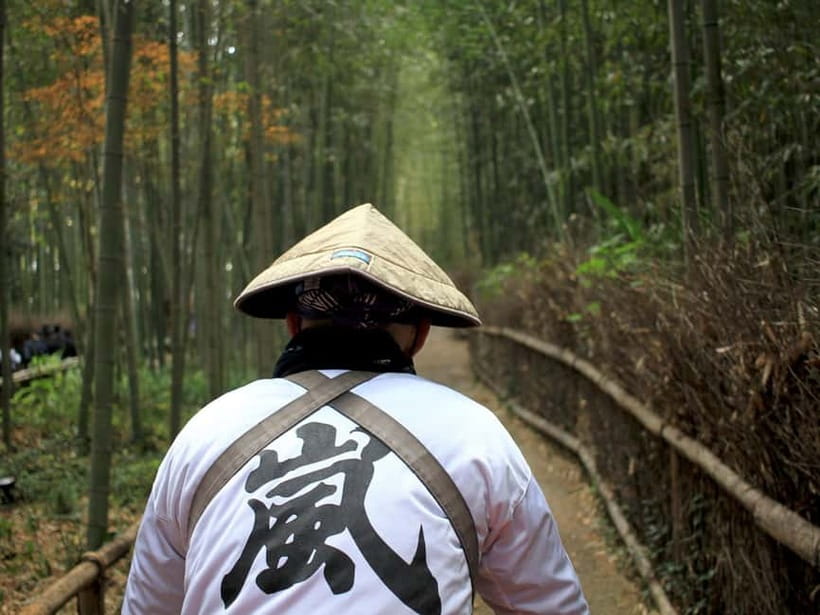
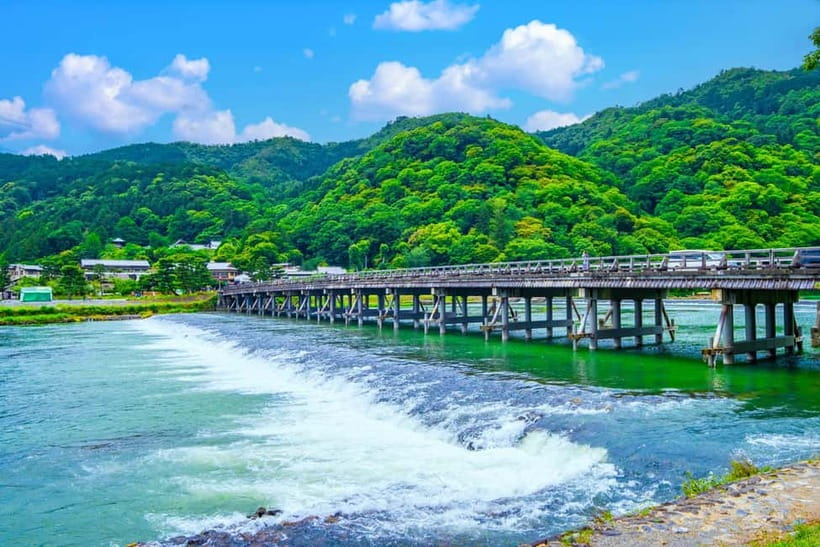
Arashiyama closes the sightseeing portion of the day in the original arrangement. This western Kyoto district has been associated with seasonal nature viewing since the Heian Period. The 80-minute stop gives you free time to walk toward the Sagano Bamboo Forest, browse for snacks and souvenirs, or stroll near the Katsura River.
The bamboo path is the headline attraction. Tall stalks rise on both sides, and the leaves make a distinctive rustling sound when the wind moves through them. The path is photogenic, but it is also popular, so do not expect a private woodland walk. One practical warning from a summer visit: mosquitoes were a problem in the bamboo area, so insect repellent is sensible.
You can also use the stop for a slower change of pace after three temples and shrines. The river area offers a more open setting, and a snack or drink can be a good idea before the long ride back. The time is limited, so you need to choose between the bamboo grove, shopping, and riverside walking rather than trying to do everything.
From April 1 onward, the order changes to Fushimi Inari, Arashiyama, Kinkaku-ji, and Kiyomizudera. Check the schedule attached to your booking date, since the change affects when you eat, how much daylight you have at each stop, and where you finish the sightseeing day.
How the guide affects the experience
A bus route this busy can become a simple exercise in getting on and off. The guide is what turns it into a useful introduction to Kyoto. The best guides on this tour give background while you ride, explain what to notice at each site, repeat meeting instructions clearly, and help keep a large group together.
Maki received special praise for her information, positive attitude, and help after a phone was accidentally left on the bus. Maria was praised for explaining each location in both English and Japanese and for keeping a group of 47 people on track. Jewel helped with photographs and gave clear instructions during hot weather. Eiko was praised for strong English and detailed explanations, while Toshi was described as attentive, humble, and well informed.
The guide quality can vary by departure date, and one person found a guide’s English less clear than expected. The tour is conducted in English, with Japanese also available from the guide, but accents and speaking styles will differ. Still, the repeated praise for patience, organization, humor, and helpfulness is important. You are not simply being dropped at four famous places with a time limit.
Many guides also take photos for solo visitors or couples. That small service can make a difference when you want proof that you were actually there, not just a collection of temple buildings.
Lunch, admissions, and the $51 value

At $51 per person, this tour is priced for convenience rather than privacy. The value is strongest if you are staying in Osaka, have only one day for Kyoto, and want admission to Kinkaku-ji and Kiyomizudera included. The bus also provides air conditioning, Wi-Fi, and a guide, which would take time and money to arrange independently.
The lunch option is worth considering if you are comfortable with a traditional Japanese set meal. Several people found it very good, and the included meal removed the need to search for a restaurant while the group was on a tight schedule. Others preferred to skip lunch so they could explore independently.
Choose the no-lunch option if you need halal or vegan food. Bring snacks and water, as advised, and remember that additional food and drinks are not included. For vegetarians, contact the provider at least three days ahead rather than hoping a last-minute request can be handled.
The tour includes entry tickets for Kinkaku-ji and Kiyomizudera. Fushimi Inari and the bamboo forest do not require the same kind of included temple ticket, making the package fairly easy to understand. At this price, the biggest saving is your planning time.
Walking, weather, and the pace you should expect
You will walk at every stop. The route includes temple grounds, hillside paths, paved lanes, and crowded approaches. Comfortable shoes are essential, and comfortable clothing matters even more in summer. Bring water, a camera, snacks, and a hat or small towel in hot weather.
The coach is a real advantage on a hot day. One summer visitor appreciated being able to cool down between outdoor stops, and another advised carrying plenty of water during hot, humid conditions. Rain is also manageable because the bus lets you dry out between sites, though you should still bring suitable clothing.
This is not a relaxed tour. The 45-minute Kinkaku-ji visit is particularly brief, and the 80-minute stops can disappear quickly once you walk from the bus parking area to the main attraction. A few people wanted 30 more minutes at each location, while others felt the timing was appropriate because it prevented any one stop from taking over the day.
Punctuality matters. The guide will emphasize meeting times, and you need to return to the bus promptly. The benefit is that the group can cover four distant places in one day. The cost is less freedom to linger.
Infants aged two and under can join free, but they do not receive a seat or meal and must sit on an adult’s lap. Only foldable strollers are allowed, and they are stored under the bus. The tour is not suitable for wheelchair users.
Who should book this Kyoto day trip?
I would choose this tour if you are visiting Kyoto for the first time, staying in Osaka, or trying to fit the city into a short Japan itinerary. It is also a strong match for solo visitors who want clear structure, an English-speaking guide, and an easy way to meet other people from different countries.
Families with very young children should think carefully about the heat, walking, and nine-hour length. Older children who can handle a full day may enjoy the variety, but toddlers may find the pace tiring. Independent visitors who want quiet temple time or long food stops will probably prefer a self-guided plan.
The tour is also useful in poor weather. Rain can make local transport and walking less pleasant, while the coach keeps the day moving. Just remember that the sights themselves remain outdoors and the paths can be slippery.
Should you book it?
Book it if your goal is to see Kyoto’s four most famous sights in one day with minimal planning. The combination of transportation, temple admissions, guide service, and optional lunch makes $51 a fair price, especially from Osaka.
Skip it if you have several days in Kyoto and want to explore each district at an unhurried pace. For everyone else, this is a practical crash course: busy, occasionally crowded, and short on lingering time, but well organized and packed with major sights.
FAQ
How long does the Kyoto highlights tour last?
The tour lasts nine hours, or 570 minutes.
Where can I join the tour?
The listed departure points are Kyoto Station Hachijo Exit Tourist Bus Parking, Hearton Hotel Nishiumeda, and Osaka City Air Terminal, also known as OCAT. Your exact meeting point depends on the option you book.
Where does the tour end?
Drop-off is available at Kyoto Station Hachijo Exit Tourist Bus Parking, Osaka City Air Terminal, or Hearton Hotel Nishiumeda, depending on your selected option.
Which attractions are included?
The tour visits Fushimi Inari Taisha, Kiyomizudera, Kinkaku-ji, and Arashiyama, including the Sagano Bamboo Forest.
Are temple admission tickets included?
Entry tickets for Kinkaku-ji and Kiyomizudera are included.
Is lunch included?
A traditional Japanese set lunch is included only when you select the lunch option.
Can I request a vegetarian lunch?
Yes. You need to contact the activity provider at least three days before the tour.
Are halal and vegan meals available?
No. Halal and vegan lunches are not available. Choose the no-lunch option and bring your own food.
What language is the tour conducted in?
The tour is conducted in English. The guide can also speak Japanese.
Can infants join the tour?
Infants aged zero to two can join free, but they do not receive a seat or meal and must sit on an adult’s lap. Only foldable strollers are allowed.
Is the tour suitable for wheelchair users?
No. The tour is not suitable for wheelchair users.
What should I bring?
Bring comfortable shoes, comfortable clothes, water, snacks, and a camera. In hot weather, a hat or small towel is also useful.
Just added in Japan
- A One-of-a-Kind Sushi Experience in a Special Place of Japan★ 5.0 · 15 reviews
- Tokyo Cute Bento Cooking Class – Make a Kawaii Character Lunchbox★ 5.0 · 126 reviews
- Japanese Home Cooking Class & Walk in Todoroki Temple Tokyo★ 5.0 · 88 reviews
- Japan Tokyo Tower Observatory Deck E-Ticket★ 4.0 · 34 reviews
- Catch a Baseball Game in Tokyo with a Local – Tickets Included★ 5.0 · 24 reviews
- JDM Experience with Fast&Furious RX-7 (English speaking Driver)★ 5.0 · 57 reviews
- Tokyo Private Day Tour by Car with English speaking Driver Guide★ 4.0 · 29 reviews
- Japan Classic 10 Day – One Life Adventures★ 5.0 · 129 reviews
Osaka Tours, compared.



Umeda Sky Building & Kuchu Teien Observatory Ticket in Osaka
Read our review →