
Reviewed · HAKONE TOURS
Hakone Adventure: Explore Nature’s Beauty and Tranquility
Hakone rewards travelers who keep moving. This full-day route links Japan’s only mountain railway with a cable car, ropeway, volcanic Owakudani, and a Lake Ashi cruise. I like the variety and the help of an English-speaking guide, but you should know that transport fares are extra and busy days can squeeze the schedule.
I also like the choice of meeting points, including Shinjuku, Odawara, Gora, and Hakone Yumoto. Guides such as Yumiko, Taku, Yuuki, and Kyo have been praised for being kind, prompt, and helpful, especially during the many changes between trains, lifts, boats, and buses. Still, at $139 per person, this is a convenience purchase, not a cheap sightseeing ticket.
In This Review
- The Hakone highlights that matter most
- Why this route works for a first visit to Hakone
- Starting the climb on the Hakone Tozan Railway
- Riding above the caldera by cable car and ropeway
- Owakudani: steam, sulfur, and a working volcano
- Lake Ashi by boat, with Mt. Fuji as a bonus
- Hakone Shrine and the final bus ride
- Is $139 a fair price?
- Timing, crowds, and the best way to prepare
- Who will get the most from this Hakone day?
- Should you book this Hakone experience?
- FAQ
- What is included in the $139 price?
- How long does the experience take?
- Where can I start the tour?
- Where does the tour finish?
- Is Mt. Fuji guaranteed to be visible?
- What should I bring?
The Hakone highlights that matter most
- Japan’s only mountain railway: The Hakone Tozan Railway climbs forested slopes with switchbacks, narrow valleys, and changing seasonal views.
- A living volcanic valley: Owakudani lets you see steam rising from active vents and smell the sulfur in the air.
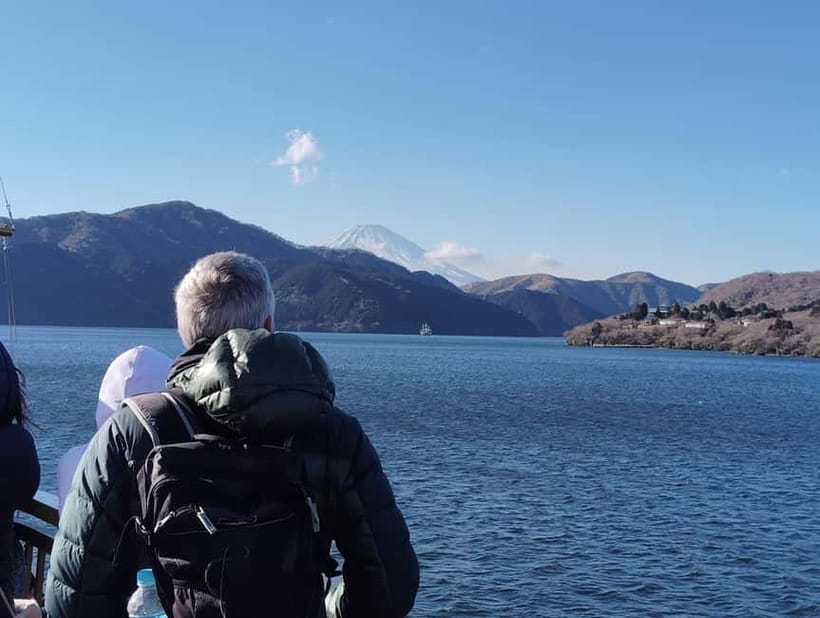
- Lake Ashi by sightseeing boat: The 50-minute cruise offers views of forested hills, shrine gates, and Mt. Fuji when the sky is clear.
- Several transport rides in one day: You use a train, cable car, ropeway, cruise boat, and bus, so the journey itself becomes part of the sightseeing.
- A guide handles the connections: This helps when crowds, queues, and changing departure times make Hakone’s route harder to manage alone.
- A private English-language experience: The small-group format allows more direct help, though it also contributes to the high price.
Why this route works for a first visit to Hakone
Hakone is not one single sight. It is a mountain region with a lake, volcanic vents, railway lines, shrine grounds, cable systems, and historic roads spread across different elevations. Seeing it independently is possible, but you need to understand the transport network and watch the clock.
This experience brings the main pieces together in one day. You ride upward through the mountains, cross volcanic terrain, descend toward Lake Ashi, and finish near Hakone Shrine before taking a bus to the drop-off point. I like that the route gives you several viewpoints instead of asking you to spend the whole day at one attraction.
The guide adds useful context. Hakone developed as a mountain resort and as a checkpoint town on the old Tokaido Road, the historic route between Tokyo and Kyoto. You also hear about the area’s connection with Japanese spiritual traditions, which helps explain why the lake and shrine feel like more than scenic photo stops.
There is a practical catch. The stated duration ranges from 270 to 570 minutes, or roughly four and a half to nine and a half hours. That is a wide range, so check the exact option and starting time before booking. A short version may feel rushed, while a longer version gives you more breathing room.
A few more options to weigh up in Hakone
- Hakone 6 hour Private Tour with Government-Licensed Guide
★ 5.0 · 218 reviews - Hakone Open-Air Museum Ticket
★ 4.9 · 133 reviews - Custom Private Tour in Hakone with a Certified Local Guide
★ 5.0 · 91 reviews
Starting the climb on the Hakone Tozan Railway
The first major ride is the Hakone Tozan Railway, which takes about one hour. It is not simply a way to get from point A to point B. The train climbs steep mountain slopes using switchbacks, allowing it to gain height where a straight track would not work.
As you ride through wooded hills and narrow valleys, the view changes with the season. Forest scenery provides shade and a sense of distance from city life, while the twists in the line make the railway feel like an attraction in its own right.
Your guide explains Hakone’s role as a mountain resort and transport link between regions. That background is useful because it puts the railway into place: Hakone has long depended on people moving through difficult mountain country.
The train ride is also a good early test of the tour’s pace. You are not sitting in a private vehicle all day. You are using public transport, changing modes, and walking between parts of the route. That makes the experience feel more local, but it requires comfortable shoes and some patience.
Riding above the caldera by cable car and ropeway
After the train, the route continues by cable car for about 40 minutes and then includes the ropeway. The exact order and timing can vary with the departure option, but the main idea is clear: you keep climbing above Hakone’s volcanic basin.
Hakone’s caldera is a huge crater formed by ancient volcanic eruptions. From above, the setting makes more sense. Forested hills, open slopes, and rough volcanic ground come together in a single view, and the changing height gives you several angles on the area.
The ropeway is one of the most memorable parts for many people because it turns the ride itself into a lookout. You are suspended above the hills rather than moving along the ground. On a clear day, the broad views can be excellent.
Crowds are the main concern. One Monday visit still involved a long wait for the ropeway, and that delay caused the group to miss Hakone Shrine later in the day because of a booked train back to Tokyo. If your return connection is fixed, tell your guide at the start and keep an eye on the clock.
This is also why a private group can help. Taku was praised for assisting with transport and making the day easier for someone with slight mobility issues. The experience still involves walking and standing, but a good guide can help you manage the transitions.
Owakudani: steam, sulfur, and a working volcano
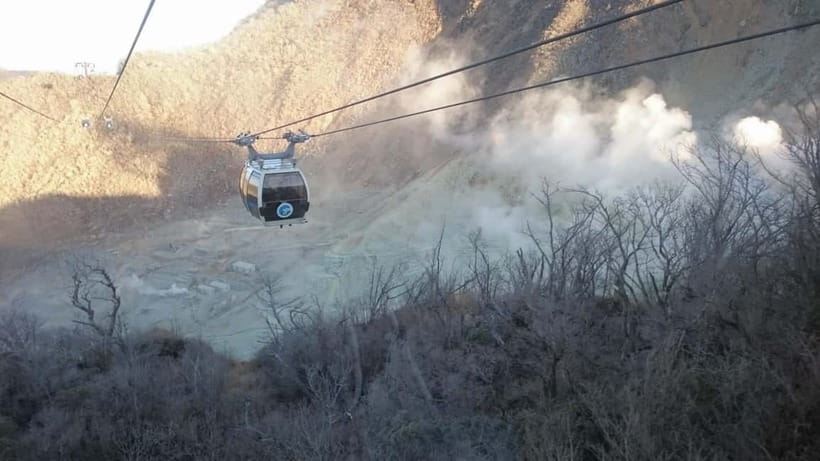
Owakudani is the tour’s most unusual stop. The name is linked with a great valley, and the site sits in Hakone’s active geothermal area. Steam rises from volcanic vents, and the sulfur smell gives you an immediate sense that the ground below is still active.
You have about 20 minutes for a guided visit and sightseeing. That is enough to see the main volcanic setting and hear the local stories connected with it, but it is not a long exploratory stop. Treat it as a focused visit rather than free time to wander widely.
The famous black eggs are one of Owakudani’s local traditions. They are eggs cooked in the area’s sulfurous hot water, and they have become closely tied to the site. The experience information does not promise that food is included, so bring money if you want to purchase anything, and remember that food and drinks are not part of the tour price.
Owakudani may be less comfortable for people sensitive to strong odors. The sulfur scent is part of the point, but it can be intense. The tour also specifically advises warm clothing and sunscreen, a sensible combination for a high, exposed area where conditions can change.
A completely different kind of day out:
- Hakone 8 hour Private Tour with Government-Licensed Guide
★ 5.0 · 63 reviews - Private Tour – Hakone Day Trip! A Tour to Explore All Must-Sees!
★ 5.0 · 58 reviews - Private Hakone Half-day Car Tour with Hotel Pickup – Local Guide
★ 5.0 · 48 reviews - Hike Hakone Hachiri
★ 5.0 · 48 reviews
Lake Ashi by boat, with Mt. Fuji as a bonus
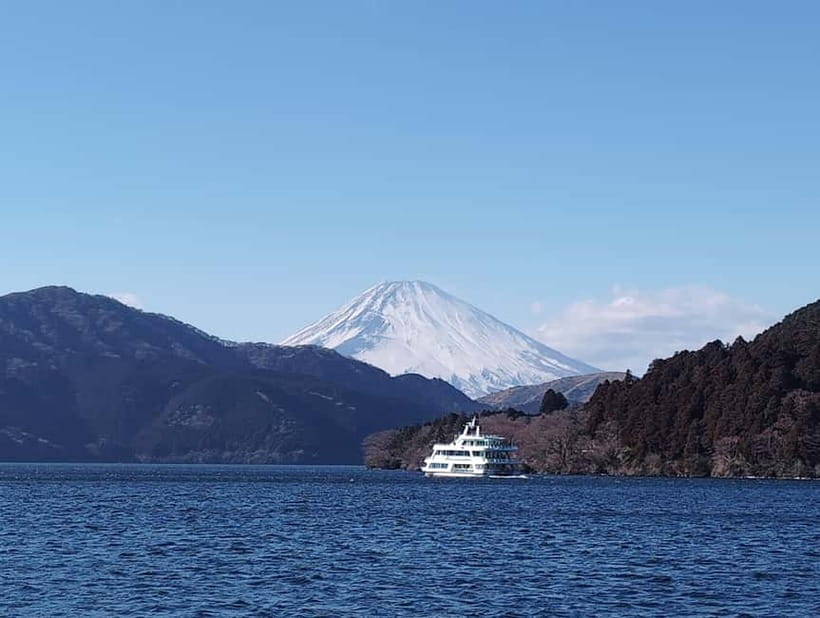
The sightseeing cruise lasts about 50 minutes. Lake Ashi formed inside Mount Hakone’s caldera, so this is not just a pleasant boat ride. It completes the story of the region by showing you the water-filled center of the volcanic basin.
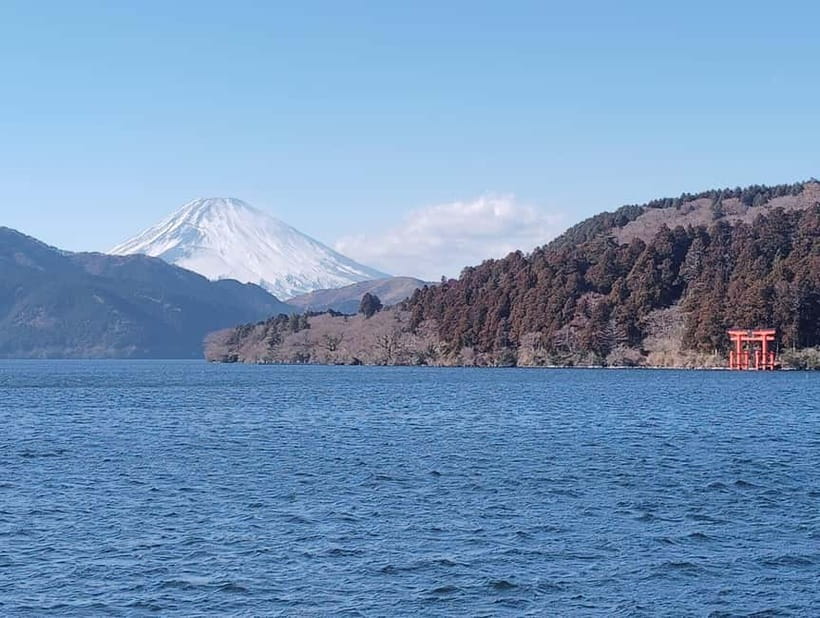
From the boat, you can see forested hills and, in some views, the red torii gates associated with Hakone Shrine. Mt. Fuji may also appear across the water. The mountain is weather-dependent, not guaranteed. One visit had cloud cover, while another caught a clear view, so keep your expectations flexible.
I would save your best camera space for this part, but do not spend the entire cruise looking through a screen. The combination of quiet water, wooded slopes, and distant mountain views is one of the calmer moments in a busy sightseeing day.
The cruise also gives your feet a break. By this point, you have already used several forms of transport and walked through stations and viewpoints. Sitting on the boat lets you enjoy the scenery without having to navigate another connection.
Hakone Shrine and the final bus ride
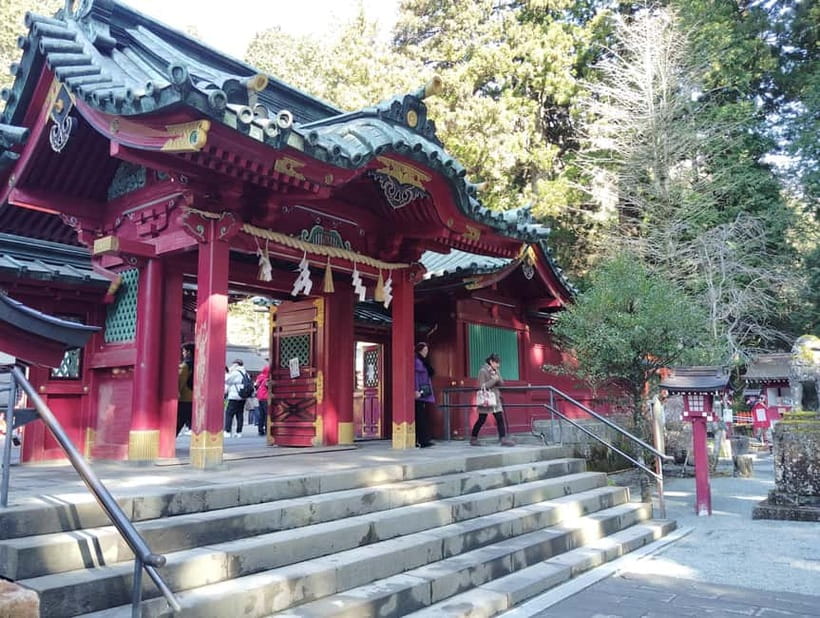
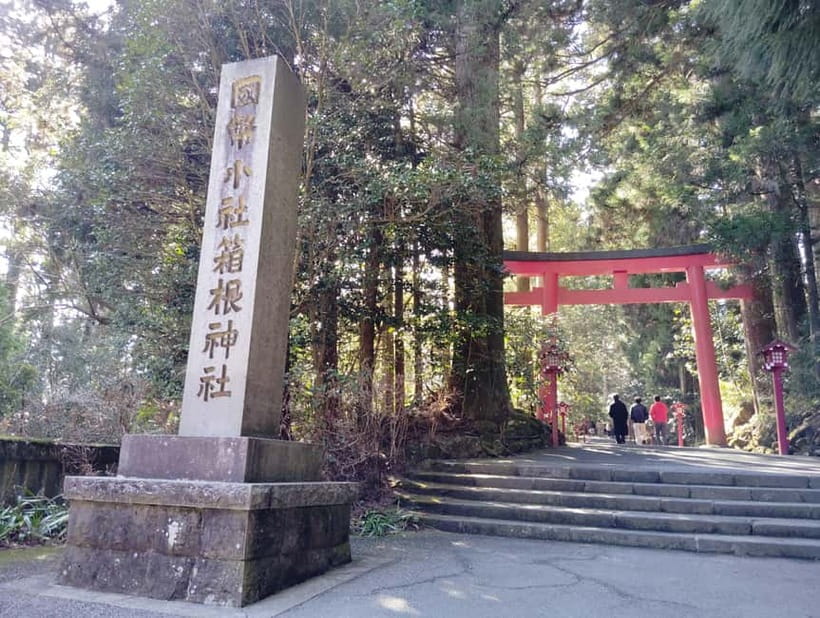
The route allows about 45 minutes at Hakone Shrine, followed by a shorter 10-minute Lake Ashi visit and a 45-minute bus or coach ride. The shrine is closely tied to the lake and the wooded mountain setting, and its torii gates help explain why the area has such a strong spiritual character.
Forty-five minutes is enough for a meaningful visit if the schedule holds. You can take in the grounds, learn from the guide, and connect the shrine with the scenery you have just seen from the boat. It is one of the stops that can feel rushed if an earlier queue causes delays.
The return bus takes you to Hakone Yumoto Station or the Shinjuku Police Station Shinjuku Station East Exit Police Box, depending on the booked option. Since some visitors use the tour as part of a Tokyo day trip and others begin in Hakone, confirm your return point before you pay.
The schedule is the delicate part of the day. A booked train back to Tokyo may leave no room for delays, especially at the ropeway. If you are staying in Hakone overnight, you have more flexibility. If you must return to Tokyo at a set time, choose your departure carefully and ask how much time is allowed at each stop.
Is $139 a fair price?
The listed price is $139 per person, and transportation fares are paid separately. That second point matters. You are paying for the private guided service and route planning, not for an all-inclusive transport pass.
If you are comfortable reading Japanese transport signs, checking schedules, and handling several changes, you can likely visit Hakone independently for less. One person felt that a round-trip ticket cost about one-third of the tour price. That comparison is fair if your main goal is to cover the route cheaply.
But the cheaper option requires work. You must plan the sequence, understand where to transfer, handle queues, and keep track of time. With this experience, an English-speaking guide helps you move through the day and explains what you are seeing. That value is strongest for a first visit, a private group, or anyone who does not want to spend vacation time studying the transport map.
The price is easier to justify when you want personal assistance. Guides have been praised for being considerate, prompt, friendly, and attentive to preferences. Judy particularly appreciated help during transport changes, and another participant described Yuuki as accommodating and well informed across several subjects.
Still, do the math before booking. Add the separate fares, food, and drinks to the $139. The total may feel high compared with a self-guided Hakone pass, especially if you are an experienced Japan visitor.
Timing, crowds, and the best way to prepare
This is a physically active sightseeing day. You will walk through stations, board different forms of transport, stand in queues, and move between viewpoints. Wear comfortable shoes, bring warm clothing, pack sunscreen, and carry a camera if you want to record the views.
Arrive 15 minutes before departure. That matters because the meeting point depends on the option you book, and the tour may begin at one of several locations:
- Mukoyama Park
- Shinjuku Station East Exit Police Box
- Hakone Yumoto Station
- Odawara Station Tourist Information Center
The exact meeting point and start time should be checked before you leave. The experience offers two drop-off choices, Hakone Yumoto Station and the Shinjuku Station East Exit Police Box.
Weather affects the day in two ways. Clouds can hide Mt. Fuji, and poor conditions can reduce the appeal of the lake and high ropeway views. Clear weather is best, but Hakone remains worthwhile in cloud because Owakudani, the railway, and the shrine do not depend entirely on a Fuji view.
Crowds are a bigger issue than many first-time visitors expect. Hakone is a popular scenic area, and queues can build even on a weekday. Avoiding weekends is sensible when you can, but do not assume Monday will be quiet.
Smoking is not allowed. The experience is not suitable for pregnant women, people with mobility impairments, or people with heart problems. The information also advises anyone with slight mobility concerns to consider the amount of walking and the many transport changes before booking.
Who will get the most from this Hakone day?
I would recommend this experience to a first-time visitor who wants the main sights without working out the route alone. It is also a good fit if you value local explanation, prefer a private group, or want help with public transport.
You will probably appreciate it most if your interests include volcanic scenery, mountain railways, Japanese shrines, and wide views. The route gives you a lot of variety in one day, and each transport mode shows Hakone from a different height and angle.
Independent planners may not see enough value in the price. If you enjoy managing trains and schedules, the extra transport cost could feel unnecessary. You may also prefer a slower visit, since the full route gives you a taste of several places rather than a long stay at one.
The tour is less suitable if you need a relaxed pace, have a strict return train, or dislike queues. Ask about the exact duration before booking, since the difference between 270 and 570 minutes is substantial.
Should you book this Hakone experience?
Book it if you want guided convenience and a broad first look at Hakone. The strongest reasons are the helpful English-speaking guides, the mix of train, cable car, ropeway, boat, and bus, and the chance to see Owakudani, Lake Ashi, and Hakone Shrine in one organized day.
Skip it if your priority is the lowest possible cost or a slow, independent visit. You will pay extra for the guide, and transport fares are separate. For the best chance of fitting everything in, choose good weather, avoid weekends when possible, allow plenty of time, and do not book a tight return train to Tokyo.
FAQ
What is included in the $139 price?
The price includes an English-speaking guide, the planned route through Hakone, and assistance with the train, cable car, ropeway, cruise, and other connections. Transportation fares, food, and drinks are not included.
How long does the experience take?
The duration ranges from 270 to 570 minutes. Check the available option for the exact starting time and length before booking.
Where can I start the tour?
Starting points include Mukoyama Park, the Shinjuku Station East Exit Police Box, Hakone Yumoto Station, and the Odawara Station Tourist Information Center. The meeting point depends on the option booked.
Where does the tour finish?
The available drop-off points are Hakone Yumoto Station and the Shinjuku Station East Exit Police Box.
Is Mt. Fuji guaranteed to be visible?
No. Mt. Fuji is visible on clear days, but clouds can block the view.
What should I bring?
Wear comfortable shoes and warm clothing, and bring sunscreen and a camera. Smoking is not allowed. The experience is not suitable for pregnant women, people with mobility impairments, or people with heart problems.
Just added in Hakone
- Hakone Open-Air Museum Ticket★ 4.9 · 133 reviews
- Forest Bathing in Temple and Enjoy onsen with healing power★ 5.0 · 17 reviews
- Odawara Castle and Town Guided Discovery Tour★ 5.0 · 15 reviews
- Traverse Outer Rim of Hakone Caldera and Enjoy Onsen Hiking Tour★ 5.0 · 30 reviews
- Private Hakone Half-day Car Tour with Hotel Pickup – Local Guide★ 5.0 · 48 reviews
- Hike Japan Heritage Hakone Hachiri with certified mountain guide★ 5.0 · 46 reviews
- Hike Hakone Hachiri★ 5.0 · 48 reviews
- Hike Japan Heritage Hakone Hachiri (Half Day)★ 5.0 · 18 reviews
Hakone Tours, compared.
Hakone 6 hour Private Tour with Government-Licensed Guide
Read our review →
Custom Private Tour in Hakone with a Certified Local Guide
Read our review →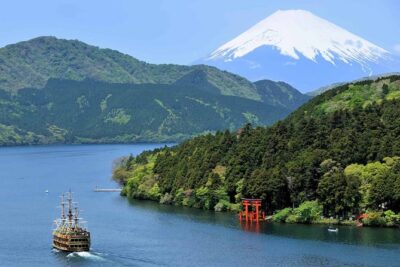
Hakone 8 hour Private Tour with Government-Licensed Guide
Read our review →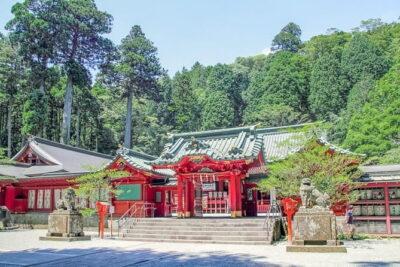
Private Tour – Hakone Day Trip! A Tour to Explore All Must-Sees!
Read our review →
Private Hakone Half-day Car Tour with Hotel Pickup – Local Guide
Read our review →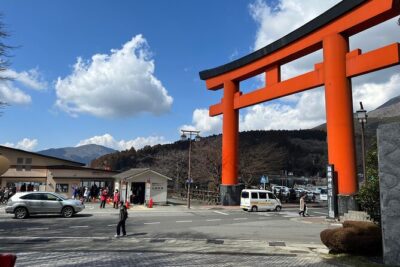
Hike Japan Heritage Hakone Hachiri with certified mountain guide
Read our review →Browse the lists this tour appears in