
Reviewed · CASTLES AND HISTORIC SITES
Odawara Castle and Town Guided Discovery Tour
Samurai stories begin at the station. This three-hour walking tour turns Odawara into an open-air history lesson, linking the castle, old town, shrine, local shops, and the traditions of Japan’s warrior age. I like the small group size of up to 12 people and the fact that tickets to the Ninja Museum, Samurai Museum, and Odawara Castle are included.
I also like the local feel. Guide Jeff has deep ties to Odawara and has helped visitors explore food, shopping, and town viewpoints as well as the formal sights. The main drawback is the pace: you will walk for most of the tour, and three hours gives you an introduction rather than enough time to study every display at leisure.
In This Review
- Key points to know before booking
- Why Odawara makes a good history stop
- Meeting at Odawara Station at 10:00 am
- Walking through Odawara Castle Park
- Meeting the ninja at the Ninja Museum
- Seeing real armor at the Samurai Museum
- Entering Odawara Castle and its history museum
- A quiet stop at Hotokuninomiya Shrine
- What the $98 price includes
- Guide quality and the human side of the tour
- Who should book this Odawara walking tour?
- Should you book the Odawara Castle tour?
- FAQ
- Where does the Odawara Castle and Town Guided Discovery Tour start?
- What time does the tour begin?
- How long does the experience last?
- Where does the tour end?
- Are entrance tickets included?
- Is lunch included?
- How large is the group?
- What happens if bad weather cancels the tour?
Key points to know before booking

- Start at Odawara Station: Meet at the Tourist Information Center by the East exit at 10:00 am.
- Three major admissions included: Your fee covers the Ninja Museum, Samurai Museum, and Odawara Castle.
- A walking tour with local context: The guide connects castle history with present-day Odawara, shops, food, shrines, and local customs.
- Small groups help: With a maximum of 12 people, you should have a better chance to ask questions and keep a comfortable pace.
- Expect moderate physical activity: The route covers town streets and castle grounds on foot, so comfortable shoes matter.
- A practical half-day outing: The tour ends back at the station meeting point, leaving the rest of your day open.
Why Odawara makes a good history stop

Odawara sits south of Tokyo between the Pacific coast and the mountains around Hakone. That location makes it easy to add to a wider Japan itinerary, but the town is more than a convenient stop between major destinations.
Its central story belongs to the Sengoku Period, the era of competing military leaders, fortified towns, and shifting alliances. Odawara Castle was connected with samurai families who controlled a large part of central Japan. The castle grounds give you a physical sense of that power, while the town adds smaller details about food, craftsmanship, religion, and daily life.
I like this combination because you do not spend the entire tour inside a museum. You move through Odawara on foot, then use the castle and its displays to make sense of what you have seen. A guide can also explain details that are easy to miss when you visit alone, such as why a particular gate matters or how the castle’s design helped protect its rulers.
The town portion is especially useful if you have only seen Japan through Tokyo, Kyoto, or Osaka. Odawara offers a smaller setting where history is tied to ordinary streets and local businesses rather than presented only in grand monuments.
More Castles and Historic Sites in Hakone:
- Odawara: Odawara Castle Tenshukaku Entrance Ticket
★ 4.2 · 30 reviews - Odawara: Guided Ninja & Samurai Tour of Odawara Castle
★ 5.0 · 25 reviews - Osaka Castle Ticket
★ 4.7 · 12,450 reviews
Meeting at Odawara Station at 10:00 am
The tour begins inside Odawara Station’s East exit area, at the Odawara Station Tourist Information Center beside the New Days convenience store. This is a practical meeting place, especially if you are arriving by train and want a clear landmark.
The first part is brief, about 10 minutes, but do not treat it as a casual arrival point. Give yourself enough time to locate the East exit and the information center before the 10:00 am start. A mobile ticket is available, and booking confirmation is provided at the time of purchase.
From the station, the guide leads you into Odawara for a walking tour of roughly 30 minutes. This portion helps you get your bearings before the castle takes over the day. You may stop at local goods shops, craft stores, food spots, or other points of interest as the route allows.
Lunch is not included. That is not necessarily a problem, since you will be moving through town and can choose local food along the way, but you should not expect a scheduled meal. If trying local food is important to you, ask the guide for suggestions during the town portion. Jeff has helped visitors with food and shopping, and that sort of local advice can be one of the tour’s most useful extras.
Walking through Odawara Castle Park
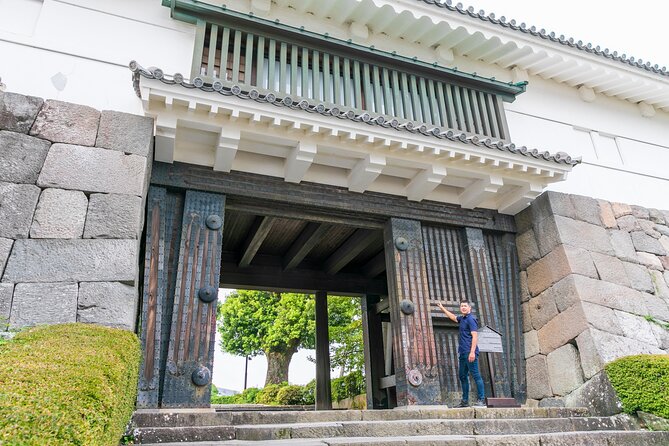
Odawara Castle Park is the heart of the experience. The grounds preserve original forms and architectural features that help explain how Japanese castles were built and defended.
You spend about 20 minutes exploring the park before moving to the museums and castle interior. That is enough time for an introduction, but not a slow architectural study. Pay attention to the layout as you walk. Gates, walls, open spaces, and elevated positions all make more sense when your guide explains how the site functioned.
This is where a guided visit earns its keep. A castle can look beautiful while its military purpose remains vague. The guide provides the missing link between attractive buildings and the practical problems of defense, authority, movement, and control.
You will also have the chance to view Odawara Castle from different points around the grounds. One guide-led route has included a high point in town with a view toward the castle and surrounding area before heading closer to the main structure. That kind of wider view is useful because it lets you see the castle as part of Odawara, not as an isolated building.
If you enjoy taking photographs, the outdoor sections offer more flexibility than the museums. Keep in mind that the tour schedule moves along, so you may need to choose your favorite views rather than stop for every angle.
Meeting the ninja at the Ninja Museum
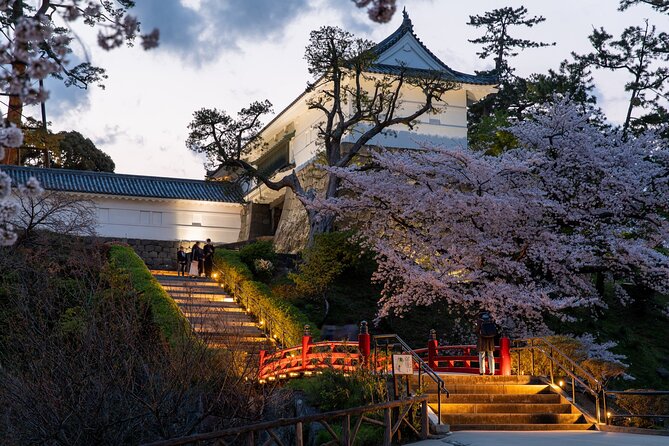
The Ninja Museum, also called Ninja-kan, is a short stop of about 20 minutes. Admission is included.
The purpose here is to separate real ninja history from the pop-culture image of silent figures in black clothing. You learn about the tools associated with ninja, the methods they used, and the role these figures played in the uncertain world of samurai-era Japan.
Twenty minutes is enough for a focused introduction, but it is not a long museum visit. If ninja history is your main interest, you may wish the schedule allowed more time. Still, the stop works well within the larger tour because it adds a different perspective to the military world around Odawara Castle.
I like the way this section can broaden the story. Samurai are often presented as the main actors in Japanese castle history, while ninja are treated as mysterious side characters. Here, the guide helps place both within the wider culture of warfare, information, tools, and strategy.
Families and younger visitors may find the Ninja Museum especially engaging, but adults who want a serious historical study should think of it as an overview. The guide’s explanations are likely to be more valuable than simply walking through the display on your own.
A few more options to weigh up in Hakone
- Hakone 6 hour Private Tour with Government-Licensed Guide
★ 5.0 · 218 reviews - Hakone Open-Air Museum Ticket
★ 4.9 · 133 reviews - Custom Private Tour in Hakone with a Certified Local Guide
★ 5.0 · 91 reviews - Hakone 8 hour Private Tour with Government-Licensed Guide
★ 5.0 · 63 reviews
Seeing real armor at the Samurai Museum
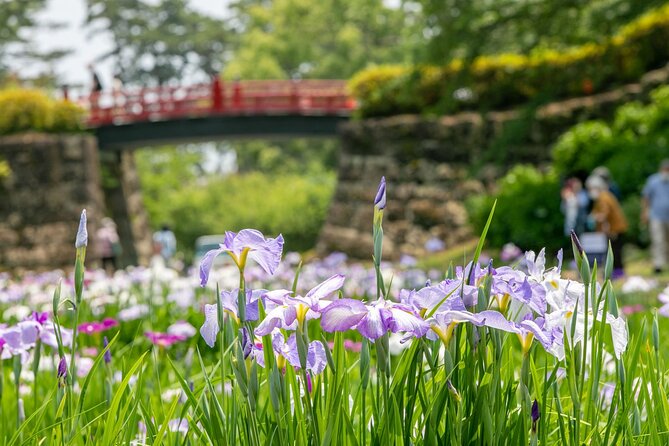
The Tokiwakimon Samurai Museum also receives about 20 minutes, with admission included.
The collection includes genuine samurai armor and swords. That word matters. Seeing the materials, workmanship, and size of actual objects gives you a more grounded idea of samurai life than a film or costume display can provide.
The armor shows the balance between protection and display. Samurai equipment had a practical purpose, but craftsmanship and appearance also communicated status and identity. A guide can help you notice details that might otherwise blur together, especially if you are not familiar with Japanese armor styles.
This is one of the tour’s most praised elements. It gives you a close look at the artistry of the period and connects objects to the people who used them. One especially thoughtful idea raised during the tour compares the samurai and the cherry blossom, a symbol of living fully and serving others despite life’s short span. That is the kind of cultural connection that can make a museum stop linger in your mind after the tour ends.
The limitation is time. Twenty minutes passes quickly, especially if the museum is busy or you want to examine every piece. Treat this as an informed introduction, not a full museum afternoon.
Entering Odawara Castle and its history museum
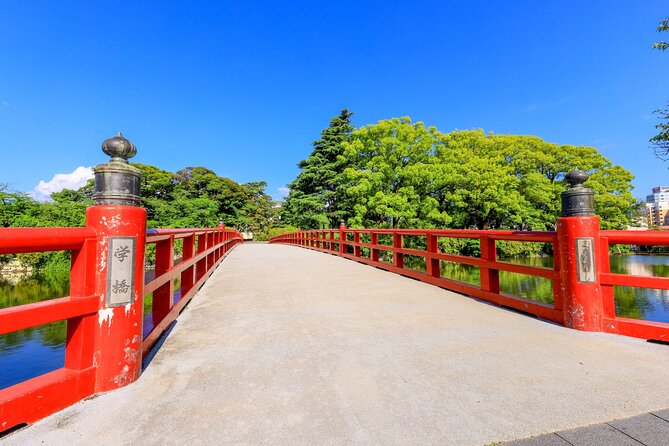
The main castle visit lasts about 30 minutes. You walk through the castle grounds, discuss architecture and local history, then enter the castle museum for more detailed stories about the area.
Odawara Castle is the tour’s anchor. The earlier stops prepare you to understand it, and the interior gives you a closer look at the people, events, and objects tied to the site. The castle was connected with major samurai power during the Sengoku Period, when control of fortified towns could shape the fate of entire regions.
A guide adds color by explaining how the castle relates to the families who ruled here and the wider struggles for power. You are not just looking at a reconstructed or preserved building. You are hearing why Odawara mattered.
The castle portion can feel short if you want to read every panel. That is the tradeoff of a guided route. You gain a clear story and a chance to ask questions, but you may not have time to absorb every written detail. If you are especially interested in castle architecture, consider returning after the tour for a slower visit if your schedule allows.
For a first visit, I prefer this approach. A solo museum visit can leave you with many facts but little structure. The guide gives you a framework, then you can decide which parts deserve more attention later.
A quiet stop at Hotokuninomiya Shrine
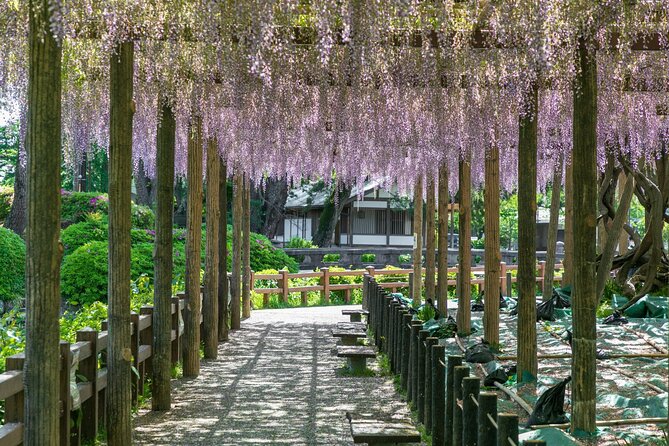
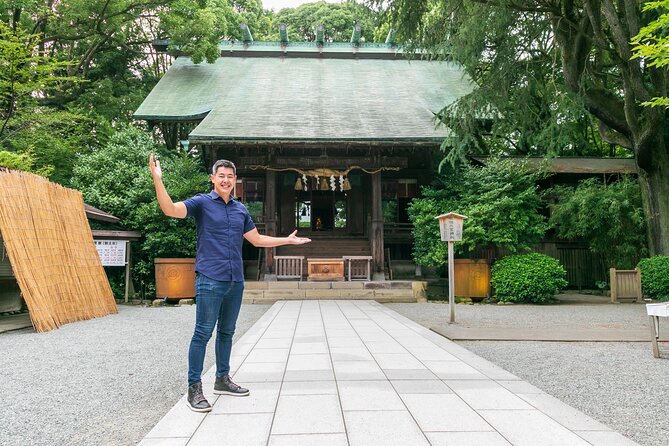
The final listed stop is Hotokuninomiya Shrine, with about 20 minutes set aside for the visit. It is located on the castle grounds and honors one of Japan’s best-known scholars and government officials.
The person commemorated here is connected with a statue found at almost every elementary school in Japan. That detail gives the shrine a wider national connection. You are not simply seeing another religious site on castle grounds. You are learning how a historical figure became part of everyday education and civic life.
I appreciate this stop because it shifts the focus away from warriors and weapons. The tour begins with samurai and ninja, but it ends by showing that Japanese history also includes scholarship, public service, teaching, and moral example.
The shrine visit is free, and the tour ends back at the original meeting point. That makes the schedule convenient if you want to continue exploring Odawara, eat lunch, or catch a train after the tour.
What the $98 price includes
At $98, this is not the cheapest way to see a castle. The value depends on how much help you want with context and navigation.
Your price includes entrance tickets to the Ninja Museum, Samurai Museum, and Odawara Castle. It also covers a local bilingual guide for approximately three hours, with the route connecting the town, park, museums, castle, and shrine.
If you visited the sites independently, you might spend less on guiding, but you would need to plan the route, find the entrances, interpret the displays, and build the historical links yourself. The tour is more valuable if you want those connections explained in clear English and prefer not to manage the details.
The small maximum group of 12 improves the value. You are less likely to feel lost in a large crowd, and you should have a reasonable chance to ask about architecture, samurai customs, local food, or the town’s present-day character.
The price is harder to justify if you already know Japanese castle history, want long museum visits, or prefer exploring at your own speed. In that case, the included admissions may not compensate for the fixed schedule.
Guide quality and the human side of the tour
The guide can make or break a history walk, and Jeff receives especially warm praise for his personal approach. He is described as deeply connected to Odawara and willing to discuss the area’s history, culture, food, shopping, and broader subjects.
That matters because the tour is not only a sequence of facts. A good guide helps you understand how the old city fits into modern life. Jeff has also assisted a visitor whose wife had a health issue, showing the kind of practical care that can matter when you are away from home.
The tour seems to allow some flexibility in pace, although you should still expect to follow a three-hour plan. You can ask questions and request local suggestions, but do not assume every stop can become a long private lesson.
The bilingual format is another useful feature. If you want historical background in English while seeing Japanese sites in person, this offers a more direct experience than relying only on translated signs.
Who should book this Odawara walking tour?
I would recommend it most strongly for:
- First-time visitors to Odawara
- People staying in Tokyo or Hakone who want a manageable historical outing
- Families and groups interested in samurai, castles, and ninja
- Visitors who prefer a local guide to a self-guided museum route
- Anyone who wants food and shopping suggestions alongside formal sightseeing
- People comfortable walking for several hours at a moderate level
It is less suited to anyone seeking a private, slow-paced castle study. It may also disappoint if you expect an entire day of samurai activities or a meal included in the price.
The experience requires moderate physical fitness. Service animals are allowed, and the meeting point is near public transportation. Since the activity depends on good weather, rain or poor conditions can lead to a different date or a full refund.
Free cancellation is available up to 24 hours before the 10:00 am start time. Cancellations or changes made less than 24 hours ahead are not accepted for a refund.
Should you book the Odawara Castle tour?
Book this tour if you want Odawara explained, not simply photographed. The strongest reasons are the included admissions, the small group limit, the mix of town and castle sights, and the chance to learn from a guide with real local ties.
I would especially choose it if you are visiting from Tokyo or Hakone and have only one morning for Odawara. You will leave with a clearer sense of the samurai era, a better understanding of Japanese castle design, and practical ideas for the rest of your day.
Skip it if you prefer to spend an hour or more in each museum or already have strong knowledge of the period. For most first-time visitors, though, the $98 price buys more than entry tickets. It buys a connected story, a walk through town, and help seeing Odawara as a living place rather than just a castle stop.
FAQ
Where does the Odawara Castle and Town Guided Discovery Tour start?
The tour starts at the Odawara Station Tourist Information Center inside the East exit area, next to the New Days convenience store.
What time does the tour begin?
The scheduled start time is 10:00 am.
How long does the experience last?
The tour lasts approximately three hours.
Where does the tour end?
The activity ends back at the original meeting point at Odawara Station.
Are entrance tickets included?
Yes. Admission to the Ninja Museum, Samurai Museum, and Odawara Castle is included.
Is lunch included?
No. Lunch is not included, but you can try local food while walking through town.
How large is the group?
The tour has a maximum of 12 travelers.
What happens if bad weather cancels the tour?
Because the experience requires good weather, you will be offered another date or a full refund if it is canceled due to poor conditions.
Just added in Hakone
- Hakone Open-Air Museum Ticket★ 4.9 · 133 reviews
- Forest Bathing in Temple and Enjoy onsen with healing power★ 5.0 · 17 reviews
- Traverse Outer Rim of Hakone Caldera and Enjoy Onsen Hiking Tour★ 5.0 · 30 reviews
- Private Hakone Half-day Car Tour with Hotel Pickup – Local Guide★ 5.0 · 48 reviews
- Hike Japan Heritage Hakone Hachiri with certified mountain guide★ 5.0 · 46 reviews
- Hike Hakone Hachiri★ 5.0 · 48 reviews
- Hike Japan Heritage Hakone Hachiri (Half Day)★ 5.0 · 18 reviews
- Easygoing Nature Walk in Hakone Tour★ 5.0 · 15 reviews
Castles and Historic Sites, compared.


Imperial Palace and Shogun Historical Walking Tour
Read our review →
Tokyo Castle & Imperial PalaceーShogun Walking Tour
Read our review →
Nijo-jo Castle and Ninomaru Palace Guided Tour
Read our review →
Samurai Ninja Museum Guided tour and Experience
Read our review →Browse the lists this tour appears in