
Reviewed · HIKING AND TREKKING
Hike Japan Heritage Hakone Hachiri with certified mountain guide
Step into Japan’s past on foot. This seven-hour Hakone Hachiri tour follows an old Edo-period route through cedar forests, mountain paths, Lake Ashi, castle ruins, and the Genbe River, with a certified guide adding context at every turn. The small group, limited to six people, keeps the day personal rather than crowded.
I especially like the mix of quiet walking and local transport, which lets you cover several historic places without spending the whole day on a single trail. I also like the guide-led storytelling from Aki, whose calm manner, nature knowledge, history background, and knack for taking family photos have earned strong praise. The main consideration is fitness: eight kilometers over Hakone’s mountain routes is a serious walk, and the tour depends on good weather.
In This Review
- Key Things to Know Before You Go
- Why the Hakone Hachiri Route Matters
- From Hakone-Yumoto to the Amazake Tea House
- Lake Ashi, Heiwa no Torii, and the Cedar Avenue
- The Hakone Checkpoint and Lunch in Hakone-machi
- The Bus Connection and Yamanaka Castle Ruins
- Reaching Mishima Through Shrine Grounds and River Paths
- A Small Group Makes the Guide Matter
- Is $158.52 a Fair Price?
- Fitness, Weather, and What to Bring
- Who Should Book This Hakone Day Hike?
- Should You Book It?
- FAQ
- Where does the Hakone Hachiri tour begin?
- Where does the tour end?
- How long is the tour?
- How far do you walk?
- What places does the tour visit?
- Is lunch included?
- Is transportation included?
- How many people can join the tour?
Key Things to Know Before You Go
- The route follows the old Hakone Hachiri section of the Tokaido Highway, once used by people traveling between Edo and Kyoto during the 17th century.
- The day begins at Hakone-Yumoto Station and ends at Mishima Station, so you can continue toward Tokyo, Odawara, Hakone, or the Izu area.
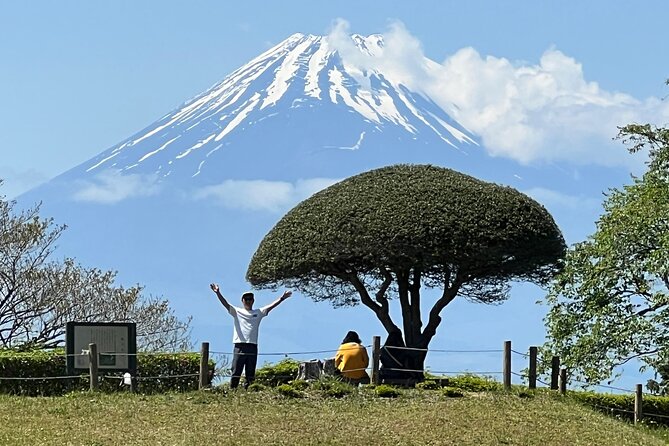
- Lake Ashi brings the classic views, including Heiwa no Torii, Hakone Shrine’s gate, the cedar avenue, and possible views of Mount Fuji.
- Aki is the guide to look for, especially if you value clear historical explanations, a gentle pace, and help with local buses and trail connections.
- The tour is about eight kilometers and lasts roughly seven hours, with a moderate fitness level required.
- The listed price is $158.52 per person, but lunch and local transport cost extra, and a Shinkansen ride from Mishima is not included.
Why the Hakone Hachiri Route Matters
Hakone is famous for hot springs, Lake Ashi, and Mount Fuji views, but the Hachiri route gives you a different reason to visit. This was part of the Old Tokaido Highway, the major road linking Edo, now Tokyo, with Kyoto during the Edo period.
The Hakone section was not an easy stroll. The road crossed steep mountain slopes, making this one of the harder parts of the journey. Walking it today gives you a physical sense of the route. You notice the changing ground under your shoes, the forest cover, and the effort needed to move between settlements.
I like this approach because the history is tied to the path itself. You are not only looking at a display or listening to a short explanation beside a landmark. You are following the same broad route used by samurai, merchants, officials, and ordinary people.
The guide helps make those connections clear. Aki explains the role of the road, the old checkpoint, the mountain settlements, and the way people moved through Hakone. His wilderness first aid certificate also adds a practical layer of reassurance on a mountain walk.
More Hiking and Trekking in Hakone:
- Hike Hakone Hachiri
★ 5.0 · 48 reviews - Traverse Outer Rim of Hakone Caldera and Enjoy Onsen Hiking Tour
★ 5.0 · 30 reviews - Hakone Hachiri: Old Tokaido Highway Hiking Tour
★ 4.9 · 22 reviews
From Hakone-Yumoto to the Amazake Tea House
Meet at Hakone-Yumoto Station at 9:00 a.m. From there, a shared taxi takes you toward the trailhead. This short transfer matters because it avoids using your early energy on a road section and gets you closer to the historic walking route.
The first major portion takes about two hours. After roughly an hour of walking, you reach the woodcraft village area, where you can see artisans working with wood. The supplied details do not promise a formal workshop or hands-on activity, so think of this as a cultural stop along the route rather than a scheduled craft class.
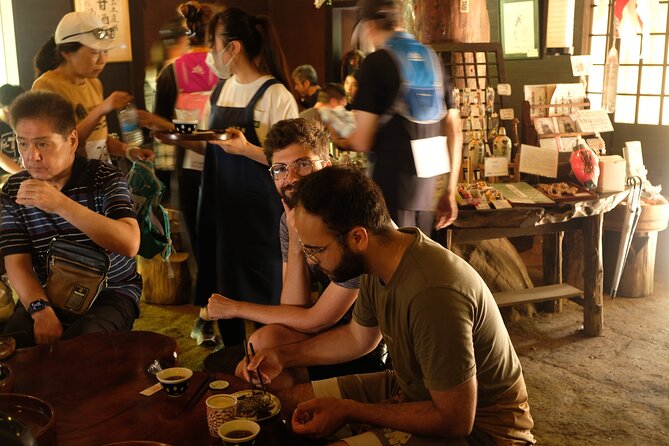
The walk leads to Hakone Amazake Tea House. Amazake is a traditional sweet drink made from fermented rice, and the tea house is closely linked with the old road. You can buy amazake and snacks along the way, but they are not included in the tour price.
This section gives you an early taste of what makes the day different from a standard sightseeing circuit. You are moving through the area rather than simply arriving at a viewpoint, taking a picture, and leaving. The guide can explain how the road functioned and point out details you could easily miss on your own.
The shared taxi and later buses also make the route more manageable. You should still expect uneven ground, slopes, and a steady amount of walking. Comfortable footwear is essential, though the tour information does not specify a required shoe type.
Lake Ashi, Heiwa no Torii, and the Cedar Avenue
After the Hachiri path, you reach Lake Ashi and the Motohakone area. This part takes around an hour and a half, including a walk along the shoreline.
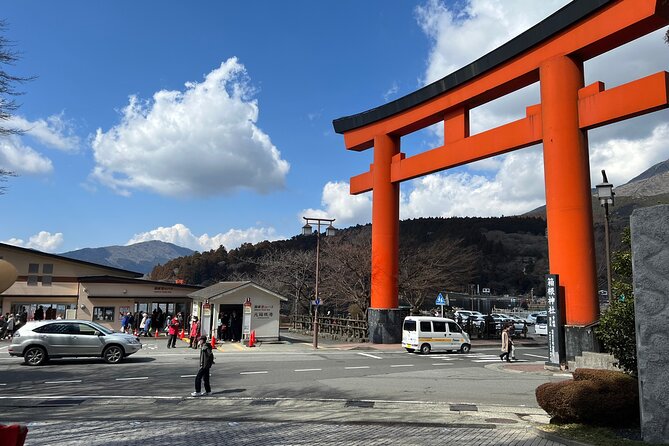
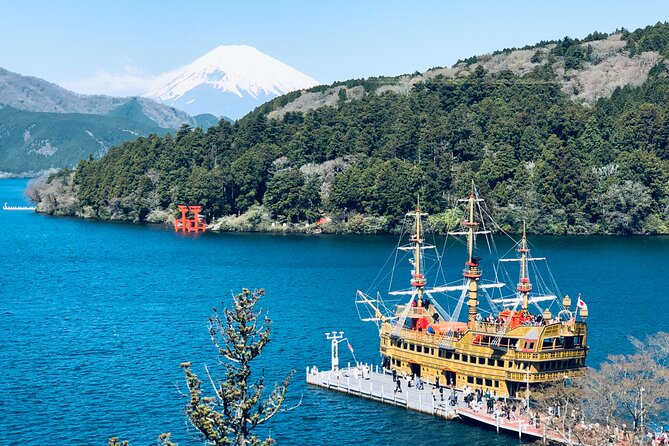
The famous Heiwa no Torii sits near the water, with the gate of Hakone Shrine visible against the lake. Mount Fuji may appear in the background if the weather cooperates. That last point is important. Fuji views are never guaranteed, and clouds or rain can change the day’s appearance quickly.
Still, the lake stop has plenty to offer even when Fuji disappears. The water, shrine gate, shoreline, and old road create a strong sense of place. Aki can also help you see how the sacred and practical sides of Hakone meet here. The area is both a major sightseeing destination and part of the historic route you have been walking.
From the lakeside, you enter the Cedar Trees of Hakone Old Road. Huge cedar trees line the route, creating shade and a strong sense of age. This is one of the most atmospheric sections of the walk, but the path is not a polished urban promenade. Watch your footing and expect conditions that suit a hiking day more than a casual lakeside outing.
I would treat the Fuji view as a bonus, not the main reason to book. The tour remains worthwhile in cloudy weather because the forest, stone route, lake, and historic explanations still provide the main experience. One strong point from the guide’s past outings is that even rain and clouds did not erase the pleasure of the forest walk and historical setting.
The Hakone Checkpoint and Lunch in Hakone-machi
After the cedar avenue, you reach Hakone Checkpoint. During the Edo period, this checkpoint controlled movement along the Tokaido road. In simple terms, it worked somewhat like an immigration and security post, checking people and regulating passage.
This is where the guide’s explanations become especially useful. Without context, a checkpoint can look like another old building or reconstructed site. With the political setting explained, you can understand why this narrow mountain route mattered and why control of movement through Hakone was important.
The stop lasts around 30 minutes. It is short enough to keep the day moving, but long enough for an overview of the checkpoint’s purpose and place in the old road system.
Lunch follows at a local Japanese restaurant near Hakone-machi. Lunch is not included, and the expected cost is around 2,000 yen for your group, depending on what you order. Since the schedule is already full, this is not the day to plan a long, leisurely restaurant break. You should be ready to eat, rest briefly, and continue.
This setup is practical, but it also means the total cost is higher than the headline price. Add lunch, about 2,000 yen in local transport, and any amazake or snacks. If you later return from Mishima to Odawara by Shinkansen, that fare is around 2,500 yen more.
A few more options to weigh up in Hakone
- Hakone 6 hour Private Tour with Government-Licensed Guide
★ 5.0 · 218 reviews - Hakone Open-Air Museum Ticket
★ 4.9 · 133 reviews - Custom Private Tour in Hakone with a Certified Local Guide
★ 5.0 · 91 reviews - Hakone 8 hour Private Tour with Government-Licensed Guide
★ 5.0 · 63 reviews
The Bus Connection and Yamanaka Castle Ruins
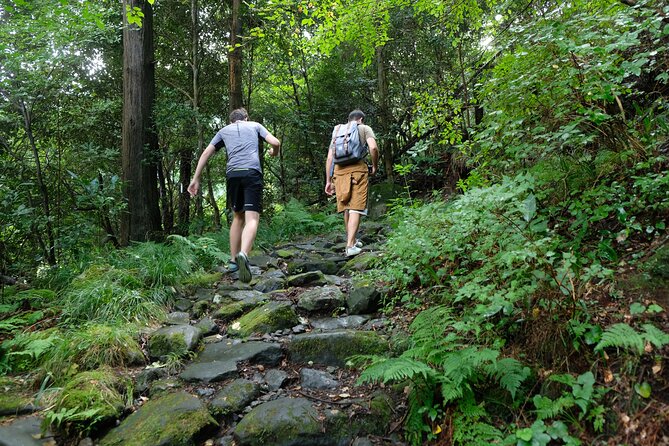
After lunch, a local bus takes you to the Shizuoka side of the Hachiri route. The bus skips a temporarily closed section, allowing the tour to continue without forcing you onto an unsuitable or unavailable stretch.
Some people prefer a fully continuous hike, and this break may be a drawback if your goal is to walk every meter of the old road. I see the bus as a sensible compromise. It keeps the day within seven hours and allows you to reach another important section without an unsafe detour.
Yamanaka Castle Ruins provide the next major stop. You walk along the Hachiri Heritage Path and visit the remains of the castle, with another possible Mount Fuji viewpoint if the weather is clear.
The ruins add a military and strategic layer to the day. Earlier, you learned about travel, checkpoints, and movement. Here, you see how the mountain route also connected with defense and regional control. The remains are not presented as a grand intact castle, so you should come for the setting and historical explanation rather than a complete fortress.
The scheduled stop lasts about an hour. That is enough time to see the ruins and understand their place along the route, while still leaving room for the final journey toward Mishima.
Reaching Mishima Through Shrine Grounds and River Paths
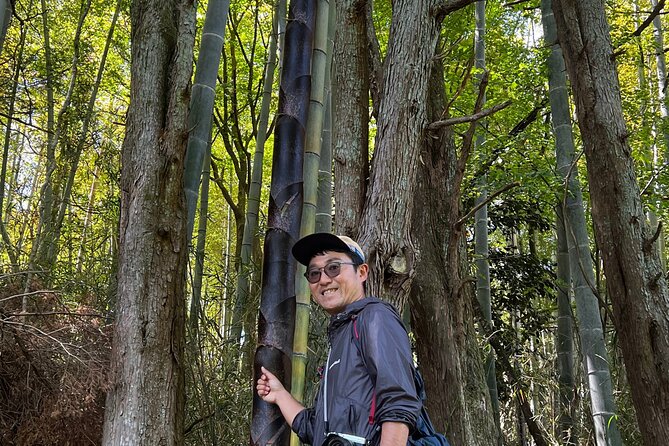
The tour finishes in Mishima after about an hour of final sightseeing. The route includes Mishima Taisha, described as the city’s largest shrine, and the Genbe River before ending at Mishima Station.
This ending gives the day a satisfying change of pace. You begin in Hakone’s mountain environment and old road, then gradually arrive in a more settled city setting. Mishima Taisha provides a major religious landmark, while the river offers a quieter final stop.
Mishima Station is a useful ending point. From there, you can take a Shinkansen to Odawara in about 15 minutes for around 2,500 yen, or continue toward Tokyo in about 45 minutes for roughly 4,400 yen. Buses also connect Mishima with Hakone and other places in Izu.
You should think about your onward plan before booking. Ending in Mishima is convenient if you are moving east or south, but it may require extra fare and planning if your accommodation is back in Hakone. The tour does not return you to Hakone-Yumoto.
A Small Group Makes the Guide Matter
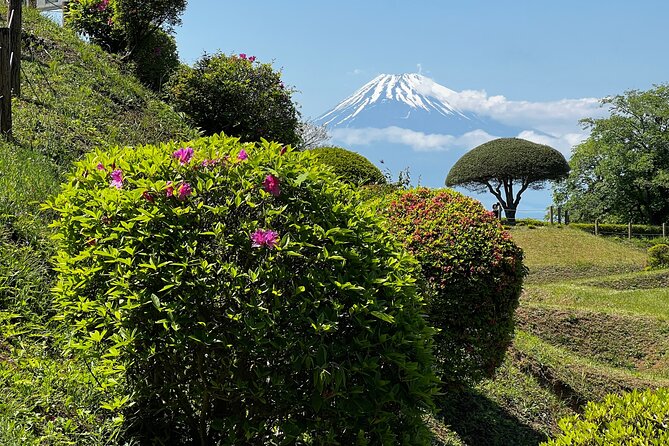
The maximum group size is six people. That is one of the strongest practical features of this experience. A small group makes it easier to hear explanations on a forest path, keep track of bus connections, and ask questions without turning the day into a lecture.
Aki receives particularly warm praise for his calm personality, good humor, historical knowledge, nature explanations, and ability to find places you might miss alone. He also takes photos for families, a useful touch when you are spending a full day walking and do not want every picture to be a selfie.
The guide’s role here is not just to point out landmarks. The route involves shared taxis, local buses, trailheads, a temporary closure, lunch timing, and a station finish in another city. Someone who understands the area can make the day much easier to follow.
The tour includes a national certified professional guide with wilderness first aid certification. That does not remove the need for sensible preparation, but it is a meaningful advantage on a mountain route.
Is $158.52 a Fair Price?
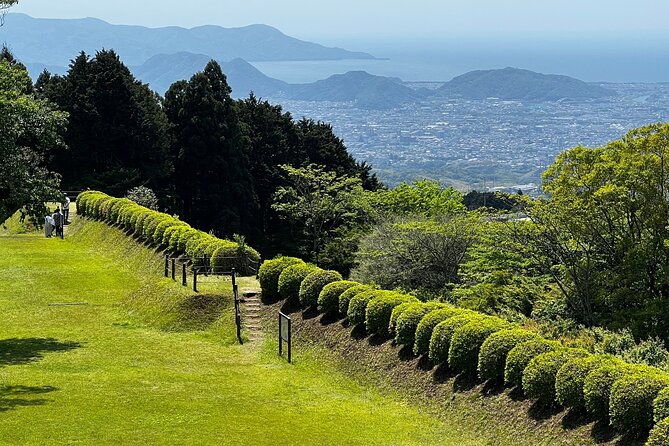
At $158.52 per person, this is not a budget hike. You are paying for a certified guide, a small group, route planning, historical interpretation, and coordination across several walking and transport sections.
The price becomes easier to justify if you want more than scenery. A self-guided visit to Lake Ashi and the cedar avenue may cost less, but it will not provide the same continuous explanation of the Old Tokaido route, Hakone Checkpoint, Yamanaka Castle Ruins, and the Edo-period travel system.
You also need to budget for items outside the advertised price:
- Lunch, around 2,000 yen
- Shared taxi and local buses, around 2,000 yen
- Amazake and snacks
- Optional Shinkansen from Mishima to Odawara, around 2,500 yen
- Optional Shinkansen from Mishima to Tokyo, around 4,400 yen
The tour is booked about 61 days ahead on average, so advance planning is sensible. Its strong five-star record and 100 percent recommendation rate suggest consistent satisfaction, especially with the guide and the combination of nature and history. Still, you should not book it expecting a cheap transport-inclusive excursion.
Fitness, Weather, and What to Bring
The tour requires a moderate level of physical fitness. Eight kilometers may not sound extreme, but Hakone Hachiri includes mountain terrain, slopes, stone paving, and several hours on your feet.
I would choose this experience if you enjoy walking and do not mind a day with changing conditions. It is not the right pick if you want a relaxed sightseeing bus loop with only short walks between attractions.
Good weather matters for both comfort and views. The tour may be canceled in poor weather, in which case you are offered another date or a full refund. Mount Fuji views at Lake Ashi and Yamanaka Castle Ruins remain weather dependent even when the tour operates.
Plan for the practical details:
- Wear sturdy, comfortable walking shoes.
- Bring money for lunch, buses, snacks, and amazake.
- Allow for rain or cloud cover.
- Keep your schedule flexible after the tour, since you finish in Mishima.
- Remember that the experience is non-refundable if you cancel or request a change for personal reasons.
Service animals are allowed, and the meeting point is near public transportation. The tour is confirmed at booking, and mobile tickets are available.
Who Should Book This Hakone Day Hike?
I would recommend this tour to you if you want to connect Hakone’s famous sights with the older road beneath them. It suits history-minded walkers, visitors who like small groups, families wanting a guide who can take photos, and anyone who would rather follow a meaningful route than collect isolated viewpoints.
Aki’s style appears best suited to people who enjoy a calm, friendly guide rather than a fast-paced performance. His ability to combine local buses, forest paths, and lesser-known stops is valuable when you have only one day for this part of Japan.
I would hesitate if you dislike uneven trails, need a guaranteed Mount Fuji view, or want to finish back in Hakone. I would also think twice if the extra costs for lunch, transport, and the return journey make the total feel too high.
Should You Book It?
Book this Hakone Hachiri hike if you want an active, history-focused day that begins in Hakone and ends in Mishima. The best parts are the old cedar road, the connection to Edo-period travel, the Lake Ashi shoreline, and the personal guidance from Aki.
Skip it if you want a short walk, guaranteed Fuji views, or a simple round-trip tour. For the right kind of visitor, the price buys more than transport and scenery. It buys a coherent story told while you walk through the places where that story happened.
FAQ
Where does the Hakone Hachiri tour begin?
The tour begins at Hakone-Yumoto Station in Hakone, Kanagawa. The meeting time is 9:00 a.m.
Where does the tour end?
The tour ends at Mishima Station in Mishima, Shizuoka. The final sightseeing includes Mishima Taisha and the Genbe River.
How long is the tour?
The experience lasts approximately seven hours.
How far do you walk?
The tour covers around eight kilometers on foot, combined with shared taxi and local bus transportation between some locations.
What places does the tour visit?
The route includes Hakone Amazake Tea House, Lake Ashi, Heiwa no Torii, the Cedar Trees of Hakone Old Road, Hakone Checkpoint, Yamanaka Castle Ruins, Mishima Taisha, and the Genbe River.
Is lunch included?
No. Lunch is not included and costs around 2,000 yen for your group at a local Japanese restaurant near Hakone-machi.
Is transportation included?
No. Transportation to the trailhead and between sites costs around 2,000 yen by shared taxi or local buses. A Shinkansen from Mishima to Odawara or Tokyo also costs extra.
How many people can join the tour?
The tour has a maximum of six travelers. A national certified professional guide with a wilderness first aid certificate is included.
Just added in Hakone
- Hakone Open-Air Museum Ticket★ 4.9 · 133 reviews
- Forest Bathing in Temple and Enjoy onsen with healing power★ 5.0 · 17 reviews
- Odawara Castle and Town Guided Discovery Tour★ 5.0 · 15 reviews
- Traverse Outer Rim of Hakone Caldera and Enjoy Onsen Hiking Tour★ 5.0 · 30 reviews
- Private Hakone Half-day Car Tour with Hotel Pickup – Local Guide★ 5.0 · 48 reviews
- Hike Hakone Hachiri★ 5.0 · 48 reviews
- Hike Japan Heritage Hakone Hachiri (Half Day)★ 5.0 · 18 reviews
- Easygoing Nature Walk in Hakone Tour★ 5.0 · 15 reviews
Hiking and Trekking, compared.
Fushimi Inari Hidden Hiking Tour (Private Option Available)
Read our review →![[Nagoya Kamikochi Hiking Tour] One-Day Nature Forest Hiking Tour of Kamikochi & Taisho Pond & Tashiro Pond & Kappa Bridge & Myojin Pond & Hotaka Mountain Range & Hotaka Shrine Okumiya (Departure from Nagoya)](https://media.japanvisits.com/wp-content/uploads/nagoya-kamikochi-hiking-tour-one-day-nature-forest-hiking-tour-of-kamikochi-taisho-pond-tashiro-pond-kappa-bridge-myojin-pond-hotaka-mountain-range-hotaka-shrine-okumiya-departure-from-nagoya-k132013-400x733.jpg)
Hiroshima Local guided Hiking Tour&Open-air Tea Ceremony
Read our review →![Hiking the Historic Nakasendo Trail [1 Day Tour from Nagoya]](https://media.japanvisits.com/wp-content/uploads/hiking-the-historic-nakasendo-trail-1-day-tour-from-nagoya-400x267.jpg)
Hiking the Historic Nakasendo Trail [1 Day Tour from Nagoya]
Read our review →
Kyoto Hiking Tour: The Nature and Legends of Kurama and Kibune
Read our review →
Browse the lists this tour appears in