
Reviewed · HIKING AND TREKKING
Kyoto Hiking Tour: The Nature and Legends of Kurama and Kibune
Leave Kyoto’s city streets behind. This private day trip takes you into forested mountains, old shrines, temple grounds, and the water-focused village of Kibune. I like the way the tour connects natural scenery with local beliefs, from Yuki Shrine’s protective purpose to Mount Kurama’s link with Reiki. I also like the door-to-door hotel pickup, which removes a tiring bit of planning from an already full day.
The main consideration is physical effort. This is not a gentle stroll. You should expect many stairs, uneven ground, and uphill and downhill walking. The tour costs $191.60 per person, a serious sum, but the private guide, included temple admission, transfers, and full-day pacing make it a fair choice for visitors who want Kyoto’s mountain country without sorting out every connection themselves.
In This Review
- Key points to know before booking
- Why this mountain day trip is different from city sightseeing
- Yuki Shrine and the old cedar tree
- Mount Kurama, Reiki, and the first serious walking
- Kurama-dera after a forest walk
- Okunoin Maoden and its darker legends
- Kifune Shrine and the God of water
- What the guide adds to the day
- Lunch, transportation, and the real cost
- Weather and fitness deserve serious attention
- Who should book this Kurama and Kibune tour?
- FAQ
- How long does the Kyoto Kurama and Kibune hiking tour last?
- Is hotel pickup included?
- Is the tour private?
- What level of fitness is needed?
- Is lunch included in the price?
- What happens if the weather is poor?
- Should you book it?
Key points to know before booking
- Mount Kurama has a Reiki connection: Mikao Usui is said to have meditated here for 21 days before receiving the healing energy associated with Reiki.
- Yuki Shrine includes an 800-year-old cedar: The shrine was moved from central Kyoto to Kurama in 940 AD to protect the area from mysterious evil.
- The route links Kurama and Kibune: You get forest walking, temple grounds, mountain shrines, and water-related legends in one long day.
- A private English-speaking guide leads the way: Guides such as Mariko, Ryoma, Yuki, Miyo, Akari, and Yoji have been praised for their patience, history knowledge, and ability to adjust the walking pace.
- Expect stairs and rough surfaces: The route is manageable for people with moderate fitness, but it can feel demanding, especially in hot or wet weather.
- Hotel transfers save time: Pickup and drop-off are included from Kyoto’s urban area and the Kurama area, while private transportation during the tour costs extra.
Why this mountain day trip is different from city sightseeing
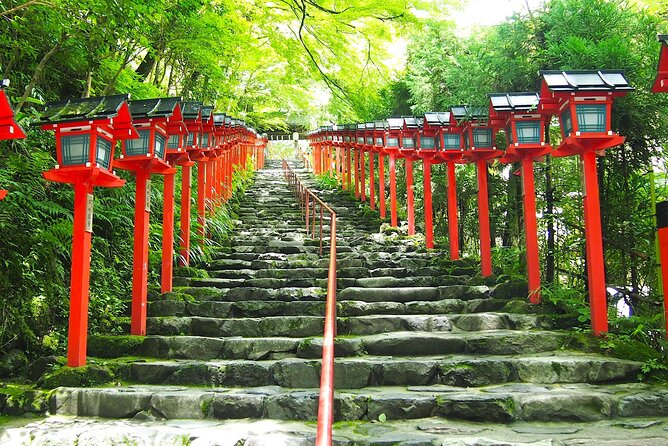
Kyoto is famous for temples, but much of the attention stays within the city center. Kurama and Kibune give you a different view of the region. Here, the route passes through wooded mountain paths and small settlements rather than crowded central streets.
I like the combination of movement and meaning. You are not simply walking through trees to reach a viewpoint. Your guide explains why a shrine was moved, how a temple developed, and why the local river and mountain carry spiritual importance.
The private format matters, too. Only your group participates, so the guide can adjust the pace and answer questions without trying to keep a large party together. One guide changed plans for a guest with an injury before the tour, while another adapted the day during heavy rain. That sort of flexibility is valuable on a route where weather and fitness can affect the experience.
The standard start time is 9:00 a.m., and the full outing lasts about eight hours. That gives you enough time for the main stops without turning every shrine visit into a rushed photo stop.
More Hiking and Trekking in Kyoto:
- Fushimi Inari Hidden Hiking Tour (Private Option Available)
★ 5.0 · 1,750 reviews - Kyoto: 3-Hour Fushimi Inari Shrine Hidden Hiking Tour
★ 4.9 · 270 reviews - Kyoto: Hike and Hot Springs in Kurama
★ 5.0 · 49 reviews
Yuki Shrine and the old cedar tree
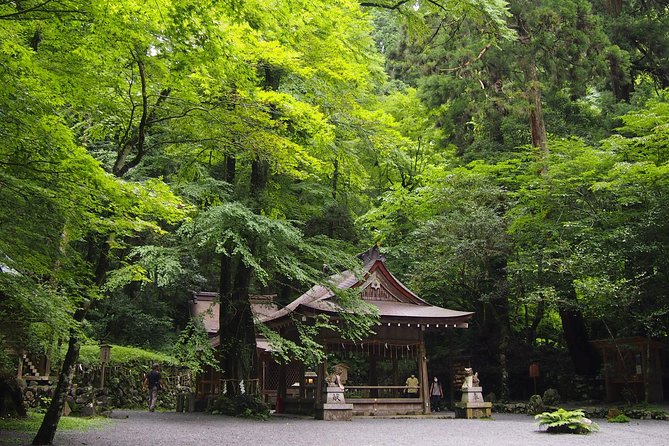
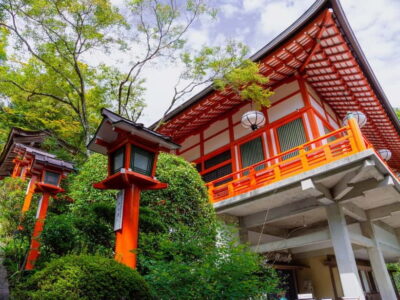
Yuki Shrine is the first major stop. Its story begins in central Kyoto, where it was originally built. In 940 AD, it was moved to Kurama as protection against mysterious evil.
That relocation gives the shrine more weight than a quick opening visit. Your guide can explain how sacred sites were tied to safety, power, and the natural world. The setting also helps you understand why Kurama has long felt separate from the city despite being part of Kyoto.
The shrine’s most memorable feature is an approximately 800-year-old cedar tree. It gives the visit a clear focal point and a chance to pause before the more demanding walking begins.
The stop lasts about 20 minutes, with admission included. That is enough for an introduction, though anyone hoping to study every architectural detail will find the visit brief.
Mount Kurama, Reiki, and the first serious walking
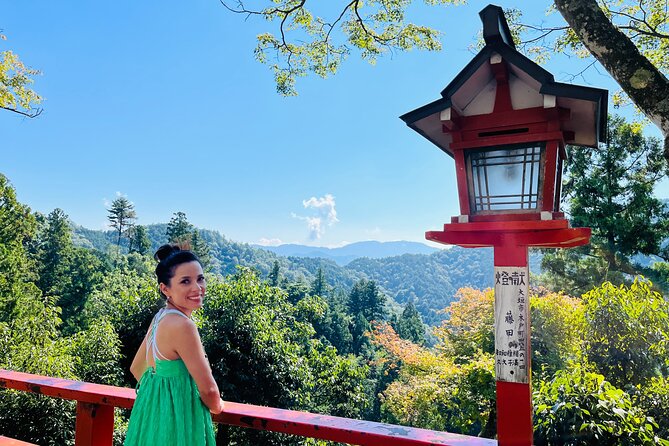
Mount Kurama is the heart of the day. It is associated with the origin of Reiki, the holistic healing practice founded by Mikao Usui. According to the tradition connected with the mountain, Usui meditated here for 21 days in the early 1900s and received Reiki healing energy.
You do not need to practice Reiki to appreciate this part of the tour. The story adds another layer to the forest, especially when your guide explains how religious practice, meditation, and mountain solitude overlap in Japanese culture.
The scheduled Mount Kurama visit lasts about an hour, but the overall walking time connects several stops. This is where you should pay attention to your footing. The route includes many steps, uneven surfaces, and sections that go up and down rather than moving along a flat path.
That physical challenge is not a flaw, but it should be clear before you book. The tour is suitable for moderate fitness, not for someone seeking a relaxed park walk. At the same time, the guides seem to understand that people move at different speeds. Mizuho helped older participants treat the climb more like a measured stroll by stopping for explanations, while Yoji adjusted his pace for a 66-year-old guest.
Bring enough energy for the stairs and listen to the guide’s advice. The stops make the climb more manageable, but they do not remove the climb.
Kurama-dera after a forest walk
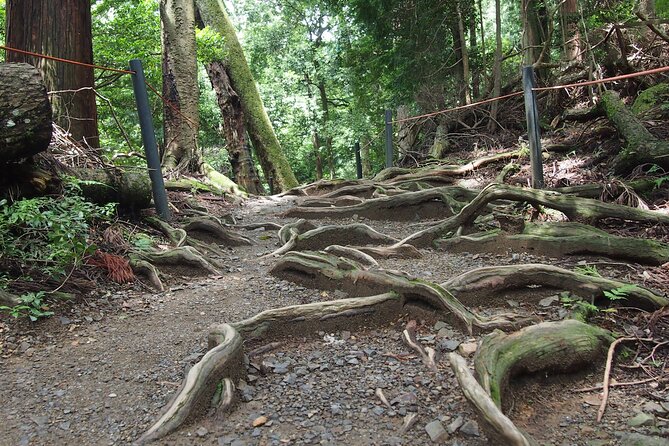
From Yuki Shrine, the route includes a pleasant forest walk of about 25 minutes to Kurama-dera. This transition is one of the best parts of the experience because it joins the cultural sites with the mountain itself.
Kurama-dera was founded in the eighth century and is dedicated to the worship of a Buddhist deity. The temple gives the hike a strong historical and religious center. Rather than seeing it as an isolated building, you encounter it after walking through the woods, which makes the setting feel connected to the mountain’s spiritual role.
Admission to Kurama-dera is included. The visit lasts about 45 minutes, giving your guide time to explain the temple and point out details you might miss on your own.
The drawback is access. Stairs and uneven ground continue, and the temple visit is not a break from physical effort in the same way that a café stop would be. Still, the route’s gradual rhythm, walking followed by explanation and a pause, works well for many people with reasonable fitness.
A few more options to weigh up in Kyoto
- PERFECT KYOTO 1-Day Bus Tour
★ 5.0 · 13,518 reviews - [Kyoto & Nara Day Tour] Sagano Scenic Railway & Nara Park & Fushimi Inari Taisha Thousand Torii Gates & Togetsukyo Bridge & Bamboo Grove & Kimono Forest (Departing from Osaka)
★ 4.9 · 10,942 reviews - Kyoto: Fushimi Inari, Kinkakuji, Bamboo Grove 1 Day Bus Tour
★ 4.8 · 4,316 reviews - Kyoto: Tea Ceremony in a Traditional Tea House in Kiyomizu
★ 4.9 · 3,519 reviews
Okunoin Maoden and its darker legends
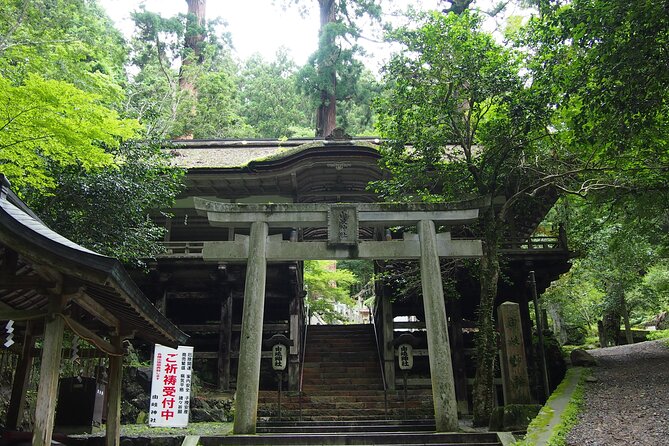
Okunoin Maoden is a short stop, only about 10 minutes, but it changes the mood of the day. Deep in the mountains, this temple is linked with legends of demons and has a mysterious atmosphere.
You should not expect a long temple visit here. The value comes from the setting and the story. After the brighter forest paths and larger temple grounds, this stop adds a more unusual piece of local folklore.
It is also a good example of why a guide helps. A sign alone cannot always explain how a place fits into the beliefs and stories of the surrounding mountain. Your guide can provide the context, then give you time to take in the atmosphere without forcing the stop into a long lecture.
Kifune Shrine and the God of water
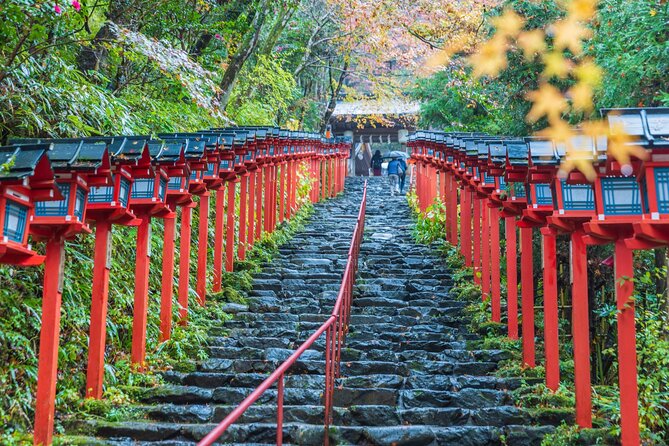
The route then reaches Kifune Shrine, also spelled Kifune or Kibune in English references. This shrine is dedicated to the God of water and rain, making it a natural match for a mountain valley shaped by streams and springs.
Kifune has long been associated with sailors seeking luck for their voyages. You can also drink the pure mountain water at designated places, a simple detail that connects the shrine’s purpose with the water flowing through the area.
The main visit lasts about 30 minutes and admission is included. This is one of the stops where the guide’s cultural explanation matters most. You are not only seeing a pretty shrine. You are learning why water has been treated as a force worthy of prayer, respect, and ritual.
The route includes a second Kifune stop, lasting about 25 minutes, focused on the shrine’s inner area. According to local legend, a goddess traveled by boat from Osaka up the river into these mountains. The inner shrine is said to house the boat she rode in.
That legend gives the final part of the tour a strong sense of place. It links distant Osaka, the river route, the mountain valley, and the shrine’s religious purpose.
What the guide adds to the day
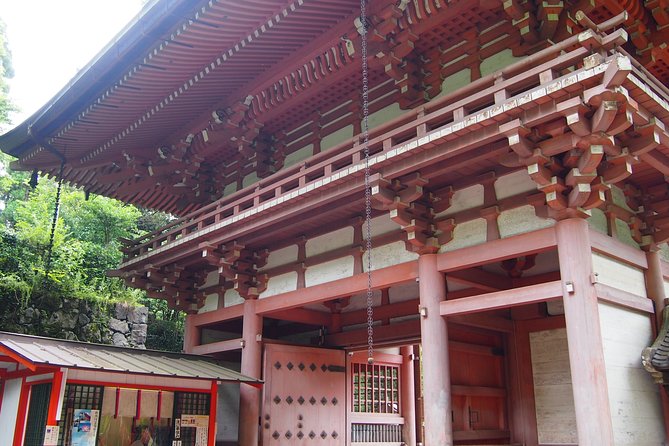
The guide is the tour’s biggest strength. Without one, you could still reach some of these places, but you would have to manage transportation, trail choices, opening details, and the stories on your own.
The strongest guide qualities described through the tour’s feedback are patience, clear English, good pacing, and a willingness to shape the day around your interests. Mariko was praised for being easy to talk with. Ryoma combined mountain history with a pleasant day that included soba lunch. Yuki helped a group explore the forest without worrying about getting lost or passing an important site.
Akari received special praise for safety and care on a demanding route, while Miyo was described as patient and pleasant. Yoji was noted for keeping a comfortable pace and explaining Japanese history, religion, and culture throughout the day.
Those names do not guarantee which guide you will receive, but they show what this company expects from its guides. You should expect conversation, interpretation, and practical help, not just directions from one stop to the next.
The private setup also lets you ask for more explanation about religion, food, customs, or daily life. One guide even found a cherry tree in bloom before the main season, while another suggested an additional visit when rain canceled the forest section. These details show the value of having a person who can respond to the day as it unfolds.
Lunch, transportation, and the real cost
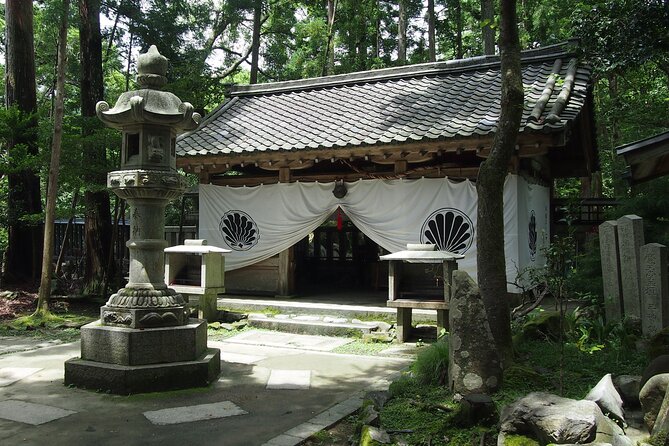
Lunch is not included. That keeps the headline price from being even higher, but you need to budget for a meal. Soba has been enjoyed during the day, and the small mountain town at the end of the hike offers a rewarding place to eat, with some lunches set beside a stream.
Hotel pickup and drop-off are included from Kyoto’s urban area and the Kurama area. This is a major convenience because reaching the mountain region can take planning, especially if you are unfamiliar with Kyoto’s train and bus network.
Private transportation by taxi, private car, or bus is available for an extra fee. The supplied information does not specify exactly when you would need to pay for that option, so ask before booking if you want a fully private vehicle throughout the day. The tour is also near public transportation, which gives you another way to think about the logistics.
At $191.60 per person, the tour is not a bargain-basement excursion. Its value comes from the private guide and the time saved. Temple admission, taxes, photos of participants, and hotel transfers are included, while lunch and optional private transportation are not.
For a group that wants a low-stress mountain day, the price can make sense. For a solo visitor or a pair comfortable with public transportation, independent travel may cost less, but you would give up the guide’s stories, route management, and ability to adjust the day.
Weather and fitness deserve serious attention
The tour requires good weather. If poor conditions force cancellation, you are offered another date or a full refund. That policy is reassuring, but it also tells you something important: the forest route is not treated as suitable in every kind of weather.
Rain can make stairs and uneven surfaces harder to manage. One guest had most of the forest walk canceled because of heavy rain, although the guide arranged easier shrine visits and added another cultural site. This is a good example of a sensible safety decision, but it also means you should not book this tour only for one specific trail view.
Hot weather can add strain. A guest visiting during a hot season still found the area worth the effort, but the route remains a physical outing. Wear suitable walking shoes, carry water, and be honest about your fitness level.
Service animals are allowed. The tour is near public transportation, and confirmation is provided when you book. Free cancellation is available up to 24 hours before the 9:00 a.m. start time. Changes or cancellations inside that window are not accepted for a refund.
Who should book this Kurama and Kibune tour?
I would choose this tour if you want nature and culture in the same day, especially if you prefer a guide to explain what you are seeing. It suits couples, families with active older children, friends, and private groups who value an adjustable pace.
It is also a strong option if you are staying in central Kyoto and do not want to build a mountain itinerary from separate trains, buses, admissions, and walking routes. The hotel pickup is practical, and the private format gives you room to ask questions or slow down.
I would think twice if you have trouble with stairs, uneven paths, or sustained uphill walking. The route can be taken slowly, but it is still a mountain hike. If your ideal day means flat paths, long café breaks, or no physical challenge, this is probably the wrong choice.
FAQ
How long does the Kyoto Kurama and Kibune hiking tour last?
The experience lasts approximately eight hours and begins at 9:00 a.m.
Is hotel pickup included?
Yes. Hotel pickup and drop-off are included from Kyoto’s urban area and the Kurama area.
Is the tour private?
Yes. Only your group participates in the private tour or activity.
What level of fitness is needed?
A moderate level of physical fitness is recommended. The route includes many stairs, uneven surfaces, and uphill and downhill walking.
Is lunch included in the price?
No. Lunch is not included. Soba lunch is available during the day, but you pay for food separately.
What happens if the weather is poor?
The tour requires good weather. If it is canceled because of poor weather, you can choose a different date or receive a full refund.
Should you book it?
Book this tour if you want Kyoto beyond the central temples and you value a guide who can connect mountain scenery with legends, religion, and local life. The 800-year-old cedar, Reiki connection, forest route, Okunoin Maoden folklore, and water traditions at Kifune give the day plenty of variety.
The deciding question is simple: are you ready for stairs? If yes, the $191.60 price buys a well-supported private day with transfers and temple admission included. If no, choose a gentler Kyoto outing. For active visitors who want a quieter and more meaningful side of the city, Kurama and Kibune make a strong choice.
Just added in Kyoto
- The “Golden Route” and Ancient Japan by DIAMIR Erlebnisreisen – 14-Day Tour★ 2.0 · 2 reviews
- Japan: Castles & Cuisine by G Adventures – 6-Day Kyoto to Osaka Tour★ 4.5 · 4 reviews
- Cycle Japan by Explore! – 13-Day Kyoto to Tokyo Tour★ 4.7 · 12 reviews
- Cycle Japan by Intrepid Travel – 11-Day Kyoto to Tokyo Tour★ 4.8 · 2 reviews
- Classic Japan by Intrepid Travel – 11-Day Kyoto to Tokyo Tour★ 4.4 · 14 reviews
- Ancient & Modern Japan 14-Day Tour by Exodus Adventure Travels★ 4.4 · 40 reviews
- 5 Day Cultural Adventure of Kyoto, Nara & Osaka by Tourist Journey★ 2.5 · 2 reviews
- 12 Days Kinosaki Onsen Escape: A Journey Through Japan’s Timeless Towns by UME Travel★ 4.8 · 5 reviews
Hiking and Trekking, compared.
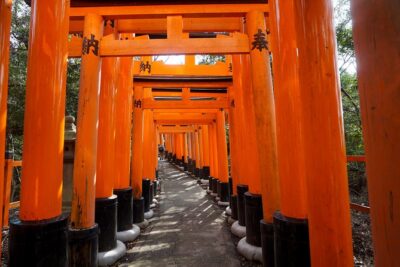
Fushimi Inari Hidden Hiking Tour (Private Option Available)
Read our review →![[Nagoya Kamikochi Hiking Tour] One-Day Nature Forest Hiking Tour of Kamikochi & Taisho Pond & Tashiro Pond & Kappa Bridge & Myojin Pond & Hotaka Mountain Range & Hotaka Shrine Okumiya (Departure from Nagoya)](https://media.japanvisits.com/wp-content/uploads/nagoya-kamikochi-hiking-tour-one-day-nature-forest-hiking-tour-of-kamikochi-taisho-pond-tashiro-pond-kappa-bridge-myojin-pond-hotaka-mountain-range-hotaka-shrine-okumiya-departure-from-nagoya-k132013-400x733.jpg)
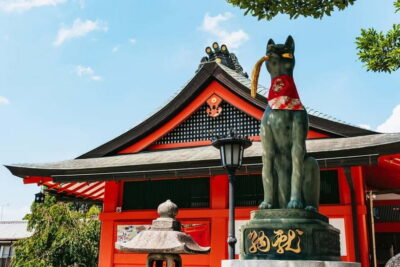
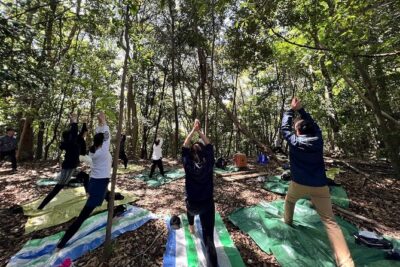
Hiroshima Local guided Hiking Tour&Open-air Tea Ceremony
Read our review →![Hiking the Historic Nakasendo Trail [1 Day Tour from Nagoya]](https://media.japanvisits.com/wp-content/uploads/hiking-the-historic-nakasendo-trail-1-day-tour-from-nagoya-400x267.jpg)
Hiking the Historic Nakasendo Trail [1 Day Tour from Nagoya]
Read our review →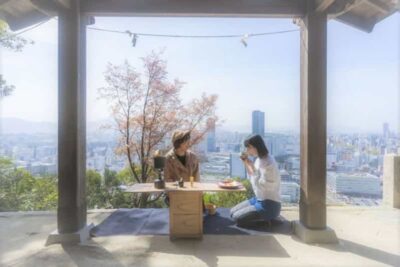
Browse the lists this tour appears in