
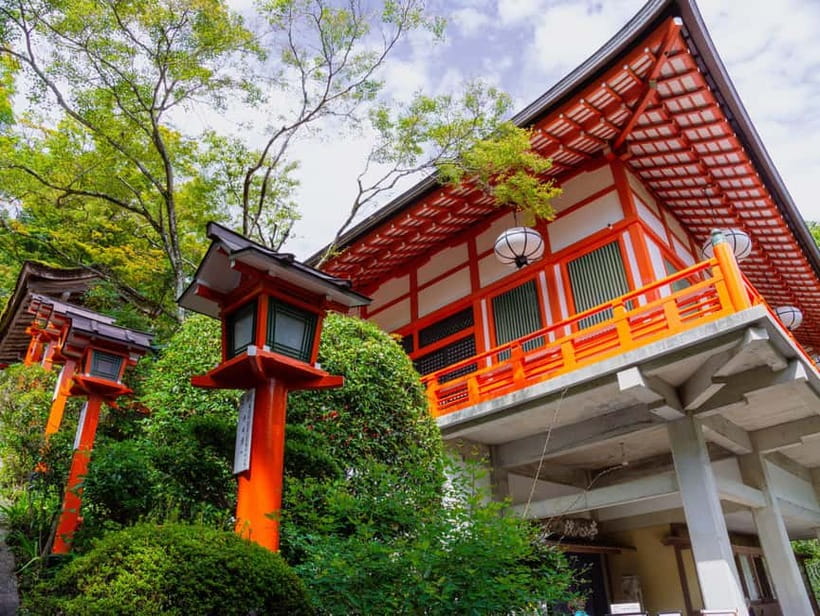
Reviewed · ONSEN AND WELLNESS
Kyoto: Hike and Hot Springs in Kurama
Sacred forests make a fine escape. This four-hour outing takes you from Kyoto’s Demachiyanagi Station by mountain train to the rural villages of Kibune and Kurama, then up a forest trail to Kurama Temple. I especially like the mix of quiet cedar woods and local legends, plus the chance to finish with an outdoor hot spring bath overlooking the mountains. The main caution is simple: this is a real uphill hike, not a gentle stroll, and the optional onsen costs extra.
The experience costs $80 per person and includes your guide, transportation to the hiking area, and temple admission. Guides such as Philippe, Chris, Kevin, Salome, and Eric have earned strong praise for their local stories and friendly manner. If you want Kyoto beyond its crowded central temples, this is a fine half-day choice, provided your legs and shoes are ready for many steps.
In This Review
- Five things to know before you go
- Leaving Kyoto by train at Demachiyanagi Station
- Kibune Shrine and a prayer for good relationships
- Climbing Kurama Mountain through ancient cedar woods
- Kurama Temple at the mountaintop
- Returning to Kurama village for food and a bath
- What the guides add to the mountain walk
- Is $80 a fair price?
- Who should book this Kurama experience?
- Should you book it?
- FAQ
- How long does the Kurama hike and hot spring experience last?
- Where does the tour meet?
- What does the $80 price include?
- Is the hot spring included?
- Is lunch included?
- How difficult is the hike?
- What should I bring?
- Is the tour available in English or French?
- Who should not join this tour?
Five things to know before you go
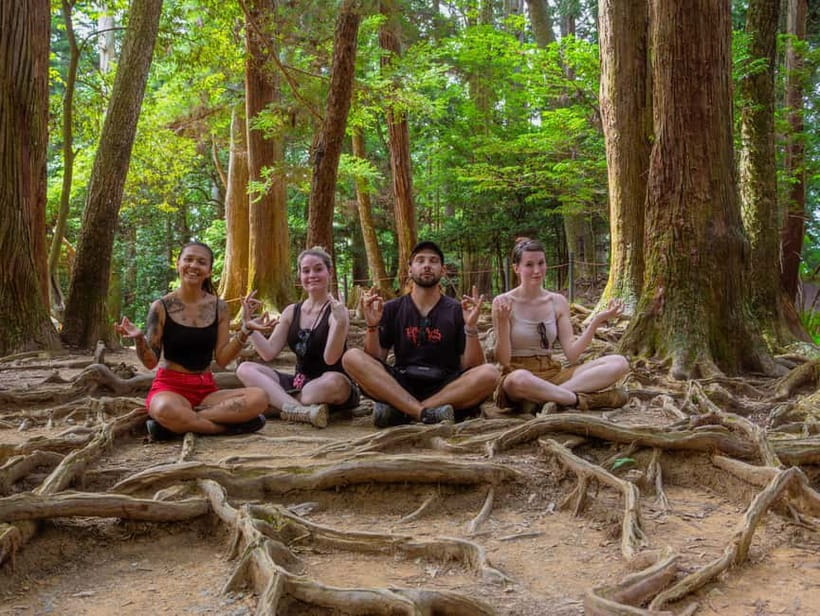
- The Eizan train ride is part of the pleasure: You leave the city behind as the route moves through the northern mountains toward a rustic village.
- Kurama Temple requires an uphill climb: The peak usually takes about 30 to 40 minutes to reach, with stops for views and forest features.
- Kibune adds a romantic and spiritual note: You can visit the shrine and make a prayer for good relationships.
- Your guide adds the real value: The best part is often the explanation of shrines, deities, legends, Reiki, and local customs.
- The hot spring is optional but tempting: The bath fee is not included, yet it makes a very satisfying finish after the climb.
- The tour ends in Kurama village: You receive guidance for lunch, the bath, or the train back, but transportation back to the meeting point is your responsibility.
Leaving Kyoto by train at Demachiyanagi Station
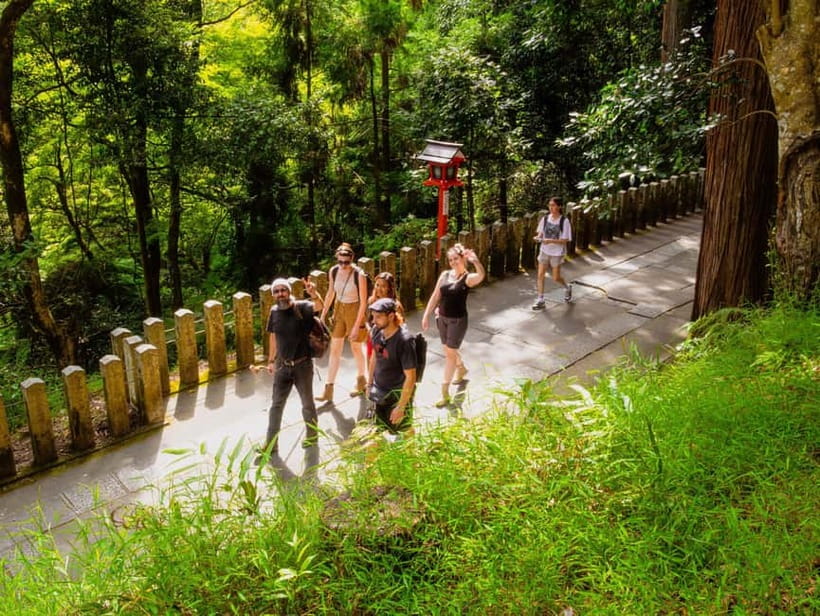
Your meeting point is Exit 7 at Demachiyanagi Station, in front of the Eizan Railway. This is a practical starting place because the train carries you directly toward Kyoto’s wooded northern edge, saving you the trouble of arranging the route yourself.
The train journey matters more than it may first appear. Kyoto’s center can feel full of buses, lanes, and temple crowds. On the Eizan line, the mood changes as the city gives way to hills, trees, and a quieter valley. You get a short but pleasant ride before walking into a very different side of Kyoto.
Transportation to the hiking area is included in the $80 price. Transportation back to the meeting point is not, so keep that in mind when working out your day. The tour finishes in Kurama village, where you can choose your next step instead of being rushed onto a fixed return route.
The timing is listed as four hours. That is enough for the main hike and temple visit, but your lunch and hot spring time are best treated as add-ons after the guided portion. If you want a long meal, a slow bath, and a leisurely village visit, plan for more than half a day.
More Onsen and Wellness in Kyoto:
- Guide tour of Japanese bathing culture at Funaoka Onsen
★ 5.0 · 15 reviews - 12 Days Kinosaki Onsen Escape: A Journey Through Japan’s Timeless Towns by UME Travel
★ 4.8 · 5 reviews - Solaniwa Onsen Ticket in Osaka
★ 4.7 · 4,554 reviews
Kibune Shrine and a prayer for good relationships
The Kibune area gives the outing its softer opening. The village sits beside a river and is framed by tall cedar trees. It feels rural, cool, and far removed from the city, even though Kyoto is not far away.
The shrine visit offers a cultural reason to pause before walking. Kibune is associated with prayers for good relationships, making this a meaningful stop for couples, friends, or anyone interested in Japan’s shrine traditions. You do not need to treat the prayer as a tourist photo stop. Take a quiet moment, observe the setting, and let your guide explain the customs.
This is also where a guide can make a large difference. A temple or shrine can look beautiful while its meaning remains unclear. Guides who know the area can explain the figures, rituals, and stories that give the sites their character. Philippe was praised for explaining the area’s sacred places and legends, while other guides were appreciated for making the cultural details easy to understand.
The route connects Kibune and Kurama through the mountain, so you are not simply visiting two unrelated sights by car. The walk gives the day a sense of purpose. You begin beside the river and move upward through the forest toward the mountaintop temple.
Climbing Kurama Mountain through ancient cedar woods
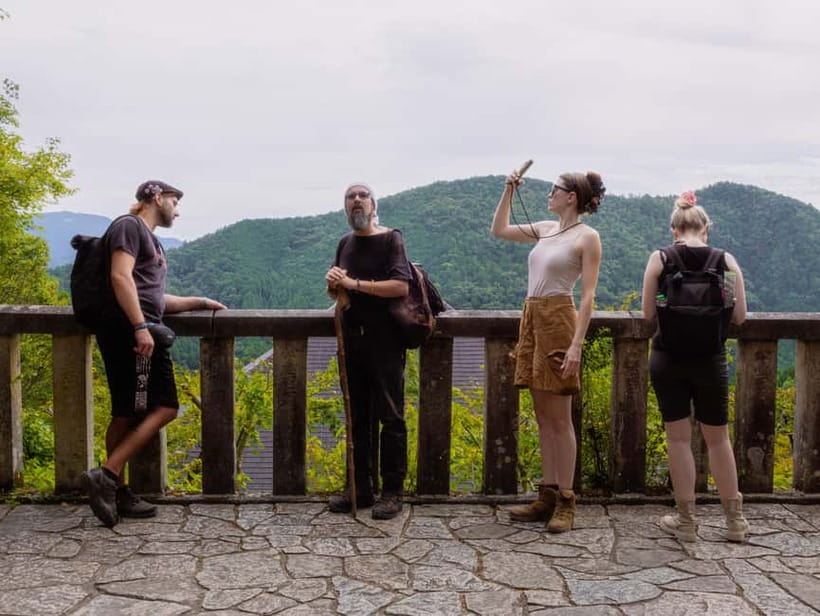
The hike is the heart of the experience, and you should take the fitness warning seriously. The climb to the top takes about 30 to 40 minutes, but the steps make it more demanding than the time suggests. The tour is not suitable for children under 11, wheelchair users, people with mobility impairments, or people without hiking experience.
You will have chances to stop along the way. Those pauses are not wasted time. They let you catch your breath, look at the forest, and hear about features that you might otherwise pass without noticing. The cedar canopy, crisp air, and mountain quiet are a welcome change from Kyoto’s busy streets.
Wear comfortable shoes with a secure grip. Long pants are a smart choice if you want to reduce the chance of bug bites. Bring water, especially in warmer months. One visitor described the hike as harder in the heat, despite the beautiful setting, so summer conditions can make the climb feel much tougher.
The route has enough variety to keep it interesting. You are not only counting steps to the top. The guide may point out religious details, old stories, and lesser-known places along the trail. Philippe was praised for taking people to quieter spots and for adapting the route when the group wanted to spend more time at Kurama.
That personal attention is one reason a small group or private format can be worth considering. A guide can slow the pace for a tired group, allow more time at a particular shrine, or spend longer explaining a place that interests you. One private outing even included a visit to the crypt and maze beneath the temple. Those features may depend on access and the day’s arrangements, so do not treat them as guaranteed parts of every departure.
Kurama Temple at the mountaintop
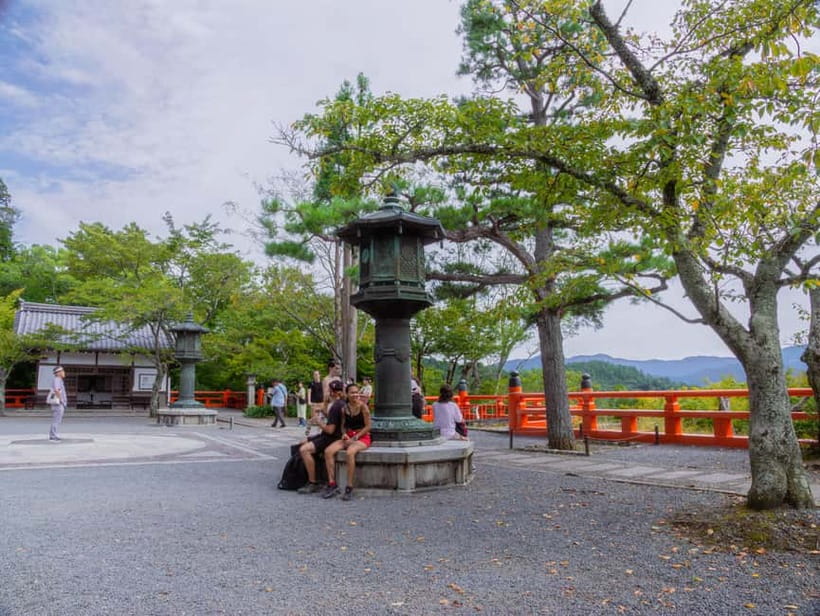
Kurama Temple is the reward for the climb. The mountaintop setting gives the visit a strong sense of arrival, with views down into the valley and fresh air after the ascent. You also have the chance to offer prayers in a place regarded locally as a power spot.
The temple adds layers of history, religion, and legend to what could otherwise be a pleasant woodland walk. A guide can explain the temple’s deities and traditions, helping you see why Kurama has such a strong spiritual reputation.
The experience also has an important connection with Reiki. One visitor with an interest in Reiki particularly valued seeing the place associated with its origins. If that subject matters to you, tell your guide early so the visit can include the relevant context.
Conditions at the temple can change. At one point, scaffolding covered the main temple exterior during maintenance, limiting the view. The interior remained accessible, and the large bell in the hills above the temple offered another memorable stop, but you should allow for repair work or restricted views when visiting an active religious site.
After the climb, take a proper break. Enjoy the valley view, drink some water, and let the guide explain the site before heading down. The descent is easier on your lungs but can still test your knees, especially after climbing many steps.
More Hiking and Trekking in Kyoto:
- Fushimi Inari Hidden Hiking Tour (Private Option Available)
★ 5.0 · 1,750 reviews - Kyoto: 3-Hour Fushimi Inari Shrine Hidden Hiking Tour
★ 4.9 · 270 reviews - Kyoto Hiking Tour: The Nature and Legends of Kurama and Kibune
★ 5.0 · 75 reviews - Kyoto: Fushimi Inari Hidden Hike (Private)
★ 5.0 · 31 reviews
Returning to Kurama village for food and a bath
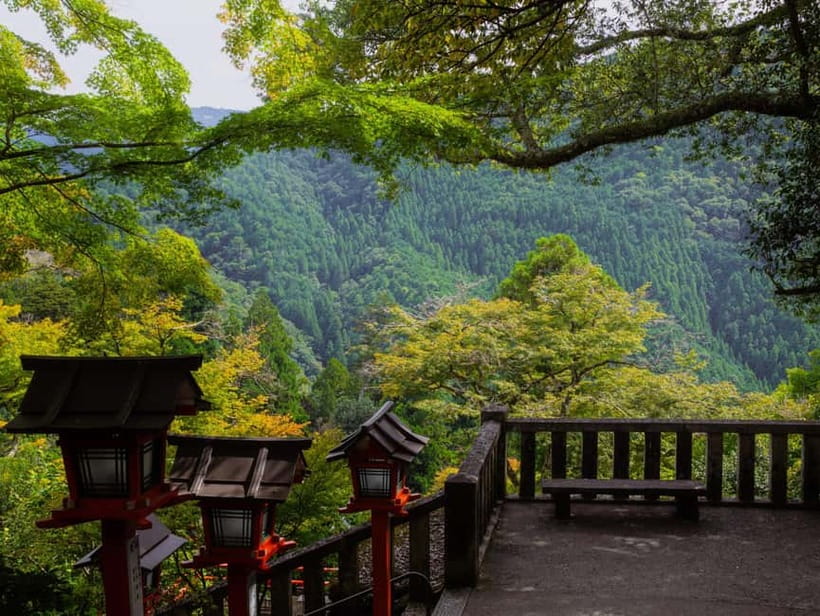
The trail brings you down to the small village of Kurama. This is where the formal tour ends and your choices open up. You can stop for a late lunch, stroll through the village, take the train back, or use the hot spring.
Lunch is not included. The village has restaurants, including places set beside the river, where you can sit and recover after the hike. Since the tour lasts four hours, lunch may fall late depending on the starting time and the pace of the group. Bring the right expectation: this is a walking and culture outing first, not a food tour.
The Kurama Hot Spring is the natural finale. The outdoor bath is known for mountain views, and a hot soak after the uphill and downhill sections sounds almost tailor-made for the day. The fee is extra, though a discounted bath ticket may be available through the tour provider.
The bath is not compulsory, and you should check your own comfort with Japanese bathing customs. Still, the combination of forest air, temple steps, and warm water gives the excursion a satisfying rhythm. Several people considered the onsen a highlight and urged others not to skip it.
Remember that the tour guide gives you options at the end rather than escorting you through every part of lunch, bathing, and the return journey. That is useful if you value freedom, but less ideal if you want a fully managed day from start to finish.
What the guides add to the mountain walk
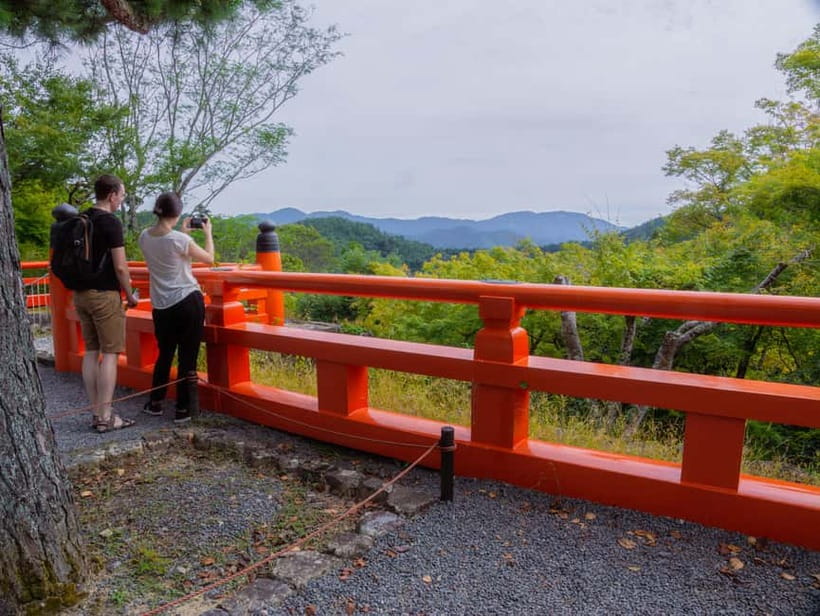
The guide quality appears to be the strongest part of this experience. Philippe received especially frequent praise for his humor, patience, local insight, and ability to explain Japanese culture. Chris was also praised for finding less obvious places, while Kevin received positive comments for his historical and cultural explanations.
You should expect a friendly, story-led walk rather than a silent trek. The guide may discuss shrines, temples, deities, mountain legends, Japanese traditions, and the local importance of Kurama. The best guides make the climb feel shorter because your attention moves from the stairs to the place around you.
Private and small-group options are available. A private booking can be useful if you want a custom pace or have a particular interest in religion, Reiki, history, photography, or nature. A small group may offer a good balance between personal attention and cost.
Guide standards can vary, as they can on any walking tour. One person had a disappointing experience with a guide who smoked while walking and drank beer before the tour ended. That account is not typical of the otherwise very strong response, but it is a fair reminder to communicate your preferences and expect professional conduct.
Is $80 a fair price?
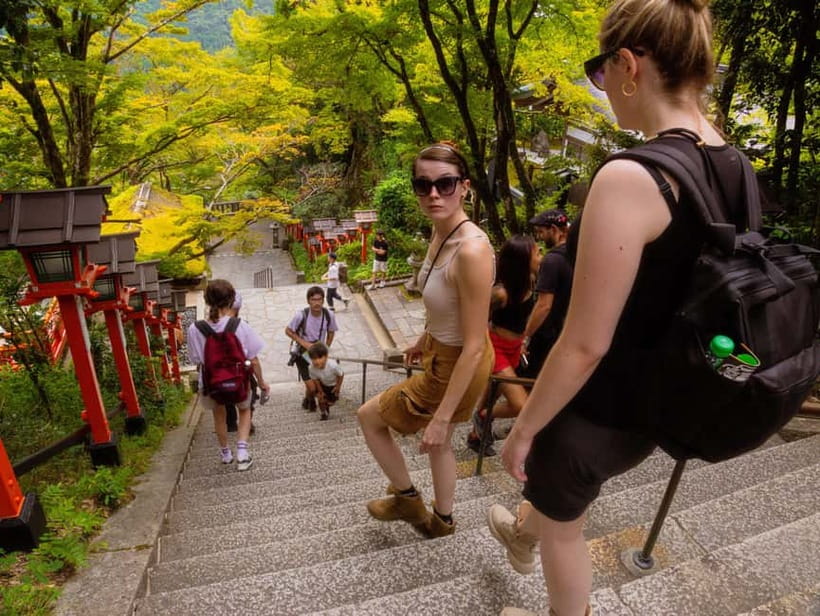
At $80 per person, the tour is not the cheapest way to reach Kurama. You could use public transportation and visit the area independently for less. The price earns its keep through the guide, temple admission, and organized transportation to the starting area.
The real question is how much explanation you want. If you are comfortable finding the train, locating the trail, understanding shrine etiquette, and learning the site’s stories on your own, an independent visit may suit you. If you want the religious meaning and local legends explained while someone handles the route, the fee is reasonable.
The cost does not include lunch, the hot spring, or transportation back to the meeting point. Add those expenses before you compare it with a self-guided day. The free cancellation option up to 24 hours before departure and the reserve-now, pay-later feature also make the booking less rigid.
Who should book this Kurama experience?
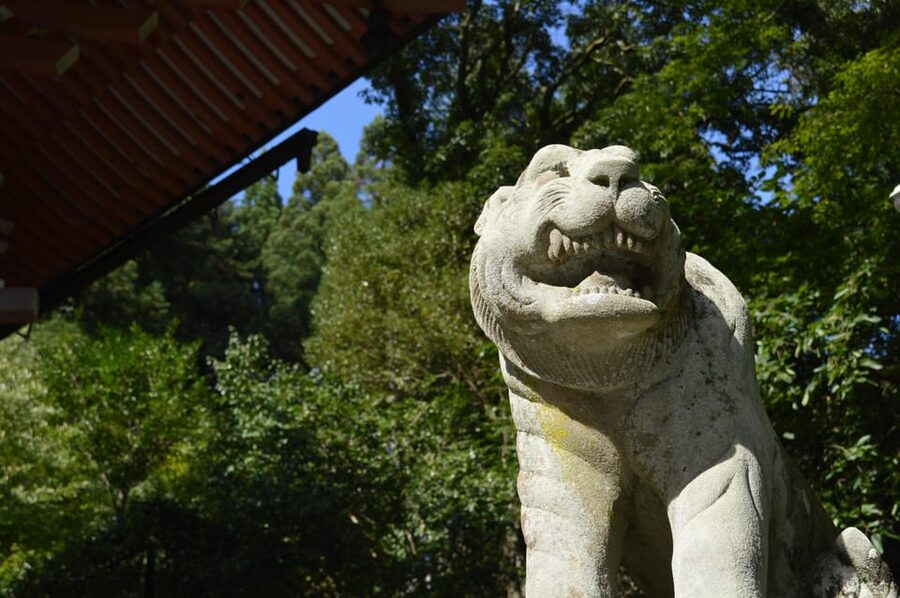
You should consider this tour if you want:
- A break from central Kyoto’s crowded temple routes
- A moderate but genuine mountain hike
- A guide who can explain religion, legends, and local customs
- A visit to both Kibune and Kurama
- A flexible finish with lunch, bathing, or a train ride
- A private or small-group format
You should think twice if you dislike steps, tire quickly in heat, or want a fully accessible route. This is not suitable for wheelchair users or people with mobility impairments, and it is not recommended for anyone without hiking experience.
Bring water, wear comfortable shoes, and choose long pants if insects bother you. If you plan to use the hot spring, carry what you need for that extra stop and allow time beyond the four-hour guided portion.
Should you book it?
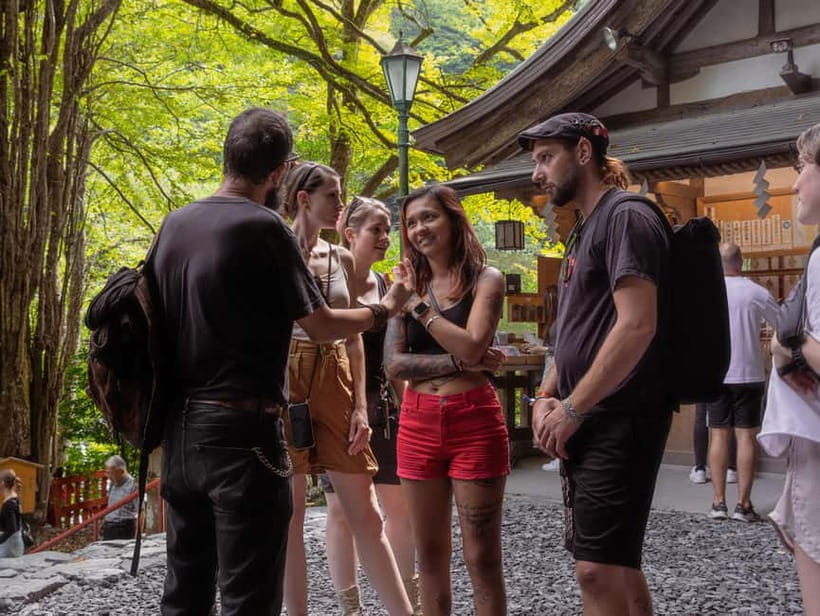
Book this experience if you want Kyoto’s sacred mountain side, not just its famous city temples. The Eizan train, cedar forest, Kibune Shrine, Kurama Temple, and optional hot spring create a varied half-day that feels both active and restorative.
I would choose it for a first visit when you want cultural context without giving up time in nature. I would also choose a private or small group if the budget allows, since the guide’s stories and ability to adjust the pace are central to the value.
Skip it if you want a flat walk, a predictable indoor itinerary, or a fully escorted return to Kyoto. For fit walkers who enjoy temples with a little sweat, this is one of the more rewarding ways to spend four hours outside the city.
FAQ
How long does the Kurama hike and hot spring experience last?
The guided experience lasts four hours. Lunch, the hot spring, and time in Kurama village may extend your day beyond the guided portion.
Where does the tour meet?
The meeting point is Demachiyanagi Station Exit 7, in front of the Eizan Railway, in Kyoto.
What does the $80 price include?
The price includes the guide fee, temple admission, and transportation to the hiking area.
Is the hot spring included?
No. The hot spring fee is not included, although a special discounted bath ticket may be available.
Is lunch included?
No. Lunch is not included. You can receive guidance about lunch options in Kurama village after the hike.
How difficult is the hike?
The hike requires a decent level of fitness. Reaching the mountaintop takes about 30 to 40 minutes, with an uphill climb on steps and a descent afterward.
What should I bring?
Bring comfortable shoes and water. Long pants are recommended if you want to avoid bug bites.
Is the tour available in English or French?
Yes. Live guiding is available in English and French, with private and small-group options offered.
Who should not join this tour?
The experience is not suitable for children under 11, people with mobility impairments, wheelchair users, or people without hiking experience.
Just added in Kyoto
- The “Golden Route” and Ancient Japan by DIAMIR Erlebnisreisen – 14-Day Tour★ 2.0 · 2 reviews
- Japan: Castles & Cuisine by G Adventures – 6-Day Kyoto to Osaka Tour★ 4.5 · 4 reviews
- Cycle Japan by Explore! – 13-Day Kyoto to Tokyo Tour★ 4.7 · 12 reviews
- Cycle Japan by Intrepid Travel – 11-Day Kyoto to Tokyo Tour★ 4.8 · 2 reviews
- Classic Japan by Intrepid Travel – 11-Day Kyoto to Tokyo Tour★ 4.4 · 14 reviews
- Ancient & Modern Japan 14-Day Tour by Exodus Adventure Travels★ 4.4 · 40 reviews
- 5 Day Cultural Adventure of Kyoto, Nara & Osaka by Tourist Journey★ 2.5 · 2 reviews
- 12 Days Kinosaki Onsen Escape: A Journey Through Japan’s Timeless Towns by UME Travel★ 4.8 · 5 reviews
Onsen and Wellness, compared.
Kyushu One-Day Tour: Yufuin no Mori Train & Yufuin Town & Nyoirin-ji Temple & Dazaifu & Hell Hot Springs (Departing from Fukuoka)
Read our review →
Senkyaku Banrai Toyosu Manyo Club Onsen Experience in Tokyo
Read our review →
Himeji Castle, Arima Onsen & Mt. Rokko Day Tour
Read our review →
Nara and Uji Day Trip with Deer Park and Hot Spring
Read our review →
Private Tour to Fuji/Hakone – Onsen, Art, Nature
Read our review →Mt. Fuji, Hakone Private Tour from Tokyo – Onsen, Arts and Nature
Read our review →
Browse the lists this tour appears in