
Reviewed · ONSEN AND WELLNESS
Guide tour of Japanese bathing culture at Funaoka Onsen
Bathing is a doorway into daily Japanese life. This 90-minute Kyoto experience pairs a short lesson at a former bathhouse cafe with a guided visit to Funaoka Onsen, one of the city’s best-known public baths. I like that you learn the rules before entering, and I like that the group is limited to five people, so the guide can offer calm, personal help.
The main consideration is simple: bathing is nude and separated by gender. Couples will bathe apart, and anyone uncomfortable with communal bathing should think twice. The guide, Atsuki, is Japanese and enthusiastic, but his English is limited, so this works best if you are patient with explanations and comfortable asking simple questions.
In This Review
- Key points about the Funaoka Onsen experience
- Why this small Kyoto tour is worth considering
- Sarasa Nishijin, a cafe with a bathhouse past
- The lesson that makes a first bath less stressful
- Funaoka Onsen, Kyoto bathing with local character
- What the health guidance can and cannot promise
- Timing, meeting point, and group size
- Who will appreciate this experience most
- Price, value, and the cancellation rule
- FAQ
- How long does the bathing culture experience last?
- Where does the experience meet and end?
- Is the bathing nude?
- Is the guide a Funaoka Onsen employee?
- Is the experience suitable for people with medical conditions?
- Can I cancel for a full refund?
- Should you book the Funaoka Onsen tour?
Key points about the Funaoka Onsen experience
- You learn the etiquette before bathing: The tour explains washing, soaking, public-bath manners, and ways to make the experience more relaxing.
- The first stop is a former bathhouse: Sarasa Nishijin is a cafe built inside a renovated public bathhouse, giving the introduction a fitting setting.
- Funaoka Onsen has a long local story: The lesson includes how the bathhouse developed and competed with traditional geothermal hot springs.
- The bathing is nude and gender-separated: This is standard for Japanese public baths, but it may not suit every couple or first-time bather.
- The group never exceeds five people: A small group is useful when you need help with unfamiliar steps.
- You receive a take-home guide: The instructions can help you use other Japanese sento and hot springs later in your trip.
Why this small Kyoto tour is worth considering
Many visitors see a Japanese bath as a simple place to wash. It is more than that. In Japan, bathing can be a daily ritual, a social custom, and a way to slow down after work or sightseeing. The key is knowing how to enter the space respectfully.
That is the strength of this experience. You do not arrive at Funaoka Onsen and try to decode every sign while standing in a changing room. You first get an explanation of what to do, what not to do, and why the process matters. For a first visit, that preparation can remove much of the worry.
I especially like the practical focus. You learn that the bath itself is not where you wash. You clean your body before soaking, keep towels out of the water, and avoid treating the tub like a swimming pool. The point is to share clean water with everyone else.
The tour also gives you cultural context instead of presenting the bath as a tourist prop. Funaoka Onsen has an interesting origin story, including competition with geothermal hot springs. That detail helps explain why Japanese public bathing developed in different forms and why a bathhouse can matter to a neighborhood even when it is not a natural hot spring.
At $45.72 per person, this is not the cheapest way to visit a bath. You are paying for the instruction, the guide, the admissions, the cafe introduction, and the confidence that comes from having someone explain the process. If you already use Japanese sento regularly, the price may feel high. If you are nervous about your first public bath, the guidance can be well worth it.
More Onsen and Wellness in Kyoto:
- Kyoto: Hike and Hot Springs in Kurama
★ 5.0 · 49 reviews - 12 Days Kinosaki Onsen Escape: A Journey Through Japan’s Timeless Towns by UME Travel
★ 4.8 · 5 reviews - Solaniwa Onsen Ticket in Osaka
★ 4.7 · 4,554 reviews
Sarasa Nishijin, a cafe with a bathhouse past
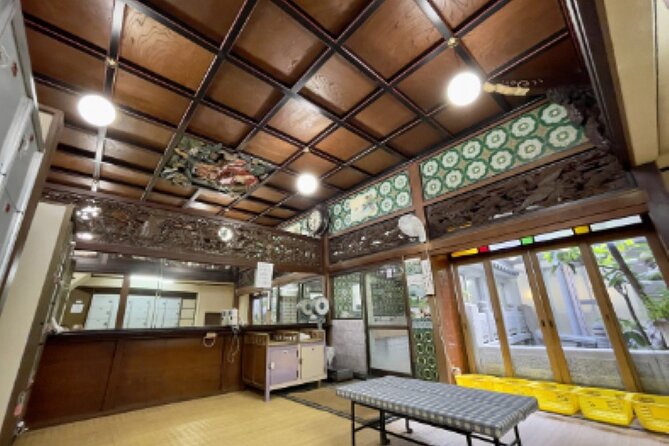
The experience includes about 15 minutes at Sarasa Nishijin. This cafe was converted from a public bathhouse, making it a smart place to begin. You can have a drink while learning about the history of public baths and the basic steps for bathing properly.
The setting matters. You are not receiving a dry lecture in an ordinary meeting room. The building itself gives you a visual clue about how public bathing once fit into local life. Even a short stop can make the subject feel more real.
This part is brief, so keep your expectations in check. It is an introduction, not a long cafe visit or a full architectural tour. Its value comes from setting the tone and giving you the information you need before the bath.
A take-home guide is included. That is useful beyond this one appointment because the same general bathing steps apply at other Japanese public baths and hot springs. If you plan to visit another bath later, keep the guide handy rather than treating it as a souvenir to forget in your luggage.
The supplied schedule lists Sarasa Nishijin as the first stop, while Funaoka Onsen is given as the meeting point and end point. Since the published meeting details center on Funaoka, check the exact starting instructions after booking so you know where to report first.
The lesson that makes a first bath less stressful
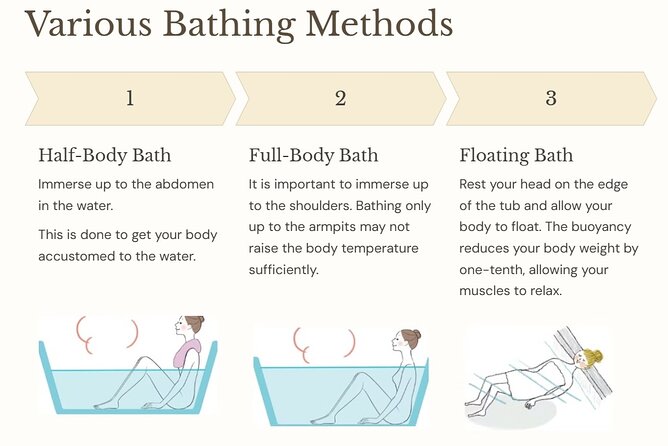
Before you bathe, the guide uses materials to explain the bathing method. This is the part that first-time visitors often need most. Japanese bathing etiquette has a clear rhythm, but it can feel mysterious if you only watch other people from a distance.
Atsuki’s role is less about rushing you through a checklist and more about helping you relax. The experience includes an explanation of the rituals and practices before you enter. That preparation is repeatedly praised for making the actual bath easier and more enjoyable.
You will learn the proper order of the experience and the reasons behind it. You can also ask about points that worry you, such as how to behave around the tubs or how much time to spend soaking. Since the group is capped at five, this should feel more personal than a large group orientation.
The guide’s English is described as limited, so do not expect a polished, scripted presentation in fluent English. You may need to listen carefully, use simple questions, and rely on the handouts or demonstrations. That is a real limitation, especially if you want a detailed discussion of history or health.
Still, several details make the instruction useful. Atsuki is a local Japanese guide, and he is not an employee of Funaoka Onsen. That means the tour is an independent introduction to the bathhouse rather than an official facility presentation. His enthusiasm for public bathing comes through in the way he explains how the same etiquette can help you at other baths.
Funaoka Onsen, Kyoto bathing with local character
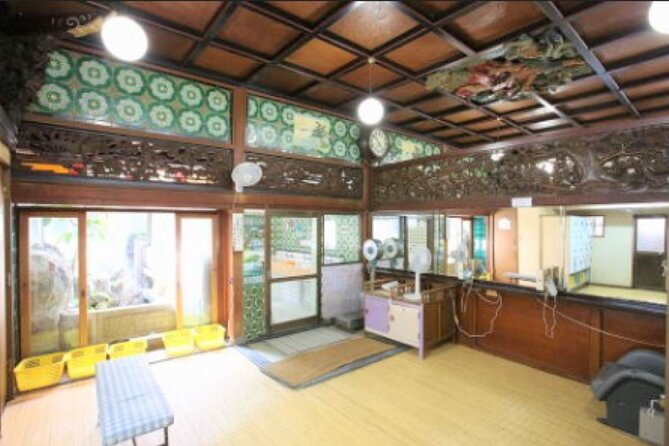
The main stop lasts about an hour at Funaoka Onsen. After the lesson, you try the bathing method yourself.
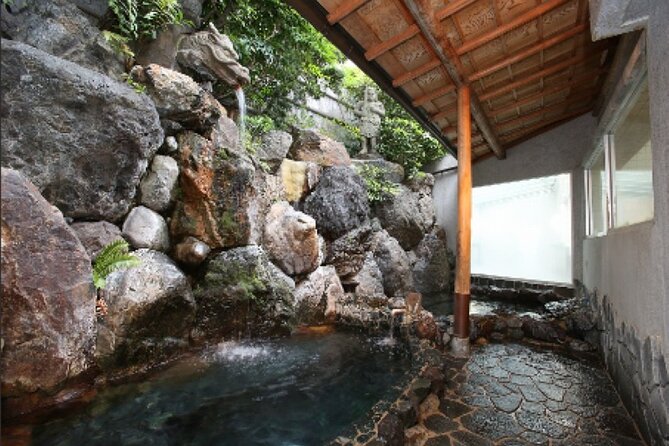
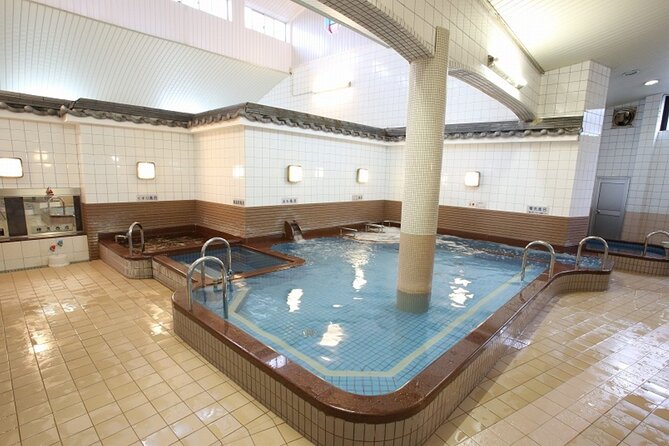
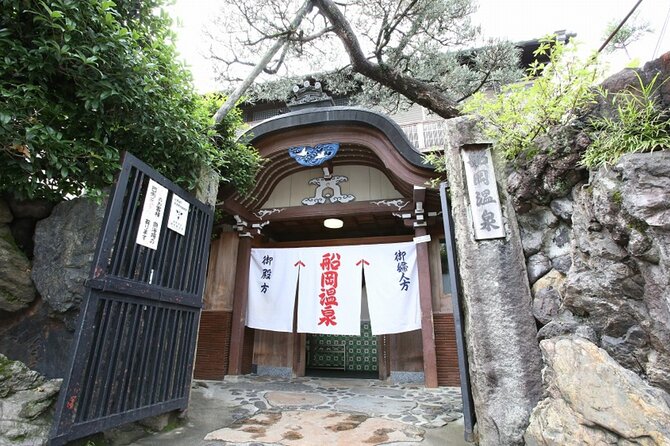
Funaoka is presented as a bathhouse with an important place in Kyoto’s bathing tradition. The appeal is not simply getting wet in a hot tub. You are visiting a facility known and used by local residents, then taking part in a routine that has been repeated for generations.
The bath is nude and divided by gender. This is not optional, and it is important to understand before you book. Men and women use separate bathing areas, so couples will not share the tubs. If you are traveling with a partner, you will need to be comfortable entering separate spaces and meeting again afterward.
That rule can be a surprise for visitors accustomed to swimsuits or mixed-gender spas. It is also the reason this tour is not right for everyone. The guide acknowledges that a swimsuit-based mixed bath would be easier for some people, but Japanese bathing facilities generally follow strict gender separation.
Once you accept the format, the experience can be very calming. Several people found that having Atsuki nearby helped them stop worrying about making a mistake. Instead of standing stiffly and copying everyone else, you can focus on the warmth and the quiet routine.
The bathing time is not a private spa appointment. You are using a public bath, so the experience depends on following shared rules and respecting the people around you. That is part of the cultural lesson. You are not simply consuming an attraction, you are learning how to take part without disrupting it.
A few more options to weigh up in Kyoto
- PERFECT KYOTO 1-Day Bus Tour
★ 5.0 · 13,518 reviews - [Kyoto & Nara Day Tour] Sagano Scenic Railway & Nara Park & Fushimi Inari Taisha Thousand Torii Gates & Togetsukyo Bridge & Bamboo Grove & Kimono Forest (Departing from Osaka)
★ 4.9 · 10,942 reviews - Kyoto: Fushimi Inari, Kinkakuji, Bamboo Grove 1 Day Bus Tour
★ 4.8 · 4,316 reviews - Kyoto: Tea Ceremony in a Traditional Tea House in Kiyomizu
★ 4.9 · 3,519 reviews
What the health guidance can and cannot promise
The tour explains possible health benefits and ways to bathe for relaxation. Warm bathing can be soothing, and the experience is aimed at wellness, mindfulness, and local tradition.
You should treat the health information as general guidance, not medical advice. The activity specifically excludes people with certain hot-spring contraindications, including severe heart or lung disease, recent gastrointestinal bleeding, advanced malignant tumors, or severe anemia. You should also skip it if you have a fever, feel unwell, or have consumed alcohol.
If a doctor has told you to avoid hot springs or hot baths, do not join simply because the experience sounds culturally important. The same applies if you feel ill on the day. A bath is not a good place to test your limits.
These restrictions are practical rather than fussy. Heat can place stress on the body, and the guide cannot replace a medical professional. If you have any doubt, ask your doctor before booking.
Timing, meeting point, and group size
The full activity lasts about 1 hour and 30 minutes. That is a manageable addition to a Kyoto day, especially after visiting temples and shrines. One person described the bath as a relaxing change after a day of sightseeing, which is exactly where this experience fits best.
The listed meeting point is Funaoka Onsen, at 82-1 Murasakino Minamifunaokacho, Kita Ward, Kyoto, 603-8225. The activity ends back at the meeting point. It is near public transportation, and most people can participate.
Because the schedule includes Sarasa Nishijin before the bath, allow enough time to arrive early and confirm the meeting instructions. The mobile ticket is convenient, but it does not remove the need to read the meeting details carefully.
The maximum group size is five. That is one of the strongest features here. A small group gives the guide room to explain the process and respond to individual concerns. It also keeps the experience from feeling like a large organized outing.
The activity is often booked about 34 days ahead. That suggests you should reserve early if your Kyoto dates are fixed, particularly if you want a certain day or time. The small capacity is helpful during the tour, but it also means spaces can disappear sooner than they would on a large sightseeing excursion.
Who will appreciate this experience most
I would recommend this to a solo visitor who wants a cultural activity with clear guidance. One person specifically found the explanation helpful for a first bath while traveling alone. You do not need a companion to make the experience worthwhile.
It also suits anyone interested in everyday Japanese customs rather than only famous sights. The tour connects a local routine with history, etiquette, and wellness. You leave with knowledge you can use again, not just a single photo or a short performance.
It may suit couples who are comfortable bathing separately. You can share the overall experience, but you will not share the bathing area. Make sure both people understand that before paying.
I would be more cautious about recommending it to families with young children, but the provided information does not give a specific age policy, so confirm directly before booking. The same advice applies to anyone with medical concerns.
This is also not ideal if you require fluent English instruction. Atsuki can guide the experience, but his English is not very strong. The small group and printed material help, yet you should be prepared for some communication limits.
Price, value, and the cancellation rule
The price is $45.72 per person. Admission to both Sarasa Nishijin and Funaoka Onsen is included, along with the guided explanation and take-home bathing information.
The value depends on your level of confidence. If you would happily walk into a public bath alone and learn by observation, you could spend less by visiting independently. If you are anxious about etiquette, the guide may save you from an uncomfortable first attempt and help you understand the cultural meaning behind the routine.
I see the price as reasonable for a short, specialized activity with a five-person limit, but not as a bargain attraction. You are paying for access plus interpretation. The interpretation is the important part.
Free cancellation is available if you cancel at least 24 hours before the start time. Cancellations made later are not refunded, and changes made within that window are not accepted. The cut-off follows local Kyoto time.
FAQ
How long does the bathing culture experience last?
The activity lasts approximately 1 hour and 30 minutes. About 15 minutes are spent at Sarasa Nishijin, followed by about one hour at Funaoka Onsen.
Where does the experience meet and end?
The listed meeting point is Funaoka Onsen, 82-1 Murasakino Minamifunaokacho, Kita Ward, Kyoto, 603-8225. The activity ends back at the meeting point.
Is the bathing nude?
Yes. The bathing is nude and the bathing areas are separated by gender. Couples will not bathe together.
Is the guide a Funaoka Onsen employee?
No. The guide is an independent local guide and is not an employee of Funaoka Onsen.
Is the experience suitable for people with medical conditions?
People with certain conditions, including severe heart or lung disease, recent gastrointestinal bleeding, advanced malignant tumors, or severe anemia, should not participate. You should also avoid the activity if you have a fever, feel unwell, have consumed alcohol, or have been advised by a doctor not to use hot springs.
Can I cancel for a full refund?
Yes, if you cancel at least 24 hours before the experience start time. Cancellations or changes made less than 24 hours before the start time are not accepted for a refund.
Should you book the Funaoka Onsen tour?
Book it if you want help taking part in a Japanese public bath respectfully and you value local context as much as the soak itself. The combination of Sarasa Nishijin, Atsuki’s instruction, a historic Kyoto bathhouse, and a five-person limit gives the experience a clear purpose.
Skip it if nude, gender-separated bathing is a firm no, if you need highly fluent English, or if medical advice tells you to avoid hot baths. For everyone else, this is a thoughtful way to step beyond Kyoto’s temples and learn one of Japan’s most ordinary, meaningful rituals.
Just added in Kyoto
- The “Golden Route” and Ancient Japan by DIAMIR Erlebnisreisen – 14-Day Tour★ 2.0 · 2 reviews
- Japan: Castles & Cuisine by G Adventures – 6-Day Kyoto to Osaka Tour★ 4.5 · 4 reviews
- Cycle Japan by Explore! – 13-Day Kyoto to Tokyo Tour★ 4.7 · 12 reviews
- Cycle Japan by Intrepid Travel – 11-Day Kyoto to Tokyo Tour★ 4.8 · 2 reviews
- Classic Japan by Intrepid Travel – 11-Day Kyoto to Tokyo Tour★ 4.4 · 14 reviews
- Ancient & Modern Japan 14-Day Tour by Exodus Adventure Travels★ 4.4 · 40 reviews
- 5 Day Cultural Adventure of Kyoto, Nara & Osaka by Tourist Journey★ 2.5 · 2 reviews
- 12 Days Kinosaki Onsen Escape: A Journey Through Japan’s Timeless Towns by UME Travel★ 4.8 · 5 reviews
Onsen and Wellness, compared.
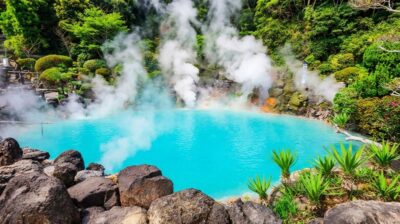
Kyushu One-Day Tour: Yufuin no Mori Train & Yufuin Town & Nyoirin-ji Temple & Dazaifu & Hell Hot Springs (Departing from Fukuoka)
Read our review →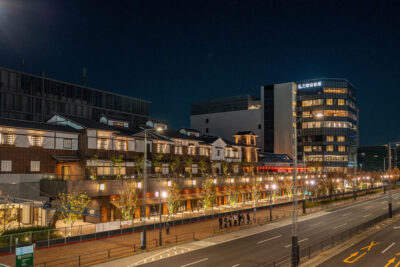
Senkyaku Banrai Toyosu Manyo Club Onsen Experience in Tokyo
Read our review →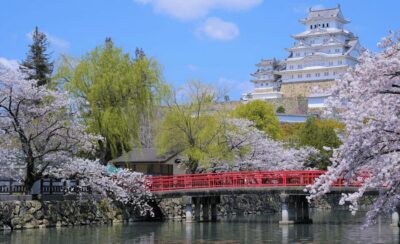
Himeji Castle, Arima Onsen & Mt. Rokko Day Tour
Read our review →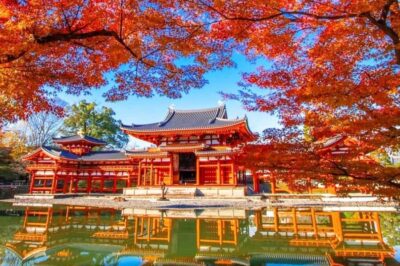
Nara and Uji Day Trip with Deer Park and Hot Spring
Read our review →
Private Tour to Fuji/Hakone – Onsen, Art, Nature
Read our review →Mt. Fuji, Hakone Private Tour from Tokyo – Onsen, Arts and Nature
Read our review →
Browse the lists this tour appears in