
Reviewed · CASTLES AND HISTORIC SITES
Odawara: Guided Ninja & Samurai Tour of Odawara Castle
Ninjas are more fun when you can train like one. This 150-minute experience combines Odawara Castle’s samurai past with a hands-on ninja class, giving you both context and play instead of a quick photo stop. I especially like the visit to the Samurai Museum, where authentic armor, helmets, and swords make the history tangible, and the lively training session with an expert, including shuriken, blow darts, movement, meditation, and ninja hand gestures. The main consideration is the price: at $116 per person, this is not a casual add-on, and you need to value the guided instruction and included museum admissions.
The tour also benefits from warm, involved guides. Jeff has been praised for his relaxed explanations, while Naoya has guided groups, answered questions, and even taken photographs. The ninja trainer Shidou, also referred to as Shudo in one account, is noted for patience, energy, and martial arts skill. Families with children often get the most from it, though the castle walking portion and fixed 150-minute schedule may feel long for very young children.
In This Review
- Five things to know before you book
- Why Odawara makes a strong ninja day trip
- Walking through Odawara Castle Park
- Real samurai objects at the Tokiwa Kimon Samurai Center
- The castle stories are better with a local guide
- The 90-minute ninja workshop
- How much is $116 worth?
- Who will enjoy this most?
- My verdict: book it for the class, not only the castle
- FAQ
- Where does the tour meet?
- How long does the experience last?
- What language is the tour conducted in?
- What museums are included?
- Is ninja clothing provided?
- What happens during the ninja class?
- Is food included?
- Can I cancel for a full refund?
Five things to know before you book

- The Ninja Museum closes for an exclusive class: Your group finishes with a private-feeling workshop after regular visiting hours.
- You handle traditional ninja tools: Training can include shuriken, blow darts, and a sword, under instruction from a ninja expert.
- The Samurai Museum uses real artifacts: Armor, helmets, and swords help connect the stories to actual objects.
- The Hojo clan gives the castle tour its focus: You learn how this powerful family ruled the area for five generations during the Sengoku period.
- The experience suits mixed-age groups: Children can take part, and the class adjusts to different abilities and levels of confidence.
- Odawara works well as a Tokyo side trip: The town lies south of Tokyo, between the Pacific coast and the mountains of Hakone.
Why Odawara makes a strong ninja day trip
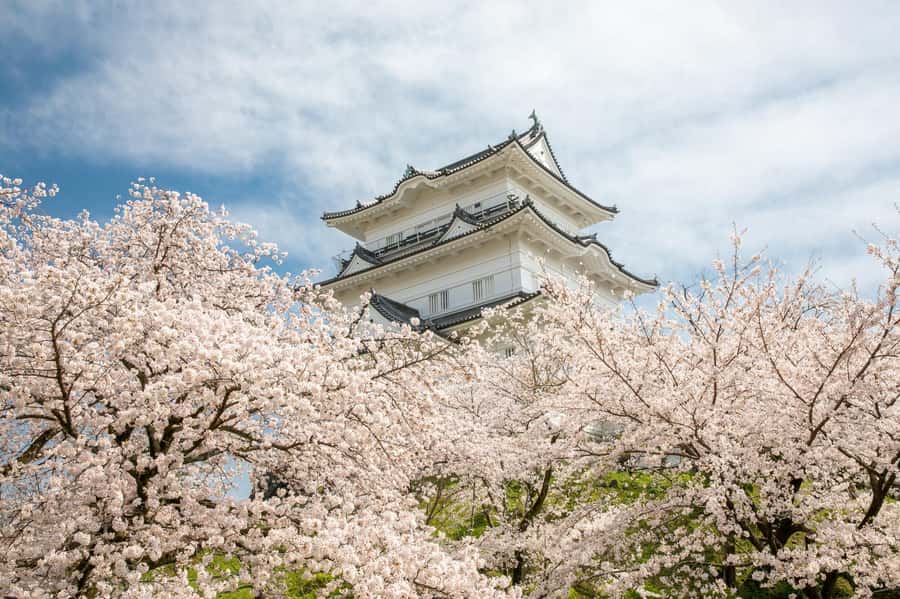
Odawara offers a useful change of pace from Tokyo. It is close enough for a day trip, yet the castle park gives you a clear sense of place: a historic stronghold near the sea, with Hakone’s mountains nearby. You are not simply visiting a themed attraction. You are walking through the setting connected with the Hojo clan and then using some of the tools associated with ninja training.
That combination matters. A ninja class without historical context can feel like a costume activity. A castle visit without something active can become another slow walk through displays. Here, the two parts support each other.
The tour begins at the entrance of the Odawara Castle Ninja Centre, also called the Ninja Museum. That detail is important because the meeting point is not described as a railway station or a general city landmark. Give yourself enough time to reach the museum entrance inside the castle park and look for the guide there.
The tour is conducted in English, with a live guide. You receive entry to the Samurai Museum and Ninja Museum, along with ninja clothing for the training session. Food and drinks are not included, so plan those separately around the tour.
More Castles and Historic Sites in Hakone:
- Odawara: Odawara Castle Tenshukaku Entrance Ticket
★ 4.2 · 30 reviews - Odawara Castle and Town Guided Discovery Tour
★ 5.0 · 15 reviews - Osaka Castle Ticket
★ 4.7 · 12,450 reviews
Walking through Odawara Castle Park
The first section takes about 40 minutes and focuses on the castle park. You walk with your guide while hearing about Odawara’s role in feudal Japan, the Hojo family, and the castle’s place during the Sengoku period.
The Hojo clan ruled the area for five generations, giving the castle more than a single famous owner or isolated story. You learn about a regional power that held its ground during a turbulent period. One particularly memorable detail concerns the castle’s ability to withstand a three-month siege before surrendering. That kind of story gives the walls and grounds a human scale. You can picture the pressure of a long siege more easily than you can absorb a list of dates.
The guide also connects ninja stories to the Hojo clan and the wider world of samurai warfare. This is where the experience earns its educational value. You are not asked to accept every ninja legend as fact. Instead, the tour presents the ninja as part of the political and military world of feudal Japan.
The grounds are also a pleasant part of the visit in their own right. Seasonal blossoms can add color and atmosphere, especially in spring, but the park is not only about flowers. You get open walking space, historic structures, and views toward the castle buildings. One guest described the castle as spectacular, while others praised the way guides added information about the town and surrounding area.
Expect to walk for much of this section. Wear shoes that you can comfortably use on a guided visit through a castle park. The pace is intended for a group, so it is not designed as a leisurely wander where you stop wherever you wish.
Real samurai objects at the Tokiwa Kimon Samurai Center
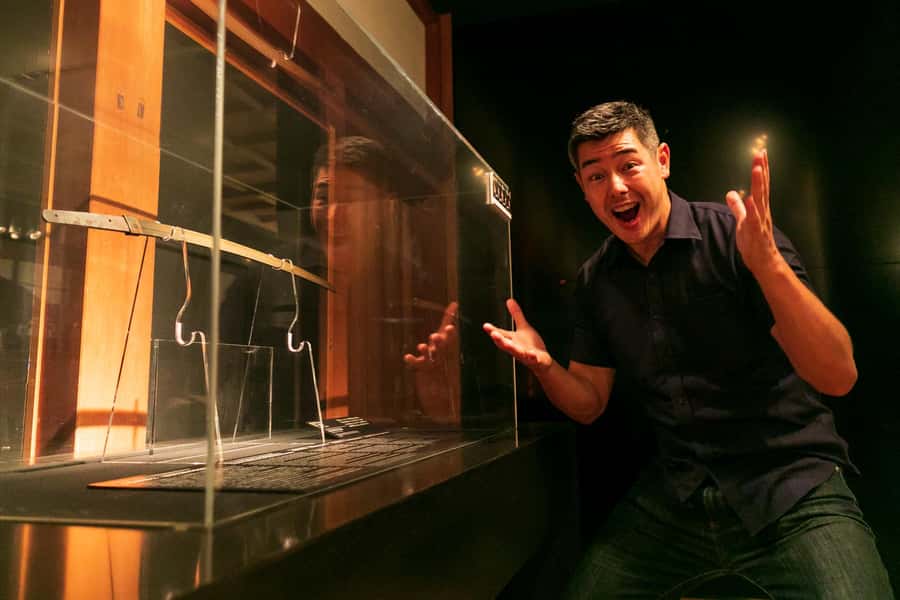
The Samurai Museum visit takes about 20 minutes, including walking time. It is a short stop, but it gives the tour a firm visual anchor.
You see authentic samurai armor, helmets, and swords. These are not just decorative props for a costume photograph. The guide explains their history and place in samurai culture, helping you understand how status, protection, and identity were expressed through equipment.
I like this part because it comes before the ninja class. You first see the formal, highly visible world of the samurai, then move into the less obvious methods associated with shinobi. The contrast helps explain why ninja stories feel different. Samurai culture is often represented through armor and weapons on display. Ninja traditions are presented through movement, concealment, discipline, and specialized tools.
The stop is brief, so do not expect a large museum visit with a long independent browsing period. Its value comes from the guide’s explanation and the quality of the objects you see. If you already know a great deal about Japanese armor, you may wish for more time. For most people, the 20-minute visit is a sensible introduction that keeps the main focus on the castle and training class.
The castle stories are better with a local guide
A castle can be difficult to interpret on your own. You see gates, walls, towers, and views, but without a story, the place can blur into other historic sites. The guide turns Odawara into a setting with competing clans, sieges, and political change.
Jeff has received particular praise for a casual style that still provides plenty of information. That balance is useful. You can ask questions without feeling that you are interrupting a formal lecture, and the guide can tailor the discussion to what interests your group.
Naoya has also been praised for being friendly, humorous, and helpful. One couple described the tour as beginning outside the castle area, continuing up the castle tower, and then moving into the ninja course. The exact flow can depend on the day and operating conditions, but the central idea is consistent: you get guided historical background before the active portion begins.
The tour’s personal style seems to be one of its strongest features. This is not an audio guide and not a guidebook reading. The English guide can explain, respond, and add local details. That is especially useful if your group includes children who need a little encouragement or adults who want to ask about the Hojo clan, castle defenses, or ninja life.
A few more options to weigh up in Hakone
- Hakone 6 hour Private Tour with Government-Licensed Guide
★ 5.0 · 218 reviews - Hakone Open-Air Museum Ticket
★ 4.9 · 133 reviews - Custom Private Tour in Hakone with a Certified Local Guide
★ 5.0 · 91 reviews - Hakone 8 hour Private Tour with Government-Licensed Guide
★ 5.0 · 63 reviews
The 90-minute ninja workshop
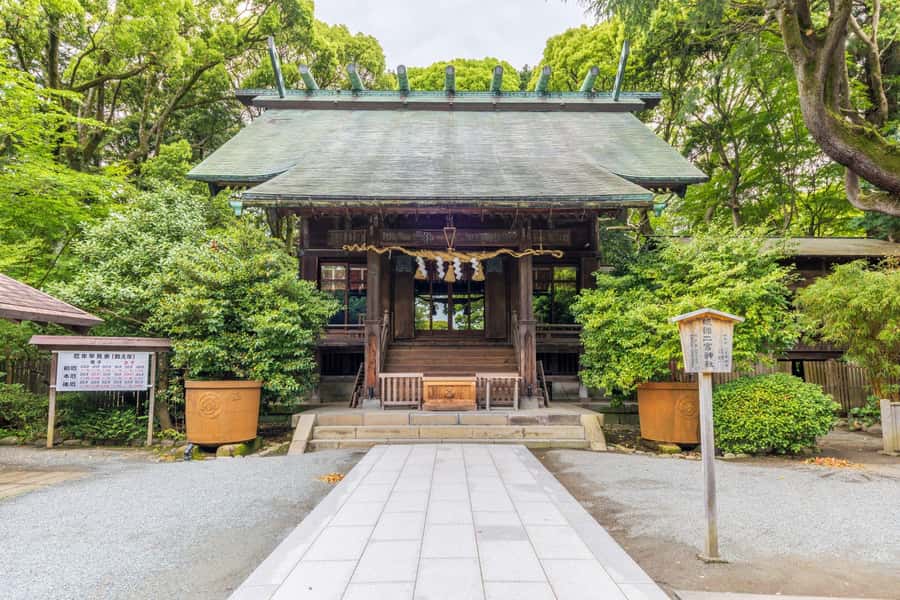
The final part lasts about 1.5 hours and takes place in the Odawara Castle Ninja Centre. This is the main reason to choose this tour over a standard castle admission.
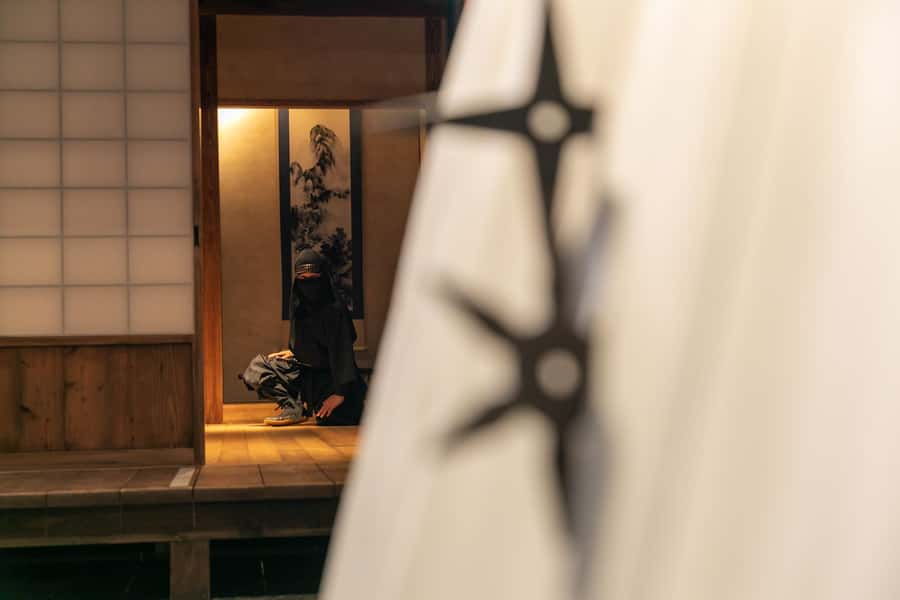
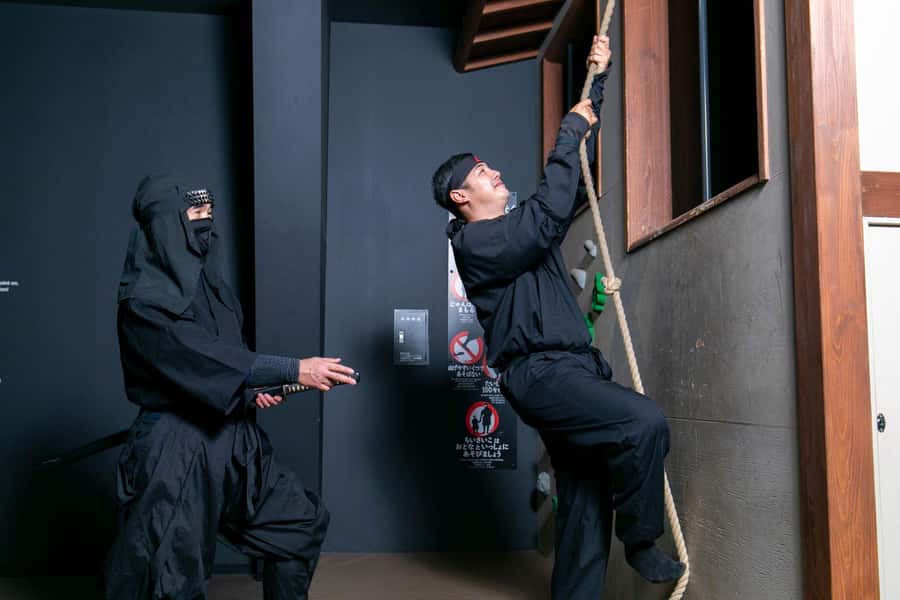
You change into ninja attire, then work through basic techniques involving breathing, meditation, movement, focus, and warrior etiquette. The class is not just about throwing something at a target. It presents ninja practice as a set of physical and mental disciplines.
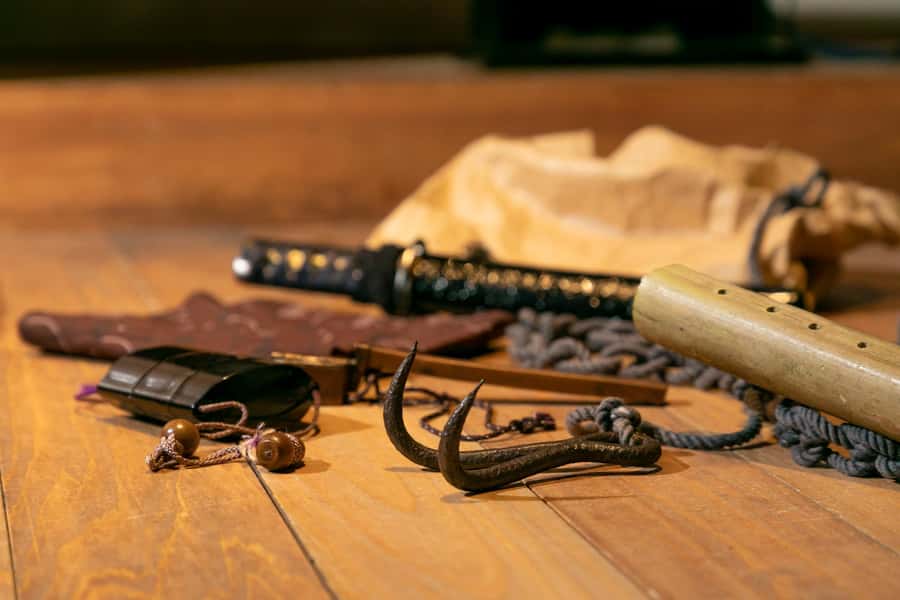
You also get hands-on practice with tools and weapons such as shuriken, a sword, and blow darts. The exact activities can vary with the instructor and group, but the supplied details and participant accounts point to a lively class with target practice and guided handling of the equipment.
The trainer Shidou or Shudo receives especially strong praise. He is described as an experienced martial artist who was patient when people struggled with throwing shuriken or using blow darts. That matters because these skills are not instantly easy. The best part of the class is not pretending you are already skilled. It is being encouraged while you fumble, adjust, and try again.
The class also includes the famous ninja hand gestures near the end. This adds a theatrical finish, but it comes after the more grounded work on breathing, movement, and tools. You get a memorable closing ritual without losing the sense that the session is built around instruction.
For children, the class can feel magical. A six-year-old attending one session was especially thrilled, and the instructor was praised for patience with younger participants. Families also appreciated that different activities were available for children. Adults should not assume this is only for kids, though. Couples and adult groups have enjoyed the humor, physical practice, and chance to try something unusual together.
You may wear ninja clothing during the class, which helps make the activity feel distinct from an ordinary museum demonstration. The outfit is included in the price, along with the museum admissions. That is a meaningful part of the value calculation.
How much is $116 worth?
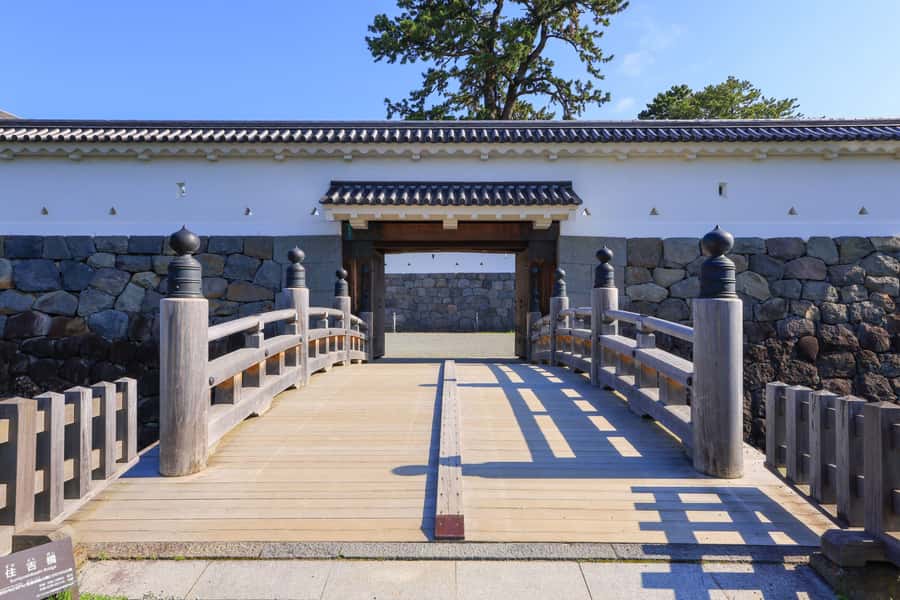
The $116 price is high compared with simply entering Odawara Castle or walking through the park. You are paying for a guide, two museum entries, the ninja attire, and a 90-minute expert-led class, not just access to a building.
I would judge the price by your interests. If you want a quick castle visit and a few photographs, this tour is probably too expensive. If you want a guided cultural activity that works for adults and children, the calculation looks better. You receive historical interpretation, authentic objects, a castle walk, and substantial hands-on time.
The 150-minute duration also helps. A short 20-minute demonstration would make the cost harder to justify. Here, the ninja workshop alone takes about 90 minutes, and the historical portion gives it meaning.
The tour has also been considered worth the day trip from Tokyo by people who wanted something beyond the city’s major sights. That does not mean it will suit every itinerary. If your schedule is already crowded or you are focused on Tokyo neighborhoods, adding Odawara may require too much travel time. But if you want to see a different side of the region, Odawara offers a focused half-day experience.
Who will enjoy this most?
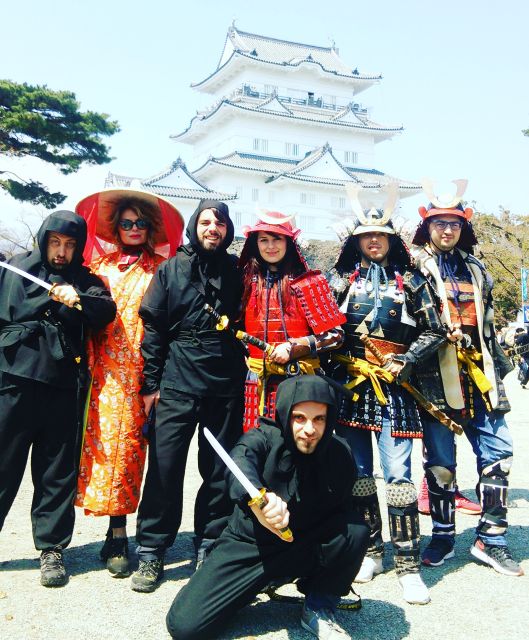
I would recommend the tour to families, first-time visitors interested in samurai and ninja culture, and adults who prefer activities over passive sightseeing. Children who are currently fascinated by ninjas may remember the training as one of their favorite Japan experiences.
It also works well for couples and friends. You practice together, laugh at the inevitable misses, and leave with shared memories rather than only photographs. The guides’ relaxed manner makes it easier for a mixed group to enjoy the same activity.
History-minded visitors will appreciate the Hojo clan material and the castle stories. The tour is not a specialist seminar, but it gives you a useful framework for understanding Odawara’s role during the Sengoku period.
You may want to skip it if you dislike costumes, guided group activities, or handling replica training tools. The class is active and participatory. You are expected to try the techniques rather than watch quietly from the side.
Rain does not automatically ruin the plan. One group was accommodated on a rainy day and still described the experience as excellent, though the castle park walking portion will naturally be less comfortable in wet weather. The tour does not include food or drinks, so bring or buy refreshments separately if you need them.
Cancellation is flexible up to 24 hours before the start for a full refund, and you can reserve now and pay later. Starting times vary, so check availability before planning train connections.
My verdict: book it for the class, not only the castle
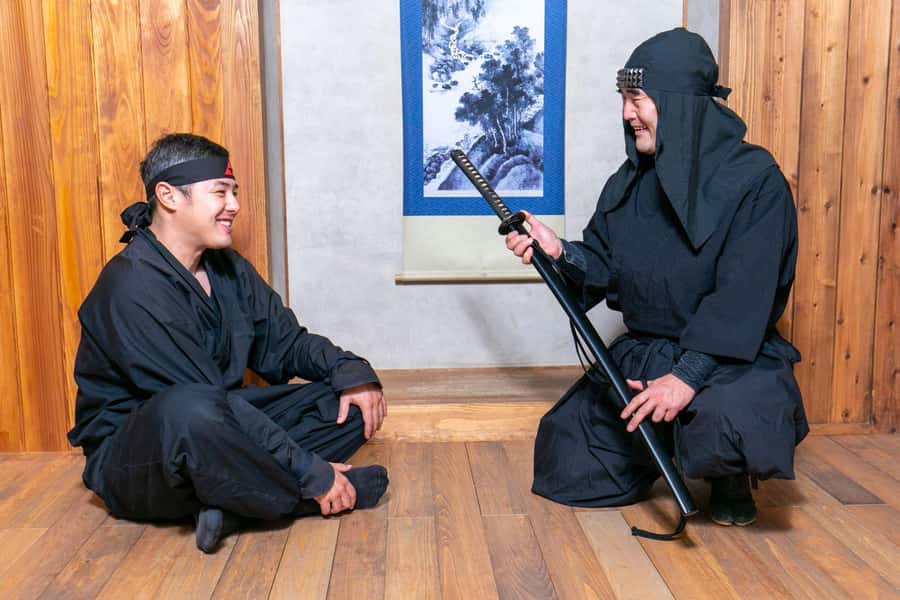
Book this tour if you want Odawara’s history explained by an English-speaking guide and you are genuinely interested in trying ninja skills. The strongest elements are the friendly instruction, the real samurai artifacts, and the long workshop with shuriken, blow darts, movement, and ninja rituals.
I would especially choose it for a family or for anyone looking for a memorable activity near Tokyo. The $116 cost makes sense when you use the museums, guide, clothing, and full class. It makes less sense if you only want to see the castle grounds.
The best reason to book is the balance: first you learn why Odawara mattered, then you get to play within that historical theme. Just leave room in your schedule for walking, arrive at the Ninja Centre entrance, and approach the class ready to participate. That is when this tour earns its price.
FAQ
Where does the tour meet?
Meet your guide at the entrance of the Odawara Castle Ninja Centre, also known as the Ninja Museum.
How long does the experience last?
The full experience lasts 150 minutes, or two and a half hours.
What language is the tour conducted in?
The tour has a live English-speaking guide.
What museums are included?
Entry to the Samurai Museum and the Ninja Museum is included.
Is ninja clothing provided?
Yes. Ninja attire for the training workshop is included.
What happens during the ninja class?
The class covers breathing, meditation, movement, ninja tools and weapons such as shuriken and a sword, and traditional ninja hand gestures. Blow dart practice is also described as part of the hands-on activities.
Is food included?
No. Food and drinks are not included.
Can I cancel for a full refund?
Yes. You can cancel up to 24 hours before the activity for a full refund. You can also reserve now and pay later.
Just added in Hakone
- Hakone Open-Air Museum Ticket★ 4.9 · 133 reviews
- Forest Bathing in Temple and Enjoy onsen with healing power★ 5.0 · 17 reviews
- Odawara Castle and Town Guided Discovery Tour★ 5.0 · 15 reviews
- Traverse Outer Rim of Hakone Caldera and Enjoy Onsen Hiking Tour★ 5.0 · 30 reviews
- Private Hakone Half-day Car Tour with Hotel Pickup – Local Guide★ 5.0 · 48 reviews
- Hike Japan Heritage Hakone Hachiri with certified mountain guide★ 5.0 · 46 reviews
- Hike Hakone Hachiri★ 5.0 · 48 reviews
- Hike Japan Heritage Hakone Hachiri (Half Day)★ 5.0 · 18 reviews
Castles and Historic Sites, compared.



Imperial Palace and Shogun Historical Walking Tour
Read our review →
Tokyo Castle & Imperial PalaceーShogun Walking Tour
Read our review →
Nijo-jo Castle and Ninomaru Palace Guided Tour
Read our review →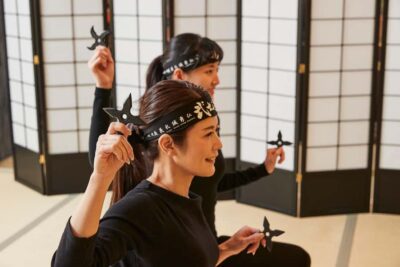
Samurai Ninja Museum Guided tour and Experience
Read our review →Browse the lists this tour appears in