
Reviewed · PRIVATE TOURS IN HIROSHIMA
Hiroshima and Miyajima Full Day Private Tour
History here is personal. This eight-hour private tour joins Hiroshima’s Peace Memorial Museum and Atomic Bomb Dome with Hiroshima Castle, Shukkeien Garden, and Miyajima’s famous Itsukushima Shrine. I like the one-to-one format, which lets your guide adjust the pace and answer questions, and I like that admission to the main sights is included. The main caution is clear: transportation, lunch, and hotel transfers are not included, so the final cost can rise beyond the advertised $167.50 per person.
The day begins at the Hiroshima Peace Memorial Museum and ends at Miyajima ferry terminal. That makes sense if you are continuing onward from the island, but it is less convenient if you need to return to Hiroshima city or catch a train. Guides such as Masa, Aya, Yoshi, Yoshiko, and Masako have earned strong praise for warmth, flexibility, and local help, though one poor experience raised concerns about English ability and limited explanations.
In This Review
- Key points to know before booking
- A serious beginning at the Peace Memorial Museum
- The Atomic Bomb Dome and the weight of a short stop
- Hiroshima Castle adds a different chapter
- Shukkeien Garden slows the pace
- Crossing to Miyajima for a change of mood
- Itsukushima Shrine deserves unhurried attention
- Omotesandō Street brings food and local color
- Private does not mean private transportation
- How good is the guiding?
- The $167.50 price and what you receive
- Walking, heat, and the right pace
- Who should book this Hiroshima day tour?
- Should you book it?
- FAQ
- How long is the Hiroshima and Miyajima private tour?
- Where does the tour begin?
- Where does the tour end?
- Is transportation included?
- Is lunch included?
- Which admission fees are included?
- Is this a private group tour?
- Is Hiroshima Castle open throughout the tour season?
- Can I cancel for a full refund?
Key points to know before booking
- The Peace Memorial Museum gets about two hours: Allow time for an emotional, crowded visit before moving through the rest of Hiroshima.
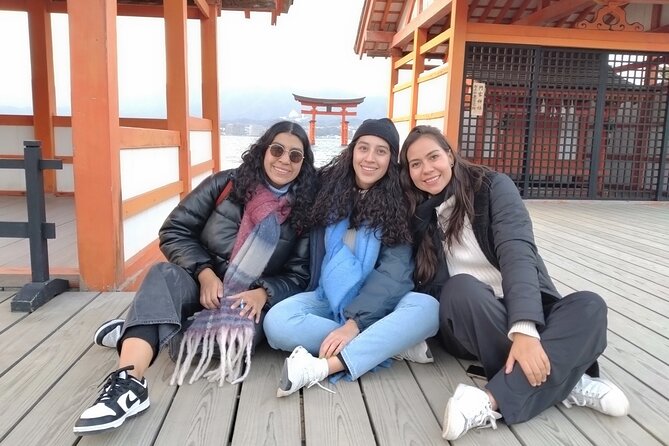
- Miyajima comes later in the day: Itsukushima Shrine, the Great Torii, deer, and Omotesandō Street provide a striking change of mood after the memorial sites.
- This is a walking and public-transport tour: A private vehicle is not included, and you pay transportation from the meeting point onward.
- Your guide can shape the day: The advertised route is flexible, so you can discuss interests, food needs, pace, and priorities.
- The end point is Miyajima Pier: Plan your onward journey carefully, especially if you have luggage or a train to catch.
- Summer heat matters: August temperatures can exceed 35 degrees Celsius, and the day involves considerable time outdoors.
A serious beginning at the Peace Memorial Museum
Starting at the Hiroshima Peace Memorial Museum puts the most difficult part of the day first. The museum explains the atomic bombing and its human cost through photographs, objects, personal accounts, and historical material. It is not a quick photo stop. The planned visit is about two hours, and you should expect the subject matter to be emotionally heavy.
The museum can also be crowded. One useful practical tip is to consider wearing a mask if you are uncomfortable in packed indoor spaces. The tour information includes admission, so you do not need to buy that ticket separately.
Your guide’s role here matters greatly. Some guides, including Aya and Masa, have been praised for answering questions, setting a comfortable pace, and adding context. One guest felt that a guide simply followed along without explaining enough, so I would ask at the beginning how much interpretation you want inside the museum. If you prefer quiet reflection, say so. If you want historical explanation, make that clear too.
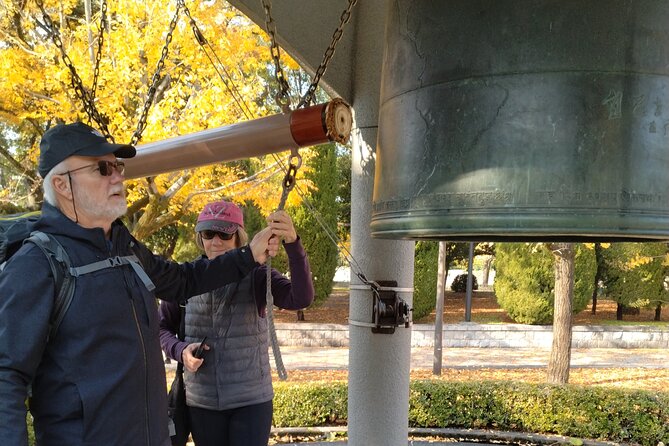
The Peace Memorial Park covers about 120,000 square meters, with lawns and trees that give the city a place for reflection and daily life. The scale helps you understand that this is not just a monument beside a road. It is a broad civic space built around remembrance and peace.
More Private Tours in Hiroshima
- Hiroshima / Miyajima Full-day Private Tour with Government Licensed Guide
★ 5.0 · 1,298 reviews - Hiroshima City 4hr Private Walking Tour with Licensed Guide
★ 5.0 · 437 reviews - Hiroshima & Miyajima: Full-Day Private Tour & Licensed Guide
★ 4.8 · 252 reviews
The Atomic Bomb Dome and the weight of a short stop
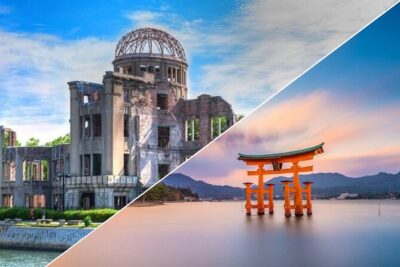
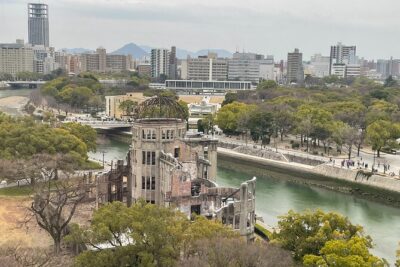
The Atomic Bomb Dome is scheduled for about 30 minutes, with no separate admission charge. The building survived close to the explosion’s center, and its exposed structure has become one of Hiroshima’s most recognizable symbols.
Thirty minutes is enough to see the exterior, listen to an explanation, and take in the setting beside the river. It is not enough for a long examination of every detail. The value comes from seeing the Dome after the museum, when you have a fuller sense of what happened and why this preserved ruin carries such force.
This part of the day is best approached slowly. The Dome is easy to photograph, but the point is not simply the image. Give yourself time to connect the museum’s personal stories with the physical remains nearby.
Hiroshima Castle adds a different chapter
The tour then shifts from wartime memory to Japan’s political and architectural past with a planned one-hour visit to Hiroshima Castle. The castle was built during Japan’s Warring States period, and its traditional design offers a sharp contrast to the Peace Memorial area.
Admission is included under the current arrangements. However, Hiroshima Castle is scheduled to close for renovation from March 23, 2026. If you are booking for that period or later, confirm what can actually be visited. The grounds or exterior may still form part of the route, but the provided information does not promise an alternative interior experience during the closure.
This stop also shows why the private format can help. You can ask your guide to explain the castle’s role in Hiroshima’s development instead of treating it as a quick checklist item. One unhappy guest reported seeing only the outside and not being offered the chance to enter, which is a useful warning. Before the tour moves on, confirm whether the interior visit is available and how much time you will spend there.
Shukkeien Garden slows the pace

Shukkeien Garden is planned for about an hour and admission is included. Its appeal is quiet and visual: traditional Japanese garden design, carefully arranged water and plantings, and seasonal scenery.
After the museum and castle, this is a welcome pause. You can walk at a gentler pace, take photographs, and let your guide point out design features that are easy to miss when you are exploring alone. The garden is also a good place to tell your guide if you need a short rest from city walking.
The itinerary is flexible, and time can be affected by traffic, personal choices, or the amount of time spent at earlier sights. One guest reported skipping Shukkeien, so do not assume every listed stop is guaranteed in full. If the garden matters to you, mention it before the day begins and keep an eye on the schedule.
A completely different kind of day out:
- Peaceful Hiroshima & Miyajima UNESCO 1 Day Bus Tour
★ 5.0 · 5,309 reviews - Hiroshima Peace Memorial Museum Ticket
★ 4.8 · 2,727 reviews - Hiroshima: Hiroshima and Miyajima UNESCO Sites 1-Day Tour
★ 4.9 · 2,330 reviews - Hiroshima Peace Memorial Museum Admission
★ 4.6 · 1,308 reviews
Crossing to Miyajima for a change of mood
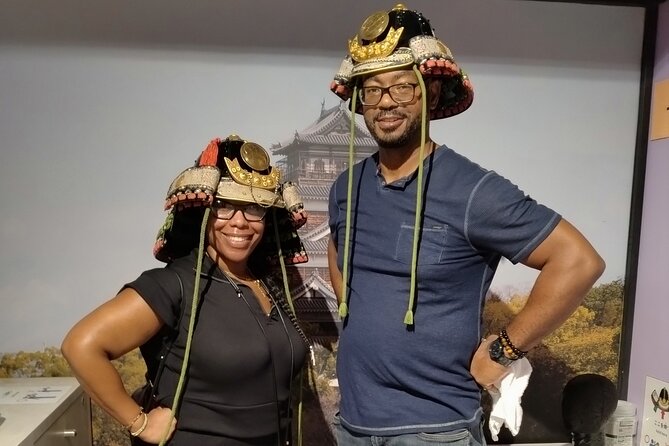
The journey to Miyajima is one of the strongest reasons to choose this experience. Hiroshima’s memorial sites ask for quiet attention. Miyajima brings sea views, traditional architecture, shops, shrine grounds, and deer into the same day.
The tour includes the Itsukushima Shrine Torii area, about 30 minutes, followed by around an hour on Miyajima Omotesandō Shopping Street. You then have about two hours at Itsukushima Shrine itself. Admission to the shrine is included.
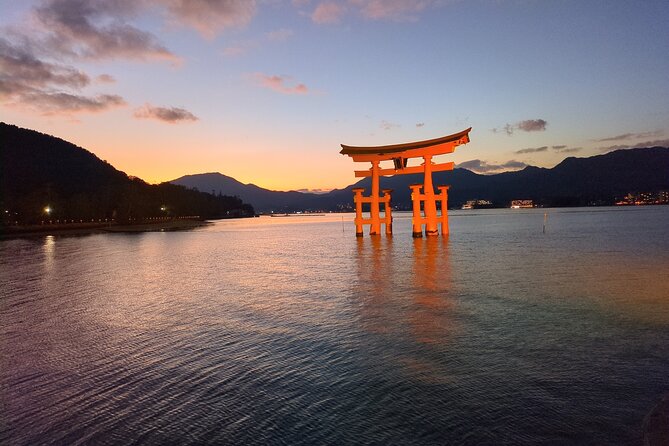
The famous Great Torii appears to float offshore at high tide, although the exact view changes with the tide and weather. The shrine’s relationship with the sea is what makes the setting so memorable. At low tide, the water may recede and change how close you can get to the Torii. The supplied details do not provide tide times, so check conditions separately if seeing the Torii surrounded by water is a top priority.
Miyajima is also home to deer, and one guest particularly appreciated seeing them after missing Nara. You should not expect the island to be a short stop with nothing beyond the shrine. Even with two hours at Itsukushima and time on Omotesandō Street, the visit covers only the main areas.
Itsukushima Shrine deserves unhurried attention
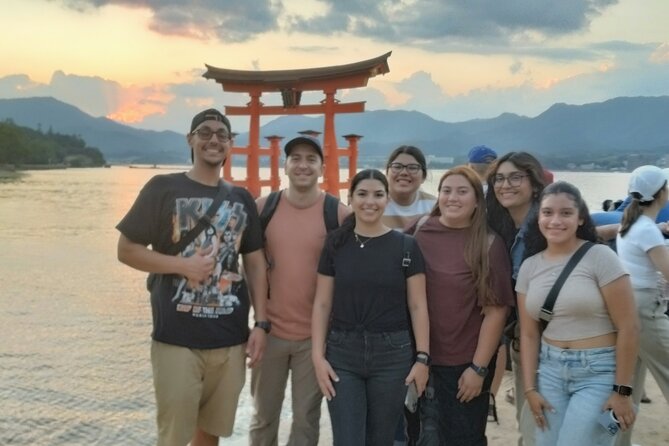
Itsukushima Shrine was constructed in 593 AD and is recognized as a UNESCO World Heritage site. Its vermilion buildings, sea setting, and Great Torii create a scene very different from Hiroshima’s city center.
The two-hour allocation gives your guide room to explain the shrine’s religious and cultural importance, not just point out the Torii. The water, buildings, walkways, and changing light make this a place where a rushed visit feels like a missed opportunity.
At the same time, the schedule is full. If you want extended time for shopping, a meal, or other parts of Miyajima, you may need to reduce time at an earlier Hiroshima stop. The private structure gives you a better chance of making that choice, but the eight-hour limit remains real.
Omotesandō Street brings food and local color
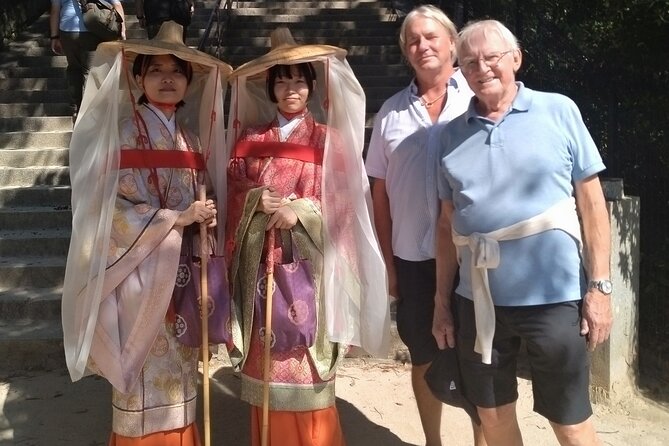
Miyajima Omotesandō Shopping Street is planned for about an hour. It is lined with traditional shops, local crafts, souvenirs, and Japanese snacks. This is the most relaxed commercial part of the day, and it gives you a chance to taste something or pick up a small reminder of the island.
Lunch is not included. That is not necessarily a problem, since your guide may help you find a suitable restaurant. Aya and Yoshi received particular praise for helping with vegan and vegetarian food, including finding a vegan restaurant. If you have dietary needs, tell the operator and guide early rather than waiting until you are hungry.
A private guide can also help you decide how much time to spend shopping and eating. Without that flexibility, it is easy to lose track of time on the street and then hurry through the shrine.
Private does not mean private transportation
This point deserves bold print on your planning list: the tour is private, but no private vehicle is included. You meet at the Peace Memorial Museum and finish at Miyajima Pier. Transportation costs from the meeting point to your desired places are also excluded.
The day may involve walking and public transportation. That keeps the price lower than a chauffeured tour, but it means you should budget for fares in addition to the $167.50 per-person tour price. One dissatisfied customer felt the added transportation cost made the package poor value, even though the exclusion is stated in the booking details.
The end point is important. If you are staying on Miyajima, the location is convenient. If you are returning to Hiroshima, you need to arrange the ferry and onward transport yourself. If you have a reserved train, allow a generous buffer. One guide, Masako, received exceptional praise after helping a couple deal with a traffic delay, retrieve luggage, buy food at the station, and reach the Shinkansen platform in time. That kind of help is valuable, but you should not build your schedule around a last-minute rescue.
How good is the guiding?
The strongest pattern in the feedback is the guides’ personal care. Masa is praised repeatedly for clear communication, flexibility, and attention to comfort. Aya is described as friendly, patient, locally connected, and able to tailor the day to food preferences and travel pace. Yoshiko is praised for keeping the day moving, while Masako is remembered for extraordinary practical help during a delayed return.
Those details matter because this route can feel like a string of unrelated sights without a good guide. The best guides connect the memorial museum to the Dome, place the castle in its historical setting, explain the garden’s design, and show why Miyajima is more than a famous Torii photo.
The record is not perfect. One guest found Yoshi’s English difficult and felt the explanations were too thin. Another felt a guide treated the itinerary as a checklist and failed to make clear choices about the castle and garden. I would protect yourself by discussing your priorities at the start: history, architecture, food, photography, walking pace, or time at Miyajima.
The $167.50 price and what you receive
At $167.50 per person, the tour is not the cheapest way to visit these sights. You still pay for transportation and lunch, and the day does not include hotel pickup or drop-off.
The price makes more sense if you value a private guide who can adjust the schedule, help with food, explain sensitive historical subjects, and manage public transportation. Admission to the Peace Memorial Museum, Hiroshima Castle, Shukkeien Garden, and Itsukushima Shrine is included, which removes several separate ticket purchases.
For a couple or family, the value depends heavily on the guide you receive. A strong guide can turn a complicated day into a clear, human experience. A weak guide leaves you paying for access to places that are easy enough to visit independently. The average booking lead time is 56 days, so reserve early if your Hiroshima dates are fixed, then confirm the details of transportation and the castle’s renovation status.
Walking, heat, and the right pace
This is an active day. You move between several city and island sights, spend time outdoors, and use public transportation. Hiroshima summers can be very hot, with August temperatures often above 35 degrees Celsius.
Carry water and use sun protection. A parasol can be useful, and light clothing will make the outdoor portions easier. Ask for short pauses if needed. The private format is well suited to older adults or mixed-pace groups when the guide takes the request seriously, but the tour is still eight hours long.
The experience is open to most people, and service animals are allowed. It is near public transportation, yet the provided details do not promise a private vehicle or special mobility arrangements. If you have specific access needs, confirm them before booking.
Who should book this Hiroshima day tour?
I would choose this tour if you want the major Hiroshima and Miyajima sights in one day and prefer having a local person manage the flow. It is especially useful for first-time visitors, families, couples, people with food restrictions, and anyone who wants to ask questions rather than read every sign alone.
It is less suitable if you want a slow day at Miyajima, dislike walking, need hotel transfers, or want firm control over every minute. Independent visitors can reach these places, and the tour’s value depends on the guide’s English, knowledge, and willingness to customize.
Should you book it?
Book it if the combination of private guiding, included admission, and a full Hiroshima-to-Miyajima route matches your plans. Ask before arrival how transportation will work, confirm which stops are definite, and check Hiroshima Castle’s renovation status if visiting from March 23, 2026 onward.
I would also start early if possible. One successful visit began around 8:30 a.m. and benefited from fewer crowds. With a strong guide such as Masa, Aya, or Masako, this can be a moving and highly practical day. Just budget for transport and lunch, keep the schedule realistic, and do not expect every listed stop to receive its full advertised time if traffic or personal choices change the plan.
Free cancellation is available up to 24 hours before the start time. If poor weather cancels the experience, you are offered another date or a full refund.
FAQ
How long is the Hiroshima and Miyajima private tour?
The tour lasts approximately eight hours.
Where does the tour begin?
It begins at the Hiroshima Peace Memorial Museum, located at 1-2 Nakajimachō, Naka Ward, Hiroshima.
Where does the tour end?
The tour ends at Miyajima Pier, also called Miyajima Sakibashi, in Miyajimacho, Hatsukaichi.
Is transportation included?
No. Private vehicle service is not included, and transportation costs from the meeting point to your desired places are paid separately.
Is lunch included?
No. Lunch is not included in the tour price.
Which admission fees are included?
Admission to the Hiroshima Peace Memorial Museum, Hiroshima Castle, Shukkeien Garden, and Itsukushima Shrine is included.
Is this a private group tour?
Yes. Only your group participates in the activity.
Is Hiroshima Castle open throughout the tour season?
Hiroshima Castle is scheduled to close for renovation from March 23, 2026. Confirm the available visit arrangements if you are traveling on or after that date.
Can I cancel for a full refund?
Yes. You can cancel at least 24 hours before the experience start time for a full refund. Cancellations or changes made less than 24 hours in advance are not refunded or accepted.
Just added in Hiroshima
- Hiroshima Peace Memorial Museum Ticket★ 4.8 · 2,727 reviews
- Hiroshima Peace Memorial Museum Admission★ 4.6 · 1,308 reviews
- Private Full Day Hiroshima Tour★ 4.5 · 29 reviews
- The Peace Memorial to Miyajima : Icons of Peace and Beauty★ 4.5 · 31 reviews
- Shore Excursion from Hiroshima Port : Private Tour in Hiroshima★ 5.0 · 17 reviews
- Hiroshima & Miyajima All-Inclusive Tour w/Licensed guide Pancho★ 5.0 · 54 reviews
- Okunoshima Rabbit Island Cycling Tour with Local Guide★ 4.5 · 17 reviews
- Hiroshima Country Cycling: Explore Rural Life 1 HR from City★ 5.0 · 22 reviews
Private Tours in Hiroshima, compared.
Hiroshima / Miyajima Full-day Private Tour with Government Licensed Guide
Read our review →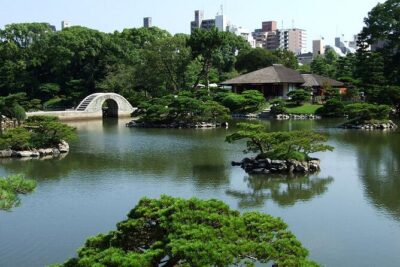
Hiroshima City 4hr Private Walking Tour with Licensed Guide
Read our review →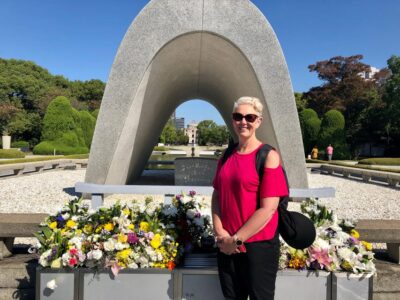
Hiroshima & Miyajima: Full-Day Private Tour & Licensed Guide
Read our review →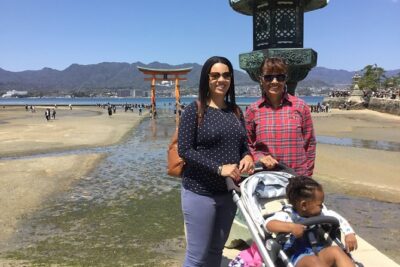
Miyajima Half-day Private Tour with Government Licensed Guide
Read our review →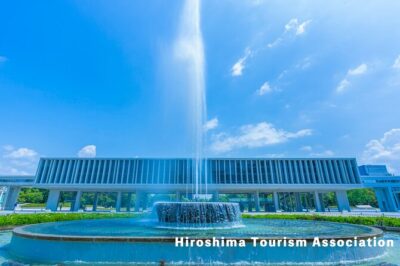
Hiroshima & Miyajima All-Inclusive Tour w/Licensed guide Pancho
Read our review →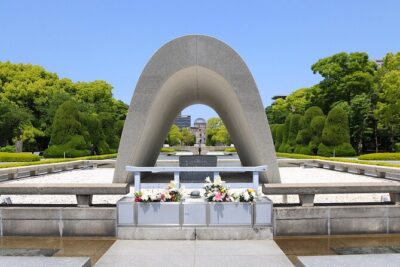
Hiroshima Private Tour: Best Highlights in a Day
Read our review →Browse the lists this tour appears in