
Reviewed · WALKING TOURS
Hiroshima City 4hr Private Walking Tour with Licensed Guide
Hiroshima asks you to remember, then keep living. This private four-hour walk pairs the Peace Memorial Museum with Hiroshima Castle and Shukkeien Garden, giving you both the city’s painful wartime story and its calmer cultural side. I like the private format, which lets you ask direct questions and adjust the pace, and I like the personal touch local guides bring. Guides such as Yuko, Sei, Mari, and Tomoyo have helped families, cruise passengers, history fans, and visitors with small children. The one catch is time: you usually see about two sites, not every listed stop in full.
This is a serious tour, not a light sightseeing stroll. The museum can be upsetting, and much of the four hours takes place outdoors. You should also budget separately for entrance fees, local transport, food, and personal expenses. Still, at $122.70 per person, the price can make sense for a first visit, especially if you value a private guide who can explain what you are seeing rather than simply point at it.
In This Review
- Key Points Before You Book
- Why a Private Walk Works So Well in Hiroshima
- Meeting Your Guide and Getting Around
- Peace Memorial Museum: The Tour’s Emotional Center
- Peace Memorial Park and the A-Bomb Dome
- Hiroshima Castle and the Carp Castle Story
- Shukkeien Garden: A Quiet Counterpoint
- How Much Can You Really See in Four Hours?
- Guides Who Add More Than Facts
- Lunch, Okonomiyaki, and Extra Local Help
- Is $122.70 Per Person Good Value?
- Who Should Book This Hiroshima Tour?
- Booking Tips for a Smoother Day
- Should You Book It?
- FAQ
- How long is the Hiroshima private walking tour?
- Is hotel pickup included?
- Are admission tickets included?
- How many attractions will I visit?
- Is transportation included?
- Can I cancel for a full refund?
Key Points Before You Book
- The Peace Memorial Museum sets the tone: Expect a moving and difficult hour focused on the atomic bombing and its human cost.
- You usually visit two sites in four hours: The museum, castle, and garden are all possible targets, but seeing each one fully may be too much.
- Your guide can shape the day: Yuko, Sei, Mari, Tomoyo, Yoko, Yuji, and other local guides have adjusted routes, answered questions, and helped with heat, children, and time limits.
- Pickup is a walking meetup: You meet your guide on foot at a hotel or train station within the designated Hiroshima area. A private vehicle is not included.
- The tour mixes sorrow with beauty: Shukkeien Garden and Hiroshima Castle provide a useful counterpoint to the Peace Park.
- Plan for extra costs: Admission tickets, transportation, lunch, and other personal expenses are not included.
Why a Private Walk Works So Well in Hiroshima
Hiroshima is easy to visit on your own, but it is not always easy to understand. Memorials, ruins, gardens, and rebuilt streets sit close together, yet the meaning behind them is not always obvious from a quick look.
A private guide changes the experience. You can ask why a monument matters, how the city recovered, or what daily life in Japan is like now. You are not waiting for a group to catch up, and your guide can spend more time on the subjects that interest you.
The private setup also helps with sensitive material. The Peace Memorial Museum covers a painful subject, and you may want to pause, ask questions, or move at a slower pace. Your guide can help you process what you are seeing without turning the visit into a rushed checklist.
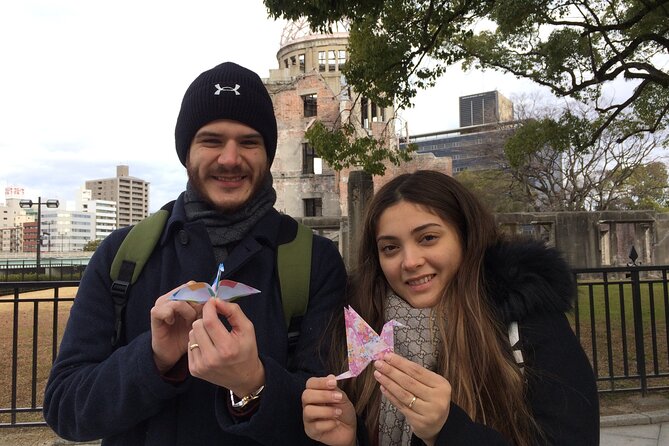
The strongest part of this experience is the human connection. Guides bring different stories and interests. Mari has spoken about her own family’s connection to Hiroshima. Tomoyo has shared stories about samurai, Japanese history, and A-bombed buildings. Yuko has used origami folding to close a difficult day on a hopeful note.
That variety matters. You are not getting a recorded script. You are spending time with a local person who can explain Hiroshima from a personal and present-day point of view.
More Private Tours in Hiroshima
- Hiroshima / Miyajima Full-day Private Tour with Government Licensed Guide
★ 5.0 · 1,298 reviews - Hiroshima & Miyajima: Full-Day Private Tour & Licensed Guide
★ 4.8 · 252 reviews - Miyajima Half-day Private Tour with Government Licensed Guide
★ 5.0 · 184 reviews
Meeting Your Guide and Getting Around
Pickup is offered on foot from a hotel or train station within the designated area of Hiroshima. The exact meeting point is important, so confirm it carefully before the day. One recent booking involved a guide meeting a family at a train station exit, while other arrangements began at a cruise port.
The standard service is a walking tour, not a private car tour. Transportation fees are excluded, and the advertised experience does not include a private vehicle. Cruise passengers should take special care here. Guides have helped people use trams, taxis, and other public transport, but those costs and arrangements may need to be handled separately.
Sei, for example, helped a family buy tram tickets and escorted them between the cruise port and Peace Memorial Park. Another guide arranged a vehicle for a family arriving at the terminal. These examples show useful flexibility, but they should not be read as a guaranteed vehicle service. Ask about your port pickup and transport needs before booking.
The walking itself is manageable for most people, but this is still four hours on your feet, with much of the time outdoors. Summer heat can be intense. A guide has helped visitors rest in the shade and even queued for museum tickets while they took a break. If you are traveling with young children, older family members, or anyone who struggles in heat, tell the guide in advance.
Peace Memorial Museum: The Tour’s Emotional Center
The Peace Memorial Museum is usually the most important stop. Admission is not included, and the standard visit is listed as about one hour.
You will encounter exhibits about the atomic bombing, its effects on Hiroshima, and the lives of people caught in the attack. This is not a casual museum visit. The subject is sorrowful, and some displays may stay with you long after you leave.
A guide adds useful context before and after your visit. You can ask about the events of August 6, 1945, the city before the bombing, the immediate aftermath, and the rebuilding that followed. Several guides have used photographs, family accounts, and stories about local buildings to help connect the museum displays to the city around you.
That personal layer is one reason I would choose a private tour instead of entering the museum alone. You can ask a question when it occurs to you, rather than trying to remember it for later. You can also shift the discussion toward the parts of the story that matter most to you, from military history to civilian life or postwar recovery.
Allow yourself emotional space. The museum may take the full hour, and you may not want to rush straight into another major sight. The four-hour schedule gives you a guide, but it does not make the subject lighter. Go in prepared for a quiet and serious portion of the day.
Peace Memorial Park and the A-Bomb Dome
The Peace Memorial Museum sits within Peace Memorial Park, a large open area of more than 120,000 square meters. The park gives physical space to the history you have just encountered in the museum.
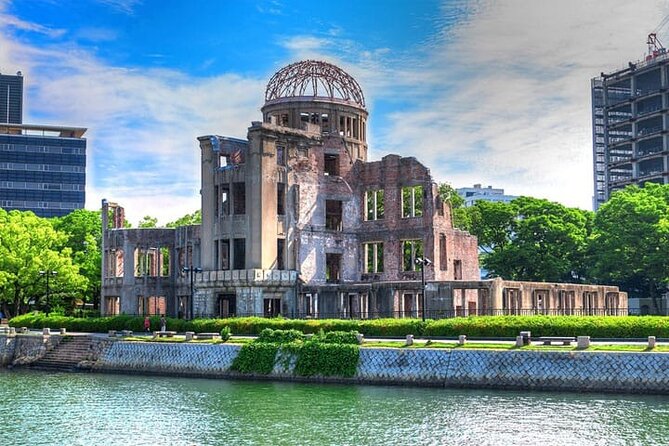
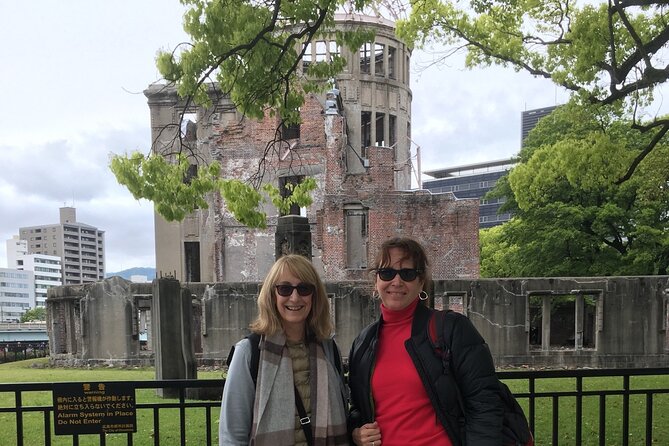
The A-Bomb Dome is one of Hiroshima’s most recognizable sights. Its damaged structure remains a powerful reminder of the bombing, and guides explain its place within the city’s memorial area. You can also see nearby monuments and other points connected with the city’s peace message.
The supplied schedule names the museum, but guides often include the wider park and A-Bomb Dome as part of the visit. This is another reason to discuss your priorities when you meet. If the museum and memorials are your main reason for coming to Hiroshima, say so clearly.
A good guide can also point out less obvious places. Tomoyo has shown visitors A-bombed buildings that many standard sightseeing routes skip. Another family visited a former Japanese school that survived the bombing and later became a relief center. Details like these can make the story feel less distant and more connected to ordinary people and real places.
The park is also a practical place to slow down. You can walk between memorials, listen to your guide, and take a moment before moving on. That slower rhythm is hard to get when you are trying to squeeze the whole area into a hurried independent visit.
More Walking Tours in Hiroshima
- Hiroshima Historical Walking Tour – Why A-Bomb was Dropped
★ 4.8 · 893 reviews - Hiroshima Peace (Heiwa) Walking Tour at World Heritage Sites
★ 5.0 · 872 reviews - Hiroshima Walking Tour Why A Bomb was dropped to Hiroshima
★ 5.0 · 347 reviews - Miyajima Half-day Trip Historical Walking Tour
★ 5.0 · 284 reviews
Hiroshima Castle and the Carp Castle Story
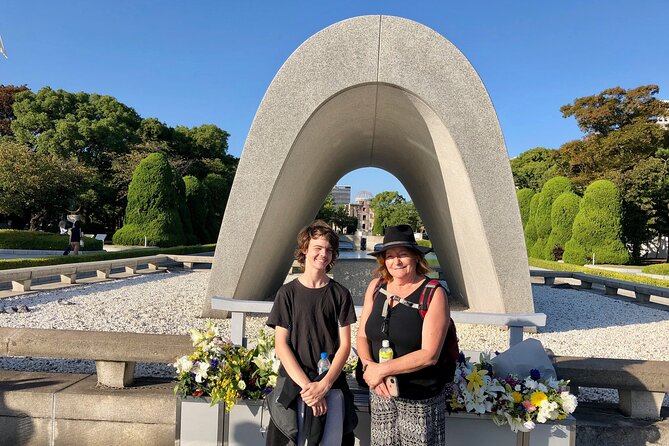
Hiroshima Castle provides a sharp change of mood. Also called the Carp Castle, it is a five-story keep built on a plain in the middle of the city. That makes it different from the hilltop and mountaintop castles you may see elsewhere in Japan.
The castle helps you understand Hiroshima before the atomic bombing. Guides can discuss the city’s samurai-era past, local history, and the role of the castle in the growth of Hiroshima. It is not only a photo stop. It gives the city a longer timeline than the events of 1945.
The main keep is reconstructed, so you should not expect an untouched medieval building. Still, the site is useful because of its location and the contrast it creates with Peace Memorial Park. In one morning or afternoon, you can move from samurai history to wartime destruction and then to postwar Hiroshima.
Admission is not included. If you spend a full hour here, you may need to shorten the garden visit or give less time to the Peace Park. The private format helps your guide make that choice with you, but four hours remains four hours.
Shukkeien Garden: A Quiet Counterpoint
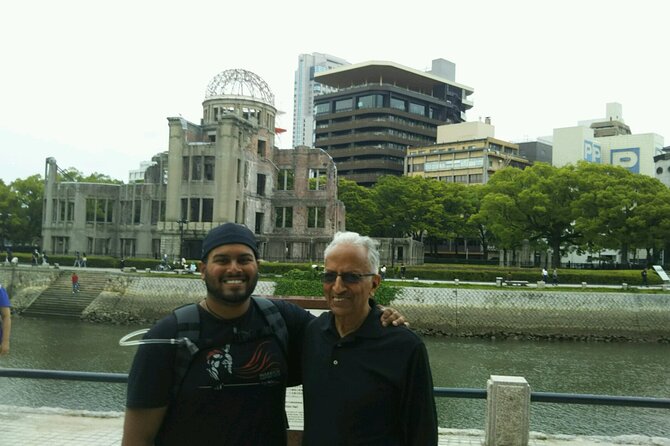
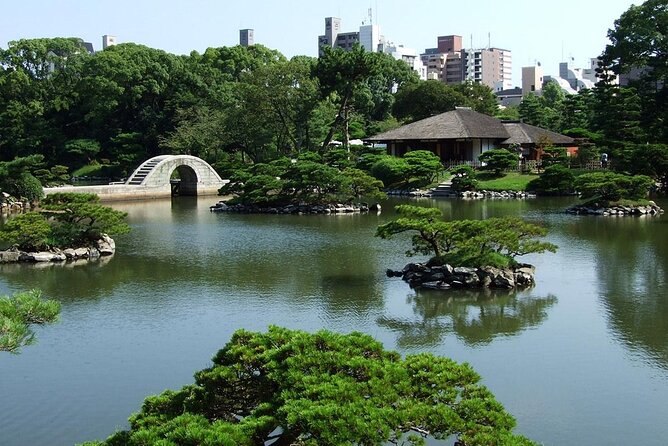
Shukkeien is a Japanese garden and a National Scenic Spot. It is also included among Japan’s Top 100 Historical Parks. The garden offers ponds, carefully arranged views, and a peaceful setting after the intensity of the museum.
This is not filler. Shukkeien helps you see Hiroshima as a living city rather than only a place of remembrance. The garden also carries its own connection to the bombing. One guide explained that it witnessed the event and its aftermath, giving the quiet paths a more serious meaning.
The garden is a good place for conversation. Mari spent time here watching turtles with visitors, and Erika folded origami cranes with a family on a rainy day. Those small moments show how the private tour can move beyond facts and create a more relaxed exchange with your guide.
Admission is extra, and the garden takes about an hour in the planned schedule. If you want a slow garden visit, do not assume you can also see every part of the museum, castle, and Peace Park in detail. One four-star assessment made this exact point: fitting all three major stops into the time can be difficult.
If you are visiting Shukkeien separately the next day, tell your guide. You can then put more of your four hours toward the museum, memorials, or castle.
How Much Can You Really See in Four Hours?
The practical answer is about two sites on average. The three listed stops each carry an estimated one-hour visit, and that leaves no real allowance for walking, questions, ticket lines, or breaks.
The route may work in different combinations:
- Peace Memorial Museum and Peace Memorial Park
- Peace Memorial Museum and Hiroshima Castle
- Hiroshima Castle and Shukkeien Garden
- A shorter look at two sites with memorial stops along the way
The best combination depends on your interests. For a first visit, I would put the Peace Memorial Museum and Peace Memorial Park first. If you have already visited the museum, the castle and garden offer a better balance of city history, architecture, and nature.
Your guide may also change the order. Starting at Shukkeien can make sense if you want a gentle opening before the museum. Another option is to finish with something hopeful, such as origami cranes, a local meal, or a quiet walk.
Be clear about your priorities during the booking conversation or at the start. The tour is private, but it is not unlimited. You get flexibility, not extra hours.
Guides Who Add More Than Facts
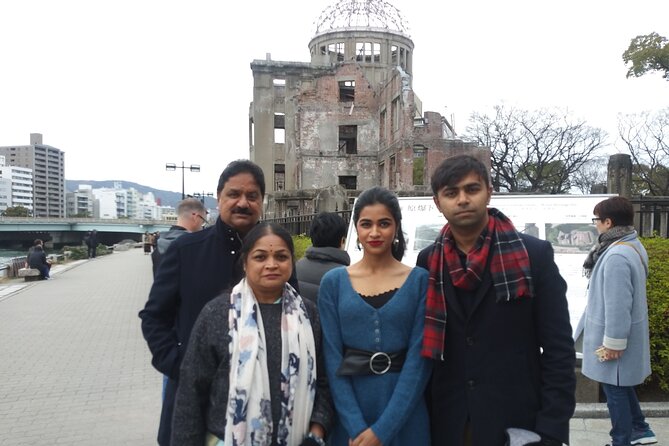
The guide quality is the main reason this tour receives such strong praise. Visitors have repeatedly described guides as warm, patient, easy to talk with, and highly informed about Hiroshima.
Yuko has been especially good at planning around a fixed arrival time, contacting people before the tour, and finishing on schedule. She has also answered questions before the meeting and added origami to the day. That kind of communication is valuable if you are arriving by train and have only a narrow window.
Sei has helped families with public transport, museum queues, heat, and shade. He has also guided large family groups with grandparents, adults, and teenagers. His strength seems to be practical care as much as historical explanation.
Mari brings personal family connections and a broad grasp of the bombing, the war, recovery, and local culture. Tomoyo has combined the museum with stories of samurai, surviving buildings, and Japanese life. Yoko has made visitors feel welcome while keeping the subject thoughtful.
English ability appears strong overall, though one assessment noted that follow-up questions occasionally needed extra clarification. That is a fair reminder that guides have different speaking styles. If a particular guide matters to you, request that person, but understand that availability is not guaranteed.
Lunch, Okonomiyaki, and Extra Local Help
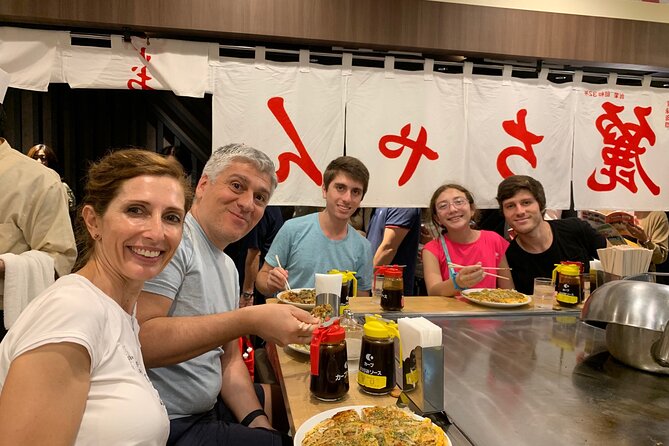
Lunch is not included, but a guide may help you find a local restaurant or suggest Hiroshima specialties. Several outings included Hiroshima-style okonomiyaki, a meal that became a favorite for at least one visitor.
Do not count on lunch being part of the standard four-hour route. Treat it as an optional addition if time and your guide’s schedule allow. If food matters to you, mention it when discussing your plans.
Guides can also provide practical advice for the rest of your Japan trip. That may include transport help, local dining suggestions, or ideas for another Hiroshima visit. One guide suggested Miyajima for a return visit, while another offered to show less familiar places in Hiroshima Prefecture.
These conversations are a quiet benefit of a private tour. You can ask the questions that do not fit a group lecture, such as how to order a dish, how to use the tram, or how to make the most of a short stop.
Is $122.70 Per Person Good Value?
At $122.70 per person, this is not the cheapest way to walk around Hiroshima. You still pay for museum, castle, and garden admission, plus transport and lunch. If you are comfortable reading signs and planning your own route, you can visit the main sights for much less.
The value comes from the guide’s time and attention. A private four-hour service can be worthwhile for a family, a first-time visitor, a cruise passenger, or anyone who wants help with transport and interpretation. It is also useful when you have limited time and cannot afford a wrong turn or a long ticket queue.
The price becomes less attractive for solo visitors on a tight budget, especially if you only want to photograph the A-Bomb Dome and walk through the park. It also requires realistic expectations. You are paying for a personal introduction, not admission to every attraction or a private car.
Group discounts may be available, and only your own group participates. For several people, the cost per person may compare favorably with a private guide arranged independently, particularly when the guide helps with families, language questions, or cruise-port timing.
Who Should Book This Hiroshima Tour?
I would recommend it most strongly to:
- First-time Hiroshima visitors who want context
- Families with children, teenagers, or older relatives
- Cruise passengers with a fixed return time
- History-focused visitors who want to ask detailed questions
- People who prefer a private pace to a large group
- Visitors who want both memorial sites and everyday Japanese culture
You should think twice if you dislike walking, want a vehicle throughout the day, or expect all admissions and meals to be included. It may also feel heavy if you are not ready to spend an hour with the subject of the atomic bombing.
The tour is suitable for most people, and service animals are allowed. Still, tell the provider about mobility concerns, small children, heat sensitivity, or a strict schedule. The guides have shown that they can adapt, but they need useful information before the day begins.
Booking Tips for a Smoother Day
Choose the morning or afternoon start that fits your train, hotel, or cruise schedule. Confirm the exact walking meeting point, especially if you are meeting at a station or port.
Wear comfortable shoes and prepare for outdoor conditions. Bring water and allow extra money for admissions, transportation, lunch, and personal purchases. The tour is outdoors for much of its length, and summer heat can affect your pace.
Tell the guide your top priority. If the museum is essential, protect enough time for it. If you have already visited Peace Memorial Park, ask to focus on Hiroshima Castle, Shukkeien, local food, or less familiar sites.
You can cancel for a full refund up to 24 hours before the start time. Date changes are allowed up to two days before the tour, but a new guide or new date may not be available. Changes or cancellations made less than 24 hours before the start are not accepted for a refund.
Should You Book It?
Book this tour if you want Hiroshima explained by a local person, not simply photographed from a map. The private format, thoughtful guides, and mix of memorials, castle, and garden make it a strong first-day introduction.
I would book it with one clear request: agree on the two or three places that matter most to you. The Peace Memorial Museum and park deserve time, and trying to add Hiroshima Castle and Shukkeien at full length can make the day rushed.
For families, cruise passengers, and history-minded visitors, the value is strong. For budget travelers who only need directions, it is less compelling. Hiroshima is easy to walk, but understanding what you are seeing is where this tour earns its price.
FAQ
How long is the Hiroshima private walking tour?
The tour lasts approximately four hours.
Is hotel pickup included?
Pickup is offered on foot from a hotel or train station within the designated area of Hiroshima. It is not pickup by private vehicle.
Are admission tickets included?
No. Entrance fees for the Peace Memorial Museum, Hiroshima Castle, Shukkeien, and other attractions are not included unless specifically covered under the tour details.
How many attractions will I visit?
You can see about two sites on average from the planned stops. Visiting all three listed locations in depth may be difficult within four hours.
Is transportation included?
No. Transportation fees are not included, and the tour does not provide a private vehicle. Guides may help you use public transportation, but those costs are separate.
Can I cancel for a full refund?
Yes. You can cancel at least 24 hours before the experience start time for a full refund. Cancellations or changes made less than 24 hours before the start are not accepted for a refund.
Just added in Hiroshima
- Hiroshima Peace Memorial Museum Ticket★ 4.8 · 2,727 reviews
- Hiroshima Peace Memorial Museum Admission★ 4.6 · 1,308 reviews
- Private Full Day Hiroshima Tour★ 4.5 · 29 reviews
- The Peace Memorial to Miyajima : Icons of Peace and Beauty★ 4.5 · 31 reviews
- Shore Excursion from Hiroshima Port : Private Tour in Hiroshima★ 5.0 · 17 reviews
- Hiroshima & Miyajima All-Inclusive Tour w/Licensed guide Pancho★ 5.0 · 54 reviews
- Okunoshima Rabbit Island Cycling Tour with Local Guide★ 4.5 · 17 reviews
- Hiroshima Country Cycling: Explore Rural Life 1 HR from City★ 5.0 · 22 reviews
Walking Tours, compared.
Kyoto Geisha Walking Tour: Gion District & Hidden Gems
Read our review →
Tokyo Tsukiji Fish Market Food and Culture Walking Tour
Read our review →
Gion Magical Night Walking Tour with Geisha Trivia
Read our review →
Imperial Palace and Shogun Historical Walking Tour
Read our review →
Gion Geisha District Walking Tour – Stories of Geisha
Read our review →
Shinjuku Local Bar and Izakaya Guided Walking Tour
Read our review →
Browse the lists this tour appears in