
Reviewed · DAY TRIPS
Hiroshima: Miyajima Island Half-Day Tour with Guide
Miyajima rewards a little local guidance. This four-hour outing gives you an easy way to reach the island, understand Itsukushima Shrine, and find quieter corners beyond the main shopping street. I especially like the included shrine admission and the chance to taste a grilled Hiroshima oyster and momiji manju, a sweet cake shaped like a maple leaf. The guide also takes photos for you, a small but useful touch when you want to remember the day without constantly holding your phone.
The main catch is simple: transportation and lunch are not included, even though the guide handles the ferry and shrine arrangements during the tour. You meet outside Miyajimaguchi Station, not in central Hiroshima, so you need to make your own way there. Four hours is enough for the major sights, but not enough for a relaxed island day with hiking, long shopping stops, and a full meal.
- The tide shapes the visit: Your guide checks the forecast and aims for a good view of the famous torii gate.
- Local food is part of the walk: You sample momiji manju and enjoy a Hiroshima oyster when available.
- The route mixes famous and quieter sights: Itsukushima Shrine, Omotesando, Daishoin Temple, and a less publicized photo stop all fit into the morning or afternoon.
- The ferry crossing is short: The ride from Miyajimaguchi to Miyajima takes about 15 minutes.
- Guides add personal help: Sony, Kaku, Hendri, Ambar, and Aido are praised for clear explanations, photos, restaurant suggestions, and help with onward transport.
- It suits a short Hiroshima visit: You see the island’s essentials without giving up a whole day.
In This Review
- Meeting at Miyajimaguchi Station
- A 15-Minute Ferry Across the Seto Inland Sea
- Omotesando Street: Food, Shops, and Island Snacks
- Itsukushima Shrine and the Changing Torii Gate
- Daishoin Temple and a Quieter Side of Miyajima
- The Secret Photo Stop
- Pace, Walking, and What Four Hours Really Means
- Is $77 a Fair Price?
- Food, Lunch, and the Practical Budget
- The Guides Are the Main Reason to Book
- Who Should Take This Miyajima Tour?
- Should You Book It?
- FAQ
- How long does the Miyajima tour last?
- Where does the tour meet?
- Is transportation included in the price?
- How long is the ferry ride?
- Is the Itsukushima Shrine ticket included?
- Does the tour include lunch?
- What food can you taste?
- Will I see the famous torii gate at high tide?
- Is the tour conducted in English?
- Is the tour wheelchair accessible?
- Can I cancel for a refund?
- Do I have to pay when I book?
Meeting at Miyajimaguchi Station
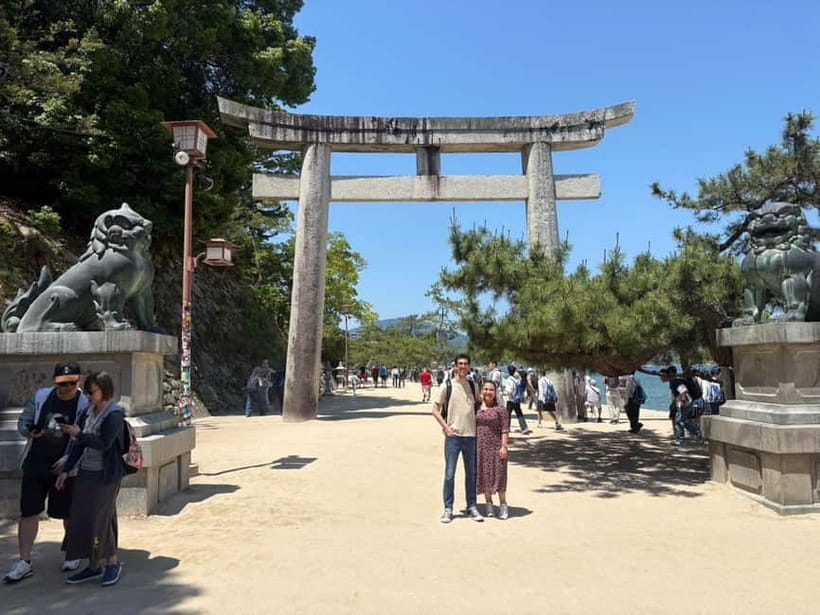
The tour begins outside the ticket gates at Miyajimaguchi Station, by the coin locker area. This detail matters because Miyajima itself is reached by ferry, and you do not meet the guide on the island.
Plan your route to the station carefully and allow enough time to find the meeting point. The tour price is listed at $77 per person, but your journey to Miyajimaguchi and the transportation fee are separate costs. The station is the practical gateway to the island, and meeting there lets the guide coordinate the ferry and shrine tickets before you board.
The guide speaks English, and the experience is wheelchair accessible. The activity has a 4.9 rating from 71 reviews, with especially strong praise for the guides’ organization, friendliness, local insight, and willingness to adjust the pace for shopping and questions.
A 15-Minute Ferry Across the Seto Inland Sea
The ferry crossing takes about 15 minutes. It is not a long voyage, but it gives you a clean break from the mainland and your first look at Miyajima’s setting in the Seto Inland Sea.
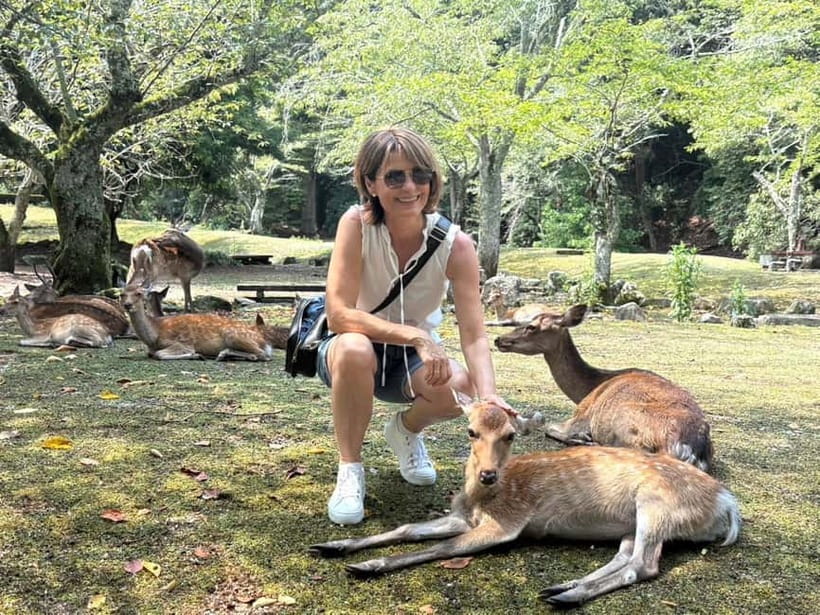
Your guide takes care of the ferry arrangements, so you can focus on the approach to the island. On arrival, deer are among the first attractions. They roam freely around Miyajima and are charming, curious, and very interested in anything edible.
Keep food and drinks close while walking near them. One useful warning from the tour experience is that the deer may try to take food from the ground or from your hands. They are delightful subjects for photos, but they are not shy about making a snack choice for you.
More Day Trips in Hiroshima
- Hiroshima: Hiroshima and Miyajima UNESCO Sites 1-Day Tour
★ 4.9 · 2,330 reviews - From Hiroshima: Hiroshima & Miyajima 1 Day Tour with Lunch
★ 4.7 · 395 reviews - Hiroshima and Miyajima Day Trip with Itsukushima Shrine & Ferry
★ 5.0 · 378 reviews
Omotesando Street: Food, Shops, and Island Snacks
Omotesando Shopping Street is the island’s main commercial lane. You have about an hour for guided sightseeing, shopping, food tasting, and a look at the local food market.
This is where the tour’s food element becomes useful. You taste momiji manju, a maple-leaf-shaped cake associated with Miyajima. It is a modest sweet, but it gives you a direct connection to the island’s food culture and makes a pleasant break between temples and shrine buildings.
The experience also includes a Hiroshima oyster, grilled when it is in season. Oysters are a local specialty, so this is a better use of your limited food time than stopping randomly for a familiar snack. Availability can depend on the season, and lunch itself is not included, so you should budget extra if you want a full meal.
The hour gives you room to browse, but you will need to listen to the guide’s timing. Shoppers who want to inspect every store will find the schedule tight. If you are happy with a taste, a few purchases, and an introduction to the street, the pace should work well.
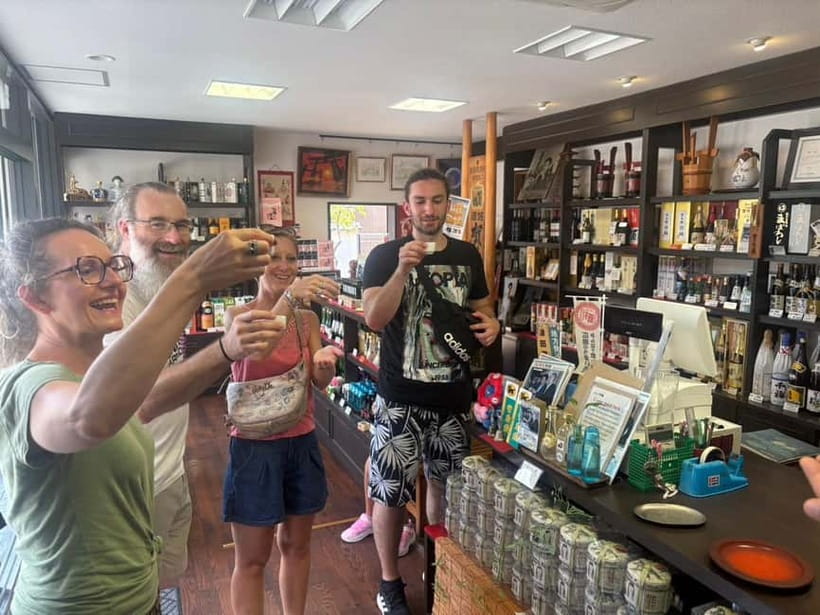
Some guides also point out local lemon drinks, sake, specialty sweets, and places to collect stamps for a stamp book. Those extras are not guaranteed parts of every departure, but they show how much the route can depend on your guide and your interests.
Itsukushima Shrine and the Changing Torii Gate
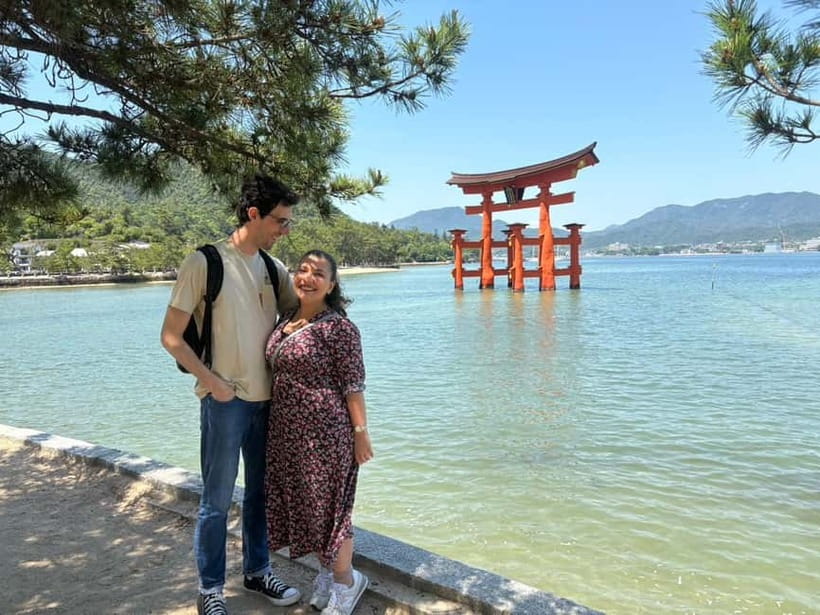
Itsukushima Shrine is the central reason many people come to Miyajima. The shrine is UNESCO listed, and its vermilion buildings create the island’s famous image across the water.
The tide changes the entire view. At high tide, the torii appears to float offshore. At low tide, you can walk out toward it across the exposed ground. Your guide checks the tide forecast and tries to schedule the best photo window, though exact conditions depend on the day and the tour start time.
That tide planning is one of the strongest reasons to book a guide. You can check the tide yourself, but a local guide can fit the shrine visit into the wider route and explain why the scene looks different from one hour to the next. You should still treat the timing as an aim, not a promise. Weather, ferry timing, and the selected departure may limit the photo opportunity.
Inside the shrine, the guide explains the buildings, customs, and objects you see. This changes the visit from a quick photograph into a place with meaning. Several guides are praised for explaining Japanese culture and answering questions clearly, which is particularly useful if this is your first shrine visit in Japan.
The tour does not promise a long, detailed shrine study. You have roughly an hour here, including the guided visit, so expect a focused introduction rather than time to examine every corner at your own pace.
Daishoin Temple and a Quieter Side of Miyajima
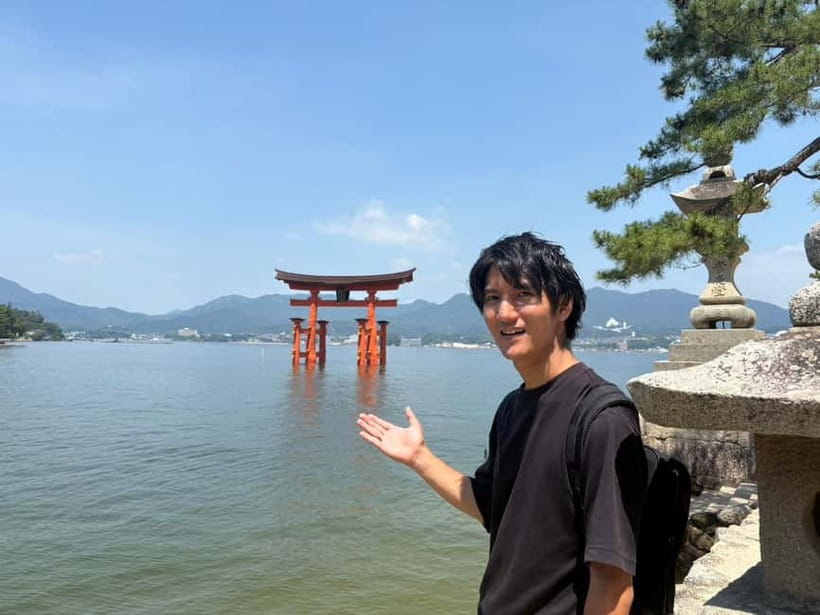
Daishoin Temple gives the tour a different mood. After the open views around the shrine and the shops of Omotesando, the temple offers a calmer stop with more room for reflection.
The supplied tour details describe a guided visit of about an hour as part of the island itinerary, while the broader schedule also lists a 30-minute secret stop. Exact timing may vary, but the plan clearly aims to include more than the standard shrine-and-shopping route.
One especially unusual detail from the experience is a sensory-deprivation purification ritual involving a walk through darkness at the Buddhist temple. You should not assume that every departure includes the same temple activity, but ask your guide about it if you are interested. It can be a memorable way to encounter a Japanese religious custom instead of simply looking at architecture.
Guides such as Kaku and Hendri are praised for leading people to less crowded places and explaining the island’s cultural importance. That matters on Miyajima, where the main approach can feel busy. A guide who knows when to step away from the central path can give you a better sense of the island beyond its famous postcard view.
A completely different kind of day out:
- Peaceful Hiroshima & Miyajima UNESCO 1 Day Bus Tour
★ 5.0 · 5,309 reviews - Hiroshima Peace Memorial Museum Ticket
★ 4.8 · 2,727 reviews - Hiroshima Peace Memorial Museum Admission
★ 4.6 · 1,308 reviews - Hiroshima / Miyajima Full-day Private Tour with Government Licensed Guide
★ 5.0 · 1,298 reviews
The Secret Photo Stop
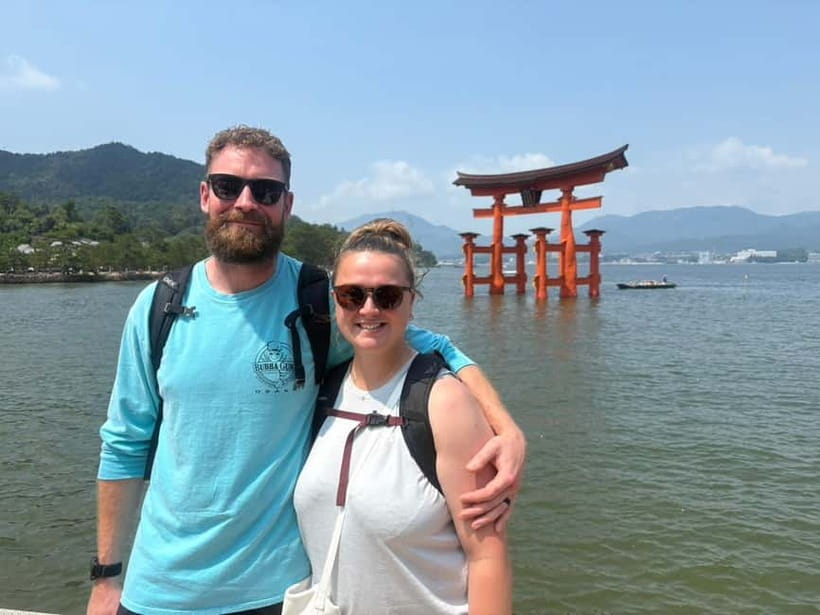
The final 30-minute portion is described as a secret stop with sightseeing, walking, and photos. The exact location is not specified, which is sensible for a tour that may adapt to the day, the tide, and the guide’s local knowledge.
This is also where the photo service can pay off. Your guide takes pictures and shares them after the tour, so you can enjoy the walk without turning every moment into a self-timer exercise. Several guides receive praise for finding good photo spots and taking many pictures.
Do not expect a formal professional photo session. Think of it as helpful documentation during a walking tour. The value is highest for solo visitors, couples, and small groups who want photos together.
Pace, Walking, and What Four Hours Really Means
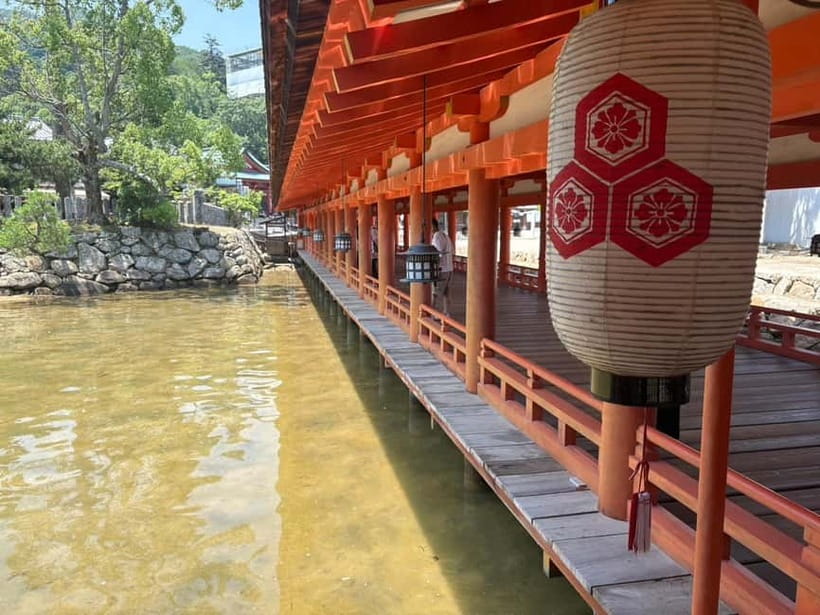
This is a walking tour with a ferry crossing. One person specifically noted that you need to take the local train to the station near the ferry, though the connection is easy. The tour then combines ferry travel, shopping streets, shrine grounds, temple areas, and walking between stops.
Four hours is a good length for a short stay in Hiroshima. You can see the main sights without spending an entire day on the island. Solo visitors may also appreciate the chance to meet other people while having a guide keep the group moving in the right direction.
The schedule is not designed for long independent wandering. You may have time to shop and eat, but the guide needs to bring everyone to the next stop. If you prefer to linger at the shrine, browse every souvenir shop, or wait for a particular tide position, plan a separate return visit.
The guide can make a major difference to the pace. Sony is praised for being organized, patient, and willing to give people time for shopping and eating. Kaku receives similar praise for answering questions and allowing a comfortable rhythm. Ambar is described as warm and helpful for a solo participant, while Hendri is praised for clear communication before the tour and strong English.
Is $77 a Fair Price?
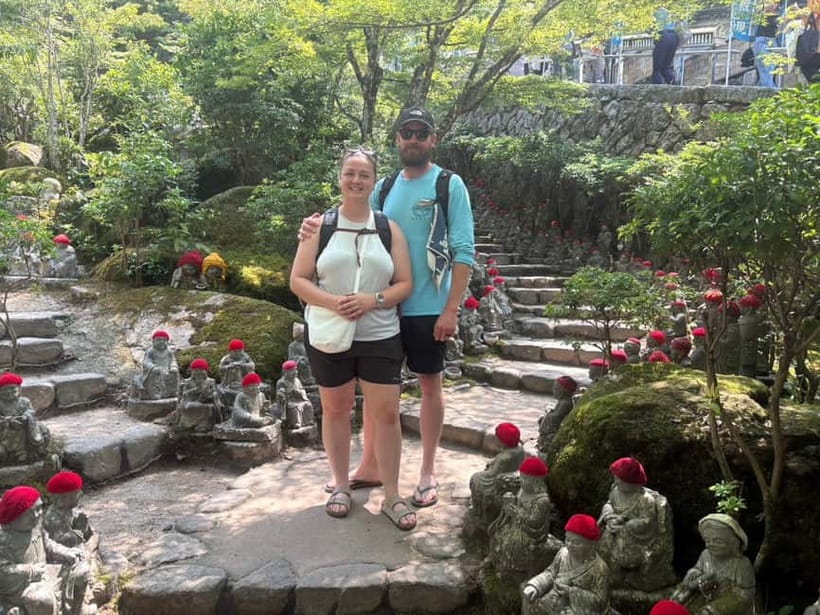
At $77 per person, this is not the cheapest way to see Miyajima. You still pay your own transportation costs, and lunch is separate. If you are comfortable navigating trains, ferries, shrine admission, and the island on your own, you can likely spend less.
The price becomes easier to justify if you value structure and interpretation. Shrine admission is included, a local English-speaking guide stays with you, ferry arrangements are handled, local food tastings are part of the experience, and photos are shared afterward.
You are also buying time. A self-guided visit requires you to research the tide, work out the ferry, choose an efficient route, and decide what details at the shrine and temple deserve attention. This tour puts those pieces together in four hours.
I would call it good value for a first visit, especially if you have only one free half-day in Hiroshima. It is less attractive for repeat visitors who already know Miyajima or for anyone who prefers complete freedom over a fixed route.
Food, Lunch, and the Practical Budget
The included food is a tasting, not a full meal. You receive momiji manju, and the tour includes a Hiroshima oyster, grilled when in season. The itinerary also allows about an hour around food and shopping, but lunch is explicitly not included.
Budget for your own meal and drinks. Guides may suggest a restaurant, and one guide even called ahead to reserve dinner for a participant after the tour. That kind of help can be valuable, but restaurant reservations are not listed as a guaranteed service.
The deer make food handling worth mentioning again. Do not set snacks or drinks on the ground, and be prepared for curious animals to approach. Their presence adds fun to the island, but it can turn a quiet bite into a chase.
The Guides Are the Main Reason to Book
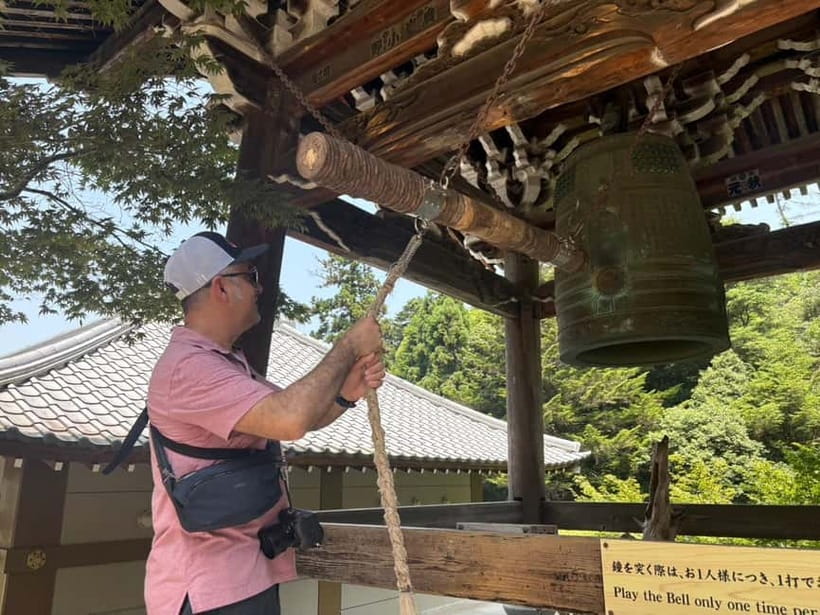
The experience is delivered by AIDO, with guides including Sony, Kaku, Hendri, Ambar, and Aido. The strongest praise centers on their friendliness, clear communication, cultural explanations, photo help, and ability to show less crowded places.
Sony is repeatedly described as patient, organized, kind, and generous with photos. Kaku is praised for history, local customs, good pacing, hidden corners, and help with restaurant planning. Hendri receives strong marks for simple meeting instructions, warm presentation, and fluent English.
Aido is praised for finding good viewpoints and teaching cultural customs. One departure also had an assistant who helped keep the group together and answered questions while walking. You should expect the exact personality and route to vary by guide, but the consistent pattern is personal attention rather than a rushed script.
The guide can also help after the official sightseeing ends. One person was shown the correct bus line back, while another received a restaurant recommendation and reservation help. These are small services, but they matter when you are tired and trying to make your next connection.
Who Should Take This Miyajima Tour?
I would recommend it to first-time visitors, solo travelers, couples, and anyone with a short Hiroshima schedule. It is also a good choice if you want cultural context at Itsukushima Shrine and Daishoin Temple rather than only photographs and souvenir shopping.
The tour suits people who like a clear route but still want time for food and browsing. Its wheelchair-accessible status is useful, though you should confirm any personal mobility needs and the day’s exact route before booking.
I would be more cautious if you want a full island day. Four hours does not allow much extra time beyond the listed sights, and transportation to the meeting point, lunch, and additional activities cost more. Hikers and slow shoppers may prefer to visit independently and stay longer.
Booking is flexible, with free cancellation up to 24 hours before the tour and a reserve-now, pay-later option. Starting times vary, so check availability and consider the tide forecast when choosing your departure.
Should You Book It?
Book this tour if you want Miyajima’s major sights explained by a friendly local guide, with ferry and shrine logistics handled and a few local tastes included. The tide advice, photo service, quieter stops, and help with restaurants or onward transport add real value.
Skip it if you already know the island, want a long unstructured visit, or are focused on keeping costs as low as possible. For everyone else, this is a practical four-hour introduction that covers the essentials without treating Miyajima as a quick photo stop.
FAQ
How long does the Miyajima tour last?
The tour lasts four hours.
Where does the tour meet?
You meet the guide outside the gates at Miyajimaguchi Station, near the coin locker area.
Is transportation included in the price?
Transportation fees are not included. The guide handles the ferry arrangements during the tour, but you need to cover the transportation costs yourself.
How long is the ferry ride?
The ferry crossing takes about 15 minutes.
Is the Itsukushima Shrine ticket included?
Yes. Shrine admission is included.
Does the tour include lunch?
No. Lunch is not included, although the route includes time for food and dining.
What food can you taste?
The tour includes a momiji manju maple-leaf cake tasting and a Hiroshima oyster, grilled when it is in season.
Will I see the famous torii gate at high tide?
The guide checks the tide forecast and aims for a good photo opportunity. The torii appears to float at high tide and becomes walkable at low tide, but the exact view depends on the day and tour timing.
Is the tour conducted in English?
Yes. The tour has a live English-speaking guide.
Is the tour wheelchair accessible?
Yes. The activity is listed as wheelchair accessible.
Can I cancel for a refund?
You can cancel up to 24 hours in advance for a full refund.
Do I have to pay when I book?
No. A reserve-now, pay-later option is available, so you can hold a place without paying immediately.
Just added in Hiroshima
- Hiroshima Peace Memorial Museum Ticket★ 4.8 · 2,727 reviews
- Hiroshima Peace Memorial Museum Admission★ 4.6 · 1,308 reviews
- Private Full Day Hiroshima Tour★ 4.5 · 29 reviews
- The Peace Memorial to Miyajima : Icons of Peace and Beauty★ 4.5 · 31 reviews
- Hiroshima & Miyajima All-Inclusive Tour w/Licensed guide Pancho★ 5.0 · 54 reviews
- Shore Excursion from Hiroshima Port : Private Tour in Hiroshima★ 5.0 · 17 reviews
- Hiroshima Country Cycling: Explore Rural Life 1 HR from City★ 5.0 · 22 reviews
- Hiroshima Saijo Sake Tasting Tour with visit to 7 Breweries★ 5.0 · 104 reviews
Day Trips, compared.
![[Kyoto & Nara Day Tour] Sagano Scenic Railway & Nara Park & Fushimi Inari Taisha Thousand Torii Gates & Togetsukyo Bridge & Bamboo Grove & Kimono Forest (Departing from Osaka)](https://media.japanvisits.com/wp-content/uploads/kyoto-nara-day-tour-sagano-scenic-railway-nara-park-fushimi-inari-taisha-thousand-torii-gates-togetsukyo-bridge-bamboo-grove-kimono-forest-departing-from-osaka-k110001-400x257.jpg)
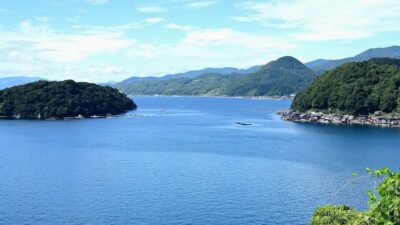
Kyoto Amanohashidate & Ine Funaya & Ine Bay Scenic Day Trip (Departing from Osaka or Kyoto)
Read our review →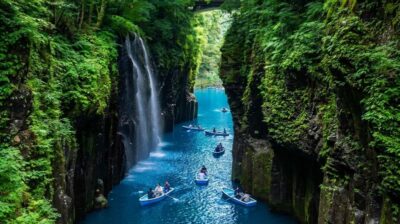
Kyushu: Mount Aso, Kusasenri & Takachiho Gorge Day Tour (Optional Takachiho Boat Ride Experience)
Read our review →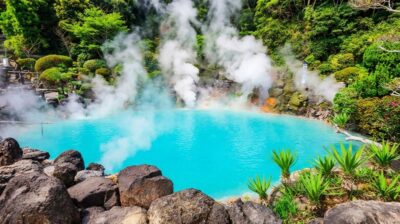
Kyushu One-Day Tour: Yufuin no Mori Train & Yufuin Town & Nyoirin-ji Temple & Dazaifu & Hell Hot Springs (Departing from Fukuoka)
Read our review →
Browse the lists this tour appears in