
Reviewed · PRIVATE TOURS IN HIROSHIMA
Hiroshima & Miyajima Island Private Tour: History & Culture
History here asks for your attention. This private tour combines the Hiroshima Peace Memorial with the beauty of Miyajima Island, giving you two very different sides of the city in one day. I like the personal guidance at the A-Bomb Dome and Peace Park, and I also like the practical mix of train, ferry, walking, food, and culture. The main drawback is that six hours is a tight schedule, especially if you want a slow museum visit, a full meal, and plenty of time on Miyajima.
The guide makes a real difference. Nabeel, Malek, Samy, Abdeel, and Yasmin have all been praised for clear English, patience, and thoughtful explanations. You should also know that this is not a chauffeured tour. You will use public transport, walk between stops, and pay separately for food and drinks.
In This Review
- Five things to know before booking
- Why this Hiroshima tour works well
- Starting at the Peace Memorial Museum
- Walking through Peace Memorial Park
- The A-Bomb Dome in ten focused minutes
- The train and ferry to Miyajima
- Itsukushima Shrine and the floating torii gate
- Daisho-in, a quieter Miyajima stop
- Food breaks on Omotesando Shopping Street
- The return journey and drop-off choices
- Is $69 a good price?
- Who should book this experience?
- Practical details that matter
- Should you book the Hiroshima and Miyajima tour?
- FAQ
- How long is the Hiroshima and Miyajima tour?
- What places are included?
- Is the Peace Memorial Museum ticket included?
- Are food and drinks included?
- Does the tour include private transportation?
- Is hotel pickup available?
- Where do I meet the guide at Hiroshima Station?
- Is the tour wheelchair accessible?
Five things to know before booking
- The tour covers two major places in six hours: Hiroshima’s Peace Memorial area and Miyajima Island, connected by train and ferry.
- The Peace Memorial Museum ticket is included: This saves both money and time at one of Hiroshima’s most important sites.
- The guide can adjust the pace: Families, teenagers, solo visitors, and small private groups can ask for more history, more food stops, or a gentler rhythm.
- Local food is part of the experience, but not part of the price: Oysters, okonomiyaki, and momiji manju are suggested possibilities, with meals paid separately.
- You finish with several drop-off choices: Hiroshima Station, the Peace Park taxi stand, Itsukaichi Station, or Hiroshima Port Cruise Terminal.
- Comfortable shoes matter: The day includes walking, trains, ferries, shrine grounds, shopping streets, and transfers.
Why this Hiroshima tour works well
Hiroshima is easiest to understand when you see both its painful past and its living present. The first half of the day deals with the atomic bombing and its human cost. The second half moves to Miyajima, where shrine architecture, forested hills, deer, seafood, and small shops create a calmer setting.
That contrast is the strength of the tour. You are not left with only a memorial visit, nor are you whisked to a pretty island without context. The guide connects the places and gives you someone to ask when the history feels difficult or the transport becomes confusing.
I especially like the private format. You are not tied to the interests of a large group. If your children need a break, you can slow down. If you are fascinated by wartime history, you can ask for more explanation. If food matters most, your guide can suggest local places along the route.
The guide quality appears to be one of the strongest parts of the experience. Nabeel is praised for his warm manner, excellent English, and detailed explanations. Malek is described as attentive, efficient, and able to adapt the route. Abdeel helped one late-arriving cruise passenger stay in contact and feel secure while reaching the meeting point. Those details matter in a city where your day includes several transport changes.
More Private Tours in Hiroshima
- Hiroshima / Miyajima Full-day Private Tour with Government Licensed Guide
★ 5.0 · 1,298 reviews - Hiroshima City 4hr Private Walking Tour with Licensed Guide
★ 5.0 · 437 reviews - Hiroshima & Miyajima: Full-Day Private Tour & Licensed Guide
★ 4.8 · 252 reviews
Starting at the Peace Memorial Museum
The tour includes about 40 minutes at the Hiroshima Peace Memorial Museum. That is enough for a focused introduction, but not enough for everyone who wants to read every display carefully.
The museum is emotionally difficult. Exhibits deal with the bombing, the people affected, and the consequences that followed. A guide can help you place what you see in context and answer questions as you go, but you should still allow yourself quiet time. This is not a stop to rush through while treating it like another sightseeing attraction.
One practical warning is important: the museum may close or become unavailable under some circumstances. One tour group found it closed, but Nabeel filled the gap with historical explanation and personal stories. That is a useful safety net, though the museum itself cannot be replaced entirely by a guide’s commentary.
The included entrance ticket adds value. You do not need to budget for that separately, and the activity description says the tour can skip the ticket line. Still, the museum segment is short for serious students of history. If the museum is your main reason for visiting Hiroshima, ask at booking time about the exact schedule and consider returning independently if you want more time.
Walking through Peace Memorial Park
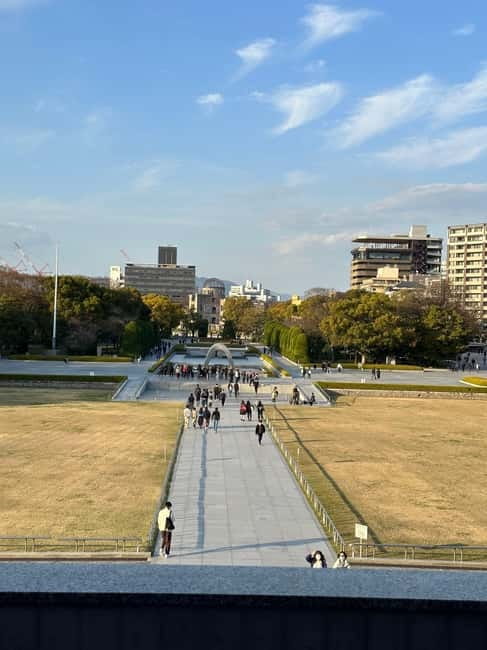
The guided walk through Peace Memorial Park lasts about 50 minutes. This is where the tour’s storytelling becomes especially important.
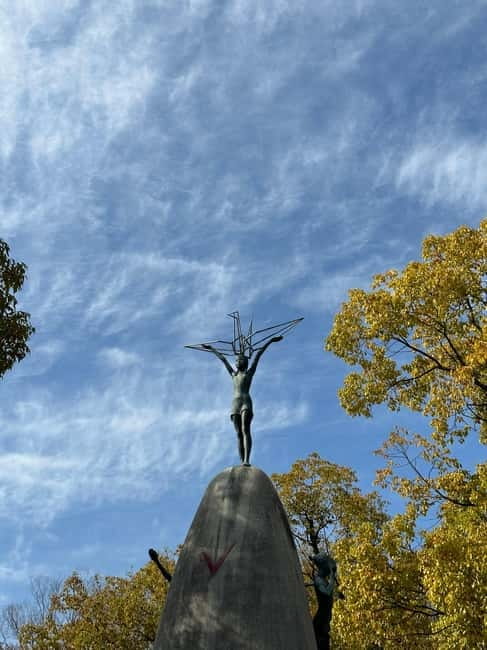
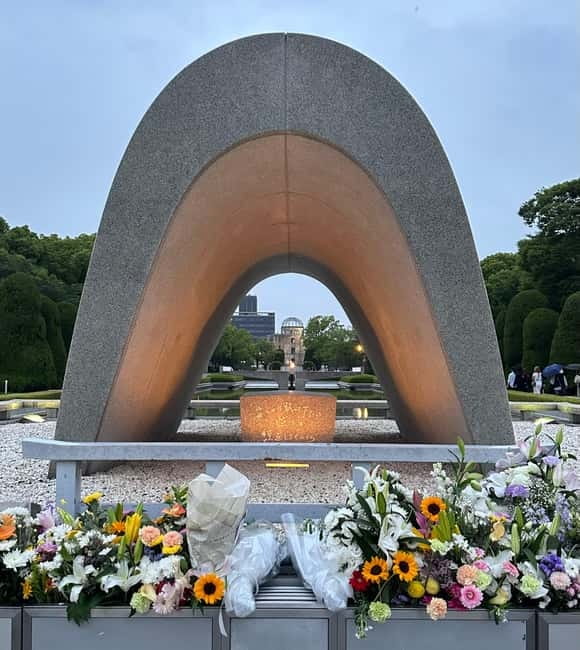
The park contains several memorial sites connected with the bombing and its victims. Your guide can explain what you are seeing rather than leaving you to read plaques on your own. The supplied details emphasize personal stories and local insight, which should make the visit more human and less like a list of dates.
I would plan to listen carefully here and keep the mood respectful. This is not a quick photo stop. The park invites reflection, and a good guide knows when to speak and when to give you space.
For families, the guide’s flexibility is helpful. The tour has worked well for groups with teenagers and young children, but the subject matter can be heavy. Parents should prepare younger children for a serious visit. The guide can adjust the pace, yet the basic nature of the site does not change.
The A-Bomb Dome in ten focused minutes

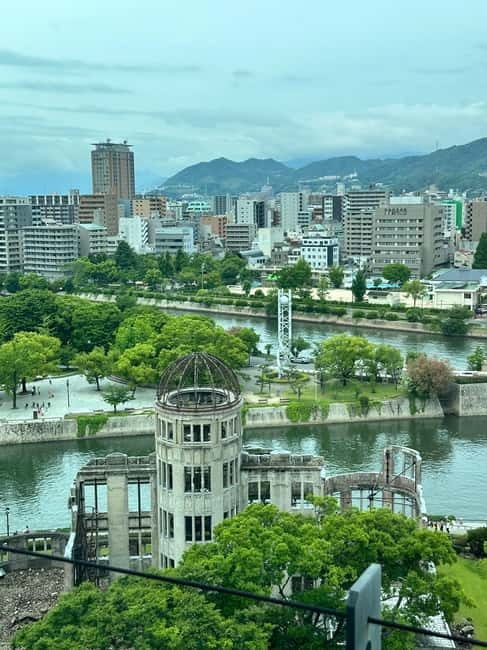
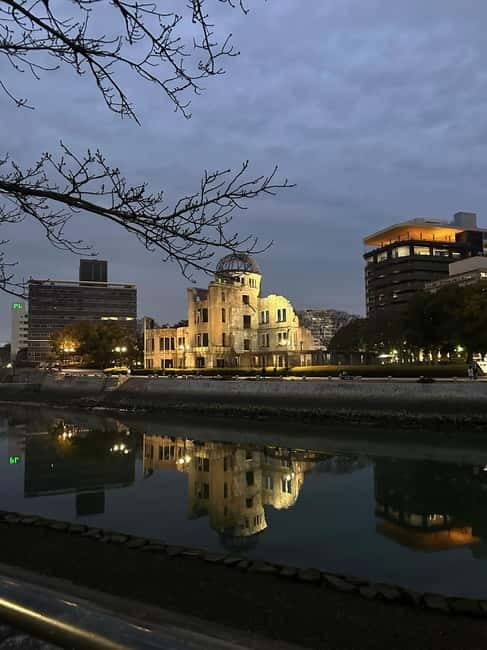
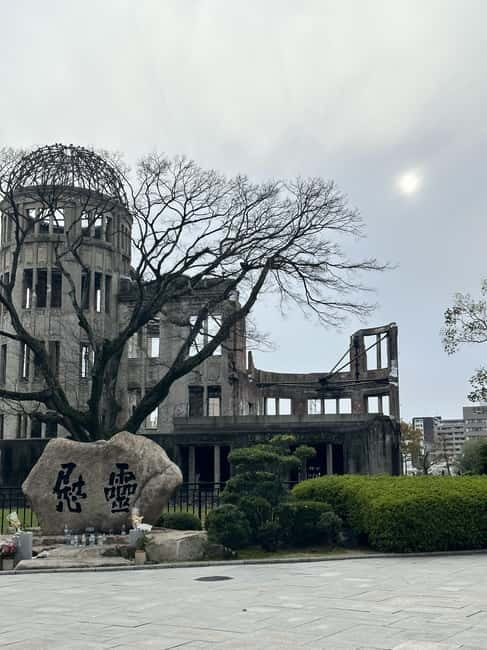
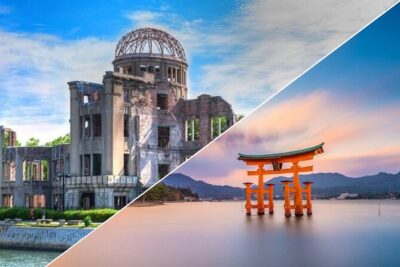
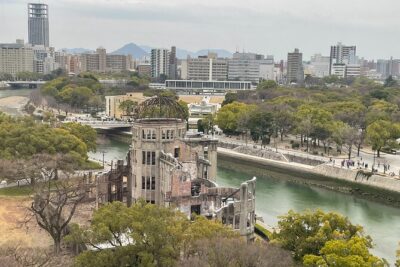
The A-Bomb Dome receives a shorter guided stop of about 10 minutes. Even from the outside, it is a powerful sight. The preserved structure gives you a direct physical link to August 6, 1945, and its position near the river makes it an important anchor for the Peace Park visit.
Ten minutes is enough for an explanation and photographs, but not much more. Do not expect an extended architectural tour. The value comes from hearing why the building remains and how it fits into the wider memorial area.
This is also a place where a guide’s tone matters. Nabeel and the other guides are praised for handling the bombing’s history with care and sensitivity. That is exactly what you want here: clear information without turning tragedy into spectacle.
A completely different kind of day out:
- Peaceful Hiroshima & Miyajima UNESCO 1 Day Bus Tour
★ 5.0 · 5,309 reviews - Hiroshima Peace Memorial Museum Ticket
★ 4.8 · 2,727 reviews - Hiroshima: Hiroshima and Miyajima UNESCO Sites 1-Day Tour
★ 4.9 · 2,330 reviews - Hiroshima Peace Memorial Museum Admission
★ 4.6 · 1,308 reviews
The train and ferry to Miyajima
The change from memorial sites to island scenery takes time. The published route allows about 35 minutes by train and 10 minutes by ferry, plus the walking and waiting that come with public transport.
You should see this as part of the experience, not wasted time. The train and ferry show you how Hiroshima works beyond the central tourist zone. The ferry ride also gives you the first broad view toward Miyajima and its famous torii gate.
The drawback is pace. A six-hour private tour can feel full once transfers are added. Ferry timing, crowd levels, and the amount of time you spend at the museum will affect how leisurely Miyajima feels. The private format helps because the guide can keep the group moving without making you follow a rigid large-group routine.
There is no private vehicle. Pickup is available only from accommodation within a reasonable walking distance, and no car pickup is offered. If you meet at Hiroshima Station, the stated meeting point is the Shinkansen Exit on the second floor, in front of Starbucks. A guide is due to contact you the day before to confirm the meeting details.
Itsukushima Shrine and the floating torii gate
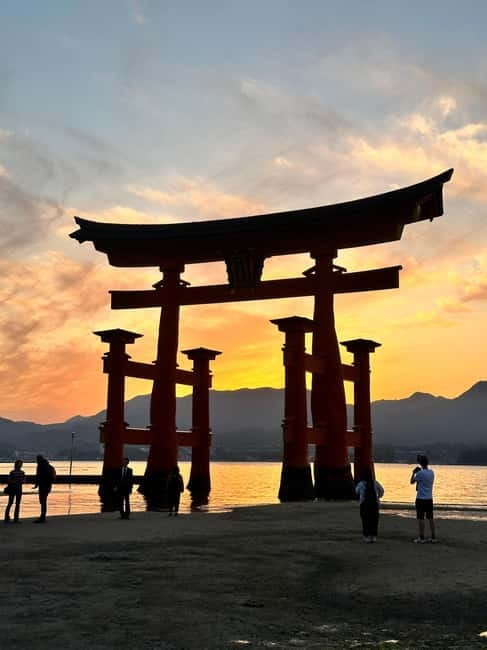
Miyajima’s best-known sight is the Itsukushima Shrine area, reached after the ferry. The route allows around 20 minutes for the floating torii gate and another 20 minutes at the shrine.
The torii gate is famous because it appears to float offshore at certain tide levels. The exact view can vary, so your experience will depend on the conditions during your visit. The shrine itself is the main cultural stop on the island, with an approach that feels very different from the solemn spaces in Hiroshima.
Twenty minutes at the shrine is a brisk visit. You can see the main features and hear the guide’s explanation, but you may not have time for an unhurried look at every detail. If you want a slower shrine visit or time to wait for a particular view of the torii, tell your guide early.
The island is also home to deer that roam freely. They add a light, memorable note after the morning’s serious history, though the deer are not the main reason to visit. Think of them as part of Miyajima’s atmosphere rather than a planned wildlife activity.
Daisho-in, a quieter Miyajima stop
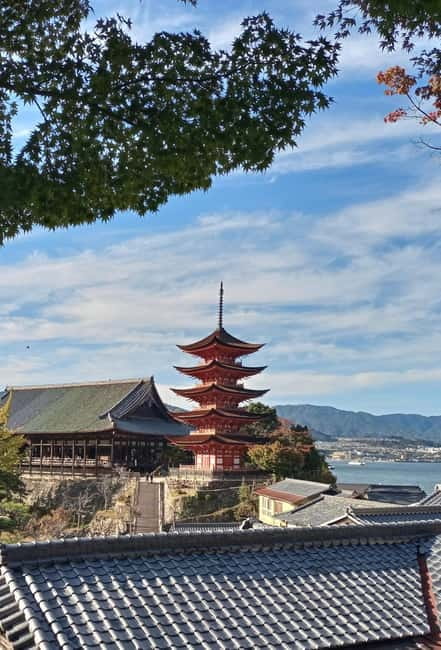
The tour gives about 40 minutes to Daisho-in, a Buddhist temple on Miyajima. This is one of the most welcome parts of the schedule because it offers a different side of the island from the shrine and shopping street.
Your guide can point out cultural details that are easy to miss when you explore alone. The stop also breaks up the day nicely. After the museum, park, dome, train, ferry, and shrine, a quieter temple visit gives you room to slow your pace.
The information provided does not promise a hike or extended mountain visit, so you should not expect a full excursion into the island’s hills. Daisho-in is a guided cultural stop, not a separate trekking program. Comfortable shoes are still important, since the day involves regular walking and changes in elevation may be part of reaching temple areas.
Food breaks on Omotesando Shopping Street
The Miyajima Omotesando Shopping Street receives about 30 minutes for a break, shopping, and free time. This is where you can try local specialties or pick up a small edible souvenir.
The food suggestions are particularly appealing:
- Fresh oysters, a local specialty associated with the Hiroshima area
- Okonomiyaki, the savory layered dish strongly linked with Hiroshima
- Momiji manju, a maple-leaf-shaped sweet often associated with Miyajima
Food is not included, so keep cash or another payment method ready for anything you choose. The guide may recommend a small local place or point you toward a specialty worth trying, but the exact stop can vary.
Thirty minutes is enough for a snack and a quick look around. It is not a long restaurant meal, especially if the street is busy. If you want a sit-down lunch, tell the guide at the start. Food-focused visitors may need to choose between eating slowly and spending more time at the shrine or temple.
The return journey and drop-off choices
After the shopping street, the itinerary allows about 15 minutes on foot, followed by another 10-minute ferry and 25-minute train ride. The tour ends at one of four listed locations:
- Hiroshima Station Shinkansen Exit
- Itsukaichi Station South Entrance
- The taxi stand at Peace Memorial Park
- Hiroshima Port Cruise Terminal
That final option is useful if you are connecting with a cruise schedule, though you should confirm the timing carefully. The several drop-off choices also make the tour practical for people continuing to another part of the city.
The route uses public transportation rather than private transport. That keeps the cost down and makes the day feel local, but it also means you should be prepared to walk between platforms, ferry points, attractions, and shops. Comfortable shoes are not a suggestion to ignore.
Is $69 a good price?
At $69 per person, the tour offers strong value if you want a guide for both Hiroshima and Miyajima. The price includes a private guide and the Peace Memorial Museum entrance ticket. It does not include meals, drinks, or private transport.
You are paying for interpretation and organization more than luxury. The guide helps you handle a complicated six-hour route, explains difficult history, recommends food, and adjusts the pace for your group. Train and ferry travel are part of the public-transport route, not a separate private transfer service.
For a solo visitor or a couple, the per-person price may feel higher than exploring independently. For a family or small group, the private format becomes more appealing because the guide can respond to your needs rather than waiting for a large party.
The value is strongest if you are visiting Hiroshima for the first time and want the major sights explained in one day. It is weaker for someone who already knows the Peace Park well, wants a long museum visit, or prefers to spend an entire day on Miyajima.
Who should book this experience?
I would recommend this tour to first-time visitors who want structure without a rigid large-group feel. It suits people who value history, local food suggestions, and cultural context more than free time.
Families can benefit from the flexible pace, especially since the guides have been praised for patience with young people. Teenagers may find the Peace Memorial Museum confronting but meaningful, while Miyajima gives the day a welcome change of mood.
It also suits cruise passengers, provided you confirm your meeting point and allow enough time for disembarkation. Abdeel’s communication with a delayed cruise passenger is encouraging, but you should still build in a sensible margin.
You may want a different plan if you dislike public transport, have limited mobility, or want to spend hours at one site. The activity is marked wheelchair accessible, but the six-hour combination of trains, ferries, walking, and multiple stops is still worth discussing before booking.
Practical details that matter
The tour is offered in English with a live guide. Private and small-group options are available, and the start time depends on availability.
Pickup is optional. Accommodation pickup is limited to places within a reasonable walking distance, and there is no car pickup. Meeting at Hiroshima Station means going to the Shinkansen Exit on the second floor, in front of Starbucks, unless another point is confirmed.
You can cancel up to 24 hours before the activity for a full refund, and the reserve-now, pay-later option gives you some flexibility. Check the exact start time, museum availability, group size, and meeting point before you commit.
Should you book the Hiroshima and Miyajima tour?
Book it if you want one well-organized day that connects Hiroshima’s most important memorial sites with Miyajima’s shrine, temple, food, and deer. The strongest reasons are the thoughtful English-speaking guides, the private format, the included museum ticket, and the chance to ask questions as the day unfolds.
Do not book it expecting a relaxed full-day exploration of either destination. The museum and shrine visits are fairly short, and transport takes a meaningful part of the schedule. Still, at $69 per person, this is a practical choice for a first visit, especially if you want respectful historical guidance and help finding your way between city and island.
FAQ
How long is the Hiroshima and Miyajima tour?
The tour lasts six hours, including sightseeing, train travel, ferry rides, walking, and the return journey.
What places are included?
The route includes the Hiroshima Peace Memorial Museum, Peace Memorial Park, the A-Bomb Dome, Miyajima Island, the floating torii gate, Itsukushima Shrine, Daisho-in, and Omotesando Shopping Street.
Is the Peace Memorial Museum ticket included?
Yes. Admission to the Peace Memorial Museum is included in the tour price.
Are food and drinks included?
No. Food and drinks are not included. You may have opportunities to try oysters, okonomiyaki, and momiji manju, but you pay for anything you order.
Does the tour include private transportation?
No. The route uses public transportation, including trains and ferries. Private transportation is not included.
Is hotel pickup available?
Pickup is available from accommodation only when it is within a reasonable walking distance. Car pickup is not available.
Where do I meet the guide at Hiroshima Station?
The stated meeting point is the Shinkansen Exit on the second floor, in front of Starbucks. The guide will contact you the day before to confirm the specific meeting point.
Is the tour wheelchair accessible?
Yes, the activity is listed as wheelchair accessible. Because the route includes trains, ferries, walking, and several stops, you should confirm any specific access needs when booking.
Just added in Hiroshima
- Hiroshima Peace Memorial Museum Ticket★ 4.8 · 2,727 reviews
- Hiroshima Peace Memorial Museum Admission★ 4.6 · 1,308 reviews
- Private Full Day Hiroshima Tour★ 4.5 · 29 reviews
- The Peace Memorial to Miyajima : Icons of Peace and Beauty★ 4.5 · 31 reviews
- Shore Excursion from Hiroshima Port : Private Tour in Hiroshima★ 5.0 · 17 reviews
- Hiroshima & Miyajima All-Inclusive Tour w/Licensed guide Pancho★ 5.0 · 54 reviews
- Hiroshima Country Cycling: Explore Rural Life 1 HR from City★ 5.0 · 22 reviews
- Hiroshima Saijo Sake Tasting Tour with visit to 7 Breweries★ 5.0 · 104 reviews
Private Tours in Hiroshima, compared.
Hiroshima / Miyajima Full-day Private Tour with Government Licensed Guide
Read our review →
Hiroshima City 4hr Private Walking Tour with Licensed Guide
Read our review →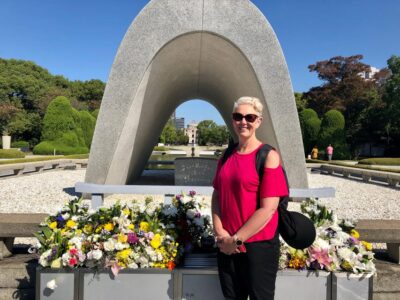
Hiroshima & Miyajima: Full-Day Private Tour & Licensed Guide
Read our review →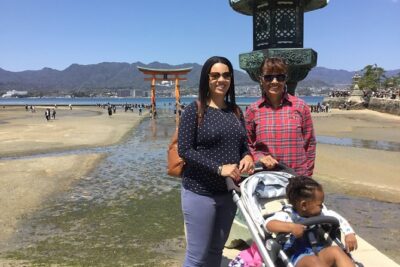
Miyajima Half-day Private Tour with Government Licensed Guide
Read our review →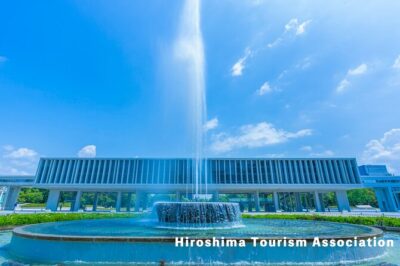
Hiroshima & Miyajima All-Inclusive Tour w/Licensed guide Pancho
Read our review →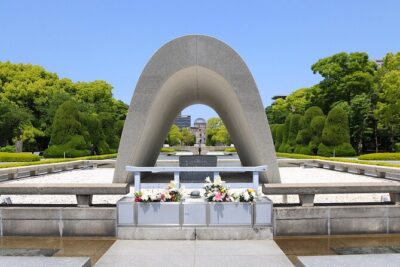
Hiroshima Private Tour: Best Highlights in a Day
Read our review →Browse the lists this tour appears in