
Reviewed · SAPPORO TOURS
in Sapporo! Hand-made soba experience and shabu-shabu experience plan of Yezo deer meat (Gibier meat) from Hokkaido
Fresh noodles taste better when you make them. This Sapporo class turns soba from a restaurant order into a hands-on Japanese food experience, with soba kneading, cutting, and tasting followed by Hokkaido Yezo deer shabu-shabu. I like the friendly instruction from Taku-san and Mai-san, and I like that first-timers and children can take part without needing cooking skills.
The main drawback is the short one-hour schedule, which leaves little room for a slow meal or long explanations. You should also take care with the meeting details in winter, as one booking had confusion at the start in snowy, cold conditions. Confirm the location and start time before you set out.
In This Review
- Key points to know before booking
- Why making soba is more rewarding than simply ordering it
- Inside the Sapporo soba shop
- Kneading, shaping, and cutting your noodles
- Tasting the soba you helped prepare
- The Hokkaido deer shabu-shabu meal
- Getting there from central Sapporo
- Timing, communication, and winter precautions
- Who will enjoy this experience most
- Is the $85.66 price good value?
- Cancellation and booking advice
- Should you book the Sapporo soba and deer plan?
- FAQ
- Where does the soba and deer shabu-shabu experience take place?
- How long does the experience last?
- How do I reach the meeting point by subway?
- Is the experience close to Shiroi Koibito Park?
- What will I do during the soba class?
- Is the Yezo deer shabu-shabu included?
- Is this a private activity?
- Are service animals allowed?
- What is the cancellation policy?
Key points to know before booking
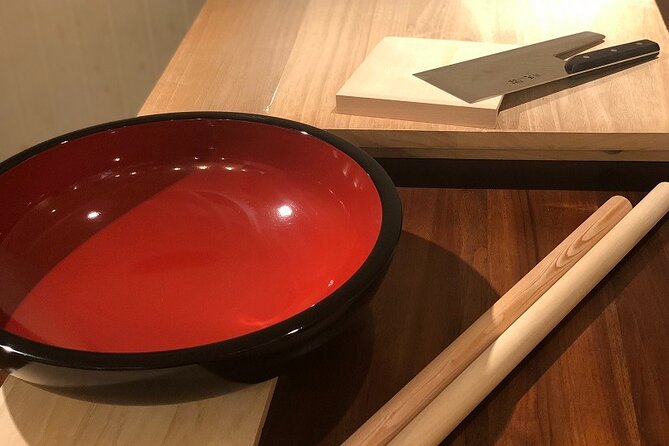
- Make soba from raw ingredients: Knead, roll, cut, and taste noodles you helped prepare.
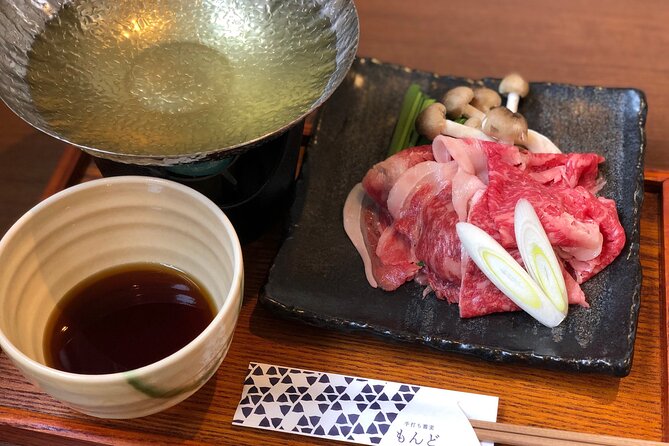
- Try Hokkaido Yezo deer: The plan includes a shabu-shabu meal using local sika deer, a memorable regional specialty.
- Learn from working soba instructors: Taku-san supports the noodle-making, while Mai-san helps with the meal.
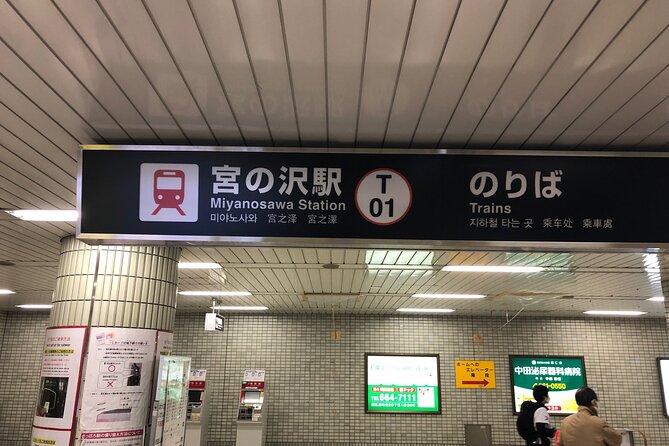
- Easy access from western Sapporo: Miyanosawa Station is a three-minute walk from the shop, and Shiroi Koibito Park is nearby.
- Private group setting: Only your group takes part, which makes it easier to ask questions and work at your own pace.
- Plan around the one-hour length: This is a compact food activity, not a full cooking day.
Why making soba is more rewarding than simply ordering it
Soba has been part of Japanese food culture since the Edo period. In Sapporo, this class gives you a simple way to connect with that tradition through your hands rather than just through a bowl at a restaurant.
The process includes making the dough, shaping it, cutting the noodles, and tasting the finished result. That sequence matters. You see how a few basic ingredients become a dish that can look quite refined when prepared by a skilled craftsman.
I like this kind of activity because it gives you something to talk about after the meal. A standard restaurant visit may be delicious, but it can pass quickly. Here, the memory comes from the uneven noodles, the cutting technique, the flour on the work surface, and the satisfaction of eating food you helped prepare.
You do not need to arrive as an experienced cook. The instructor gives hands-on support, and the class is designed for people trying soba making for the first time. One family found that children around 13 years old enjoyed the full process, so this can work well for families who want something more active than sightseeing.
A few more options to weigh up in Sapporo
- Sapporo Bar Hopping Food Tour
★ 5.0 · 232 reviews - Hokkaido Seasonal: Lake Toya & Noboribetsu Jigokudani Valley
★ 4.7 · 173 reviews - Sapporo Private Tour with a Local – Highlights & Hidden Gems
★ 5.0 · 91 reviews
Inside the Sapporo soba shop
The activity takes place at a small, working soba restaurant in Sapporo. That setting is more useful than a polished demonstration room because you are learning in the kind of place where soba is actually prepared and served.
Taku-san explains the ingredients and demonstrates the techniques. The instruction can include a mix of simple Japanese and English, so you should not expect a long, formal English lecture. The language exchange is part of the character of the experience, but anyone who needs detailed English explanations should keep that point in mind.
The teaching style appears relaxed and personal. You may see playful techniques during the demonstration, including the memorable Spiderman technique noted by one participant. That detail gives you a sense of the tone: practical instruction, but with room for humor and personality.
The private format is a real advantage. Only your group participates, so you can ask for help with kneading or cutting without competing with a large class. It also makes the experience a better fit for families, couples, or small groups who want a shared activity.
Kneading, shaping, and cutting your noodles
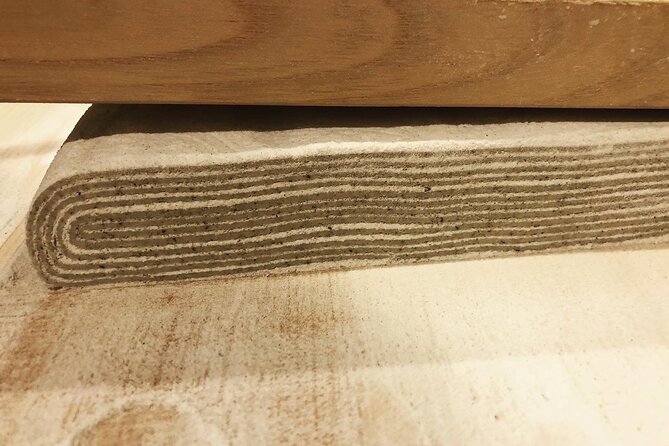
The first major part of the class is the dough work. You help combine and knead the soba mixture, then work toward a smooth, workable form. This sounds easy until you try to keep the dough even and manageable.
The instructor supports you throughout the process. That guidance is important because the texture and thickness of the dough affect the final noodles. You will not simply watch Taku-san make soba while standing at the side. The point is to take part.
Next comes rolling and cutting. Cutting noodles evenly takes more control than most people expect, and your finished pieces may not all look identical. That is part of the fun. The class is not about producing restaurant-perfect noodles on your first attempt. It is about learning the basic movements and then tasting the result.
I would treat the cutting stage as a hands-on craft rather than a quick photo opportunity. Pay attention to the instructor’s grip and rhythm. If you rush, the noodles can become uneven, while a slower approach lets you see how the knife and dough work together.
Tasting the soba you helped prepare
After the making and cutting, you taste the soba. This is the moment that gives the earlier work a clear purpose.
Freshly prepared soba can feel more personal than a bowl ordered from a menu. You already know how the noodles were formed, and you can compare your work with the instructor’s technique. The class also includes a chance to experience a traditional Japanese way of eating soba.
The food is not treated as a side note. The instructors explain the process, prepare the meal, and help you understand what you are eating. Several highly positive comments focus on the flavor of the finished noodles, not only on the activity itself.
The one-hour duration means the meal is likely part of a tightly timed session. If you want a long restaurant dinner with several courses, this may feel brief. If you want an efficient cultural activity that includes eating your own work, the timing makes sense.
A completely different kind of day out:
- Sapporo: Sumo Show Experience with Japanese food & Photo
★ 4.9 · 81 reviews - Popular in SapporoExperience authentic hand-made soba at a real soba shop!
★ 5.0 · 77 reviews - Mondo’s most popular plan! Experience making soba noodles and the king of Japanese cuisine, tempura, in Sapporo!
★ 5.0 · 71 reviews - 【Private Car】Asahiyama Zoo, Blue Pond, Shirahige Falls, Ningle Terrace (from Sapporo)
★ 5.0 · 60 reviews
The Hokkaido deer shabu-shabu meal
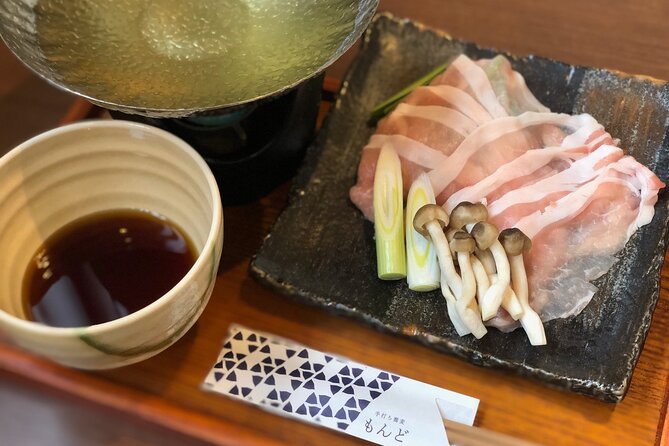
The second food element is shabu-shabu made with Yezo deer meat, also called Hokkaido sika deer. This gives the class a distinctly northern Japanese character. You are not only making a familiar Japanese noodle dish, you are also trying game meat associated with Hokkaido.
Mai-san helps prepare the shabu-shabu. The cooking style involves placing thin meat into hot broth, where it cooks quickly. The format lets you focus on the taste and texture of the deer rather than treating it as a heavy, elaborate course.
For many people, this may be the most unusual part of the plan. Deer meat is different from the pork or beef more commonly associated with shabu-shabu, so you should book this because you are curious about regional food, not because you want a predictable meal.
One participant described the cooked soba with Yezo deer meat as especially delicious. The plan is presented as a special lunch or dinner that you can experience only in Hokkaido. That may be a little broad, since deer dishes can be found in other settings, but this combination of handmade soba and deer shabu-shabu is certainly tied closely to your time in Sapporo.
If you are uncertain about game meat, check the meal details before booking. The supplied information identifies the deer shabu-shabu as a core part of the plan, not an optional extra.
Getting there from central Sapporo
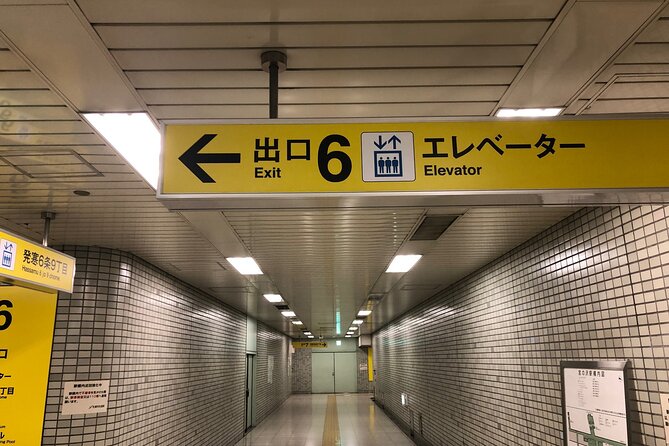
The shop is at 9-chōme-17-28 Hassamu 6 Jō, Nishi Ward, Sapporo, Hokkaido 063-0826. The nearest stated transit point is Miyanosawa Station on the Sapporo Subway Tozai Line, Exit 6.
From the station, the shop is about a three-minute walk. That is useful in Sapporo, especially in winter, when a short route from the subway can be much easier than a long walk through snow.
The location is also within walking distance of Shiroi Koibito Park. You could pair the food experience with that attraction if your schedule allows, though you should leave enough time to arrive at the exact meeting point rather than relying only on a nearby landmark.
Two parking spaces are available. If you drive, that can help, but spaces are limited. I would not assume parking will be available at busy times. Public transportation is the safer choice unless you already have a car and have confirmed the parking arrangement.
The meeting and ending point are the same. That keeps the logistics simple, especially if you are carrying shopping or heading to another part of Sapporo afterward.
Timing, communication, and winter precautions
The listed duration is about one hour. This is short enough to fit into a busy day and long enough to include the main stages of making and eating soba. It is not suitable if you want an unhurried cooking workshop with extended conversation.
The experience is booked, on average, 46 days ahead. That suggests you should reserve early if your Sapporo dates are fixed, especially if you are traveling with a private group and need a particular start time.
Communication is worth planning carefully. The instructors have welcomed English-speaking participants, but at least some instruction may use simple Japanese and English together. That can make the class feel more local and informal, though it may be less comfortable for someone expecting detailed explanations in fluent English.
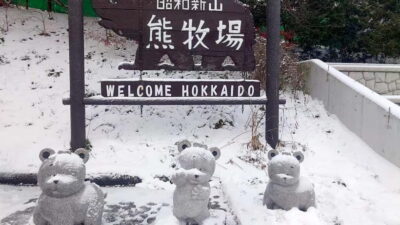
Use the contact details supplied with your reservation and verify the meeting point before the day. A past arrival problem involved a snowy park, a cold temperature of about minus 5 degrees Celsius, a bad phone signal, and confusion during calls. The provider’s response indicated that the reservation time and call history were disputed, so the practical lesson is clear: do not wait in an unclear spot, and do not depend on a phone call alone if you are outside in winter.
Who will enjoy this experience most
I would recommend this to people who want food preparation to be part of their Sapporo sightseeing. You get a Japanese cultural activity, a meal, and a taste of Hokkaido ingredients in one compact booking.
It fits especially well for:
- Families with older children who can follow hands-on instructions
- Couples looking for a shared activity beyond restaurants and shopping
- Small private groups who want direct help from the instructor
- First-time soba makers
- People curious about Hokkaido game meat
- Visitors staying near western Sapporo or planning to visit Shiroi Koibito Park
You may want to choose something else if you dislike unfamiliar meats, need a fully English-language class, or prefer a long, relaxed meal. The class is friendly and practical, but the short schedule and informal language mix may not suit every visitor.
Is the $85.66 price good value?
At $85.66 per person, this costs more than simply buying a bowl of soba. You are paying for instruction, private participation, the noodle-making activity, the finished food, and the Yezo deer shabu-shabu meal.
The value depends on how you measure the outing. If you view it only as lunch, the price may feel high. If you count the private class, the cultural lesson, the local ingredient, and the meal as one experience, the cost is easier to justify.
The private format helps. Your group is not folded into a large class, and the instructor can give direct support. Group discounts may also be available, so larger parties should check the final per-person price before deciding.
I think the plan offers its best value to people who would otherwise pay for both a cultural activity and a special dinner. It is less compelling for a visitor who only wants inexpensive everyday soba.
Cancellation and booking advice
You can cancel for a full refund up to 24 hours before the local start time. Cancellations or changes made less than 24 hours before the activity are not refunded or accepted.
The activity requires a minimum number of participants. If that minimum is not reached and the provider cancels, you will be offered another date or experience, or receive a full refund.
Confirmation is provided at booking. Service animals are allowed, and the shop is near public transportation. Since the meeting point is outdoors or close to a street-level location, I would save the address and arrive with enough time to identify the correct entrance.
Should you book the Sapporo soba and deer plan?
Book it if you want a personal, food-centered memory of Hokkaido rather than another passive sightseeing stop. The strongest reasons are the direct help from Taku-san and Mai-san, the chance to make and eat your own soba, and the unusual Yezo deer shabu-shabu.
I would be cautious only if you need a long class, guaranteed fluent English instruction, or a standard meat dish. For most curious food lovers, families, and small private groups, the combination is memorable and well focused. Confirm the meeting details, plan for the one-hour schedule, and arrive ready to work with your hands.
FAQ
Where does the soba and deer shabu-shabu experience take place?
It takes place at 9-chōme-17-28 Hassamu 6 Jō, Nishi Ward, Sapporo, Hokkaido 063-0826, Japan.
How long does the experience last?
The activity lasts approximately one hour.
How do I reach the meeting point by subway?
Take the Sapporo Subway Tozai Line to Miyanosawa Station and use Exit 6. The shop is about a three-minute walk away.
Is the experience close to Shiroi Koibito Park?
Yes. The shop is within walking distance of Shiroi Koibito Park.
What will I do during the soba class?
You will make soba, cut the noodles, and taste the finished noodles. A soba craftsman provides support throughout the activity.
Is the Yezo deer shabu-shabu included?
Yes. This plan includes shabu-shabu made with Hokkaido Yezo deer meat, also known as sika deer or game meat.
Is this a private activity?
Yes. Only your group participates in the activity.
Are service animals allowed?
Yes. Service animals are allowed.
What is the cancellation policy?
You can cancel at least 24 hours before the local start time for a full refund. Cancellations or changes made less than 24 hours before the start time are not accepted for a refund.
Just added in Sapporo
- Hokkaido 7 Days Noboribetsu, Asahikawa, Biei by Delightful Travel★ 5.0 · 1 review
- 6 Days Hokkaido’s Floral Symphony Tour by UME Travel★ 5.0 · 2 reviews
- Full Day Private Skiing / Snowboarding Tour in Sapporo★ 5.0 · 30 reviews
- Snowshoe Hike Tour from Sapporo include hotel p/up & drop off★ 5.0 · 16 reviews
- Wagashi traditional japanese sweets class★ 5.0 · 49 reviews
- Snowshoeing and Onsen Adventures in a Winter Wonderland -Sapporo.★ 5.0 · 30 reviews
- Authentic Sapporo: Nijo Market Seafood Lunch & Local History Tour★ 5.0 · 13 reviews
- Sapporo Sumo Show Experience with Japanese Food and Photo★ 4.5 · 38 reviews
Sapporo Tours, compared.
Hokkaido Seasonal: Lake Toya & Noboribetsu Jigokudani Valley
Read our review →
Sapporo Private Tour with a Local – Highlights & Hidden Gems
Read our review →
Popular in SapporoExperience authentic hand-made soba at a real soba shop!
Read our review →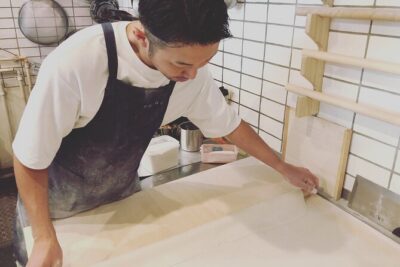
Mondo’s most popular plan! Experience making soba noodles and the king of Japanese cuisine, tempura, in Sapporo!
Read our review →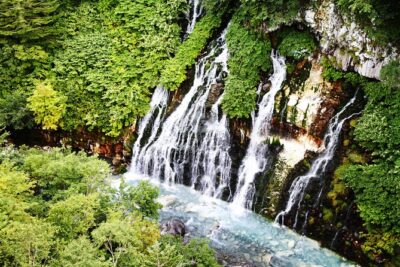
【Private Car】Asahiyama Zoo, Blue Pond, Shirahige Falls, Ningle Terrace (from Sapporo)
Read our review →
Sapporo 6hr Private Tour with Government Licensed Guide
Read our review →Browse the lists this tour appears in