
Reviewed · TRAIN EXPERIENCES
Japan Highlights by Bullet Train: Tokyo, Kyoto & Osaka with Wanderful Holidays: Itinerary & Reviews
Tokyo’s famous crossing, Kyoto’s temple lanes and Osaka’s sumo hall all fit into one eight-day trip, with the Shinkansen linking the main cities. Hakone adds a change of pace: mountain railway, volcanic steam and a cruise on Lake Ashi, with Mount Fuji views possible when the weather cooperates.
I like two things in particular. The city-center hotels and arranged transfers take much of the luggage and station guesswork off your hands, while guided visits help you make sense of places such as Meiji Shrine and Fushimi Inari. I also like the mix of shared sightseeing and free time, rather than being shepherded every hour of the week.
One caution: this is a partially guided trip, not necessarily one small group travelling together from start to finish. Group size is listed as 2 to 10, but sightseeing may use separate local guides, and one solo traveller reported being paired with a family. Ask the operator how your specific departure will be organized.
- Hakone is more than a Fuji photo stop: ride the Tozan mountain railway and ropeway, then cruise Lake Ashi.
- Kyoto gets two distinct days: one guided bike or walking tour, followed by a car-based tour of major sights.
- Osaka’s evening has a cultural finale: Dotonbori and a sumo experience with bento and a drink.
- The Hiroshima day is optional: budget an extra US$329 per person for the train, ferry and island visit.
- Expect compact hotel rooms: the listed hotels are centrally located, but Japanese room sizes may feel small.
In This Review
- Eight days from Tokyo to Osaka
- Tokyo: shrine quiet between city landmarks
- Hakone: mountain rail, volcanic steam and Lake Ashi
- Kyoto: river paths, Gion and the great temple circuit
- Osaka: castle grounds, city views and sumo
- Hiroshima and Miyajima: a worthwhile, costly extra
- What the organization is like in practice
- Who should book this Japan trip?
- FAQ
- Does the tour include international flights?
- Where does the tour start and end?
- How many nights are included in each city?
- Is the Hiroshima and Miyajima excursion included?
- What meals are included?
- Are the hotels four-star?
- Is the tour fully guided?
- Can I upgrade to five-star hotels?
Eight days from Tokyo to Osaka
This itinerary gives first-time visitors a clear route through Japan’s best-known city sights, with a nature break and a chance to add a major historical excursion. You start in Tokyo and finish in Osaka, staying three nights in Tokyo, two in Kyoto and two in Osaka. The trip is designed to keep hotel changes manageable while covering plenty of ground.
It is not a fully escorted coach tour. You’ll have English-speaking guides for sightseeing and transfers arranged for key stages, but some time is your own. That arrangement suits you if you want support with the logistics and local context without spending the whole week in a group.
The advertised starting price is US$3,255 per person, based on the cheapest room option. It includes seven breakfasts, one local lunch, the sumo bento and drink, listed sightseeing and entrance costs, airport transfers, hotels and the Tokyo-to-Kyoto Shinkansen journey. International flights and travel insurance are not included. The optional Hiroshima and Miyajima excursion costs US$329 per person, and a five-star hotel upgrade is listed at US$499 per person.
For a short trip, the value depends on how much help you want. Arranged transport, guides and city-center accommodation can spare you hours of researching routes and managing luggage. If you enjoy planning your own train connections and choosing every hotel, you may prefer to book the pieces separately.
Tokyo: shrine quiet between city landmarks
On arrival at Narita or Haneda, a representative meets you at the airport with a name card and transfers you to your hotel. The first day is free after check-in, which is useful after a long flight. You can rest or step out for a meal and a first look at the city; no formal sightseeing is scheduled.
The listed Tokyo hotel is Monday Apart Premium Ueno or a similar four-star property. The Ueno location offers a practical base for getting around, and the operator describes its hotels as central and well reviewed. Do keep room size in mind: one traveller found an initial room extremely tight, while others noted that compact rooms are common in Japan. If space matters, ask what room category the quoted price covers.
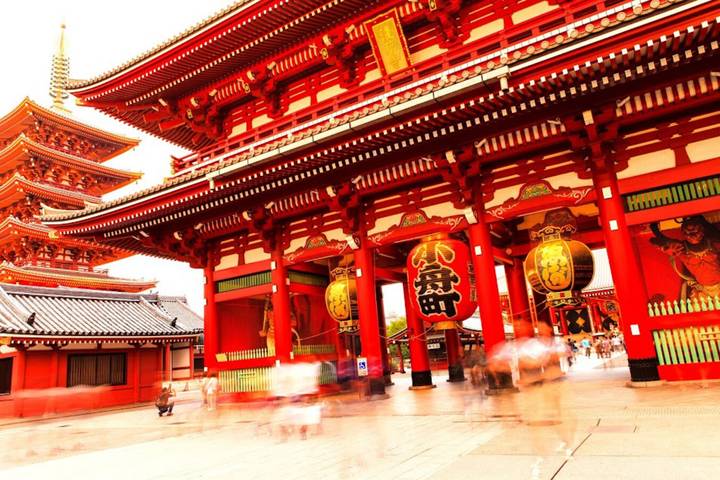
Day two moves between old and new Tokyo. Shibuya Crossing gives you the famous sweep of people crossing in every direction, while Meiji Shrine offers a quieter setting in wooded grounds. In Asakusa, Senso-ji and Nakamise Shopping Street provide a look at temple life alongside stalls selling snacks and souvenirs.
The day also passes through Shinjuku and Ginza. Tsukiji Fish Market and the Imperial Palace Gardens are described as possible stops depending on time and interests, so don’t assume both are guaranteed. Ask your guide which one fits the day’s schedule. Guides such as Jane have helped visitors with practical matters like station lockers, platforms and local etiquette, but guide assignments vary by departure.
A few more options to weigh up in Tokyo
- Mt Fuji and Hakone 1-Day Bus Tour Return by Bullet Train
★ 5.0 · 26,383 reviews - Mt Fuji & Hakone Cruise, Drum Show Bullet Train 1 Day from Tokyo
★ 4.0 · 7,413 reviews - Tokyo Mt Fuji 5th St & Hakone Cruise Bus Tour w/Bullet Train
★ 4.4 · 5,024 reviews
Hakone: mountain rail, volcanic steam and Lake Ashi
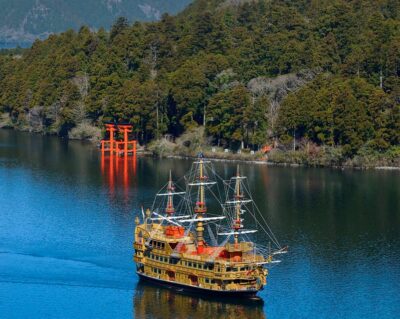
Day three is a full excursion from Tokyo, with the mountain scenery providing a welcome contrast to the city. The Hakone Tozan Railway climbs through forested slopes and small settlements, using switchbacks to gain height. Then the ropeway carries you above Owakudani, a volcanic valley known for steaming vents and sulfur-colored ground.
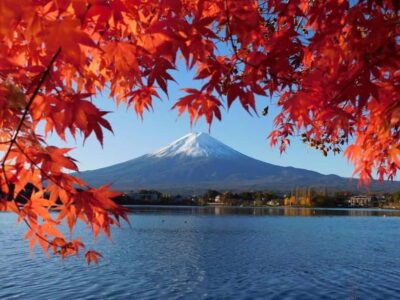
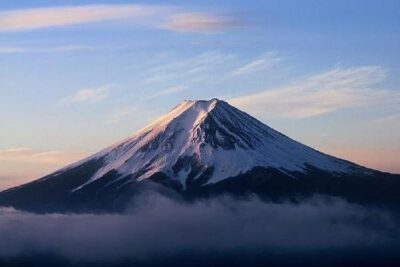
The views depend on conditions. Mount Fuji may appear from Hakone or over Lake Ashi on a clear day, but cloud can hide it, so treat the mountain as a bonus rather than a promise. The included Lake Ashi cruise gives you another angle on the surrounding hills, and a local lunch is included.
This is one of the more active days, though the tour is rated low intensity. You’ll be moving between trains, the ropeway and boat, with some walking at stops. The combination is appealing because it makes a broad area accessible without asking you to organize each connection yourself. The drawback is the return to Tokyo: you do not stay overnight in Hakone, so it is a long day out and back.
Kyoto: river paths, Gion and the great temple circuit
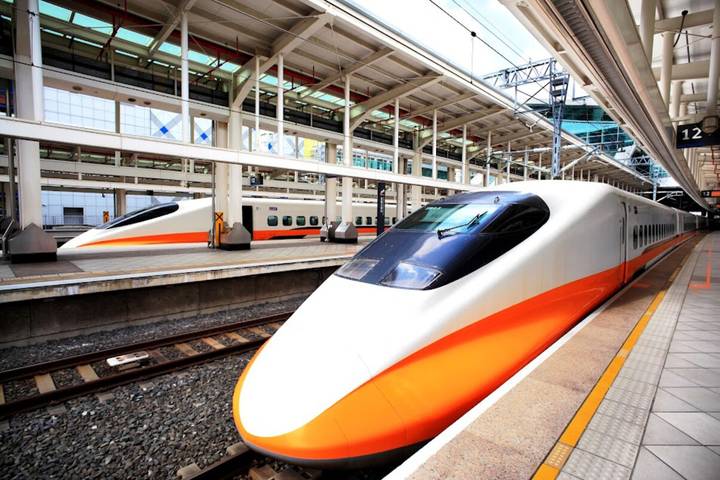
On day four, a transfer takes you to Tokyo Station for the Shinkansen to Kyoto. The fast train is a highlight in its own right, and it turns a long intercity journey into a straightforward change of scene. Once in Kyoto, you check into Hotel Vischio Kyoto by Granvia or a similar four-star hotel.
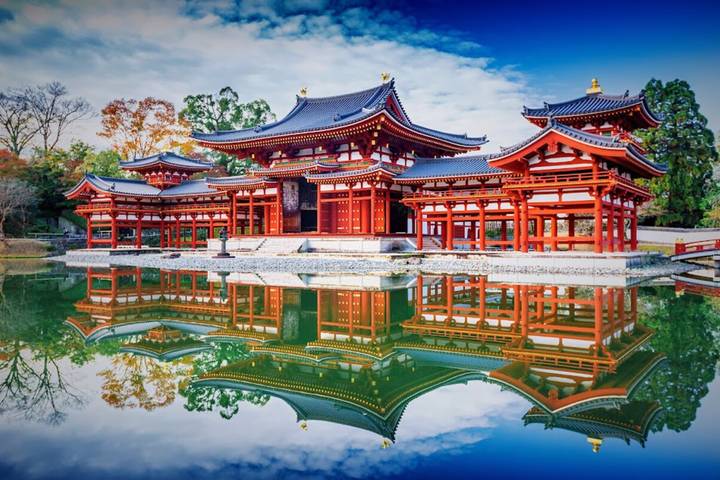
The afternoon’s guided cycling or walking tour follows the Kamo River and visits Kennin-ji in Gion, then Kiyomizu-dera. The format may be cycling or walking, so confirm which applies to your departure and consider your comfort with a bike. Kennin-ji gives the guide room to explain Zen culture and Gion’s geisha traditions; Kiyomizu-dera is known for its wooden hillside stage and broad city views.
A tea ceremony at a heritage house in Gion is also listed among the cultural inclusions, although its timing is not spelled out in the day-by-day schedule. Ask the operator when it takes place and how it fits with the afternoon visits. Kyoto’s narrow lanes and popular temples can be busy, and a guide can help with context, but don’t expect an empty temple courtyard.
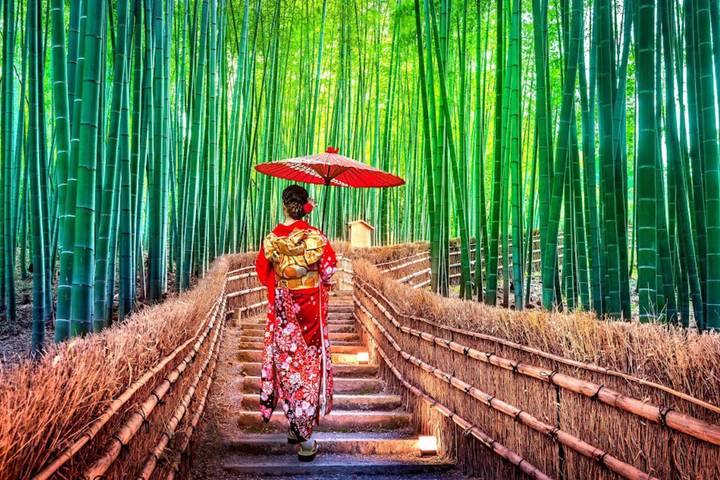
Day five covers a larger sweep by air-conditioned vehicle, with an English-speaking guide. Fushimi Inari’s red torii gates, Arashiyama Bamboo Forest and Kinkaku-ji, the Golden Pavilion, are the headline stops. The plan also includes Tenryu-ji, Togetsukyo Bridge and the Katsura River area, along with scenic viewpoints and quieter streets.
This is a lot for one day. The vehicle saves you from stitching together distant sites on public transport, but the pace may leave limited time at each stop. Fushimi Inari’s gates continue up the mountain, so you can walk a short stretch or go farther if time and energy allow. The optional kimono photos add a keepsake, but they are not included in the core list of activities.
Osaka: castle grounds, city views and sumo
Day six starts with a transfer from Kyoto to Osaka, with hotel check-in or luggage drop-off before sightseeing. The accommodation is Citadines Namba Osaka or a similar four-star hotel. A hotel-to-hotel transfer is particularly useful here: managing bags through crowded stations after several busy days can be a chore.
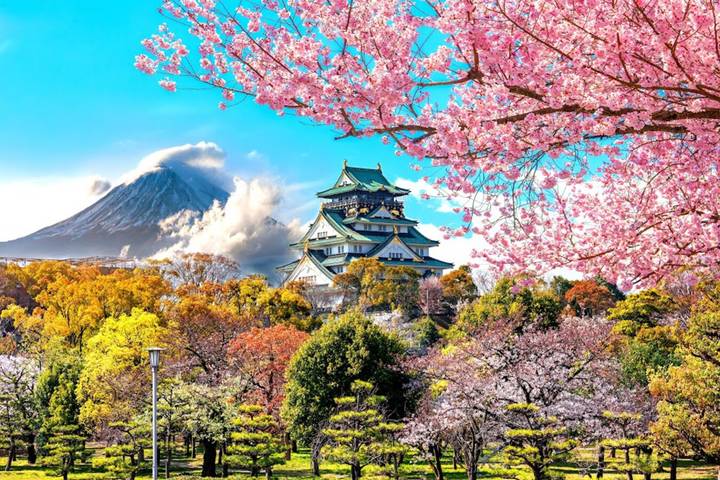
The Osaka tour combines historic sites with modern city views. Osaka Castle and its gardens offer a look at the city’s past, while Katsuo-ji is known for its many daruma dolls. At the Umeda Sky Building, the Floating Garden Observatory gives you a high view over the city. Tennoji Zoo is also listed, followed by Dotonbori’s neon signs and food-focused streets.
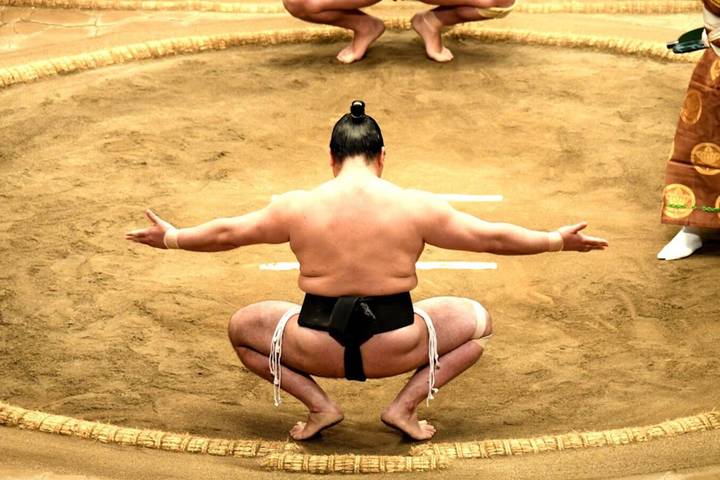
The day packs in a wide range of stops, and exact timing matters. Ask how much time is allocated at the zoo and other sights, especially if one is a priority. Dotonbori is a natural place to take in Osaka’s evening energy, but the itinerary then moves to a sumo experience at a nearby hall. The included bento and traditional drink make this more than a quick photo stop, though the information describes an experience rather than a professional tournament. It is a distinctive finale to the guided sightseeing.
A completely different kind of day out:
- Tokyo Disney Resort – Tokyo Disneyland & Tokyo DisneySea Park Tickets
★ 4.8 · 99,488 reviews - SHIBUYA SKY Ticket
★ 4.7 · 46,509 reviews - JR Whole Japan Rail Pass
★ 4.8 · 29,150 reviews - TOKYO SKYTREE® Ticket
★ 4.7 · 25,136 reviews
Hiroshima and Miyajima: a worthwhile, costly extra
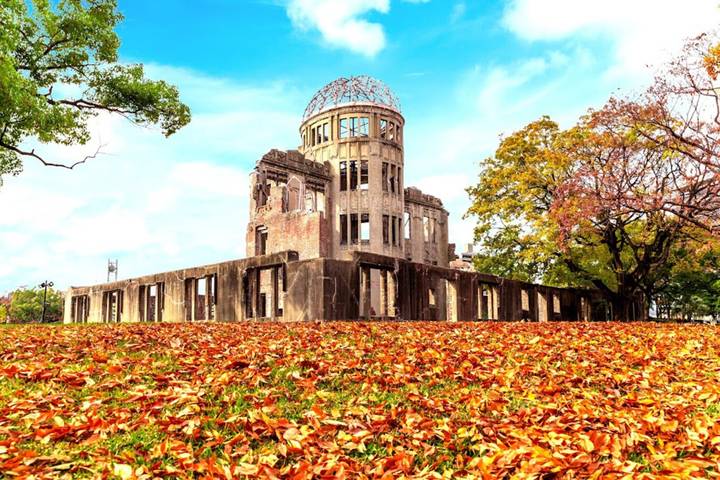
Day seven is free in Osaka unless you choose the optional Hiroshima and Miyajima trip. At US$329 per person, it is a substantial add-on, but it covers the fast train from Osaka, local ferry crossings and visits to both destinations. The day begins at Hiroshima Peace Memorial Park and the Atomic Bomb Dome, with the Peace Memorial Museum available for a deeper account of the bombing and the city’s recovery.
The visit is emotionally demanding as well as historically important. Give yourself time to read and reflect rather than treating the park as just another stop. Afterward, a ferry crosses the Seto Inland Sea to Miyajima, where Itsukushima Shrine and its well-known torii gate sit beside the water. You can stroll the island’s traditional streets, see its free-roaming deer and, if time and energy permit, consider the ropeway or a walk toward Mount Misen.
You return to Osaka by ferry and Shinkansen, making this a full day with a fair amount of transit. One couple who added the excursion found it worthwhile, but the cost and pace won’t suit everyone. If Hiroshima and Miyajima are priorities, this is a convenient way to link them to an Osaka stay. If you want a slower trip, use the day to explore Osaka at your own pace instead.
What the organization is like in practice
The operator’s support is one of the strongest parts of the offer, but the structure deserves a clear-eyed look. Some departures may have a small group, while local sightseeing can be handled by different guides on different days. That means you may not spend the entire week with the same people. If a consistent group is important to you, request specifics before paying.
Recent guides named by the operator’s clients include Jane, Nomi and Riku. Reports describe guides helping with train platforms, tickets, room issues and last-minute changes. These are useful skills in Japan, where busy stations and tight connections can rattle a first-time visitor. Still, coordination has not been flawless for everyone: one solo participant described changing plans, unclear departure details and a missed return-train QR code. Keep the operator’s WhatsApp contact accessible and check the next day’s instructions each evening.
Overall feedback is strong, with a 4.5 out of 5 rating from 23 reviews and especially high marks for itinerary, transport, guides and accommodation. The positive reports often focus on clear transfer instructions and quick help when something goes wrong. The less positive experiences point to the same important question: how much of the trip is guided as a group, and how much is handled through separate appointments? Get that answer for your departure rather than relying on the group-size range alone.
Who should book this Japan trip?
Book it if you want Tokyo, Kyoto and Osaka in one organized week, value help with transport, and like having guides at key sights without giving up every free hour. Families and first-time visitors may appreciate the included transfers and central hotels, while the optional Hiroshima day lets you add a serious historical visit without planning the train and ferry links yourself.
Think twice if you want a slow pace, large hotel rooms, or one fixed group and guide for the whole trip. The itinerary is full, and the room category at the starting price may be compact. I’d ask the operator to confirm the group arrangement, exact tea ceremony timing, room type, and how much time is planned at each Kyoto and Osaka stop. If those details suit you, the mix of city culture, Hakone scenery and high-speed rail makes this a practical introduction to Japan.
FAQ
Does the tour include international flights?
No. International airfare is not included in the quoted price.
Where does the tour start and end?
It starts at Tokyo’s Narita or Haneda airport and ends at Kansai or Itami airport, or an Osaka train station, depending on your onward travel.
How many nights are included in each city?
The standard plan includes three nights in Tokyo, two in Kyoto and two in Osaka.
Is the Hiroshima and Miyajima excursion included?
No. It is optional and costs US$329 per person. The excursion includes fast-train travel, ferry crossings and visits to Hiroshima and Miyajima.
What meals are included?
The tour includes seven breakfasts, one local lunch, and a traditional bento box with one drink during the Osaka sumo experience. One evening snack is also listed among the inclusions.
Are the hotels four-star?
The standard accommodation is listed as four-star, with Monday Apart Premium Ueno or a similar hotel in Tokyo, Hotel Vischio Kyoto by Granvia or similar in Kyoto, and Citadines Namba Osaka or similar in Osaka.
Is the tour fully guided?
No. It is partially guided, with English-speaking guides for sightseeing and selected excursions, plus free time. The stated group size is 2 to 10 people.
Can I upgrade to five-star hotels?
Yes. A five-star hotel upgrade throughout the trip is listed for US$499 per person.
Just added in Tokyo
- Mt. Fuji & Hakone Cherry Blossom private One Day Tour★ 4.5 · 35 reviews
- Fish Market & Tokyo Skyline Private Walking Tour★ 5.0 · 14 reviews
- Private Tour with a Local Guide – Learn about daily life in Japan★ 5.0 · 22 reviews
- Tokyo: 3-Hour Bike/E-Bike Tour of the City’s Highlights★ 5.0 · 209 reviews
- 25-Min Downtown Helicopter Tour : Tokyo Skytree and Tokyo Tower★ 5.0 · 19 reviews
- Official Japan Go-Kart Through Tokyo Bay / Ginza (IDP Required)★ 4.5 · 71 reviews
- 30-Min Tokyo Central Private Heli Tour– Asakusa, Skytree, Shibuya★ 5.0 · 13 reviews
- Tokyo 2-Hour Genuine Samurai Experience: Kendo in Japan★ 5.0 · 112 reviews
Train Experiences, compared.
Mt Fuji and Hakone 1-Day Bus Tour Return by Bullet Train
Read our review →![[Kyoto & Nara Day Tour] Sagano Scenic Railway & Nara Park & Fushimi Inari Taisha Thousand Torii Gates & Togetsukyo Bridge & Bamboo Grove & Kimono Forest (Departing from Osaka)](https://media.japanvisits.com/wp-content/uploads/kyoto-nara-day-tour-sagano-scenic-railway-nara-park-fushimi-inari-taisha-thousand-torii-gates-togetsukyo-bridge-bamboo-grove-kimono-forest-departing-from-osaka-k110001-400x257.jpg)
Mt Fuji & Hakone Cruise, Drum Show Bullet Train 1 Day from Tokyo
Read our review →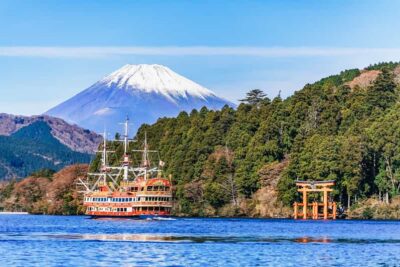
Tokyo Mt Fuji 5th St & Hakone Cruise Bus Tour w/Bullet Train
Read our review →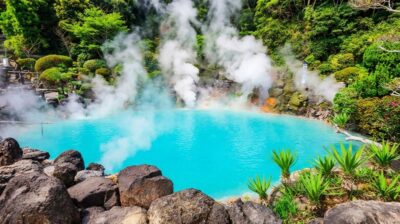
Kyushu One-Day Tour: Yufuin no Mori Train & Yufuin Town & Nyoirin-ji Temple & Dazaifu & Hell Hot Springs (Departing from Fukuoka)
Read our review →
Mt. Fuji & Hakone Tour w/ Return by Bullet Train
Read our review →
Kyoto Arashiyama Scenic Train & Hozugawa River Boat Ride Day Trip (From Osaka / Kyoto)
Read our review →Browse the lists this tour appears in