
Reviewed · OSAKA TOURS
Let’s Dance Bon Odori Japanese folk Dance near Tsutenkaku
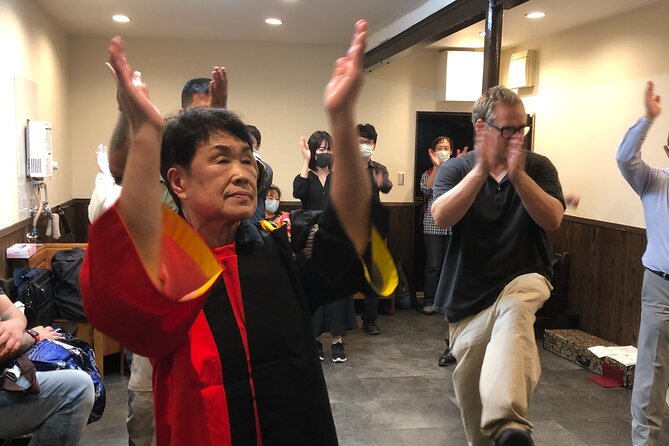
Dance your way into Osaka culture. This 90-minute Bon Odori class at Ebisuza gives you a friendly, low-pressure way to try a Japanese folk dance near Tsutenkaku. I like the simple instruction and the chance to try shamisen and taiko instruments, details that make this more than a basic dance lesson. I also like the choice of afternoon or evening sessions, though the class may feel brief if you want a full lesson in Japanese music and dance.
The price is $19.60 per person, which is fair for a small-group cultural activity that includes a drink. The main point to consider is that the class takes place in a studio, so Tsutenkaku and Isshinji Temple are nearby landmarks rather than clearly described sightseeing stops with guided visits.
In This Review
- Key Points Before You Book
- Why Bon Odori Makes a Good Osaka Activity
- Entering Ebisuza Near Tsutenkaku
- The First Steps: Watch, Copy, Repeat
- The Second Half: Dance Freely in a Circle
- Shamisen and Taiko Add More Than a Dance Lesson
- What the Nearby Sights Add to Your Day
- Is $19.60 Good Value?
- Timing, Group Size, and Who Will Enjoy It
- What the Strong Feedback Tells You
- Practical Details to Know Before Arrival
- Should You Book the Ebisuza Bon Odori Class?
- FAQ
- Where does the Bon Odori experience begin?
- Where does the activity end?
- How long does the experience last?
- How much does the experience cost?
- What drinks are included?
- Is the class suitable for beginners?
- How many people can join the activity?
Key Points Before You Book
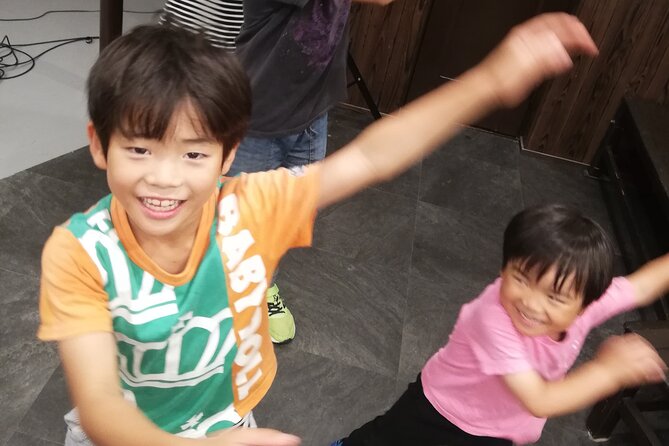
- Easy Bon Odori steps: The instructor begins with a demonstration and teaches basic movements at a comfortable pace.
- Live Japanese instruments: You may get to hear and handle shamisen and taiko, adding a musical side to the lesson.
- Central Ebisu-higashi location: The studio is near Tsutenkaku, Isshinji Temple, the zoo, and many Osaka food spots.
- A drink is included: Choose coffee, tea, water, or a canned alcoholic beverage during the experience.
- Small group setting: The maximum group size is 15, which allows for more personal guidance than a large cultural show.
- Short and easy to fit in: The class lasts about 1 hour 30 minutes and ends back at the meeting point.
Why Bon Odori Makes a Good Osaka Activity
Bon Odori is a traditional Japanese folk dance linked with summer festivals. At this class, you do not need to wait for festival season. You can learn the basic movements year-round, then dance in a circle to music with a samba-like rhythm.
That rhythm matters. Bon Odori can look formal from a distance, but this class presents it as a social dance with few strict rules. You learn the pattern, repeat it, and gradually loosen up. The goal is not perfect footwork. The goal is to join the circle and enjoy the music.
I think this makes the activity a good choice if you want something more active than a museum visit but less demanding than a full dance workshop. You can take part without previous experience, and the supplied information says most people can participate.
The class also offers a small window into how Japanese festival culture works. Bon Odori is often danced in a group, with people moving around a central area in repeated steps. The shared rhythm is part of the point. You are not simply watching a performance. You are taking part in one.
A few more options to weigh up in Osaka
- Osaka Go Karting Tour with Funny Costume
★ 5.0 · 2,658 reviews - Osaka Castle: Museum and Tower Entry Ticket
★ 4.5 · 2,380 reviews - Osaka: Shinsekai Food Tour with 13-15 Dishes at 5 Eateries
★ 4.8 · 2,204 reviews
Entering Ebisuza Near Tsutenkaku
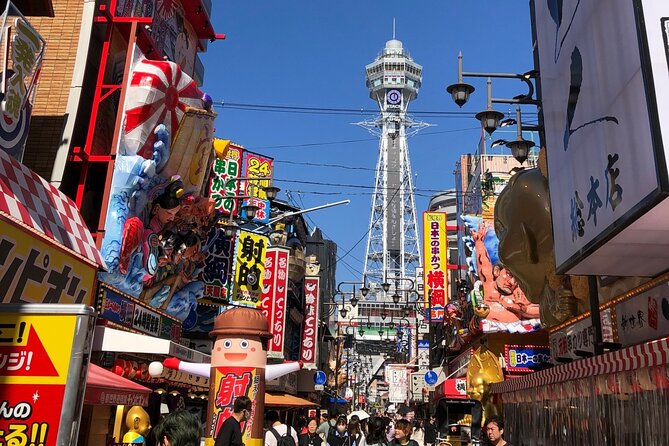
The meeting point is at 1-chōme-3-13 Ebisuhigashi, Naniwa Ward, Osaka, postal code 556-0002. The dance studio, called Ebisuza, is in the center of Osaka’s Shinsekai area, close to Tsutenkaku and the zoo.
This is a useful location for planning your day. You can combine the class with sightseeing around Tsutenkaku, a visit to Isshinji Temple, or a meal in the surrounding streets. Takoyaki, okonomiyaki, and kushikatsu are all mentioned as nearby food options, so you have plenty of ways to continue the Osaka experience after the class.
Give yourself enough time to find the studio. The activity is near well-known sights, but a central neighborhood can still have small streets and several possible entrances. Clear directions have been particularly helpful for people arriving early, so read the meeting instructions carefully before setting out.
The setting is practical rather than grand. You are going to a dance studio, not a historic festival ground. That is part of the appeal for some people, since it gives you a focused place to learn. If you expect a large outdoor Bon Odori event, you should adjust those expectations.
The First Steps: Watch, Copy, Repeat
The lesson begins with the instructor demonstrating the Bon Odori. You then try the basic steps, likely repeating them until the group gets a common rhythm.
The movements are described as slow and easy to follow. That is good news for beginners, older participants, and anyone who feels awkward about dancing in public. One important detail is that the dance has few rules. You are not being tested, and small mistakes do not spoil the activity.
The instruction appears to be the strongest part of the class. Feedback consistently praises the clear, easy steps and the friendly approach of the people running the session. That matters because a dance class can quickly become uncomfortable if the teacher moves too fast or expects prior skill.
I would treat the first half as a chance to get the pattern into your body. Watch the demonstration closely, copy the hand and foot movements, and do not worry about looking polished. The group format helps because you can follow the people around you as the dance repeats.
The Second Half: Dance Freely in a Circle
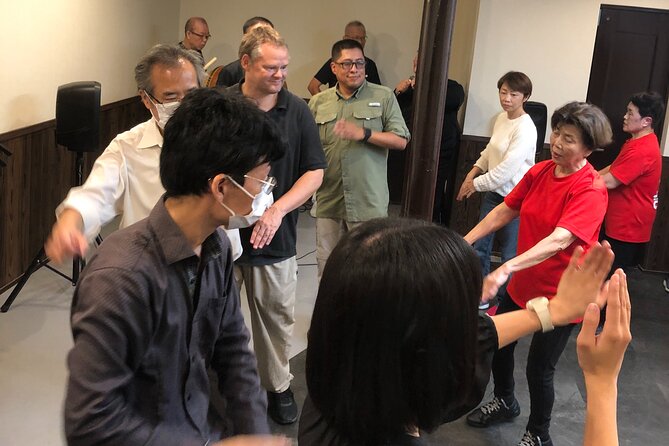
Once the basic steps are familiar, the lesson becomes less formal. The description explains that you can dance more freely in the second half, following the music and enjoying the group movement.
This is where the class changes from instruction to participation. You are no longer only thinking about the next step. You begin to feel the repeated pattern, the circle, and the music. That shared movement is one of the most appealing parts of Bon Odori.
The activity is also presented as relaxed and social. Your included drink can be coffee, tea, water, or a canned alcoholic beverage. The phrase dance while feeling tipsy suggests that some people may choose the alcoholic option as part of the fun, but you can certainly choose a nonalcoholic drink instead.
If you have a knee problem or another physical concern, keep your own limits in mind. One response refers to a participant who had knee pain, so the class may be manageable for some people with that issue, but the available information does not promise a modified program. The slow pace helps, but you should take breaks if needed and avoid forcing any movement.
A completely different kind of day out:
- Osaka Food Tour: 13 Dishes at 5 Local Eateries
★ 5.0 · 2,149 reviews - Hungry Osaka Street Food Tour:15 Tastings & 3 Drinks with a Local
★ 5.0 · 1,727 reviews - Osaka: Tea Ceremony Experience
★ 4.9 · 1,426 reviews - Osaka Kickstart: Hotspots & Hidden Gems Tour
★ 5.0 · 1,306 reviews
Shamisen and Taiko Add More Than a Dance Lesson
A particularly appealing feature is the chance to experience Japanese instruments. Several accounts describe shamisen and taiko performances, and some people were able to touch and try the instruments themselves.
The shamisen is a traditional three-stringed Japanese instrument, while taiko refers to Japanese drums. The class information does not promise the same performance or hands-on opportunity at every session, so I would treat this as a welcome part of the experience rather than a guaranteed separate concert.
Still, it adds real value. Without the instruments, the activity would be a straightforward folk dance class. With shamisen and taiko, you get a better sense of how movement, rhythm, and live sound fit together in Japanese performance culture.
The musical element also gives non-dancers something to enjoy. If someone in your group is shy about dancing, hearing the music or trying a percussion instrument may make the experience easier to enjoy. For families and groups of friends, that variety can help keep everyone involved.
What the Nearby Sights Add to Your Day
Tsutenkaku is listed as the first stop, and Isshinji Temple as the second. The activity begins and ends at Ebisuza, so these landmarks appear to be nearby points of interest rather than a separate walking tour.
Tsutenkaku gives you an easy landmark for planning your time in Shinsekai. The tower and surrounding streets are among Osaka’s best-known sightseeing areas, and the location puts you close to casual local food. You can schedule the dance before dinner, after sightseeing, or between other stops.
Isshinji Temple offers a different atmosphere from the entertainment district around the tower. It is nearby, so you can pair the folk dance with a quieter cultural visit. The available information does not specify a guided temple tour or admission arrangement, so plan to visit it independently if you want to go inside or spend time there.
The nearby zoo is another possible addition to your schedule. I would not treat the listed stops as a full sightseeing itinerary. Think of them as useful landmarks and nearby options that make the studio easy to combine with other plans.
Is $19.60 Good Value?

At $19.60 per person, this is priced below many longer guided cultural activities. The value comes from the combination of instruction, group participation, a drink, and possible access to live shamisen and taiko.
You are paying for an experience rather than a major attraction ticket. There is no promise of an extended performance, a meal, or a guided tour of Tsutenkaku or Isshinji Temple. If you want a low-cost activity that gives you something to do with your hands and feet, the price is sensible.
The small-group limit of 15 also helps justify the cost. A compact class gives the instructor a better chance to watch the group and correct basic movements. It should feel more personal than a large stage presentation, though the exact number of participants can vary.
The included drink is a modest extra, not the main reason to book. Coffee, tea, and water make the price suitable for people who do not drink alcohol. The canned alcoholic option may appeal to adults who want a more festive atmosphere, but it is optional.
Timing, Group Size, and Who Will Enjoy It
The class lasts about 1 hour 30 minutes. That is long enough to learn the basic steps and spend time dancing, but short enough to fit into a busy Osaka day.
You can choose an early afternoon or evening session. The afternoon option works well before dinner and evening sightseeing. The evening option may suit you if you plan to explore Tsutenkaku and Shinsekai during the day.
The class is especially suitable for:
- First-time visitors who want a simple cultural activity
- Couples and friends looking for something playful to do together
- Families who prefer participation over a formal performance
- People who enjoy music and want to try shamisen or taiko
- Visitors staying near central Osaka
- Anyone who feels unsure about joining a difficult dance class
It may be less suitable if you want a long lesson focused on technique. It may also disappoint you if you expect an outdoor festival with a large local crowd. This is a compact studio experience, with the advantages and limits that come with that format.
What the Strong Feedback Tells You
The experience has a 5.0 rating from 16 reviews, with 100 percent recommending it. The most praised features are consistent: easy dance movements, warm hospitality, live music, and the chance to try instruments.
One person described the steps as easy and the atmosphere as friendly. Another enjoyed the feeling of dancing in a circle with everyone moving together. That sense of shared participation appears to be more important than technical skill.
The live shamisen and taiko receive especially strong praise. The performances were described as moving, and the host’s shamisen playing made a lasting impression. If you care about traditional music, this detail makes the class more attractive than a standard dance lesson.
The people running the activity also receive repeated praise for their kindness and clear directions. That is practical, not just polite feedback. A class is much easier to enjoy when you can find the studio without stress and understand what to do once you arrive.
There is also a strong social side. One French-language comment describes the activity as a memorable source of laughter during a holiday, suitable for friends or family. That gives you a good sense of the tone: relaxed, participatory, and a little silly in the best way.
Practical Details to Know Before Arrival
Confirmation is provided when you book, and the activity uses a mobile ticket. The meeting and return point is the same Ebisuza address.
The maximum group size is 15 people. Service animals are allowed, and the studio is near public transportation. The information also says most people can participate, but no detailed accessibility information is provided, so contact the provider if you need specific assistance.
You can cancel for a full refund up to 24 hours before the start time. Changes or cancellations made less than 24 hours before the activity are not accepted, and the cut-off follows Osaka local time.
The experience is often booked about 27 days ahead. That does not mean you must reserve a month early, but it is a useful warning if your dates are fixed. Afternoon and evening choices may make planning easier, yet the small group limit can reduce last-minute flexibility.
Should You Book the Ebisuza Bon Odori Class?
Book it if you want a short, friendly, hands-on way to connect with Japanese culture near Tsutenkaku. The easy steps make it approachable, and the possible shamisen and taiko session gives the experience extra character.
I especially recommend it for first-time visitors, families, couples, and friends who want an activity that produces shared laughs rather than another hour of sightseeing. The $19.60 price is reasonable for 90 minutes of instruction, dancing, music, and a drink.
Skip it if you want a major performance, a full walking tour, or advanced dance training. For everyone else, this is a cheerful use of an hour and a half, with enough local flavor to make your Osaka schedule feel less like a checklist.
FAQ
Where does the Bon Odori experience begin?
It begins at Ebisuza, located at 1-chōme-3-13 Ebisuhigashi, Naniwa Ward, Osaka, 556-0002, Japan.
Where does the activity end?
The activity ends back at the meeting point, at Ebisuza.
How long does the experience last?
The Bon Odori class lasts approximately 1 hour 30 minutes.
How much does the experience cost?
The listed price is $19.60 per person.
What drinks are included?
You can choose coffee, tea, water, or a canned alcoholic beverage.
Is the class suitable for beginners?
Yes. The instructor demonstrates the Bon Odori first, then teaches basic steps. The dance is described as easy to follow and suitable for most participants.
How many people can join the activity?
The maximum group size is 15 people.
Just added in Osaka
- Osaka: 2-Hour Nightlife District Walking & Local Food Culture★ 5.0 · 199 reviews
- Osaka Japanese Cooking And Matcha Class near Osaka Castle★ 5.0 · 22 reviews
- Osaka Dotonbori Daytime Food Tour★ 5.0 · 24 reviews
- Osaka Dotonbori Wonder Cruise★ 4.0 · 28 reviews
- Osaka Food Walking Tour with Market Visit★ 4.5 · 14 reviews
- Cooking Ramen&Gyoza/KatsuCurry/Bento/Okonomiyaki+Store Tour@Osaka★ 5.0 · 138 reviews
- Osaka Private Pop Culture Tour: Historic Tenma to Dotonbori★ 4.5 · 13 reviews
- Osaka Cooking Class and Sake Tasting with Local Supermarket Visit★ 5.0 · 79 reviews
Osaka Tours, compared.


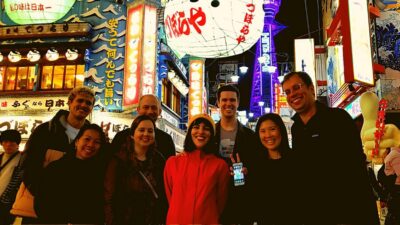
Shinsekai Food Tour with 13-15 Dishes at 5 Eateries
Read our review →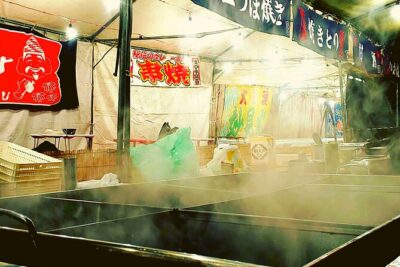
Osaka Food Tour: 13 Dishes at 5 Local Eateries
Read our review →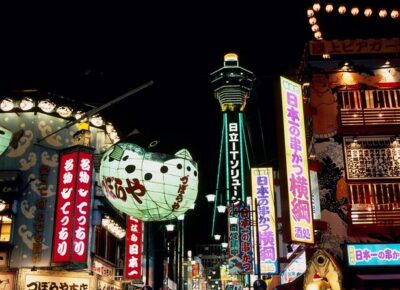
Hungry Osaka Street Food Tour:15 Tastings & 3 Drinks with a Local
Read our review →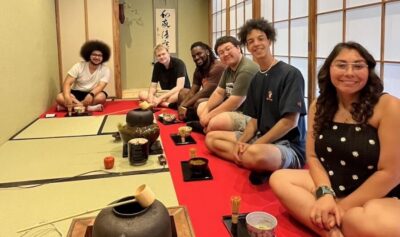
Hotspots & Hidden Gems Walking Tour Private or Group
Read our review →Browse the lists this tour appears in