
Reviewed · TRAIN EXPERIENCES
Mt. Fuji & Hakone Bus Tour Bullet Train Return & 28-Hotel Pick-up
Fuji, Hakone, and a bullet train in one day. This 10-hour trip from Tokyo packs Japan’s most famous mountain, a volcanic valley, a lake cruise, and several cultural stops into one organized outing. I like the easy hotel pickup and the choice of returning by fast Shinkansen rather than sitting on a bus back through Tokyo traffic.
I also like the mix of scenery and activities. You get mountain views at Fuji’s 5th Station, sulfur vents at Owakudani, a ropeway ride, a cruise on Lake Ashi, and a visit to Hakone Shrine. The main drawback is the pace: some stops last only 15 to 30 minutes, and heavy traffic can turn this into a very long day with plenty of time on the coach.
In This Review
- Key points to know before booking
- Why this tour works for a short Tokyo stay
- Hotel pickup and the long road toward Fuji
- Mt. Fuji 5th Station: the headline stop
- Gotemba lunch and the value of the optional meal
- Hakone Ropeway and Owakudani’s sulfur vents
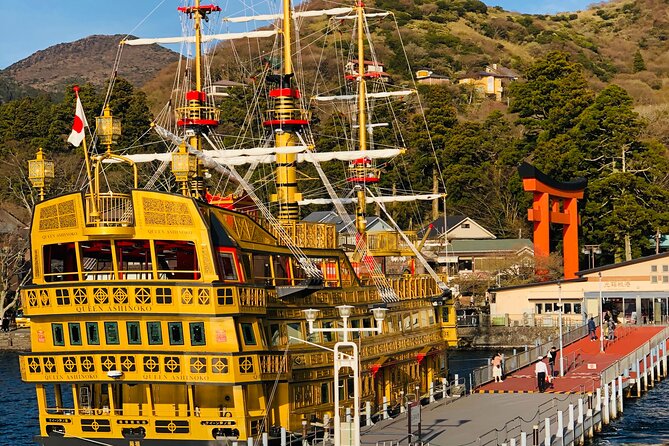
- Lake Ashi’s pirate ship cruise
- Hakone Shrine and the lakeside torii
- Odawara Station and the bullet train choice
- How the guides shape the day
- Who should book this Fuji and Hakone day?
- Should you book it?
- FAQ
- How long does the Mt. Fuji and Hakone tour last?
- Is hotel pickup included?
- Is lunch included?
- Can the tour accommodate food allergies?
- Is the bullet train return included?
- What happens if bad weather affects the itinerary?
- Is the tour suitable for everyone?
Key points to know before booking
- Fuji’s 5th Station is weather dependent: You may reach the highest accessible point, but snow, traffic, or road closures can send the bus to a lower alternative.
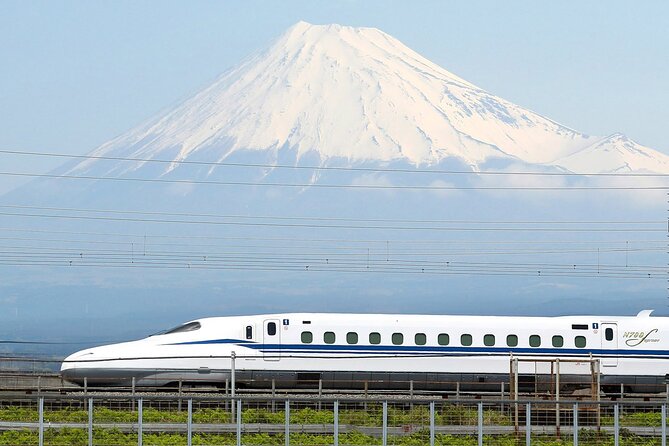
- The bullet train upgrade saves real time: The ride from Odawara to Tokyo takes about 35 minutes, compared with roughly two to two and a half hours by bus.
- Hakone brings the variety: The ropeway, Owakudani, Lake Ashi cruise, and Hakone Shrine each offer a different kind of experience.
- Lunch is optional: A Japanese-style meal, including a vegetarian option, is available only with the lunch package.
- Guides are a major strength: Guides such as Izumi, Yuki, Yoshi, and Yokiko have been praised for clear explanations, humor, and help with onward trains.
- Expect a large group: The maximum is 45 people, so this is efficient sightseeing, not a quiet private outing.
Why this tour works for a short Tokyo stay
If you have only three or four days in Tokyo, arranging Fuji and Hakone on your own can eat up a lot of planning time. You need to work out regional trains, buses, ropeway tickets, lake boat schedules, and the best order for the stops. This tour handles those moving parts in one day.
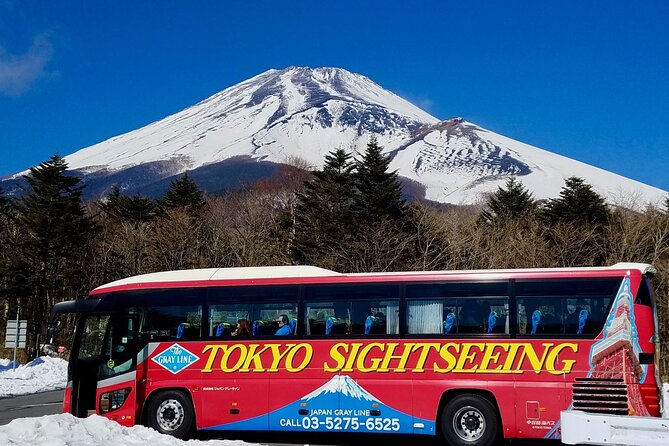
That convenience is the central value. At about $145.35 per person, the price is not the cheapest way to see Mt. Fuji, but it includes a certified English-speaking national guide, hotel pickup from designated Tokyo hotels, the Hakone gondola, the Lake Ashi cruise, and the return bullet train if you select that option.
You are paying for transport and coordination as much as for admission tickets. I think the price makes the most sense if you want to see several headline sights without renting a car or changing hotels. It makes less sense if your main goal is a long, peaceful visit at Fuji itself.
The group size can reach 45 people. That means you should expect a clear meeting system, timed departures, and instructions rather than a flexible day shaped around your own interests. The upside is that a good guide can keep a complicated route moving. Izumi, also known as Spring, has earned especially warm praise for her cultural explanations, friendly manner, and ability to keep the group engaged.
A few more options to weigh up in Tokyo
- Mt Fuji and Hakone 1-Day Bus Tour Return by Bullet Train
★ 5.0 · 26,383 reviews - Mt Fuji & Hakone Cruise, Drum Show Bullet Train 1 Day from Tokyo
★ 4.0 · 7,413 reviews - Tokyo Mt Fuji 5th St & Hakone Cruise Bus Tour w/Bullet Train
★ 4.4 · 5,024 reviews
Hotel pickup and the long road toward Fuji
The advertised start time is 8:30 a.m., but exact pickup times vary by hotel. The booking information may show the general start time, while the actual hotel timetable can be later. One useful habit is to check the final pickup details carefully and arrive early at the designated hotel lobby.
Pickup may involve a taxi, and a guide might not accompany that first transfer. The operator says pickup is available at each hotel when the reservation is made more than one hour before the scheduled pickup time. A few booking details can prevent a stressful start, especially in Tokyo, where a hotel lobby may have several tour groups gathering at once.
Once underway, the bus heads out of the city toward Mt. Fuji. This is where the tour’s weakness becomes clear. Traffic can make the trip long, and one account described about three hours spent on pickup and road time before reaching Fuji. The countryside can be lovely, especially in autumn, but you should bring water, a light snack, and patience.
There is no onboard WiFi included. Hotel drop-off is not included either, so plan your evening route from the return point. The guide may help you find connecting trains, but you remain responsible for getting from Tokyo Station or another final stop to your accommodation.
Mt. Fuji 5th Station: the headline stop
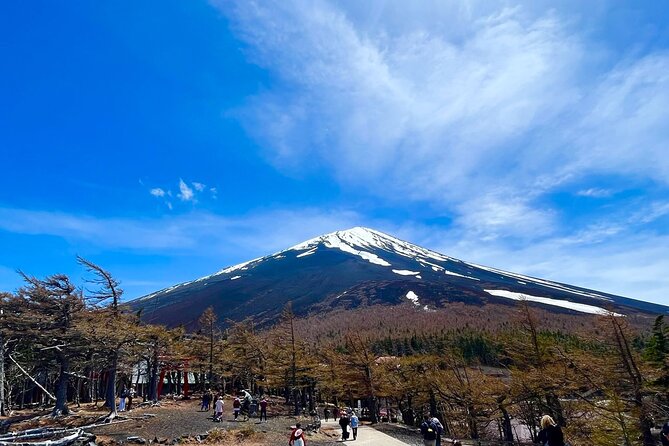
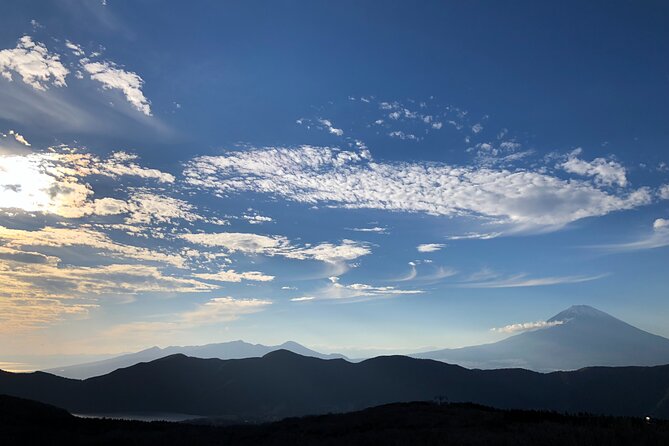
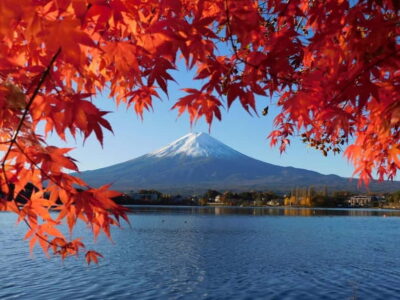
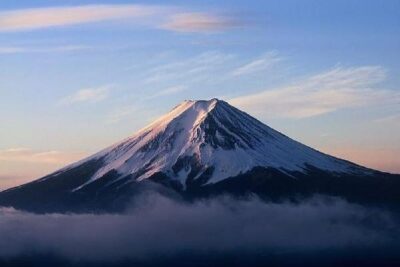
Mt. Fuji’s 5th Station is usually the emotional high point of the day. From late spring to late fall, the bus typically climbs to this accessible mountain point, where you can look across the surrounding area and, on a clear day, see the snow-capped summit above you.
The stop is scheduled for about 30 minutes. That is enough for a look around and photographs, but not enough for a long walk, extensive shopping, or a slow meal. If you want postcards or souvenirs, move quickly. One practical complaint about the stop was that there was not enough time to visit the gift shop and mail a postcard.
The view is never guaranteed. Clouds can cover the summit, and poor weather can make the stop cold, wet, or windy. Road conditions matter too. Snow, heavy traffic, or a late-running schedule may mean driving to the highest point currently accessible instead of reaching the 5th Station.
This is important: the tour is designed to give you a chance to see Fuji, not to guarantee a perfect mountain portrait. A clear day can make this stop memorable. A cloudy day can leave you feeling that the long bus ride was out of proportion to the time at the mountain.
Bring warm clothing and rain gear, even if Tokyo feels mild. A raincoat and umbrella are specifically recommended. Weather at higher elevations can change quickly.
Gotemba lunch and the value of the optional meal
The Gotemba stop lasts about 40 minutes and provides an optional Japanese-style lunch. A vegetarian choice is available, but the operator cannot provide special meals for food allergies or other dietary restrictions. If you need a carefully controlled meal, choose the package without lunch and arrange your own food.
The included meal, for those who purchase the lunch option, has been praised as fresh, filling, and enjoyable. Hotpot-style food has also received good marks. It may not be the culinary highlight of your Japan trip, but it gives you a proper meal without requiring another decision during a tightly scheduled day.
There are stairs to reach the restaurant, so this part requires some mobility. The tour includes outdoor walking and stairs, and the day can feel demanding if your knees or breathing are a concern. Owakudani in particular should be avoided by people with allergic asthma, bronchial or respiratory complaints, heart problems, or heart pacemakers.
A completely different kind of day out:
- Tokyo Disney Resort – Tokyo Disneyland & Tokyo DisneySea Park Tickets
★ 4.8 · 99,488 reviews - SHIBUYA SKY Ticket
★ 4.7 · 46,509 reviews - JR Whole Japan Rail Pass
★ 4.8 · 29,150 reviews - TOKYO SKYTREE® Ticket
★ 4.7 · 25,136 reviews
Hakone Ropeway and Owakudani’s sulfur vents
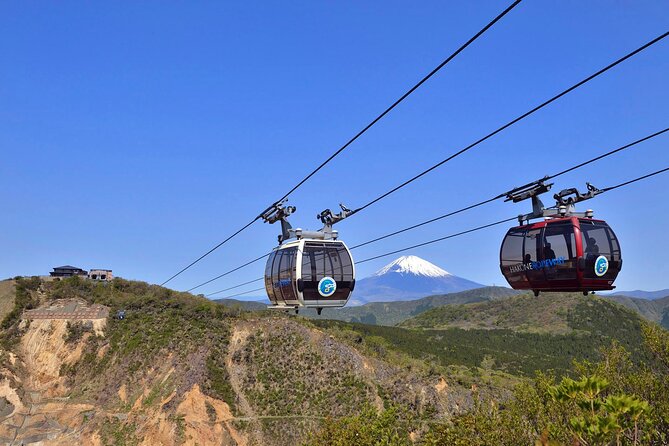
After lunch, the route turns toward Hakone, one of Japan’s best-known hot spring areas. The first Hakone activity is a one-way ride on the Hakone Ropeway, described here as a scenic sky gondola traveling toward Owakudani Valley. The ride itself is short, about 15 minutes, but it gives you a high view over the volcanic area.
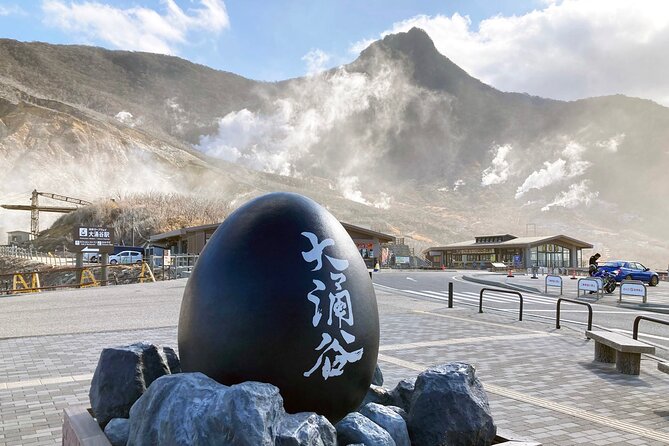
Owakudani means Great Boiling Valley. It is an active volcanic zone with sulfur vents and hot spring activity. The smell can be strong, and the experience is more about unusual geology than polished sightseeing. At the Owakudani Kurotamago Kan, you can learn about the famous black eggs, cooked in hot spring water.
The stop lasts around 20 minutes. That leaves enough time to see the area and consider the black eggs, but not to wander far. The sulfur odor and outdoor exposure will not suit everyone. If you have a respiratory condition listed in the tour information, take the warning seriously.
Weather and operations can close or alter the gondola and Owakudani visit. In that case, the guide may substitute places such as Peace Park in Gotemba, the Hakone Geo Museum, the Hakone Komagatake Ropeway, Mt. Komagatake, Narukawa Museum, or another Fuji and Hakone attraction.
This flexibility protects the day from collapsing when conditions change, but it also means your actual itinerary may differ. You should book this as a Fuji and Hakone sightseeing day, not as a fixed guarantee of every listed stop.
Lake Ashi’s pirate ship cruise
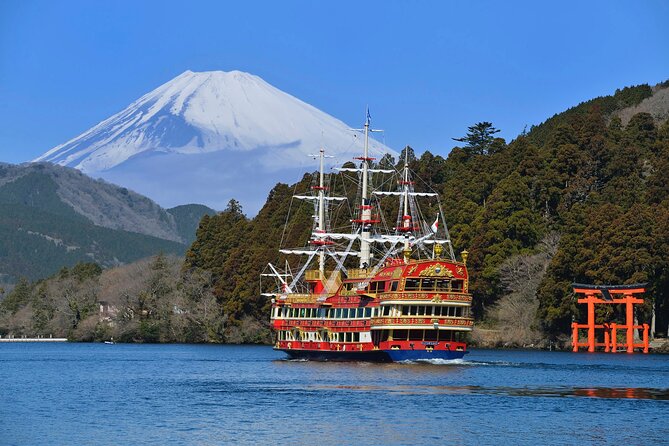
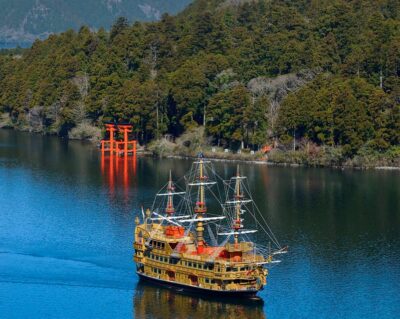
The Lake Ashi cruise is the tour’s most playful activity. You board a large sightseeing boat designed like a pirate ship for roughly 30 minutes on the lake. From the water, you may see the surrounding mountains, Hakone’s famous red torii gate, and Mt. Fuji if the sky cooperates.
The boat gives your legs a break after the bus and walking stops. It also changes your view of Hakone from roads and elevated cable cars to open water. I like that variety, even though the pirate styling is clearly built for sightseeing rather than quiet transport.
Crowding can be an issue. At busy times, you might queue before boarding and find yourself standing outside or taking turns for a clear photo. The cruise is still a pleasant way to see the lake, but do not expect a private deck or an uncrowded boat.
Heavy wind and poor weather can also affect the cruise. The operator may replace it with another activity. The day will continue rather than automatically ending when one attraction is unavailable, and there is no promise that the substitute will feel equivalent to the original plan.
Hakone Shrine and the lakeside torii
Hakone Shrine is the cultural counterpoint to the volcanic valley and sightseeing boat. This old Shinto shrine is known for its red torii gate beside Lake Ashi. The stop is scheduled for about 30 minutes.
That half hour gives you time to see the shrine area and take photographs, but the timing may feel tight if the approach is crowded. The torii gate is one of Hakone’s most recognizable sights, so expect other people to want the same photo.
I find this stop valuable because it adds a spiritual and historical note to a day otherwise built around views and transport. Still, it is a brief visit. If you want a slow shrine experience, quiet reflection, or a careful look at every detail, you will need a separate Hakone visit.
The shrine can also serve as an alternative if the ropeway, Owakudani, or cruise is unavailable. That makes it a useful anchor in bad weather, although the overall schedule can still change.
Odawara Station and the bullet train choice
The tour finishes its sightseeing at Odawara Station. Passengers returning to Tokyo by bus receive about a 10-minute break there. Those who choose the bullet train, or hold a Japan Rail Pass, board the train for Tokyo Station.
The Shinkansen ride takes about 35 minutes, with arrival in Tokyo generally between 6:30 and 7:00 p.m. This is one of the best reasons to choose the upgrade. After a full day on the road, a fast, predictable train ride is far more appealing than another two or more hours in traffic.
The bullet train does not return you to your hotel. The tour ends at Tokyo Station’s Marunouchi Ekimae Hiroba, so you will need to continue by subway, local train, taxi, or on foot. Guides have sometimes helped people understand how to make their onward connections, which is especially useful if Tokyo Station feels like a maze.
Pay attention to the final instructions. If traffic or operational delays cause you to miss your scheduled train after leaving at Odawara, the stated policy does not provide a refund. You are advised to use non-reserved seats on the next train instead.
How the guides shape the day
The guide can make or break a tightly packed coach tour. Here, the strongest part of the experience is often the human one. Izumi, called Spring in English, has been praised for warmth, humor, cultural teaching, and careful time management. Yuki has been singled out for answering questions and assisting with individual needs, while Yoshi has helped people find connecting transport at Tokyo Station.
That support matters because the day involves several tickets, boarding times, short walks, and a final transport choice. A strong guide gives you context while keeping you from missing the bus.
The guide may also need to manage changes caused by weather or traffic. On a rainy day, good communication can turn disappointment into a manageable change of plan. On a crowded day, it can help the group move through the schedule, though it cannot create more time at each stop.
Who should book this Fuji and Hakone day?
I would choose this tour if you want a broad first look at Mt. Fuji and Hakone while keeping Tokyo as your base. It suits you especially well if you have limited time, prefer organized transport, want an English-speaking guide, or do not want to coordinate several regional connections.
It also suits people who enjoy variety. In one day, you see a mountain station, a Japanese meal, a volcanic valley, a ropeway, a lake, a shrine, and a high-speed train. That is a lot of Japan for one ticket.
I would hesitate if your priority is hiking, photography, a long visit at the 5th Station, or a quiet pace. The bus ride can be lengthy, the stops can feel rushed, and weather may hide Fuji entirely. Anyone with significant mobility or respiratory concerns should also think carefully about the stairs, outdoor walking, elevation, sulfur fumes, and long day.
Free cancellation is available up to 24 hours before the start time. Changes made less than 24 hours before departure are not accepted, and the experience may be altered when weather or operations interfere. The policy also says that if the experience itself is cancelled because of poor weather, you will be offered another date or a full refund.
Should you book it?
Book it if efficiency matters more than depth. This is a practical way to combine Fuji and Hakone from Tokyo, and the bullet train return adds real value at the end of a tiring day. The guides, especially Izumi, Yuki, Yoshi, and Yokiko, appear to be a major reason the packed schedule works as well as it does.
Choose the lunch option if you want the day handled from start to finish and have no special dietary needs. Choose the bullet train if you can, and arrive early for pickup with warm layers and rain gear.
If you want Fuji to be the main event, book a slower Fuji-focused outing instead. If you want to check off several major sights in one organized day, this tour offers a strong, if busy, return on your time and money.
FAQ
How long does the Mt. Fuji and Hakone tour last?
The experience lasts about 10 hours. The tour begins around 8:30 a.m., with the exact pickup time depending on your designated Tokyo hotel.
Is hotel pickup included?
Yes. Pickup is offered at designated Tokyo hotels. A taxi may be used for part of the pickup process, and a guide may not accompany that initial transfer.
Is lunch included?
Lunch is included only if you select the tour option with lunch. The meal is Japanese style, and a vegetarian option is available.
Can the tour accommodate food allergies?
No special meals can be provided for food allergies or other dietary restrictions. If you have these needs, select the option without lunch.
Is the bullet train return included?
The bullet train from Odawara Station to Tokyo Station is included only with the Bullet Train option. The ride takes about 35 minutes, and the tour ends at Tokyo Station.
What happens if bad weather affects the itinerary?
The Hakone Ropeway, Owakudani Valley, Lake Ashi cruise, or Mt. Fuji 5th Station may be excluded or replaced because of weather, traffic, closures, or other operating problems. Alternative sightseeing locations may be provided.
Is the tour suitable for everyone?
Most people can participate, but the day includes outdoor walking and stairs. People with allergic asthma, bronchial or respiratory problems, heart conditions, or heart pacemakers should avoid outdoor activities at Owakudani Valley.
Just added in Tokyo
- Very popular in Harajuku♡Animal petting zoo★ 4.6 · 39 reviews
- Yokohama Port: Private Customizable Tour with Transfer★ 5.0 · 19 reviews
- Wagyu & Sake 8 Course Tasting Dinner in Shinjuku★ 4.9 · 20 reviews
- Warner Bros. Studio Tour Tokyo – The Making of Harry Potter★ 4.8 · 181 reviews
- Yanaka District: Historical Walking Tour in Tokyo’s Old Town★ 4.8 · 117 reviews
- Tokyo: Classic Tsukiji Food Tour★ 4.9 · 78 reviews
- Tokyo: Tsukiji Fish Market Tour with 6 Stops & Seafood Lunch★ 4.5 · 165 reviews
- Tokyo Wagyu & Sake Pairing Tasting Experience with Local Flavors★ 5.0 · 108 reviews
Train Experiences, compared.
Mt Fuji and Hakone 1-Day Bus Tour Return by Bullet Train
Read our review →
Mt Fuji & Hakone Cruise, Drum Show Bullet Train 1 Day from Tokyo
Read our review →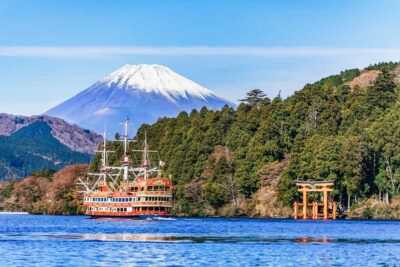
Tokyo Mt Fuji 5th St & Hakone Cruise Bus Tour w/Bullet Train
Read our review →
Kyushu One-Day Tour: Yufuin no Mori Train & Yufuin Town & Nyoirin-ji Temple & Dazaifu & Hell Hot Springs (Departing from Fukuoka)
Read our review →
Mt. Fuji & Hakone Tour w/ Return by Bullet Train
Read our review →
Kyoto Arashiyama Scenic Train & Hozugawa River Boat Ride Day Trip (From Osaka / Kyoto)
Read our review →Browse the lists this tour appears in