
Reviewed · BOAT TRIPS AND CRUISES
Mt.Fuji Hakone Day Tour With Lake Ashi Cruise, FREE Ropeway
Fuji rewards patience. This $58 day trip packs Hakone Shrine, a Lake Ashi cruise, the Hakone Ropeway, Owakudani, Lake Yamanaka, and Oshino Hakkai into one long outing from Tokyo. I like the excellent range of scenery, from cedar forests and sacred gates to volcanic steam and clear spring water. I also like that the ropeway ticket and round-trip transport are included, which keeps the base price fair.
The main caution is pace. You spend about 10 hours on the road and at scheduled stops, and traffic can cut into sightseeing time. The Lake Ashi cruise costs about 1,700 yen extra, lunch is not included, and the lunch stop may be inconvenient if you do not plan to eat there. Guides such as Jack, Kousei, Tom, and Andrew receive especially warm praise for keeping large, multilingual groups moving with good humor.
In This Review
- The five things to know before you book
- What the $58 price really covers
- Leaving Tokyo and finding your group
- Hakone Shrine and the cedar path
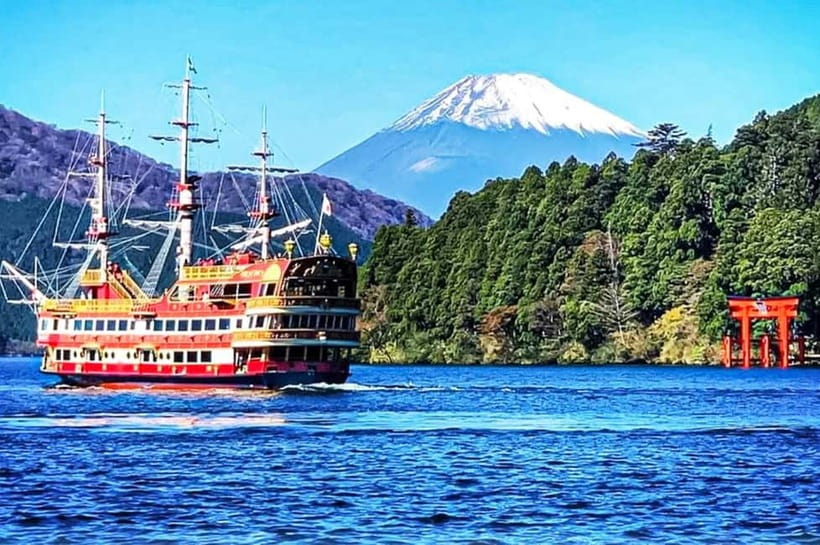
- Lake Ashi by pirate ship
- The Hakone Ropeway and steaming Owakudani
- Lunch: the part that needs planning
- Lake Yamanaka and the Swan Bay view
- Oshino Hakkai and the clear spring ponds
- Getting back to Tokyo
- Guides, group style, and organization
- Who should book this day trip?
- Final verdict: a strong value for a weather-dependent day
- FAQ
- How long does the Mt. Fuji Hakone day tour last?
- What is included in the tour price?
- Is the Lake Ashi cruise included?
- Is lunch included?
- Can I bring my own lunch?
- Which languages are available?
- Will I definitely see Mt. Fuji?
- What should I bring?
- Is the tour suitable for wheelchair users?
- Where does the tour meet and finish?
- Can I cancel the booking?
The five things to know before you book
- The cruise is optional and costs extra: Lake Ashi is beautiful from shore, but the pirate ship requires an additional ticket of around 1,700 yen.
- The ropeway ticket is included: You fly above Hakone’s volcanic country and reach Owakudani without paying another fare for the cable car.
- Mt. Fuji visibility depends on weather: You may see the mountain from several angles, or only catch a glimpse through cloud.
- Bring cash and plan lunch: Some local shops do not accept cards, and the tour does not provide a meal.
- This is a packed shared tour: A guide must coordinate several stops, multiple languages, traffic, and a return to Tokyo.
- The best value is variety: For one modest price, you see shrines, a lake, a cable car, volcanic activity, swans, and traditional village ponds.
What the $58 price really covers
At $58 per person, this tour offers a useful shortcut for seeing several places that are awkward to combine independently in a single day. You get round-trip coach transport from Tokyo, a driver, a live guide, parking fees, and the Hakone Ropeway ticket.
That matters because the route covers a wide area. You are not simply visiting one Mt. Fuji viewpoint and heading home. The day links Hakone, Lake Ashi, Owakudani, Lake Yamanaka, and the Fuji Five Lakes area near Oshino.
The price is less attractive if you want a slow, quiet day. You pay for access and coverage, not for long meals or unhurried wandering. You also need to budget for the cruise, food, drinks, souvenirs, and personal expenses. One sensible estimate is an extra 3,000 to 5,000 yen, depending on lunch and shopping.
The ropeway is included, but the guide helps arrange the ticket on the day. The same applies to the optional Lake Ashi cruise. Carry cash, since some small shops and food sellers may not accept cards.
More Boat Trips in Tokyo
- Mt Fuji & Hakone Cruise, Drum Show Bullet Train 1 Day from Tokyo
★ 4.0 · 7,413 reviews - Tokyo Mt Fuji 5th St & Hakone Cruise Bus Tour w/Bullet Train
★ 4.4 · 5,024 reviews - Tokyo: Meiji Shrine, Asakusa, Skytree Bus Tour and Cruise
★ 4.7 · 1,986 reviews
Leaving Tokyo and finding your group
The tour has two possible departure arrangements, with the listed meeting point at STAND T near Tokyo Mode Gakuen. Your exact meeting place can vary with the option you book, so check the evening email carefully. That message includes important details such as your guide’s name and contact information for the guide and driver.
The morning begins around 8:00 AM, followed by roughly two and a half hours by coach. Tokyo traffic can make this first ride longer, especially on weekends and holidays. I would not schedule anything important immediately after the advertised return time.
This is a shared group outing with English, Japanese, and Chinese explanations. That format gives you access to a guide without paying for a private vehicle, but it also means instructions may be repeated in several languages. The strongest guides keep the process clear and friendly. Jack is praised for humor and careful organization, while Kousei is noted for explaining Japanese culture clearly and checking that people knew where to go.
Hakone Shrine and the cedar path
Your first major stop is Hakone Shrine, with about 80 minutes for photos and sightseeing. The route leads through tall ancient cedar trees and up mossy stone steps. It feels far removed from Tokyo’s noise, even though the popular approach can be busy.
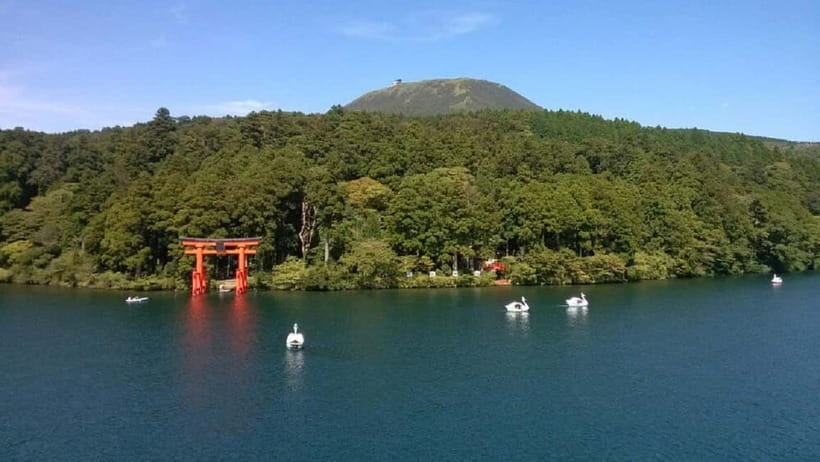
The famous red torii gate sits by Lake Ashi, creating the classic photograph of a sacred entrance beside the water. Mt. Fuji may appear behind it, but the view depends entirely on clouds and visibility. On a clear day, the composition is one of the tour’s strongest. On a cloudy day, the forest and shrine still make the stop worthwhile.
Allow time for the walk itself. Comfortable shoes are important because this is not just a roadside photo stop. The surface can be uneven, and the shrine area attracts many people, particularly during holidays.
This is also a good place to understand the tour’s rhythm. You have enough time to take photos and walk around, but not enough for a long, aimless visit. Keep an eye on the meeting time and follow the guide’s directions.
Lake Ashi by pirate ship
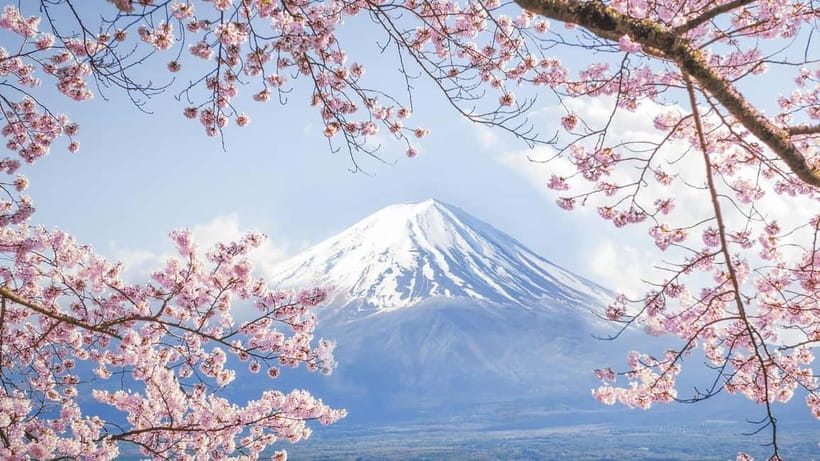
After a short eight-minute coach ride, you reach the Lake Ashi sightseeing cruise. The boat ride lasts about 25 minutes and is optional, costing roughly 1,700 yen. If you skip it, you continue by bus directly to Togendai Ropeway Station.
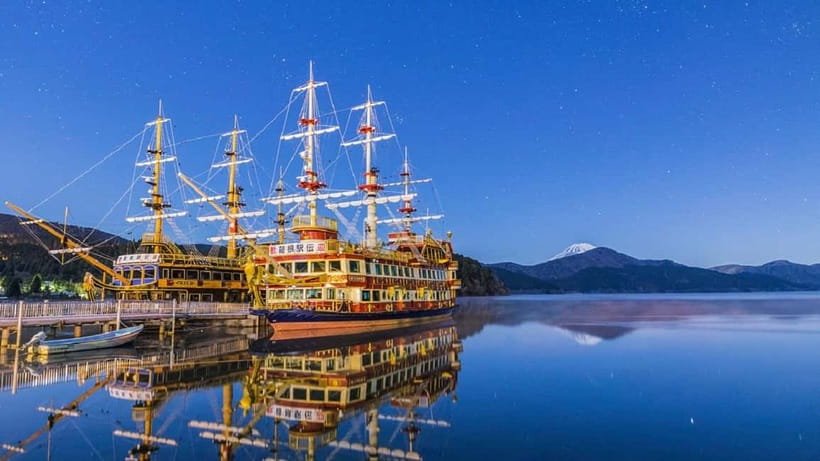
The pirate ship is deliberately theatrical, with a design that gives the crossing a bit of fun. The real attraction is outside: Lake Ashi, green hills, the torii gate, and Mt. Fuji when the air is clear. From the water, you get a different angle than at Hakone Shrine, which makes the extra fare reasonable for many people.
I would pay for the cruise if Mt. Fuji is visible and you enjoy scenic transport. If clouds are heavy, the boat still gives you a pleasant lake crossing, but the photo value drops. Since the cruise is not included, decide early if it fits your budget.
The optional setup also gives you flexibility. You are not forced to pay for an activity you do not want. The tradeoff is that the group may be split briefly, so listen closely to where and when to regroup.
More Day Trips in Tokyo
- Mt Fuji Top 5 Spots Day Tour: Arakurayama Park,Oshino Hakkai
★ 4.7 · 2,066 reviews - Tokyo: Mt. Fuji, Kamakura, Big Buddha, & Lake Ashi Day Trip
★ 4.5 · 867 reviews - Mt. Fuji & Hakone Private Day Tour with English-Speaking Driver
★ 4.5 · 824 reviews - Tokyo Private Day Trip – Enjoy Your First-Time Visit to Tokyo!
★ 5.0 · 793 reviews
The Hakone Ropeway and steaming Owakudani
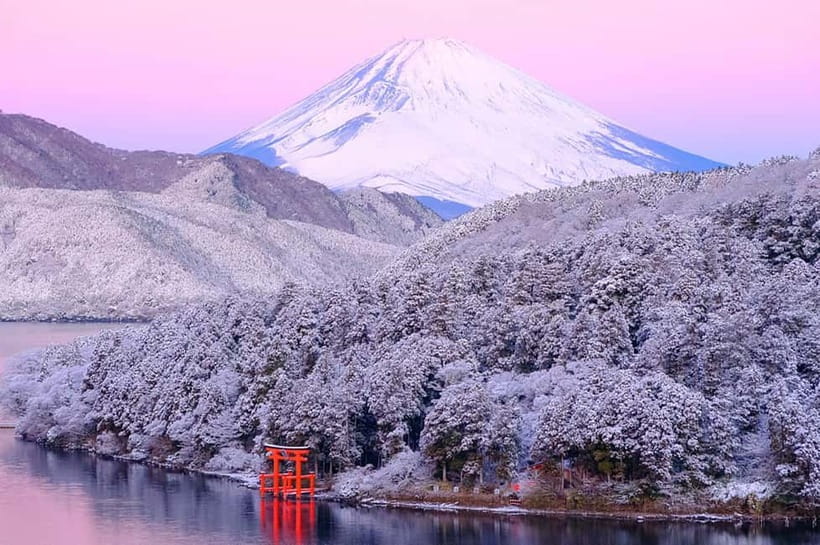
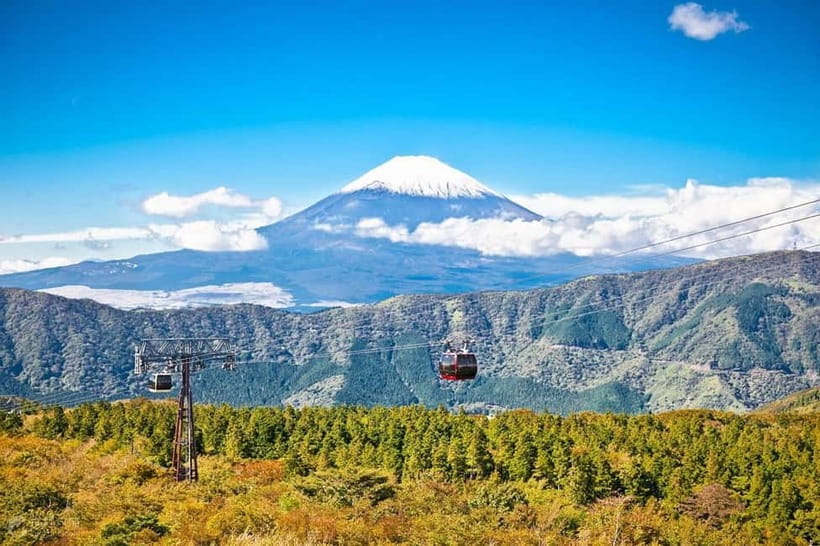
The included Ropeway ride lasts about 30 minutes and carries you over Hakone’s volcanic country toward Owakudani. You see Lake Ashi below and, on a clear day, Mt. Fuji rising beyond it. The changing views are one of the best reasons to choose this tour rather than a simple coach trip to a Fuji viewpoint.
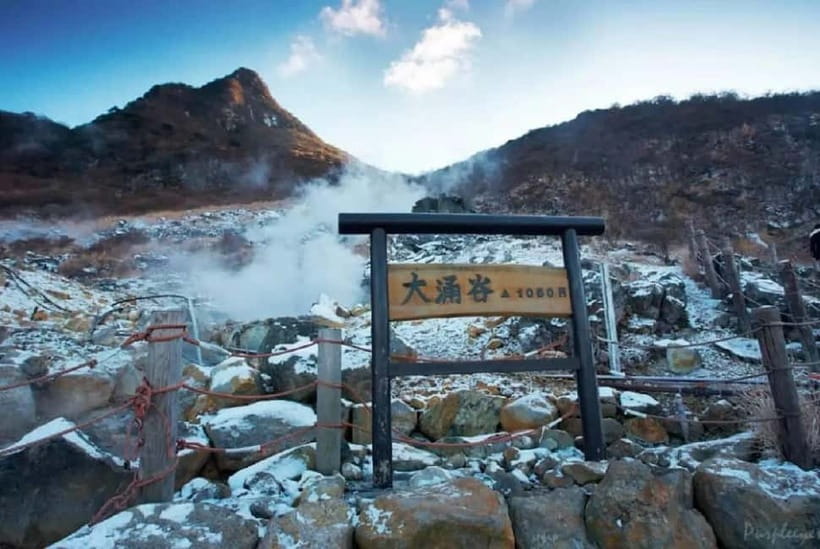
Owakudani adds a sharper edge to the day. Steam rises from the ground, sulfur hangs in the air, and the valley has a raw, active feel. This is not a polished garden or a quiet shrine. It is a place where you can see and smell volcanic activity close to the visitor area.
You have about 50 minutes for photos and sightseeing. That is enough to look around and try the famous black eggs, which are traditionally associated with adding seven years to your life. I would treat them as a local specialty and a memorable snack, not as a reason to build the whole day around Owakudani.
Bring weather-appropriate clothing. Conditions around the ropeway and volcanic valley can feel different from central Tokyo. The route may also change if bad weather, congestion, or operating conditions interfere with the planned schedule.
Lunch: the part that needs planning
Lunch is not included, and the schedule allows about 40 minutes at a local restaurant. You may bring food, buy something at the attractions, or eat at a restaurant recommended by the guide.
There is an important catch: food is not allowed inside the vehicle. You can carry your own meal, but you need to eat it during an approved stop. One useful tip is to carry cash and a simple meal or snack that you can manage quickly.
The restaurant stop may not suit everyone. If you choose not to eat there, there may be few alternative cafes nearby. That makes it wise to ask the guide about the lunch arrangement early in the day. Do not assume you can wander off and find a better option during the short break.
Because the tour visits several locations, lunch is functional rather than leisurely. If food is a major part of your sightseeing, a private tour or slower independent day would suit you better.
Lake Yamanaka and the Swan Bay view
The coach then travels for about an hour to Lake Yamanaka, followed by roughly 1.5 hours for a guided visit and photos. Swan Bay is known for white swans on the water, with Mt. Fuji forming the backdrop when conditions cooperate.
This stop provides a gentler change after Owakudani. Instead of steam and sulfur, you get open water, birds, and a calm lakeside scene. It is particularly appealing if you want photos that show Mt. Fuji in a natural setting rather than beside a major monument.
The mountain can be shy here. It may be hidden by cloud or appear only in brief openings, so keep your camera ready. Several people have had good luck seeing Fuji from changing angles throughout the day, but no guide can guarantee that view.
The long stop gives you more room to breathe than the short boat ride or ropeway segment. Even so, stay aware of the group meeting point. A 1.5-hour stop can feel generous until you include walking, photos, the guide’s explanation, and any time spent near the water.
Oshino Hakkai and the clear spring ponds
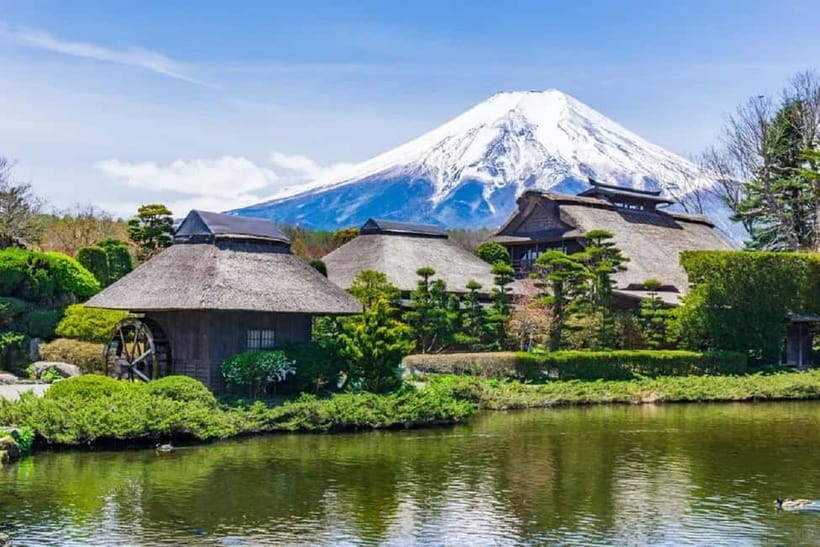
Oshino Hakkai follows a short 15-minute coach ride from Lake Yamanaka. You have about 1.5 hours to explore the village and its eight clear ponds.
The ponds are the visual opposite of Owakudani. There, the earth sends up steam and sulfur. Here, water flows through a traditional rural setting with thatched houses, wooden bridges, plants, and stones visible beneath the surface. The still water and mountain backdrop create some of the day’s most attractive photographs.
This is more than a quick Fuji lookout. You can focus on the details around the ponds, including reflections and the old-style buildings. The setting is popular, so do not expect solitude, particularly on weekends and holidays.
The stop works well near the end of the day because it is easier to explore at your own speed. You can take photos, walk between the ponds, and buy a snack or souvenir if time allows. Keep some yen handy, since small local businesses may not take cards.
Getting back to Tokyo
The return coach ride takes about two hours, with the day generally beginning the trip back around 4:20 PM. That puts the total outing at about 10 hours, though traffic and holiday congestion can make the return later.
This is the part of the tour that requires the most patience. You have covered a large area, and the road back to Tokyo is not under the guide’s control. If you have an evening reservation, airport transfer, theater ticket, or train connection, leave a wide margin.
The upside is simple: you can rest on the bus rather than navigate several trains and buses after a full day outdoors. One guide even earned praise for making the coach ride comfortable enough for a little sleep. That is a modest luxury after cedar steps, lakeside walks, and volcanic air.
Guides, group style, and organization
The strongest feature of this experience is the guiding. Jack is repeatedly praised for being funny, patient, helpful, and careful with timing. Kousei receives similar approval for clear explanations, friendly support, and attention to group safety. Tom and Andrew are also singled out for making the day enjoyable and easy to follow.
That matters here because the route has many moving parts. You need to know when to board the coach, how to handle the optional cruise, where to meet after a photo stop, and how much time remains at each attraction.
A shared group can feel busy. Explanations come in several languages, and popular sites may be crowded. Still, the guide’s job is not only to explain the sights. It is also to count people, give practical instructions, and keep the day from slipping badly behind schedule.
Who should book this day trip?
I would recommend it if you have limited time in Tokyo and want a broad taste of Mt. Fuji and Hakone without planning a complicated route. It suits photographers, first-time visitors, families who can manage a full day, and anyone who values convenience over independence.
It can also work for older adults who are comfortable walking. A 75-year-old participant completed the day without difficulty, but the tour is not suitable for wheelchair users. The shrine steps, outdoor paths, and repeated coach transfers require reasonable mobility.
I would hesitate if you dislike fixed schedules, crowded attractions, long bus rides, or uncertain weather. I would also choose another option if you want a quiet shrine visit, a long meal, or a serious mountain hike.
Cancellation is free up to 24 hours before departure, and you can reserve now and pay later. Those policies make it easier to wait for a promising weather forecast, although the mountain can still hide on the day itself.
Final verdict: a strong value for a weather-dependent day
Book this tour if you want maximum variety for $58 and accept a busy schedule. The included transport and Ropeway make the price attractive, while the optional cruise lets you decide if the lake crossing is worth the extra yen.
The best reason to go is the sequence of contrasts: cedar trees, red shrine gate, open lake, volcanic steam, swans, and clear springs. The main risk is not poor organization. It is weather, traffic, crowds, and the simple fact that six major sights cannot be enjoyed at a leisurely pace in one day.
Bring comfortable shoes, cash, a flexible attitude, and a backup plan for lunch. If Mt. Fuji appears, the day can be spectacular. If it stays behind cloud, the shrine, ropeway, valley, swans, and ponds still give you a satisfying look at central Japan beyond Tokyo.
FAQ
How long does the Mt. Fuji Hakone day tour last?
The tour lasts about 10 hours, beginning around 8:00 AM and starting the return to Tokyo around 4:20 PM. Traffic or holiday congestion may make the return later.
What is included in the tour price?
The price includes round-trip transportation from Tokyo, the Hakone Ropeway ticket, a tour guide, a driver, and parking fees.
Is the Lake Ashi cruise included?
No. The cruise is optional and costs around 1,700 yen. If you do not board, you continue by bus to Togendai Ropeway Station.
Is lunch included?
No. You can bring food, buy lunch at an attraction, or eat at a restaurant recommended by the guide.
Can I bring my own lunch?
You may bring your own food, but food is not allowed inside the vehicle. You need to eat it during a suitable stop.
Which languages are available?
The live guide service is available in English, Japanese, and Chinese. Explanations may be given in multiple languages during the shared tour.
Will I definitely see Mt. Fuji?
No. Visibility depends entirely on weather conditions. Check the forecast before booking, but even a good forecast cannot guarantee a clear view.
What should I bring?
Bring comfortable shoes, cash, and clothing suited to the weather. Cash is useful because some local shops do not accept cards.
Is the tour suitable for wheelchair users?
No. The tour is not suitable for wheelchair users.
Where does the tour meet and finish?
The starting and ending arrangements may vary by booking option. STAND T near Tokyo Mode Gakuen is listed as a possible meeting and drop-off location.
Can I cancel the booking?
You can cancel up to 24 hours in advance for a full refund. The reserve-now, pay-later option allows you to keep plans flexible.
Just added in Tokyo
- A One-of-a-Kind Sushi Experience in a Special Place of Japan★ 5.0 · 15 reviews
- Tokyo Cute Bento Cooking Class – Make a Kawaii Character Lunchbox★ 5.0 · 126 reviews
- Japanese Home Cooking Class & Walk in Todoroki Temple Tokyo★ 5.0 · 88 reviews
- Japan Tokyo Tower Observatory Deck E-Ticket★ 4.0 · 34 reviews
- Catch a Baseball Game in Tokyo with a Local – Tickets Included★ 5.0 · 24 reviews
- JDM Experience with Fast&Furious RX-7 (English speaking Driver)★ 5.0 · 57 reviews
- Tokyo Private Day Tour by Car with English speaking Driver Guide★ 4.0 · 29 reviews
- Japan Classic 10 Day – One Life Adventures★ 5.0 · 129 reviews
Boat Trips and Cruises, compared.
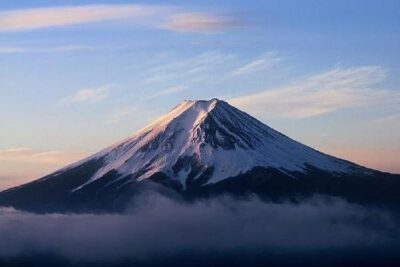
Mt Fuji & Hakone Cruise, Drum Show Bullet Train 1 Day from Tokyo
Read our review →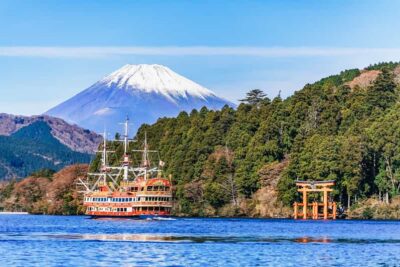
Tokyo Mt Fuji 5th St & Hakone Cruise Bus Tour w/Bullet Train
Read our review →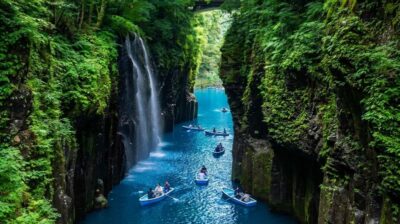
Kyushu: Mount Aso, Kusasenri & Takachiho Gorge Day Tour (Optional Takachiho Boat Ride Experience)
Read our review →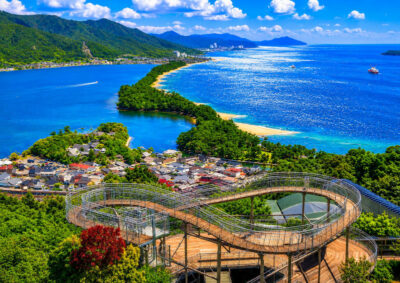
Japan’s Three Scenic Views & Kyoto by the Sea: Amanohashidate Cable Car + Ine Bay Boat Tour Day Trip (Departing from Osaka or Kyoto)
Read our review →
Mt. Fuji 5th Station & Hakone Cruise 1-Day Bus Tour
Read our review →
Meiji Shrine, Asakusa, Skytree Bus Tour and Cruise
Read our review →Browse the lists this tour appears in