
Reviewed · NAGOYA TOURS
Nagoya Private Tour with a Local: Highlights & Hidden Gems
Nagoya rewards a flexible plan. This private tour pairs you with a local host who shapes the day around your interests, giving you a useful mix of major sights and everyday city life. I especially like the custom itinerary and the chance to see Nagoya through someone who lives there, rather than following a fixed route.
I also like the wide choice of stops, from Nagoya Castle and Atsuta Shrine to Osu shopping streets and Sakae dining districts. The main drawback is that the price does not include attraction tickets, food, or transport, and the broad two-to-eight-hour format means you need to explain your priorities clearly before setting out.
In This Review
- Key points to know before booking
- Why a private local tour makes sense in Nagoya
- Starting at Nagoya Station
- Sky Promenade for a quick city overview
- Nagoya Castle and the city’s ruling past
- Atsuta Shrine and 1,900 years of tradition
- Osu Kannon, temples, shops, and local browsing
- Sakae for department stores and Nagoya food
- Gardens, temples, and quieter choices
- What the hosts add to the day
- Is $62.67 good value?
- Who should book this experience?
- Should you book the Nagoya private tour?
- FAQ
- How much does the Nagoya private tour cost?
- How long does the experience last?
- Where does the tour start?
- Can the host meet me at my hotel?
- Are attraction tickets, food, and transport included?
- Is the tour private?
Key points to know before booking
- Your host is matched to your interests: A short questionnaire helps City Unscripted pair you with a like-minded local.
- The route is flexible: You might visit Nagoya Castle, Atsuta Shrine, Sky Promenade, Osu, Sakae, or quieter temples and gardens.
- You pay $62.67 per person: That covers the private host and walking experience, but not admissions, meals, or transport.
- The tour works for short visits: A two-hour outing can cover one area, while a longer booking allows a broader look at Nagoya.
- Hotel pickup may be possible: Central hotel meet-up is available on request, though the standard meeting point is Nagoya Station.
- Personal hosting is the main attraction: Kumi and TK, also called Tatako, have been praised for warmth, local insight, and thoughtful planning.
Why a private local tour makes sense in Nagoya
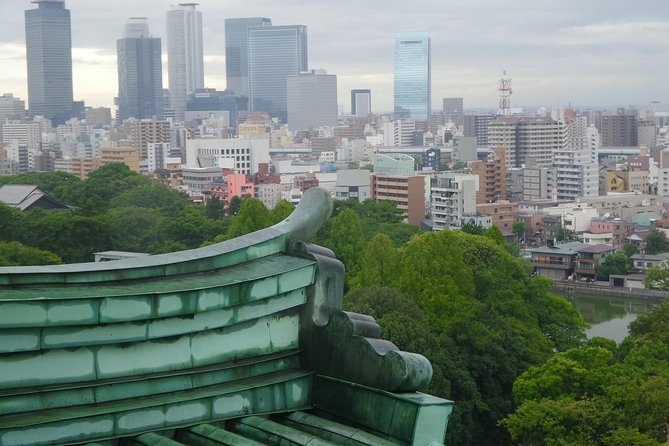
Nagoya can be tricky to read at first. It is a major Japanese city, a transport center, a food destination, and a place with important shrines and castles, but its attractions are spread across different districts. A fixed walking route could easily spend too much time in one area and miss what suits you best.
This experience gives you a local host rather than a formal guide delivering a set script. After booking, you complete a short questionnaire about your personality and interests. Your host then suggests a plan based on what you want to see and how you prefer to spend your time.
That approach is useful if you already know you want gardens, temples, shopping, architecture, local food, or broad city views. It is also helpful if Nagoya is your first stop in Japan and you need someone to help you decide what deserves your limited time.
The private format matters. Only your group joins the activity, so you can ask questions, slow down for photos, change the pace, or focus on one subject without waiting for strangers. You also avoid the common problem of a large group being herded from one sight to the next.
The tradeoff is that the experience depends on communication. Tell the company and your host what you want before the day begins. If you simply ask to see everything, the plan may become too ambitious, especially during a short booking.
More Private Tours in Nagoya:
- Nagoya: Customized Private Tour
★ 4.6 · 15 reviews - Tokyo 6hr Private Tour with Government-Licensed Guide
★ 5.0 · 3,902 reviews - Private Tour to Mt. Fuji and Hakone (Fully Licenced Operator)
★ 5.0 · 1,910 reviews
Starting at Nagoya Station
The standard meeting point is the Nagoya Station Tourist Information Center at 1-chōme-1-4 Meieki, in Nakamura Ward. This is a practical place to begin because Nagoya Station is a major transport hub and easy to identify.
A station meeting also gives you a sensible first step in the city. You can meet your host, confirm the plan, and decide how much of the day should be spent walking. A central hotel meet-up is available on request, but you should arrange that in advance and confirm that your hotel qualifies as a central location.
The tour ends back at the meeting point. That makes the experience easier to fit around a rail departure, though you should leave extra time if your plan includes several parts of the city. Walking is included, while public transport or a private taxi can be suggested or arranged for an added cost.
Ask about transport early if you want to cover distant areas. Nagoya Castle, Atsuta Shrine, Osu, Sakae, and the station district are not one compact sight cluster. A route that looks simple on a map can take much longer once you include transfers, crossings, and time spent at each stop.
Sky Promenade for a quick city overview
Sky Promenade offers one of the clearest ways to begin understanding Nagoya’s size. From this high observation deck, you can look over the city and get a sense of how its districts fit together.
I like this stop because it provides context before you begin exploring at street level. A city view can help you understand why Nagoya works best as a collection of districts rather than one concentrated old center.
The deck is described as one of the tallest observation points in Japan, so it can be a strong choice if you enjoy large views and photography. It may also suit you if you have only a few hours and want one memorable look at the city without committing to a long museum visit.
Admission is not included. That matters when comparing the $62.67 tour price with your total spending. If the view is a priority, ask your host to confirm the current ticket cost and place it near the beginning or end of the route.
Nagoya Castle and the city’s ruling past
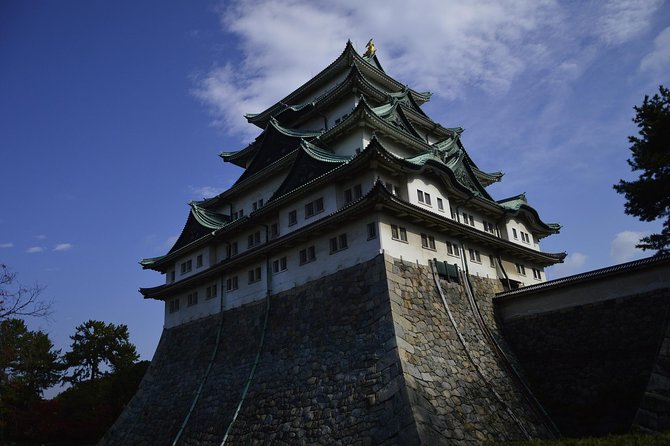
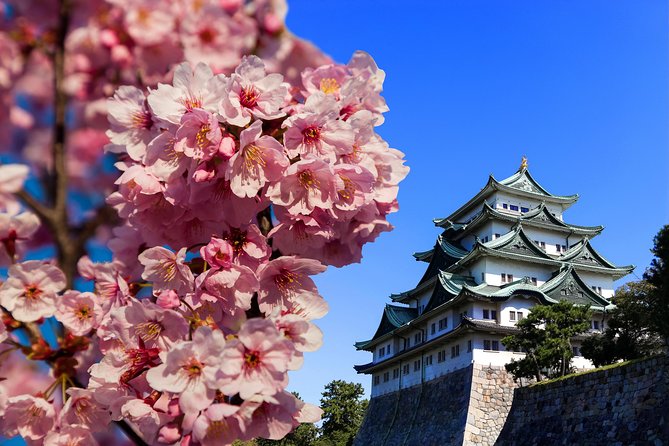
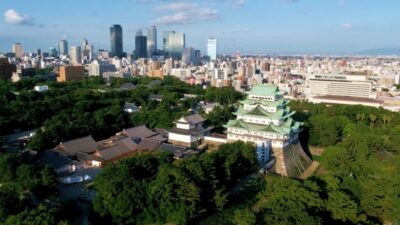
Nagoya Castle is the major historical stop in the proposed route. It served as a center of power for the shogunal government for more than 265 years, offering a direct way to connect present-day Nagoya with the families who once controlled the area.
The appeal here is not just the castle structure. You can think about how powerful ruling families lived, governed, and displayed their position. The grounds also give your host plenty of room to explain the site in a conversational way, with time for questions rather than a rushed list of dates.
There may even be a ninja demonstration, although that is not guaranteed. Treat it as a possible bonus, not a reason to build your entire day around a particular performance.
Nagoya Castle can take up a substantial part of a visit, especially if you enjoy historical sites. If your booking lasts only two hours, pairing the castle with several distant neighborhoods may leave you seeing each place too quickly. For a longer booking, it can serve as the main anchor, followed by a meal or walk through Osu.
Ticket costs are extra, so confirm the admission arrangements before you go. The same applies to any other paid attraction your host suggests.
A few more options to weigh up in Nagoya
- LEGOLAND® Japan Ticket
★ 4.7 · 11,787 reviews - Port of Nagoya Public Aquarium Ticket
★ 4.8 · 4,343 reviews - Shirakawa-go & Takayama Old Town Day Tour (Optional Hida Beef Lunch)
★ 4.6 · 3,936 reviews - Hida Takayama & Shirakawa-go Gassho Village Day Trip (Departing from Nagoya, optional observatory tour included)
★ 4.7 · 2,837 reviews
Atsuta Shrine and 1,900 years of tradition
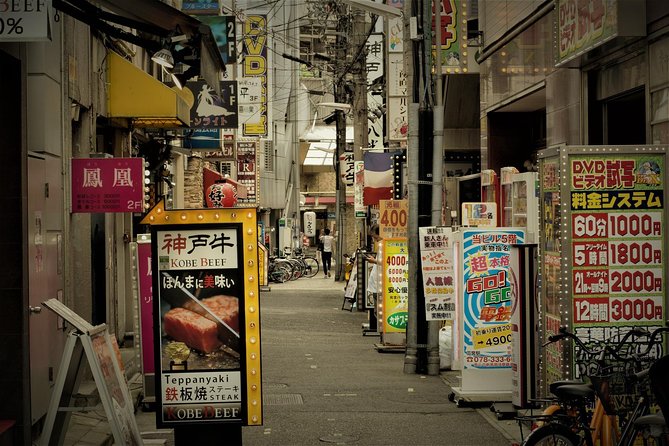
Atsuta Shrine is one of the most significant shrines in Japan and is described as being about 1,900 years old. That age gives the stop a different feel from the castle. Nagoya Castle speaks to political power, while Atsuta offers a place connected to religious practice and long-standing tradition.
You can expect a calmer visit here, with time to notice the setting and observe how people use the shrine. It is not simply an old building to photograph. The value comes from seeing a living place of worship and understanding why it remains important.
Atsuta Shrine is a good choice if you want more than shopping and city views. It also suits anyone interested in Japanese religious customs, architecture, or the way historic places remain part of modern daily life.
Because it is one of several possible stops, make sure your host knows if you want enough time here. A quick stop may give you a look, but a slower visit will be more rewarding if cultural context is one of your main aims.
Osu Kannon, temples, shops, and local browsing
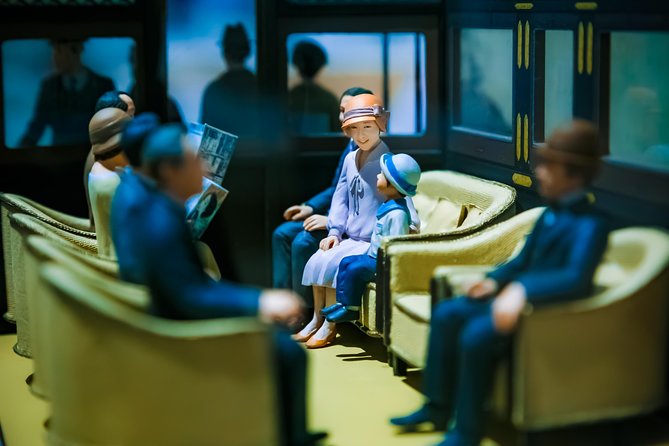
Osu Kannon Temple offers another cultural stop, but Osu itself brings a more commercial side of Nagoya. The district has more than 1,200 shops and restaurants, making it a strong place to combine a temple visit with browsing and food.
This is where a local host can be especially useful. You can ask for help choosing souvenirs, finding an interesting restaurant, or deciding which streets deserve your attention. With such a large number of businesses, wandering without a plan can be fun, but it can also become tiring and unfocused.
I would tell your host what you actually enjoy. You might want traditional goods, casual eateries, specialty foods, or simple people-watching. The host can then shape the walk around your interests instead of treating Osu as a checklist.
Food and drinks are not included, so budget separately for a meal or snack. That is not a flaw in itself, since paying directly lets you choose what you want. Just do not assume the tour price covers Nagoya specialties.
Osu is likely one of the best areas for a first-time introduction to the city because it combines a major temple, shopping, dining, and street life in one broad district. It can also be a good fallback if weather or energy makes a long cross-city route less appealing.
Sakae for department stores and Nagoya food
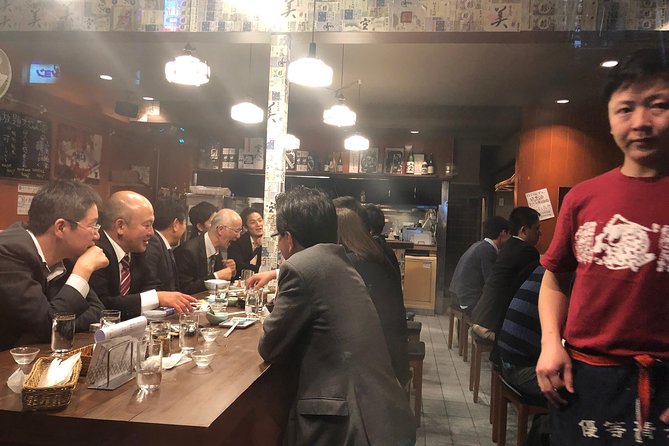
Sakae is Nagoya’s downtown district, with department stores and many dining choices. If you want a polished city center, an evening meal, or advice about local specialties, this is a practical part of the itinerary.
The useful feature here is not only the shopping. Your host can point you toward places to try Nagoya’s regional food, which is one of the better reasons to include Sakae in a private tour. You can ask for recommendations that fit your budget and appetite instead of selecting a restaurant at random.
Sakae may feel less historic than Atsuta Shrine or Nagoya Castle, but it shows how the city lives today. A good private tour should include both older cultural sites and ordinary urban districts, and Sakae provides that balance.
Again, meals are not included. This gives you freedom, but it also means you should plan for an additional bill. If food is a major reason for booking, say so in the questionnaire and during your first meeting.
Gardens, temples, and quieter choices

The experience can include a fine traditional Japanese garden in the middle of the city. The exact garden is not fixed in advance, so you should ask your host which green space fits your interests and the route.
A garden visit can provide welcome relief after busy streets, department stores, or a large castle complex. You can slow down, look at the design, and enjoy a more peaceful part of Nagoya without leaving the city.
The route also mentions a shrine dedicated to Sugawara no Michizane, the god of scholarship. During exam season, students from around the prefecture visit it, giving you a direct look at a custom connected to education and hopes for academic success.
Nittaiji Temple is another possible stop. It offers a chance to find a quieter mood and see a temple setting away from the most obvious city attractions. These options are particularly suitable if you have already seen major castles and shopping streets elsewhere in Japan.
Since these stops are optional and the route is personal, do not assume all of them will fit into one day. Choose a theme. You might focus on religious sites and gardens, or combine one temple with shopping and food.
What the hosts add to the day
The strongest reason to book this experience is the human element. A local host can adjust the pace and explain why a place matters, which is often more useful than simply arriving at a famous sight with no context.
Kumi received especially warm praise for making a first stop in Japan feel memorable and for sharing her understanding of Japanese culture. That detail matters if you are new to Japan and want help reading customs, places, and everyday behavior.
TK, also called Tatako, was praised for sharing a love of Japan and nature. TK also met a cruise passenger at the port and returned that person in time for the ship, showing that the host can adapt to a port visit when arrangements are made clearly.
You cannot guarantee a particular host unless the company confirms it. Still, you can request Kumi or TK if one of them suits your needs and is available. The larger point is that the matching questionnaire has a real purpose. Give useful answers rather than selecting broad interests that do not describe your trip.
Is $62.67 good value?
At $62.67 per person, the price is reasonable if you value private attention and help building a route. You are paying for a personalized host, not an admission package or a meal tour.
The value rises with a small group because everyone receives a private experience and group discounts may be available. It can also make sense for a short visit when poor planning would cost you hours.
The total price will be higher once you add castle or observation deck tickets, food, and transport. Walking is included, but public transport and private taxis cost extra. I would compare the price with what you would pay for a standard group tour, then ask whether the private planning and flexible pace are worth the difference.
You should also consider duration. Two hours is enough for a focused neighborhood walk or a single major theme. A longer booking gives you more room for the castle, shrine, shopping areas, and food, but only if you are comfortable adding transport and entrance fees.
Who should book this experience?
I would recommend it to first-time visitors who want help making sense of Nagoya. It is also a good fit for couples, families, and small groups with different interests, since the host can shape the day around your priorities.
It suits you especially well if you want:
- A private outing rather than a fixed group route
- A local person to help with food, shopping, and cultural questions
- A blend of major sights and less obvious neighborhood stops
- A flexible start point, including a possible central hotel meet-up
- A short introduction to Nagoya during a tight schedule
You may prefer a fixed sightseeing pass or self-guided day if you want every cost included in advance. You may also want another type of tour if you need guaranteed access to every attraction listed here. The stops are examples, not promises, because the route changes to match your interests.
The activity is near public transport, service animals are allowed, and most people can participate. Confirmation arrives at booking. Free cancellation is available if you cancel at least 24 hours before the start time, while later cancellations and changes are not accepted.
Should you book the Nagoya private tour?
Book it if you want a flexible introduction to Nagoya and will take an active role in shaping the day. The best version of this experience is not a race through every famous site. It is a well-chosen combination, perhaps Nagoya Castle with Osu, Atsuta Shrine with a garden, or Sky Promenade followed by Sakae food.
I would book it for the local connection, the private format, and the ability to ask for a route that fits your interests. I would skip it if you want a fully packaged tour with tickets, transport, and meals already covered.
Before the day, name your top two priorities, your preferred pace, and any foods or activities you want to avoid. That small bit of preparation should help your host turn a broad list of Nagoya sights into a day that feels personal and manageable.
FAQ
How much does the Nagoya private tour cost?
The listed price is $62.67 per person. Group discounts may be available.
How long does the experience last?
The experience lasts approximately two to eight hours, depending on the personalized plan you arrange with your host.
Where does the tour start?
The standard meeting point is the Nagoya Station Tourist Information Center at 1-chōme-1-4 Meieki, Nakamura Ward, Nagoya, Aichi 450-0002, Japan.
Can the host meet me at my hotel?
A hotel meet-up is available on request for a central location. You should arrange and confirm this before the tour.
Are attraction tickets, food, and transport included?
No. Food, drinks, attraction tickets, and transportation costs are not included. Walking is included, and public transport or a private taxi can be arranged at an additional cost.
Is the tour private?
Yes. Only your group participates in the activity, and the itinerary is personalized to your interests.
Just added in Nagoya
- Hida Takayama & Shirakawa-go Gassho Village Day Trip (Departing from Nagoya, optional observatory tour included)★ 4.7 · 2,837 reviews
- Shirakawa-go & Takayama Old Town Day Tour (Optional Hida Beef Lunch)★ 4.6 · 3,936 reviews
- Nagoya Castle Ticket★ 4.6 · 326 reviews
- Port of Nagoya Public Aquarium Ticket★ 4.8 · 4,343 reviews
- LEGOLAND® Japan Ticket★ 4.7 · 11,787 reviews
- Ghibli Park Ticket in Aichi★ 4.4 · 2,205 reviews
- Nagoya Endoji Food and Cultural Tour★ 5.0 · 12 reviews
- Sumo Tournament Experience in Nagoya★ 5.0 · 12 reviews
Nagoya Tours, compared.


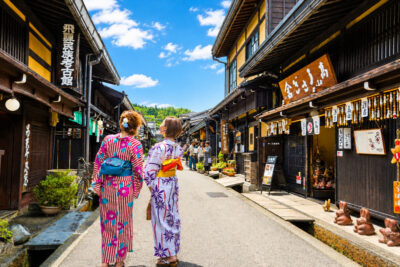
Shirakawa-go & Takayama Old Town Day Tour (Optional Hida Beef Lunch)
Read our review →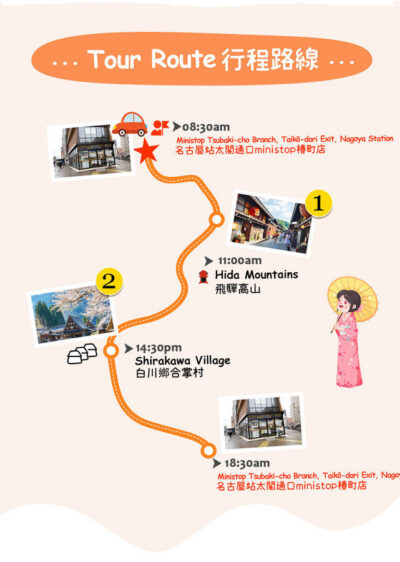
Hida Takayama & Shirakawa-go Gassho Village Day Trip (Departing from Nagoya, optional observatory tour included)
Read our review →

Browse the lists this tour appears in