
Reviewed · FOOD TOURS
Osaka: 2-Hour Local Street Food Tour – Dotonbori & Namba
Osaka eats best one bite at a time. This two-hour walk links Dotonbori’s famous food streets with quieter corners of Namba, mixing classic snacks, photo stops, and useful local context. I like the easy pace and the chance to try foods such as takoyaki, takosen, and taiyaki without having to decode every menu alone. I also like that guides such as Kaito, Hina, Hiro, and Fuka have tailored stops to guests’ tastes and shared practical Japanese phrases.
The main drawback is simple: food and drinks cost extra, so the $51 tour price is only the guide fee. The published conditions also say vegan and gluten-free requests cannot be accommodated, although some guests with vegetarian or gluten-free needs received help from individual guides. I would treat that as a warning, not a promise.
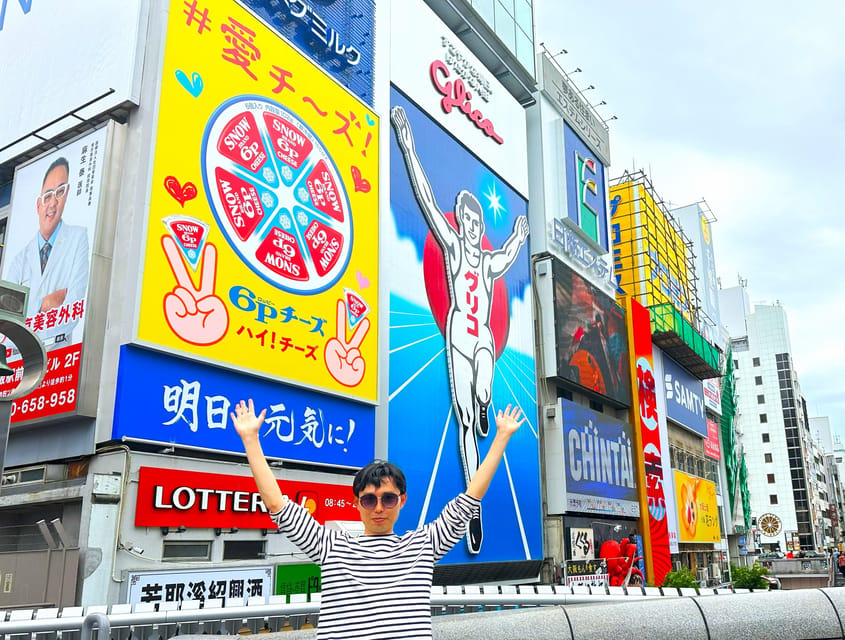
- Start at the Glico Man sign: Get your classic Osaka photograph early, before moving into the surrounding food streets.
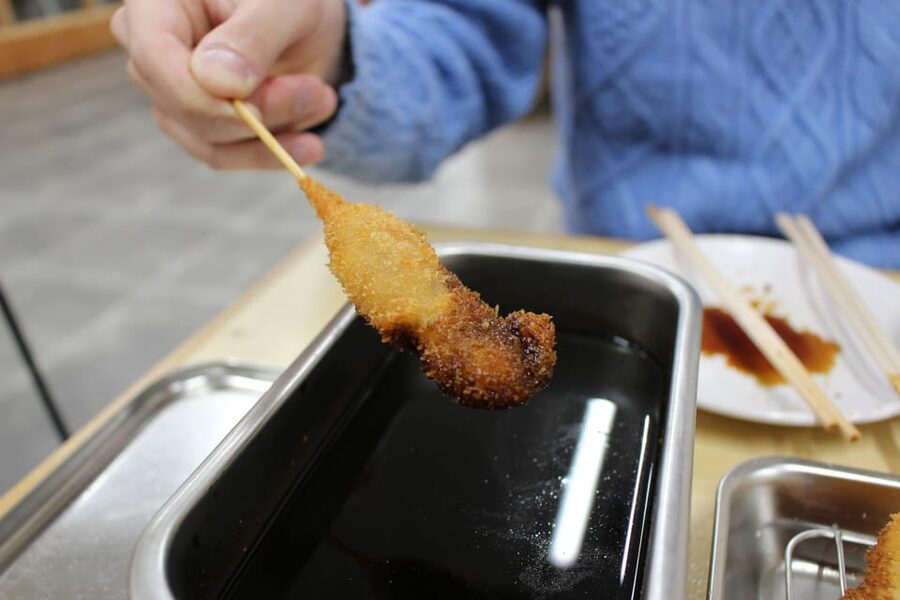
- Taste Osaka’s best-known snacks: Expect possibilities such as takoyaki, takosen, taiyaki, apple candy, pork buns, okonomiyaki, kushikatsu, and doteyaki.
- Slip into Ukiyo-Koji: This narrow passage offers a change of scale from Dotonbori’s enormous signs and crowds.
- Pause at Hozenji Temple: A short temple visit gives the route a quiet cultural break.
- Ask for local guidance: English-speaking guides help with ordering, food customs, Japanese phrases, and choosing stops that fit your interests.
- Best for first visits and return trips: First-timers get orientation, while repeat visitors can ask to see less familiar streets and eateries.
In This Review
- Meeting Osaka Beneath the Glico Man
- Dotonbori Snacks, One Small Portion at a Time
- Ukiyo-Koji and the Quiet Turn to Hozenji
- Namba Eats and the Advantage of a Local Guide
- What You Might Eat in Two Hours
- The Guides Make or Break the Evening
- Pace, Group Size, and Accessibility
- Dietary Limits Need Careful Planning
- Who Will Get the Most from This Tour?
- Booking Advice and Final Verdict
- FAQ
- How long does the Osaka street food tour last?
- Where does the tour meet?
- What food can I try?
- Is food included in the $51 price?
- Is the tour available in English?
- Can vegan or gluten-free guests join?
- Is the tour wheelchair accessible?
Meeting Osaka Beneath the Glico Man
The tour begins outside the Starbucks Coffee TSUTAYA EBISUBASHI store. Look for a guide holding a yellow DeepExperience sign. This is a useful meeting point because it sits right by the action, but Dotonbori can be confusing at first. Give yourself time to find the storefront and stay outside the building as instructed.
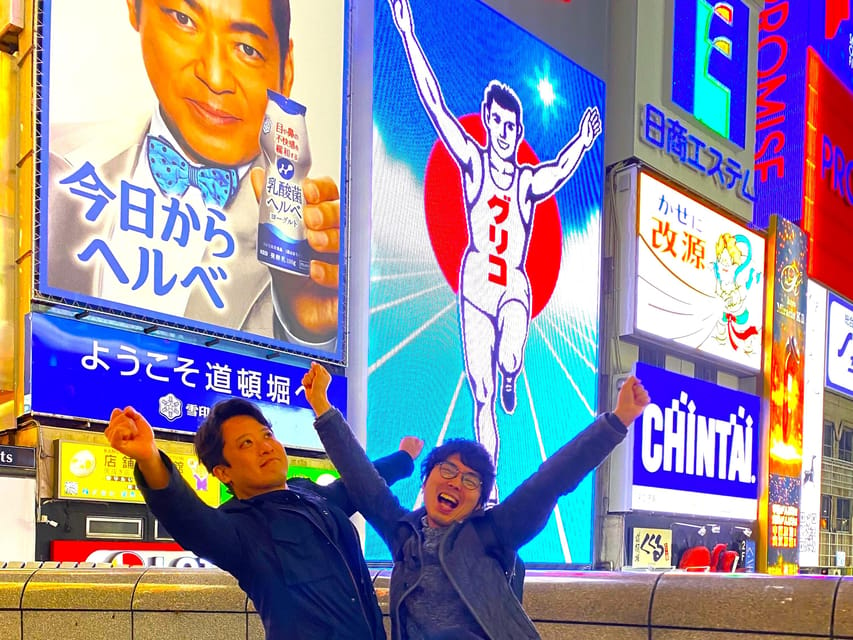
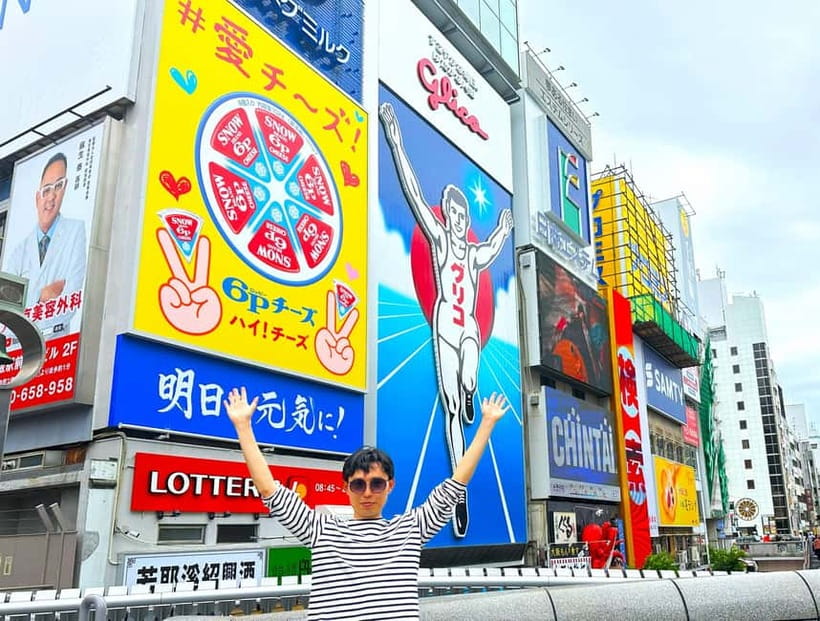
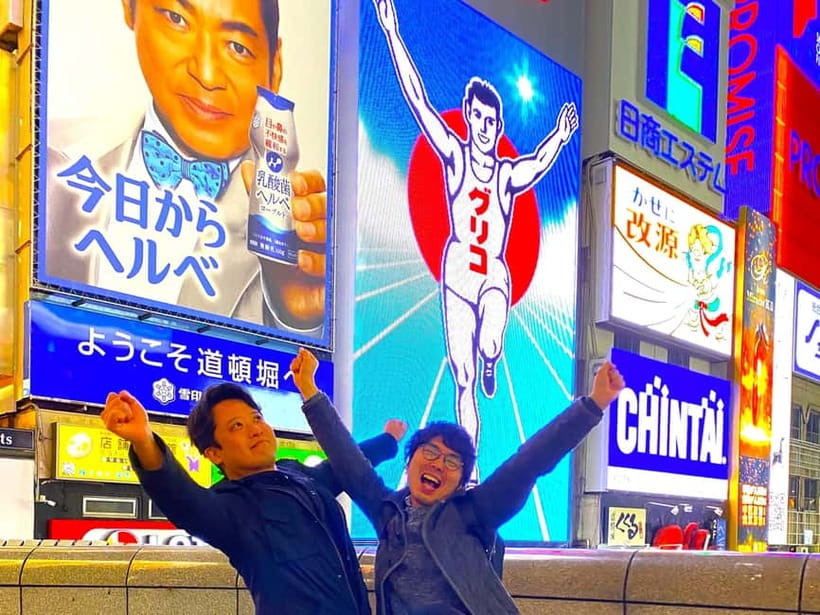
The first stop is the Glico Man sign, Osaka’s giant running figure above the canal. It is a commercial advertisement, but it has become one of the city’s unofficial emblems. Your guide sets aside about 20 minutes for a visit, explanation, and photographs.
I like starting here because it gives you an instant sense of Osaka’s public personality: loud, playful, food-focused, and not overly formal. Your guide can also help position the group for a better picture, which is more useful than it sounds when the walkway is crowded and everyone is stopping for the same photograph.
Do not expect a long historical talk at this point. The value is orientation and atmosphere. You learn where you are, get the required Osaka snapshot, and move quickly toward the food.
Dotonbori Snacks, One Small Portion at a Time
The first food section lasts about 30 minutes. Dotonbori is known for oversized signs, bright storefronts, canal views, and food counters selling quick portions. It is touristy, but that does not make the food tradition unimportant. Osaka has long been associated with casual, filling dishes, and this is a convenient place to sample several of them.
Takoyaki is the obvious starting point. These hot batter balls contain octopus and are usually served with sauce and toppings. They can be hotter than they look, so take the first bite carefully. A guide can also explain how locals approach the dish and help you avoid ordering more than you can eat.
Takosen combines takoyaki with a crisp shrimp cracker. It is a good example of Osaka’s fondness for putting familiar foods together in a quick, portable form. Taiyaki, the fish-shaped cake, usually comes with a sweet filling. The custard version received particular praise, and apple candy may add another sugary stop.
The route may also include pork buns or other savory bites. Some food stops are counters, while other arrangements can include small restaurants. Past menus and guest preferences have led guides to include dumplings, tempura, sushi, udon, ramen, Kobe beef, onigiri, and crab-filled buns. These are possibilities rather than guaranteed dishes, so tell your guide what you most want to try at the start.
That flexibility is one of the tour’s strongest points. Kaito, Hina, Hiro, and Benoit were repeatedly praised for asking what people had already eaten and what they hoped to try next. If you have already had takoyaki, say so. A good guide can use the short route more wisely.
More Food Tours in Osaka
- Osaka: Shinsekai Food Tour with 13-15 Dishes at 5 Eateries
★ 4.8 · 2,204 reviews - Osaka Food Tour: 13 Dishes at 5 Local Eateries
★ 5.0 · 2,149 reviews - Hungry Osaka Street Food Tour:15 Tastings & 3 Drinks with a Local
★ 5.0 · 1,727 reviews
Ukiyo-Koji and the Quiet Turn to Hozenji
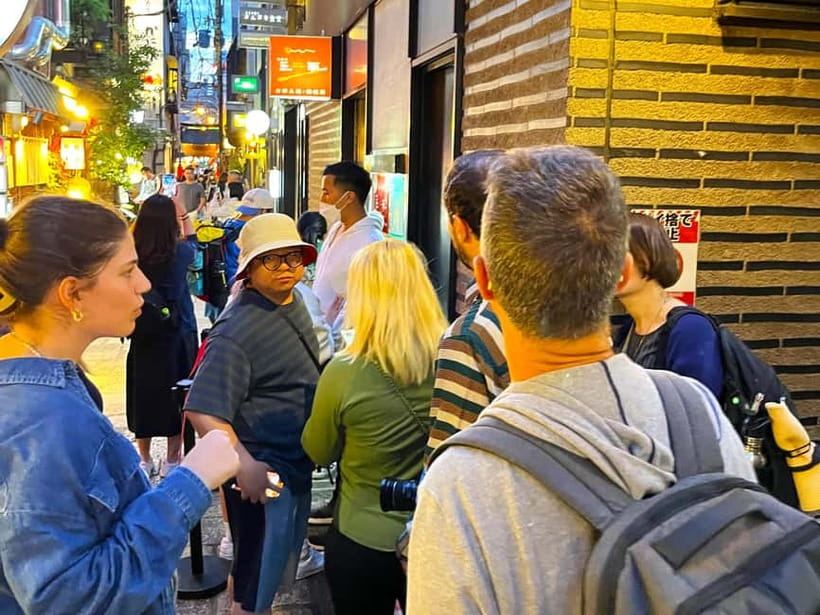
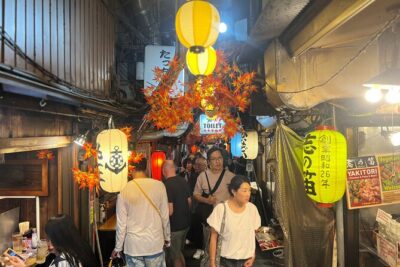
After the first food stops, the group walks through Ukiyo-Koji. This narrow lane offers a much smaller, more intimate setting than the main Dotonbori streets. It is the kind of place that is easy to pass without a guide, especially when bright signs and large crowds pull your attention in every direction.
The route then reaches Hozenji Temple, with about 15 minutes for a visit and explanation. The temple is a striking pause in the middle of the commercial district. Instead of giant signs and food displays, you get a compact religious space and a chance to slow down.
This stop matters because the tour is not only a checklist of snacks. Osaka’s food culture makes more sense when you see how closely daily life, neighborhood streets, temples, and commerce sit together. The temple visit also breaks up the eating. Two hours of continuous sampling sounds cheerful until you are carrying a stomach full of batter, sauce, and sweets.
Expect a brief introduction rather than an extended temple tour. If you want detailed religious history, this is not the right activity. If you want a calm, meaningful stop between food tastings, it fits well.
Namba Eats and the Advantage of a Local Guide
The Namba section allows about 30 minutes for more tasting. Namba is one of Osaka’s main entertainment and shopping areas, so it can feel busy and spread out. The guide’s value here is not just knowing what food exists. It is helping you choose, order, and understand what you are eating.
Several guides were praised for taking groups to places that were hard to find alone. Kaito was especially valued for bringing groups to small eateries favored by local people, helping with conversations, and teaching useful Japanese. One group even received help when it got lost before the meeting point, with the guide giving directions by phone.
That kind of personal help is the real reason to consider the tour. You can walk through Namba on your own for free. You can also point at a food display and make a guess. The guide reduces the uncertainty. You get explanations about ingredients, ordering, cooking, and common food customs while someone else handles the awkward first step.
The social side also matters. Guides have helped families with teenagers, couples, solo participants, and small groups. One guide, Kai, was praised for drawing everyone into conversation and using his experience of living outside Japan to explain cultural differences. Another guide, Maru, made such a good impression that the group returned to two of the recommended eateries the next day.
What You Might Eat in Two Hours
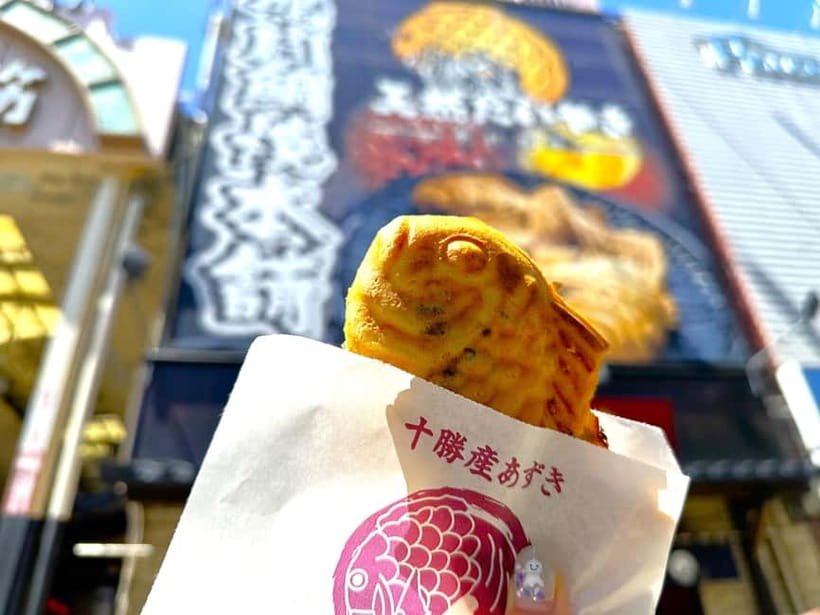
The food selection is not fixed in the details provided, so you should think of this as a guided tasting route rather than a set meal. The published examples include:
- Takoyaki and takosen
- Taiyaki, including possible custard filling
- Apple candy
- Pork buns
- Okonomiyaki
- Kushikatsu
- Doteyaki
- Dumplings and tempura
- Sushi, udon, ramen, and onigiri
- Beef dishes, including Kobe beef
- Crab-filled buns
That is a wide range for two hours, but portions and stops can change. You may get several small snacks, or the guide may bring you to a more substantial restaurant dish. Guests have described eating enough to feel full, but the final amount depends on what you choose and how much you spend.
I recommend arriving hungry but not starving. Street food arrives quickly, and the first few bites can be very rich. If you want specific foods, tell your guide before the walking begins. The tour is more useful when you treat it as a conversation about what you want to eat, not as a rigid food parade.
Food expenses are not covered. That gives you control, but it makes the final cost less predictable. The $51 fee pays for access to an English or Japanese speaking guide, local food knowledge, ordering help, and a small-group or private format when available. It does not buy $51 worth of food.
For someone who already feels comfortable ordering in Japan, the price may seem high. For a first visit, a family, or anyone nervous about unfamiliar dishes, the fee can be worthwhile. You are paying for confidence, time saved, and access to places you might not notice on your own.
More Food Tours in Japan:
- Tokyo: Shinjuku Food Tour (13 Dishes at 4 Local Eateries)
★ 5.0 · 6,603 reviews - Tokyo: Shinjuku Food Tour (15 Dishes and 4 Eateries)
★ 4.9 · 2,033 reviews - Best of Shinjuku: Izakaya Food Tour (4 Stops, 14+ Tastings)
★ 5.0 · 1,863 reviews - Kyoto Night Foodie Tour in Gion (9+ dishes + 6 Sake tastings)
★ 5.0 · 1,762 reviews
The Guides Make or Break the Evening
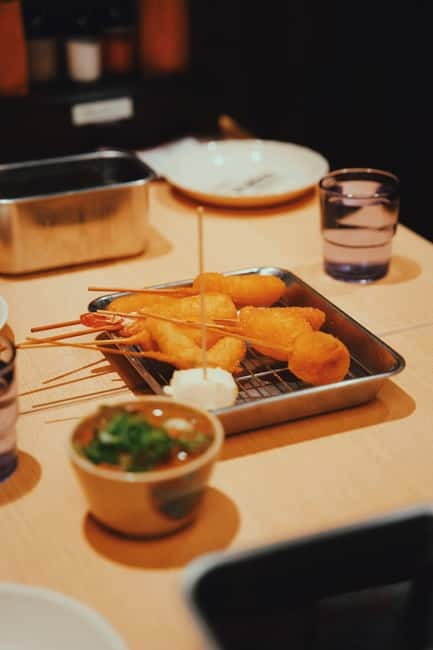
The strongest praise goes to the guides, not to a particular dish. Kaito appears often in the feedback, with comments about his strong English, friendly manner, local knowledge, cultural explanations, and ability to adapt the route. Hina also received repeated praise for food suggestions, clear English, and help with dietary concerns.
Other guides brought different strengths. Fuka was described as funny, kind, and easy to talk with. Naoko was appreciated for a patient pace and for including the temple and narrow side streets. Hiro was praised for listening carefully to food restrictions and adjusting the pace. Benoit was credited with changing the route based on what a group had already seen.
The result can feel personal when the guide asks questions and responds to your answers. That is especially useful for repeat visitors. You might want less time at the Glico sign and more time around small eateries. You might want anime shops, Japanese phrases, or food history. Ask early, since two hours passes quickly.
The experience is not guaranteed to feel equally deep with every guide. One four-star assessment described a pleasant tour with good food and suitable photo stops, but wished for more explanation while walking through Dotonbori. That is a fair caution. This is primarily a tasting walk, not a long cultural lecture.
Pace, Group Size, and Accessibility
The route lasts two hours and returns to the Starbucks meeting point. The walking is not described as strenuous, and one guest specifically appreciated that there was not much walking, leaving more time for food and conversation.
Private or small-group options are available. A private group can give you more say over the foods and pace, while a shared small group may add friendly conversation. Group size affects how easily everyone can hear the guide and how quickly a food stop works, so check the available option for your date.
The activity is wheelchair accessible. Dotonbori and Namba can still be crowded, and food counters may vary in their space, but the official activity information identifies the tour as accessible. If you have a specific mobility need, explain it when booking so the guide can plan sensibly.
The guide can speak English or Japanese. English ability was praised across many experiences, but the value goes beyond translation. Guides have taught short Japanese phrases and helped participants speak with restaurant staff and local people.
Dietary Limits Need Careful Planning
This is the most important practical warning. The official conditions say the tour cannot accommodate vegan or gluten-free requests. That means you should not book assuming the guide can guarantee safe food.
At the same time, individual guides have helped vegetarian participants and even researched gluten-free options for a group. That is encouraging, but it does not cancel the formal restriction. Ingredients, sauces, shared cooking surfaces, and cross-contact can be difficult to confirm in small food shops.
If you eat vegetarian food, contact the provider before booking and ask what can actually be arranged. If you require strict gluten avoidance or follow a vegan diet, this is probably not the right tour unless you receive clear confirmation in advance. Do not rely on a general promise made at the meeting point.
Who Will Get the Most from This Tour?
I would recommend it most strongly to a first-time visitor who wants a friendly introduction to Osaka’s food customs. You get the famous sign, major streets, snack tastings, a temple, and help making sense of menus in a short window.
It also suits repeat visitors who have already seen the major sights but want a more personal route through Dotonbori and Namba. Ask the guide to avoid foods you already know. Several guides have adjusted the experience around what a group had already visited or eaten.
Families can enjoy it, and one guide handled teenagers especially well. Still, the timing and food focus may not suit very young children, and one parent felt it was probably better for older participants. The guide may keep things moving, and children may not want every unfamiliar dish.
The tour is less useful if you want a fixed menu, a quiet meal, or a detailed historical lecture. It is also less attractive if you dislike crowds, sweets, or shared restaurant settings. The route takes place in Osaka’s busiest central districts, not in a remote food quarter.
Booking Advice and Final Verdict
At $51 per person, this is a reasonable guide fee if you use the local help. Budget extra for every food and drink purchase, and do not assume the advertised dish list is guaranteed. The best value comes from asking for food you cannot easily order alone, small places you would miss, and explanations that help you continue eating confidently after the tour.
Free cancellation is available up to 24 hours before the start, and you can reserve now and pay later. Starting times vary, so check availability. These policies are useful if your Osaka schedule is still shifting.
I would book this tour if you want a relaxed introduction to Dotonbori and Namba, prefer tasting several small dishes to sitting down for one meal, and value a guide who can adjust the route. I would skip it if you need vegan or strictly gluten-free food, want all food included in the price, or prefer a carefully fixed historical tour.
For most first-time visitors, the combination of Glico Man, Hozenji Temple, local snacks, and practical help with ordering makes the two hours worthwhile. Go hungry, bring some yen for food, and tell your guide what you actually want to eat. That is how this short outing becomes more than a walk past bright signs.
FAQ
How long does the Osaka street food tour last?
The tour lasts two hours and returns to the Starbucks Coffee TSUTAYA EBISUBASHI store.
Where does the tour meet?
Meet your guide outside the Starbucks Coffee TSUTAYA EBISUBASHI store. The guide will hold a yellow sign with the DeepExperience logo.
What food can I try?
Possible foods include takoyaki, takosen, taiyaki, apple candy, pork buns, okonomiyaki, kushikatsu, and doteyaki. Depending on your preferences, stops may also include sushi, udon, ramen, dumplings, tempura, onigiri, beef, or crab-filled buns.
Is food included in the $51 price?
No. Food and drinks are not included, so you need to pay for your own tastings and meals during the tour.
Is the tour available in English?
Yes. Live guides are available in English and Japanese.
Can vegan or gluten-free guests join?
The stated conditions say vegan and gluten-free requests cannot be accommodated. Some individual guides have helped with vegetarian or gluten-free options, but you should not assume that suitable food can be guaranteed.
Is the tour wheelchair accessible?
Yes. The activity is identified as wheelchair accessible. Private or small-group options are also available.
Just added in Japan
- A One-of-a-Kind Sushi Experience in a Special Place of Japan★ 5.0 · 15 reviews
- Tokyo Cute Bento Cooking Class – Make a Kawaii Character Lunchbox★ 5.0 · 126 reviews
- Japanese Home Cooking Class & Walk in Todoroki Temple Tokyo★ 5.0 · 88 reviews
- Japan Tokyo Tower Observatory Deck E-Ticket★ 4.0 · 34 reviews
- Catch a Baseball Game in Tokyo with a Local – Tickets Included★ 5.0 · 24 reviews
- JDM Experience with Fast&Furious RX-7 (English speaking Driver)★ 5.0 · 57 reviews
- Tokyo Private Day Tour by Car with English speaking Driver Guide★ 4.0 · 29 reviews
- Japan Classic 10 Day – One Life Adventures★ 5.0 · 129 reviews
Food Tours, compared.
Shinjuku Food Tour (13 Dishes at 4 Local Eateries)
Read our review →
Shinsekai Food Tour with 13-15 Dishes at 5 Eateries
Read our review →
Osaka Food Tour: 13 Dishes at 5 Local Eateries
Read our review →
Shinjuku Food Tour (15 Dishes and 4 Eateries)
Read our review →
Best of Shinjuku: Izakaya Food Tour (4 Stops, 14+ Tastings)
Read our review →
Kyoto Night Foodie Tour in Gion (9+ dishes + 6 Sake tastings)
Read our review →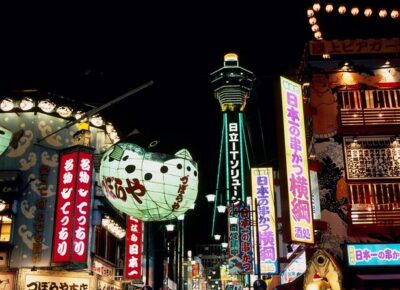
Hungry Osaka Street Food Tour:15 Tastings & 3 Drinks with a Local
Read our review →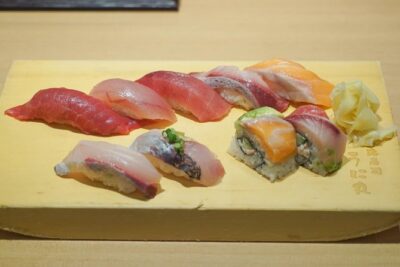
Tokyo Night Foodie Tour in Shinjuku – Seasonal Sushi, Wagyu Beef
Read our review →Browse the lists this tour appears in