
Reviewed · OSAKA TOURS
Osaka Food Adventure Tour: Walking with a Local Guide
Come hungry, leave curious. This three-hour Osaka walk combines six to ten local foods with a friendly guide who helps you understand what you are eating, where locals buy it, and how to move around the city. The route links Shinsekai, Hozenji Yokocho, Takashimaya’s food hall, and Dotonbori, giving you both famous sights and less obvious food stops.
I especially like the small maximum group of eight, which gives the guide room to answer questions and adjust tastings to your preferences. I also like the choice of a lunch or dinner departure, plus one alcoholic or non-alcoholic drink. The main consideration is the extra subway fare of ¥190 from Shinsekai to Namba, along with the need to check ahead if you have allergies or dietary limits.
The tour carries a 4.9 rating from 119 ratings, with 98% recommending it. Guides named in the feedback include Ayako, Chiyoe, Kaoru, Hiro, Sue, Emi, Sumiyo, and Bryan. Their personalities vary, but the repeated praise is clear: warm hosting, clear explanations, good humor, and help finding foods you might otherwise pass without noticing.
In This Review
- Key Things to Know Before You Book
- Why This Tour Works Well on a First Osaka Visit
- Starting at Ebisucho Station and Tsutenkaku
- Shinsekai: The Best Part of the Route
- Takoyaki, Wagashi, and Butaman
- Takashimaya’s Depachika Food Hall
- Hozenji Yokocho in Ten Minutes
- Finishing Under the Glico Sign in Dotonbori
- What the $79.28 Price Buys You
- Timing, Walking, and Food Restrictions
- Who Will Get the Most from This Food Walk?
- Should You Book the Osaka Food Adventure Tour?
- FAQ
- How long does the Osaka Food Adventure Tour last?
- How many foods are included?
- What foods might be served?
- Is transportation included?
- Where does the tour begin and end?
- Can people with food allergies join?
- What happens if I need to cancel?
Key Things to Know Before You Book
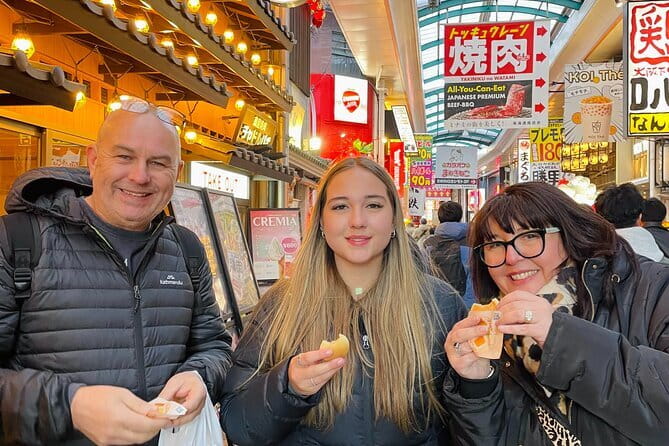
- Six to ten tastings fill the three-hour route: Expect a proper sampling of Osaka favorites, not just one snack and a drink.
- Shinsekai gives the tour its strongest local flavor: Kushikatsu, retro streets, and Tsutenkaku make this the heart of the walk.
- The small group matters: With no more than eight people, your guide can ask what you like and adjust some choices when possible.
- The route ends at the Glico Sign: You finish in Dotonbori, one of Osaka’s best areas for continuing your own food walk.
- One subway ride costs extra: The ¥190 fare from Shinsekai to Namba is not included.
- This is a walking and eating tour: Wear comfortable shoes and arrive ready for several food stops rather than one sit-down meal.
Why This Tour Works Well on a First Osaka Visit
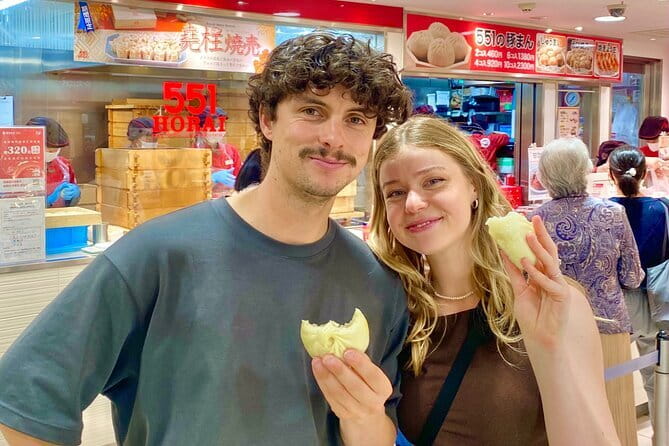
Osaka food can feel confusing at first. Menus may be written mainly in Japanese, restaurants can be tiny, and busy streets offer many similar-looking choices. A local guide changes the experience from random grazing to a guided introduction.
You get to sample foods that are strongly tied to Osaka and also learn how they fit into everyday life. The provided examples include croquettes from a historic butcher shop, traditional wagashi from a 200-year-old sweets store, kushikatsu from Shinsekai, takoyaki from one of Osaka’s oldest takoyaki shops, and steamed meat buns known as butaman.
That range is the real strength. You are not eating five versions of the same fried snack. You are moving between sweets, savory bites, street food, and department-store specialties. The selection changes according to the group’s preferences and which shops are open that day, so you should treat the examples as a guide rather than a fixed menu.
The guides also help you get your bearings. One person described being helped with the train back to Kyoto after the tour, while another noted that the guide offered suggestions for places to visit later. That makes this a useful first or second-day activity, when you still want help understanding Osaka’s neighborhoods and transport.
A few more options to weigh up in Osaka
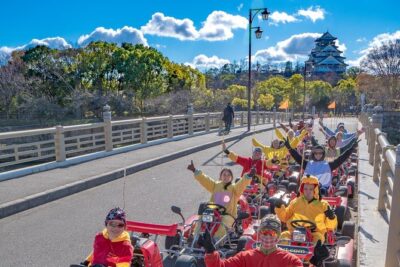
- Osaka Go Karting Tour with Funny Costume
★ 5.0 · 2,658 reviews - Osaka Castle: Museum and Tower Entry Ticket
★ 4.5 · 2,380 reviews - Osaka: Shinsekai Food Tour with 13-15 Dishes at 5 Eateries
★ 4.8 · 2,204 reviews
Starting at Ebisucho Station and Tsutenkaku
The meeting point is outside Ebisucho Station at 5 Chome-13 Nipponbashi. The area is close to Tsutenkaku Tower, which is a useful visual landmark. One practical tip is to use the station exit closest to Shinsekai, where you can see the tower. That can save you from wandering around the wrong side of the station.
The first stop is Tsutenkaku, Osaka’s 103-meter symbol. The tower was first built in 1912 and rebuilt in 1956. You spend about 30 minutes in this area, but admission to the observation deck is not included.
That arrangement is sensible for a food tour. You get the setting and the story without spending a large part of the three-hour schedule standing in line for a view. If you want to go up the tower, plan for that separately and confirm the timing with your guide. Otherwise, use the stop to look around, take photos, and begin noticing the retro character of Shinsekai.
Shinsekai: The Best Part of the Route
The tour spends about 90 minutes in Shinsekai, which gives you time to do more than rush from one snack to another. The district means New World and was developed in the early twentieth century. Today, it is known for neon signs, old-style eateries, small shops, and the ever-present Tsutenkaku Tower.
For me, this is where the tour makes its strongest case. Shinsekai has a very different feel from the polished shopping areas of central Osaka. The streets offer a glimpse of an older entertainment district, and the food is tied closely to the neighborhood.
Kushikatsu is the signature bite here. These are skewers coated and fried, often made with meat, seafood, or vegetables. The guide can explain how to approach the dish and help you order at a local shop. That support matters because small restaurants can feel intimidating when you do not know the customs or the menu.
You might also try a croquette from a long-running butcher shop, depending on the day’s plan. It is a simple food, but that is part of its appeal. Osaka’s food culture is not only about famous dishes. It is also about quick, affordable items bought from shops that have served local customers for years.
The guides receive especially strong praise for taking people away from the most obvious streets to smaller places. Chiyoe, also called Aunty, was singled out for explaining both the food and the history of the area while guiding the group through busy evening crowds. Chiyoe, Ayako, Kaoru, Hiro, Sue, Emi, Sumiyo, and Bryan are all named in the feedback, and the descriptions repeatedly focus on humor, warmth, and clear English.
Keep your expectations realistic. This is a tasting walk, not a long meal at one restaurant. You may eat standing up or in compact venues, and the route can feel busy, especially at night. The reward is variety and local guidance, not a quiet dining room.
Takoyaki, Wagashi, and Butaman
The tasting list can include takoyaki, the famous Osaka snack made from batter with octopus inside and served hot with toppings. The tour may stop at a shop described as one of Osaka’s oldest takoyaki sellers. Your guide can explain what is in the dish and help you avoid the common mistake of biting into it too quickly. Takoyaki is often very hot in the center.
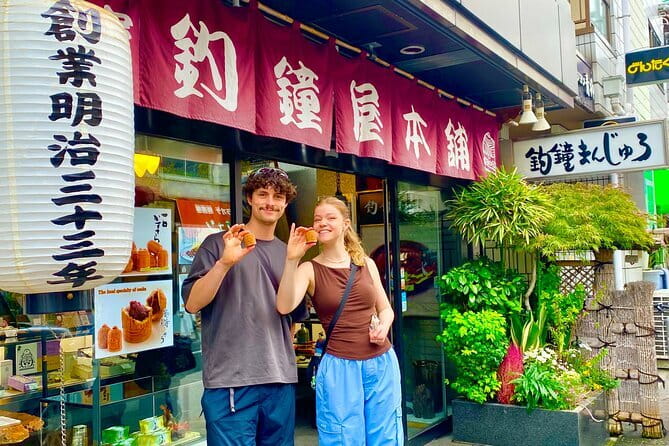
Wagashi offers a change of pace. These traditional Japanese sweets can be delicate in appearance and flavor, and the suggested shop has been making them for 200 years. This stop gives the tour some cultural depth without turning into a formal history lesson.
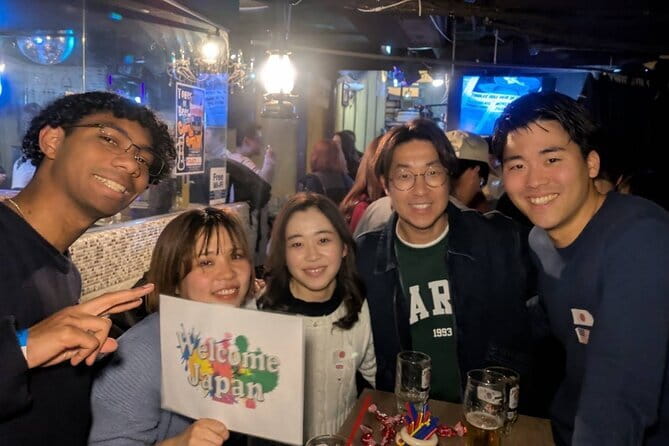
Butaman, or steamed meat buns, adds another local favorite. You may know similar buns from other parts of Asia, but Osaka has its own popular versions. The contrast between steamed bread and savory filling makes this a good counterpoint to the fried foods in Shinsekai.
The exact mix depends on the group and shop availability. If you strongly prefer savory foods, dislike seafood, or want to try more sweets, tell the guide early. The tour provider asks people with allergies or dietary restrictions to contact them before booking because the food may contain meat, seafood, wheat, and dairy.
There is also a choice of one alcoholic or non-alcoholic drink. That is a useful touch, especially on the dinner departure. It does not mean unlimited drinks, so budget for anything beyond the included tasting and beverage.
A completely different kind of day out:
- Osaka Food Tour: 13 Dishes at 5 Local Eateries
★ 5.0 · 2,149 reviews - Hungry Osaka Street Food Tour:15 Tastings & 3 Drinks with a Local
★ 5.0 · 1,727 reviews - Osaka: Tea Ceremony Experience
★ 4.9 · 1,426 reviews - Osaka Kickstart: Hotspots & Hidden Gems Tour
★ 5.0 · 1,306 reviews
Takashimaya’s Depachika Food Hall
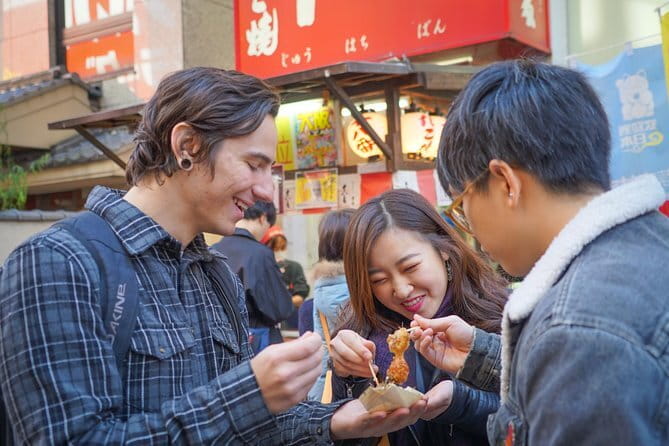
The route includes about 15 minutes at Takashimaya Osaka Store. The food basement, known as a depachika, is a very Japanese shopping experience. You can find carefully prepared sweets, sushi, fresh foods, and packaged items in a bright, orderly setting.
This is a short stop, so do not expect a full shopping session. Its value is contrast. After the small eateries and street stalls of Shinsekai, you see how Japanese food is also presented in a department store setting, where quality, presentation, and gift packaging receive close attention.
One detail in the route description refers to the Takashimaya food basement as being in Kyoto, but the tour location and meeting points are in Osaka. Treat this stop as the Takashimaya Osaka Store listed for the route. Admission is not required, but any extra purchases are your responsibility.
Hozenji Yokocho in Ten Minutes
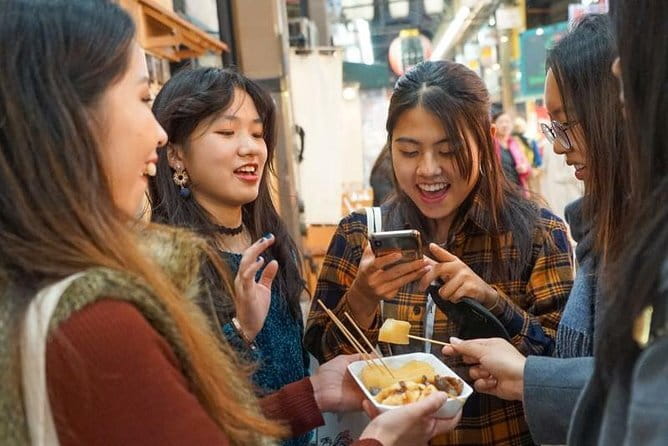
Hozenji Yokocho is a narrow lane near Hozenji Temple, lined with traditional buildings, small restaurants, and shops. The visit lasts about ten minutes, so this is mainly a quick atmospheric stop rather than a long temple visit.
It works well as a transition between the food-focused parts of the route. The alley gives you a quieter look at Osaka’s older side before the bright signs and crowds of Dotonbori. Your guide can point out the setting and explain why the lane matters, but you should not expect an extended religious or architectural tour.
This is a good place to keep your camera ready. The lane is compact, and the charm comes from its scale and details rather than from a major monument.
Finishing Under the Glico Sign in Dotonbori
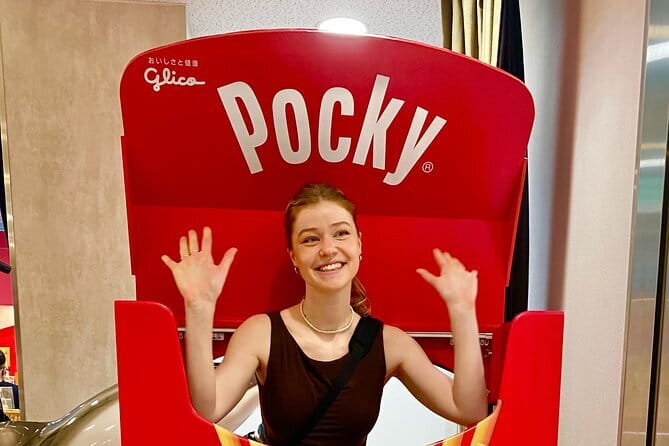
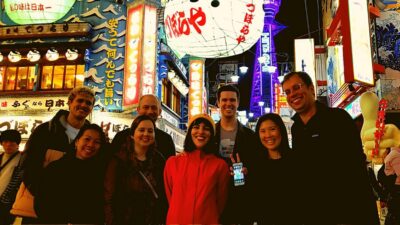
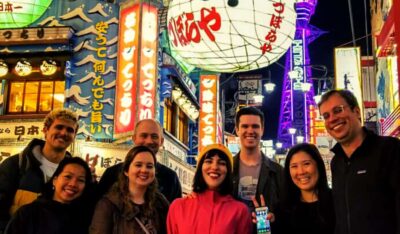
The tour ends at the Glico Sign in Dotonbori, at the bridge in front of the famous advertisement. Dotonbori is Osaka’s best-known entertainment and food district, with huge signs, canal views, and plenty of places to continue eating after the official tour ends.
The final 30 minutes in the district give you a strong finish. You can take the classic Glico photo, see the canal, and note restaurants or snack shops to return to later. Since the tour ends in such a central area, it is easy to continue your evening on your own.
The one transport wrinkle comes before this finish. A subway ride from Shinsekai to Namba costs ¥190 per person and is not included. Bring an IC card or small amount of yen so the transfer does not slow the group.
What the $79.28 Price Buys You
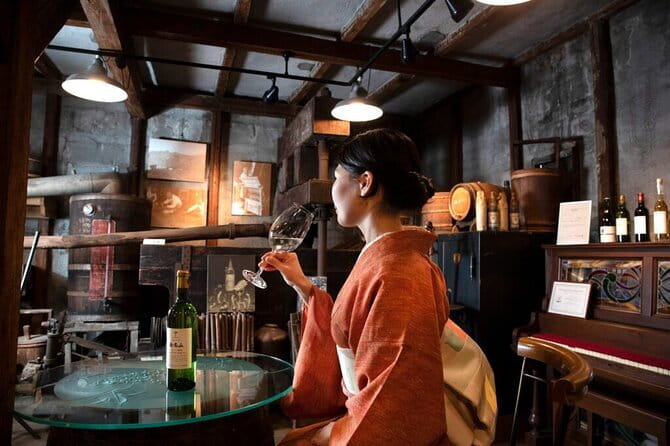
At $79.28 per person, the tour is not the cheapest way to eat in Osaka. You could certainly buy individual snacks for less. The value comes from combining food, neighborhood orientation, translation help, transport guidance, and a local host in one three-hour outing.
Six to ten tastings can add up quickly, especially when they include items from established shops and a department-store food hall. You also avoid the cost of ordering something you do not understand or choosing a restaurant simply because it is beside a famous sign.
The small group improves the calculation. A guide managing eight people can ask about your preferences and make the experience feel more personal. Several people described tours that ended up with only two or a few participants, though you should book for the stated maximum rather than assume a private outing.
I think the price makes the most sense for a first visit, a short stay, or anyone who feels unsure about Japanese menus. If you already know Osaka well and are comfortable ordering anywhere, the value may be less obvious. You are paying for access and confidence as much as for the food itself.
Timing, Walking, and Food Restrictions
You can choose a lunch or dinner departure, which is practical because you are likely to be hungry at either time. A dinner route may suit people who want to see Shinsekai and Dotonbori after the signs come on, while lunch may feel easier for those adjusting to a new time zone.
The activity lasts about three hours and requires moderate physical fitness. You will walk between neighborhoods, stand at food stops, and move through busy streets. Comfortable shoes matter more than fancy clothes.
The meeting point is near public transportation, but allow extra time to find the correct station exit. The experience is delivered in English and Japanese. There is no audio guide, which is hardly a problem here because the live guide is the main reason to book.
Food options can change. Meat, seafood, wheat, and dairy may be included, so contact Cooking Sun before reserving if you have allergies or dietary restrictions. Do not wait until the first stop to explain a serious allergy. The provider specifically advises discussing possible accommodations in advance.
Free cancellation is available up to 24 hours before the local start time. Changes or cancellations inside that window are not refundable, and poor weather can lead to a new date or full refund. Since the activity is outdoors and weather-dependent, check the forecast before your final planning.
Who Will Get the Most from This Food Walk?
I would choose this tour for first-time visitors who want a friendly introduction to Osaka’s food culture without spending hours researching each stop. It also suits people visiting from Kyoto for the day, since one guide helped a pair navigate their return train after the tour.
Families with older children may appreciate the variety, though the group still needs to manage walking and busy streets. Couples and solo visitors can also fit in well, particularly because the eight-person limit keeps the group from becoming unwieldy.
Food-focused people will enjoy the range, but this is not a specialist culinary seminar. You will learn through conversation and tasting rather than formal demonstrations. If you want a cooking class, a market-only tour, or a long restaurant meal, choose a different format.
The tour is also a good choice for cautious eaters who want help trying unfamiliar dishes. Guides such as Kaoru, Hiro, Sue, and Sumiyo were repeatedly praised for explaining foods, answering questions, and making the group feel relaxed. Bryan was noted for being engaging, while Chiyoe brought humor and care to a night route.
Should You Book the Osaka Food Adventure Tour?
Book it if you want a guided first taste of Osaka, especially in Shinsekai, and you value a personable host more than a formal sightseeing program. The strongest reasons are the eight-person maximum, the wide range of tastings, and the way the route joins food with useful neighborhood orientation.
The tour is less suitable if you need a fully fixed menu, have complex dietary restrictions, dislike walking, or want every minute spent seated at a restaurant. Ask about food substitutions before booking, and remember to add ¥190 for the subway ride.
For most first-time visitors, I think the tour earns its price. You get familiar Osaka favorites, a few foods you might not order alone, help with public transportation, and a finish in Dotonbori where your own evening can continue. Arrive hungry, wear good shoes, and keep a little room in your schedule for one more snack after the Glico Sign.
FAQ
How long does the Osaka Food Adventure Tour last?
The tour lasts approximately three hours and includes walking, food tastings, and stops in Shinsekai, at Takashimaya Osaka Store, Hozenji Yokocho, and Dotonbori.
How many foods are included?
The tour includes lunch with six to ten local foods, plus one alcoholic or non-alcoholic drink. The exact tasting selection can change according to guest preferences and shop availability.
What foods might be served?
Possible foods include croquettes from a historic butcher shop, wagashi from a 200-year-old sweets shop, kushikatsu, takoyaki, and steamed meat buns called butaman.
Is transportation included?
The subway fee from Shinsekai to Namba is not included. The listed cost is ¥190 per person.
Where does the tour begin and end?
The tour begins at Ebisucho Station near Shinsekai. It ends at the bridge in front of the Glico Sign in Dotonbori.
Can people with food allergies join?
The food may include meat, seafood, wheat, and dairy. If you have an allergy or dietary restriction, contact the tour provider before booking to discuss possible options.
What happens if I need to cancel?
You can cancel up to 24 hours before the local start time for a full refund. Cancellations or changes made less than 24 hours before the start are not accepted for a refund. If poor weather cancels the experience, you will be offered another date or a full refund.
Just added in Osaka
- Osaka: PICCADILLY PREMIUM DINNER SHOW&NIGHTCLUB with Tasting★ 5.0 · 26 reviews
- Play with Snow Crab Buffet Lunch and Strawberry Picking Bus Tour★ 5.0 · 88 reviews
- Osaka 4-Hour Walking Tour: Hotspots and Hidden Gems★ 4.5 · 14 reviews
- Osaka Highlights: 4-Hour Walking Tour with Castle★ 5.0 · 152 reviews
- Osaka Soul : IZAKAYA Shinsekai to Dotonbori Food Paradise!★ 5.0 · 15 reviews
- Osaka’s Secret Adventures: Daruma Magic and Minoh Falls★ 5.0 · 12 reviews
- Osaka’s Best and Brightest: Private Full-Day Tour by Vehicle★ 5.0 · 147 reviews
- Osaka Walking Tour to Local Gems, Food & Culture★ 5.0 · 103 reviews
Osaka Tours, compared.
Shinsekai Food Tour with 13-15 Dishes at 5 Eateries
Read our review →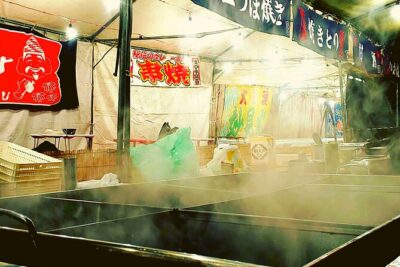
Osaka Food Tour: 13 Dishes at 5 Local Eateries
Read our review →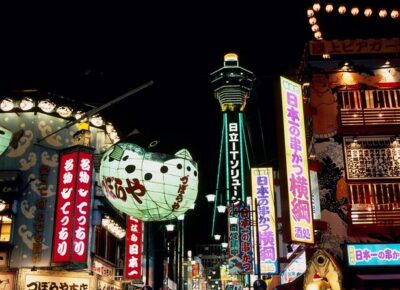
Hungry Osaka Street Food Tour:15 Tastings & 3 Drinks with a Local
Read our review →
Hotspots & Hidden Gems Walking Tour Private or Group
Read our review →Browse the lists this tour appears in