
Reviewed · FOOD TOURS
Osaka: Guided Food Tour with 12 Dishes at 4 Local Eateries
Follow your appetite through Osaka tonight. This 150-minute food walk takes you from the Don Quijote Dotonbori Midosuji Store to local restaurants, a sake bar, and a street-food stop. I like the wide variety of 12 dishes and the chance to sample places you might not choose on your own. I also like the friendly, social format, especially for solo visitors. The main consideration is that the exact restaurants and dishes change by day, so you should treat the menu as a surprise rather than a fixed promise.
The small-group feel and local guidance are the heart of the evening. Guides such as Mao, Spike, Ukyo, Nao, and Kenta have been praised for their humor, food advice, and explanations of Osaka life. You get plenty to eat, two included drinks, and useful ideas for the rest of your stay, but bring cash if you want anything extra.
In This Review
- Quick reasons to consider this Osaka food walk
- Why this food tour works well in Osaka
- Meeting under the Don Quijote sign
- The first restaurant: a gentle introduction to Japanese food
- The local bar: sashimi, fried chicken, and sake
- Street food in the Dotonbori flow
- The final stop and traditional sweets
- The guides make the difference
- Food restrictions and the changing menu
- What the $73 price really includes
- Who should book this experience
- Should you book the Osaka 12-dish food tour?
- FAQ
- Where does the Osaka food tour meet?
- How long does the experience last?
- How many Japanese dishes are included?
- How many drinks are included?
- Can people under 20 join the tour?
- Do I need to bring cash?
- Is the tour offered in English?
- Can I cancel the booking for a refund?
Quick reasons to consider this Osaka food walk
- Twelve dishes in 150 minutes: You sample fresh fish, grilled skewers, street food, savory specialties, and traditional sweets without ordering full meals everywhere.
- Three food-focused stops: The route can include two local restaurants or bars plus a street-food stall, with a final stop often centered on Osaka-style okonomiyaki.
- A changing menu: Different days use different restaurants and dishes, giving repeat visitors a fresh experience but making it hard to plan around one particular food.
- Two drinks included: Beer, sake, cocktails, wine, or nonalcoholic choices may be available, while additional orders require cash.
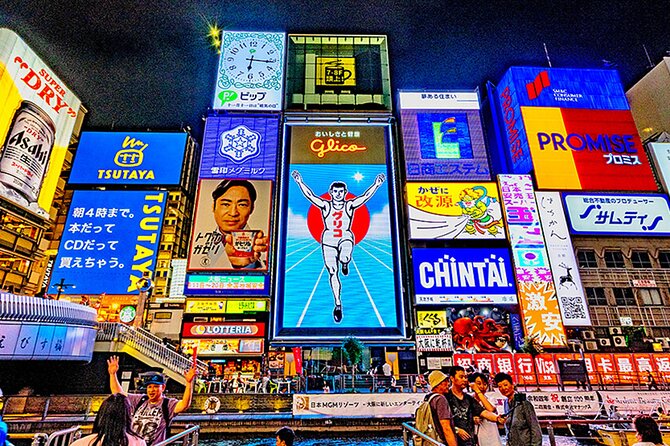
- Dotonbori beyond the bright signs: Your guide adds short explanations about local customs, food, and the area as you walk between stops.
- A welcoming social setting: The tour suits solo visitors and couples who want a shared evening, with English guidance and a group atmosphere that can sometimes feel almost private.
Why this food tour works well in Osaka
Osaka is often called Japan’s kitchen, and this tour gives you a practical way to understand why. Instead of choosing one restaurant and committing to one dish, you move through several food settings and try small portions across a broad range of Japanese cooking.
That variety matters. A first visit to Japan can bring a long list of unfamiliar menus, cooking methods, and restaurant customs. Here, your guide helps explain what is in front of you, how to eat it, and why it matters locally. You are not simply handed food and left to guess.
The price is $73 per person. I consider that fair if you make good use of the food, drinks, guiding, and local recommendations. Twelve dishes plus two drinks would cost a substantial amount if ordered separately, and the guide saves you from spending the evening decoding menus or walking past restaurants that look too local to enter.
Still, value depends on your appetite. This is a generous amount of food in a short period. If you prefer one slow dinner, you may find the pace and quantity excessive. If you want a broad first taste of Osaka, the format makes good sense.
The tour has a 4.9 rating from 90 bookings, with particularly strong praise for the guides, food quantity, friendly pacing, and choice of restaurants. That is useful because the restaurants change, but the guide-led structure remains the constant part of the experience.
More Food Tours in Osaka
- Osaka: Shinsekai Food Tour with 13-15 Dishes at 5 Eateries
★ 4.8 · 2,204 reviews - Osaka Food Tour: 13 Dishes at 5 Local Eateries
★ 5.0 · 2,149 reviews - Hungry Osaka Street Food Tour:15 Tastings & 3 Drinks with a Local
★ 5.0 · 1,727 reviews
Meeting under the Don Quijote sign
You meet in front of the Don Quijote Dotonbori Midosuji Store. Look for the Local Guide Stars sign. This is a busy part of Osaka, so give yourself enough time to identify the exact storefront and guide before the start.
The location places you right in the Dotonbori area, a natural starting point for an evening built around food and city lights. You will walk through crowded streets, so comfortable shoes are a smart choice. A camera is also listed as a recommended item, and Dotonbori offers no shortage of colorful street scenes.
The route returns to the same Don Quijote store at the end. That simple out-and-back arrangement is helpful because you do not need to find your way to an unfamiliar neighborhood after eating and drinking.
The first restaurant: a gentle introduction to Japanese food
The first local restaurant sets the tone. You can expect an aperitif or another drink, followed by several recommended Japanese dishes. The menu varies, but the broader food selection can include fresh fish, regional snacks, grilled items, and other local specialties.
This is where a guide earns the tour fee. A dish that looks simple may have a particular dipping sauce, garnish, or eating style. Your guide can explain those details and help you decide what to try first. That support is especially useful if this is your first serious introduction to Japanese food.
One especially praised dish was Osaka-style okonomiyaki. This savory pancake is strongly associated with Osaka and makes a fine anchor for a food tour. It is filling, social, and easy to enjoy even if you are new to Japanese cuisine. The exact timing can change, but several people particularly enjoyed ending the evening with this Osaka specialty.
The restaurant setting also gives you a chance to slow down after the walk to the meeting point. The experience is not a race from one bite to the next. The reported pacing is generally comfortable, with enough time to eat, listen, and chat with the group.
The local bar: sashimi, fried chicken, and sake
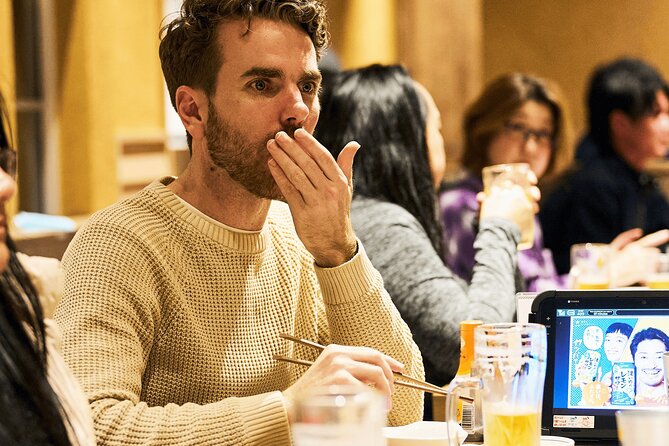
The bar stop adds a different side of Osaka food culture. Here you might find izakaya-style dishes, fresh sashimi, fried chicken, skewers, and drinks such as sake or beer. An izakaya is not just a place to consume food quickly. It is a casual setting where small plates and conversation share equal billing.
This part of the tour was singled out for its fresh sashimi, fried chicken, and sake. That combination shows the range of the evening: delicate raw fish alongside crisp, hearty comfort food, with a drink chosen to suit the mood.
Two drinks are included in the advertised package. The available choices may include beer, cocktails, wine, spirits, coffee, or tea, depending on the stop and your preference. Anyone under 20 may join, but Japanese law means those participants cannot drink alcohol. If you do not drink, confirm your nonalcoholic choice with the guide.
I like the bar stop because it gives you something a standard sightseeing walk cannot. You see how food fits into an ordinary evening out, rather than treating Japanese cuisine as a display of famous dishes only. The drawback is that additional food or drink is not covered. Carry cash if you think you may want another order.
More Food Tours in Japan:
- Tokyo: Shinjuku Food Tour (13 Dishes at 4 Local Eateries)
★ 5.0 · 6,603 reviews - Tokyo: Shinjuku Food Tour (15 Dishes and 4 Eateries)
★ 4.9 · 2,033 reviews - Best of Shinjuku: Izakaya Food Tour (4 Stops, 14+ Tastings)
★ 5.0 · 1,863 reviews - Kyoto Night Foodie Tour in Gion (9+ dishes + 6 Sake tastings)
★ 5.0 · 1,762 reviews
Street food in the Dotonbori flow
The street-food portion brings you back into the movement of Dotonbori. One common example is takoyaki, Osaka’s famous octopus-filled batter balls, served hot and often topped with sauce and other seasonings. The tour description also points to street food featured in the Michelin Guide, which adds a useful distinction: casual food can be taken seriously without becoming formal.
This stop is usually quick, but it gives the evening a different rhythm. You eat standing or near the stall, watch the preparation, and continue through the streets. You also avoid the problem of spending your entire Osaka food experience inside restaurants.
Dotonbori can be crowded, especially on a Friday night. That is part of the setting, not a flaw in the tour, but you should expect a busy walk rather than a quiet neighborhood stroll. The guide helps keep the group together and can explain sights along the way, including points connected with local history and traditions.
Rain is another practical concern. A heavy shower once slowed a group between stops, but the evening continued after waiting under cover. Bring suitable clothing if the forecast looks poor. The tour is still possible in wet weather, but food stops and walking will feel less relaxed.
The final stop and traditional sweets
The last restaurant or local stop rounds out the meal with more regional food and possibly dessert. Traditional sweets are included among the possible offerings, though the exact dish changes from day to day.
This changing schedule is worth understanding before you book. You may receive different dishes from another group, and the operator does not promise one fixed list beyond the overall target of 12 recommended Japanese dishes. That is good for variety, but not ideal if you are booking solely for one named specialty.
The final stop is also when the large quantity of food becomes clear. Several people found themselves completely full by the end. I suggest eating lightly before the tour and avoiding a large lunch if your start time falls in the afternoon or early evening.
After dessert or the final savory dish, the group returns to the Don Quijote meeting point. The total duration is 150 minutes, so the schedule is long enough for several stops but short enough to fit around other evening plans.
The guides make the difference
The strongest part of this experience is the human side. Guides named in the feedback include Mao, Spike, Ukyo, Mary, Diego, Nammi, Nao, Nako, Kenta, and Momo. Individual styles differ, but the repeated strengths are clear: warmth, humor, food explanations, and practical advice.
Mao received especially warm praise for learning about dietary preferences, explaining Osaka’s culture, and suggesting foods and sights for later in the trip. Spike was appreciated for his energy and humor. Ukyo was praised for keeping the pace comfortable while sharing useful information.
That variety of guide personalities is normal for a multi-guide operation. You should expect the quality of the experience to depend partly on who leads your group that day. The good news is that the format gives a strong guide plenty of room to personalize the night.
The tour can also become very small. One couple found themselves alone with Momo, making the evening feel like dinner with a friend. Another group appreciated the small size and easy conversation. A private-feeling group is a bonus, though someone who specifically wants a large social gathering should know that the final group size may vary.
For solo visitors, this is one of the better uses of a food tour. You get a ready-made table and a local person to talk with, without having to make every restaurant decision alone. Couples also benefit because the guide can help them try more dishes than they might order independently.
Food restrictions and the changing menu
The available information confirms that at least one guide accommodated a gluten-free request successfully. If you have allergies, intolerances, or strong dislikes, tell the operator or guide as early as possible. The menu changes by day, so advance notice is more useful than waiting until the first restaurant.
Do not assume every dish can be changed. The tour is built around shared recommendations and local specialties, and some foods may be difficult to replace. A dietary request may be manageable, but it should be discussed before arrival.
The 12 dishes are described as unique Japanese dishes, not twelve full restaurant meals. Even so, the quantity is generous. You might sample fish, skewers, fried items, savory pancakes, street snacks, and sweets in one sitting. That is a good introduction, but it may be too much for a small appetite.
What the $73 price really includes
At $73, you are paying for more than food. The fee includes 12 recommended dishes, two drinks, an English-speaking live guide, the walking route, restaurant coordination, and explanations of Osaka food and customs.
If you value convenience, the price is easier to justify. You can arrive at a known meeting point, follow someone who understands the area, and try several places without calculating how much to order at each one. You also receive food suggestions for later, which can help shape the rest of your Osaka stay.
The price is less compelling if you are already comfortable ordering in Japan and prefer to choose restaurants independently. Osaka has many affordable food options, and a self-guided evening can cost less. The tour earns its keep through access, structure, variety, and company.
The two included drinks help. Extra purchases require cash, so carry some Japanese yen even if you expect the included servings to be enough. The listing also allows you to reserve now and pay later, and cancellation is free up to 24 hours in advance for a full refund. Those terms make it easier to fit the tour into a changing Japan itinerary.
Who should book this experience
I would recommend this tour to someone visiting Osaka for the first time, especially if Japanese food feels exciting but a little confusing. It is also a good choice for solo visitors, couples who want to share many dishes, and people who enjoy meeting an international group over dinner.
You should book it early in your Osaka stay if possible. The food advice and neighborhood orientation can help you choose later meals. You may discover a dish you want to order again, or learn that a certain style of restaurant suits you better than expected.
It is less suitable for anyone seeking a fixed menu, a quiet fine-dining evening, or a slow meal at one restaurant. The route includes walking, busy streets, changing venues, and a large amount of food. Someone with limited mobility should note that the activity is listed as wheelchair accessible, but the route still moves through crowded urban areas.
Should you book the Osaka 12-dish food tour?
Book it if you want a friendly introduction to Osaka food with plenty of tasting and a local guide who can explain the details. The best reasons are the range of dishes, the generous portions, the two drinks, and the chance to visit restaurants and bars you might skip on your own.
Go in with an open mind rather than a fixed menu in mind. Restaurants and dishes change, group size varies, and the popular Dotonbori streets can be crowded. For $73, I see this as a strong-value evening for first-time visitors who want food, conversation, and a useful sense of Osaka in one compact outing.
FAQ
Where does the Osaka food tour meet?
Meet in front of the Don Quijote Dotonbori Midosuji Store. Look for the Local Guide Stars sign.
How long does the experience last?
The tour lasts 150 minutes, or two and a half hours. Starting times vary, so check availability when booking.
How many Japanese dishes are included?
The experience includes 12 recommended Japanese dishes. The exact dishes can change depending on the day and the restaurants visited.
How many drinks are included?
Two drinks are included. Possible drink categories listed for the activity include beer, sake or other spirits, cocktails, wine, coffee, tea, and nonalcoholic choices.
Can people under 20 join the tour?
Yes. Participants under 20 can join, but they are not permitted to consume alcohol.
Do I need to bring cash?
Bring cash if you want to order additional food or drinks. Extras are not included and must be paid for in cash.
Is the tour offered in English?
Yes. The activity has a live English-speaking guide.
Can I cancel the booking for a refund?
You can cancel up to 24 hours in advance for a full refund. You can also reserve now and pay later, which keeps your plans flexible.
Just added in Japan
- A One-of-a-Kind Sushi Experience in a Special Place of Japan★ 5.0 · 15 reviews
- Tokyo Cute Bento Cooking Class – Make a Kawaii Character Lunchbox★ 5.0 · 126 reviews
- Japanese Home Cooking Class & Walk in Todoroki Temple Tokyo★ 5.0 · 88 reviews
- Japan Tokyo Tower Observatory Deck E-Ticket★ 4.0 · 34 reviews
- Catch a Baseball Game in Tokyo with a Local – Tickets Included★ 5.0 · 24 reviews
- JDM Experience with Fast&Furious RX-7 (English speaking Driver)★ 5.0 · 57 reviews
- Tokyo Private Day Tour by Car with English speaking Driver Guide★ 4.0 · 29 reviews
- Japan Classic 10 Day – One Life Adventures★ 5.0 · 129 reviews
Food Tours, compared.
Shinjuku Food Tour (13 Dishes at 4 Local Eateries)
Read our review →
Shinsekai Food Tour with 13-15 Dishes at 5 Eateries
Read our review →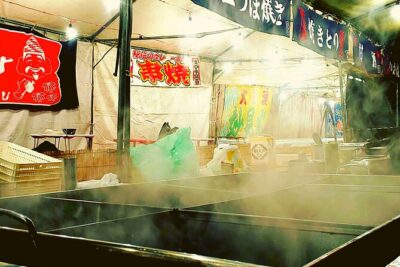
Osaka Food Tour: 13 Dishes at 5 Local Eateries
Read our review →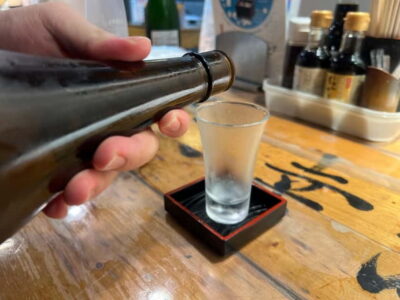
Shinjuku Food Tour (15 Dishes and 4 Eateries)
Read our review →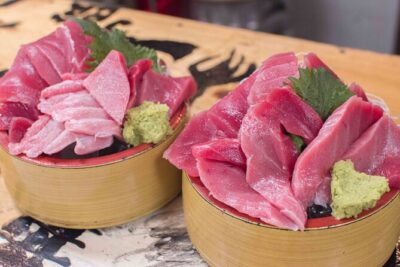
Best of Shinjuku: Izakaya Food Tour (4 Stops, 14+ Tastings)
Read our review →
Kyoto Night Foodie Tour in Gion (9+ dishes + 6 Sake tastings)
Read our review →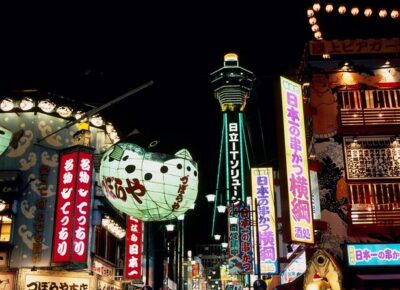
Hungry Osaka Street Food Tour:15 Tastings & 3 Drinks with a Local
Read our review →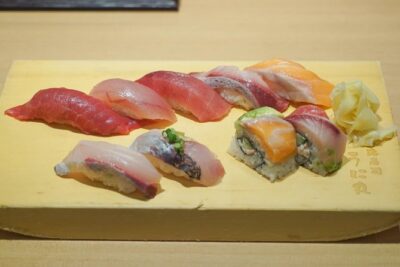
Tokyo Night Foodie Tour in Shinjuku – Seasonal Sushi, Wagyu Beef
Read our review →Browse the lists this tour appears in