Reviewed · OSAKA TOURS
Osaka: Original Street Kart Experience (1 Hr)
Osaka turns into your racetrack. This 90-minute street-kart outing gives you a playful way to see America-Mura, Shinsaibashi, Dōtonbori, and Namba from road level. I especially like the costumes and photo package, which make the ride feel like a small parade, and the guides, including Arata, Arthur, Ginga, Ray, and Vivienne, are praised for clear instructions and calm supervision.
The main thing to consider is that this is real city driving, not a track or amusement-park ride. You will follow traffic, stop at lights, and share busy roads with other vehicles. Taller drivers may feel cramped, and you must arrive with the correct Japanese driving documents or you cannot take part.
In This Review
- Quick reasons to consider this ride
- What the Osaka street-kart experience is really like
- Starting at the garage and getting ready
- The briefing and first minutes on the road
- America-Mura: the playful opening stretch
- Shinsaibashi: central shopping streets from the road
- Dōtonbori after dark
- Namba: the final central-city run
- The guides are the strongest part
- Cost, comfort, and who should book
- Photo memories and optional video
- Should you book the Osaka street-kart ride?
- FAQ
- How long does the Osaka street-kart experience last?
- What districts does the route visit?
- Is an International Driving Permit required?
- What documents do drivers from Switzerland, Germany, France, Taiwan, Belgium, or Monaco need?
- What is included in the price?
- Can I cancel for a full refund?
Quick reasons to consider this ride
- You drive through four central Osaka districts: America-Mura, Shinsaibashi, Dōtonbori, and Namba each offer a different city mood and visual character.
- The guides make the difference: Arata, Arthur, Ginga, Ray, Isabelle, Miya, Jin, and Vivienne are all praised for energy, reassurance, clear signals, and plentiful photos.
- It is more than a short novelty ride: The full activity lasts 90 minutes, with roughly an hour spent driving according to one detailed account.
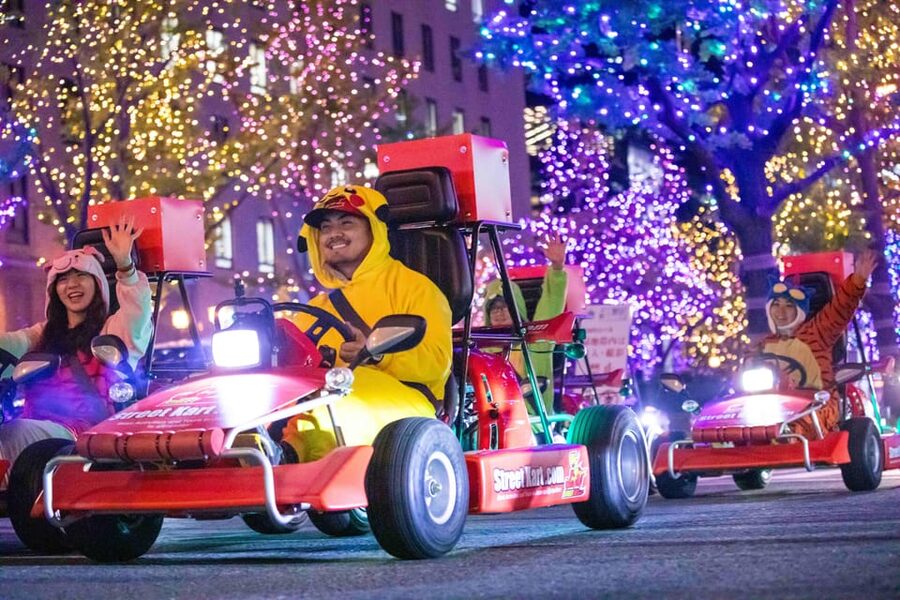
- Costumes turn you into part of the street scene: Expect waves, smiles, and plenty of attention from people along the route.
- Night rides are especially photogenic: Osaka’s signs and entertainment streets look brighter after dark, though traffic lights also mean pauses.
- The paperwork is serious: Most participants need a physical 1949 Geneva Convention International Driving Permit, plus a physical passport.
What the Osaka street-kart experience is really like
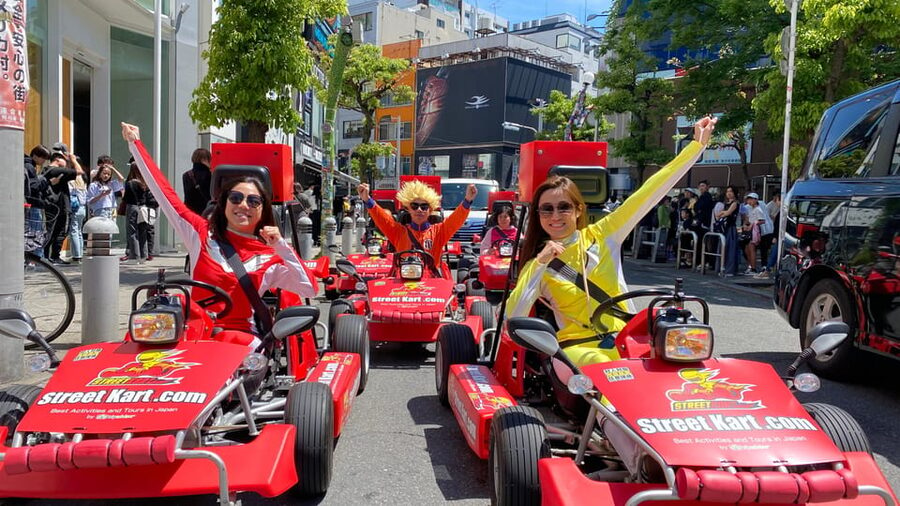
This is a guided motor-kart tour on public roads through the heart of Osaka. You sit low, wear a colorful costume if you wish, and follow the guide in a controlled line through some of the city’s best-known central districts.
That combination is the appeal. You are not simply looking at Osaka through a train window or walking past the same signs at street level. You are moving through the city as part of the traffic flow, with the lights, sounds, shop fronts, and curious looks that come with it.
The activity is listed at $45 per person. For that price, you receive the kart, gasoline, an English-speaking guide, costumes, goggles, a raincoat, and photos. I consider that a fair price if you want a memorable activity rather than a conventional sightseeing tour. It is less useful if your main goal is a detailed explanation of Osaka’s history, since the focus is driving and fun, not formal guiding.
The booking duration is 90 minutes, while the actual road time appears to be about an hour. The rest is used for arrival, preparation, instructions, costume selection, and getting organized. That is a sensible format for a road activity, since you need time to learn the controls and understand how to stay with the group.
A few more options to weigh up in Japan
- Universal Studios Japan Studio Pass
★ 4.8 · 89,883 reviews - Universal Studios Japan Express Pass
★ 4.7 · 53,138 reviews - Osaka Amazing Pass
★ 4.7 · 21,697 reviews
Starting at the garage and getting ready
The meeting point is described as a garage-style facility with indoor space, seating, a toilet, lockers, and room to prepare. That matters more than it may sound. You are not expected to change in the middle of a pavement or leave your belongings beside the road.
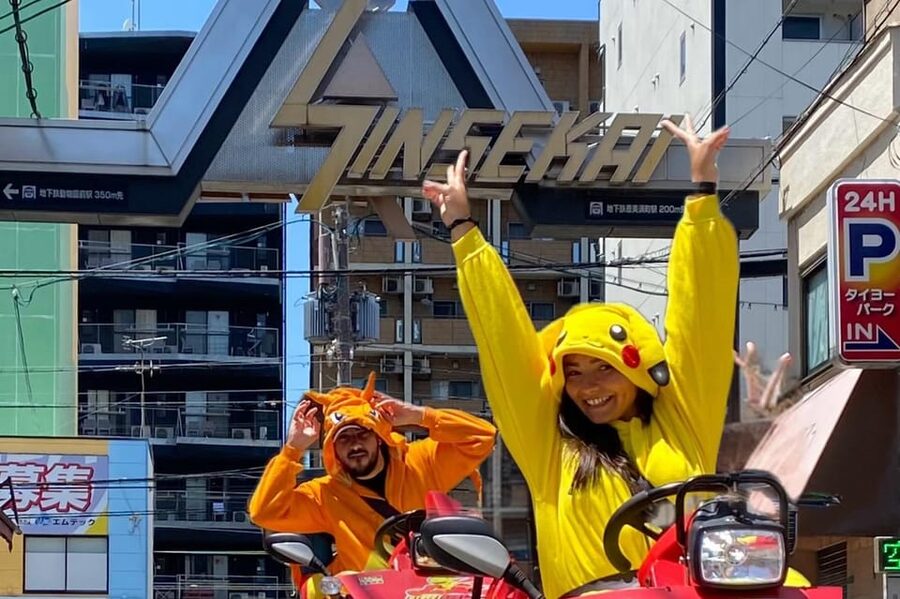
You can choose from colorful costumes and accessories before setting out. The costumes are a major part of the experience, especially if you enjoy being noticed. Along the route, people may wave or look over as the group passes. Several participants described the feeling as being treated like a small celebrity, though you should be comfortable with attention before booking.
The included goggles and raincoat are useful practical touches. Rain does not automatically ruin the outing. One group went out in heavy rain and still had a good time, while another completed the ride in poor weather with only two people. Still, wet roads and visibility can change the feel of the ride, so clear weather is likely to give you a more comfortable experience.
Wear sensible shoes. High heels, sandals, flip-flops, and slippers are not allowed. Closed, secure footwear is the safe choice for operating the pedals and staying comfortable in the kart.
The briefing and first minutes on the road
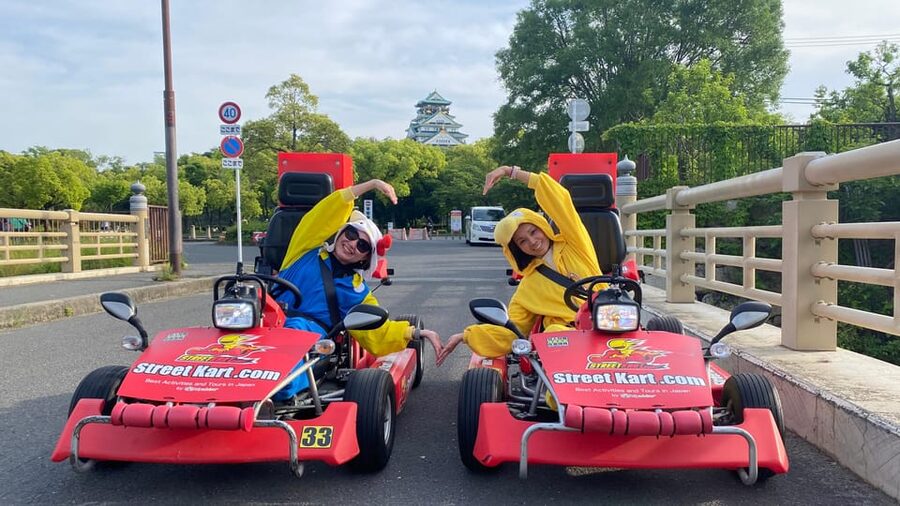
Before you leave, the guide explains how to operate the kart and how to move as a group. The controls are reported to be straightforward, but the setting is not casual. You are driving on Japanese public roads, so you need to follow the guide’s hand signals and stay alert.
The guide leads from the front and uses signals for actions such as driving in single file. This makes the group easier to manage and gives nervous drivers a clear person to follow. Guides also help participants settle down before entering larger or busier roads.
That reassurance matters. Several people arrived worried about driving in city traffic and left feeling comfortable. Arata, Arthur, Ginga, Ray, and Vivienne are all specifically praised for keeping the ride safe while still making it exciting. Jin and Miya also received praise for energy, photos, and friendly support.
You should not treat the kart as a toy. One participant described reaching speeds of up to 40 miles per hour, although speed depends on traffic, road conditions, and the group. The ride includes braking and stopping, and one driver found that extra braking was needed to avoid getting too close to the kart ahead. Keep a sensible gap and do not focus only on the scenery.
One practical point deserves attention: helmets are not listed among the included equipment. One participant specifically noted that helmets were not provided. Goggles are included, but if head protection is important to you, confirm the current arrangement before booking.
America-Mura: the playful opening stretch
America-Mura, or American Village, is known for Western-inspired fashion, youth culture, independent shops, and bold visual touches. From a low kart, the area gives you a close look at the wacky signs and unusual building fronts that make this part of Osaka fun to watch.
This is a good opening district because it sets the tone. You are not being asked to quietly admire a landmark. You are part of the spectacle, dressed in costume and moving through a neighborhood where unusual fashion and eye-catching design already feel at home.
The drawback is that you will not stop for a proper neighborhood walk or shopping visit. The kart route gives you a moving view. If you want to browse stores, take your time with street art, or stop for food, plan a separate visit to America-Mura.
A completely different kind of day out:
- Tokyo Disney Resort – Tokyo Disneyland & Tokyo DisneySea Park Tickets
★ 4.8 · 99,488 reviews - SHIBUYA SKY Ticket
★ 4.7 · 46,509 reviews - Mt. Fuji Instagram-Worthy Spots Day Tour: Ladder Town, Oshino Hakkai, Lake Kawaguchi, Lawson Convenience Store (Departing from Tokyo Station or Shinjuku Station)
★ 4.8 · 35,467 reviews - JR Whole Japan Rail Pass
★ 4.8 · 29,150 reviews
Shinsaibashi: central shopping streets from the road
The route continues toward Shinsaibashi, the major shopping area. Here, the attraction is the concentration of storefronts, signs, and city movement. A kart gives you a different angle than walking, since you can cover more ground while staying close to the street.
For me, this section is valuable because it connects the quieter visual oddities of America-Mura with Osaka’s larger shopping center. You see the shift from youth-oriented style to a broader commercial district, all while following the guide through the city.
Expect to stop at traffic lights. This is not wasted time, but it does reduce the amount of continuous driving. One detailed account noted that traffic lights created several pauses, which also offered chances for photographs. If you want nonstop kart action, public roads may frustrate you. If you like watching city life and taking pictures, the pauses become part of the fun.
Dōtonbori after dark
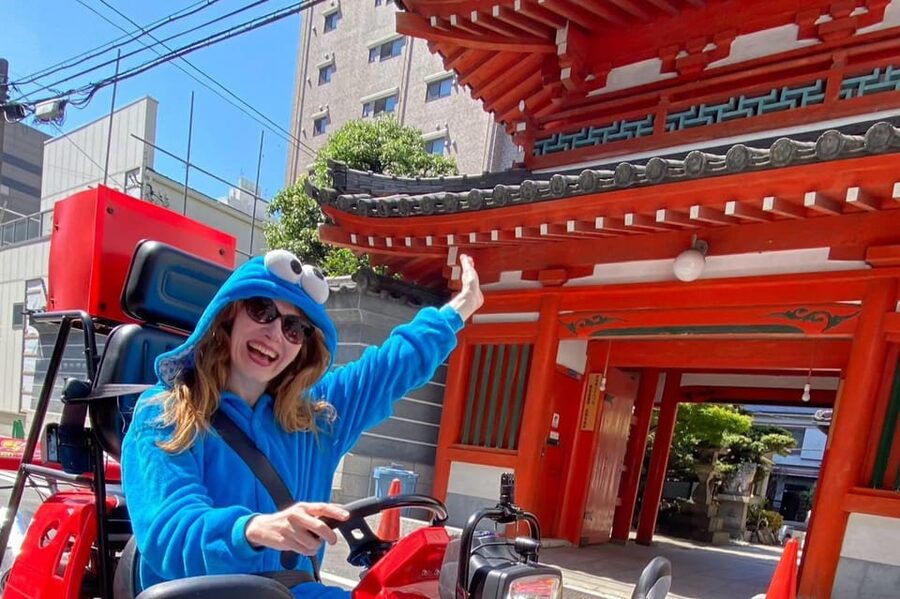
Dōtonbori is the route’s visual headline. The entertainment district is packed with large signs, bright facades, restaurants, and nightlife energy. At night, the illuminated streets provide the strongest setting for photos and make the costumes particularly noticeable.
Several participants preferred evening departures because the lights made the ride more exciting. I agree with that logic based on the route itself: Dōtonbori is best suited to a moving nighttime view, when the signs and shop fronts do most of the visual work.
The famous district can also be the most demanding part of the drive. There may be more traffic, more pedestrians, and more distractions. Keep your attention on the guide, the kart ahead, and the road. You will have time to look around, but this is not the moment to turn your head constantly for a photo.
The guide handles the photography while you drive. That is a real advantage. You do not need to hold a phone or attempt to take pictures while operating the kart. The photos are shared afterward, giving you a record of the costume, the group, and Osaka’s bright streets.
Namba: the final central-city run
Namba is the central entertainment hub and rounds out the route with another busy slice of Osaka. It connects naturally with Dōtonbori, but the two areas are not identical. Namba gives the ride a wider sense of the city’s entertainment core and brings you through one of the places where Osaka feels most concentrated.
By this point, you should be familiar with the kart and the guide’s signals. That lets you spend more attention on the surrounding buildings and street scenes. The route is not designed as a history lesson, but it does show how older city elements and modern shopping and nightlife fit together.
The route’s value comes from this mix of districts. You see different parts of central Osaka in one outing rather than spending the entire time circling one block. Just remember that the experience is a moving overview. To appreciate each area in detail, return later on foot.
The guides are the strongest part
The machinery gets you onto the road, but the guide shapes the experience. The most consistent praise goes to the staff’s mix of safety awareness, humor, patience, and photography.
Arata is described as energetic and reassuring. Arthur is praised for clear English, excellent photos, and an ability to make the ride enjoyable. Ginga helped nervous participants relax while still keeping the ride thrilling. Ray was singled out by honeymooners who felt safe and had fun, while Vivienne was praised for looking after a group of four and giving easy-to-follow signals.
Isabelle, Miya, Jin, and other guides also received strong praise for friendliness and attention. The exact guide depends on the departure, but the pattern is clear: good instruction and group control are central to the outing.
Solo participants are welcome and may meet people from several countries. Groups also work well, and one person who ended up riding alone still felt well looked after by the guides. This makes the experience flexible for solo visitors, couples, and friends.
Cost, comfort, and who should book
At $45, the experience offers decent value if you want photos, costumes, a guide, fuel, and about an hour on the streets. A standard city tour may give you more facts. This gives you a story to tell and a set of images that are difficult to reproduce on your own.
The value drops if you dislike public-road driving, traffic lights, or being watched. The kart is not a comfortable fit for everyone. A driver who was 6 feet 3 inches tall found the steering wheel cramped between the knees. If you are tall, contact the operator before paying so you know what to expect.
The activity is not suitable for pregnant people, anyone with back problems or mobility impairments, wheelchair users, children under 18, or people with hearing impairments. Alcohol and drugs are forbidden, and you must be physically prepared to operate the kart and follow instructions.
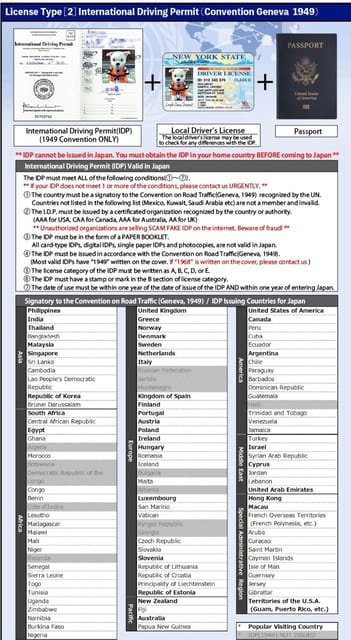
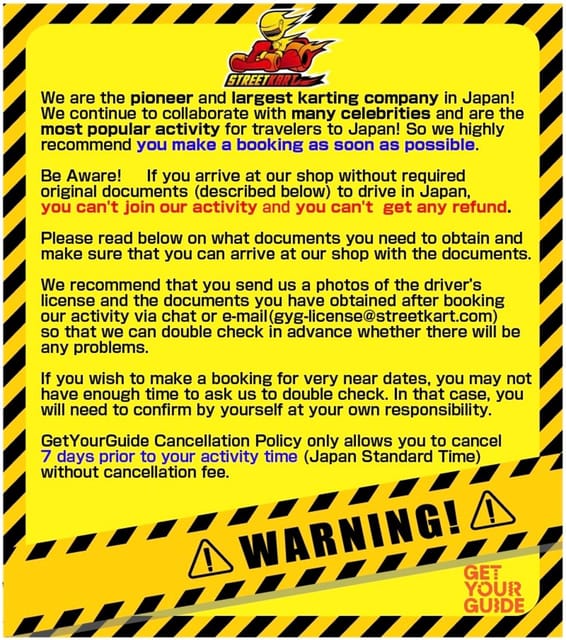
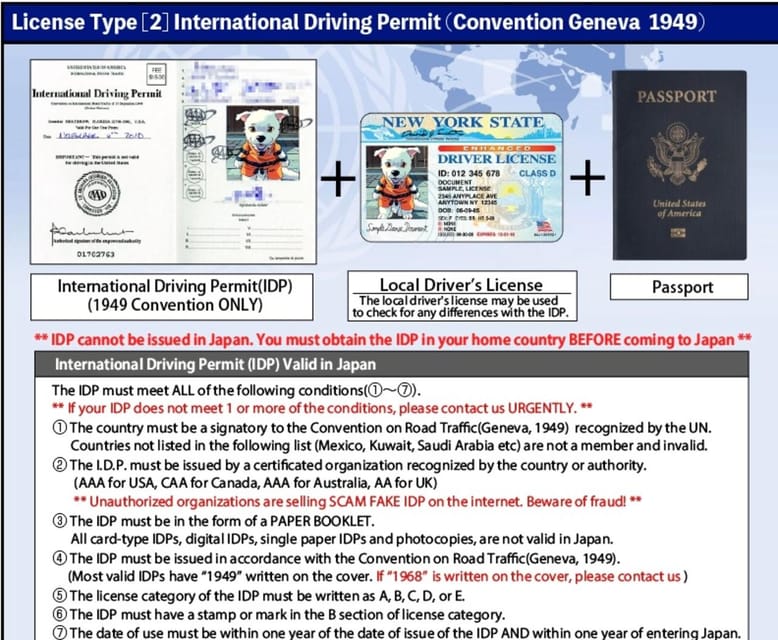
The driving documents are the most important booking condition. Most countries require a physical International Driving Permit issued in booklet form under the 1949 Geneva Convention. It must come from the same country that issued your domestic license, and you cannot obtain a valid one online while already traveling.
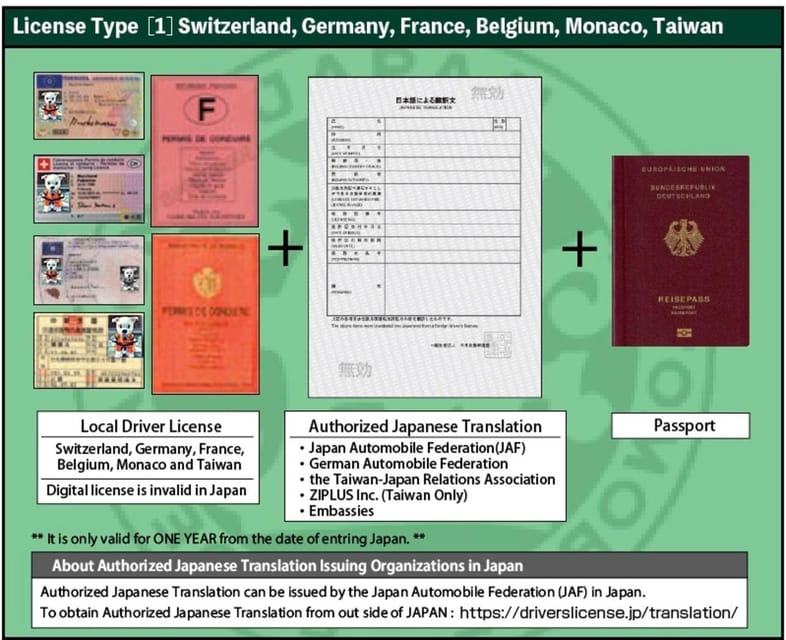
Drivers from Switzerland, Germany, France, Taiwan, Belgium, and Monaco need a Japanese translation from the Japan Automobile Federation, not an International Driving Permit. You must carry the physical domestic license, the official translation, and a physical passport. Licenses from countries not covered by the 1949 Geneva Convention, including China, Indonesia, Mexico, Qatar, and Saudi Arabia, are not permitted for driving in Japan.
Check this before booking, not the night before. Street Kart will email necessary information within 24 hours of booking, but you remain responsible for having the correct documents.
Photo memories and optional video
Photography is included, and the guide takes pictures during the ride. The photos are shared afterward, and one participant even received printed images to take home. That included service adds real value because you can enjoy the ride without managing your own camera.
Action-camera video costs extra. You may also need to pay for the camera rental, a Micro-SD card to save the footage, and a mount if you want to attach the camera to your head or chest. Those costs are separate from the $45 price.
I would treat video as optional. The still photographs already capture the main memory, while an action camera adds expense and another device to manage. If moving footage is important to you, check the current fees and storage requirements in advance.
Should you book the Osaka street-kart ride?
Book it if you want an unusual, social, photo-friendly way to see central Osaka and you are comfortable driving on public roads. The strongest reasons are the nighttime city lights, the costumes, the guide support, and the chance to pass through America-Mura, Shinsaibashi, Dōtonbori, and Namba in one outing.
Skip it if you want quiet sightseeing, detailed cultural commentary, or a relaxed ride with no traffic. Also skip it until your driving documents are in order. For the right person, this is one of Osaka’s most memorable evening activities. For everyone else, a walking route through the same districts may be calmer and more useful.
Free cancellation is available up to seven days before the activity for a full refund. Starting times vary, so check availability when choosing your date.
FAQ
How long does the Osaka street-kart experience last?
The activity lasts 90 minutes. The actual driving time is reported to be around one hour, with the remaining time used for preparation, instructions, and organizing the group.
What districts does the route visit?
The route goes through America-Mura, Shinsaibashi, Dōtonbori, and Namba.
Is an International Driving Permit required?
For most countries, yes. You need a physical booklet-format International Driving Permit that follows the 1949 Geneva Convention, along with your physical passport and domestic driving license.
What documents do drivers from Switzerland, Germany, France, Taiwan, Belgium, or Monaco need?
Drivers from those locations need an official Japanese translation from the Japan Automobile Federation instead of an International Driving Permit. They must carry the physical domestic license, official translation, and physical passport.
What is included in the price?
The price includes the kart, gasoline, an English-speaking guide, costumes, photos, a raincoat, and goggles.
Can I cancel for a full refund?
Yes. You can cancel up to seven days in advance for a full refund.
Just added in Japan
- Manga Lesson with a Professional Japanese Manga Artist in Nakano★ 5.0 · 77 reviews
- Making a bento box with cute character look in Japan★ 5.0 · 15 reviews
- Tokyo/Ikebukuro Manga drawing workshop by pro-Manga artists★ 5.0 · 65 reviews
- Luxury Tokyo Sake, Cocktail, Whisky and Pairing Tour★ 5.0 · 18 reviews
- Tokyo Ueno Food & Nature & Localtown Tour: 10Dishes+ Drinks★ 5.0 · 34 reviews
- Make Your Own Bonsai with a Professional Bonsai Artist in Tokyo★ 4.5 · 18 reviews
- Official Sumo Tournament Ticket with Guided Experience★ 4.5 · 19 reviews
- Make Traditional Nerikiri Sweets & Matcha experience in Shibuya★ 5.0 · 130 reviews
Osaka Tours, compared.

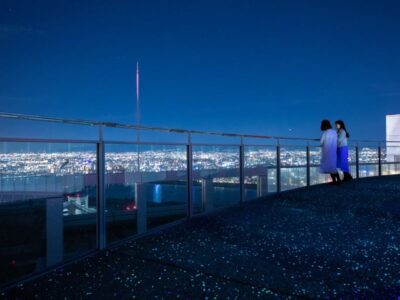
Umeda Sky Building & Kuchu Teien Observatory Ticket in Osaka
Read our review →