
Reviewed · OSAKA TOURS
Osaka: Traditional Japanese Ceramics Private Experience
Clay tells Osaka’s story one piece at a time. I like the private, patient teaching and the chance to work with clay from Shigaraki, one of Japan’s classic pottery areas. I also like that the finished project connects to Japanese food or tea, rather than becoming just another generic souvenir.
The main catch is practical: your pottery is not ready to take home that day. It takes about a month and a half to ship, and postage costs extra. Still, the workshop’s small setting, language choices, and personal attention make it a strong pick for anyone who wants a quiet break from sightseeing.
In This Review
- Key points at a glance
- From Teradachō Station to an old Osaka home
- Anna’s introduction to Japanese pottery
- Choosing between a sake set, sushi set, and chawan
- Sake set
- Sushi set
- Chawan
- Working with Shigaraki clay
- A private class with time to ask questions
- The handmade gifts add real value
- Shipping your pottery home
- Is $96 a fair price?
- Who will enjoy this most
- Useful planning advice before you go
- Should you book Ceramics Tocoton?
- FAQ
- Where does the Osaka ceramics experience begin?
- How long does the workshop last?
- What languages are available?
- Is the experience private?
- What can I make during the class?
- What materials are included?
- Can I take my pottery home immediately?
- Are children allowed to join?
Key points at a glance
- A real neighborhood walk: Meet at JR Teradachō Station and walk beyond Osaka’s main tourist zones to a century-old, two-story house beside local food shops.
- Three useful projects: Choose a sake set, sushi plate with chopstick holder, or chawan tea bowl.
- Shigaraki clay and Japanese glazes: The materials connect your souvenir to a major pottery tradition in Japan.
- Private instruction: You get step-by-step help from Anna, who has studied ceramics in Osaka and Barcelona.
- More than a craft class: The lesson includes conversation about Japanese culture, food, pottery designs, and local recommendations.
- A small gift is included: You receive a decorated sushi dish and Sakura-shaped chopstick holder made by the instructor.
From Teradachō Station to an old Osaka home
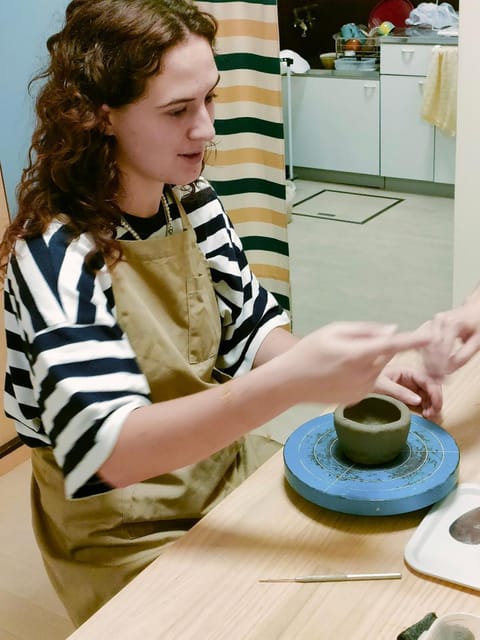
Your meeting point is the north exit of JR Teradachō Station. Look for a guide holding a sign marked Ceramics Tocoton. Pickup at the station is included, but your transportation to Teradachō is not, so allow time to reach the station before the scheduled start.
The walk to the studio is part of the experience. You leave the more familiar sightseeing routes and pass a street lined with shops selling local food. This gives you a glimpse of everyday Osaka before the clay even reaches your hands. It is not a grand tour of the city, and that is precisely the point. You get a short, useful change of scene from the usual castle, neon, and shopping itinerary.
The studio occupies a century-old, two-story house that also functions as a family home. That setting gives the class a domestic feel rather than the polished atmosphere of a large craft center. You may find the space more personal and relaxed, although anyone expecting a formal gallery or purpose-built school should adjust expectations.
The meeting instructions matter. If you are more than 15 minutes late, contact the provider. Arriving more than 15 minutes late counts as a no-show, so this is not an activity to squeeze between two trains with no time to spare.
A few more options to weigh up in Japan
- Universal Studios Japan Studio Pass
★ 4.8 · 89,883 reviews - Universal Studios Japan Express Pass
★ 4.7 · 53,138 reviews - Osaka Amazing Pass
★ 4.7 · 21,697 reviews
Anna’s introduction to Japanese pottery
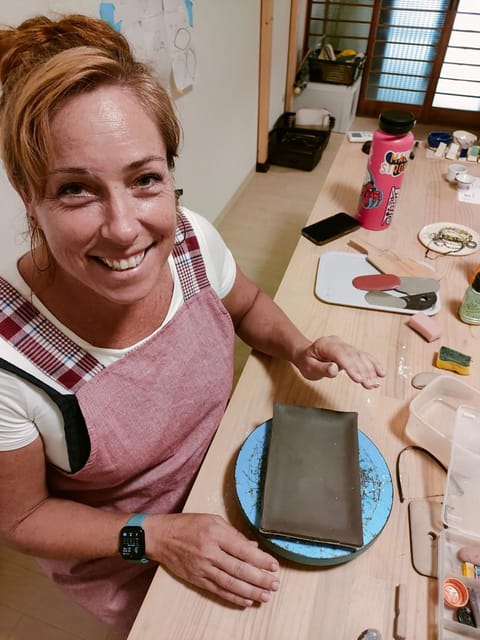
The class lasts two hours, and the first part sets the cultural frame. Anna explains Japanese ceramics, the available forms, and the uses and designs connected to them. Her background includes ceramic study in Osaka and Barcelona, and she teaches in English, Spanish, Catalan, or Japanese.
That language range is one of the class’s strongest advantages. Many hands-on activities in Japan offer only limited English support. Here, you can ask questions freely and get clear, personal guidance instead of trying to follow a demonstration from the back of a crowded room.
Anna’s teaching style also suits beginners. She demonstrates each stage, then lets you do the work yourself. That distinction matters. A pottery class can become disappointing if the instructor quietly fixes every uneven edge and leaves you with an object that feels more like the teacher’s work than yours. Here, the goal is to help you shape the clay while preserving your decisions and small imperfections.
The atmosphere appears to be friendly and informal. You can expect conversation alongside the instruction, including discussion of Japanese food, culture, pottery customs, and local Osaka suggestions. Some participants have also found the class a calm pause in a busy family trip, while experienced potters can ask for more advanced guidance.
Choosing between a sake set, sushi set, and chawan
You make one of three projects. Each option has a different connection to Japanese life, so your choice affects both the work and the souvenir you take home.
Sake set
The sake set consists of a small bottle and a glass. It is a good choice if you want a matched pair and like the idea of creating something for a Japanese drink tradition. The form also makes a memorable gift for someone back home, though the finished pieces will need careful packing once they arrive.
A completely different kind of day out:
- Tokyo Disney Resort – Tokyo Disneyland & Tokyo DisneySea Park Tickets
★ 4.8 · 99,488 reviews - SHIBUYA SKY Ticket
★ 4.7 · 46,509 reviews - Mt. Fuji Instagram-Worthy Spots Day Tour: Ladder Town, Oshino Hakkai, Lake Kawaguchi, Lawson Convenience Store (Departing from Tokyo Station or Shinjuku Station)
★ 4.8 · 35,467 reviews - JR Whole Japan Rail Pass
★ 4.8 · 29,150 reviews
Sushi set
The sushi option includes a sushi plate and chopstick holder. This is the most direct link to Japanese dining, and it gives you two related pieces rather than one larger bowl. It may suit you best if you want a practical serving object with a clear connection to Osaka’s food culture.
Chawan
A chawan is a tea bowl. This choice focuses on a single vessel and gives you room to think about shape, balance, and the feel of the bowl in your hands. It is especially appealing if you have an interest in tea or prefer a simple object with a strong place in Japanese tradition.
The choice is made during the workshop, after the instructor explains the options and their background. That helps you decide based on the meaning and process, not just a quick look at finished examples.
Working with Shigaraki clay
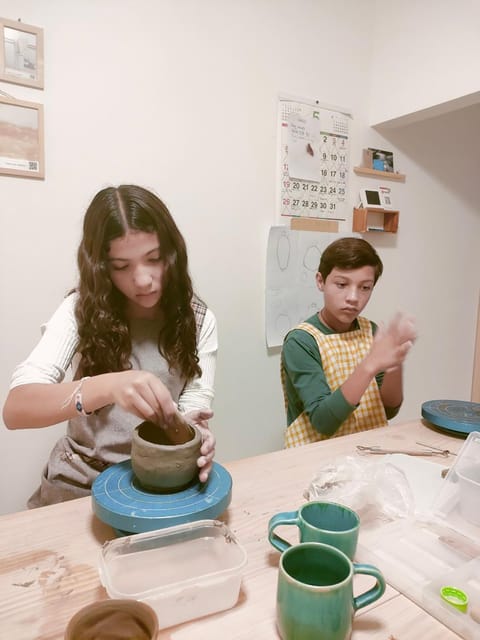
The clay comes from the Shigaraki area, one of Japan’s traditional pottery-producing regions. That detail adds value to the experience. You are not simply molding anonymous craft clay into a souvenir. You are handling a material tied to a long-standing Japanese ceramics area, then shaping it into an object linked to food or tea.
The work is hand-building rather than a wheel-focused class. You form and shape the clay with guidance from the instructor. This makes the workshop accessible to first-time potters, and it also gives experienced makers a chance to concentrate on Japanese forms and surface treatment rather than basic wheel technique.
The process has a pleasing balance of control and uncertainty. You choose the object and help shape it, but clay has its own limits. Edges may not be perfectly even, and the finished glaze may differ slightly from what you expect. Those marks are part of the appeal, provided you are comfortable with a handmade result rather than factory-perfect tableware.
Typical Japanese glazes are used to decorate the pieces. You decide on a glazed finish after forming the object, with Anna explaining the available choices. Because the pottery must be fired before shipping, the final color and appearance are not something you can fully judge at the workshop. Think of the class as creating the form and design, then waiting for the kiln to complete the job.
A private class with time to ask questions
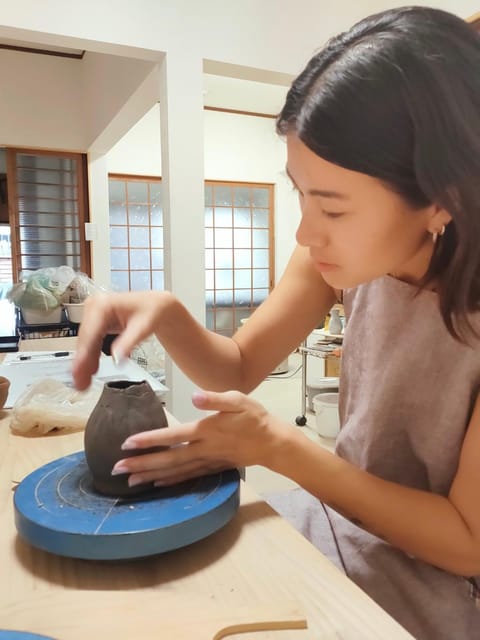
This is a private group experience, which changes the pace. You are not sharing the instructor’s attention with a large room of strangers, and you can stop to ask about a technique, a symbol, or a Japanese custom without holding up a line of people.
That privacy is particularly useful for families and couples. One family of five found the class a quiet moment of togetherness during a packed Osaka visit. Children must be at least five years old, and the private format can make it easier to adapt the pace to the group’s needs.
Solo visitors also benefit. One participant had the instructor to herself and received guidance adjusted to previous pottery experience. If you have made ceramics before, tell Anna at the start. If you are new to clay, you can expect clear demonstrations and help with the basic shaping steps.
The experience is not aimed at speed. You make one of the listed sets during the two-hour session, with time for instruction, conversation, and cleanup. If you want to produce several large pieces or spend an entire day at the wheel, this is not that kind of class. If you want one meaningful project with personal attention, the format works well.
The handmade gifts add real value
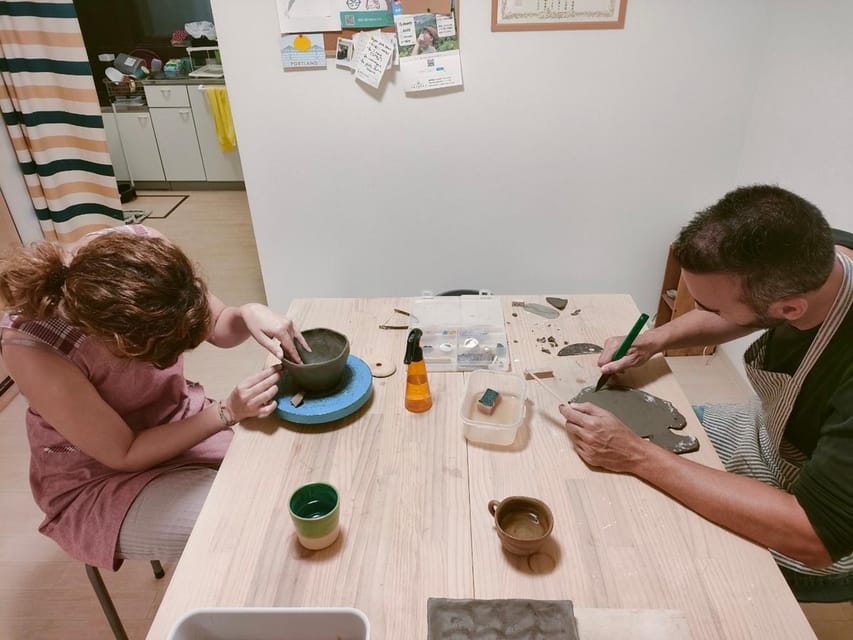
The included gifts are easy to overlook, but they improve the overall value. Anna gives each participant a small sushi dish decorated with traditional Japanese enamels and a chopstick holder shaped like a Sakura flower.
These are not mass-produced tokens added to the booking as an afterthought. They are handmade by the instructor, so you leave with something finished even though your own pottery still needs firing and delivery. The gifts also help solve a common craft-class problem: you do not walk away empty-handed if your own piece takes time to complete.
The parting gifts are small and practical. They will not replace the main ceramic piece, but they give you an immediate reminder of the workshop and a useful object for meals at home.
Shipping your pottery home
Your pottery is shipped after firing, with delivery taking about one and a half months. Shipping is not included in the $96 price, so confirm the cost before you commit. The available information does not give a fixed postage amount, and the final price may depend on your destination and the number of pieces.
This delay is the biggest planning issue. You cannot use the sake set, sushi plate, or chawan during the rest of your Japan trip, and you must provide an address for delivery arrangements. Leave room in your plans for the possibility that the finished piece arrives well after you return home.
For many people, the wait is part of the souvenir’s charm. You get an unexpected reminder of Osaka weeks later, rather than adding another fragile object to your luggage. If you need a souvenir immediately, rely on the included small dish and chopstick holder, or choose a different activity.
Is $96 a fair price?
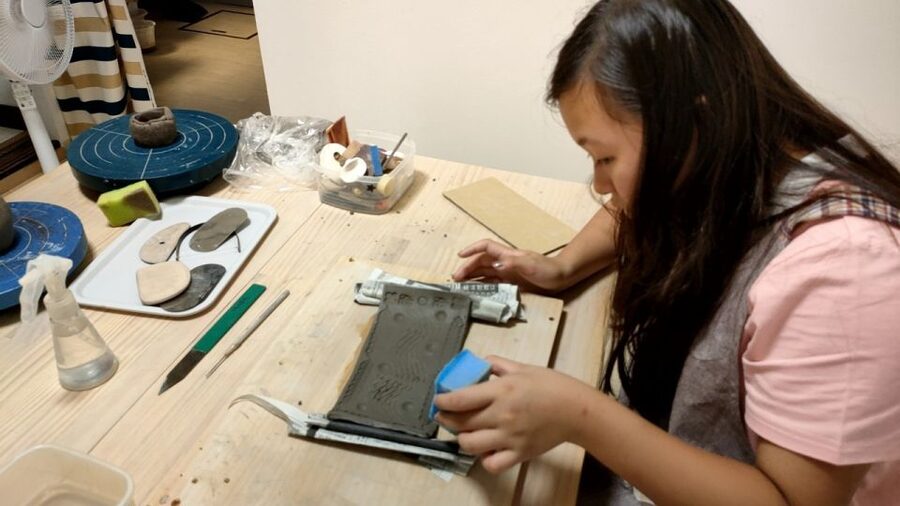
At $96 per person for two hours, this is not the cheapest craft activity in Osaka. The price makes more sense when you consider what is included: a private class, an instructor who can teach in several languages, materials, glazes, firing, the finished ceramic product, station pickup, and two handmade gifts.
You are also paying for the setting and attention. A short group class may cost less, but it may not give you the same chance to discuss Japanese ceramics, adjust the difficulty, or ask about local food and customs. The walk from Teradachō Station and the old house add a sense of place without requiring a separate tour.
The value depends on how much you care about the finished object. If you mainly want a cheap activity, $96 may feel high. If you want a private cultural lesson and a custom piece made with Japanese materials, the price is easier to justify.
Transportation to and from the station is extra, and shipping is extra. Add both costs to your budget before booking.
Who will enjoy this most
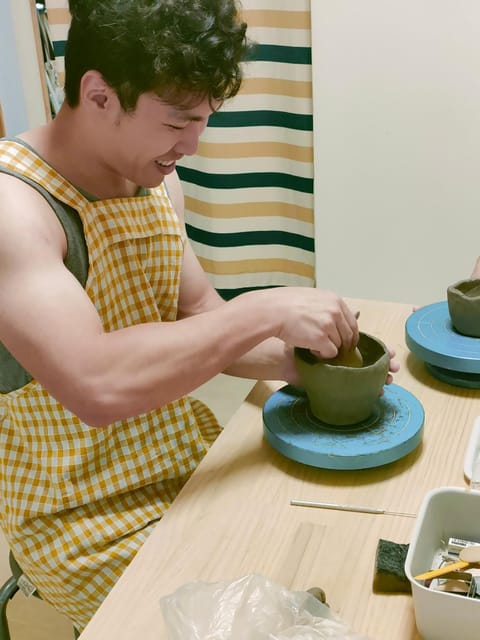
I would choose this workshop for several kinds of visitors:
- First-time pottery makers who want close instruction without pressure.
- Experienced potters who want to try Japanese forms, clay, and glazes.
- Couples looking for a relaxed shared activity.
- Families with children aged five and older who want a quieter break from sightseeing.
- Solo visitors who appreciate conversation and flexible teaching.
- Food and tea fans who like souvenirs with a clear Japanese purpose.
- Visitors seeking a less tourist-focused Osaka experience beyond the city’s main attractions.
It is less suitable if your schedule is extremely tight, if you need to carry the finished pottery home immediately, or if you want wheel throwing instead of hand-building. The activity is also not suitable for children under five.
Useful planning advice before you go
Book a time that gives you a little breathing room before and after the two-hour class. Teradachō Station is the fixed meeting point, and the walk to the studio is part of the outing, so do not treat the station as a quick curbside pickup.
Wear clothes you can comfortably get dirty in, even though the studio is described as clean. Clay work involves hands-on shaping and cleanup, and practical clothing will let you focus on the process.
Think about your choice of project before arriving, but stay open to Anna’s explanation. The sake set, sushi set, and chawan each have a different purpose, and the best choice may depend on the kind of object you actually use at home.
Finally, keep your delivery address and shipping budget in mind. Your pottery takes around six weeks to arrive, and shipping costs are not part of the listed price.
Should you book Ceramics Tocoton?
I would book this experience if you want personal teaching, Japanese pottery context, and a souvenir you help create yourself. Anna’s clear instruction, friendly conversation, and ability to work with beginners or more experienced potters are the main reasons it earns such strong praise.
The decision is less clear if you want instant results or a low-cost activity. The $96 fee is a serious spend for two hours, and the finished pottery arrives about a month and a half later at an extra shipping cost.
For a couple, family, solo visitor, or small private group with room in the budget, this is one of the better ways to slow down in Osaka. You leave with new skills, a handmade gift, and a piece that carries a direct connection to Japanese food, tea, and pottery.
FAQ
Where does the Osaka ceramics experience begin?
Meet your guide at the north exit of JR Teradachō Station. Look for a guide holding a sign with the studio name, Ceramics Tocoton.
How long does the workshop last?
The experience lasts two hours.
What languages are available?
The instructor can teach in English, Catalan, Spanish, or Japanese.
Is the experience private?
Yes. The workshop is offered for a private group.
What can I make during the class?
You can make one of three options: a sake set with a small bottle and glass, a sushi plate with chopstick holder, or a chawan tea bowl.
What materials are included?
The class includes clay from the Shigaraki area and typical Japanese glazes. Instruction and the finished ceramic product are also included.
Can I take my pottery home immediately?
No. Your piece must be finished and fired before delivery. Shipping takes about one and a half months, and shipping costs are not included.
Are children allowed to join?
Children under five are not suitable for this experience. Children aged five and older may take part in the private workshop.
Just added in Japan
- Manga Lesson with a Professional Japanese Manga Artist in Nakano★ 5.0 · 77 reviews
- Making a bento box with cute character look in Japan★ 5.0 · 15 reviews
- Tokyo/Ikebukuro Manga drawing workshop by pro-Manga artists★ 5.0 · 65 reviews
- Tokyo Ueno Food & Nature & Localtown Tour: 10Dishes+ Drinks★ 5.0 · 34 reviews
- Make Your Own Bonsai with a Professional Bonsai Artist in Tokyo★ 4.5 · 18 reviews
- Luxury Tokyo Sake, Cocktail, Whisky and Pairing Tour★ 5.0 · 18 reviews
- Make Traditional Nerikiri Sweets & Matcha experience in Shibuya★ 5.0 · 130 reviews
- Daikoku Parking Tokyo Drift & APIT Car Meet JDM Culture Tour★ 5.0 · 79 reviews
Osaka Tours, compared.






Umeda Sky Building & Kuchu Teien Observatory Ticket in Osaka
Read our review →